Who is a Data Engineer?
As businesses across the globe are enthusiastically adapting the data-driven strategies to optimize their decisions, the demand of highly skilled Data Engineers has increased manifold. A skilled person who is able to convert the raw data into a self-explanatory form to analyze the trends by developing requisite algorithms is a Data Engineer.
The entire task of Data Mining, maintaining and extracting trends from different data sets in an organization is completed by a team of Data Engineers. Ultimately, the Data Engineers provide reliable infrastructure to maintain big data.
Skills required to be a Data Engineer
A Data Engineer must have deep understanding of SQL, Extract Transform Load, Apache Hadoop, in depth knowledge of Python, Java, Scala, Kafka, hive, storm and many more.
 Enterprises now a days prefer the employees with the experience of working on the cloud platforms like Amazon Web Services etc. Sound knowledge of Data warehousing and Data modelling is also given a lot of preference these days.
The required skills and preferences may affect the salary of an Data Engineer by 10%-15%.
A Data Engineer deals in Big Data, the person should be proficient in the documentation skills and must also be good in his/her verbal and Non-verbal communication skills.
How to Become a Data Engineer?
Applied Mathematicians, Engineers, People holding Bachelor’s degree in Computer Sciences or related IT field find it easier to become a Data Engineer. The aspiring candidates then go for a Big Data certification course to have in depth understanding of required technological skills to be a Data Engineer.
Roles and Responsibilities of a Data Engineer
The generic tasks that a Data Engineer has to perform include:
- Aggregation and Analysis of given data sets
- Development of Dashboards and reports
- Development of tools for business professionals
- Providing improved techniques to access the Big Data
Three main domains in which a Data Engineer works are: Generalist, Pipeline centric, Database-Centric Generalists are the Data Engineers who processes, manages and analyses the data.
 Pipe-line centric Data Engineers work in coherence with Data Scientists to utilize their collected Data. Database-centric Data Engineers manages the Data-flow and database analytics.
Along with the technical skills, a Data Engineers must have some soft skills as well to communicate their analysis. Some of the key responsibilities are:
- Acquisition of Data
- To match their development constantly with the business requirements
- Consistent improvement in the data reliability, efficiency and Data Quality
- Development of predictive and prescriptive modelling
The key responsibilities vary from organization to organization.
Data Engineer: Employers and Salaries
Some of the top companies where Data Engineers are highly paid are:
- com Inc
- Tata Consultancy Services Limited
- IBM Private Limited
- General Electric (GE) Co
- Hewlett-Packard
Factors affecting Salaries of Data Engineers
Experience:
| Average Experience as a Data Engineer | Average Pay-Scale based only on Experience |
| Entry level | ₹400,000 approx. |
| 1-4 years | ₹739,916 based on 317 salaries |
| 5-9 years | ₹1,227,921 based on 179 salaries |
| 10-19 years | ₹1,525,827 based on 49 salaries |
Job Location:
The Data Engineers working in the prime locations like Gurgaon (Haryana) earns 27.3% more average salary, in Hyderabad (Andhra Pradesh) 13.7% more average salary, in Bangalore (Karnataka) 12.5% more average salary than in locations across the nation.
The average salary of a Data Engineer in Mumbai, New Delhi and Chennai are relatively lesser than average salary across the nation.


 Interoperability, APIs, and NLP Efficiency
 With an industry-designed curriculum, you can learn about the use cases of data science in the logistics industry. From
 Business Analytics
 In the future, the interaction between humans and AI will define in a lot of ways the structure and functioning of a modern-tech society.
 In recent studies, a scientist is experimenting to teach AI to learn like a kid. They want to inoculate the eager learning attitude and swift skills of young people into the algorithms of machines.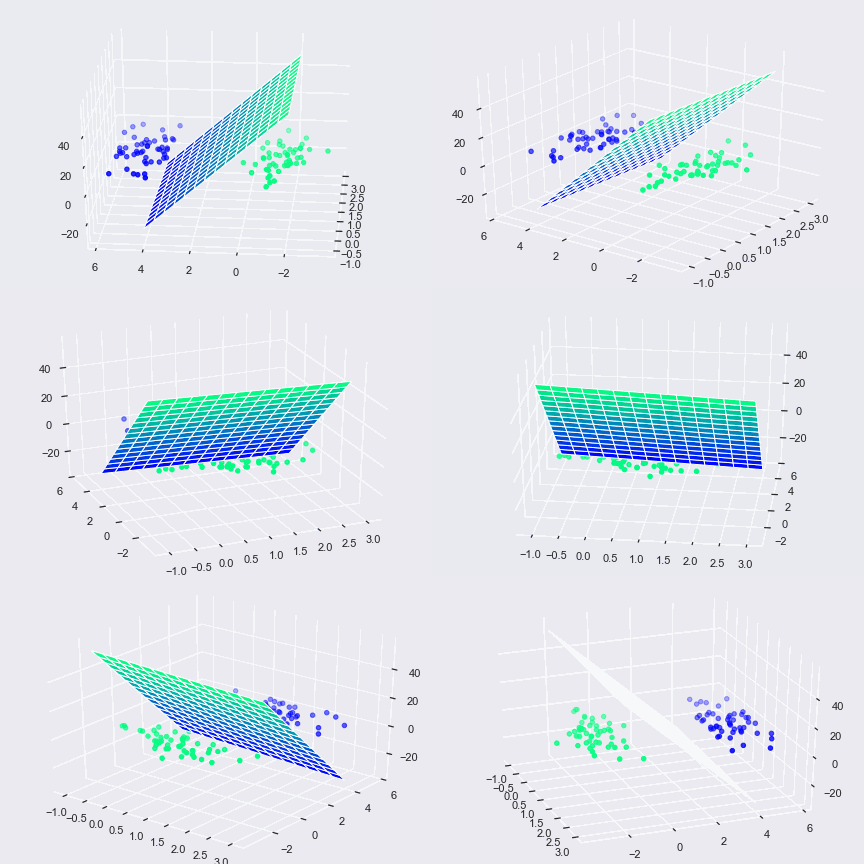
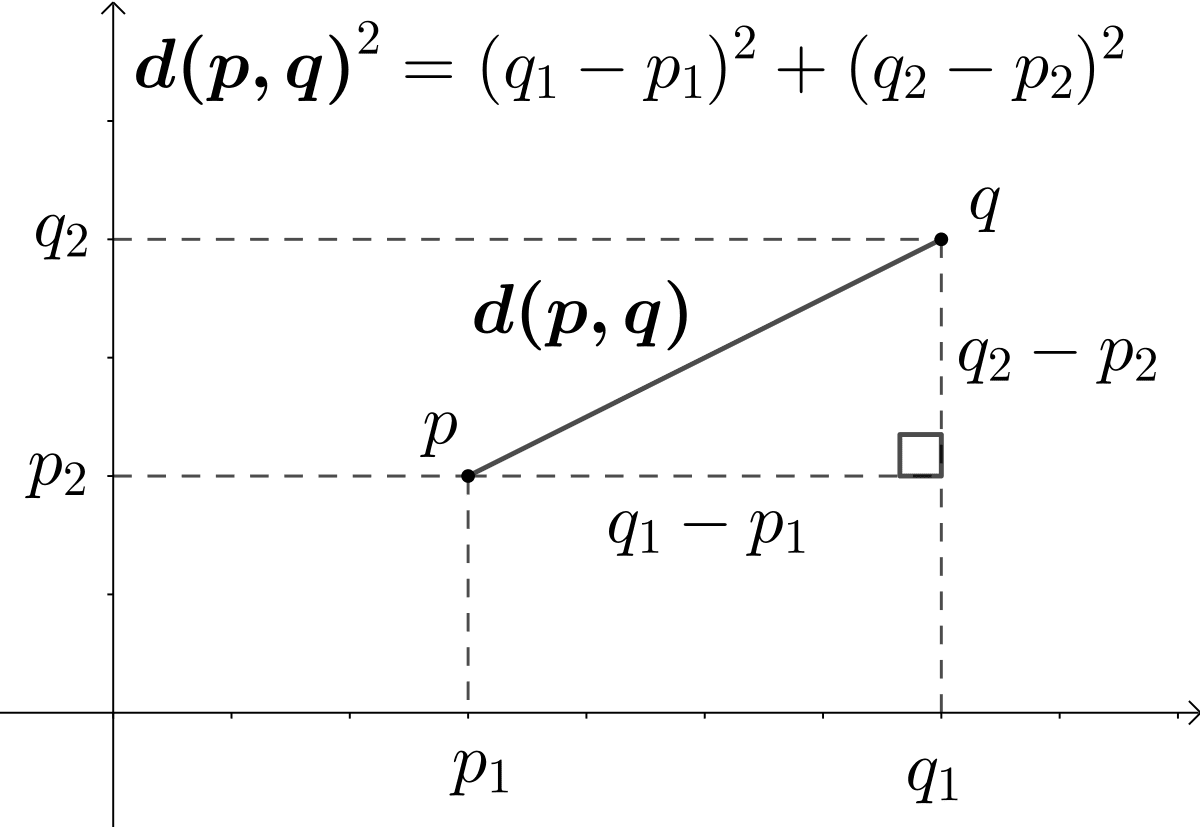
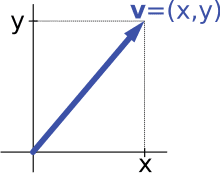 To illustrate the definition let us consider the length between two points. The span between these two points doesn’t change depending on the direction as the size remains the same.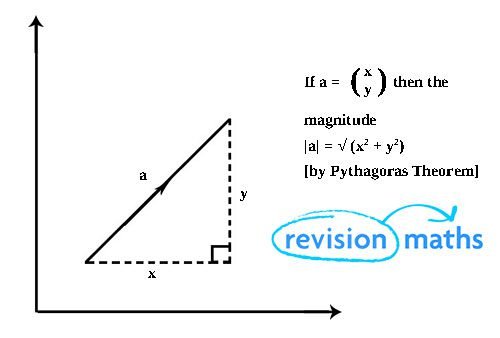
 To achieve this through machine learning, we use Python as the programming language using libraries such as NumPy, Pandas. Python and the array operations in Python are useful to perform many algorithms such as SVM.