Selling Solutions, Not Products: The Power of Sales and Marketing Courses

Ever feel like you’re stuck in a rut, pushing products but not truly connecting with customers? In today’s dynamic business world, it’s not enough to have a great product or service. 

This is where sales and marketing courses come in – your secret weapon to unlock explosive growth! But before we dive into the specific courses, let’s chat about why these skills are crucial and the challenges you might face.

Why Do You Need Sales and Marketing Superpowers?

Sales encompass activities associated with selling goods or services, as well as the total quantity of goods sold within a specified timeframe. Offering a service in exchange for payment is also considered a sale. Additionally, a period during which goods are offered at a reduced price is commonly referred to as a “sale.”

Sales and marketing training work together to attract customers, increase brand awareness, and make money. Sales involve talking to customers and closing deals, while marketing creates interest in products or services through storytelling and promotion. Together, they help businesses succeed.

Here are some tips for beginners in sales and marketing:

To get started in sales and marketing, it’s helpful to take specialized training courses. These courses teach important skills like understanding customers, effective communication, finding leads, and convincing people to buy.

To make the most of sales and marketing, beginners need to have a strong strategy that fits the company’s goals and target customers. By figuring out what makes a product or service special, businesses can explain why it’s valuable to potential customers. Using data about customers and research about the market can also improve marketing campaigns and make it more likely that people will buy.

The Battleground: Common Sales and Marketing Challenges

Even the most enthusiastic salesperson can face roadblocks. Here are some common challenges you might encounter:

  • Generating leads: Finding qualified prospects who are genuinely interested in what you offer can feel like a never-ending struggle.
  • Converting leads into sales: Turning a potential customer into a loyal client requires a well-defined sales funnel and persuasive communication skills.
  • Staying ahead of the curve: The digital world is always changing, so staying current with emerging trends and technology is crucial.
    iim l sales leadership program

Developing Your Sales and Marketing Arsenal

Now for the good part! 

Importance of sales and marketing courses offer knowledge and practical techniques to conquer those challenges. Here’s a breakdown of some key areas covered in these courses:

Understanding the Customer Journey

  • Market research: Learn how to gather customer data and use it to understand your target audience.
  • Buyer personas: Develop detailed profiles of your customers, including their demographics, needs, and buying habits.
  • The sales funnel: Master the process of attracting leads, nurturing them with valuable information, and ultimately converting them into paying customers.

Content Marketing Magic:

  • Content creation: Learn the art of crafting captivating content (blogs, articles, videos) that educates your audience and establishes you as a thought leader.
  • SEO mastery: Uncover the secrets of (SEO) Search Engine Optimization to ensure your content ranks high in search results.
  • Social media savvy: Discover how to use social media platforms to get involved with your target market, increase brand recognition, and increase website traffic.

The Art of Persuasion:

  • Sales communication techniques: Develop persuasive communication skills that focus on addressing customer needs and building trust.
  • Objection handling: Learn how to handle customer concerns and overcome objections with confidence effectively.
  • Negotiation strategies: Master the art of discussion to strike win-win deals that benefit both you and your customers.

Data-Driven Decisions:

  • Key Performance Indicators (KPIs): Learn how to identify and track key metrics (website traffic, conversion rates, etc.) to measure the success of your sales and marketing campaigns.
  • Marketing analytics: Discover how to analyze data and gain valuable insights to enhance your strategy and optimize results.
  • Marketing automation: Explore how automation tools can streamline your marketing efforts & free up valuable time.

Why are sales and marketing courses crucial for modern businesses? 

Sales and marketing courses are vital for modern businesses for several reasons:

  • Stronger Sales Skills: These courses equip salespeople with the knowledge and techniques to identify customer needs, build relationships, and close deals effectively. In today’s competitive market, well-trained salespeople can significantly boost revenue.
  • Data-Driven Decisions: Modern sales and marketing courses emphasize leveraging data analytics to understand customer behavior, target the right audience, and measure campaign effectiveness. This data-driven approach also allows businesses to optimize their strategies and maximize (ROI)return on investment (ROI).
  • Strategic Mindset: Sales and marketing are not just about individual transactions; they are strategic endeavors. These courses teach professionals to analyze market trends, identify opportunities, and develop result-oriented plans. This strategic thinking ensures businesses can adapt to changing market conditions and achieve long-term goals.
  • Understanding the Digital Landscape: The business world is increasingly digital. Sales and marketing courses equip professionals with the skills to navigate social media platforms, create compelling online content, and utilize SEO best practices to reach their target audience.
  • Overall Business Acumen: Sales and marketing are not isolated functions. By understanding these areas, employees gain valuable insights into the overall business landscape. This holistic perspective fosters better collaboration and decision-making across different departments.

The Final Words

Taking a sales and marketing course is just the first step. Consistent practice, staying updated with the industry’s latest trends, and applying your newly acquired skills are key to success.

Enroll in a sales and marketing course today and watch your career take flight! The digital world awaits, and with the right knowledge and tools, you can become a master of connecting with customers and driving growth.

Imarticus Learning Presents: The Executive Management Programme in Sales And Marketing Leadership

Tailored for high-potential executives with proven managerial track records, aspiring to ascend as business leaders, Imarticus Learning’s Executive Management Programme in Sales And Marketing Leadership is your pathway to leadership excellence. This comprehensive program is designed to cultivate leadership abilities and empower you to navigate organizations effectively.

Imarticus Learning’s unique approach to learning utilizes experiential methods, leveraging case studies and simulations from prestigious institutions such as Wharton Interactive, StratX, and Imarticus Game Studio. With a sharp focus on enhancing sales and marketing acumen, strategic thinking, people leadership, and execution skills, this program equips you with the tools needed to thrive in today’s dynamic business landscape.

Imarticus Learning’s collaboration with IIM Lucknow presents the NextGen Business Leadership Program, a sales and marketing leadership course designed to equip you with the essential skills and knowledge to tackle contemporary business challenges. Gain invaluable hands-on experience in devising effective strategies to overcome modern-day obstacles faced by business leaders.

By enrolling in our program, you gain exclusive access to IIM Lucknow’s Executive Education Alumni status, offering a myriad of benefits, including access to the alumni network, invitations to exclusive events, and membership in local alumni chapters. Join a prestigious community of executives and expand your professional horizons.

Are you ready to embark on your journey towards becoming a business leader? 

Contact us today to learn more about Imarticus Learning’s Executive Management Programme in Sales And Marketing Leadership. Elevate your career and discover new opportunities with our innovative approach to executive education.

Digital Disruption: How to Stay Ahead in the Ever-Evolving Landscape of Digital Marketing

The digital marketing landscape is a dynamic environment, constantly evolving at an unprecedented pace. It can be irresistible for businesses to keep up with the latest trends. 

Digital transformation is not a buzzword; it is a fundamental shift in mindset and strategy. It encompasses the integration of online marketing evolution into all aspects of a business, fundamentally changing how it operates and bringing value to the customers. Within this broader context, digital marketing plays a pivotal role, serving as the frontline in engaging and nurturing customer relationships.

In this blog post, we delve into the intricacies of mastering the evolving landscape of digital marketing amidst the ongoing digital transformation. We’ll also explore the key trends shaping the industry, the challenges businesses face, and, most importantly, the strategies to navigate this complex terrain successfully.

Digital Transformation: Navigating the Changing Digital Marketing Realm

In the digital advertising and marketing industry, digital display is expected to grow at a CAGR of 15.5%, while search is anticipated to grow at a rate of 12.2%. Currently, search accounts for 40.9% of the global digital advertising and marketing market.

Imagine entering a specialized medical field without proper training. Certifications in digital marketing function similarly. They provide a structured learning path, equipping you with the foundational knowledge & practical skills necessary to excel in this dynamic field.

Think of a certification as a professional credential. It reveals to potential employers and clients that you possess the expertise to deliver results. 

Here’s a breakdown of the benefits:

  • Enhanced Credibility: Certifications showcase your commitment to the field and your investment in acquiring the necessary skills.
  • Sharpened Skills: Certifications delve deeper into specific areas of digital marketing, allowing you to refine your expertise.
  • Increased Job Prospects: Many employers actively seek candidates with relevant certifications, giving you a competitive advantage.

Digital Marketing Certification Course

Popular Digital Marketing Certifications to Consider

The PGP in Digital Marketing Training Course offered by Imarticus Learning is a specialized program that delves into the practical applications of digital marketing in today’s digital landscape. This course, available on the Imarticus Learning platform, is meticulously crafted to equip learners with the skills and knowledge necessary to thrive in the digital marketing industry while also ensuring job assurance.

Through this certification course, participants will gain a comprehensive understanding of advanced business practices within the digital marketing domain. The curriculum is enriched with real-world business case studies and capstone projects, providing learners with hands-on experience under the mentorship of senior industry experts.

Upon successful completion of all assessments and evaluations in the PGP in Digital Marketing Course Online, participants will receive a certificate of completion. The course spans over 5 months, comprising a total of 228 hours of intensive training.

Remember, certifications are a valuable stepping stone, but continuous learning is key to sustained success.

What are the Latest Trends in Digital Marketing?

The digital marketing landscape is constantly in flux. Here are staying ahead in digital marketing trends to stay informed about:

  • The Rise of Short-Form Video: With shorter attention spans, platforms like TikTok and Instagram Reels are dominating. Consider incorporating bite-sized, engaging video content into your strategy.
  • The Power of Personalization: Today’s consumers crave personalized experiences. Utilize data and analytics to tailor your marketing messages to individual needs and preferences.
  • Voice Search on the Rise: Voice assistants like Siri and Alexa are increasingly used for online searches. Optimize your content and voice for voice search to ensure visibility when people ask questions using their devices.
  • The Era of Conversational Marketing: Chatbots and live chat platforms are gaining traction. Develop chatbots to answer customer queries and provide real-time support.
  • The Metaverse Beckons: The metaverse, a virtual world where people interact in 3D spaces, is emerging. Explore how you can easily integrate your brand into this exciting platform.

By understanding these digital marketing trends in 2024, you can position your brand for success in the digital landscape.

KPIs: Your Guide to Measuring Success

Imagine embarking on a journey without a compass. In digital marketing, your Key Performance Indicators (KPIs) serve as your compass.

KPIs are metrics that track the efficiency of your marketing campaigns. They provide valuable insights into whether your strategies are working and guide you toward data-driven decisions. 

Here are some essential KPIs to track in different areas of digital marketing:

  • SEO: Organic traffic (website visitors from search engines), keyword rankings (how your website ranks for specific search terms), and the conversion rate from organic traffic (percentage of website visitors who take a desired action).
  • Social Media Marketing: Follower growth (number of people following your social media accounts), engagement rate (likes, comments, shares on your social media posts), click-through rate on links in your posts (percentage of people who click on links you share).

By monitoring these KPIs, you can measure the success of your campaigns, identify areas for improvement, and ultimately achieve your digital marketing goals.

The Final Words

In the swiftly changing landscape of digital marketing, staying ahead is not just an option—it’s a necessity for businesses to thrive. As we’ve explored in this blog post, the keys to success lie in continuous learning, adapting to emerging trends, and measuring your efforts effectively.

Remember, building your expertise through certifications can boost your credibility and open doors to the latest opportunities. But beyond certifications, staying informed about current trends such as short-form video, personalization, voice search, conversational marketing, and the metaverse will keep your strategies relevant and effective.

And let’s not forget the importance of tracking Key Performance Indicators (KPIs). These metrics act as your compass, guiding you toward data-driven decisions and ensuring that your digital marketing efforts are delivering tangible results.

By embracing digital transformation, mastering the latest tools and strategies, and keeping a close eye on your KPIs, you can navigate the ever-evolving digital marketing landscape with confidence and succeed in your business goals in the digital age.

Imarticus Learning: Empowering Your Digital Marketing Career with Practical Training and Job Assurance

Imarticus Learning is committed to boosting your career in digital marketing through our comprehensive course, which includes job assurance with 10 guaranteed interviews at over 500 esteemed partner organizations seeking professionals in Social Media, SEO, Content Marketing, & Digital Marketing.

This Digital Marketing Course is proposed to equip you with hands-on experience through more than 15 industry-specific projects and case studies. You’ll engage with tools like Google Ads, Facebook Ads, Getresponse, Google Analytics, WordPress, and others meticulously chosen by experts to prepare you for your future endeavors in the field.

Our faculty comprises seasoned industry professionals who utilize interactive modules and practical training methods to deliver a robust curriculum. With a focus on real-world applications, you’ll be prepared for various digital marketing roles upon completing the course.

 Ready to kick-start your career in digital marketing

Contact us today to learn more about how Imarticus Learning can help you achieve your goals and secure your future in this dynamic industry.

From Concept to Launch: The Journey of Product Management Course Graduates

The journey from concept to launch is often paved with challenges, victories, and invaluable lessons learned. Imagine the excitement of shaping an idea into a tangible product, the adrenaline rush of navigating through market uncertainties, and the satisfaction of seeing your creation thrive in the hands of satisfied customers. This journey is the essence of product management, and for those who embark on this path, it’s not just a career choice; it’s a transformative experience.

Today, we delve into the captivating narratives of product management course graduates. These individuals, armed with passion, knowledge, and a thirst for innovation, have traversed the intricate maze of product development, from the seed of an idea to the triumphant launch of their creations. Their stories are not only inspiring but also brimming with insights that can guide aspiring product managers, entrepreneurs, and innovators on their path to success.

What Does a Product Manager Do?

Product management is like the roadmap for making and selling a product. It involves planning, creating, launching, and looking after a product or service. This process covers everything from coming up with the idea to putting it out into the world. Product managers make sure that the product meets the needs of the people who will use it and fits with the company’s goals. They take care of the product from start to finish, making sure it’s successful every step of the way.

Think of a product manager (PM) as the captain of a ship, steering a fantastic idea from its initial spark to a successful voyage on the high seas of the market. Their role is a captivating blend of creativity, strategy, and leadership. Here’s a glimpse into their world:

  • Idea Champion: PMs are the champions for new products. They identify customer needs, conduct market research, and refine those brilliant ideas into something users will crave.
  • Feature Forge: They determine which features to prioritize, ensuring the product offers the most value to users. It’s all about balancing functionality with a smooth, user-friendly experience.
  • Collaboration Captain: PMs are the glue that holds everything together. They collaborate with designers, engineers, marketers – basically everyone on the team – to ensure everyone’s working towards the same vision.
  • Data Detective: PMs are data ninjas! They analyze user feedback, track product performance, and use that data to improve and iterate on the product continuously.

Key Skills of a Certified Product Manager

So, you want to be a product development program graduate

As students progress, they move into the realm of practical experience. This could involve internships, apprenticeships, or working on real-world projects within their course curriculum. Here, they confront the challenges of managing timelines, collaborating with cross-functional teams, and prioritizing features based on user feedback and business objectives.

This hands-on experience is invaluable for honing their skills and learning how to navigate the complexities of product development. They learn to adapt to unexpected challenges, communicate effectively with stakeholders, and make data-driven decisions to drive product success.

In their roles as product managers, they are responsible for defining product roadmaps, leading development teams, and delivering value to customers. They draw upon their education and experiences to navigate product lifecycles, from ideation to launch and beyond.

Here are the essential skills you’ll hone in a product management course:

  • Product Visionary: PMs see the bigger picture. They can envision how a product will evolve and adapt to changing market needs. Think crystal ball, but way cooler.
  • User Empathy Ninja: Understanding your users is paramount. PMs have become masters of user research, constantly seeking ways to design products that users love.
  • Data-Driven Decision-Making: PMs don’t just guess; they base their decisions on hard data. You’ll learn how to analyze metrics, interpret user feedback, and make informed choices for product development.
  • Communication Catalyst: PMs are communication chameleons. They can explain complex technical jargon to executives and translate user needs into actionable plans for engineers. Basically, they speak fluent “everyone-ese.”
  • Agile Advocate: The product development world is dynamic. PMs embrace agile methodologies, which involve working in short sprints and adapting to new information quickly. Think of it as being super adaptable and ready for anything.

These are just a few of the many skills you’ll develop in a product management course. By the end, you’ll be well-equipped to navigate the ever-evolving product landscape.

Product Management Courses

Product Manager’s Salary in India 

According to industry reports, the average product manager salary in India can range from ₹8 lakhs to ₹20 lakhs per annum, depending on experience, location, and the company. It’s a field with promising growth potential, making it an attractive career choice for many.

The typical salary for a Product Manager in India is around ₹21,40,000 per year. On top of that, they usually receive an average additional cash compensation of ₹2,40,000 per year. The range for this extra cash can vary from ₹18,000 to ₹15,00,000. These salary estimates are based on data from 45,797 Product Manager employees in India who shared their salaries anonymously on Glassdoor.

But wait, there’s more! Product management is a career path with excellent job security. Businesses are constantly innovating, creating a high demand for skilled PMs who can turn ideas into reality.

Eligibility Criteria for Product Management Courses

Ready to embark on your product management career growth? Here’s what you’ll typically need to be eligible for a product management course:

  • Bachelor’s Degree: Most courses require a bachelor’s degree in any discipline. Your prior studies might even give you a unique edge in the product management world!
  • Work Experience (Optional, but Beneficial): While not always mandatory, some courses prefer candidates with some work experience, especially in fields like marketing, engineering, or business development.

The Final Words

Remember, the best product managers come from diverse backgrounds. Your passion for creating impactful products and willingness to learn will be your greatest assets. Many product management courses offer flexible online learning options, making it easier to balance your studies with your current commitments.

Accelerate Your Career with the Professional Certificate in Product Management by Imarticus Learning and IIT Roorkee

The Professional Certificate in Product Management by CEC, IIT Roorkee, offered in collaboration with Imarticus Learning, is tailored specifically for young professionals aiming to kickstart their career in Product Management.

Imarticus Learning, in partnership with IIT Roorkee, has crafted a curriculum designed to help learners master the entire lifecycle of a product, from its development and positioning to pricing and deployment.

This 5-month live Product Management course, facilitated by IIT Roorkee and Imarticus Learning, empowers learners to create a product from scratch, fostering advanced career growth and enriching their portfolio.

Benefiting from IIT Roorkee’s esteemed faculty and cutting-edge curriculum, participants gain essential knowledge and skills in new-age product management through hands-on product development.

Enroll Now and Take the First Step Toward a Rewarding Career in Product Management!

Beyond Policies: How an HR Manager Course Can Transform People Management Practices

Have you ever felt like your HR department is stuck in a paperwork rut? Policies, procedures, handbooks – they’re all crucial, but let’s be honest, they’re not exactly the recipe for an engaged and thriving workforce.

This is where the Human Resources Manager Training comes in. 

Business leaders witnessing significant changes in their organizations due to the COVID-19 crisis may struggle to understand the full impact until things settle down. However, the pandemic hasn’t given them or anyone else that luxury. It has brought about immediate and profound changes in how societies function and how people interact and work

We’ve all seen a widespread shift to remote work, the flexible use of resources, and the faster adoption of digital technology and automation to meet new individual and organizational needs.

It’s more than just memorizing legalese; it’s about becoming a strategic partner in building a company culture that attracts top talent, fosters innovation, and keeps employees happy and productive. Let’s dive deeper and explore how an HR manager course can transform your people management practices.

How do HR manager courses improve employee engagement?

Imagine this: you’re facing a tricky employee relations issue. The policy handbook offers some guidelines, but it doesn’t capture the nuances of the situation. An HR training program equips you with the knowledge and frameworks to navigate these scenarios with confidence.

Ensuring job security is the first Human Resource best practice. In an unpredictable world, having a stable job is crucial for most people. Employees rely on their jobs to support themselves & their families, making it the main reason they go to work.

There’s a formal agreement (working for pay) and an informal one (put in effort, and we’ll take care of you) between the employee and the employer. Job security allows employees to go home after work knowing they can provide for themselves and their families. This sense of security is fundamental and influences almost everything HR does.

You’ll delve into best practices for:

  • Recruitment and Onboarding: Learn how to attract the best fit for your company culture, not just the best resume. Discover onboarding strategies that make new hires feel welcome, informed, and empowered from day one.
  • Performance Management: Go beyond the annual review drudgery. Explore effective performance management techniques that provide continuous feedback, foster development, and motivate employees to excel.
  • Compensation and Benefits: Master the art of crafting competitive compensation packages and designing benefits that truly matter to your workforce.

By learning these best practices in an HR manager course, you’ll transform yourself from a policy enforcer to a strategic advisor, helping your company attract, retain, and develop its most valuable asset – its people.

iim human resource management

Why should HR managers invest in advanced training programs?

Sure, knowing the legalities is important, but great HR manager certification is more than just walking encyclopedias of employment law. An HR manager course hones the essential skills you need to thrive in this dynamic role. 

Here are some key areas you’ll focus on:

  • Communication: Effective communication is the base of strong relationships. The course will equip you with the skills to communicate clearly, transparently, and empathetically with employees across all levels.
  • Conflict Resolution: Workplace disagreements are inevitable. You’ll learn proven strategies for mediating conflict, fostering collaboration, and finding solutions that work for everyone.
  • Coaching and Development: Your employees are your company’s greatest growth potential. The course will equip you with the skills to coach and mentor employees, helping them unlock their full potential and achieve their career goals.

These skills go beyond the HR department, too. They’ll make you a more effective leader, collaborator, and communicator across the entire organization.

The Importance of HR Skills: It’s All About People, Not Paperwork

Think about it: a company’s success hinges on its people. A well-trained, motivated workforce is the engine that drives innovation, productivity, and, ultimately, profitability.

An HR manager course empowers you to:

  • Boost Employee Engagement: Learn strategies to create a positive work environment where employees feel valued, appreciated, & connected to the company’s mission.
  • Reduce Turnover: Discover effective retention strategies that keep your top talent engaged and loyal. A high-performing HR manager can significantly impact your company’s bottom line by minimizing costly turnover.
  • Build a Strong Company Culture: Company culture is no longer a buzzword; it’s a core differentiator. You’ll learn how to cultivate a culture of inclusion, collaboration, and high performance.

By honing your HR skills, you become a champion for your employees, ensuring they have the resources and support they need to thrive. This translates into a happier, more productive workforce and a stronger, more sustainable business.

How Do You Become a Great HR Manager?

Now that you understand the power of an HR manager course, you might be wondering, “Where do I begin?” Here are some steps to get you started:

  1. Identify Your Needs: Consider your current skillset and the specific areas you want to develop.
  2. Research HR Manager Courses: There’s a wide range of HR manager courses available, both online and in-person. Choose one that aligns with your needs, learning style, and budget.
  3. Embrace Continuous Learning: The HR landscape is constantly evolving. Stay current with industry trends and best practices through ongoing learning and professional development opportunities.

The Final Words

By investing in an HR manager course, you’re not just investing in your career. You’re investing in the future of your company. You’ll become a strategic partner, a champion for your employees, and a driving force behind organizational success.

While selective hiring is important, the types of profiles we hire depend on the characteristics that align with the organization’s needs. Similarly, the capabilities we train our employees on should also be in line with the organizational strategy. 

Unlock Your Leadership Potential with Imarticus Learning’s HR Analytics Course

Imarticus Learning brings you an exclusive HR analytics course, in collaboration with IIM Lucknow, designed for emerging senior HR professionals and ambitious business managers. This advanced training program is tailored to develop influential leaders who drive strategic initiatives focused on people.

Experience our experiential approach to learning with simulations from Imarticus Game Studio and Simulation on Human Resource Management, ensuring practical, real-world application of concepts.

Join the New-age People Leadership Program to gain insights from top academic experts, CXOs, and business leaders, staying ahead of management challenges and driving success in your organization.

Enroll now and amplify your social net worth by networking with peers and industry leaders worldwide. Gain access to masterclasses by CXOs and establish yourself as a leader in HR and people management.

Ready to take your career to the next level? Contact us today to learn more about our HR analytics course and unlock your potential with Imarticus Learning.

Merger and Acquisition: Key Differences

Have you ever wondered how successful companies expand, diversify, and stay ahead in the competitive business world? It’s like watching a dance performance where every move matters and the stakes are incredibly high.

Today, we invite you to step into corporate choreography and ask yourself: “When it comes to business growth, which dance is the real showstopper – the graceful waltz of a merger or the commanding tango of an acquisition?”

In the grand theater of commerce, mergers and acquisitions take center stage. But what is the key difference between merger and acquisition? Why do some companies choose one over the other? How do these strategic moves impact the corporate landscape?

The ownership of corporations, business organizations, or their operating units may be transferred to or merged with another firm or business organization through commercial transactions known as mergers and acquisitions (M&A).

Understanding difference between Merger and Acquisition

What is Merger?

A merger is like two dance partners creating a harmonious duet. In the business context, two separate companies join forces and become one.

From a legal standpoint, a merger is akin to a grand metamorphosis where two companies come together, shedding their old identities to birth a brand-new entity with fresh ownership and management structures, often featuring key members from each original firm. It’s like a chrysalis turning into a vibrant butterfly but in the corporate world.

Different types of Mergers often take the stage to reduce the heavy cost curtains, expand the storyline into new markets, and skyrocket revenue and profits. Think of it as two adventurers deciding to combine their treasure maps for a more fruitful quest.

What is the purpose of mergers in business?

Now, let’s talk about the real theater of business – the examples of Mergers and Acquisitions, the friendly versus hostile takeover drama. In the spotlight, we have various types of mergers, akin to a well-choreographed ballet, and several types of acquisition that are hostile, more like a suspenseful thriller. The critical factor to recognize the difference between merger and acquisition is whether the deal is sealed with a warm handshake (merger) or a clenched fist (acquisition).

In the enchanting realm of friendly mergers, cash isn’t the show’s star; it’s more about exchanging power and vision. However, it’s a rare spectacle to witness. Picture two CEOs, each with their kingdom, willingly deciding to share the throne for the greater good. When this celestial alignment occurs, both companies perform a magic act – their existing stocks vanish like a puff of smoke, and from the haze emerges a shiny new stock bearing the name of their newfound corporate identity.

So, in the captivating drama of corporate metamorphosis, mergers are the elegant ballet dancers, gracefully twirling to reduce costs and expand their horizons while preserving their individuality.

Both companies usually share their resources, including assets, employees, and technologies, during a merger to create a stronger, more competitive entity. It’s a strategic move aimed at enhancing market presence, expanding product lines, or streamlining operations.

What is Acquisition?

The difference between merger and acquisition is that, Acquisition, is more like a solo performance. In this scenario, one company takes the lead and acquires another. It’s akin to a dance where one partner dominates the floor, guiding the other through the motions.

There are different types of acquisition wherein the acquiring company absorbs the acquired one during an acquisition, usually incorporating it into its existing structure. This can lead to significant changes for the acquired company, including new management, branding, and operational procedures.

Who are the key players in the acquisition process?

Buyer: The party that is acquiring the target company. The buyer’s management team will be responsible for acquiring the target, negotiating the deal terms, and integrating the target into their organization.

Seller: The party that is selling the target company. The seller’s management team will be responsible for preparing the target for sale, negotiating the deal terms, and transferring ownership of the target to the buyer.

Investment bankers: Investment bankers act as financial advisors to the buyer or seller. They help structure the deal, raise financing, and negotiate the transaction terms.

Lawyers: Lawyers provide legal counsel to the buyer, seller, and other parties involved in the acquisition process. They help draft and negotiate the legal documents and ensure the deal complies with all applicable laws and regulations.

Accountants: Accountants provide the buyer and seller with financial analysis and due diligence services. They help assess the target company’s financial health and identify potential risks or liabilities.

Valuation experts: Valuation experts independently assess the target company’s value. The buyer and seller use this information to negotiate the purchase price.

Advisors: Other advisors, such as tax and human resources advisors, may also be involved in the acquisition process.

Investment Banking Course

Difference between Merger and Acquisition

There are many examples of Mergers and Acquisitions, including horizontal mergers, vertical mergers, and conglomerate mergers. Each type of merger or acquisition serves different strategic goals and presents unique challenges. The choice of which type to pursue depends on the companies’ objectives, industry dynamics, and market conditions.

Now, let’s examine the key difference between merger and acquisition business moves:

Nature of Collaboration

Mergers: Collaboration is the name of the game. It’s a partnership where both companies work together, often with equal say in decisions.

Acquisitions: This is more of a takeover. One company dominates the other; the acquired company usually has less say.

Identity

Mergers: Both companies retain their identities, often resulting in a blended name or branding.

Acquisitions: The acquired company’s identity is often subsumed by the acquiring company, with the possibility of rebranding.

Control

Mergers: Decision-making is shared, reflecting a sense of equality between the merging entities.

Acquisitions: Control rests largely with the acquiring company, dictating the future of the acquired one.

Purpose

Mergers: Typically, the goal is to create a stronger, more competitive entity through synergy.

Acquisitions: The aim is to gain control, expand market share, or eliminate competition.

Cultural Impact

Mergers: Cultural integration often ensures a harmonious blend of values and practices.

Acquisitions: Cultural differences may be less prioritized, potentially leading to clashes.

Unveiling the M&A Trends 

The Tech Revolution Continues to Reign Supreme

In the M&A arena, technology remains the undisputed monarch. We witness the digital realm expanding its reach each year. Companies will continue to seek tech-driven mergers to bolster their digital portfolios. Whether it’s AI, cybersecurity, or the metaverse, expect M&A deals that make headlines and reshape entire industries.

Sustainability: The Green Handshake of the Future

In a world increasingly concerned about its ecological footprint, sustainable M&A is set to take center stage. Businesses are recognizing the importance of environmental, social, and governance (ESG) factors. The mergers of tomorrow will be defined not only by profit margins but by their commitment to sustainable practices. Think of it as a “green handshake” where both parties pledge to leave a positive impact on the planet.

Health and Wellness: A Healthy Appetite for Deals

The pandemic has accelerated the adoption of digital health solutions and heightened our awareness of overall well-being. We anticipate a surge in M&A activity within the health and wellness sector. Companies will vie to provide holistic health solutions, from telemedicine to mental health support, to cater to the growing demand for personal care.

The Creative Economy Takes Center Stage

The creative economy will flourish as the world embraces remote work and digital collaboration. Expect M&A trends to reflect this shift, with businesses looking to acquire creative talents, agencies, and content creators. Fusing creativity and technology will lead to groundbreaking innovations and artistic collaborations.

The difference between merger and acquisition landscape promises to be an enthralling spectacle of innovation, sustainability, and global collaboration. Each deal will be a chapter in the evolving story of corporate evolution, where businesses, like seasoned dancers, adapt to the rhythm of a changing world. The stage is set, the actors are ready, and the audience, the global business community, eagerly awaits the unfolding drama of M&A.

The Final Words

In business, the difference between merger and acquisition is their two distinct dances, each with its rhythm and style. A merger is like a graceful waltz, where two partners come together as equals, blending their strengths to create something beautiful. On the other hand, an acquisition is akin to a commanding tango, where one partner takes the lead and guides the other through the steps.

Understanding the difference between merger and acquisition corporate moves is essential for businesses looking to embark on such journeys. Whether you opt for the harmonious waltz of a merger or the commanding tango of an acquisition, both can lead to growth and success when executed with precision and purpose.

The Certified Investment Banking Operations Professional (CIBOP), is Imarticus Learning’s premier investment banking certification program tailored for aspiring professionals with under three years of experience. This immersive 150-hour program is your key to unlocking a rewarding career in investment banking operations. Enrolling in CIBOP comes with the added benefit of 100% job assurance, ensuring you access to ten exclusive job interviews with our extensive network of over 500 esteemed partner organizations actively seeking skilled investment banking professionals.

So, the next time you hear about a merger or acquisition in the business world, envision it as a captivating dance where companies move in sync to the rhythm of opportunity and transformation.

Cracking the Data Science Interview: Essential Questions and Tips for PGA Students

In today’s competitive job market, landing a role in data science requires not only strong technical skills but also the ability to navigate the interview process effectively. Whether you’re a seasoned professional or a fresh graduate entering the field, preparing for data science interviews is crucial. This comprehensive guide will cover essential questions and provide valuable tips to help PGA (Post Graduate Program in Data Analytics) students ace their data science interviews.

What Is Data Science?
Math, statistics, specialised software, artificial intelligence, machine learning, and other subjects are all combined in data science. To put it simply, data science is the application of particular ideas and analytical methods to the extraction of information from data for use in decision-making processes such as strategic planning. In a nutshell, data science is the process of analysing data to extract meaningful insights and using advanced data science techniques like data visualisation, processing massive data sets, statistical analysis, and computing to maximise the value of data.

Understanding Data Science Interviews

Data science interviews assess candidates on a range of technical and soft skills, including programming proficiency, problem-solving abilities, domain knowledge, and communication skills. Interviewers often focus on evaluating a candidate’s understanding of key concepts, algorithms, and practical applications within data science.

Data Science Interview Questions

To excel in a data science interview, it’s essential to be well-versed in commonly asked questions. Here are some crucial data science interview questions that PGA students should prepare for:

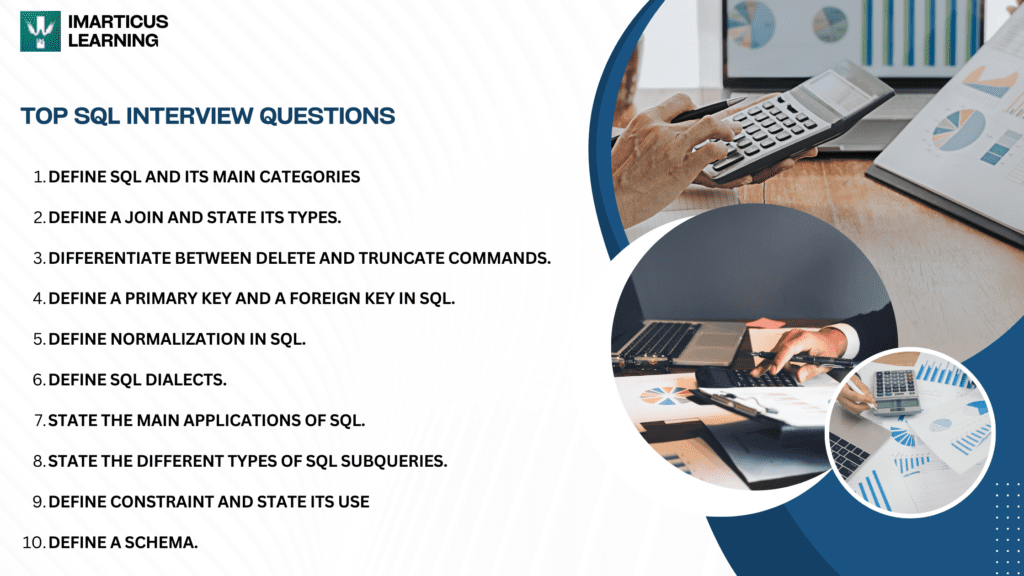
  • What is Data Science?
  • Distinguish between data science and data analytics.
  • Describe how to create a decision tree in detail.
  • Make a distinction between analysis that is univariate, bivariate, and multivariate.
  • How should a deployed model be maintained?
  • What is a confusion matrix?
  • What is the process for doing logistic regression?
  • What role does the p-value play?
  • Mention a few sampling strategies.
  • Explain the difference between supervised and unsupervised learning.

Data Science Course

Preparing for Python Interview Questions

Python is a fundamental skill for data scientists. Interviewers often assess candidates on their proficiency in Python programming. Here are some common Python interview questions that PGA students should be prepared to answer:

  • What are the key differences between Python 2.x and Python 3.x?
  • How would you handle exceptions in Python?
  • Explain the use of list comprehensions in Python.
  • Describe the difference between deep copy and shallow copy in Python.
  • How does Python manage memory?

Data Science Interview Questions for Freshers

Fresh graduates entering the field of data science should focus on foundational concepts and practical applications. Here are specific data science interview questions for freshers:

  • Why did you choose a career in data science?
  • Describe a data science project you worked on during your academic studies.
  • How would you explain complex technical concepts to a non-technical audience?
  • What programming languages and tools are you proficient in?
  • How do you stay updated with the latest developments in data science?

Tips for Cracking the Data Science Interview

  • Understand the Job Description: Tailor your preparation based on the job requirements and skills mentioned in the job description.
  • Review Core Concepts: Brush up on fundamental concepts in statistics, machine learning, and data manipulation.
  • Practice Coding: Solve coding challenges on platforms like LeetCode, HackerRank, or Kaggle.
  • Build a Portfolio: Showcase your data science projects and contributions on platforms like GitHub.
  • Mock Interviews: Conduct mock interviews with peers or mentors to simulate real interview scenarios.
  • Communication Skills: Practice explaining technical concepts clearly and concisely.

Conclusion

Preparation is key to acing a data science interview. By familiarising yourself with essential data science interview questions, honing their Python skills, and leveraging practical tips, PGA students can confidently navigate the interview process and secure rewarding positions in the field of data science.

Are you ready to kickstart your career in data science? Enroll in Imarticus Learning’s data science course to gain hands-on experience, practical skills, and expert guidance for success in data science interviews.

Tips to Pursue an Investment Banker Career

In recent years, the banking business has expanded into new areas. And, investment banking is one such domain. Notably, an investment banker plays a vital role in raising capital to fund his/her clients’ activities. A career in investment banking is gaining popularity for its stability, security, and excellent salary packages. Considering this, many financial professionals have shown an inclination towards banking courses. Read ahead to explore more about the investment banking career.  

Career in Investment Banking

Investment bankers advise companies on large and complicated transactions, including acquisitions, mergers, business structuring, and debt and equity issuances. They work with management teams of their clients to market and sell companies, identify potential targets to acquire, or bargain deals. Also, investment bankers suggest the best terms and timing for a capital raise. 

To be a successful investment banker, you need to be extremely attentive to detail and good in mathematics. Also, it is vital to have impressive communication skills. Besides, aspiring investment bankers must be interested in deals rather than following market updates or investing in public sector holdings.

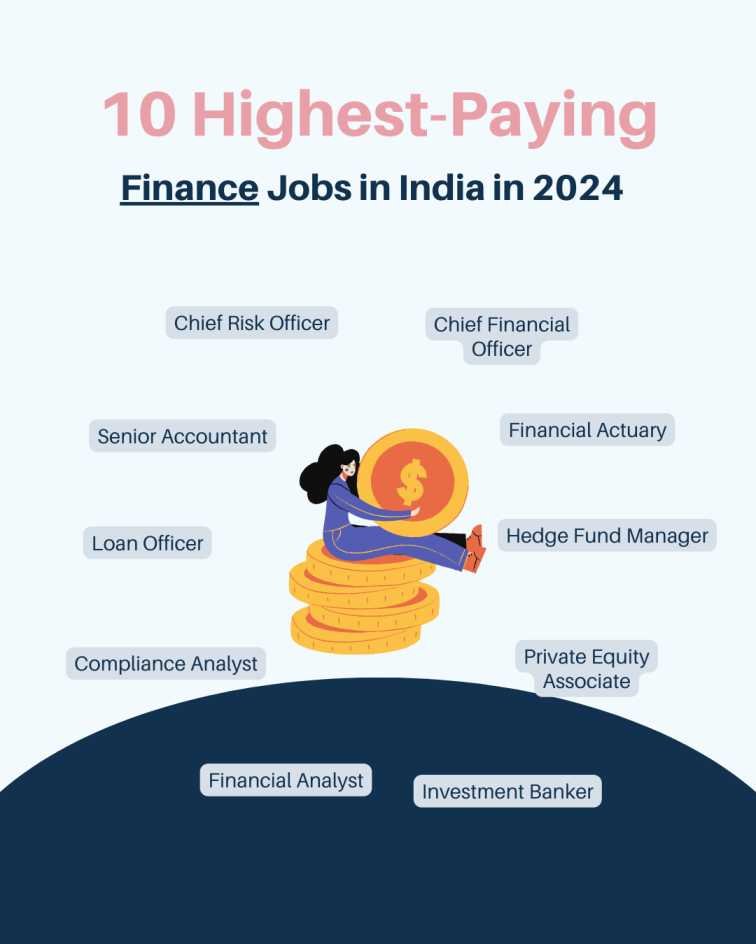
You need to have relevant work and leadership experience in order to take up investment banking roles, such as a teller, client associate, banker, branch manager, financial associate, financial analyst and portfolio analyst. Additionally, aspirants having good academic credentials can go for other financial career paths in the investment banking domain that include financial planning and equity analysis. 

Notably, it gets a little difficult to get into investment banking in the mid-levels, so it is best to start your related journey early in your career when you are an undergraduate, recently graduated or done with an MBA programme. Also, you can easily pursue your interest in investment banking when you’re already a C-level executive in some other industry.

Investment Banking Course

Tips on Getting into Investment Banking

Here are a few things that you must consider before embarking on a journey to be an investment banker.

  • Investment banking roles are a little demanding, but they are financially rewarding too. Though working with one of the top investment banks can pose some challenges, rapid salary progression is the norm this industry strictly follows. It is to be noted that being aware of things that are going to come your way helps you stay focused on what is required. 
  • Various roles having some similarities but requiring different skill sets are available in the investment banking domain. For the ones in the operations team, excellent numerical and analytical skills are necessary as they are responsible for processing transactions. On the other hand, corporate investment bankers offer strategic advice to clients, need to be good at negotiations and hold strong interpersonal skills.
  • You need not have your undergraduate degree in a finance-related subject. But, it is important that your programme has a strong maths focus and includes subjects like economics, business studies or management. If you already have work experience in the financial markets, then there are many programmes available that can help you acquire specialist investment banker qualifications.
  • It is a good idea to go for an internship to acquire key technical skills while working on different deals. It is to be noted that many financial institutions (EY, Goldman Sachs, J.P. Morgan, Morgan Stanley, and NatWest Group – NatWest Markets) provide summer internships in the areas of corporate or investment banking. These internship programmes let aspiring investment bankers gain the perfect grounding with the help of practical skills training and on-the-job experience. 
  • Register for different events, including information sessions and seminars that offer opportunities to interact with different employers. You can also sign up for virtual talks that can help you connect with people with similar interests and be a part of the investment banking community.

Conclusion

Investment banking is one of the most rewarding options when it comes to financial career paths. If you want to pursue a career in investment banking, then focus on developing an eye for detail, getting command over language, gaining market knowledge and acquiring analytical skills. If you have any queries related to Investment banking courses, then reach out to Imarticus Learning. 

Unleash the Potential in You with a Senior Management Course

In the current evolving business model, the advancement from a managerial role to the prestigious ranks of senior management can be a turning point in one’s career. It is a shift that not only entails additional tasks but also alters an individual’s position within the framework of an organisation or company. Senior management continues to play an important and unique function in every established enterprise’s hierarchy.

In this article, let us learn more about the definition of senior management, the importance and duties of a senior management body in an organisation, as well as how one can join a senior management course with Imarticus.

What do we understand by senior management?

Senior management is the highest level of the management structure of a company. It typically includes designations such as chief financial officer, chief executive officer, senior manager and other chief executive roles. These leaders are in charge of establishing the overall direction of an organisation, making critical choices and overseeing substantial expenses.

Senior management’s importance and function in an organisation

In every organisational structure, senior management is vitally important. They are basically responsible for making decisions and are crucial in determining the organisation’s course of action, maintaining its financial stability and supervising the larger management group. Individuals who are working as senior managers and executives such as the chief executive officer and chief financial officer play an instrumental part in steering an organisation towards its goals and ensuring its continuous expansion, ranging from budget management to creating the company’s vision.

Senior Management Program

Fundamental duties of senior managers

  1. Senior managers are responsible for long-term strategic planning, assessing current market trends, anticipating obstacles and establishing the objectives of a corporation. With years of expertise in the management area, they ensure the decisions align with the broader vision, distinguishing them from general managers and their more immediate concerns.
  2. Senior managers are key in employee development, using their extensive experience to guide and mentor subordinates, fostering potential leaders and promoting organisational culture. They believe and invest in holistic development, thus, bridging the gap between manager and senior manager.
  3. Additionally, senior managers establish, oversee and monitor departmental goals to ensure that they are in line with the organisation’s overall objectives. They collaborate with management team members and general managers, highlighting the hierarchical importance of senior executives.
  4. With an emphasis on thorough budgeting and financial management, senior managers have excellent financial acumen in their respective fields. While they work with the finance teams to ensure that their initiatives are sustainable and economically viable, they are well aware of how to allocate resources efficiently and achieve the fiscal goals of an organisation.

What is a senior management course and why should one join it?

A senior management course or programme will undoubtedly help an individual in building strategic leadership abilities that are necessary for competence in senior management roles. These are some of the primary benefits or perks that one might get if opted for this programme:

  • Making the shift from a managerial role to a leadership role
  • Developing strategic thinking skills and making business savvy.
  • Rendering efficiency in the decision-making process.
  • Learning to employ the use of technology to tackle problem areas.
  • Developing a forward-thinking mindset. 

Final words

The IIM Lucknow Senior Management Programme in collaboration with Imarticus Learning, emphasises building a strong business foundation by understanding the dynamics of the modern economy and polishing abilities in marketing, strategic decision-making and digital transformation. It prepares participants to navigate today’s business landscape by teaching them how to handle finances effectively, drive digital transformation in the company, strategise operational management and grasp strategic marketing and pricing. Furthermore, the senior management course prepares leaders for the future by diving into macroeconomics, deciphering digital transformation and AI in business, comprehending changing business models and developing strategic leadership and effectiveness.

IIM Lucknow welcomes individuals who have a strong intellectual rigour and a will to study in order to finish the programme. Candidates will only be eligible for successful completion and will receive advanced management certification, if they meet the attendance and course assessment requirements.

Leadership Development Programs-A Detailed Insight

In the aggressively competitive corporate world of today, leadership works as the compass that can guide an organisation or team toward success. Sharp and dynamic leadership is powerful enough to not only influence the behaviour of an individual but also the behaviour of an entire team or organisation. This is why leadership development programs are now quickly becoming influential tools needed to enhance organisational behaviour and drive teams toward success. A leadership development program is a necessity that can help you- an ambitious professional, transform into a future leader. 

If you are a professional who wants to succeed in the corporate world by enhancing your leadership skills, then a leadership development program can help you take your career to the next level. These programs are designed and customised to equip participants with essential tools, knowledge, insights as well as the confidence to become effective leaders who have the skills and ability to impact their organisation significantly.

This article provides insight into the importance of leadership development programs and their key components.

What Is a Leadership Development Program? 

leadership development program is designed to provide learning solutions that are aimed at improving the skill sets, abilities as well as the confidence of current and future business leaders. These leadership development programs have several benefits as they play a big role in boosting employee morale and retention, promoting better decision-making, improving productivity, building better teams, and also training future leaders to equip them with a management style that promotes a positive working atmosphere. 

Leadership Development Program: Key Components

  • Training & Workshops: Leadership development programs provide training as well as workshops on crucial topics like strategic thinking, conflict resolution, effective communication, and emotional intelligence
  • Coaching & Mentoring: This is one of the most important components of leadership skills training as emerging leaders are paired with experienced and talented mentors and coaches. This pairing is crucial as it provides participants with essential guidance and support which can prove pivotal in the process of skill development as well as personal growth. 
  • Learning by Experience: Apart from theoretical learning, a leadership development program also provides essential hands-on experience that includes leadership projects or simulations. This type of practical learning helps leaders to use their newly acquired skills in real-world situations.
  • Assessment & Feedback: Leadership development programs always begin with a very thorough assessment of candidates based on their current leadership skills and behaviours. Moreover, feedback is also an integral part of these programs and is provided regularly so that they have a deeper understanding of their strengths and areas that need improvement. 
  • Peer Learning: This is another very important component of a leadership skill training program as it involves learning from peers and fellow participants allowing them to gain insight through a range of diverse experiences and perspectives. This plays an important role in providing a different perspective on problems and to learn from the experience of others. 

iim l sales leadership program

Benefits of Leadership Development Programs

  • Improves your Decision-Making Skills

Through various theoretical as well as practical learning sessions like workshops and trainings, participants understand and learn the importance of making informed decisions even in difficult and uncertain situations. This is one of the most important skills leaders need in the dynamic and volatile corporate world of today.

  • Enhances your Communication Skills 

Effective communication is extremely important to become a successful leader. Leadership development programs can help you boost your communication skills by teaching you to articulate your vision clearly and persuasively.

  • Boosts your Strategic Thinking 

These programs help you see the bigger picture and to anticipate future trends. Moreover, they help you develop the skills required for you to become better planners so that you can align your team’s efforts with the organisation’s strategic goals. 

  • Expands your Professional Network

When you enrol in a leadership development program you get a chance to build your network of ambitious professionals like yourself. This opens up a new world filled with opportunities for collaboration and learning. 

  • Opens up Career Prospects

Enrolling in a Leadership Development Program can open up doors to various career prospects as a certification like this will make you an attractive candidate for leadership roles, propelling you towards success. 

Conclusion

If you strive to give your career the boost it needs, then Imarticus Learning can help you achieve your goals through the Global Senior Leadership Program from IIM Lucknow. 

Enrol today and set your career on a path leading to success.

Exploring HR Manager Salary Trends: Insights for HRMA Students

In the dynamic field of Human Resource Management, understanding salary trends for HR managers is crucial for aspiring HR professionals. This comprehensive guide delves into current salary insights, particularly focusing on HR Manager roles in India. Whether you’re considering pursuing a career in HR or are already an HRMA student, gaining insights into HR manager salary can provide valuable career guidance and motivation.

Understanding HR Manager Salary Trends

HR manager salary varies significantly based on factors such as experience, industry, location, and qualifications. As per recent trends, HR manager salary levels have shown a positive trajectory globally, reflecting the increasing strategic importance of HR functions within organisations. For HR Manager Salary in India, there’s been notable growth due to evolving business landscapes and a focus on talent management.

Factors Influencing HR Manager Salary

Individual HR manager pay is influenced by a number of variables, including specialization, geography, experience and skill levels, and HR certifications, among others.

  • Location: Location is one of the key variables influencing the remuneration of an HR manager. Salary levels in the USA are often greater than those in Canada or the UK. In India, this pattern is still evident, with incomes generally rising in larger, more expensive cities like New Delhi, Mumbai, Pune and Bangalore. 
  • Years of Experience: As is the case with most occupations, years of experience have a significant impact on compensation. An HR manager, for instance, with less than a year of experience will make less money than one with more than six years.
  • Specialization: There is a chance that an HR manager with a focus on succession planning, hiring, or organisational design will make more money.
  • Industry: According to data from the job site Glassdoor, pharmaceuticals and biotechnology are the highest-paying industries for HR experts.
  • Accreditations: Whether a person has any certifications is an aspect that can influence their income as an HR manager. To obtain accreditation as an HR manager, there are several options. You can enrol in the program Human Resource Management and Analytics (HRMA) by IIT Roorkee to study HR and get a certificate

HR Manager Salary Insights in India

In India, the HR Manager Salary landscape is influenced by economic growth, industry trends, and demand for skilled HR professionals. As of current data, the average annual salary for HR managers in India ranges from INR 6-20 lakhs depending on the factors mentioned above. Major cities like Mumbai, Delhi, and Bengaluru offer higher salary prospects due to the concentration of industries and multinational corporations.

HR Course

Salary Breakdown by Designation

The following breakdown highlights the salary ranges and qualifications needed for different HR Manager positions based on experience and expertise:

  • HR Manager: Typically earns between INR 3.50 to 5 lakh per annum
    • Requirements: Bachelor’s degree in Human Resources or related field
    • Experience: 0-3 years
  • Senior HR Manager: Average salary ranges from INR 6 to 9 lakh per annum
    • Requirements: Bachelor’s degree in Human Resources or related field, with several years of experience.
    • Experience: 3-7 years
  • Assistant Vice President (AVP) of HR: Earns between INR 9 to 15 lakh per annum
    • Requirements: Postgraduate degree in Human Resources or related field, with extensive experience.
    • Experience: 7-12 years
  • Vice President (VP) of HR: Typically earns INR 15 lakh and above per annum
    • Requirements: Postgraduate degree in Human Resources or related field, with a demonstrated track record of success.
    • Experience: 12 years and above

Salary Breakdown by Job Profile

The following job profiles encompass distinct responsibilities and skill requirements, reflecting varying levels of compensation within the HR field:

  • Training and Development Manager: Typically earns between INR 6 to 10 lakh per annum.
  • Labour Relations Specialist: Average salary ranges from INR 5 to 8 lakh per annum.
  • Compensation and Benefits Manager: Earns between INR 8 to 12 lakh per annum.

Salary Breakdown by Experience

As you accumulate more experience in the field of HR, your salary potential increases, reflecting your expertise and proven track record of success. Experience is a significant factor influencing the salary of an HR Manager. Here’s a breakdown of average annual salaries based on different levels of experience:

  • 0-5 Years of Experience: Typically earns between INR 3.50 to 6 lakh per annum.
  • 5-10 Years of Experience: Average salary ranges from INR 6 to 12 lakh per annum.
  • 10-15 Years of Experience: Earns between INR 12 to 18 lakh per annum.
  • 15-20 Years of Experience: INR 18 lakh and above per annum.

How to Become an HR Manager?

For aspiring professionals wondering how to become an HR manager, pursuing specialised education and gaining practical experience are key. Programs like the Human Resource Management and Analytics (HRMA) by IIT Roorkee equip students with industry-relevant skills and insights into salary trends, preparing them for successful careers in HR management.

Conclusion

Staying updated with current HR manager salary trends is essential for HRMA students and professionals alike. By understanding the factors influencing salaries and the career path to becoming an HR manager, individuals can make informed decisions and embark on rewarding careers in Human Resource Management.

If you’re passionate about human resources and aspire to become an HR manager, explore Imarticus Learning’s HRMA program to gain the skills and knowledge needed to excel in this dynamic field. Take charge of your HR career today!