Investment Banking Career: What It Really Takes To Succeed

An investment banking career has a way of making people pause. It sounds impressive. It carries weight. And it often comes with a mix of excitement and hesitation.

On one hand, there’s the promise – high pay, global exposure, working on important deals. On the other hand, there are the long hours, pressure, and a pace that isn’t meant for everyone. You might’ve heard both and are confused about what is right; you’re not alone.

If you’re reading this, chances are you’re trying to sort through that noise. You’re not just asking whether investment banking certification looks good on paper – you’re trying to figure out whether it would actually fit your life.

Maybe you’re a BCom student wondering if investment banking after BCom is even realistic.

Maybe you’re a CA thinking about stepping away from familiar accounting roles into something more deal-driven.

Or maybe you’re asking the simplest and most important question of all: Is investment banking a good career for me?

This guide is meant to help you think that through – calmly and honestly. I’ll talk about what the work really looks like, what the pressure feels like, how careers grow, and what people often discover once they’re inside the industry.

No hype. No selling. No assumptions.

Just a clear, human look at what an investment banking career actually involves – so you can decide if it’s something you want to commit to.


Did you know?

Most professionals who enter investment banking don’t decide overnight. They spend months – sometimes years- researching the reality of the role before committing, because early career choices here shape long-term outcomes.


What To Expect From An Investment Banking Career 

Before jumping into job roles and career paths, let’s slow down for a moment and talk about what is investment banking – because it’s widely misunderstood.

At its core, investment banking is about helping companies make big, high-pressure financial decisions. The kind of decisions that don’t happen every day, but when they do, they really matter. Raising a large amount of money. Buying another company. Selling a business unit. Going public for the first time.

An investment banking career puts you right in the middle of those moments.

In day-to-day terms, this usually involves:

  • Helping companies raise capital, either by issuing shares or borrowing money.
  • Working on mergers and acquisitions (M&A) – figuring out what a business is worth and how a deal should be structured.
  • Valuing companies so founders and leadership teams know what’s fair, realistic, and strategic.
  • Supporting senior management during investment decisions that can change the direction of the company.
investment banking career workflow

Now here’s the part most people are surprised by.

Investment bankers aren’t traders glued to the flashing stock screens all day. That’s trading – a completely different career path. An investment banking career is quieter, more structured, and a lot more detail-driven. Investment banking is far less about reacting to markets and far more about analysis, preparation, and execution.

Most of the work happens quietly, behind the scenes:

  • Building financial models and double-checking them.
  • Turning complex numbers into clear presentations.
  • Reviewing documents line by line to make sure nothing is missed before they become expensive mistakes.
  • Coordinating between clients, lawyers, and internal teams to keep deals moving.

This is why careers in investment banking have the reputation they do and are often described as demanding.

But for people who enjoy structured thinking, working with numbers, and being close to decisions that shape real businesses, an investment banking career can feel incredibly rewarding – not because it’s glamorous, but because you’re trusted with work that actually matters.


Reality check:

Less than 20% of an investment banker’s time is spent on big moments, like deal announcements. The majority is spent on preparation – models, documents, and reviews – because execution quality is what decides success.


Is Investment Banking Really a Good Career?

This is one of the most common questions people ask – and the honest answer isn’t a simple yes or no. It really depends on what you value in a career.

An investment banking career can be very good, but it’s not for everyone. The people who thrive in it usually know exactly what they’re getting into. Investment banking is a great career option if you are interested in the finance sector. 

Investment Banking Is a Good Fit If You…Investment Banking Is Not a Good Fit If You…
Want fast career growth and are comfortable with a steep learning curveWant a strict 9-5 workday
Can handle pressure, tight deadlines, and long hoursPrefer low-stress, predictable work
Enjoy analytical, detail-driven workDislike accuracy-heavy tasks
Care about high compensation and strong exit optionsPrioritise work-life balance early on

Additionally, there is a massive growth in careers in investment banking because of the boom in the finance sector of the country. So, one can stay assured that investment banking is going to stay in demand in the upcoming years. 

So yes – investment banking is a good career, but only if you’re honest with yourself about what you want. If you’re excited by challenge, intensity, and responsibility, it can be incredibly rewarding. 

If not, there are plenty of other finance careers that offer a better lifestyle fit – and there’s no shame in choosing those instead.

pathway to investment banking career

Interesting fact:

In investment banking, small errors can have large consequences. That’s why junior bankers are trained to check numbers repeatedly – accuracy is valued more than speed in the long run.


Investment Banking Career in India: Growth, Roles, and Reality

The investment banking career in India has grown rapidly over the last decade – and not just in headlines, but in real, on-the-ground hiring.

Today, India is a major global hub for investment banks. Most leading international banks run large teams here that support critical functions such as:

  • Valuation and financial modelling
  • Deal execution and transaction support
  • Compliance, risk, and regulatory reporting
  • Transaction services and middle-office operations

These teams aren’t doing support work in a superficial sense. They handle core deal processes that directly impact live transactions across the US, Europe, and Asia.

Because of this expansion, you’ll find opportunities at global institutions like Goldman Sachs, JP Morgan, Morgan Stanley, Barclays, and Citi – alongside strong domestic players such as Edelweiss, Motilal Oswal, and Axis Bank.

investment banking career in india & global advantages

This growth has also changed how people enter the industry. A traditional commerce or finance background still helps, but many candidates now ask less about the right investment banking career and more about whether you can model, value, and execute real deals that actually align with what banks do day to day. 

That’s because hiring has become more skill-focused – banks care less about degree names and more about whether your education has prepared you for modelling, valuation, and real deal workflows. 

That’s why the question comes up more than ever: Is investment banking a good career in India?

For candidates who combine the right academic foundation or investment banking degree with practical, job-ready skills, the answer is yes. India offers strong entry points, global exposure, and long-term career growth – provided you’re prepared for the intensity and expectations of the role.


Did you know?

Many people leave investment banking not because they can’t handle the work, but because they realise their priorities around time and lifestyle are different. Self-awareness matters as much as skill here.


Can You Build an Investment Banking Career After BCom?

This is one of the most searched questions online: Can I do investment banking after BCom? The realistic answer is, Yes – but not automatically.

Investment banking after BCom is possible, but a general commerce degree alone usually doesn’t cover:

  • Financial modelling
  • Valuation techniques
  • Real deal workflows

That’s why many students who explore IB after BCom focus on building job-ready skills alongside their degree. The degree opens the door; skills help you walk through it.

Investment Banking After CA: A Logical Transition

A chartered accountant’s career in investment banking makes logical sense.

As CAs already bring:

  • Deep accounting knowledge.
  • Financial statement analysis.
  • Audit and compliance experience.

To move into investment banking after CA, most professionals add exposure to:

  • Valuation methods
  • M&A processes
  • Capital markets

This is why investment banking after CA is a common and respected transition – especially into transaction advisory and corporate finance roles.


Did You Know? 

Freshers who build strong fundamentals in finance, Excel, and valuation, and who target entry-level roles like analyst or transaction support positions, tend to do much better.


How to Start a Career in Investment Banking

If you’re wondering how to start a career in investment banking, you’re not alone – and you’re probably seeing a lot of confusing advice online. The truth is, most people don’t break in by chance. They do a few things really well, and they do them deliberately.

Here’s what actually works in the real world:

  • First, get your finance basics clear – You don’t need to sound like a textbook, but you should genuinely understand how financial statements work, how companies are valued, and why deals happen in the first place. This clarity becomes the base for everything else.
  • Next, build practical skills that banks actually use – Investment banking is very hands-on. Strong Excel, financial modelling, valuation, and basic presentation skills matter far more than memorising theory. These are the skills teams expect you to bring on day one.
  • Then, aim for realistic entry-level roles – Instead of chasing senior titles, focus on analyst-level positions, transaction support, or deal execution roles. Many investment banking careers start here – not at the front office straight away.
  • When it comes to applications, be selective – Randomly applying everywhere rarely works. Targeting roles that match your current skills, tailoring your resume, and applying where you actually have a fighting chance is far more effective.
  • Finally, prepare properly for interviews – Investment banking interviews are less about fancy answers and more about how clearly you think. Interviewers want to see structured problem-solving, basic financial logic, and how you approach real-world situations.
steps for investment banking career journey

So whether you’re asking how to join investment banking, how to apply for investment banking, or what it really takes to become an investment banker, the message is the same. If you focus on building the right skills early and take a realistic, targeted approach, breaking into investment banking becomes challenging – but absolutely achievable.


Quick insight:

People who succeed in investment banking often don’t see long hours as a sacrifice early on – they see them as an investment in faster learning and stronger exit opportunities.


How Much Does an Investment Banker Earn in India?

When someone asks about an investment banking career, what they’re often trying to understand is the Investment Banking salary and whether the effort is actually worth it.

Here’s what pay typically looks like in India:

Experience LevelInvestment Banking Salary in India
Entry-level roles₹8-15 LPA
Mid-level professionals₹20-40 LPA
Senior roles₹50 LPA+ (including bonuses)

This is why so many people say investment banking is a good career financially. The earning potential of an investment banker is strong, even by financial standards.

That said, the pay doesn’t come easily. Investment banking salary levels reflect the reality of the job – long hours, high-pressure deadlines, real responsibility, and performance-driven expectations. You’re paid well because accuracy matters, timelines are tight, and the stakes are high.

For those who can handle the intensity, the financial upside can be significant. For others, the compensation may not feel worth the lifestyle trade-off – and that’s an honest decision every aspirant has to make.

An investment banking career can be very demanding as it requires many skills, abilities, and research. It not only offers enough challenges for the individuals to kick start their careers in the most interesting way, but also rewards them with attractive salary benefits.


India-specific fact:

India has become one of the largest global hubs for investment banking operations, supporting live deals across the US, UK, and Europe – making global exposure possible without relocating early in your career.


Investment Banking Career Ladder & Progression

Unlike many corporate roles where growth paths are unclear, investment banking career progression is transparent and merit-driven. You know what the next role is, what skills you need, and how performance directly affects promotions.

This clarity – combined with rising responsibility, compensation, and influence at each level – is one of the biggest reasons people actively choose investment banking jobs as a long-term career.

The investment banking career ladder is one of the most clearly defined in the corporate world. From day one, you know what the next role looks like, what’s expected of you, and how progression usually works. This transparency in investment banking career progression is a big reason many people choose banking over roles where growth paths are vague or slow.

Here’s what each stage typically involves:

RolePrimary FocusWhat Changes at This Level
AnalystExecution and learningBuild models, valuations, and pitch decks while learning how deals work in real life
AssociateManaging executionReview analyst work, coordinate teams, and take ownership of deal deliverables
Vice President (VP)Running dealsLead day-to-day deal execution, manage timelines, and interact directly with clients
DirectorClient relationshipsFocus on pitching, structuring deals, and expanding client coverage
Managing Director (MD)Revenue and strategyBring in business, maintain long-term client relationships, and drive firm growth.

Did you know?

Many global investment banks prefer India-based teams for valuation, transaction services, and compliance because of strong technical talent and cost efficiency – creating sustained hiring demand.


What People Pursue After Investment Banking Careers 

One of the biggest reasons people choose an investment banking career isn’t just the job itself – it’s what it leads to afterwards.

Most bankers don’t expect to stay in investment banking forever. They put in a few intense years knowing that the experience they’re building can open doors that are otherwise very hard to access. That’s what makes careers after investment banking so attractive.

Some of the most common paths people move into include:

Private Equity

This is one of the most talked-about exits. After advising on deals in banking, many professionals want to be on the other side – actually owning businesses and helping grow them. The deal exposure and valuation skills from investment banking translate naturally here.

Venture Capital

For those drawn to startups and early-stage companies, venture capital is a popular option. Banking teaches you how to analyse businesses rigorously, which helps when evaluating young companies with big ideas but limited track records.

Corporate Strategy

Some bankers move in-house to strategy roles at large companies. Instead of advising multiple clients, you focus on one business – working on acquisitions, expansion plans, and long-term decision-making at a senior level.

CFO and Leadership Roles

Over the long run, many former bankers end up in senior finance or leadership positions. The early exposure to capital markets, fundraising, and M&A builds a strong foundation for roles like CFO, finance head, or even broader management roles.

These post-investment banking careers are a big reason people are willing to push through the early grind. The hours are long, and the pressure is real – but the experience acts like a career accelerator, giving you options and flexibility that last well beyond your time in banking.

For many, investment banking isn’t the end goal. It’s the launchpad.


Interesting fact:

Many senior leaders in finance, private equity, and corporate strategy started their careers in investment banking because of the early exposure to decision-making under pressure.


Deciding on an Investment Banking Career Path

So, by now you might have already got the answer to – Is investment banking a good career for you? If you want rapid growth, strong income potential, and exposure to high-impact financial decisions, investment banking is a good career choice.

But it’s not a shortcut – and it’s not for everyone.

If you’re willing to prepare properly, whether through investment banking after BCom, investment banking after CA, or structured upskilling. The demands are real, but so are the opportunities it creates later.

That’s the real truth behind an investment banking career. If you’re wondering how to make a career in investment banking, the table below helps you choose the right career path based on your personality traits:

Your Natural TraitsInvestment Banking Career Paths That Fit Best
Highly analytical, detail-oriented, patient with numbersValuation teams, financial modelling roles, and M&A execution
Comfortable with pressure and tight deadlinesFront-office investment banking, deal execution roles
Strong communication and coordination skillsAssociate, Vice President (VP), client-facing roles
Strategic thinker who enjoys big-picture decisionsCorporate strategy, M&A advisory, senior banking roles
Relationship-driven, persuasive, commercially mindedDirector, Managing Director (MD), origination roles
Interested in long-term ownership and business growthPrivate equity, long-term post-investment banking careers
Curious about startups and innovationVenture capital, growth investing
Leadership-oriented with finance depthCFO track, senior finance and management roles

Did You Know?

Investment banking rewards preparation more than ambition. The people who succeed are rarely the loudest – but often the most consistent and disciplined.


Why Learners Choose Imarticus Learning for Investment Banking

Breaking into investment banking isn’t just about ambition – it’s about being job-ready for the roles banks are actually hiring for. This is where Imarticus Learning stands out.

The Investment Banking Certification is designed specifically for candidates who want a practical, role-aligned entry into the investment banking ecosystem, rather than just academic exposure.

What makes it different:

  • Role-focused curriculum aligned with real investment banking operations and transaction roles.
  • Hands-on training in valuation basics, trade lifecycles, settlements, compliance, and risk processes used by global banks.
  • Strong emphasis on Excel, financial workflows, and deal support skills that entry-level teams use daily.
  • Built for freshers, BCom/BBA graduates, and career switchers, not just finance specialists.
  • Career support and interview preparation tailored to banking hiring processes.
  • Exposure to global banking standards helps candidates prepare for roles in multinational institutions.

Instead of teaching finance in theory, Imarticus focuses on how investment banking actually works inside banks – making it easier for learners to transition from education to employment.

For aspirants who want structure, clarity, and a realistic pathway into investment banking operations and support roles, this program helps bridge the gap between qualification and employability.


FAQs About Investment Banking Career

If you’re exploring an investment banking career, it’s natural to have a lot of questions. These frequently asked questions address the most common and practical queries aspirants ask, especially freshers, BCom graduates, CA professionals, and career switchers, so you can make an informed decision with clarity and confidence.

Is investment banking a good career for freshers?

Yes, investment banking can be a good career for freshers – but only if they’re prepared for a steep learning curve and long working hours. Many freshers choose structured, job-focused learning paths such as Imarticus Learning to bridge the gap between academic theory and real investment banking work, since banks value practical, role-ready skills far more than just degree titles.

Can I start an investment banking career without an MBA?

Yes. An MBA degree is not mandatory for an investment banking career, especially at the entry level. Many professionals enter through commerce degrees, CA qualifications, or focused investment banking programs that build practical, job-ready skills.

Is investment banking a stressful career?

Yes. An investment banking career involves high pressure with tight deadlines, long hours, and high expectations. The stress comes from accuracy, responsibility, and client timelines – which is also why the compensation and exit opportunities are strong.

What skills are most important for an investment banking career?

Soft skills like discipline and resilience matter just as much as technical ability. The key skills include:

  • Financial modelling and valuation.
  • Advanced Excel.
  • Strong accounting fundamentals.
  • Attention to detail.
  • Clear communication and structured thinking.

Is investment banking a good career in India long-term?

Yes. With India becoming a global hub for banking operations, transaction services, and deal execution, long-term demand for skilled investment banking professionals is expected to remain strong – especially for candidates with global exposure and practical skills.

What are the best careers after investment banking?

Popular career options after investment banking include:

  • Private equity
  • Venture capital
  • Corporate strategy
  • CFO and senior leadership roles

These paths are a major reason many professionals commit to the early intensity of investment banking.

Is work-life balance possible in investment banking?

Work-life balance is limited in the early years of an investment banking career. However, many professionals move into roles with better balance later – either within banking at senior levels or through post-investment banking exits.


Final Thoughts: Should You Choose an Investment Banking Career?

An investment banking career isn’t about glamour, shortcuts, or overnight success. It’s about discipline, skill, and long-term thinking. The hours are demanding, the expectations are high, and the learning curve is steep – but for the right kind of person, the payoff goes far beyond just salary.

If you enjoy structured problem-solving, working closely with real business decisions, and pushing yourself early in your career, investment banking can open doors that few other roles can. If you’re looking for predictability or quick wins, there are better paths – and recognising that early is just as important.

The real question isn’t whether investment banking is a good career. It’s whether you’re willing to prepare properly for it.

If you’re serious about entering the field, focus on becoming job-ready, not just qualified. Build practical skills, understand how deals actually work, and choose learning paths that mirror real investment banking roles – not just classroom theory.

If you want a structured, practical pathway into investment banking operations and transaction roles, explore how Investment Banking Certification can help you bridge the gap between education and employability.

Because in investment banking, ambition matters – but preparation is what gets you hired.

Is ACCA Tough? Clear Breakdown of Exam Difficulty and Format

When someone types is ACCA tough into a search bar, they are rarely worried about intelligence. They are worried about fit.

They want to know whether the exams will feel overwhelming after a few weeks. Whether the questions will make sense even after studying. Whether the effort will convert into marks. And most importantly, whether the difficulty they hear about is real or simply misunderstood.

The ACCA Certification has earned a reputation for being demanding, but not for the reasons most people assume. The syllabus itself is not unusually vast. The formulas are not hidden. The concepts are not obscure. Yet many capable students walk out of their first few exams surprised by how different the experience feels.

That difference comes from how ACCA exams are designed. ACCA does not ask you to show how much you remember. It asks you to decide what matters in a given situation and explain why. A financial reporting question may look familiar on the surface, but the marks sit in how well you apply standards to a scenario, justify your treatment, and communicate it clearly under time pressure. This is where the feeling of toughness begins.

So when someone asks whether ACCA is tough or easy, the honest answer sits in the middle. ACCA is structured. It is predictable. It is also unforgiving if preparation does not match the way exams are assessed.

This blog breaks that experience down clearly. It explains what makes ACCA feel tough, how difficulty changes across levels, where most candidates struggle, and why many eventually find their rhythm. Not to persuade, but to give clarity before commitment.


What is ACCA?

Before deciding on ‘is ACCA tough’, it helps to understand what people are actually signing up for. Many learners begin ACCA assuming it behaves like a regular professional course with fixed subjects, predictable questions, and marks tied closely to how much of the syllabus they can reproduce in an exam. That assumption is where the disconnect begins.

So, what is ACCA in practical terms?

ACCA is a global professional qualification built to test how finance decisions are made in real business settings. Its exams are not designed around chapter completion. They are designed around situations. This single design choice explains much of why candidates describe ACCA as demanding, even when they feel well prepared.

What ACCA Is Designed to Prepare You For

The ACCA course details are structured to prepare candidates for real-world finance roles where decisions matter, context matters, and clarity matters.

Consider two students who both understand a topic well. One writes everything they know. The other answers only what is asked, structure the response to match the marks, and move on. In ACCA, the second student almost always scores higher. This gap between knowledge and execution is why people keep asking how hard ACCA really is.

At its core, ACCA focuses on:

  • Applying accounting and finance knowledge to business situations
  • Developing professional judgment rather than rote accuracy
  • Communicating decisions clearly under time constraints
  • Understanding ethics as part of every financial role

This design choice plays a major role in why people later ask whether ACCA is tough. ACCA exam concepts are often perceived as tough because they are tested through application and reasoning rather than direct recall. Understanding how these concepts are examined helps explain why the course feels challenging at first and how clarity improves with the right preparation approach: 

is acca tough exam concepts explained

How the ACCA Qualification Is Structured

To keep things simple, ACCA exams are divided into three levels. Each level shifts expectations rather than simply adding syllabus.

ACCA LevelWhat It Focuses OnWhy It Matters for Difficulty
Applied KnowledgeCore concepts and fundamentalsHelps candidates adjust to the ACCA exam style
Applied SkillsApplication across topicsIntroduces case-based thinking and written explanations
Strategic ProfessionalJudgment and strategyTests decision-making and professional reasoning

The progression explains why the difficulty in ACCA feels different at each stage. The exams do not become harder in isolation. They become broader in expectation.

Key Features That Define ACCA Exams

These features are central to understanding why is ACCA tough is such a common question.

  • Modular exams: Papers are cleared one at a time, allowing flexibility but demanding consistency.
  • Application-focused questions: Marks are awarded for relevance and reasoning, not volume of writing.
  • Time-bound assessments: Exams are structured to test prioritisation and clarity.
  • Ethics embedded across papers: Ethical judgment is not limited to one subject.
  • Global relevance: Standards and scenarios reflect international practice, not local memorisation.

Each of these features affects how candidates experience preparation and performance.

What Makes ACCA Feel Tough at the Start

The first few ACCA papers often shape a candidate’s entire perception of difficulty. The course itself does not suddenly become hard. The challenge usually comes from how ACCA expects candidates to read questions, write answers, and manage time. These expectations are rarely explained early, which is why many students begin asking, ‘Is ACCA tough?’ soon after starting.

1. Questions That Connect Multiple Topics

ACCA questions are rarely limited to one chapter or one standard.

  • A single question may combine financial reporting rules, ethical considerations, and business impact
  • Candidates are expected to decide which knowledge is relevant, not apply everything they know
  • Students used to subject-wise exams find this shift uncomfortable
  • The syllabus may look manageable, but the way it is tested feels unfamiliar

This is often the first point where learners start wondering is ACCA hard, even when they understand the underlying concepts.

2. Marks Depend on How Clearly Answers Are Explained

The ACCA subject list’s marking focuses strongly on professional communication.

  • Calculations alone do not secure full marks
  • Explanations must show reasoning, not just results
  • Written sections test structure, tone, and relevance
  • Strong numerical students sometimes lose marks due to weak explanations

This marking approach makes many realise that how tough is ACCA depends as much on writing clarity as technical knowledge.

3. Time Pressure Exposes Gaps in Exam Technique

ACCA exams are intentionally time-bound.

  • Questions are designed to take up most of the available time
  • Overwriting one requirement affects performance elsewhere
  • Candidates must plan answers before writing
  • Speed without structure leads to lost marks

Even well-prepared students feel this pressure early, which creates a gap between preparation and exam performance and reinforces the belief that is ACCA tough.

Why These Early Challenges Matter

These three factors often appear together in the first few papers. When candidates are unaware of them, frustration builds quickly. Once these patterns are understood and addressed, many find that ACCA becomes more predictable and controlled.

This understanding sets the stage for how difficulty changes at later levels, which the next sections explore in detail.


Balancing ACCA preparation with a full-time role requires a clear roadmap that fits around work commitments. A focused study plan, realistic scheduling, and exam-aware preparation methods help working professionals progress steadily without burnout:


A Closer Look at ACCA Exam Difficulty by Design

Before diving deeper into the toughest ACCA syllabus subjects, it helps to understand how ACCA exams are built.

ACCA exams are divided into three levels:

  • Applied Knowledge
  • Applied Skills
  • Strategic Professional

Each level increases the depth of application expected and ultimately makes your ACCA benefits stronger.

Below is a simple breakdown to explain why how hard is ACCA exams become harder as you progress.

ACCA LevelNature of DifficultyWhy Students Feel It
Applied KnowledgeConcept clarityNew exam style, objective testing
Applied SkillsApplication across topicsCase-based questions and time pressure
Strategic ProfessionalProfessional judgmentOpen-ended answers and strategic thinking

This layered structure explains why many candidates say ACCA starts manageable but feels tougher later. The ACCA syllabus does not suddenly expand. The expectation of how you apply knowledge does.


Did You Know?

According to ACCA’s official examiner reports, professional-level papers consistently test integrated thinking rather than isolated syllabus points. This approach reflects real workplace scenarios where decisions are rarely made using one standard alone.


Why ACCA Difficulty Is Often Compared With CA and CMA

A large part of the discussion around, ‘Is ACCA tough or CA?’ exists because students want a benchmark. Difficulty feels clearer when it is compared.

When you are trying to decide between CA vs ACCA, which is tough, they are usually comparing three things:

  • Syllabus size
  • Exam structure
  • Study flexibility

ACCA exams are spread out and modular. CA exams, especially in India, are more consolidated with fewer but heavier exam stages. This difference shapes how difficulty is experienced rather than which course is objectively harder.

ACCA vs. CA Decision Matrix

Comparison CriteriaACCACA
Global recognition✔️
Acceptance across multiple countries✔️
Strong relevance outside India✔️
Modular exam structure✔️
Multiple exam windows per year✔️
Entry allowed for non-commerce background✔️
Exemptions based on prior qualifications✔️
IFRS-focused curriculum✔️
Indian tax law dominance✔️
Statutory audit preference in India✔️
Strong alignment with global Big 4 roles✔️
Ability to pursue alongside a full-time job✔️
Flexible completion timeline✔️
Case-based exam orientation✔️
Strong domestic regulatory authority✔️
International career mobility✔️

Choosing between CA and ACCA often comes down to career goals, exam structure, and where someone wants to build their professional footprint. Understanding how the two qualifications differ in scope, assessment style, and global relevance helps place the question of which is better in the right context:


ACCA vs CMA

Similarly, when candidates ask ACCA or CMA, which is tough, the comparison shifts toward management accounting versus financial reporting depth. CMA focuses heavily on internal decision-making and analytics, while ACCA covers a broader range of finance, audit, and reporting roles.

These comparisons of ACCA vs CMA show that difficulty is not uniform. It depends on how someone learns, writes, and applies concepts.


Why ACCA Feels Tough for Average Students

A common concern is whether ACCA is only for toppers. In reality, the question ‘Is ACCA tough for an average student?’ comes down to preparation style.

Average students often do well in ACCA when:

  • Study plans are outcome-based rather than hour-based
  • Practice questions are reviewed deeply, not rushed
  • Concepts are linked across papers instead of being memorised

ACCA does not reward speed reading or last-minute revision. It rewards familiarity with how questions are framed. Once that familiarity develops, the perceived toughness reduces.

This explains why some candidates struggle in early attempts but become consistent later. The course itself does not change. The learner adapts.

How Tough Is ACCA Compared to an MBA Route?

MBA programs assess performance through assignments, group work, and exams spread over semesters. ACCA assessments are exam-centric and individually evaluated. This makes ACCA feel more intense over shorter periods.

For candidates used to continuous assessment, this can add pressure. For others who prefer clear exam benchmarks, ACCA feels structured and predictable. Difficulty here depends on temperament rather than intelligence.

Key Factors That Decide How Hard ACCA Feels

Before moving further, it helps to summarise the elements that shape the experience of ‘Is ACCA tough?’.

  • Exam questions require interpretation before calculation
  • Answers are evaluated for structure and relevance
  • Time management plays a major role
  • Ethics and judgment are embedded across papers
  • Later papers expect strategic thinking rather than technical recall

Each of these factors adds a layer of challenge. Together, they explain why ACCA is often described as demanding but fair.


How Hard Is ACCA Exams When You Look at Them Paper by Paper

Once the initial adjustment phase passes, the real understanding of ‘how hard is ACCA exams’ begins at the paper level. Difficulty in ACCA is uneven. Some papers test comfort with numbers, some test reading discipline, and others test how well ideas are connected under time pressure. This unevenness explains why candidates often clear certain papers quickly while repeating others.

  1. Applied Knowledge Level: Where Perception Is Formed

The Applied Knowledge papers are often where the question is ACCA tough first takes shape. These papers introduce the exam style but remain largely objective in structure.

Key characteristics at this level:

  • Questions are short and focused
  • Syllabus boundaries are clear
  • Time pressure exists, but is manageable

Many candidates underestimate this level and overestimate their readiness. This leads to avoidable early failures and fuels the belief that is ACCA hard right from the beginning.

Below is a snapshot of what makes these papers challenging for some learners.

Paper TypeWhat Is TestedWhy It Feels Hard
Business conceptsTerminology and logicNew professional language
Accounting basicsAccuracySpeed with fundamentals
Management conceptsInterpretationApplying theory to scenarios

This level is not academically heavy, but it demands discipline. Candidates who treat it casually often struggle more than expected.

  1. Applied Skills Level: Where Most Students Reassess Difficulty

The Applied Skills level is where the question of how tough is ACCA becomes more serious. This is also the level where pass rates start reflecting the jump in expectation.


Did you know? According to ACCA, Applied Skills papers typically show pass rates between 40% and 50% depending on the subject.


The difficulty here comes from integration. Questions no longer stay within neat syllabus boxes.

Common challenges at this stage:

  • Long scenarios that must be read carefully
  • Multiple requirements linked to the same case
  • Marks allocated for explanation, not just results

This is often where candidates begin asking, ‘Is ACCA a tough course?’ because effort does not always translate directly into marks.

Why Certain ACCA Papers Are Perceived as Tougher

Some ACCA papers consistently earn a reputation for difficulty. This reputation is not random.

Papers that are commonly described as tough usually share these traits:

  • Heavy narrative questions
  • Broad syllabus coverage
  • Limited room for selective study

Examples include financial reporting and performance-management-oriented papers. These papers require candidates to balance technical accuracy with structured explanation. This balance is where many marks are lost.

It is not unusual for a candidate to say one paper felt easy while another felt overwhelming, even within the same level. This variability often leads to comparisons like ACCA is tough or CA, even though the structure of difficulty is very different.

ACCA examiners evaluate answers based on relevance, structure, and professional judgment, not just technical knowledge. Seeing the exams through this lens helps explain why many candidates find ACCA challenging and where marks are commonly gained or lost:

acca difficulty through examiler's lens
  1. Strategic Professional Level: Where Judgment Matters Most

At the Strategic Professional level, the idea of ‘is ACCA tough or easy’ depends almost entirely on preparation depth.

These papers test:

  • Professional judgment
  • Strategic reasoning
  • Ability to justify recommendations

There are no model answers here. Marks are awarded based on how well arguments are built and supported.

This is also where many candidates notice that writing quality matters, which can be achieved and mastered by referring to ACCA study material. Clear structure, logical flow, and relevance decide outcomes. Candidates who rely on memorised formats struggle more at this stage.


Did You Know? ACCA examiner reports repeatedly highlight that candidates lose marks not due to lack of knowledge but due to poor answer structure and misreading requirements.


Why Time Management Decides Difficulty More Than the Syllabus

A key factor behind the question ‘how difficult is ACCA?’ is time allocation during exams.

Most ACCA exams are designed so that:

  • There is just enough time for a prepared candidate
  • There is no spare time for rethinking answers
  • Over-answering one question affects the rest of the paper

This design rewards planning over perfection. Candidates who aim to answer everything flawlessly often run out of time. Those who aim for coverage and clarity perform better.

This exam logic is different from many academic exams and contributes strongly to why ACCA is tough than CA is even asked.

Common Reasons Candidates Fail Despite Studying Hard

Before moving forward, it helps to outline why effort does not always convert into success. With ACCA professionals working across 180+ countries, the exams are designed to assess consistency and judgment at a global standard, which explains why effort alone does not always translate directly into exam success.

  • Spending too much time on passive reading
  • Practising questions without reviewing the examiner’s logic
  • Ignoring ethics marks across papers
  • Misjudging how much to write for each requirement
  • Poor allocation of time during the exam

Each of these issues increases the feeling that ‘is ACCA hard?’, even when the knowledge is adequate.

A Useful Mental Framework for Difficulty

Difficulty in ACCA can be viewed through three lenses:

  • Understanding the concept
  • Applying it under exam conditions
  • Explaining it clearly within time limits

Most candidates master the first step. Fewer master the second. The third is where the real differentiation happens.


Clearing ACCA in the first attempt often depends on aligning preparation with how exams are actually assessed. Factors such as structured practice, understanding examiner expectations, and managing time effectively play a larger role than simply covering the syllabus.


How Background Influences How Tough ACCA Feels

Students with an accounting background or someone trying to understand how to do ACCA after 12th – often find the early papers familiar. This does not mean the course feels easy. It means the learning curve is smoother at the start. Non-commerce students face a steeper initial climb, which can make them feel is ACCA hard in the first few months.

Over time, this gap narrows. Here is why:

  • ACCA exams reward understanding more than prior exposure
  • Later papers rely more on analysis and judgment than on textbook rules
  • Consistent practice levels the field across backgrounds

By the Strategic Professional level, prior degree matters far less than exam technique and clarity of thought.

Study Time and the Reality Behind Daily Hour Targets

A common online suggestion is a fixed number of study hours per day. This advice often creates unnecessary stress.

What matters is how those hours are used:

  • Active question practice
  • Reviewing examiner feedback
  • Timed mock exams

Did you know? In practice, how hard is ACCA depends more on quality than quantity. ACCA itself recommends around 120 to 150 hours of study per paper.


Candidates who spread these hours intelligently often find the course demanding but controlled. Learners approach ACCA from varied academic backgrounds, which influences how the difficulty feels in the early stages. Differences in concept familiarity, exam adjustment, and time management shape the experience, but these gaps tend to reduce as candidates adapt to ACCA’s exam expectations:

acca difficulty for various academic backgrounds

Why ACCA Preparation with Imarticus Learning Can Make a Difference

When students ask, ‘Is ACCA tough?’, the real challenge they are trying to navigate is not just the syllabus, but how to master it in a way that aligns with global exam expectations. A qualification like ACCA tests professional clarity, practical application, and judgment in real scenarios. This makes the preparation strategy as important as study effort.

  • Official ACCA Gold Status Learning Partner: Imarticus Learning is recognised as a Gold Status ACCA Learning Partner, meaning the training and content are endorsed by ACCA’s own qualification standards.
  • Industry Collaboration With KPMG in India: The programme is developed in collaboration with KPMG in India, offering real-world case studies, curated resources, and exposure aligned with industry practice.
  • Kaplan-Powered Official Study Materials: The course uses study content powered by Kaplan Publishing, a leading ACCA-approved content provider, including books, question banks, practice papers, videos, and flashcards.
  • Placement or Internship Guarantee: After completing the first two levels of ACCA preparation, Imarticus offers 100% placement or internship support to help candidates gain real work exposure.
  • Flexible Learning Options: Training is available online and offline, offering flexibility for both full-time students and working professionals.
  • Pre-Placement Bootcamps and Interview Support: Students get access to pre-placement bootcamps, resume preparation, and interview readiness sessions as part of the career support framework.

FAQs on Is ACCA Tough

This section addresses the most frequently asked questions people ask when trying to understand is ACCA tough in real terms. The answers focus on exam difficulty, preparation demands, and what candidates typically experience at different stages of the ACCA journey.

Is ACCA actually hard?

When people ask, ‘Is ACCA tough?’, they are usually reacting to the exam style rather than the syllabus. ACCA is challenging because it tests application, clarity, and judgment under time limits. The course expects candidates to explain decisions, not just arrive at answers. With Imarticus Learning’s structured preparation and consistent practice, many candidates find that the difficulty becomes manageable rather than overwhelming.

Is it normal to fail ACCA?

Yes, it is normal. The question, ‘Is ACCA tough?’ largely exists because pass rates show that not everyone clears every paper on the first attempt. ACCA allows multiple attempts without penalty, and many qualified members have experienced at least one setback. What matters is using feedback from each attempt to improve exam technique rather than viewing failure as a signal to stop.

Can I pass ACCA on the first attempt?

Passing on the first attempt is possible, but it depends on preparation quality. For those asking, is ACCA tough? First-attempt success usually comes from early alignment with exam expectations. Candidates who practise past papers, review examiner reports, and follow structured guidance, including support from Imarticus Learning, improve their chances significantly.

How many attempts are in ACCA?

There is no fixed limit on attempts per paper. This flexibility reduces pressure for those worried about, ‘Is ACCA hard?’ Candidates can retake papers until they pass, provided they meet progression rules. This structure supports long-term completion rather than all-or-nothing outcomes.

Can I finish ACCA in 3 months?

Completing the entire qualification in three months is unrealistic. When people ask this, it usually reflects anxiety about ‘is ACCA tough’ to manage alongside other commitments. Individual papers can be prepared within three months with focused study, but ACCA as a qualification requires staged progression across levels.

Can I skip ACCA papers?

ACCA offers exemptions based on prior qualifications, which can reduce the number of papers required. This does not change whether ACCA is a tough course, but it shortens the journey for eligible candidates. Exemptions depend on the degree and the institution’s recognition and must be evaluated carefully.

How many hours a day should I study for ACCA?

There is no universal daily number. Candidates often ask this because they are unsure how tough ACCA preparation will feel. Instead of daily hours, weekly targets work better. Spending 8 to 12 focused hours a week for a single paper is common among consistent performers, especially working professionals. Study modules used at Imarticus Learning help candidates use this time effectively by aligning practice and revision with ACCA exam expectations.

Can the average student do ACCA?

Yes. The idea that ACCA is only for toppers is outdated. When asking, ‘Is ACCA tough?’, average students often underestimate how much steady effort matters. ACCA rewards consistency, clarity, and exam awareness more than raw academic brilliance. With the right preparation plan and guidance, average students complete ACCA successfully every year.


Seeing ACCA Clearly Before You Commit

By now, the question is, ACCA tough should feel more grounded than it did at the start. Not because the difficulty has been softened, but because it has been explained in context.

ACCA does not overwhelm through volume or complexity alone. It challenges through expectation. The exams expect candidates to read carefully, apply knowledge selectively, write with clarity, and manage time with intent. That expectation evolves across levels, which is why the experience feels different at each stage. What feels tough early on is often unfamiliarity. What feels tough later is the demand for judgment and precision.

For many learners, the turning point comes when preparation shifts from covering the syllabus to understanding examiner expectations. That shift often decides whether ACCA feels overwhelming or manageable.If you are considering support that focuses on exam thinking, structured practice, and clarity around what actually earns marks, the ACCA course prep offered by Imarticus Learning is designed around that exact need. Not only to simplify ACCA, but to help candidates prepare in a way that aligns with how the qualification is meant to be cleared.

Investment Banking Degree: Qualifications and Careers

When someone searches for an investment banking degree, they’re usually not comparing course names. They’re trying to answer a much bigger question: Is investment banking actually within reach for me, or am I already too far outside the ideal profile?

This concern arises repeatedly among commerce students, fresh graduates, engineers, CA aspirants, and early-career professionals. Everyone is looking for clarity – Is there a specific degree recruiters expect? Is there a single “right” path into banking?

The reality is more practical than most online advice suggests. There is no mandatory degree for investment banking. What matters far more is how well your education aligns with the roles you’re targeting – and whether you’ve built the skills banks actually use on the job. That’s why many candidates eventually look toward an investment banking certification: not because it guarantees entry, but because it helps bridge the gap between academic learning and real-world banking work.

In this guide, I’ll walk you through:

Which investment banking degrees genuinely work for you

How recruiters assess profiles beyond college names

What should freshers and career switchers focus on early?

By the end, you’ll have a clear, grounded view of how investment banking careers really begin – and whether this path makes sense for you.


An investment banking degree is not a single fixed qualification. Most investment bankers hold a bachelor’s degree in commerce, finance, economics, engineering, or management, combined with specialised finance training, internships, or postgraduate programs.


What Is an Investment Banking Degree?

Before getting into degrees and qualifications, it helps to first understand what is investment banking, and what it actually means in the real world.

Investment banking is not just about studying finance or memorising formulas. It’s about helping companies make big financial moves – raising money, buying or selling businesses, managing large transactions, and making decisions that can shape entire organisations. The work is fast-paced, detail-heavy, and very practical.

Because of this, there is no single, globally defined investment banking degree. Instead, investment bankers come from a range of academic backgrounds:

  • Commerce and finance degrees
  • Economics and accounting
  • Engineering and mathematics
  • MBAs and specialised master’s programs

What matters more than the degree title is:

  • Your understanding of financial markets.
  • Your ability to work with numbers and models.
  • Your exposure to real-world banking workflows.

That’s why many aspiring bankers eventually look beyond traditional degrees and explore diplomas in investment banking or role-focused programs – not because degrees are useless, but because these programs help connect academic learning with the realities of day-to-day banking work.

courses eligible for investment banking

Did you know?

More than half of professionals working in investment banking globally did not graduate with a degree specifically labelled “investment banking.” Most entered through commerce, engineering, or economics backgrounds and specialised later.


Which Investment Banking Degree Is Best for Your Career? 

If you’re wondering which investment banking degree is best for your career, you’re asking the right question – because there isn’t one single path that works for everyone.

Banks don’t look for the same things at every stage:

  • Early on, they care about strong foundational knowledge and analytical ability. 
  • As you progress, the focus shifts to specialised finance skills, real deal exposure, and the ability to make sound investment decisions with confidence.
The right investment banking degree depends a lot on where you’re starting from. 

Are you a student choosing your first degree? 

A commerce graduate looking to specialise? 

Or a working professional trying to break into investment banking or accelerate your growth?

That’s why an undergraduate commerce degree may be the perfect starting point for one person, while someone else might need a master’s degree or a diploma in investment banking to move forward. Instead of chasing a perfect qualification, the smarter move is choosing a degree that fits your current stage and helps you reach the next one.

In the sections that follow, I’ll walk you through the most effective investment banking degree options based on where you are in your journey – and how each option supports long-term growth in the industry.

paths to investment banking degree

Best Undergraduate Investment Banking Degree Options

For students beginning their journey into investment banking, these are the most common and practical undergraduate degree options.

The table below compares popular investment banking degree pathways, outlining what each program teaches and how it supports a career in investment banking.

Degree What You Learn Why It Works for Investment Banking
B.Com in Investment Banking / Finance Accounting, corporate finance, and financial markets Direct Finance Foundation; one of the best options for commerce students targeting investment banking roles.
B.Com Investment Management Portfolio management, securities analysis, market instruments Strong fit for research, asset management, and entry-level analyst tracks.
Economics / Statistics / Mathematics Economic analysis, data modelling, quantitative methods Highly valued for valuation, risk, and capital markets support roles.
Engineering (any stream) Quantitative problem-solving, analytical thinking A common background for analysts, when combined with finance training, internships, or certifications.

What Degree Is Required To Become an Investment Banker?

This is one of the most searched questions: what degree is required for investment banking?

Well, there is no mandatory degree required to become an investment banker. But most investment bankers hold:

  • A bachelor’s degree (any discipline).
  • Plus specialised finance training or a relevant postgraduate qualification.
  • That’s why you’ll see people with commerce, engineering, and even law backgrounds working in banks.

Diploma in Investment Banking: A Practical, Job-Focused Alternative

Many aspirants now choose a diploma in investment banking or a diploma in investment banking and financial analysis to bridge the gap between academics and industry.

These programs focus on:

  • Financial modelling and valuation
  • Capital markets operations
  • Trade lifecycle and deal execution
  • Compliance and risk basics used by global banks

For freshers and career switchers, diplomas often provide faster employability than long academic routes.


Did you know?

Investment banks rarely list a specific “investment banking degree” in job descriptions. Instead, they screen for analytical ability, financial understanding, and role readiness, regardless of the degree title.


Investment Banking Master’s Degree Programs

A master’s degree isn’t mandatory – but it can accelerate growth. Some of the popular postgraduate investment banking degree options are:

Master’s in Investment Banking / Finance

A master’s in investment banking or finance helps with:

  • Advanced valuation
  • M&A analysis
  • Leadership-track roles

These are common for associate-level hiring.

MBA (Finance)

Still one of the most popular post-graduation routes in investment banking, especially for:

  • Career switchers
  • Front-office aspirations

Specialised Investment Banking Graduate Programs

Some banks and top finance institutes run investment banking graduate programs that combine training with on-the-job exposure.

Colleges and Institutes Offering Investment Banking Degrees in India

When people search for colleges for investment banking or an investment banking degree in India, what they’re really looking for is placement relevance.

Instead of ranking colleges purely by brand name, focus on:

  • Industry-aligned curriculum.
  • Practical exposure.
  • Alumni working in global banks.
  • Internship and placement support.

That’s also why many learners choose professional training institutes alongside or after their degrees.

If you’re still asking what degree you need for investment banking, here’s a clear takeaway:

  • Undergraduate Level – B.Com (Finance / Investment Banking), Economics, Engineering
  • Postgraduate Level – MBA (Finance), Master’s in Finance, Master’s in Investment Banking
  • Skill-Focused Route – Diploma in Investment Banking and Financial Analysis

There is no single perfect investment banker degree – but there is a smart, structured path depending on your background.

job-ready timeline with investment banking degree

Quick insight: Recruiters evaluate profiles differently at each stage. For freshers, academics and fundamentals matter more. For experienced candidates, skills, deal exposure, and execution ability carry far greater weight than degrees.


Is It Possible To Get Into Investment Banking Without a Degree?

Technically, investment banking without a degree is possible – but rare, and it usually doesn’t happen in the way people imagine. Most global investment banks still use a degree as a basic screening filter, especially at the entry level.

Global Investment Banks typically require at least:

  • A bachelor’s degree
  • Demonstrable finance skills
  • Strong analytical capability

That said, not having a finance degree doesn’t automatically shut the door. Investment banking jobs are sometimes accessible to candidates from non-finance backgrounds who take a more strategic route into the industry.

For example, investment banking jobs without a finance degree become more realistic if you:

  • Build finance expertise through certifications or diplomas.
  • Gain relevant internships that show hands-on exposure.
  • Start in operations or support roles and grow internally over time.

Many professionals who enter this way don’t begin in front-office deal roles. Instead, they prove themselves through execution-heavy positions, build credibility on the job, and then move closer to core banking functions. It’s a slower path, but for motivated candidates, it’s still a viable one.

The key takeaway is simple: while a degree makes entry easier, skills, consistency, and real exposure are what ultimately determine how far you go in investment banking.

Why Skills Matter More Than an Investment Banking Degree

An investment banking degree can help you get noticed, but skills are what determine how far you actually go. In a field where mistakes are costly and timelines are tight, banks care much more about whether you can do the work than where you studied it.

Recruiters tend to look beyond degree titles and focus on:

  • How well you understand core financial concepts
  • Whether you can execute tasks accurately under pressure
  • How ready are you to step into real banking roles with minimal hand-holding
skills valued beyond investment banking degree

This focus on execution is also why investment banking salary grows so sharply with experience and capability. Early in a career, compensation reflects your ability to support teams and deliver accurately. As your skills deepen – through deal exposure, modelling, and decision-making – your value increases, and so does your earning potential.

Once you stop chasing labels and start building role-ready skills, investment banking becomes far more achievable, regardless of where you start. The degree may open the door, but it’s your ability to deliver consistently that keeps you in the room – and helps you grow faster over time.


Important insight:

In India, placement outcomes often depend more on industry alignment and practical exposure than on college branding alone – especially for non-front-office roles.


Investment Banking Course vs Generic Degree

Most people entering investment banking already have some degree. The real question isn’t whether a degree is useful – it’s whether it’s enough on its own.

A generic degree builds an academic foundation, but investment banking is a skill-heavy industry where execution matters from day one. This is where many aspirants struggle. They qualify, but not the practical exposure banks expect at the entry level.

This gap matters because investment banking roles typically offer higher earning potential than many other finance or management career paths, especially as professionals gain experience and take on greater responsibility.

This comparison breaks down how a job-focused investment banking course differs from a traditional degree, and why candidates who add role-aligned training often find it easier to move from education to actual banking roles.

Hiring Factor Generic Degree (B.Com / Engineering / MBA) Investment Banking Course
Understanding of financial markets
Financial modelling & valuation
Exposure to real banking workflows
Job-ready execution skills
Alignment with entry-level banking roles
Internship/deal simulations
Recruiter relevance
Suitable for freshers & switchers
Placement & interview support
Time to become job-ready
career progression with investment banking

Why Choose Imarticus Learning for an Investment Banking Degree?

If you already have a degree – or are completing one – the next challenge is becoming job-ready.

The Investment Banking Certification is designed for learners who want to bridge the gap between an academic investment banking degree and real-world banking roles. 

It focuses on:

  • Practical exposure to investment banking operations and workflows.
  • Skills used by global banks across the trade lifecycle, settlements, and compliance.
  • Role-aligned training suited for freshers and career switchers.
  • Career and placement support to convert learning into interviews.

For many learners, this structured, skills-first approach becomes the missing link between education and actual investment banking jobs – without relying solely on degree labels.


FAQs About Investment Banking Degree

If you’re exploring an investment banking degree, it’s completely normal to have questions – about required qualifications, career paths, and whether a specific degree actually improves your chances of getting hired. 

These frequently asked questions can help you focus on making informed decisions rather than second-guessing your path.

Which degree is best for investment banking?

The best investment banking degree depends on your stage. A B.Com or economics degree works well at the undergraduate level, while an MBA or master’s degree helps at the associate level. Diplomas are effective for job-ready skills.

What are the investment banking degree requirements?

There are no fixed global investment banking degree requirements. Most banks expect at least a bachelor’s degree in commerce, finance, economics, engineering, or management, along with strong analytical skills and relevant finance exposure through internships, diplomas, or postgraduate programs.

Is an MBA or a CA better for investment banking?

An MBA in Finance is generally more aligned with investment banking roles, especially for career switchers and leadership-track positions. CA is valuable but more specialised toward accounting and compliance-heavy functions.

Do you need CFA for investment banking?

No, CFA is not compulsory for investment banking. However, it can strengthen your profile for research, valuation, and capital markets roles, particularly when combined with practical investment banking training.

How to become an investment banker after 12th?

After 12th, the typical path to becoming an investment banker is:

  • Complete a bachelor’s degree like B.Com, Economics, Engineering, or Management.
  • Build finance skills through internships or certifications
  • Consider a diploma or postgraduate investment banking program
  • Apply for analyst or operations roles and grow internally.

What is the investment banker’s salary?

An investment banker’s salary varies by role and experience. Entry-level roles typically offer moderate fixed pay, while senior roles include significant performance-linked bonuses. Compensation increases sharply with deal exposure, skill depth, and experience.

Is an investment banking degree available online?

Yes, parts of an investment banking degree or diploma can be completed online. However, programs that include practical workflows, real-world case studies, and placement support tend to be more effective than purely theoretical online courses.

How to become an investment banker in India?

To become an investment banker in India:

  • Earn a bachelor’s degree (any relevant discipline).
  • Build strong financial and analytical skills.
  • Gain exposure through internships or a job-oriented investment banking program.
  • Start in analyst, operations, or support roles and progress over time.

Why Skills Matter More Than an Investment Banking Degree?

An investment banking degree helps you enter the conversation, but skills determine how far you go.

Banks prioritise candidates who can:

  • Understand financial instruments and transactions
  • Work accurately under pressure
  • Execute real banking workflows from day one

That’s why many professionals complement their degrees with role-focused investment banking training designed around how banks actually operate.


The Real Value of an Investment Banking Degree

Most people don’t miss out on an investment banking degree because they chose the wrong course. They miss out because they keep waiting for the perfect qualification to appear before taking action.

Your degree – whether it’s commerce, engineering, economics, or a master’s program – is just your entry point. What really matters is whether you’ve taken the time to understand how investment banking roles actually work and whether you’re building skills that make sense for those roles. That’s also why many candidates eventually look at an investment banking certification – not as a shortcut, but as a way to feel more confident and job-ready.

If this career genuinely interests you, start where you are. Learn how deals are executed, aim for realistic entry-level roles, and continually improve your profile step by step. An investment banking degree isn’t out of reach – it just rewards people who move with clarity instead of hesitation.


Investment Banking Jobs: What the Roles Really Look Like

When people search for investment banking jobs, they’re rarely just looking for a job title. What they’re really trying to figure out is whether investment banking is actually a realistic career option for them – and whether the effort, long hours, and competition are truly worth it.

I hear this question all the time, especially from freshers, BCom and BBA graduates, CA students, and early professionals looking to switch careers:

Is investment banking something people like me can really get into, or is it only for a select few from top-tier colleges?

The short answer: yes, it is accessible – but not in the way most people expect. This is where many aspirants get stuck. Investment banking jobs look glamorous from the outside, but the entry paths aren’t obvious. This is why searches for investment banking job openings and investment banking freshers jobs have grown so sharply – people want clarity, not just titles.

A general degree alone rarely leads straight into core investment banking roles. That’s why so many people start searching for an investment banking certification – not because a course guarantees a job, but because structured, role-focused training helps bridge the gap between academic knowledge and how banks actually operate. 

Once you stop chasing titles and start focusing on practical roles, execution skills, and long-term progression, an investment banking career becomes far more achievable than it first appears.

In this guide, I’ll break down:

What investment banking jobs actually look like in India

The different roles within investment banking – not just the glamorous ones

How freshers and career switchers realistically enter the industry

What to aim for early in your career and what not to

How investment banking careers grow over time

By the end, you’ll have a clear, realistic picture of how investment banking jobs really work – and whether this career path makes sense for you.


Did you know? Investment banking rewards responsibility and consistency far more than raw ambition.


What Is Investment Banking?

If you’ve ever found yourself wondering what is investment banking, here’s a simple way to look at it. Investment banking is the part of finance where the biggest business decisions actually get done. It’s about helping companies raise money, buy or sell other businesses, go public through IPOs, or survive and restructure during difficult times.

This isn’t the everyday traditional banking. It has large deals, tight deadlines, and high stakes. A single decision can involve crores of rupees and shape the future of an entire company. That’s why the work is intense – and also why investment banking has a reputation for being challenging, prestigious, and among the highest-paying careers in finance.

What Are Investment Banking Jobs?

Investment banking jobs are the roles that support and execute these major financial and investment decisions, each with a clearly defined investment banking job description tied to deal execution, analysis, or support.

 Depending on where you work and how you enter the industry, your job could involve analysing companies, building financial models, coordinating deal execution, or advising senior clients.

There are multiple investment banking roles, each with different responsibilities, pressure levels, and career paths.

When people search for jobs in investment banking, they often assume there’s only one path. In reality, how you enter matters more than where you want to end up. Some people start in front office roles, many start in operations or analyst support roles, and grow from there.

Investment Banking Jobs What the Role Involves Typical Entry Level
Investment Banking Analyst Financial modelling, valuation, pitch decks Freshers / 0-2 years
Investment Banking Operations Deal support, documentation, and compliance Freshers
Financial Modelling Analyst Valuation and deal models Freshers / Early career
FP&A / Finance Analyst Planning, forecasting, reporting Freshers
Associate Deal execution, managing analysts 2-5 years
Vice President (VP) Leading deals, client coordination 5-9 years
Banking Consultant Advisory and strategy support Experienced hires

(Source – Naukri.com, LinkedIn Jobs, Indeed India, Glassdoor India, AmbitionBox)

These roles reflect how investment banker jobs in India are structured across global banks, advisory firms, and shared service centres.

Understanding these investment banking job types early helps you:

  • Set realistic expectations.
  • Choose the right entry point.
  • Plan long-term career growth instead of chasing titles.

In short, investment banking isn’t one job – it’s a career ecosystem. Once you’re inside it, the opportunities open up much faster.


Fact – Not all investment banking roles involve extreme work hours. Intensity varies widely based on role, team, and stage of a deal.


Why Investment Banking Jobs Are So Talked About

If you are wondering, what is the job of an investment banker? There are three main reasons investment banking jobs attract so much attention.

The Financial Upside – Investment banking remains one of the highest-paying career paths in finance, especially over the long term. While starting salaries vary, growth can be steep if you perform well. So, the investment banking job’s salary is one of the biggest reasons why this career continues to attract ambitious professionals, despite the long hours and steep learning curve, because the long-term financial upside can far outweigh the early challenges.

Career Acceleration – Few careers expose you so quickly to:

  • Large transactions
  • Senior executives
  • High-level decision-making

That exposure compounds fast.

Exit Opportunities – People don’t just stay in investment banks forever. Many move on to:

  • Private equity
  • Corporate strategy
  • CFO tracks
  • Entrepreneurship

So investment banking jobs are often seen as career accelerators, not just long-term roles.


Fact – Even professionals who leave investment banking later often benefit from higher long-term earnings due to early skill compounding and exposure.


Types of Investment Banking Jobs

One of the biggest mistakes people make is assuming all investment banking jobs are the same. They’re not. There are multiple investment banking job roles, and understanding this early saves years of confusion.

Front Office Investment Banking Jobs

These are the roles most people imagine when they think of investment banking.

Typical titles include:

  • Investment banking analyst jobs
  • Associate roles
  • Roles in M&A, ECM, DCM

What Front Office Roles Actually Involve

Early in your career, front office work is very execution-heavy:

  • Financial modelling
  • Valuation analysis
  • Pitch decks
  • Industry research

As you grow, the focus shifts to:

  • Managing analysts
  • Running deal processes
  • Interacting with clients
  • Eventually originating deals

Who These Roles Are For

Front office investment banking jobs suit people who:

  • Thrive under pressure.
  • Are comfortable with long hours.
  • Enjoy analytical, detail-heavy work.
  • Want faster salary and responsibility growth.

They also have the highest competition, especially at the entry level.

Investment Banking Operations Jobs 

Investment banking operations roles are one of the most common gateways into global banks in India, and many front-office professionals begin their careers here.

This is where most people misunderstand investment banking careers. When students search for investment banking freshers’ jobs or entry-level investment banking jobs, what they often find in reality are investment banking operations jobs.

And that’s not a downgrade – it’s how many careers actually begin.

What Are Investment Banking Operations Jobs?

Operations roles support deal execution by handling:

  • Documentation
  • Process workflows
  • Compliance checks
  • Transaction settlements

These roles ensure that deals executed by front office teams actually get completed correctly.

Why Operations Roles Matter

Investment banking operations jobs:

  • Offer structured entry into global banks.
  • Have more predictable working hours.
  • Provide exposure to real deal lifecycles.

Many professionals use these roles as stepping stones into higher-paying roles later.

This is why searches like banking operations jobs for freshers are so common – and relevant.

Middle Office and Related Finance Jobs

Some roles sit close to investment banking without being pure deal-making jobs.

These include:

  • Financial modelling jobs
  • Financial planning & analysis jobs
  • Risk and compliance roles
  • Banking consultant jobs

These roles form part of the broader ecosystem of investment banking-related jobs and are valid long-term careers on their own.


Did you know? Most investment banking professionals don’t start in glamorous front-office roles. A large share enters through operations, analyst support, or execution roles and moves up once they build deal exposure.


Understanding Investment Banking Job Roles

Here’s a simplified view of common roles people ask about:

Role What You Actually Do Who It Suits
Investment Banking Analyst Models, valuations, decks Strong finance freshers
Associate Manage analysts & execution 2 to 5 years of experience
VP / Director Lead deals & clients Senior professionals
Investment Banking Operations Execution & documentation Entry-level & switchers
Financial Modelling Analyst Build deal models Finance-focused grads
FP&A Roles Planning & forecasting Corporate finance aspirants

(Source – J.P. Morgan Careers, Goldman Sachs Careers, Morgan Stanley Careers, Citi Careers)

This table alone clears up many questions around the investment banking job role.

Where Investment Banking Fits in Bank Jobs After BCom

Many students search for bank jobs after BCom, hoping that investment banking is one of them. It can be – but not automatically. A BCom degree gives you fundamentals, but investment banking jobs require:

  • Financial modelling
  • Valuation understanding
  • Strong Excel skills
  • Comfort with accounting and numbers

That’s why many BCom graduates start with:

  • Operations roles
  • Analyst support jobs
  • Finance-related jobs for freshers

And then move up.

Investment Banking Jobs for CA Freshers

CA-qualified candidates often ask about investment banking jobs for CA freshers.

CAs are valued for:

  • Accounting depth
  • Financial due diligence
  • Valuation support
  • Transaction advisory

With additional modelling and capital markets exposure, many CAs transition into core investment banking roles successfully.


“Investment banking jobs involve helping companies raise capital, execute mergers and acquisitions, manage IPOs, and make high-stakes financial decisions. Roles range from front office deal-making to operations, modelling, and execution support.”


Investment Banking Jobs for Freshers

When people search for investment banker jobs for freshers, they often expect:

  • High pay
  • Front office exposure
  • Big brand banks

One of the biggest misconceptions is that investment banking is closed to beginners. Most investment banking freshers’ jobs are designed around execution, support, and operations functions, not immediate deal leadership. In reality, most freshers typically enter through:

  • Investment banking analyst roles (competitive)
  • Investment banking operations roles
  • Financial modelling and support roles

For many, operations roles offer a more practical entry point, especially for those without elite academic backgrounds. Once you’re inside the system, growth becomes much easier.

Investment Banker Jobs for Freshers: Who Can Apply?

You’ll find investment banker jobs for freshers open to:

  • Commerce and business graduates
  • Engineers with strong analytical skills
  • CA freshers in specialised roles

There are also investment banking jobs for CA freshers, particularly in valuation, transaction advisory, and operations.

Who Should Choose Investment Banking Jobs? 

Before getting caught up in job titles or pay numbers, it’s worth taking a step back and asking yourself a simpler question: what kind of work environment do you actually enjoy? 

choosing-investment-banking-jobs.webp

Investment banking can be highly rewarding, but it isn’t always comfortable. It comes with real pressure, fast pace, and things don’t always go as planned – so you need to be prepared for uncertainty. 

This quick checklist helps you see whether the day-to-day reality matches your strengths and expectations.

If you are someone who… Investment Banking Fit
Enjoys responsibility and high-pressure environments
Likes numbers, analysis, and decision-making
Wants faster long-term income and career growth
Needs predictable working hours early in their career
Prefers routine, repetitive work
Dislikes ambiguity, tight deadlines, or constant change

Takeaway: Investment banking isn’t about comfort – it’s about growth. If you enjoy challenges, responsibility, and long-term upside, it can be a powerful career choice.


Investment Banking Job Simulation & Practical Exposure

One growing trend is investment banking job simulation – hands-on exposure to deal workflows before entering the industry.

This matters because banks don’t hire based on theory alone. They want people who understand:

How do deals move from start to finish?

How does documentation work?

How accuracy and timelines matter?

Where Job-Focused Training Fits In

One reason many people struggle to land investment banking jobs is that college doesn’t prepare you for how banks actually operate.

This is where structured, role-focused programs help bridge the gap. Investment Banking courses that focus specifically on preparing candidates for investment banking operations and execution roles, aligning training with real job requirements rather than academic theory.

For many freshers and career switchers, this becomes a practical way to enter the investment banking ecosystem.

A Day in the Life of an Investment Banking Professional

This is something most aspirants never see clearly. An investment banking analyst’s day usually revolves around:

  • Working on Excel models and PowerPoint decks.
  • Updating numbers based on client feedback.
  • Coordinating with seniors across tight deadlines.

An investment banking operations professional, on the other hand, spends more time on:

  • Deal documentation and process checks.
  • Ensuring timelines and compliance are met.
  • Coordinating between the front office, legal, and operations teams.

Both roles are demanding – but in different ways. Knowing this early helps you choose an entry point that actually matches your strengths and long-term goals, rather than just chasing a title that sounds impressive on paper.


Fact – In investment banking, skills often outweigh degrees after the first role. Strong Excel, modelling, and deal understanding can matter more than whether you studied BCom, BBA, CA, or Engineering.


Are Investment Banking Jobs Worth It?

This is the question behind almost every search about investment banking careers. And the most honest answer is still the same: it depends on you. But one important piece of the puzzle that can’t be ignored is investment banking salary – because for many people, that’s a big part of why the trade-off feels worthwhile.

Investment banking jobs are worth it if you:

  • Enjoy high-responsibility work where your output actually matters.
  • Are comfortable working under pressure and tight deadlines.
  • Want faster career progression and income growth compared to most finance roles.
  • Are willing to invest early in skill-building, long hours, and a steep learning curve.

In return, investment banking offers something few careers do: compounding financial growth. While the first couple of years can feel intense. Many professionals see meaningful pay jumps within 2 to 3 years – far faster than in most corporate finance or accounting roles.

On the other hand, investment banking jobs may not be worth it if you:

  • Want predictable hours early in your career.
  • Dislike detail-heavy, deadline-driven work.
  • Expect instant rewards without a learning curve or putting in sustained effort.

In these cases, the salary alone may not compensate for the pressure. Investment banking salary is high precisely because the work is demanding. Firms pay a premium for people who can handle responsibility, complexity, and long hours – especially in front-office roles.

What ultimately makes investment banking worth it for many professionals is the long-term upside. Even if the starting pay feels similar to other finance roles, the growth curve is very different. As you move from execution to decision-making and client ownership, your compensation increasingly reflects the value you create, not just the hours you work. 

Bonuses become larger, pay becomes more performance-linked, and senior roles can lead to income levels that few traditional finance careers match.

So there’s no universal yes or no. Investment banking jobs are worth it when the effort, pressure, and learning curve align with your goals – and when you’re comfortable earning more because you’re carrying more responsibility. There’s no right or wrong choice here – only informed ones.


Fact – Few finance careers expose professionals to large transactions, senior decision-makers, and high-stakes environments as early as investment banking does.


How People Actually Succeed in Investment Banking Jobs

Most successful investment banking careers follow a similar pattern:

  • Choose a realistic entry role.
  • Build strong fundamentals early.
  • Focus on learning over titles.
  • Use early roles as platforms, not destinations.

Most build their way there. If you understand how investment banking jobs really work – and plan your entry accordingly – the career can be challenging, demanding, and extremely rewarding.

Skills That Actually Matter in Investment Banking Jobs

Across all investment banking job types, the same skills keep showing up:

  • Excel and financial modelling
  • Valuation fundamentals
  • Accounting clarity
  • Attention to detail
  • Ability to work under pressure

Degrees open doors – but skills decide how far you go.

Common Myths About Investment Banking Jobs

Investment banking is surrounded by a lot of assumptions – some exaggerated, some outdated. Before you decide whether this career is right for you, it helps to separate perception from reality. 

Let’s clear up a few of the most common myths people have about investment banking jobs.

Common Myth What Actually Happens
You need an Ivy League or IIM background A top institute helps, but it’s not mandatory. Practical skills, deal exposure, and job readiness matter far more in the long run.
Operations roles are career dead ends. Many front-office professionals start in operations and transition with the right upskilling and internal exposure.
Only engineers get hired. Commerce graduates, MBAs, and CAs are widely hired across analyst, operations, and support roles.
You’ll work 16 hours forever. Early years are intense, but senior roles focus more on decision-making, clients, and value creation than sheer hours.

Did You Know? Banks rarely hire freshers for what they might become. They hire for what candidates can execute accurately on Day 1.


Investment Banking Jobs in India vs Abroad

Investment banking jobs exist globally, but India plays a very different – and often underestimated- role in how careers actually begin and grow.

In India, the investment banking ecosystem is more welcoming at the entry level. Banks hire aggressively for analyst, operations, and support roles, which means entry barriers are lower compared to Western markets. 

Freshers and early professionals get hands-on exposure sooner, work on live transactions, and build real banking experience early in their careers. Because teams are lean and deal volumes are high, career acceleration often happens faster in the first few years.

In markets like the US or UK, the picture looks different. The same contrast applies when comparing investment banker jobs in India with opportunities in hubs like London or investment banking jobs in Singapore, where hiring typically favours experienced professionals.

To make this difference clearer, it helps to look at how investment banking careers typically compare in India versus global markets. While both paths can lead to strong long-term outcomes, the way professionals enter the industry, grow early in their careers, and move across markets is often quite different.

Factor India US / UK
Entry Barriers Relatively lower Highly competitive
Common Entry Roles Analyst, operations, execution support Analyst (top-tier institutions)
Accessibility for Freshers High Limited
Early Career Growth Faster in the first 3-5 years Slower but structured
Pay (Absolute) Lower Higher
Skill Exposure Broad, hands-on Specialised
Lateral Movement Easier early on Requires prior deal exposure
Typical Career Path India → Global roles Mostly domestic progression

That’s why many professionals choose to start their investment banking careers in India, build solid deal exposure and technical skills, and then move into global roles once they have credibility on their side.


Career Fact – The fastest career growth in investment banking usually happens after your second role, not your first.


Investment Banking Jobs: A Practical Pathway with Imarticus Learning

If you’ve ever wondered how to get a job in investment banking, one of the biggest gaps people face isn’t ambition – it’s preparation. 

Most university degrees don’t teach you how banks actually operate or what hiring teams look for in candidates. That’s where Imarticus Learning’s Investment Banking Course comes in.

This program is built around real investment banking operations jobs, not just finance theory. It equips you with industry-relevant knowledge of financial products, trade life cycles, risk and compliance frameworks, and settlement workflows – the exact skills employers expect from entry-level professionals. 

Imarticus Learning offers:

  • Role-focused learning built around real investment banking operations jobs.
  • Hands-on exposure to trade lifecycles, settlements, and compliance workflows.
  • Job-ready skills aligned with what entry-level banking roles actually expect.
  • Strong placement support, including interview prep and hiring partner access.
  • Guaranteed interviews to help convert learning into real opportunities.
  • Ideal for freshers and career switchers, including BCom, BBA, and CA graduates.
  • Short, focused program with lower time and cost compared to long degrees.

Along with practical training, the course offers guaranteed interview opportunities and placement support, helping you bridge the gap between learning and landing your first role in banking operations or analyst positions.


FAQs About Investment Banking Jobs

If you’re exploring investment banking jobs, it’s natural to have questions – about roles, entry paths, salaries, and whether this career is right for you. Here are some of the most frequently asked questions to help you make informed career decisions with confidence.
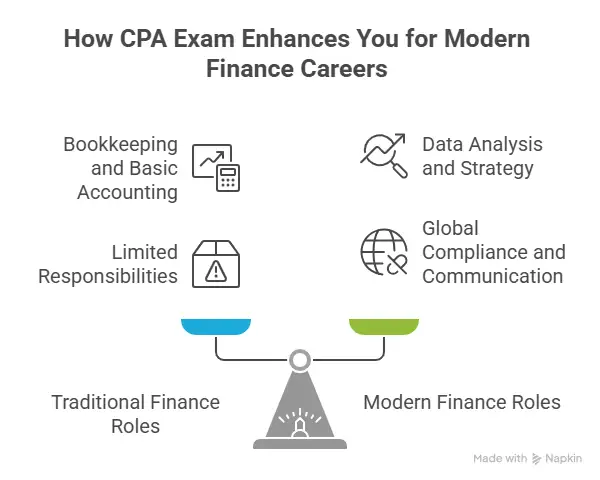
What is a job in investment banking?

A job in investment banking involves helping companies make major financial decisions – such as raising capital, acquiring or selling businesses, or preparing for IPOs. Depending on the role, your work may include financial modelling, valuation, deal execution, documentation, or client coordination. It’s high-responsibility work, which is why investment banking jobs are known for strong learning and long-term pay potential.

What kinds of jobs are in investment banking?

There isn’t just one type of investment banking job. Common roles include:

  • Investment banking analyst jobs include modelling, valuation, and pitch decks.
  • Investment banking operations jobs like deal support, documentation, and compliance.
  • Associate and VP roles like deal execution and client management.
  • Financial modelling and FP&A roles linked to investment banking.

Together, these form a career ecosystem rather than a single job title.

What degree do I need for an investment banking job?

There’s no single mandatory degree. Investment banking jobs are commonly held by graduates from a Commerce background, like BCom, BBA, Engineering for analytical roles, Chartered Accountancy (CA), and MBA (Finance). What matters most is job-ready skills, not just the degree name.

Is an MBA or a CA better for investment banking?

CA is strong for valuation, transaction advisory, and operations roles.

An MBA (Finance) helps with front office access and client-facing roles. Neither is universally better – they lead to different entry paths.

Who earns more, a CA or an investment banker?

Compensation depends more on role and performance than qualifications. A CA working in transaction advisory or investment banking operations may earn less initially than a front-office investment banker – but over time, both paths can lead to very high compensation if you move into deal-driven roles.

How do I start my career in investment banking?

Most people start their investment banking careers through:

  • Entry-level analyst roles
  • Investment banking operations jobs
  • Financial modelling or support roles

For freshers, structured, role-focused training helps bridge the gap between college and real bank expectations. Programs from institutions like Imarticus Learning are designed specifically to prepare candidates for investment banking operations and execution roles, which are common entry points.

Are there investment banking jobs for freshers?

Yes, investment banking jobs for freshers do exist – but mostly in:

  • Investment banking operations
  • Analyst support roles
  • Financial modelling jobs

Direct front office roles are competitive, but many professionals start in support or operations roles and grow into higher-paying positions over time.

What is the investment banking job’s salary?

Investment banking job salaries vary widely by role and experience:

  • Freshers typically start between ₹4-10 LPA, depending on the role.
  • The salaries can rise sharply with 2 to 5 years of experience.
  • Senior professionals earn significantly more through bonuses and performance pay.

That steep growth curve is one reason investment banking jobs remain so popular.

Are there investment banking jobs in Mumbai for freshers?

Yes. Mumbai, being the financial capital, is the largest hub for investment banking jobs in India. Entry-level roles are commonly available in operations, analyst support, and transaction services – especially near areas like Andheri and BKC.

Are there investment banking jobs in Pune?

Pune offers fewer front-office roles compared to Mumbai, but investment banking operations and support jobs are available, particularly in global capability centres and back-office hubs.

Are there investment banking jobs in Dubai?

Most professionals move to Dubai after gaining experience in India or other global markets. Investment banking jobs in Dubai exist, particularly in capital markets, advisory, and operations roles.

Which companies offer investment banking jobs in India?

Investment banking jobs in India are usually offered by global banks like J.P. Morgan, Goldman Sachs, and Morgan Stanley. Indian investment banks and advisory firms, Boutique M&A and valuation firms. These jobs usually require prior skills or experience.

Are there investment banking jobs for CA freshers?

Yes. Investment banking jobs for CA freshers are common in:

  • Valuation and transaction advisory.
  • Financial due diligence.
  • Investment banking operations.

With added financial modelling and capital markets exposure, many CAs transition into core investment banking roles.

Will investment banking jobs be replaced by AI?

AI is automating repetitive tasks – but it won’t replace investment banking. What it will do is:

  • Reduce manual work.
  • Increase the need for judgment, interpretation, and decision-making.

Investment banking jobs that involve analysis, client interaction, and deal strategy will continue to be in demand.


Investment Banking Jobs: What It Really Takes to Succeed

Investment banking jobs aren’t easy. They demand long hours, precision, accountability, and a steep learning curve. Most successful professionals don’t enter investment banking through a single perfect role. They enter through realistic entry points – analyst support, operations, modelling, or execution roles – and build upward from there. 

And if you feel the gap is skills or exposure, which is common, the right investment banking course focused on real job roles can significantly shorten your learning curve and improve your chances of entering the ecosystem.
If you’re serious about starting a career in investment banking, especially as a fresher or career switcher, focus on job-ready skills, realistic entry roles, and structured preparation. Explore an investment banking course that aligns with how banks actually hire, and build your career step by step instead of waiting for a perfect break.

Best ACCA Study Material for Exam Prep and Career Growth

ACCA exams do not reward speed, shortcuts, or surface-level learning. They reward clarity. Every question, whether numerical or descriptive, is designed to test how comfortably a candidate can think like a finance professional. That is why ACCA study material matters far more than many people realise at the start of the journey.

ACCA Certification is structured differently from many traditional accounting courses. It does not test isolated chapters. It tests how topics connect. A single question can quietly blend ethics, reporting standards, business judgment, and professional reasoning. This is why random notes, scattered downloads, or incomplete free ACCA study material often feel helpful at first but fail under exam pressure.

I often describe study material for ACCA as the lens through which the syllabus becomes readable. With the right material, the syllabus feels logical. With the wrong material, even simple topics feel fragmented. The difference shows up clearly when candidates move from reading to applying.

Before I talk about downloads, PDFs, or specific papers, I want to slow the conversation down and explain what study material actually means in practical terms. Many learners assume it is a fixed set of books or notes. In reality, ACCA-approved study material is a structured learning system that supports how the ACCA exams are designed, tested, and evaluated.

At its core, ACCA-approved study material includes concept explanations, exam-focused practice questions, revision tools, and application-based case scenarios. The quality of this material matters because the ACCA exams test understanding, not memory. Every syllabus area is linked to real-world decision-making, which is why random notes or unverified PDFs rarely work in the long run.


Understanding ACCA Before Choosing Your ACCA Study Material

Before choosing any ACCA study material, it helps to understand what ACCA actually is and how the qualification is structured. ACCA stands for the Association of Chartered Certified Accountants, a globally recognised professional accounting qualification designed to prepare learners for real-world finance, accounting, audit, and business roles.

ACCA is not built around memorising rules or completing theoretical papers in isolation. It is designed as a progressive framework where knowledge, application, and professional judgement develop step by step. This design is the reason why ACCA study material must be structured, syllabus-aligned, and exam-focused to be effective.

If you are new to the qualification and want a deeper overview, you can read more about what is ACCA to understand its global recognition, eligibility pathways, and career scope.

How the ACCA Qualification Is Structured

This brief overview explains why the study material ACCA candidates use needs to evolve across levels.

ACCA LevelFocus AreaHow ACCA Study Material Supports Learning
Applied KnowledgeBusiness basics and accounting foundationsBuilds conceptual clarity using simple explanations
Applied SkillsTechnical depth and applicationTrains problem-solving and exam technique
Strategic ProfessionalJudgement and real-world decision-makingDevelops structured thinking and narrative answers

Each level introduces a different kind of thinking. As the level increases, ACCA study material moves from explanation-heavy content to application-driven and judgment-based resources.

What ACCA Exams Actually Test

Understanding the exam intent helps explain why not all ACCA study material works equally well.

ACCA exams are designed to assess:

  • Understanding of accounting and finance concepts
  • Ability to apply rules in practical scenarios
  • Skill in interpreting financial information
  • Professional judgement and ethical awareness
  • Clear communication of answers under time pressure

This is why high-quality ACCA study material focuses on how concepts are used, not just how they are defined. Study material ACCA candidates rely on must reflect exam logic rather than textbook theory.

Did you know? ACCA exams are reviewed continuously to ensure they reflect real workplace skills.

ACCA’s official documentation highlights that exam questions are designed to test application and judgement rather than rote learning, once you’ve checked your ACCA eligibility. This is one of the key reasons examiner reports place strong emphasis on answer structure and relevance.

Why ACCA Study Material Plays a Central Role

Because ACCA skills are built progressively, gaps created at early stages tend to show up later. Weak ACCA study material at the foundation level often leads to confusion in advanced papers, even when the syllabus topics look different.

Well-designed ACCA study material helps learners:

  • Understand how topics connect across papers
  • Build confidence in applying concepts
  • Develop consistent answer-writing habits
  • Prepare for workplace-style thinking

This also explains why ACCA-approved study materials are widely recommended. They are reviewed against ACCA’s learning outcomes and exam approach, which helps maintain continuity across levels.

A clear ACCA study material framework helps learners understand how different resources fit together, creating a structured preparation flow that supports learning, practice, and revision without unnecessary overlap:

basic acca study material framework

ACCA and Career Alignment

ACCA is structured to support multiple career paths, including audit, accounting, finance, reporting, taxation, and consulting. The way ACCA employability and study material presents scenarios that often mirror these roles, making preparation directly relevant to professional work.

Common roles aligned with ACCA include:

  • Audit associate and auditor
  • Financial accountant
  • Management accountant
  • Financial analyst
  • Reporting and compliance roles

When ACCA study material is chosen carefully, preparation does not stop at clearing exams. It supports long-term career readiness.


As ACCA continues to evolve with syllabus updates and changing exam focus, understanding what the 2025 framework brings helps learners align their preparation, study material choices, and paper planning with current expectations.


What Makes ACCA Study Material Effective

This section sets the context for how to judge any study material ACCA candidates come across that also reflects the ACCA subject list, whether free or paid.

Effective ACCA study material usually has these elements:

  • Clear alignment with the latest ACCA syllabus updates
  • Topic-wise explanations written in simple language
  • Practice questions that mirror exam difficulty
  • Examiner-style answers with marking logic
  • Regular revision summaries and formula support

ACCA-approved study materials are designed around these principles because they are reviewed against ACCA’s competency framework. This is also why many candidates prefer structured providers rather than collecting random resources.


Did you know?
ACCA updates its syllabus regularly to reflect changes in accounting standards, tax laws, and reporting frameworks. These updates are published officially on the ACCA global website.


Does ACCA Provide Study Material?

ACCA does provide study support resources, but it does not offer complete textbooks for every paper to help you tackle the toughest ACCA syllabus subjects. The official ACCA platform includes:

  • Examiner reports
  • Practice questions
  • Past exam papers
  • Technical articles
  • Syllabus and study guides

These resources form a strong base, but they are meant to complement structured ACCA study material, not replace it. Most candidates combine official ACCA resources with ACCA-approved study materials from recognised publishers when they are looking for how to prepare for the ACCA exam online.

A simple way to think about this is that ACCA gives you the exam direction, while the structured study material ACCA learners use helps with daily preparation.

Free ACCA Study Materials

Free ACCA study materials are widely available online. Some are excellent, while others are incomplete or outdated. This section explains how to filter what is useful.

Free ACCA study material PDF resources usually fall into three categories:

  • Official ACCA past papers and technical articles
  • Sample chapters from approved publishers
  • Unofficial notes shared by tutors or forums

Official resources should always be prioritised. Sample chapters from providers like Kaplan are helpful to understand the explanation style. Unofficial notes should be treated carefully and cross-checked with the syllabus.

ACCA study material online free options work best when used for revision and reinforcement, not as the sole learning source, especially when you are looking for how to do ACCA while working full-time. Many learners underestimate how exam-focused structured material needs to be.


Did you know?
ACCA publishes examiner reports after every exam session. These reports explain common mistakes and answer expectations. According to ACCA, candidates who actively use examiner reports show greater improvement across resits.


ACCA Self-Study Material and Independent Learning

ACCA self-study material is a popular choice among working professionals and students who prefer flexible schedules. Self-study works well when the material is organised and exam-aligned.

For self-study to succeed, the study material must offer:

  • Step-by-step concept flow
  • Embedded examples linked to exam scenarios
  • Clear learning outcomes per chapter
  • Sufficient practice coverage

Self-study becomes difficult when learners rely only on short notes or free ACCA study material PDF collections without structure. This is where guided self-study models offered by platforms like Imarticus Learning become relevant, as they combine structured material with academic support.

Self-study does not mean unsupported study. It means choosing ACCA study material that can stand on its own while still offering guidance.

Different ACCA study material formats serve different purposes during preparation, and understanding when to rely on printed books, PDFs, digital platforms, or official resources helps learners study more efficiently without overloading their routine:

acca study material formats

Most Used ACCA Study Materials and Resources for Every Stage of Preparation

ACCA prep becomes much easier when you stop hunting for “more material” and start using the resources that are already built around ACCA exam format, syllabus changes, and marking style. The resources below are the ones ACCA learners use most often because they are official, consistently updated, and designed for real exam conditions.

1) Official Digital Study Content

This is where I go for structured learning that matches the syllabus and exam style.

Top, most used resources

  • ACCA Study Hub (official digital study platform with free study content for many ACCA exams)
  • ACCA Exam Support Resources (central library of study support by exam, including key guidance)

Best suited for:

  • First-time learners
  • Concept-heavy papers
  • Learners who prefer structured reading

2) Exam-Format Practice in the Real CBE Environment

This is where ACCA preparation turns into exam readiness because I recommend students to practice in the same interface used in the live exam.

Top, most used resources

  • CBE Practice Platform (ACCA Practice Platform): practice in the live exam format, with specimen and past exam content, self-marking, sample answers, and performance tracking
  • Specimen Exam Site (official access point for specimen exams)

Best suited for:

  • Applied Skills papers
  • Strategic Professional Papers
  • Learners focusing on time management and answer structure

3) Past Exams, Specimen Exams, and Question Practice

These are the resources I use to calibrate depth. They show what ACCA actually expects in answers.

Top, most used resources

  • Specimen exams and solutions (official specimen papers per exam)
  • Past exam question practice inside the Practice Platform (attempt to time, mark, debrief)

Best suited for:

  • Exam alignment
  • Understanding the examiner’s focus
  • Final-stage preparation

4) Examiner Guidance That Improves Marks Fast

This is the “mark-scoring” layer. It will help you stop losing marks for avoidable reasons like weak structure, vague points, or poor linkage to the requirement.

Top, most used resources

  • Examiner reports
  • Technical articles
  • Examinable documents
    (All available through ACCA’s exam support resources by paper.)

Best suited for:

  • Working professionals
  • Self-paced learners
  • Long-term preparation across multiple papers

5) Official Practice Tests Where Applicable

This is used as a readiness checkpoint, especially for on-demand computer-based exams when offered.

Top, most used resource

  • ACCA practice tests

How These ACCA Resources Fit Together

This quick map helps readers understand what to use and when, without collecting too many materials.

Prep PhaseMost Used ACCA ResourcesOutcome
Build baseACCA Study Hub, Exam Support ResourcesSyllabus coverage and clarity
Build skillCBE Practice Platform question practiceSpeed, accuracy, technique
Build exam controlSpecimen + past exam style practiceTiming and requirement handling
Build marksExaminer reports, technical articlesHigher-quality answers

Access to free resources often plays a supporting role in ACCA preparation, especially during revision and exam alignment, where official materials, sample content, and technical guidance help reinforce concepts without adding unnecessary complexity to the study plan:


ACCA Study Material by Applied Knowledge Papers

This section introduces paper-wise learning at the foundation level, where many learners begin.

ACCA F1 Study Material (Business and Technology)

ACCA F1 study material focuses on organisational structure, governance, ethics, and business processes. Good material explains theory using business examples rather than definitions. Learners benefit from visual process flows and short caselets.

ACCA F2 Study Material (Management Accounting)

ACCA F2 (management accounting) study material requires strong numerical clarity. The best resources break formulas into logical steps and offer progressive difficulty in questions. Practice is essential here, so the material should include multiple question sets with solutions.

ACCA F4 Study Materials (Corporate and Business Law)

ACCA F4 study materials work best when legal concepts are explained using real-world business situations. Memorisation-heavy material often fails. Case-based explanations improve recall during exams.

Before moving to higher-level papers, building confidence at this stage is critical. Strong ACCA study material here reduces pressure later.

Paid Providers and Structured Content

Kaplan ACCA study material is widely used because it balances clarity with exam relevance. Structured providers usually offer:

  • Textbooks aligned with syllabus outcomes
  • Practice kits with exam-standard questions
  • Revision kits for final preparation
  • Digital access for flexibility

Paid ACCA-approved study materials are especially useful for learners who want predictable progress. Free ACCA study materials can support this journey, but structure usually comes from a primary source.

How to Get ACCA Study Materials the Right Way

This section helps learners avoid confusion and wasted time.

A simple approach works best:

  • Start with the ACCA syllabus and study guide
  • Choose one primary ACCA-approved study material provider
  • Use free ACCA study material PDF resources only for revision
  • Add examiner reports and past papers early
  • Avoid mixing too many sources

ACCA study material download options should always be verified against the syllabus year. Using the wrong version creates silent gaps that appear only during exams.

By treating study material as a system rather than a collection, preparation becomes smoother and more predictable.


Advanced ACCA Study Material for Applied Skills and Strategic Papers

Once the Applied Knowledge papers are complete, the nature of ACCA study material changes in a very noticeable way. The syllabus moves closer to real business decisions, reporting judgments, and regulatory interpretation. At this stage, the quality and structure of the study material ACCA candidates use becomes even more critical because questions are no longer direct or predictable.

This part focuses on how ACCA study material should be approached for Applied Skills and Strategic Professional papers, and how learners can organise their preparation without feeling overwhelmed.

ACCA Financial Reporting Study Material and Concept Depth

ACCA Financial Reporting study material is often the point where many learners reassess their preparation style. This paper demands clarity in standards, adjustments, and the interpretation of financial statements.

Strong ACCA financial reporting study material usually includes:

  • Step-by-step walkthroughs of accounting standards
  • Clear linkage between standards and exam questions
  • Practical illustrations using company-style financials
  • Integrated practice questions after each topic

Financial Reporting cannot be mastered through short notes alone. Full-length explanations help learners understand why adjustments are made, not just how to make them. This is also where using ACCA-approved study materials becomes useful because standards change over time.

ACCA regularly updates examinable standards for Financial Reporting based on IFRS amendments. These updates are published on the ACCA website before each exam cycle. Using outdated ACCA study material PDF files can lead to avoidable errors in exams.

ACCA F7 Study Material and Exam Technique

ACCA F7 study material builds directly on Financial Reporting foundations. The difference lies in how questions are framed and evaluated.

Good ACCA F7 study material focuses on:

  • Application-based scenarios
  • Time management within long questions
  • Clear marking logic
  • Integration of multiple standards in one answer

At this level, learners benefit from study material that includes examiner-style answers. This helps in understanding how marks are awarded. Many candidates improve significantly when they shift from reading-only preparation to answer-writing practice using structured material.

ACCA F6 Study Material and Regulatory Awareness

ACCA F6 study material revolves around taxation, which is both technical and jurisdiction-specific. The syllabus requires accuracy, structure, and regular updates for the ACCA new program structure.

Effective ACCA F6 study material includes:

  • Simplified tax computation frameworks
  • Visual summaries of rules and thresholds
  • Regular update notes for law changes
  • Practice questions with step-by-step workings

Taxation is one area where free ACCA study materials can become risky if not verified. Laws change frequently, and older free ACCA study material PDF resources may reflect outdated rates or exemptions. Hence, you need to go through the latest updates and then build effective strategies to pass the ACCA advanced taxation exam.


Did you know?
Taxation syllabi for ACCA differ by region. ACCA publishes variant-specific guides for each country paper, making syllabus alignment essential when choosing study material that ACCA candidates rely on.


ACCA Study Material for Strategic Business Reporting

The ACCA SBR study material introduces professional judgment at a deeper level. This paper tests how candidates interpret standards in complex situations rather than applying rules mechanically.

Strong ACCA SBR study material usually offers:

  • Integrated case studies
  • Narrative-based answer frameworks
  • Ethics and professional judgment scenarios
  • Examiner commentary insights

At this level, memorisation-based resources stop working. Learners need ACCA study material that trains thinking and explanation skills. Strategic papers reward clarity, relevance, and structure more than volume.

ACCA Study Material PDF and Digital Learning

Digital access has changed how candidates study. ACCA study material PDF formats are widely used for flexibility, especially by working professionals.

PDF-based material works best when it includes:

  • Searchable text
  • Hyperlinked contents
  • Integrated practice sections
  • Clear version control

ACCA study material download options should always be checked for syllabus year and paper code. Mixing PDFs from different years often leads to confusion during revision.

ACCA study material online free platforms can be useful for last-minute reinforcement, but full digital libraries from approved providers usually offer better organisation. This becomes more important when you correlate this with global acceptance of this qualification; you can work in 180+ countries with ACCA.

Best ACCA Study Material and Source Selection

Choosing the best ACCA study material depends on learning style, time availability, and paper level.

A balanced approach often includes:

  • One primary ACCA-approved study material provider
  • Official ACCA technical articles
  • Past exam papers and examiner reports
  • Limited but high-quality free study materials

Kaplan study material for ACCA is commonly selected because it combines textbooks, practice kits, and digital tools in one ecosystem. However, the key factor is consistency rather than brand switching.

Did you know?
ACCA recommends a study commitment of around 120 to 200 hours per paper, depending on the level. This estimate is published in ACCA study guides and highlights why structured study material that ACCA candidates use must support long-term planning.

How to Study for ACCA Using Structured Material

This section focuses on execution rather than selection.

An effective study rhythm looks like this:

  • Read concept explanations from the ACCA study material
  • Apply learning through practice questions
  • Review examiner guidance weekly
  • Track weak areas using revision notes
  • Revisit complex topics before mock exams

ACCA self-study material works well when combined with a fixed weekly plan rather than daily targets. Weekly outcomes allow flexibility without losing momentum.


Clearing ACCA in the first attempt often comes down to how well preparation is structured, how study material is used across stages, and how closely exam practice reflects examiner expectations rather than volume of effort.


Study for ACCA with Paper-Wise Planning

Planning becomes easier when the study material is broken into syllabus outcomes.

For each paper:

  • Divide the ACCA syllabus into manageable study blocks
  • Assign time based on topic weight
  • Schedule revision cycles
  • Reserve time for full-length mock exams

This approach reduces stress and improves retention. Studying for ACCA exams becomes predictable when material is used strategically rather than randomly.

Common Gaps in Advanced-Level Preparation

Many learners struggle at advanced levels due to:

  • Over-reliance on summaries
  • Limited answer-writing practice
  • Ignoring examiner reports
  • Using outdated ACCA study material PDF files

Addressing these gaps requires disciplined use of study material rather than more resources. Fewer, better-aligned materials almost always outperform large collections.

Preparation tends to become more effective when study material is used in phases, with different resources supporting concept building, practice, revision, and final alignment across a typical 12-week ACCA study cycle:

acca study material use for a 12 week study plan

ACCA Preparation with Imarticus Learning

For learners exploring ACCA course prep with Imarticus Learning, the preparation model is designed to bring structure, consistency, and exam alignment into one place, rather than leaving candidates to assemble resources on their own. The focus stays on supporting progression across papers while keeping preparation practical and manageable.

Key elements of the ACCA programme with Imarticus Learning include:

  • Gold-level academic quality recognition by ACCA: The Gold Approved Learning Partner status signals that the programme meets ACCA’s highest benchmarks for structured learning delivery and student support.
  • Syllabus delivery mapped directly to ACCA learning outcomes: Teaching plans are designed around ACCA’s official syllabus and study guides, helping learners stay aligned with examinable areas and paper objectives.
  • Exam-focused preparation framework: The learning approach places strong emphasis on application, interpretation, and answer structure, which are central to how ACCA exams are assessed.
  • Faculty-led instruction aligned with ACCA standards: Classes are delivered by faculty experienced in ACCA paper requirements, ensuring consistency in explanation depth and exam relevance.
  • Integrated access to ACCA-aligned study material: Learners are supported with structured study resources that reduce the need to source fragmented or misaligned materials independently.
  • Regular assessments and mock exams: Continuous evaluation through tests and mocks helps track exam readiness and identify gaps early in the preparation cycle.
  • Structured doubt resolution and academic support: Dedicated academic support ensures complex areas are clarified within the context of the ACCA syllabus, rather than through disconnected explanations.
  • Blended delivery model: A mix of live sessions and recorded content allows learners to balance preparation with academic or professional commitments.
  • Career-aligned support alongside ACCA preparation: Beyond exams, learners receive guidance related to employability, interview preparation, and career pathways aligned with ACCA roles.
  • Learning hubs supporting in-person engagement: Physical centres complement the digital learning model for candidates who value classroom interaction alongside online study.

FAQs About ACCA Study Material

This section addresses the most frequently asked questions about ACCA study material, which often cover practical concerns that arise during preparation, from selecting the right resources to understanding how various materials support exam readiness across papers and study modes.

Which study material is best for ACCA?

The best study material is one that aligns with the latest syllabus, explains concepts clearly, and includes exam-focused practice. ACCA-approved study materials are usually preferred. Many learners combine structured providers with official ACCA resources to build a complete preparation system. Imarticus Learning curates ACCA study material in a structured format that supports both learning and revision.

Is the ACCA study material free?

Some ACCA study material is free, especially official resources like past papers, examiner reports, and technical articles. Free study materials for ACCA and free study material PDF resources are useful for revision and reinforcement. However, complete preparation usually requires structured study material that explains concepts in depth.

Can I study ACCA by myself?

Yes, many candidates successfully prepare using ACCA self-study material. Self-study works well when ACCA study material is structured, syllabus-aligned, and supported by practice questions. Digital formats like ACCA study material PDF files and ACCA study material online free platforms help working professionals manage time. Guided self-study models offered by Imarticus Learning add academic support while keeping flexibility intact.

What is the ACCA pass rate?

ACCA pass rates vary by paper and exam session. On average, pass rates range between 30% and 55% depending on the subject. ACCA publishes official pass rate data after every exam session on its website. Consistent use of high-quality ACCA study material improves familiarity with exam patterns, which directly impacts pass outcomes over time.

What is the ACCA salary range?

The ACCA salary range varies significantly by experience, geography, and role, but global trends show a consistent progression as experience grows.

Global Average Salary Ranges

  • Entry-Level ACCA Positions (0-2 years): Around $45,000-$60,000 USD annually in many international markets, or roughly £25,000-£35,000 in the UK context.
  • Mid-Career Professionals (3-7 years): Typically $70,000-$100,000 USD globally, or around £40,000-£60,000 in the UK.
  • Senior Roles (8+ years): Often $120,000+ USD in global finance hubs, with senior UK roles sometimes reaching £60,000–£100,000+.

India Average Salary Ranges

  • Entry-Level: Around ₹4-₹8 lakhs per year.
  • Mid-Level: Approximately ₹10-₹20 lakhs per year as experience grows.
  • Senior-Level: Often ₹20-₹30+ lakhs per year, particularly in managerial and specialised roles.

Salaries tend to be higher in financial hubs, for specialised roles, or in regions with strong demand for ACCA-qualified professionals.

How many times can I fail ACCA?

There is no fixed limit on the number of times a candidate can attempt ACCA exams. Each paper can be retaken as needed. The key after a failure is to reassess the ACCA study material being used and improve exam technique. Many candidates clear papers after resits by switching to clearer, more structured ACCA preparation with resources and support from Imarticus Learning.

Can ACCA get a job easily?

ACCA improves employability by providing globally recognised finance and accounting skills. Roles in audit, accounting, reporting, and finance analysis are common starting points. Structured preparation supported by Imarticus Learning helps candidates present their knowledge confidently during hiring processes.

Can I start ACCA at 35?

Yes, starting ACCA at 35 is common. ACCA study material is designed for flexible learning, making it suitable for career switchers and working professionals. ACCA study material PDF formats and online resources allow self-paced preparation. With realistic planning and consistent use of structured study material, ACCA candidates can progress steadily regardless of age.


Where Preparation Turns Into Direction

ACCA is a long journey, but it is not an uncertain one when preparation is structured. The thread that runs through every stage of the qualification is the role of ACCA study material. From the first paper to the final strategic exam, the material you rely on shapes how clearly you understand concepts, how confidently you apply them, and how calmly you perform under exam pressure.

So far, we have explored ACCA study material not as a list of books or downloads, but as a preparation system. When study material is aligned with the syllabus and the way ACCA evaluates answers, preparation feels steady rather than overwhelming.

The most consistent ACCA outcomes often come from clarity in choices. Choosing fewer, well-structured resources. Revisiting official guidance. Practising with intent. Allowing learning to build layer by layer instead of rushing from one paper to the next.For learners who want structure without rigidity and guidance without losing flexibility, exploring a well-designed ACCA learning pathway can make the journey smoother. Imarticus Learning brings together an ACCA Course prep with expert-curated study material, academic support, and exam-focused planning in a way that fits modern schedules.

ACCA Salary in Dubai for Freshers and Senior Roles

Dubai attracts finance professionals for many reasons, but salary remains the loudest signal. When people search for ACCA Salary in Dubai, they are rarely looking for a single number. They want to understand whether the move makes sense, how pay evolves, and what kind of professional life sits behind the figures.

Some see Dubai as a fast lane to a higher income. Others view it as a competitive market where only the right profiles succeed. Both views exist because salary outcomes here are shaped by far more than qualification names. Role clarity, industry exposure, and how closely someone works with decision makers quietly influence earnings.

Dubai is not a single market. It is a collection of hiring zones. Multinational audit firms, regional headquarters, free zone entities, family offices, and fast-growing SMEs all sit side by side. Each of these employers compensates finance talent differently.

Large firms and global audit networks usually follow structured salary bands. Mid-sized companies often negotiate aggressively based on skills. Small firms sometimes offer lower fixed pay but faster exposure. This mix has a direct impact on the salary outcomes of the ACCA certification.

Another factor is tax structure. Since personal income tax does not apply, employers focus on gross monthly pay instead of complex compensation packages. This is why the ACCA salary in Dubai per month is discussed more openly than in many other countries.

Did you know? Dubai ranks among the top global cities for expatriate finance professionals due to its tax-free income model and strong demand for accounting talent. 


Understanding ACCA

Before diving deeper into ACCA Salary in Dubai, it helps to pause and understand the qualification that sits at the centre of this discussion. Salary numbers make more sense once the structure, scope, and global relevance of ACCA are clear.

If you are new to the qualification, what is ACCA often comes up as the first question. ACCA stands for the Association of Chartered Certified Accountants. It is a globally recognised professional qualification designed for careers in accounting, audit, finance, and business management. Unlike country-specific credentials, ACCA follows international standards, which is one of the reasons it holds strong value in global job markets like Dubai.

What ACCA Covers at a Practical Level

ACCA is not limited to bookkeeping or exam theory. The qualification is built around real business functions that companies rely on daily.

  • Financial accounting and reporting under IFRS
  • Audit and assurance practices
  • Performance management and budgeting
  • Financial management and decision making
  • Business law, taxation, and ethics

This broad coverage is why ACCA professionals fit into multiple finance roles rather than a single job function.

How the ACCA Structure Supports Global Careers

The ACCA subject list is divided into progressive levels that align with career growth.

ACCA LevelFocus Area
Applied KnowledgeAccounting basics and business fundamentals
Applied SkillsReporting, audit, taxation, and financial management
Strategic ProfessionalLeadership, strategy, and advanced decision making

Each stage builds skills that employers in Dubai actively look for when hiring finance professionals.

Why ACCA Has Strong Relevance in Dubai

Dubai’s business environment is international by design. Most companies operate under IFRS, deal with cross-border transactions, and report to global stakeholders. ACCA is aligned with this environment.

Key reasons ACCA fits well in Dubai include:

  • IFRS-focused curriculum
  • Recognition across audit firms and multinational companies
  • Flexibility to work across industries
  • Acceptance in both auditing and corporate finance roles

These factors directly influence ACCA in Dubai salary outcomes across career stages.

How ACCA Links Directly to Salary Progression

Employers in Dubai do not view ACCA as a one-time credential. They associate it with ongoing professional development and applied knowledge. As candidates move from part-qualified to member status, they are trusted with higher responsibility.

This is why ACCA Salary in Dubai usually follows a step-based pattern rather than a flat curve. Each stage of qualification unlocks access to broader roles, which then reflect in monthly pay.


The ACCA framework itself explains many of the salary patterns seen in Dubai. The way subjects progress from core accounting to reporting, audit, and strategic decision making mirrors how roles and pay evolve in real organisations. This video breaks down ACCA in that same sequence, helping place the qualification in context before the discussion moves deeper into roles and responsibilities.


Key Factors That Decide ACCA Salary in Dubai

Salary outcomes are never random. I see the same patterns repeat across roles and employers. Before sharing salary tables, it helps to understand what employers actually pay for.

  • Qualification stage: ACCA part-qualified salary in Dubai sits lower because firms still invest in training. Once exams are cleared, compensation moves faster.
  • Role type: The ACCA accountant salary in Dubai varies widely between audit, reporting, internal control, and finance operations.
  • Industry: Banking, consulting, and real estate often pay more than trading or small services firms.
  • Employer size: Large firms offer stable growth. Smaller firms may offer higher short-term pay.
  • Experience: An Experienced ACCA salary in Dubai reflects applied skills rather than years alone.

These factors explain why two ACCA professionals can earn very different salaries in the same city.

Average Salary of ACCA in Dubai Across Career Stages

This section explains how salary ranges usually progress over time. Since ACCA opens doors to high-paying global finance jobs, they are observed market bands reported by recruitment firms and hiring portals. Before reading the table, it helps to note that salaries are quoted in AED per month. Annual packages vary depending on bonuses and benefits.

Career StageMonthly Salary Range
Entry-level or traineeAED 4,000 to 6,000
ACCA part-qualifiedAED 6,000 to 9,000
ACCA qualifiedAED 10,000 to 15,000
ACCA member with experienceAED 15,000 to 25,000

(Source: Indeed, Glassdoor)

These figures form the base for understanding the average salary of ACCA in Dubai. Real outcomes depend on role and sector. Several practical elements come together to shape ACCA salary in Dubai, with pay levels reflecting qualification stage, role responsibility, industry exposure, and the skills applied on the job, rather than any single factor in isolation:

Factors Influencing ACCA Salary in Dubai

ACCA Salary in Dubai Per Month and What It Means in Real Terms

Many people focus only on the headline number. I always translate a monthly salary into lifestyle reality.

An ACCA monthly salary in Dubai between AED 8,000 and AED 10,000 allows shared accommodation and basic savings. Salaries above AED 15,000 provide independent housing and comfortable living. Once monthly income crosses AED 20,000, professionals usually begin long-term savings and investments.

This context helps explain why the ACCA salary in Dubai per month is often considered attractive even at mid-career levels.

ACCA Salary in Dubai in Rupees for Indian Professionals

For Indian candidates, in addition to knowing ACCA salary in India, conversion to INR helps assess return on investment for the ACCA certification. Based on recent exchange rates published by the Reserve Bank of India and XE, 1 AED equals approximately ₹24.39.

Using this rate:

Monthly Salary in DubaiApprox Salary in INR
AED 6,000₹1.46 lakh
AED 10,000₹2.43 lakh
AED 15,000₹3.65 lakh
AED 20,000₹4.87 lakh

This is why ACCA salary in Dubai per month in rupees often looks significantly higher than Indian packages, even at similar experience levels.


ACCA Starting Salary in Dubai for Freshers and Part-Qualified

Freshers usually enter through junior accounting, audit assistant, or finance executive roles. ACCA starting salary in Dubai commonly ranges between AED 4,000 and AED 6,000 per month.

ACCA jobs in Dubai without experience, the salary depends heavily on internship exposure and communication skills. Candidates with Excel, reporting exposure, and basic ERP knowledge tend to start at the higher end of the range.

ACCA Starting Salary in Dubai for Freshers

The table below outlines how entry-level roles typically differ in responsibility and starting pay for freshers entering the Dubai job market.

Entry-Level RoleTypical Monthly SalaryKey ResponsibilitiesWhat Improves Starting Pay
Junior AccountantAED 4,000 to 6,000Basic accounting entries, reconciliations, and invoice processingStrong Excel skills, internship exposure
Audit AssistantAED 4,500 to 6,000Audit support, documentation, and data verificationCommunication skills, audit exposure
Finance ExecutiveAED 5,000 to 6,000Reporting support, MIS preparation, and coordination tasksERP familiarity, reporting exposure

Employers often increase pay within the first year once performance is proven.

ACCA Part-Qualified Salary in Dubai and Transition Phase

This stage is critical and often misunderstood. ACCA part-qualified salary in Dubai usually ranges from AED 6,000 to 9,000 per month. Employers expect candidates to contribute independently while still completing exams.

At this stage:

  • Pay increases come from role expansion
  • Employers support exam completion indirectly
  • Job switches become more common

This phase sets the base for long-term ACCA in Dubai salary growth.

ACCA Salary in Dubai

ACCA Jobs in Dubai Salary by Role Type

Let’s look at how ACCA jobs in Dubai salary changes based on the type of role and your ACCA skills, rather than the qualification alone. Even at similar experience levels, pay varies because each role carries a different level of responsibility, reporting exposure, and business impact. Understanding these role-based differences helps make sense of why salaries are not uniform across accounting, audit, and finance positions, and why career direction plays a strong role in long-term earnings.

Before listing salaries, it helps to understand role expectations. Audit roles focus on compliance and reporting. Accounting roles manage books and closures. Analyst roles combine data with finance logic.

Job RoleMonthly Salary Range 
Junior AccountantAED 4,500 to 6,500
Audit AssociateAED 5,000 to 7,000
Financial AnalystAED 7,000 to 10,000
Senior AccountantAED 10,000 to 14,000

(Source: Bayt, NakuriGulf)

These figures reflect common ACCA jobs in Dubai salary bands across industries. ACCA salary in Dubai varies across roles based on the level of responsibility, reporting ownership, and decision support involved, which explains why similar experience levels can lead to very different pay outcomes:

ACCA Slary in Dubai Across Roles

How Roles, Industries, and Experience Shape ACCA Salary in Dubai

Once the foundation is clear, the next layer that matters is how your ACCA salary changes based on what a professional actually does inside an organisation. ACCA Salary in Dubai rises and falls with role depth, sector exposure, and how closely a professional sits to decision-making.

How Job Roles Influence ACCA Salary in Dubai

Every finance role solves a different business problem. Employers pay according to the risk and responsibility attached to that problem.

Before looking at numbers, it helps to understand that titles in Dubai often sound similar but carry different expectations.

  • Accounting roles focus on accuracy, closures, and compliance
  • Audit roles focus on assurance, controls, and regulatory reporting
  • Finance roles focus on analysis, forecasting, and business support

This distinction explains why ACCA jobs in Dubai salary vary even at the same experience level.

Role TypeTypical Monthly Salary
Junior AccountantAED 4,500 to 6,500
ACCA AccountantAED 7,000 to 11,000
Audit ExecutiveAED 8,000 to 12,000
Financial AnalystAED 9,000 to 14,000
Finance ManagerAED 15,000 to 25,000

(Source: Glassdoor, Hays)

The ACCA accountant salary in Dubai usually sits in the middle of this range. It grows faster when reporting responsibility increases.

Industry-Wise Salary Differences for ACCA Professionals

With the benefits and career opportunities of ACCA, industry choice quietly shapes long-term earnings. Some sectors pay more because errors are costly or regulations are strict. Before the table below, it helps to note that salaries reflect both workload and accountability.

IndustryMonthly Salary Range 
Audit and ConsultingAED 8,000 to 18,000
Banking and Financial ServicesAED 10,000 to 22,000
Real Estate and ConstructionAED 7,000 to 16,000
FMCG and TradingAED 6,000 to 14,000
Technology and StartupsAED 7,000 to 15,000

(Source: RobertHalf, Bayt)

This is why the average salary of ACCA in Dubai looks higher in finance-heavy sectors, even when experience is similar.

After completing BCom, many career paths open up, but long-term growth and earning potential depend on how well a qualification aligns with industry demand. Professional certifications like ACCA, FRM, CFA, and CMA lead to very different roles across accounting, finance, risk management, and investment domains.


Understanding how these options translate into job profiles, skill requirements, and salary outcomes in 2025 helps make a more informed decision about which path offers the strongest return on effort and time.


ACCA Salary in Dubai Per Month Across Experience Levels

Experience in Dubai is valued for outcomes rather than tenure. Employers care about what problems someone can solve on day one.

Before reading the ranges, it helps to understand that promotions often happen through job switches rather than internal cycles.

Experience LevelMonthly Salary 
0 to 1 yearAED 4,000 to 6,000
2 to 4 yearsAED 7,000 to 12,000
5 to 8 yearsAED 13,000 to 20,000
8 plus yearsAED 20,000 to 30,000

(Source: Indeed, NaukriGulf)

Experienced ACCA salary in Dubai reflects exposure to audits, budgeting cycles, and stakeholder communication rather than just exam completion.

ACCA Jobs in Dubai Without Experience Salary Reality

Fresh graduates often worry about placement without local exposure. ACCA jobs in Dubai without experience salary usually fall on the lower end, but progression can be fast.

Entry roles include:

  • Accounts assistant
  • Audit trainee
  • Finance executive

Monthly salaries often range between AED 4,000 and 5,500 initially. Employers raise pay once candidates demonstrate reliability and system knowledge. Candidates who bring internship exposure or strong Excel skills often secure better offers.

ACCA Member Salary in Dubai and Career Acceleration

Once membership is achieved, salary discussions shift from survival to strategy.

An ACCA member salary in Dubai often starts around AED 12,000 to 15,000 per month and grows with leadership responsibility. Members who handle reporting, audits, and team supervision move faster into higher bands. This stage separates operational roles from decision support roles.

ACCA Slary in Dubai as per Responsibility

ACCA vs CA Salary in Dubai From a Market View

Salary comparisons appear frequently in search data, so this section focuses on employer behaviour rather than opinion.

ACCA vs CA salary in Dubai depends on role alignment. ACCA professionals dominate audit, IFRS reporting, and multinational finance roles. CAs often perform well in tax and regional accounting roles. In multinational firms, ACCA in Dubai salary often matches or exceed CA pay due to international recognition. In smaller firms, salaries may converge for the CA vs ACCA comparison.

Choosing between CA and ACCA often comes down to where someone wants to build their career and how they want their skills to be used. Both qualifications are respected, but they serve different professional paths. One is deeply rooted in domestic practice and regulatory work, while the other is designed for global reporting, audit, and multinational finance roles.


Understanding how each qualification aligns with job roles, mobility, and long-term earning potential helps clarify which path fits better for working in international markets such as Dubai.


Why Salary Growth Accelerates After the First Few Years

The early years focus on proving reliability. After that, salary growth becomes skill-driven.

Professionals who handle:

  • Month-end closures
  • Audit coordination
  • Management reporting

tend to see consistent pay jumps.

This explains why the salary of an ACCA in Dubai often grows unevenly at first and rapidly later.

Skills That Directly Increase ACCA Salary in Dubai

Before listing skills, it helps to understand how employers think because this might have a direct impact on your ACCA employability. They do not pay more for certificates alone. They pay for reliability, clarity, and problem-solving.

The skills below consistently influence ACCA in Dubai salary growth.

  • Financial reporting under IFRS
  • Advanced Excel and spreadsheet modelling
  • ERP exposure, such as SAP or Oracle
  • Budgeting and forecasting
  • Audit coordination and compliance handling
  • Communication with auditors and management

Professionals who combine technical accuracy with clear communication tend to move into higher-paying roles faster.


Did You Know? Dubai hosts over 30,000 international companies operating under IFRS standards, increasing demand for ACCA qualified professionals.


Long-Term Salary Trajectory for ACCA Professionals in Dubai

Salary growth in Dubai follows stages rather than straight lines.

In the first two years, pay focuses on learning and adjustment. Between years three and five, an ACCA qualified salary in Dubai usually increases as professionals handle independent responsibilities. Beyond this stage, salary depends on leadership exposure.

Senior professionals often move into:

  • Finance manager roles
  • Internal audit leadership
  • Regional reporting positions

These roles define the upper range of experienced ACCA salary in Dubai.

Why Employers Continue to Hire ACCA Professionals in Dubai

Dubai continues to attract global businesses that require structured financial reporting. IFRS compliance, audits, and internal controls remain essential.

This sustained demand supports stable ACCA jobs in the UAE and supports salary trends even during slower economic cycles.


Why Choose Imarticus for Your ACCA Journey

When you invest your time and effort into a qualification that influences your ACCA Salary in Dubai, the quality of your preparation can make a meaningful difference. Choosing a training partner that aligns with global standards and job market expectations helps you build not just exam success but practical competence that employers value.

The ACCA Course prep with Imarticus Learning stands out in several ways that support both learning and career readiness:

  1. Gold-level ACCA Approval: Imarticus is a Gold Approved Learning Partner of ACCA UK, meaning the training you receive meets ACCA’s global standards for content quality and delivery. This alignment ensures you are preparing with materials and methodologies recognised across the finance industry.
  2. Kaplan-Powered Study Resources: The course uses ACCA-approved Kaplan content, giving you access to curated books, question banks, practice papers, flashcards, videos, live classes, and on-demand sessions. These resources help strengthen both conceptual understanding and practical application.
  3. Structured, Industry-Aligned Learning: Training at Imarticus includes live interactive classes, expert faculty guidance, and a clear study roadmap throughout your ACCA journey. This structure helps you tackle complex papers confidently and stay on track, which is critical for performance and progression.
  4. Placement and Internship Support: After completing the early levels of ACCA, Imarticus offers a placement or internship guarantee for selected batches. This support includes pre-placement bootcamps and interview preparation, helping bridge the gap between exam success and real job opportunities.
  5. Practical Case Exposure: The programme includes industry-relevant case studies and real-world examples designed in collaboration with finance practitioners. This exposure helps you apply ACCA knowledge meaningfully in workplace scenarios, which often reflects in stronger performance on the job.

Together, these features help you build a deeper foundation, not just pass exams but also walk into roles with confidence. When the focus shifts from qualification to job performance, this preparation can contribute to stronger early career outcomes and a more strategic salary trajectory in markets like Dubai.


FAQs on ACCA Salary in Dubai

This section addresses the most frequently asked questions around ACCA Salary in Dubai, focusing on pay expectations, career opportunities, and how salary changes with experience and roles. These FAQs help clarify practical doubts that often arise when evaluating ACCA as a career choice in the Dubai job market.

Is Dubai good for ACCA?

Dubai is considered a strong destination because the ACCA Salary in Dubai benefits from tax-free income, international exposure, and steady demand for accounting and reporting roles. The city hosts multinational firms, regional headquarters, and audit networks that rely heavily on IFRS reporting. This environment allows ACCA professionals to build both income and global experience. Imarticus Learning prepares candidates for this market by aligning training with international accounting standards and role expectations.

Which country pays the ACCA’s highest salary?

Several countries offer high compensation, but the ACCA Salary in Dubai remains competitive due to tax-free earnings. While markets like the UK or Singapore may show higher gross figures, net take-home pay in Dubai often compares favourably. This balance of salary, lifestyle, and savings potential makes Dubai a preferred choice for many ACCA professionals.

Is AED 25000 a good salary in Dubai?

A monthly income of AED 25,000 is considered strong by Dubai standards. At this level, ACCA Salary in Dubai supports independent living, savings, and long-term financial planning. Such pay is usually linked to senior or managerial roles and reflects significant experience and responsibility within finance teams.

What is the salary of an ACCA per month?

The ACCA salary in Dubai per month typically ranges from AED 4,000 at the entry level to over AED 25,000 at senior levels. ACCA monthly salary in Dubai depends on qualification stage, experience, and job role. As responsibilities grow, salary progression tends to accelerate rather than move slowly.

Who earns more, CA or ACCA in Dubai?

ACCA vs CA salary in Dubai depends on role alignment rather than qualification alone. ACCA professionals often earn more in multinational firms, audit roles, and IFRS-focused environments. CAs may perform well in regional accounting and tax-driven roles. Employers value relevance to business needs more than labels.

Can I get a job in Dubai after ACCA?

Yes, many professionals secure roles after completing ACCA. ACCA Salary in Dubai for freshers starts lower, but opportunities exist in audit firms, accounting roles, and finance teams. Structured training offered through Imarticus Learning improves job readiness by focusing on practical application and industry-aligned skills.

What is the salary of an ACCA fresher in Dubai?

ACCA starting salary in Dubai for freshers generally ranges between AED 4,000 to AED 6,000 per month. ACCA jobs in Dubai without experience salary depending on internships, skill exposure, and communication ability. Early performance often leads to salary increases within the first year.

What skills boost ACCA salary in Dubai?

Skills that directly improve ACCA Salary in Dubai include IFRS reporting, audit handling, advanced Excel, ERP systems, and financial analysis. Professionals who build these skills early often move into higher-paying roles faster. Imarticus Learning focus on bridging academic knowledge with workplace expectations, which supports long-term salary growth.


Where This Salary Journey Leads

ACCA Salary in Dubai becomes clearer once all the moving parts are seen together. Pay is not driven by a single exam result or job title. It grows through steady skill building, exposure to real financial work, and the ability to support business decisions with accuracy and confidence. Freshers start by learning systems and processes. Qualified professionals move into roles that demand judgment and accountability. Senior roles reward those who understand reporting, controls, and how numbers influence strategy.
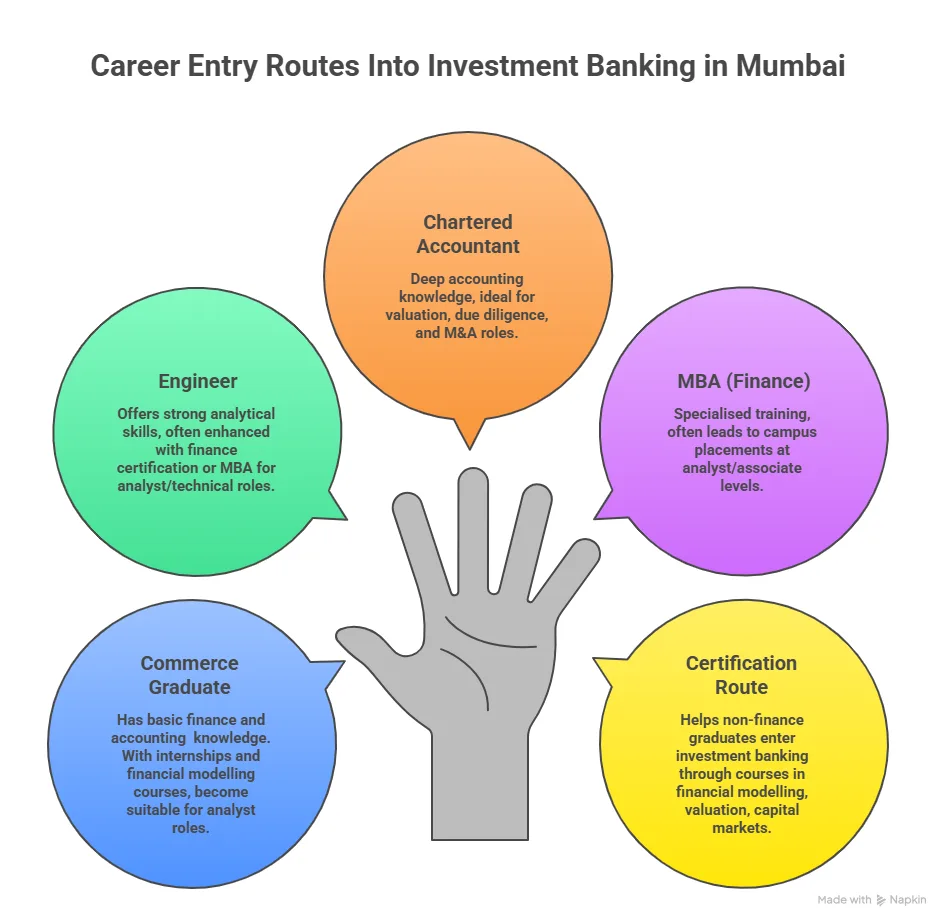
Dubai continues to value finance professionals who can work across cultures, standards, and fast-paced environments. For anyone planning this path, preparation that goes beyond theory matters. Structured learning, practical exposure, and role-focused training often shape how smoothly this journey unfolds. Many learners choose to align their ACCA Course preparation with Imarticus Learning because the focus stays close to industry expectations rather than exams alone.

With the right approach, ACCA in Dubai salary growth becomes less about chance and more about informed career choices made at each stage.

Investment Banking Salary: What You Can Really Earn

When people search for investment banking salary, they’re rarely just curious about numbers. What they’re really asking is whether investment banking is worth the effort – long hours, steep learning curve, and intense competition – and whether it truly delivers one of the highest-paying careers in finance.

I get this question a lot, especially from commerce students and early professionals: Is the payoff real, or is investment banking just hype?

The short answer: yes, it can pay extremely well.

But like most high-paying finance roles, the investment banker’s salary doesn’t grow overnight. It grows with skills, experience, and most importantly, by making the right career choices for the path you choose to enter the industry.

That’s where many people get stuck. A general degree alone rarely leads straight into high-paying roles. This is why questions like after BCom, which course is best for high salary come up so often – because the answer usually lies in choosing structured, role-specific pathways. Programs like the Investment Banking Course are designed to bridge this gap by preparing candidates for real investment banking roles and helping them enter the ecosystem faster, especially through operations and execution functions.

In this guide, I’ll break down:

The investment banking salary in India

Fresher pay and monthly earnings.
How salaries grow with career progression.

Which courses after BCom or BBA actually lead to high-salary outcomes

And whether investment banking is the right high-paying finance career for you.


“Investment banking operations are one of the most practical entry points into global banks. It is designed with this long-term career progression in mind.”


Understanding Investment Banking

Investment banking is where big money decisions actually take shape. It’s the space where strategy, numbers, and execution all come together to help businesses grow, transform, or even survive tough phases – and that level of responsibility is exactly why investment banking salary ranks among the highest in finance.

I get asked this a lot – what is investment banking? Simply put, it’s the part of finance where the stakes are high, the responsibility is real, and the outcomes directly impact how businesses grow or survive. Because the financial consequences of these decisions are so significant, the professionals handling them are paid accordingly. That’s why investment banking consistently ranks among the highest-paying jobs in finance.

What Does an Investment Banker Do?

An investment banker’s role goes far beyond spreadsheets and presentations. On a day-to-day basis, they work on:

  • Valuation and financial modelling
  • Mergers and acquisitions (M&A) advisory
  • Equity and debt fundraising
  • Client presentations and deal negotiations

As you grow in seniority, the role shifts from analysis to decision-making, client management, and leadership, which is also where investment banking salary and compensation increase sharply.

Long-term upside of Investment Banking Salary

Quick Facts – Investment Banking offers one of the fastest salary growth curves in finance, driven by performance and deal exposure.


Investment Banking Salary in India: An Overview

When people talk about investment banking salary in India, it’s easy to assume there’s one big number everyone earns. In reality, salaries in investment banking can look very different from one person to another.

How much you earn depends on a few key things:

  • The role you’re in – front-office deal roles usually pay more than operations or support roles.
  • Where you work – global investment banks, boutique firms, and advisory companies all pay differently.
  • How you enter the industry – your education, internships, and early exposure matter a lot.
  • How you perform over time – promotions and bonuses can change your pay faster than in many other finance careers.

Another thing many people don’t realise is that an investment banking salary isn’t just a fixed salary. A big part of the investment banker package comes from bonuses, especially once you start working on live deals. In good years, bonuses can make a noticeable difference to your total take-home pay.

Average Investment Banker Salary in India 

Investment Bankers earn around:

  • Entry-level / Fresher: ₹6-10 LPA
  • 2-4 years of experience: ₹12-25 LPA
  • Mid-level professionals: ₹30-50 LPA
  • Senior bankers and directors: ₹75 LPA to multi-crore packages

This wide range is why searches like salary of investment banker and investment banker package are so common – growth is steep for those who perform well.

What Investment Banking Salary in India looks like

Investment banking rewards responsibility and results. Two people with similar experience can earn very different salaries depending on the deals they work on and the value they bring to the firm. 

At a broad level, this is what investment banking salary and overall compensation typically look like across roles and experience levels:

RoleExperience LevelBase Salary Bonus Range
Front Office AnalystFresher – 2 years₹6-12 LPA20% – 50%
Associate2 – 5 years₹15-30 LPA30% – 70%
Vice President (VP)5 – 9 years₹40-70 LPA50% – 100%
Investment Banking OperationsFresher – 4 years₹4-7 LPA10% – 25%
Director / Managing Director10+ years₹80 LPA – ₹1 Cr+Performance-linked

Entry-Level Reality – Freshers typically earn ₹50,000-₹80,000 per month, with sharp jumps often within 2-3 years.


Investment Banking Salary for Freshers

The investment banker fresher’s salary depends heavily on how you enter the industry.

Freshers joining front-office analyst roles earn more than those starting in support or operations. That said, even investment banking operations salary roles often pay better than many traditional entry-level finance jobs and offer long-term growth if you upskill.

What matters most early on is exposure and learning speed, not just the first paycheck.

Investment Banker Fresher Salary: What Entry-Level Professionals Can Expect

Most freshers can expect faster increments compared to many other finance roles. Bonuses that grow with deal exposure. With the right skill development, salary jumps often come within the first 2 to 3 years.

Role / Experience LevelMonthly SalaryAnnual Salary (Approx.)
Entry-Level (Fresher)₹50,000 – ₹80,000₹6 – ₹10 LPA
1–2 Years Experience₹80,000 – ₹1.5 lakh₹10 – ₹18 LPA
2–3 Years Experience₹1.5 – ₹3 lakh₹18 – ₹30 LPA
Unveiling the benefits of Investment Banking Salary

Salary Snapshot: Freshers earn ₹6-10 LPA, while senior investment bankers can reach ₹80 LPA – ₹1 Cr+, including bonuses.


Investment Banker Salary Per Month

Looking at the salary per month helps put things into perspective:

  • Freshers earn around ₹50,000-₹80,000 per month.
  • Early professionals begin with a monthly salary of ₹1.5-3 lakh.
  • Senior bankers get paid over ₹5 lakh per month.

Bonuses are typically paid annually and can significantly increase total earnings.

Monthly Pay Breakdown Across Experience Levels

Unlike fixed-salary roles, investment banking compensation accelerates with responsibility. As you move up:

  • Base salary increases steadily.
  • Bonuses become larger and more performance-linked.
  • Client and deal ownership drives earnings.

This is why long-term earning potential matters more than starting pay.

Monthly Investment Banker Salary in India

What Drives Pay – Your salary grows with deal complexity, revenue impact, and client responsibility – not just experience.


Investment Banking Salary by Experience Level

One thing investment banking does better than most finance careers is clarity. Investment banking salary growth isn’t random – it follows a fairly structured path, especially in large banks and established advisory firms.

Most investment bankers move through these stages over time:
Analyst → Associate → Vice President → Director → Managing Director

With every step, the work changes. You’re not just getting paid more – you’re being trusted with bigger investment decisions, clients, and deals. And that’s why compensation rises sharply at each level.

Salary Growth from Analyst to Managing Director

At senior levels, investment banking salary is less about hours worked and more about deals closed, clients managed, and revenue generated. This is where multi-crore compensation becomes possible.

LevelTypical ExperienceWhat You Actually DoKey Skills UsedSalary Range
Analyst0-2 yearsBuild financial models, prepare pitch decks, research companies, and support live dealsExcel, PowerPoint, valuation, attention to detail₹6-12 LPA
Associate2-5 yearsReview models, manage analysts, coordinate deal execution, and interact with clientsFinancial modelling, deal structuring, and communication₹15-30 LPA
Vice President (VP)5-9 yearsLead deals, manage client relationships, and oversee executionLeadership, negotiation, decision-making₹40-70 LPA
Director9- 12 yearsOriginate deals, maintain senior client relationships, and guide teamsStrategic thinking, networking, and industry expertise₹70 LPA – ₹1 Cr
Managing Director (MD)12+ yearsBring in business, close deals, and set a firm strategyRelationship management, sales, and leadership₹1 Cr+ (plus bonuses)

Why the Salary Jump Is So Significant at Each Level

Early in your career, your investment banking salary reflects execution and accuracy. As you move up, it increasingly rewards judgment, relationships, and revenue generation.

That’s why:

  • Analysts are valued for speed and precision.
  • Associates are paid for managing complexity.
  • VPs and above are paid for winning deals and clients.

By the time you reach senior levels, your salary is tied less to hours worked and more to the value of deals you bring to the table.


Did you know that Front office roles pay more but demand longer hours; operations roles offer stability and a strong entry path.


Investment Banking Salary by Job Role

Not all investment banking roles pay the same – and this is where a lot of confusion comes in.

When people talk about investment banker salary, they’re usually thinking of front office roles. But investment banking also includes operations and support functions, which play a very different role in how deals get done. Understanding this difference early helps you set realistic investment banking salary expectations – and choose the right entry point.

Front Office vs Investment Banking Operations Salary

The investment banking salary range differs based on the roles in the investment banking division. Here’s a brief overview:

Role TypeTypical FunctionsWorking HoursSalary Range (₹ LPA)
Front Office (M&A, ECM, DCM)Valuation, deal structuring, and client advisoryLong & intense₹8-40+ LPA
Middle OfficeRisk analysis, compliance, reportingModerate₹6-12 LPA
Investment Banking OperationsExecution support, documentationMore stable₹4-7 LPA

(Source – Glassdoor, Ambitionbox, Indeed)

Front office roles (M&A, capital markets): highest pay, highest pressure – Front office roles are the ones directly involved in deals and client interactions. These include:

  • Mergers & Acquisitions (M&A)
  • Equity Capital Markets (ECM)
  • Debt Capital Markets (DCM)

This is where the highest investment banking salaries are paid – but it’s also where the pressure is intense and working hours are long.

Operations & Support Roles (Lower Pay, More Stability) – Operations and support roles focus on:

Deal documentation and execution support

  • Compliance and risk checks
  • Process management and reporting

These roles don’t usually command front-office pay, but they offer more predictable hours and are often used as entry points into investment banking.

Many professionals start in operations and move to the front office with the right upskilling.

Can You Move from Operations to Front Office?

Yes – and it happens more often than people think.

Many professionals start in investment banking operations to:

  • Get industry exposure.
  • Understand deal workflows.
  • Build credibility within the bank.

With the right upskilling in financial modelling, valuation, and capital markets, internal moves or external switches to front office roles are possible – often leading to a significant jump in investment banking salary.

That’s why operations roles are often seen as stepping stones, not dead ends.


Earning impact: Strong courses can push starting salaries from ₹4-5 LPA to ₹6-10 LPA.


Investment Banker Package: Fixed Pay vs Bonuses

When people talk about investment banking salary, they’re often referring to the total package – not just the number that hits your bank account every month. In reality, an investment banker’s compensation is made up of two key components, and understanding this split is important if you want realistic expectations.

Fixed Base Salary

The fixed base salary is the guaranteed part of your investment banking salary. This is what you earn regardless of market conditions or deal flow. It increases steadily as you move up from analyst to associate and beyond, providing income stability even during slower periods.

Performance-Linked Bonus

The bonus is where investment banking salary becomes performance-driven. Bonuses are tied to:

  • Deals completed
  • Revenue generated
  • Individual and team performance

In strong market years, bonuses can equal or even exceed the base salary, especially at the associate level and above. In quieter markets, bonuses shrink – which is why investment banking is often described as a high-risk, high-reward career.

As you move from analyst → associate → VP, you’re no longer just executing work – you’re managing people, deals, and clients.

Career StageFocus Shifts ToSalary Range (₹ LPA)
AnalystExecution & accuracy₹6-12 LPA
AssociateDeal management₹15-30 LPA
Vice PresidentClient & deal leadership₹40-70 LPA
Director / MDBusiness generation₹80 LPA – ₹1 Cr+

Early in your career, most of your salary comes from fixed pay. As you gain experience and start contributing directly to deals and clients, bonuses make up a larger share of your total compensation.

That’s also why two bankers with similar titles can earn very different amounts in the same year – performance and deal exposure matter just as much as seniority.

How Performance Incentives Impact Total Compensation

In strong years, bonuses can equal or exceed base salary. In slower markets, they shrink – making this a high-reward, performance-driven career.

The Value Proposition of Investment Banking

Which Role Should You Choose?

Choose the front office if:

  • You’re comfortable with long hours and pressure.
  • You want faster salary growth.
  • You enjoy deal-making and client work.

Choose operations if:

  • You want stability and predictable hours.
  • You’re entering from a non-target background.
  • You plan to upskill and transition later.

Both paths can lead to strong careers – but they reward very different strengths.


Did You Know? General degrees = slower entry into high-paying roles


How Education Affects Investment Banking Salary

Education plays a direct role in both your starting salary and how quickly that salary grows over time. The way you prepare before entering the industry often determines not just your first role, but the quality of opportunities you get early on.

This is also why searches for investment banking courses’ salary are so common -because the right course doesn’t just teach concepts, it directly influences the role you enter, your starting pay, and how fast your salary grows in the first few years.

Searches like investment banking course salary and investment banking course pay after placement reflect a simple truth:

Better preparation leads to better entry roles.
Better entry roles usually mean a stronger starting investment banking salary and faster long-term growth.

Investment Banking Course Pay After Placement

Candidates with:

  • Financial modelling expertise
  • Deal exposure
  • Industry-aligned training

Often secure higher-paying analyst roles earlier in their careers.

Investment Banking Analyst Salary: ₹6-12 LPA in India

Investment Banker Salary Per Month: ₹50,000 to ₹1 Lakh+

After BCom, Which Course Is Best for a High Salary?

This is one of the most common questions among commerce graduates. If you’re asking after BCom, which course is best for a high salary, investment banking-focused programs consistently rank high.

Best Courses After BCom With High Salary Potential

Popular options include:

  • Certified Investment Banking Operations Professional
  • Financial Modelling and Valuation Courses
  • CFA (Chartered Financial Analyst)
  • MBA in Finance

These courses also appear frequently in searches like best courses after BCom with high salary.

Here’s a brief overview of how each course’s features align with your goals:

OutcomesCertified Investment Banking Operations ProfessionalFinancial Modelling & Valuation CoursesMBA in Finance
Direct relevance to investment banking roles
Job-ready from day one
Focus on investment banking operations.
Short-term & focused
Practical, industry-aligned skills
Placement/career support
Suitable for freshers
Suitable for career switchers
Cost- and time-efficient
Best for quick entry into the investment banking ecosystem

After BBA, Which Course Is Best for a High Salary?

For many BBA graduates, the question isn’t just about job roles, but after BBA, which course is best for a high salary, and in most cases, specialised finance and investment banking programs offer a faster and more realistic path than general degrees.

Finance Career Paths That Lead to Investment Banking

Strong analytical skills, finance fundamentals, and practical exposure matter more than your undergraduate title.


Education Impact: Role-specific training often leads to better entry roles and faster salary progression than general degrees.


Why Investment Banking Ranks Among High-Paying Jobs in Finance

Investment banking isn’t high-paying by accident. The salaries are high because the value at stake is high, and very few finance roles combine responsibility, skill, and revenue impact in the same way.

Let’s break down why.

The Financial Impact of Decisions Is Massive

Investment bankers don’t work on small, low-risk tasks. They advise on:

  • Multi-crore mergers and acquisitions
  • IPOs and large capital raises
  • Business restructurings that affect thousands of jobs

When a single deal can be worth hundreds or thousands of crores, even a small mistake can have serious consequences. Companies are willing to pay a premium for professionals who can handle that responsibility.

That’s a major reason the investment banker’s salary sits well above many other finance roles.

The Work Demands Deep, Specialised Expertise

Investment banking isn’t just about knowing finance theory. It requires:

  • Advanced financial modelling and valuation
  • Strong understanding of markets, regulations, and industries
  • The ability to analyse complex data under tight deadlines

These skills take years to develop – and not everyone can sustain the learning curve. Roles that demand this level of expertise naturally command higher pay.

Performance Is Directly Linked to Revenue

In many jobs, performance is hard to measure. In investment banking, it’s very clear.

  • Deals close or they don’t
  • Capital is raised, or it isn’t
  • Clients return, or they don’t

Your contribution is closely tied to how much money the firm earns. When performance directly impacts revenue, compensation follows. That’s why bonuses form such a large part of the investment banking package, especially at senior levels.

The Pressure and Workload Are Part of the Pay

Long hours, tight deadlines, and high expectations are part of the job – particularly in front-office roles. The salary reflects not just skill, but the intensity and accountability that come with the work.

In simple terms, investment banking pays well because not everyone is willing or able to do it consistently.

Why This Combination Is Rare and Valuable

Plenty of jobs involve responsibility. Others require expertise. Some impact revenue.

Investment banking is rare because it combines all three:

  • High financial stakes
  • great technical and strategic skills
  • Direct revenue accountability

That combination is valuable – and that’s why investment banking continues to rank among the highest-paying jobs in finance, year after year.

Financial Growth in Investment Banking

Did you know? India pays less initially, but faster early responsibility and mobility narrow the global salary gap.


Investment Banking Salary in India vs Global Markets

A question that naturally follows, once you understand investment banking salaries in India, is this: how do they stack up against the rest of the world? 

What matters more than geography is role, exposure, and performance. Investment banking rewards those who handle complex deals, manage clients, and deliver results – no matter where they’re based.

How Indian Salaries Compare with the US, UK, and Middle East

One of the most common follow-up questions I get after discussing investment banking salary in India is this: How does it compare to what bankers earn abroad?

The short answer is – global salaries are higher, but the context matters. The cost of living, tax structures, hiring barriers, and career expectations all play a role in determining how much investment bankers earn in different markets.

Let’s look at the comparison clearly.

RegionFresher SalaryMid-Level SalarySenior Roles
India₹6 – ₹12 LPA₹25 – ₹40 LPA₹80 LPA – ₹1 Cr+
United States$90k – $120k$180k – $300k$500k+
United Kingdom£50k – £70k£120k – £200k£300k+
Middle East (UAE)AED 180k – 300kAED 500k+AED 1M+
SingaporeSGD 70k – 100kSGD 180k+SGD 350k+

Why Imarticus Learning for Investment Banking Operations?

When it comes to breaking into investment banking, where you study matters almost as much as what you study. I’ve seen this repeatedly across finance careers – the right training partner doesn’t just teach concepts, it prepares you for how the industry actually works.

That’s where Imarticus Learning stands out.

Imarticus doesn’t approach investment banking education as an academic subject. Their programs are designed around real job roles, real workflows, and real hiring expectations, which is exactly what most aspirants are missing when they struggle to land interviews.

What Makes the Certified Investment Banking Operations Professional Program Different?

The Certified Investment Banking Operations Professional program is built for people who want a practical, realistic entry point into the investment banking ecosystem – not just a certificate.

Here’s what sets it apart.

  • Role-Focused, Not Theory-Heavy – Unlike generic finance courses, it is designed specifically around investment banking operations roles. This clarity is why the program feels directly applicable from day one.
  • Industry-Aligned Curriculum Built for Real Jobs – The curriculum mirrors what banks expect from entry-level professionals. You’re not just learning what investment banking operations are – you’re learning how to do the work.
  • Strong Placement & Career Support – One of the biggest reasons learners choose Imarticus is the career support. 
  • Faster Entry Into the Investment Banking Ecosystem – Not everyone starts directly in front-office roles – and that’s okay.
  • Balanced Time, Cost, and ROI – Compared to long, expensive degrees, the program offers a shorter learning timeline, lower opportunity cost, and faster employability.

If your goal is to enter investment banking operations with confidence, clarity, and job readiness, the Investment Banking Course is designed to give you exactly that foundation.


FAQs About Investment Banking Salary

If you’re considering investment banking as a career, it’s natural to have questions about pay and what salaries actually look like at different stages. From fresher earnings and monthly pay to bonuses, courses, and long-term growth, these are the most frequently asked questions people ask when trying to understand whether investment banking is worth it financially.

What is the investment banking salary for freshers?

For freshers, the investment banking salary in India usually starts in the range of ₹6-10 LPA. What really makes a difference at the fresher stage is how you enter investment banking. Candidates who come in with practical, job-ready training – through structured programs from institutions like Imarticus Learning – tend to be better prepared for interviews and real-world work, which can positively influence both role quality and starting pay.

The bigger picture to keep in mind is this: fresher salaries are just the starting line. In investment banking, income grows quickly once you gain deal exposure, build strong skills, and move up the career ladder.

What does an investment banker earn per month?

If you’re looking at this monthly, freshers usually take home ₹50,000 to ₹1 lakh per month. With a few years of experience, that number can climb to ₹1.5-3 lakh per month, and senior professionals earn significantly more. Bonuses, which are common in investment banking, can make a big difference to annual earnings.

Do investment bankers earn bonuses?

Yes. Most investment bankers earn a fixed salary plus bonuses. Bonuses are performance-linked and can form a large portion of the total investment banker package, especially at the associate level and above.

Which course is best for a high investment banking salary after BCom or BBA?

There isn’t one best course. However, courses that focus on practical investment banking skills tend to lead to better salary outcomes. These include:

  • Investment banking and operations programs 
  • Financial modelling and valuation courses
  • CFA (long-term)
  • MBA in Finance

Role-specific programs often help candidates enter the industry faster.

Is the investment banking operations salary lower than front office roles?

Yes, the investment banking operations salary is generally lower than front office roles. However, operations roles offer more predictable hours and are commonly used as entry points into global investment banks, with scope to move into higher-paying roles over time.

How long does it take to reach a high investment banker salary?

Investment banking rewards consistency. Most professionals see meaningful salary growth within 3-5 years as they move from analyst to associate roles. Those who continue to build skills and take on responsibility can see their income rise much faster than in many other finance careers.

Is the investment banking salary in India lower than abroad?

In absolute terms, yes. Investment banking salaries in the US, UK, and the Middle East are higher. However, India offers:

  • Lower entry barriers
  • Faster early-career progression
  • Strong long-term global mobility

Many professionals start in India and later move to international markets.

Is investment banking worth it only for the salary?

Salary is a major draw, but not the only factor. Investment banking is worth it beyond salaries, if you:

  • Enjoy high-impact work
  • Can handle pressure and long hours
  • Want rapid career and income growth.

What is the average investment banker salary in India?

Most investment bankers in India start at around ₹6-12 LPA. Structured, industry-aligned training, such as programs offered by Imarticus Learning, can help candidates build the practical skills needed to enter higher-paying roles earlier in their careers.


Investment Banking Salary and Career Potential

Investment banking can absolutely be one of the highest-paying careers in finance – but the salary doesn’t come just from the job title. It comes from the skills you build, the roles you choose, and how early you position yourself inside the industry.

For freshers, the starting numbers may look modest compared to the long hours. But investment banking is a compounding career. Once you gain deal exposure, move up the ladder, and take on more responsibility, salary growth accelerates much faster than in most other finance roles. That’s why people who stick with it for 3 to 5 years often see dramatic jumps in both pay and career scope.

What consistently makes the difference is how you enter the industry. A general degree alone rarely leads straight into high-paying roles. Candidates who choose structured, role-specific pathways – especially those that focus on real investment banking operations, workflows, and hiring expectations – tend to enter better roles earlier and progress faster. This is exactly where programs like the Investment Banking Course from Imarticus Learning fit into the picture: they’re designed to help learners get inside the investment banking ecosystem with clarity, confidence, and job readiness.

At the same time, it’s important to be honest with yourself. Investment banking rewards ambition, resilience, and consistency. It’s not for everyone – and that’s okay. But if you enjoy high-impact work, can handle pressure, and are willing to invest in the right skills early on, the financial and career upside is very real.

In short, investment banking salary is not just about what you earn – it’s about what you build over time. Make smart entry choices, focus on learning over shortcuts, and the money tends to follow.

A Practical Guide to CPA Study Material and Exam Preparation

The CPA exam is often described as rigorous, but the real challenge does not come from the syllabus alone. It comes from how the syllabus is tested. Every section of the exam blends technical knowledge with professional judgment, and that combination changes how preparation must be approached.

Most candidates begin with the same assumption. If the content is covered once, it should be enough. That assumption rarely holds for the CPA certification. Understanding concepts is only one part of the preparation process. Applying them under exam conditions is where outcomes begin to differ.

The structure of the CPA exam plays a quiet but decisive role. It consists of four sections, each four hours long, tested separately but connected by skill. Multiple-choice questions are combined with simulations that require analysis, interpretation, and decision-making.

This is where CPA study material becomes more than a collection of books or question banks. The material chosen and the way it is used directly influence how effectively preparation time is spent over several months.

→ Some topics respond well to surface reading.

→ Others only settle through repeated practice.

That distinction is not always obvious at the start. This guide explores how CPA study material fits into the exam structure, how different subjects demand different depths of preparation, and how study decisions influence outcomes over time. The aim is not to rush conclusions, but to build clarity step by step, so preparation becomes deliberate rather than reactive.


What Is CPA, and Why Does the Right CPA Study Material Matter?

Before I decide how to prepare, it is important to understand what is CPA and what the qualification is designed to test. CPA stands for Certified Public Accountant, offered by the AICPA, is a globally recognised professional credential issued in the United States for accounting and finance professionals who meet specific education, examination, and experience requirements.

The CPA designation signals competence in accounting, auditing, tax planning, regulation, and business decision-making. Because the exam evaluates both technical accuracy and application skills, the choice of CPA Study Material directly affects how well a candidate is prepared.

To understand preparation properly, I first look at what the CPA qualification represents.

What Is CPA at a Glance

AspectDetails
Full FormCertified Public Accountant
Conducted ByAmerican Institute of Certified Public Accountants (AICPA)
Exam FormatFour-section computer-based exam
Global RecognitionWidely accepted across audit, accounting, and finance roles
Core Skill FocusAccounting standards, audit judgment, taxation, and regulation

This structure explains why CPA preparation is not limited to reading textbooks. It requires structured CPA study material that supports learning, practice, and revision.

What the CPA Exam Tests

The CPA exam is designed to test how well a candidate can apply knowledge in real-world scenarios. Each section combines conceptual understanding with practical judgment.

The exam evaluates:

  • Understanding of accounting and reporting standards.
  • Ability to apply audit procedures and professional judgment.
  • Knowledge of taxation rules and regulatory frameworks.
  • Decision-making skills in business and advisory contexts.

Because of this design, CPA Study Material and top resources for CPA must go beyond theory and include application-based practice.

CPA exam preparation often requires different levels of study intensity across subjects. Understanding where surface learning is sufficient and where deeper practice is essential helps candidates use CPA study material more effectively throughout their preparation journey:

cpa study material and exam study depth

CPA Exam Sections and Subject Coverage

To understand how preparation works, I’ll break the CPA exam into its core components:

CPA Exam SectionWhat It Focuses On
FARFinancial accounting, reporting, and standards
AUDAuditing procedures, ethics, and assurance
REGTaxation, business law, and regulation
DisciplineBusiness analysis, systems, or tax planning

Each section demands a different approach to study. This is why CPA preparation cannot rely on a single method or resource. The answers lie in the exam’s objective. The CPA exam tests readiness for professional responsibility, not short-term memorisation. As a result, effective CPA Study Material is structured to mirror this expectation.


What Makes Good CPA Study Material?

Understanding the CPA exam format helps you choose the type of CPA preparation materials. When I talk about quality CPA Study Material, I look at these elements first:

  1. Alignment with the Exam Blueprint – The material must cover what is actually tested. It should map directly to the CPA course subjects and the AICPA exam structure.
  2. Rich Practice Questions – The more practice items I have, the more I can understand actual testing patterns.
  3. Explanatory Depth and Concept Focus – Memorising rules is not sufficient. I gravitate toward sources that explain “why” as well as “how.”
  4. Simulations and Application Practice – A strong suite of task-based simulations elevates preparation from theory into exam readiness.

When I recommend CPA preparation materials, these criteria become my baseline.


Mapping CPA Course Subjects to Study Material

To make sure no topic is left uncovered, I segment my CPA Study Plan like this:

SectionKey Topics
AUDInternal controls, evidence, and audit reports
FARGAAP, financial statements, consolidations
REGTaxation, business law, and ethics
DisciplineIT audit, planning, or advanced tax topics

This table helps me track progress and select resources accordingly. There is no single resource that covers all areas equally well, so part of my planning process involves mixing and matching:

  • A primary textbook that covers fundamentals.
  • A secondary set of practice simulations.
  • A question bank for drilling MCQs.

This mix gives both breadth and depth to my CPA preparation materials. You also get to understand the true cost and benefits of pursuing CPA.


Most Widely Used CPA Study Materials and Resources

CPA candidates across the world tend to rely on a small set of well-established study resources. These tools have become widely used because they align closely with the CPA exam structure, offer depth where required, and support long-term preparation for different types of candidates, whether working professionals or students doing the CPA after post-graduation.

Most candidates do not use a single resource. They combine materials across formats to cover learning, practice, and revision effectively.

1. Comprehensive CPA Review Programs

These are full-spectrum resources that cover all CPA course subjects and provide structured preparation. Commonly used comprehensive programs include:

  • Becker CPA Review
  • Gleim CPA Review
  • UWorld CPA Review
  • Roger CPA Review
  • Wiley CPAexcel

These programs typically include:

  • Complete syllabus coverage
  • Video lessons
  • Extensive MCQ banks
  • Task-based simulations
  • Mock exams and analytics

They are often used as the primary CPA study material around which a full CPA study plan is built.

2. CPA Exam Preparation Books

Printed and digital books remain essential, especially for concept-heavy sections. Most used CPA exam preparation books include:

  • Becker CPA textbooks
  • Gleim CPA textbooks
  • Wiley CPA review books

These books are valued for:

  • Structured explanations
  • Detailed examples
  • Clear presentation of accounting standards and tax rules

They are especially relied upon for FAR and REG preparation.

3. CPA Question Banks for MCQ Practice

Question banks are one of the most critical CPA preparation materials. Widely used question banks include:

  • Becker MCQ banks
  • Gleim test banks
  • UWorld MCQ systems
  • Wiley CPAexcel question banks

These resources help candidates:

  • Learn exam-style questioning
  • Improve speed and accuracy
  • Identify weak areas early

High-quality explanations are a major reason these banks are preferred.

4. Task-Based Simulation Practice Resources

Simulations play a major role in CPA exam scoring, especially in FAR and AUD. Most candidates practice simulations using:

  • Simulation sets included in Becker, Gleim, and UWorld
  • AICPA-released sample test simulations

Simulation practice helps candidates develop:

  • Document analysis skills
  • Multi-step problem solving
  • Exam stamina and pacing

This type of CPA study material becomes increasingly important in later preparation stages.

5. Official AICPA Resources

Official resources are used primarily for alignment and familiarity. Most used AICPA materials include:

  • AICPA exam blueprints
  • AICPA sample tests
  • AICPA practice questions

These resources:

  • Reflect the actual exam structure
  • Show question formatting and navigation
  • Help candidates calibrate readiness

They are usually used alongside commercial CPA study material rather than alone.

6. Supplementary Revision and Notes Resources

Many candidates create or use condensed revision aids toward the end of preparation. Common forms include:

  • Personal summary notes
  • Formula sheets
  • Error logs
  • Condensed topic checklists

These are not standalone CPA preparation materials but are essential for:

  • Final review
  • Confidence building
  • Reducing cognitive overload before exams

How Candidates Typically Combine These Resources

Most CPA candidates follow a blended approach.

Preparation StageMost Used Resources
Early learningTextbooks and video lectures
Skill buildingMCQ question banks
Exam conditioningTask-based simulations
Final reviewNotes and summary materials

This combination ensures that CPA study material evolves with preparation needs rather than remaining static.

Why Resource Choice Matters

The CPA exam does not reward familiarity alone. It rewards readiness. If you’re contemplating how to become a us certified public accountant, the answer is that using widely adopted, exam-aligned CPA study material reduces uncertainty and helps candidates focus their effort where it matters most.

The next sections of the blog build on this foundation by explaining how to use these materials strategically, not just which ones exist. 

Effective CPA exam preparation depends on using study resources in the right sequence. Moving from concept building to application and then to focused revision helps CPA study material support understanding, practice, and long-term retention throughout the preparation process:

cpa study material layers explained

Building a CPA Study Plan Around Quality Study Material

Choosing the right CPA Study Material has to be tied directly to the planning of my study hours, the complexity of each topic, and the time I can realistically dedicate every week.

Most candidates studying for the CPA exam prepare between 320 and 420 total hours, with roughly 80 to 120 hours per section

Every CPA exam section has a different mix of topics and question types. For example:

  • AUD leans more on professional standards and audit procedures.
  • FAR includes deep financial accounting detail.
  • REG covers tax law, ethics and regulation.

This means my choice of CPA exam preparation books and CPA exam preparation course materials should align closely with the focus and demands of each subject, for example, financial planning for CPAs.

Weekly Study Hours Example

Here is how a balanced weekly schedule might look for someone studying while working:

  • Weekdays: 2 hours of conceptual reading and practice
  • Saturday: 4 hours of problem-solving exercises
  • Sunday: 5 hours of mock exams and review cycles

This block approach ensures continuity and helps build a habit. Consistency beats cramming every time. 

A Realistic Timeline for CPA Preparation Time

Many candidates ask how much CPA preparation time they need. A clear plan must accommodate life, work, and study. Recommendations from prominent review sources suggest in total:

  • 320-420 hours of preparation for all four sections
  • Typically spread over 9-12 months for full-time working candidates
    This adds up to roughly 30-40 hours per month if spread evenly.

Some candidates aim to complete the entire exam in shorter time frames, such as three months. While this is possible, it requires a disciplined schedule with at least 80-100 hours dedicated to each section at a minimum.

The key takeaway is that I do not rush through material. Instead, I build CPA Study Material into a clear calendar of study commitments and stick to it.


Preparing for the CPA exam does not always require long study hours. With a focused approach, the right CPA study material, and a disciplined study plan, even a consistent two-hour daily routine can support steady progress toward exam readiness over time.


Milestone Checklist

I recommend using a milestone checklist for progress tracking:

  • Complete the first pass of all core reading
  • Drill at least 2,000 practice questions per section
  • Simulate full-length practice exams
  • Analyse performance gaps and revise weak areas

These checkpoints help ensure that your CPA study schedule is not just about hours, but about quality progress toward mastery.

Common Bottlenecks in CPA Preparation

Even with good material, many candidates struggle with certain bottlenecks:

  • Spending too much time on one section and falling behind on others
  • Relying too heavily on passive reading without sufficient practice questions
  • Poor time management in daily study schedules
  • Underestimating the depth and volume of CPA course subjects

Addressing these bottlenecks directly in my planning phase helps maintain momentum and makes preparing for CPA exam more manageable. Students also often wonder if they can earn CPA certification with zero experience, especially when they are still early in their academic or professional journey. The CPA exam can be attempted without prior work experience, but the certification is awarded only after the required professional experience is completed.


Did you know? Candidates who space their CPA exams over 9 to 12 months report higher completion rates than those who attempt compressed timelines.


How CPA Pass Rate Connects With Study Strategy

The CPA Exam pass rate is a widely discussed metric among candidates and mentors. Historically, individual section pass rates hover between 45% and 55%, indicating that many do not pass on their first attempt. 

Whereas the overall numerical score to pass a section is 75, studies have shown that consistent preparation plans and tailored study materials boost confidence and performance. 

Here is a simple view of how pass rates influence preparation planning:

  • A lower pass rate suggests intense content or topic clustering.
  • Higher pass rates in US CPA preparation often come when candidates use high-quality practice sets and adaptive review tools.

Designing your CPA study plan to address the harder areas first and revisiting them with fresh practice sets often yields better results and strengthens your CPA skills.


Using CPA Study Material the Right Way in Daily Preparation

Once the structure of the CPA exam is clear, the real work begins at the desk. This is where CPA Study Material and tools & resources for CPA exam prep become important instruments. I always look at study material as something that should guide decisions each day. It tells me what to read, what to practice, and what to revisit.

Most candidates collect resources but struggle to convert them into progress. That gap usually comes from unclear sequencing. Every chapter, question bank, and simulation needs a place in the CPA study schedule.

The Three-Layer Method I Follow

I organise CPA preparation materials into three layers. This approach keeps preparation focused and avoids overload.

Layer 1: Core Learning
This includes structured lessons that explain concepts clearly. These may come from:

  • Textbooks
  • Recorded video lectures
  • Structured online modules

This layer builds understanding of CPA course subjects.

Layer 2: Practice and Application
Here I spend the bulk of my time:

  • Multiple-choice questions
  • Task-based simulations
  • Scenario-based problems

Practice exposes how concepts are tested in the exam. According to the AICPA, candidates who practice simulations regularly adapt faster to exam formats.

Layer 3: Review and Reinforcement
This layer closes gaps:

  • Error logs
  • Formula sheets
  • Short concept refreshers

Together, these layers turn CPA Study Material into a repeatable daily system rather than a one-time read.

The way CPA study material is used over time often influences preparation quality and exam confidence. Structured and consistent use of resources supports better coverage, clearer understanding, and steadier progress throughout the CPA exam journey:
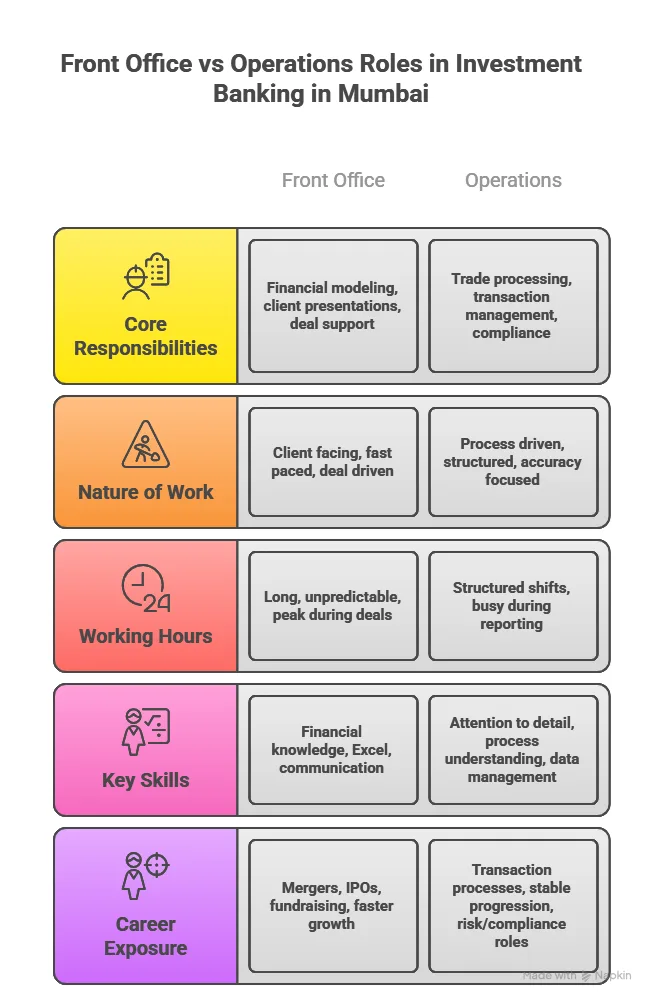
impact of cpa study material use

How CPA Exam Preparation Books Fit Into the Plan

Books remain a core part of CPA exam preparation books even in digital-first study setups. The reason is simple. Books slow the pace and encourage deeper reading. I recommend using the CPA books primarily for:

  • FAR accounting standards
  • REG tax rules
  • Audit theory in AUD

Books provide structure and act as reference points when revisiting weak topics.

How I Read CPA Books Without Burning Time

I avoid linear reading. Instead, I suggest:

  • Skim headings first
  • Identify formulas, standards, or rules
  • Read examples before definitions
  • Flag pages for later revision

This method keeps reading active and improves recall. Books support learning best when paired with questions. That pairing turns theory into readiness.


Creating a Flexible CPA Study Schedule

A CPA study schedule should adapt to life without collapsing under pressure. Fixed daily targets often fail when workdays stretch longer than expected. Instead, I plan by weekly outcomes, knowing that CPA is a lucrative career choice that rewards steady and consistent preparation over time.

Sample Weekly Structure

Here is a practical example for a working candidate:

DayFocus
MondayNew concept learning
TuesdayMCQ practice
WednesdaySimulation practice
ThursdayMixed review
FridayLight revision
SaturdayFull practice block
SundayWeak area focus

This structure gives each type of CPA Study Material a defined role. No single resource dominates the schedule.


How to Prepare for the CPA Exam for Free

Free resources can support preparation when used wisely. While they may not replace paid material fully, they add value in the early stages.

Reliable Free CPA Preparation Materials

Some useful free options include:

  • AICPA sample tests
  • Free trials from review providers
  • Open educational accounting content from universities

I use free material mainly for:

  • Familiarising myself with exam style
  • Testing readiness before committing to paid resources
  • Supplementing paid question banks

When exploring how to prepare for the CPA exam for free, I remain realistic about limitations. Free material often lacks adaptive feedback and full simulation coverage.


Did you know? Task-based simulations can account for up to 50% of the total score in certain sections of the CPA exam. This makes simulation-heavy CPA Study Material essential rather than optional.


Career Value and CPA Relevance

The CPA credential continues to hold strong value across top job roles like audit, accounting, tax, consulting, and advisory. According to the U.S. Bureau of Labour Statistics, demand for accountants and auditors is expected to grow steadily through the decade. 

What keeps CPA relevant is not tradition, but adaptability. The integration of technology, analytics, and advisory work into exam content reflects how the profession evolves.

Effective US CPA preparation ensures that candidates are ready not just to pass exams, but to operate confidently in modern finance roles.


The CPA qualification often lays the foundation for broader leadership roles in finance. With the right exposure, strategic thinking, and continuous skill development, many professionals use their CPA background as a stepping stone toward senior positions such as CFO over the course of their careers.


Preparing for the CPA Exam While Working Full Time

Balancing work and study requires prioritisation. When I am short on time, I focus on materials that give the highest return per hour. High-impact study activities include:

  • Timed MCQ sets
  • Simulation walkthroughs
  • Error analysis sessions

Passive activities like long reading sessions move to weekends. This balance keeps daily study manageable.

Studies show that consistent shorter study sessions outperform occasional long sessions for professional exams. 

This approach ensures steady progress during preparation for the CPA exam without burnout.


FAQs on CPA Study Material

This section addresses the most frequently asked questions around CPA study material, covering how candidates choose resources, structure their preparation, and approach the CPA exam with clarity and confidence based on practical preparation needs.

Which study material is best for the CPA?

The best CPA Study Material is the one that aligns closely with the CPA exam blueprint, offers extensive practice questions, and supports simulations. I look for material that balances conceptual explanation with application. Strong CPA study material usually includes textbooks, digital question banks, and mock exams working together. Many candidates benefit from Imarticus Learning because their CPA study material integrates planning, progress tracking, and exam-focused practice into one system.

How can I prepare for the CPA?

You should approach the CPA exam by building a clear CPA study plan that breaks preparation into learning, practice, and revision phases. I rely on CPA study material that covers all CPA course subjects and includes simulations. Preparing for the CPA exam success depends on consistency rather than intensity. Daily progress, even in small blocks, builds confidence and exam readiness over time.

Can I do CPA in 3 months?

Completing the CPA exam in three months is possible but rare. It requires full-time focus and highly efficient CPA Study Material. Each exam section typically needs 80 to 120 hours of preparation. Candidates attempting a three-month timeline must already have strong accounting foundations and access to focused CPA preparation materials that minimise wasted effort.

Can I study CPA by myself?

Yes, self-study is possible with disciplined planning and the right CPA Study Material. Self-study works best when candidates follow a structured CPA study schedule and use high-quality question banks. Many self-study candidates also supplement with mentorship or guided programs offered by Imarticus Learning to maintain accountability and clarity during long preparation phases.

Is a CPA harder than a bar?

The CPA exam and the bar exam test different skills. CPA difficulty comes from volume, technical depth, and sustained preparation across sections, whereas the bar evaluates how well candidates can recall and apply legal rules under strict time pressure. With the right CPA study material and preparation time, CPA difficulty becomes manageable. Hardness depends more on planning quality than on inherent exam complexity.

Is CPA still worth it in 2025?

Yes, CPA remains valuable in 2025 due to its recognition across audit, accounting, advisory, and finance roles. CPA study material now includes analytics, systems, and advisory content, reflecting industry needs. This evolution keeps the credential aligned with modern career paths and long-term relevance. Many candidates preparing through structured learning ecosystems at Imarticus Learning benefit from this updated approach, as it aligns exam preparation with practical skill development.

Are CPA jobs stressful?

Stress levels in CPA jobs vary by role and employer. Public accounting roles may be demanding during peak seasons, while corporate and advisory roles often offer more balanced schedules. Strong CPA study material reduces exam-related stress, allowing candidates to focus on career choices with confidence after qualification.

What is the CPA exam pass rate?

The CPA exam pass rate typically ranges between 45% and 55% per section. This reflects exam rigour rather than unattainability. Candidates using structured CPA study material, consistent practice, and realistic preparation time often perform better. Pass rates improve significantly with disciplined preparation strategies.

What are the disadvantages of CPA?

The disadvantages of CPA include time commitment, exam costs, and sustained mental effort. These challenges are reduced significantly when the CPA study material is well organised and aligned with a clear study schedule. Most difficulties arise from underestimating preparation time or relying on fragmented resources.


Turning CPA Study Material Into Exam Readiness

Preparing for the CPA exam is less about chasing the perfect resource and more about building a preparation system that actually works. Throughout this guide, the focus has stayed on understanding how CPA course subjects translate into study effort, how different layers of CPA study material support learning at different stages, and how structure plays a quiet but decisive role in exam outcomes.

What becomes clear by the end is that effective preparation is intentional. It respects time constraints, acknowledges the exam’s applied nature, and relies on study material that encourages practice, reflection, and revision in equal measure. When preparation is organised this way, progress feels steady rather than overwhelming, and exam readiness develops naturally over time.For learners who are navigating professional qualifications alongside work or academics, the value of guided structure becomes even more evident, and this is where Imarticus Learning quietly fits into the preparation journey. The approach to professional education emphasises clarity, structured learning paths, and practical exposure, elements that matter in preparation for the CPA Course.

CPA Syllabus: Core Subjects, Disciplines, and Exam Pattern

When I look closely at the CPA Syllabus, I notice something that most candidates only realise much later in their preparation. The syllabus is not organised around chapters or subjects in the way an academic course is. It is organised around moments of responsibility. Moments where a professional decision has to be made and stood by.

This is why the CPA exam syllabus often feels unfamiliar at first. Knowing the rule is rarely enough. The exam quietly asks

→ Whether you understand when that rule applies

→ Why it exists, and

→ What happens when it is misused.

It rewards clarity over completeness and judgment over recall.

As candidates move deeper into the syllabus, many begin to sense that questions are framed differently. Scenarios include more information than needed. Choices feel closer than expected. Ethical judgment appears in places where it is not explicitly announced. None of this is accidental. The CPA syllabus is built to reflect how real finance decisions are made, where information is incomplete and time is limited.

The blog ahead unpacks these questions. They explain how the CPA course syllabus is structured, why core areas and discipline choices exist, and how the exam pattern is designed to test professional readiness rather than academic memory. Reading the syllabus with this lens changes how it feels, how it is prepared for, and how it is eventually performed under exam conditions.


What Is CPA and Why Is the Syllabus Built This Way

Before going deeper into the CPA Syllabus, it helps to understand what the CPA qualification represents in practice. The Certified Public Accountant (CPA), offered by the AICPA, is a professional license that authorises individuals to take responsibility for financial reporting, audit opinions, regulatory compliance, and advisory decisions.

At its core, what is CPA is not just about passing exams. It is about being trusted with financial information that affects investors, regulators, businesses, and the public. This responsibility is the reason the syllabus of US CPA is structured the way it is.

The CPA designation is governed by the American Institute of Certified Public Accountants (AICPA) and is recognised globally as a benchmark for accounting and finance credibility.

What the CPA Qualification Prepares You to Do

Rather than focusing on job titles, the CPA qualification prepares professionals for specific types of responsibility. These responsibilities directly shape the CPA exam Syllabus.

  • Take ownership of financial reporting accuracy
  • Evaluate whether financial information reflects economic reality
  • Provide assurance on the reliability of financial statements
  • Interpret and apply tax and regulatory requirements
  • Act ethically while balancing professional judgment and compliance

These expectations explain why the CPA Syllabus focuses heavily on application, analysis, and decision-making rather than memorisation.

How CPA Is Different From Academic Accounting Degrees

To understand the intent of the CPA exam Syllabus, it helps to distinguish the CPA qualification from traditional academic programs.

AspectAcademic AccountingCPA Qualification
Primary focusKnowledge acquisitionProfessional responsibility
Assessment styleTheory and examsApplication and judgment
OutcomeDegree or diplomaProfessional license
AccountabilityAcademic performancePublic and regulatory trust

This difference is the reason the CPA Syllabus is structured around real-world scenarios and professional judgment. These focus areas explain why the exam tests financial reporting accuracy, audit reasoning, regulatory awareness, and role-based specialisation as interconnected responsibilities rather than isolated subjects.

CPA Syllabus Focus Areas

Why the CPA Syllabus Is Structured Around Core and Discipline

The current CPA course syllabus follows a Core plus Discipline model. This structure was introduced to ensure that every CPA shares a common foundation while also developing depth in one area of professional relevance.

The Core represents non-negotiable responsibility. Every licensed CPA must be competent in financial reporting, auditing, and regulation. The Discipline component recognises that modern CPAs do not all perform the same role. Some work in financial analysis, some in systems and controls, and some in advanced taxation.

If you have the question, “Is CPA worth it?”, this approach aligns the CPA subjects and syllabus with how finance teams actually function inside organisations.

The Three Core Areas of the CPA Syllabus

Before getting into individual subject detail, it helps to understand what the Core subjects collectively aim to test.

Core AreaProfessional Responsibility
Financial ReportingAccuracy and transparency of financial information
Auditing and AssuranceTrust and credibility of reported information
RegulationLegal and ethical compliance

These responsibilities sit at the heart of the CPA US syllabus. They are also the reason the exam places such a strong emphasis on application rather than recall.


Did you know? According to the official AICPA blueprints, higher-order skills such as analysis and evaluation make up a significant portion of the exam across all Core sections.


Financial Accounting and Reporting as the Foundation

Financial Accounting and Reporting sits at the centre of the CPA exam syllabus. This area forms the technical backbone of the profession.

The CPA FAR syllabus covers how economic events are translated into financial information. It also tests how well a candidate understands the consequences of those translations.

At a practical level, this includes decisions around recognition, measurement, classification, and disclosure. At a professional level, it includes accountability to investors, regulators, and the public.

This breadth explains why FAR often feels tough. It reflects the diversity of environments in which CPAs operate.

Why FAR Shapes the Rest of the CPA US Syllabus

The logic developed while studying FAR carries forward into every other subject. Once a candidate learns how standards are interpreted and applied, the same reasoning patterns appear in audit procedure judgments, tax decisions, and advisory work.

This is also why many preparation strategies treat FAR as an anchor within the CPA course syllabus. The subject builds discipline in reading questions carefully, identifying relevant data, and ignoring distractions.

How the CPA FAR Syllabus Builds the Foundation

FAR Focus AreaWhat It Trains in PracticeWhy It Matters Professionally
Recognition decisionsIdentifying when transactions should be recordedPrevents overstatement or understatement of financial performance
Measurement principlesDetermining appropriate valuation methodsEnsures financial information reflects economic reality
Classification and presentationOrganising financial information correctlyImproves the clarity and usability of financial statements
Disclosure requirementsCommunicating relevant assumptions and risksBuilds transparency for investors and regulators
Government and non-profit accountingApplying accountability-based reportingPrepares CPAs for public interest and regulated environments

Pass rate data published by the AICPA shows that FAR has historically been one of the more challenging sections, with pass rates often hovering around the mid 40% range, depending on the testing window. This statistic often creates anxiety. I view it differently. It highlights how central FAR is to professional readiness.


Auditing as a Measure of Professional Judgment

Auditing within the CPA syllabus is not about ticking boxes. It is about forming and defending an opinion.

The auditing component of the CPA exam syllabus focuses on how assurance is planned, executed, and reported. It tests whether a candidate understands risk, evidence, and ethical responsibility.

This area is deeply connected to trust. When a CPA signs an audit report, that signature carries weight across markets.

The US CPA syllabus integrates auditing standards issued by bodies such as the AICPA and the PCAOB. Candidates are expected to understand not only what procedures are required, but why they are required.

This emphasis reflects real-world practice. Audit failures often occur not because procedures were unknown, but because judgment was weak or independence was compromised.

Auditing and Assurance as a Test of Professional Scepticism

Auditing within the CPA exam syllabus shifts focus away from numbers and toward reasoning. The central skill tested is professional scepticism.

Audit questions rarely ask what should be done in isolation. They ask what should be done given a risk, a control environment, or a prior conclusion.

How Audit Content Is Structured

Audit content flows in the same sequence as a real engagement:

  • Understanding the client and environment
  • Identifying risks of material misstatement
  • Evaluating internal controls
  • Designing and performing procedures
  • Forming and reporting an opinion

The CPA subjects and syllabus treat ethics as a constant, not a separate topic. Independence and professional responsibility appear throughout audit scenarios. 

Ethical judgment is woven throughout the CPA syllabus, appearing within financial reporting decisions, audit responsibilities, and regulatory compliance. This integration reflects how ethics operates in professional practice, guiding choices across multiple contexts rather than existing as a separate topic:

Ethical Integration in CPA Syllabus

Regulation and the Legal Boundary of the Profession

Regulation within the CPA syllabus introduces a different dimension. It connects financial decisions to legal consequences.

The CPA Regulation syllabus includes federal taxation, business law, and professional ethics. These areas define the boundaries within which CPAs operate.

Taxation is not treated as a mechanical calculation exercise. The syllabus expects candidates to understand intent, compliance, and planning implications.


Did you know? According to data published by the Internal Revenue Service, tax compliance gaps remain a major issue, with billions of dollars in unpaid taxes identified annually.


This context explains why regulation holds such importance within the CPA subjects and syllabus framework.

Regulation and Its Place in the CPA Exam Syllabus

Regulation introduces legal accountability into the CPA syllabus. It ensures that financial competence is paired with compliance awareness.

The CPA Regulation syllabus blends taxation, business law, and ethics into a single responsibility zone. Decisions here have legal consequences.

Taxation Within REG

Federal taxation occupies a large share of the regulation content. It includes:

  • Individual taxation
  • Entity taxation
  • Property transactions
  • Tax credits and deductions
  • Filing and compliance requirements

The US CPA syllabus treats tax as both a compliance obligation and a planning tool. Candidates are expected to understand how timing, structure, and classification affect tax outcomes. This reinforces why regulation focuses on interpretation and judgment.

CPA professionals can command competitive CPA salary in India packages that reflect their specialised expertise in financial reporting, audit, and regulatory compliance, often higher than general accounting roles due to global recognition and demand.


Here is a quick check on the salary numbers for CPA roles. Understanding how CPA compensation evolves across experience levels, roles, and industries helps place the effort spent on mastering the CPA syllabus and study material into a realistic career context.


Discipline Subjects as Depth, Not Escape Routes

The discipline component of the CPA USA syllabus allows candidates to develop depth without weakening the Core. Each discipline assumes Core competence. The questions extend Core concepts into specialised contexts.

Business Analysis and Reporting in Practice

The discipline focused on business analysis and reporting builds directly on the CPA FAR syllabus.

Topics include:

  • Financial statement analysis
  • Forecasting and budgeting
  • Performance measurement
  • Risk assessment
  • Advanced reporting models

This discipline reflects how finance teams support decision-making. This shift explains why analysis and reporting have become part of the CPA syllabus.

Information Systems and Controls as a Professional Safeguard

The systems and controls discipline addresses technology-driven risk. As financial processes become automated, the CPA role expands into oversight.

Topics include:

  • IT governance
  • System controls
  • Data integrity
  • Cyber risk
  • SOC reporting

The CPA exam syllabus includes this discipline because system failures can undermine even the best accounting judgments. This context highlights why system knowledge is now a professional necessity.

Tax Compliance and Planning as Strategic Judgment

The tax-focused discipline extends the CPA Regulation syllabus into advisory territory.

Rather than testing rule application, it tests planning logic. Candidates evaluate structures, timing, and alternatives.

This discipline suits candidates aiming for advisory and consulting roles, where tax decisions influence long-term outcomes.

How the CPA Syllabus in India Fits Into the Global Framework

The CPA syllabus in India is identical to the syllabus tested in the United States. There is no regional variation in content or standards.

What differs is the background candidates bring into the program. Many candidates in India come from commerce, accounting, or professional qualification backgrounds. This often creates strength in fundamentals but requires adjustment in application style. The CPA syllabus PDF published by the AICPA remains the definitive reference regardless of location.

Understanding how to interpret that document becomes critical, especially for candidates transitioning from more theory-driven education systems. Comparing CPA and CA, or CPA vs CMA, often begins with understanding how their syllabi differ in structure, depth, and application focus.


Still wondering which one to choose between CA and CPA? The CPA syllabus places strong emphasis on practical application, regulatory understanding, and decision-making across accounting and finance roles, which influences how candidates plan their preparation and career direction.


How Candidates Should Read the CPA Syllabus PDF at This Stage

The CPA syllabus PDF published by the AICPA outlines content and skill levels. It is not a study plan.

At this stage, the document should be read with one question in mind. What type of decision is this topic preparing me to make? Reading them with intent transforms preparation quality.

The CPA syllabus is designed to reflect how finance roles function in practice, where reporting, assurance, compliance, and advisory responsibilities often overlap. This connection helps explain how the syllabus prepares candidates to operate across modern finance environments rather than within narrow functional boundaries:

CPA Syllabus Translating to Modern Finance Roles

Scoring Logic and the Passing Standard

The CPA exam uses a scaled scoring system, which means the final score reflects both performance and question difficulty. This approach ensures fairness across different exam versions.

CPA Exam Scoring Overview

AspectDetails
Score range0 to 99
Passing score75
Score typeScaled score (not a percentage)
Applies toAll sections of the CPA exam syllabus
Governing bodyAmerican Institute of Certified Public Accountants (AICPA)

What a Scaled Score Means

  • A score of 75 does not mean 75% correct
  • Question difficulty is factored into the final scoring
  • More complex questions carry higher weight
  • Performance is evaluated across multiple testlets

How Attempts and the 18 Month Window Shape Strategy

Candidates are allowed multiple attempts for each section during their CPA course duration. There is no lifetime cap on attempts. However, once a section is passed, it remains valid for 18 months.

This rolling window defines how candidates should plan the CPA course syllabus timeline. This structure rewards sequencing and consistency rather than speed alone.

How the CPA Exam Pattern Brings the Syllabus to Life

By the time a candidate reaches the exam stage, the CPA syllabus stops being theoretical and becomes experiential. The exam pattern is designed to simulate pressure, ambiguity, and time-bound decision-making.

Each section of the CPA exam syllabus is four hours long and follows the same structural logic. Candidates face a mix of multiple-choice questions and task-based simulations. The simulations are not add-ons. They are central to how the CPA syllabus is evaluated and what makes it a lucrative career path.

The Bigger Picture Behind the CPA Course Syllabus

When viewed as a whole, the CPA syllabus trains one capability above all others. Professional accountability.

Every subject, simulation, and scenario pushes candidates to act in a way that protects public interest. This is why the license carries weight globally.

The CPA USA syllabus and the scope of CPA in India are not designed to be rushed. It is designed to be absorbed.

CPA Syllabus Role Expectations Explained

Why Choose Imarticus Learning for Your CPA Preparation

Preparing for the CPA course requires a learning approach that goes beyond content coverage and focuses on application, judgment, and exam readiness. This is where structured programs offered by Imarticus Learning align well with the way the CPA exam is designed.

Key aspects of the Imarticus Learning CPA program include:

  • CPA program in collaboration with KPMG in India, offering industry-aligned exposure and credibility
  • Comprehensive study material powered by Surgent, including textbooks, MCQs, simulations, and mock exams aligned with the CPA exam syllabus
  • Live instructor-led classes conducted by experienced CPA and CAs who focus on application-based learning
  • Dual-teacher model and 24×7 doubt resolution, ensuring consistent academic support across complex CPA syllabus areas
  • Structured exam-focused learning plan, designed to help candidates manage the four-paper CPA structure effectively
  • Access to internship opportunities with KPMG in India for top performers, adding practical exposure alongside exam preparation
  • Career support through interview preparation, resume building, and placement assistance, helping learners transition into relevant finance and accounting roles

This combination of academic structure, practical exposure, and exam alignment makes Imarticus Learning a suitable option for candidates who want their CPA exam prep to reflect real professional expectations rather than just syllabus completion.


FAQs on CPA Syllabus

This section addresses the most frequently asked questions around the CPA Syllabus, covering subject structure, exam difficulty, timelines, attempts, and scoring. These clarifications will help you understand how the CPA USA syllabus works in practice and what to expect while preparing for the US CPA exam.

What is the syllabus of CPA?

The CPA syllabus covers three Core subjects and one Discipline subject. The Core includes financial accounting and reporting, auditing and assurance, and regulation. The Discipline allows specialisation in business analysis, information systems and controls, or tax planning. Many candidates choose to prepare for this structure through guided programs offered by Imarticus Learning, which align the CPA US syllabus with practical application and exam-focused preparation.

Is CPA tougher than ACCA?

The CPA syllabus is focused on US accounting, auditing, and taxation standards, while ACCA follows a broader international framework. Difficulty depends on background and familiarity with US GAAP and US tax concepts. The CPA USA syllabus demands strong application skills and decision-making, which makes preparation style more important than content volume.

Is CPA better than MBA?

The CPA prepares candidates for licensed roles in accounting, audit, taxation, and advisory services. An MBA focuses on management, strategy, and leadership across functions. The CPA exam syllabus suits professionals aiming for technical and regulatory responsibility, while an MBA supports broader managerial roles. The choice depends on long-term career goals.

Can I finish CPA in 1 year?

Yes, it is possible to complete the CPA syllabus within one year with consistent study and structured planning. Candidates who align their preparation with the CPA exam syllabus and maintain steady weekly effort often complete all four sections within 12 months. Guided programs offered by Imarticus Learning help candidates manage timelines effectively.

Is CPA very difficult?

The CPA syllabus is challenging because it tests judgment, not memory. Questions require candidates to analyse situations and apply standards under time pressure. With a clear understanding of the syllabus of US CPA in detail, regular simulation practice, and guided coaching provided by Imarticus Learning, many candidates find the exam manageable.

How many attempts are required to pass the CPA?

There is no fixed limit on the number of attempts for the CPA exam. Candidates can retake any section as needed within the validity window. Understanding the CPA syllabus thoroughly and adjusting the preparation strategy reduces the number of attempts required.

How many papers are in CPA?

The CPA syllabus includes four exam papers. Three Core subjects and one Discipline subject. This structure applies across the entire syllabus of US CPA, regardless of location. Many learners prepare for this format through structured guidance from Imarticus Learning, which helps them plan the sequence and preparation strategy for all four papers effectively.

How many marks are required to pass the CPA?

Each CPA exam section is scored on a scale of 0 to 99. A scaled score of 75 is required to pass. This passing standard is defined by the AICPA and applies uniformly across all sections of the CPA exam syllabus. Candidates often find it easier to meet this benchmark when they follow a structured preparation approach and guided practice provided by Imarticus Learning, which aligns closely with AICPA evaluation standards.

What happens if you fail the CPA three times?

Failing a CPA exam section multiple times does not disqualify a candidate. It usually indicates that the preparation approach needs refinement. Revisiting the CPA syllabus in detail and seeking structured guidance, including support from Imarticus Learning, often improves outcomes significantly.


Where the CPA Syllabus Really Leads

Once the CPA Syllabus is understood in full, it becomes clear that it is not testing how much you can study, but how well you can think. Every section of the syllabus points toward professional judgment, accountability, and the ability to make decisions when the answer is not obvious. 

This understanding often changes how candidates approach preparation. Passive learning rarely holds up when the exam demands interpretation and application under pressure. What matters is structured guidance, exposure to real scenarios, and learning environments that train decision-making rather than just content coverage.

For learners building a global finance career, this is where preparation choices start to matter. Imarticus Learning helps develop the same analytical discipline and exam-ready thinking that the CPA Course ultimately requires. With the right foundation, the CPA Syllabus stops feeling overwhelming and starts feeling achievable.

Excel for Data Analysis: Skills, Formulas, Careers & Learning Path

If you’ve ever worked with numbers, even briefly, you’ve probably used Excel for data analysis. And if you’ve ever thought, I should really be better at this, you’re not alone.

Excel is one of those skills that quietly sits behind countless business decisions. Excel might not have the shine of the newest analytics tools, but don’t be fooled – it’s one of the most powerful, practical, and relevant tools you can learn.  

Before data reaches those sleek dashboards, machine learning models, or modern BI platforms, it almost always passes through one place first – Excel.  

As the demand for data skills continues to grow, many learners are turning to structured programs like the Data Science & Analytics Course, where Excel is taught from the ground up – not just as a spreadsheet tool, but as a powerful platform for real-world data analysis.

In this guide, I’ll walk you through everything you should know about Excel for Data Analysis, from organising data in Excel to advanced formulas, real-world applications, time-saving tricks, and even how professional training programs can boost your analytics career.


Quick fact:

According to multiple industry surveys, Excel remains one of the top three most-used tools for data analysis and reporting in business environments, especially in finance, operations, and marketing roles.


Why Excel for Data Analysis Still Matters

You might be wondering: in a world of Python, SQL, and business intelligence tools, is Excel still relevant?

The short answer: absolutely.

Excel is universal. Almost every company, big or small, uses Excel in some form, regardless of size or industry. Even when they have data scientists and analytics platforms, data often lands in Excel first to clean, explore, and validate before moving into advanced systems.

In most real-world workflows, datasets don’t jump straight into analytics platforms. They’re first cleaned, checked, explored, and validated in Excel. That’s where initial insights are formed, and early decisions are made.

Here’s why Excel for data analysis continues to dominate:

  • It’s widely available and easy to learn, even for non-technical users.
  • It supports quick exploratory analysis without setup or coding.
  • It integrates with databases, dashboards, and reporting tools.
  • It fits into real business workflows – from finance and marketing to operations.
  • It works with both simple and advanced analysis without needing programming.
  • It allows both simple and advanced analysis in the same environment.

For beginners, Excel builds analytical thinking step by step – from basic summaries to complex models and lets you communicate insights in an intuitive format. You don’t start by making complex dashboards. You start by understanding numbers. Then you begin to spot patterns. And eventually, you learn how to turn those patterns into better decisions. That’s how Excel grows with you.

For professionals, advanced Excel techniques do more than just look impressive – they save time, improve accuracy, and cut down the kind of manual work that slows you down every day.


How to Organise Data in Excel for Analysis

Before formulas or dashboards, data organisation is critical. Poorly structured data leads to incorrect analysis, no matter how advanced your formulas are.

Best Practices to Organise Data

If you’re learning how to organise data in Excel for analysis, follow these rules:

  • One column = one variable  – Start with a simple rule: one column should represent one variable. Example: Date, Product Name, Revenue, Region should each have their own column.
  • No merged cells – Avoid merged cells. Merged cells break formulas, pivot tables, and automation.
  • Consistent data types – Dates as dates, numbers as numbers, text as text. Mixing formats may look fine visually, but it causes problems when you apply Excel functions for data analysis.
  • Headers in the first row – Clear column headers are essential for analysis.
  • No blank rows or columns – Especially in the middle of your dataset.
Enhancing Excel Data with Effective Analysis

This structured approach ensures Excel functions for data analysis work correctly and efficiently.


Who Should Learn Excel for Data Analysis?

Excel is not limited to analysts or data specialists. In reality, it’s useful across almost every role.

Excel is valuable across roles:

RoleHow Excel Is Used in Real Life
Students and fresh graduatesLearn how to work with data, build basic reports, analyse assignments, and develop problem-solving skills that employers expect from day one. Excel helps bridge the gap between academic knowledge and real-world work.
Business analystsClean and organise raw data, perform exploratory analysis, create pivot tables, and turn numbers into insights that support business decisions and strategy discussions.
Finance and accounting professionalsManage budgets, track expenses, build financial models, reconcile accounts, and automate recurring reports to improve accuracy and save time.
Marketing analystsAnalyse campaign performance, track conversions and ROI, segment customers, and spot trends in customer behaviour using dashboards and data summaries.
Operations managersMonitor KPIs, track inventory and supply chains, analyse process efficiency, and identify bottlenecks to improve day-to-day operations.

If your role involves numbers, reports, or decisions, Excel skills are essential.


Industry insight:

Job listings for roles like Business Analyst, Financial Analyst, and Operations Analyst frequently list Excel as a mandatory or preferred skill, even when advanced tools like SQL or Python are also mentioned.


Advanced Excel Formulas for Data Analysis

Once you’re comfortable with the basics, it’s time to explore advanced Excel formulas for data analysis.

Examples of Advanced Formulas

  • Nested IF statements – for multi-condition logic
  • Array formulas – to calculate across dynamic ranges
  • Dynamic ranges using OFFSET – for flexible data sets
  • SUMPRODUCT – for weighted calculations
  • Logical combinations with AND/OR – for decision logic
  • Advanced lookups with INDEX + MATCH – more accurate than basic lookups

These formulas allow you to handle scenarios like:

  • Multi-condition analysis
  • Weighted averages
  • Dynamic and scalable reporting

If you’re serious about Excel for data analysis, these formulas are non-negotiable.

Excel Techniques for Data Analysis Beyond Formulas

Practical reality:

In many organisations, complex business logic is still handled directly in Excel using advanced formulas – long before automation or coding solutions are introduced.


Excel Functions Used for Data Analysis in Real Projects

In real projects, Excel functions are rarely used in isolation. Analysts combine multiple functions to solve practical problems efficiently.

For example, IF, combined with COUNTIF, helps validate data and flag issues early. INDEX, MATCH, and IFERROR together create robust lookup systems that don’t break when data changes. SUMIFS allows you to aggregate data based on multiple conditions – something that comes up constantly in business analysis.

These Excel functions for data analysis help turn raw datasets into decision-ready insights.

Common Function Combinations:

  • IF + COUNTIF for data validation and quality checks.
  • INDEX + MATCH + IFERROR for robust, error-resistant lookups.
  • SUMIFS for aggregating sales or metrics by many multi-criteria conditions.

These combinations of Excel functions for data analysis help transform raw data into decision-ready insights that business leaders can trust.

Excel Tricks for Data Analysis That Save Time

Efficiency matters in analytics. When you work with data regularly, speed matters. The right Excel tricks can significantly improve productivity and accuracy.

Useful Shortcut for Data Analysis in Excel

Simple shortcuts – like converting data into tables, applying filters instantly, or inserting pivot tables quickly – can save hours over time.

  • Ctrl + T → Convert data to a table.
  • Alt + = → AutoSum
  • Ctrl + Shift + L → Filters
  • Alt + N + V → Insert Pivot Table
  • Ctrl + Arrow Keys → Navigate large datasets

Using the right shortcut for data analysis in Excel can save hours every week.

Excel Macros for Data Analysis and Automation

As your work becomes more repetitive, manual effort starts slowing you down. That’s where Excel macros for data analysis become valuable. 

Macros allow you to automate repetitive reports, clean and format data automatically, apply formulas and charts consistently, and reduce human errors.  While macros require some learning, they significantly enhance Excel techniques for data analysis in large workflows.

For professionals handling recurring reports or large datasets, macros are a powerful addition to Excel techniques for data analysis.


Did you know that even basic Excel automation can reduce repetitive reporting time by 30-50%, especially in roles involving weekly or monthly reports.


Learn Excel for Data Analysis: Free vs Structured Learning

Many beginners search for ways to learn Excel for data analysis for free, and while free resources are useful, they often lack structure.

  • Free Learning Resources
  • YouTube tutorials
  • Excel practice files
  • Blogs and forums
  • Sample data for Excel analysis

These help you get started, but they usually don’t offer a clear progression path.

Sample Excel Data for Analysis: The Right Way to Practice

The fastest way to learn Excel for data analysis is by working with real-world datasets. Theory alone doesn’t prepare you for messy, incomplete, or inconsistent data – something every analyst deals with daily.

Using sample Excel data for analysis helps you practice cleaning, organising, and interpreting information or visualisation. Sales data, employee records, finance sheets, and marketing performance data are all excellent examples of sample data for Excel analysis.

The more realistic your practice data is, the stronger your Excel problem-solving skills become.


Excel Formulas for Data Analysis: Building Analytical Thinking

Excel formulas for data analysis form the foundation of all analytical work in Excel. Basic formulas like SUM, AVERAGE, COUNT, and IF help you understand what your data is doing and why.

Over time, as you gain confidence, formulas stop feeling technical and start feeling logical. Instead of memorising syntax, you focus on answering questions – totals, trends, comparisons, and exceptions.

This shift is what turns Excel from a calculation tool into a true analysis tool.

Formulas for Data Analysis in Excel: Real-World Applications

Excel formulas aren’t academic – they’re practical tools used daily in business.

Use CaseHow Excel Is Used in Practice
Sales performance trackingTrack individual and team sales, compare targets vs actuals, identify top-performing products or regions, and spot trends over time using charts and pivot tables.
Budget vs actual analysisCompare planned budgets with real spending, highlight variances, control costs, and support better financial decision-making through structured reports.
Financial forecastingAnalyse historical data to project future revenue, expenses, or demand, helping teams plan resources and set realistic business targets.
HR attrition analysisMonitor employee turnover, identify patterns by department or tenure, and uncover potential retention issues before they impact the business.
Marketing campaign evaluationMeasure campaign performance across channels, track conversions and ROI, and understand what’s working (and what isn’t) to optimise future campaigns.

These real-world applications reinforce why Excel for data analysis remains indispensable.


Excel for Data Analysis vs Other Tools

Excel is often compared with Python, SQL, and BI tools. Each comes with its features and benefits.

Excel stands out for quick analysis, small to medium datasets, ad-hoc reporting, and business-friendly workflows. Rather than replacing other tools, Excel for data analysis often complements them.

For many professionals, Excel is the bridge between raw data and advanced analytics.

CriteriaExcelPythonSQL
Beginner-friendly & No coding required
Quick ad-hoc analysis & Immediate visual feedback
Ideal for small to medium datasets
Business-friendly interface
Fast reporting & presentations
Advanced automation & ML
Handling very large datasets

Important Excel Functions for Data Analysis You’ll Use Every Day

Most analysts rely on a handful of functions again and again. These include:

  • XLOOKUP – for flexible lookups
  • IFERROR – to handle exceptions
  • TEXT functions (LEFT, RIGHT, MID) – for text clean-up
  • Logical operators – for decision logic

These Excel functions for data analysis make your workflows cleaner, logic stronger, and outputs more reliable.

These Excel functions used for data analysis are not “advanced” because they’re complex – they’re advanced because they solve real business problems efficiently. Once mastered, they dramatically reduce manual effort and mistakes.


Real-world workflow:

In practice, Excel is rarely replaced outright. Instead, it acts as the bridge between raw data sources like SQL databases and advanced analytics or BI dashboards.


Excel for Data Analysis in Real Careers

Excel skills are expected across roles, even when they’re not explicitly mentioned in job descriptions. Finance teams use Excel for budget forecasting and analysis. Marketing teams track campaign performance and ROI. Operations teams rely on Excel to measure efficiency and cost.

Because Excel for data analysis is used everywhere, it offers strong career flexibility. The same skill set applies across industries, functions, and experience levels. This is what makes Excel such a reliable long-term skill.

Excel Career RolesReal-World Use of Excel
Financial AnalystBudgeting, forecasting, and financial reporting
Business AnalystData analysis, pivot tables, and dashboards
Marketing AnalystCampaign tracking, ROI analysis
Operations ManagerKPI tracking, cost and efficiency analysis
HR AnalystAttrition and workforce analysis
Sales AnalystSales tracking and revenue forecasting

(Source: Naukri, Indeed, LinkedIn)


Career trend:

Many professionals working in analytics roles today began with Excel and later expanded into tools like SQL, Python, and Power BI – making Excel a common entry point into data careers.


Why Learn Excel for Data Analysis with Imarticus Learning

If you’re serious about moving beyond basic spreadsheets and using data the way businesses actually do, structured training can make a real difference. Learning on your own works up to a point – but guidance, practice, and real-world context are what help skills stick.

Programs like the Postgraduate Program in Data Science & Analytics by Imarticus Learning are designed with this in mind. Instead of teaching tools in isolation, the curriculum shows you how Excel fits into the larger analytics workflow. You learn how to move from spreadsheets to databases, code, and dashboards – just like in real roles.

Here’s what you’ll work with:

  • Excel for data analysis and reporting.
  • SQL for querying and managing data.
  • Python for analytics and automation.
  • Statistical modelling and machine learning.
  • Power BI and Tableau for visualisation.

This project-driven program lets you work with real datasets using Excel, SQL, Python, Tableau, and Power BI – so the skills you build are practical and job-ready. You also get interview preparation and career support to help you apply what you’ve learned with confidence.
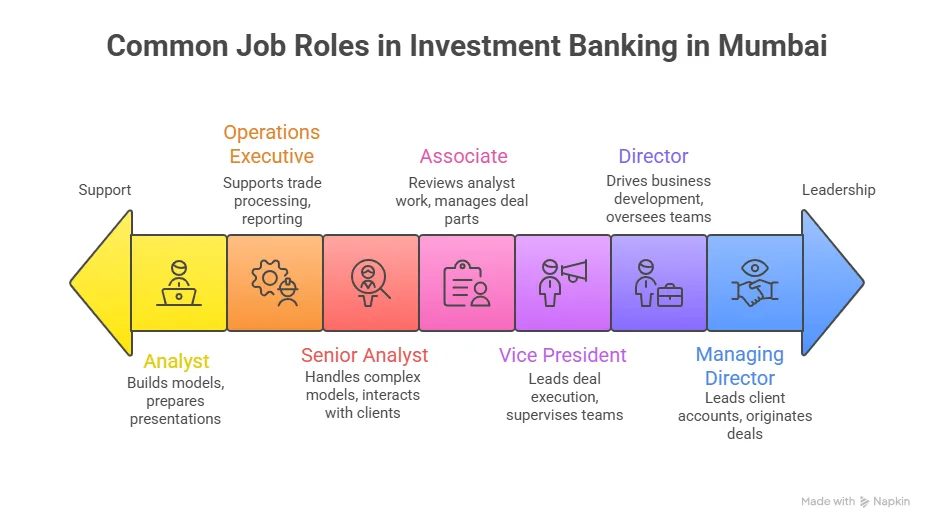
Take the next confident step with the Postgraduate Program in Data Science and Analytics, where Excel for data analysis becomes your starting point and a powerful foundation for growing into advanced analytics roles.


FAQs About Excel for Data Analysis

If you’re learning Excel for data analysis, you might still have doubts about formulas, shortcuts, courses, or how Excel fits into real analytics careers. These frequently asked questions guide you, so you can spend less time searching and more time using Excel with confidence.

What are the most important Excel functions for data analysis?

You don’t need to learn every Excel function to be effective. Most people rely on a core set – functions like SUM, AVERAGE, IF, COUNTIF, SUMIF, XLOOKUP, INDEX, MATCH, and IFERROR. These cover the majority of real-world data analysis tasks and form the backbone of everyday Excel work.

What are the 4 types of data analysis?

The four most common types of data analysis are:

  • Descriptive – what happened
  • Diagnostic – why it happened
  • Predictive – what might happen next
  • Prescriptive – what should be done

Excel for data analysis is especially strong in descriptive and diagnostic analysis, and often supports predictive analysis through trends and forecasting.

Are there Excel for data analysis books or PDFs?

Yes, there are several Excel for data analysis books and PDFs available that explain formulas, functions, and case studies. These are excellent reference materials, especially when paired with hands-on practice.

Is there an Excel for data analysis free course with a certificate?

Some platforms offer free Excel for data analysis courses with certificates, usually as introductory programs. These help get started, but advanced roles typically require deeper, practical experience beyond certificates. Imarticus Learning teaches Excel for data analysis as part of a broader, industry-aligned analytics curriculum. Opting for such courses is better as they focus beyond formulas, the program emphasises real projects, practical application, and career-ready skills – helping learners move from basic Excel knowledge to confident analytics professionals.

How is Excel used for data analysis?

From calculating totals and comparing performance to creating charts, reports, and pivot tables, Excel helps turn raw data into clear insights. In most workplaces, it’s the first tool people use for analysis before moving to more advanced platforms.  

Can Excel handle large datasets for data analysis?

Excel works very well for small to medium-sized datasets and is widely used for exploration, reporting, and validation. For extremely large datasets, tools like SQL or Python may be more efficient, but Excel is often still used to review and present the results.

What Excel skills do employers actually look for?

Employers usually care less about how many formulas you know and a lot more about what you can do with data. Skills like data cleaning, logical formulas, pivot tables, lookups, and clear reporting are highly valued. Being able to explain insights clearly is just as important.


Excel for Data Analysis: Your Next Smart Career Move

Excel may not always be the most talked-about tool, but it’s often the one doing the most work behind the scenes.

Excel for data analysis isn’t just a beginner skill – it’s a career skill that stays relevant as you grow. It helps you move from working with numbers to understanding them, from following reports to driving decisions. Whether you’re analysing sales, tracking performance, or preparing for a larger role in analytics, Excel gives you a solid, reliable foundation.

If you’re at a stage where you don’t just want to learn anymore – but actually want to use what you know in real situations – this is where having structure really matters. With the right guidance, supportive mentors, and hands-on practice, Excel stops feeling like just another tool and starts becoming your gateway into the wider world of data analytics.

That’s exactly where the Postgraduate Program in Data Science and Analytics from Imarticus Learning comes in. Excel is taught as part of a complete, industry-aligned journey, which means you’re not just ticking off concepts or memorising formulas.

Start today, and let Excel become the foundation that supports and grows your analytics career over time.