CMA in Bangalore: Course, Classes, & Coaching

When people think of Bangalore, tech parks and startups usually come to mind – finance rarely does. Over the last decade, the city has quietly become something more – a major hub for finance, analytics, global capability centres (GCCs), and decision-support roles, making CMA in Bangalore an especially relevant and practical career choice today. That shift is exactly why management accounting skills are in such high demand here.

This is where CMA USA in Bangalore starts to make real sense. Companies today aren’t just looking for accountants who record numbers; they want professionals who can analyse costs, plan budgets, support strategy, and work closely with business leaders. That’s the core value of the CMA qualification – and it fits perfectly with the kind of roles Bangalore is creating.

Whether you’re just starting to explore the idea of a CMA course in Bangalore or actively researching CMA Bangalore for better global exposure and career opportunities, this guide is meant to help you think clearly. It’s for students planning their first serious career move, working professionals looking to upskill, and even career switchers who want to step into finance roles with stronger growth and long-term relevance.

In this blog, I’ll walk you through everything you should know about CMA in Bangalore – the course structure, classes, fees, job roles, and career scope – in a way that’s practical, straightforward, and easy to follow.


Did you know?

Many aspirants exploring CMA in the city eventually look for US CMA coaching classes in Bangalore that combine exam-focused preparation with a real corporate finance context.


What is CMA and Why It Fits Bangalore’s Job Market

When people ask me what is CMA, I tend to look past the definition and talk about what it really prepares you for and usually break it down in simple terms. The US CMA (Certified Management Accountant) is a globally recognised certification focused on management accounting, financial planning, analysis, strategic cost management, and decision-making. Unlike traditional accounting paths that centre on compliance or audits, US CMA prepares professionals to work inside businesses – supporting leadership with insights, forecasts, cost analysis, and performance evaluation.

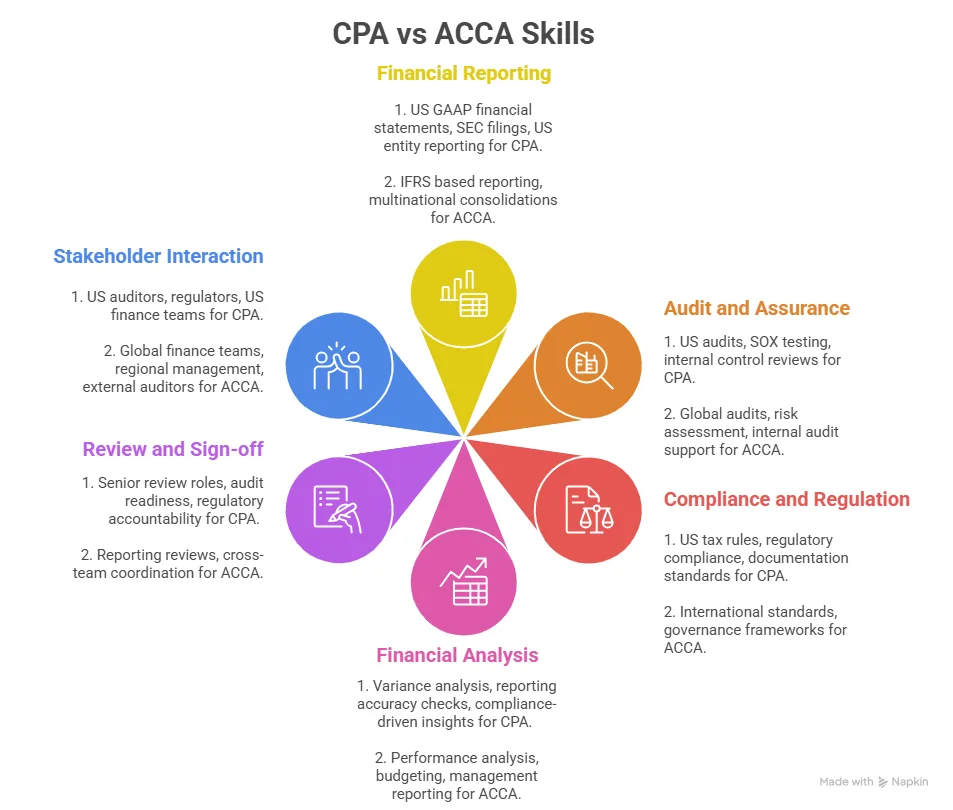
That’s why CMA in Bangalore aligns so naturally with the city’s job market. Bangalore’s MNCs, global capability centres, and analytics-driven organisations hire heavily for roles in FP&A, business finance, controllership, COSO framework, and finance analytics – exactly where US CMA skills are applied daily. Many CMA jobs in Bangalore come from multinational firms that value professionals who can combine numbers with business thinking.

As demand grows, several CMA firms in Bangalore now offer finance roles aligned with US CMA profiles, along with structured CMA training in Bangalore to help candidates build job-ready skills. For aspirants seeking early exposure, CMA articleship in Bangalore and internships with some of the best firms for CMA articleship in Bangalore provide practical experience that mirrors real-world corporate finance environments.

Alignment of  US CMA Skills with CMA Jobs in Bangalore

If you’re on the edge and wondering “Is US CMA actually worth it?”, this video breaks it down in a simple, honest way – covering career value, roles, and what the qualification really helps with in the long run.


CMA Eligibility Criteria

If you’re evaluating CMA eligibility for the US CMA course in Bangalore, one thing becomes clear early on – you don’t need a perfect or narrowly defined background to get started. What matters more is your intent to build practical finance skills that businesses actually use.

  • Candidates from BCom or BBA backgrounds usually find the transition smooth, given their grounding in accounting and business concepts. 
  • CA and MBA professionals often pursue CMA to move into global roles such as FP&A, controllership, strategic finance, and cost management strategies
  • Even engineering graduates are eligible and do well, especially when they aim for analytics-driven finance roles within multinational organisations. 

This wide eligibility is why the CMA in Bangalore attracts students and professionals from such varied academic paths.

The US CMA is open to graduates from any stream and requires two years of relevant work experience. The experience requirement is flexible – it can be completed either before or after clearing the exams, depending on where you are in your career.

To support working professionals, the CMA USA course in Bangalore typically offers weekend classes, recorded sessions, and self-paced learning options. This structure makes the CMA US course in Bangalore practical even if you’re balancing a full-time job.

Most institutes also clearly outline CMA course duration in Bangalore, including exam windows, preparation timelines, and support systems, helping candidates plan their journey with clarity and confidence.


Pro Tip: 

The best CMA USA institute in Bangalore emphasises problem-solving, mock exams, and case-based training, the kind of preparation that truly reflects the CMA exam and corporate finance roles.


What the CMA Syllabus Really Teaches You

If you’ve looked up the CMA course subjects online, it can feel overwhelming very quickly – packed with technical terms and long topic lists. In reality, the US CMA syllabus is quite focused. It’s built around how finance teams actually work inside companies, which is why it fits so well with corporate roles you see in CMA in Bangalore job markets today.

The US CMA syllabus is divided into two parts, each aligned with real business responsibilities rather than academic theory.

In simple terms, the CMA paper trains you to answer questions like: Are we spending wisely? Where are we losing money? What should change next quarter? Should we invest? How do we manage risk? How do financial decisions impact long-term growth? It moves the focus from operations to long-term decision-making.

You learn about financial strategy, risk management, investment decisions, valuation basics, and capital structure – the kind of thinking expected when finance professionals sit closer to leadership teams. These skills are especially relevant in business finance and controllership roles.


You might even think if CMA is hard to pass? And more importantly, is it worth pursuing? If you’re unsure what you should expect in terms of difficulty, study time, and real-world effort, this quick guide is a MUST-WATCH for you:


CMA Colleges, Institutes & the Learning Ecosystem in Bangalore

When you search for CMA colleges in Bangalore or CMA course colleges in Bangalore, you won’t get a traditional college campus. CMA is administered by IMA US.  CMA doesn’t work like a regular degree. 

Instead of standalone colleges, most aspirants prepare through coaching institutes, academies, professional training centres, and the best CMA review course. That’s why searches like CMA academy in Bangalore, top CMA institute in Bangalore, or best CMA institute in Bangalore show up far more often than conventional college names.

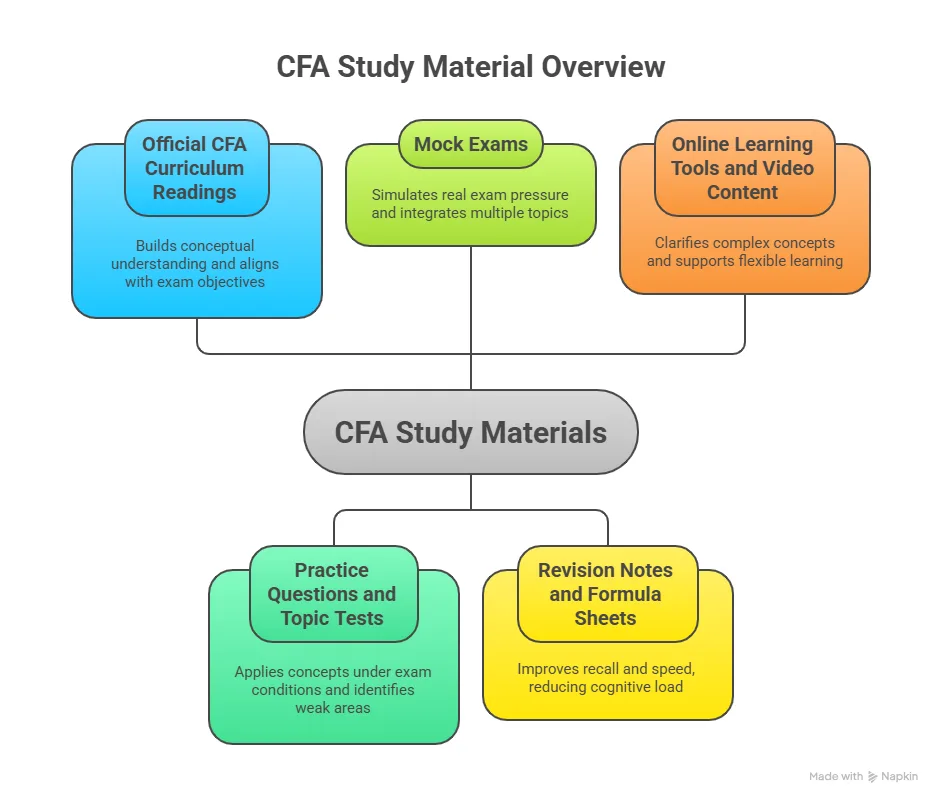
The better institutes go beyond just teaching the syllabus. They clearly explain CMA course details in Bangalore – eligibility, exam structure, timelines, and how the qualification connects to real finance roles. What they really offer is structure – a clear learning path, proper guidance, and confidence that you’re preparing the right way. That clarity early on makes the entire CMA certification journey worth it, a lot less stressful and far more focused.

In a city like Bangalore, where career outcomes matter as much as exam results, this learning ecosystem plays a big role in shaping how confident and job-ready CMA aspirants feel by the time they qualify.

CMA Exam Centres & Local Support in Bangalore

One of the quieter benefits of preparing from Bangalore is how easy the exam process feels. With CMA exam centres in Bangalore, you don’t have to worry about travel plans, unfamiliar cities, or extra logistics during exam windows.

Having CMA exam centres in Bangalore makes scheduling your attempts much simpler and lets you focus on what actually matters – preparation. For working professionals in particular, this local access removes a lot of unnecessary stress and makes managing exams alongside work far more practical.

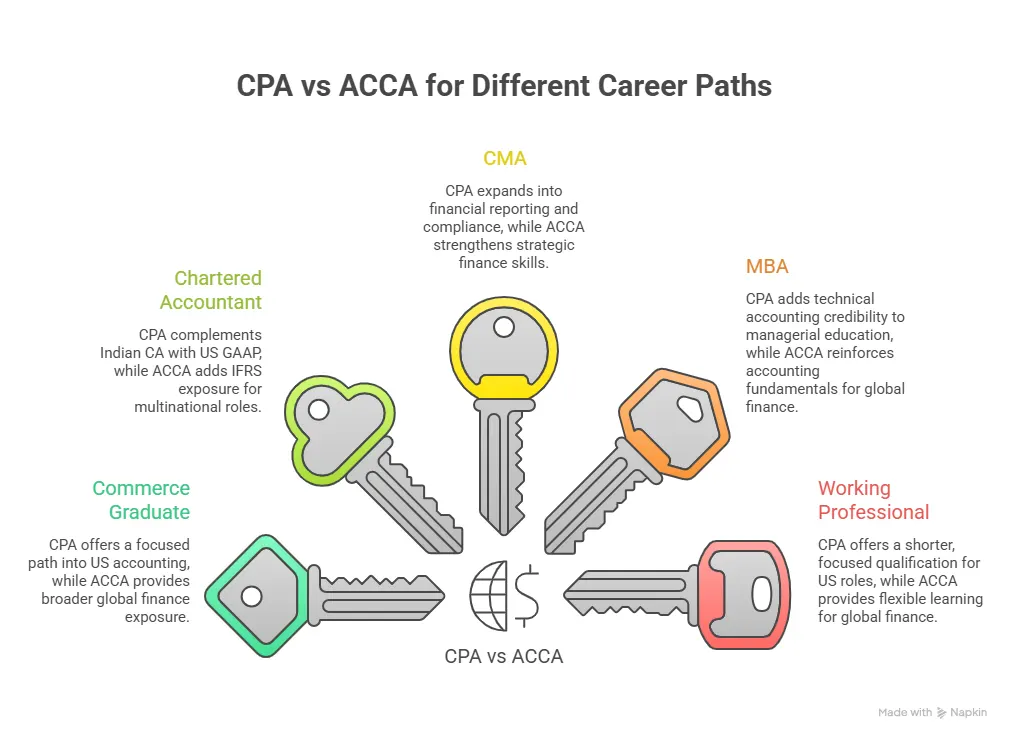
Unveiling the Benefits of CMA Exam Centres in Bangalore

Did you know? 

Unlike traditional colleges, CMA coaching centres in Bangalore form the backbone of CMA preparation, combining faculty guidance, exam practice, and career awareness.


CMA Course Fees in Bangalore

When people look up CMA course fees, they’re usually trying to answer one simple question: what will this realistically cost me from start to finish? The good news is that the US CMA has a fairly transparent fee structure. Once you understand the components, planning your budget becomes much easier – especially if you’re exploring CMA in Bangalore and comparing different institutes.

US CMA Fees Breakdown

Before looking at individual numbers, it helps to understand how US CMA certification fees are structured. The total cost isn’t paid in one go. Instead, it’s split across membership, exams, and preparation, which gives you flexibility in how and when you invest. Once you know what each component covers, the overall fee structure becomes easier to plan – especially if you’re budgeting alongside work or studies. 

IMA Membership

For the US CMA Registration, you first need to become a member of the Institute of Management Accountants (IMA). There is an annual membership fee, and it is mandatory to stay enrolled in the program. 

Exam Fees

The US CMA consists of two exam parts, and each part has a separate exam fee. These fees are paid directly to IMA and remain the same regardless of the city you prepare from. Most candidates spread these payments across CMA exam windows rather than paying everything at once.

Coaching Costs (What to Expect)

This is where CMA course fees in Bangalore can vary the most. Coaching costs depend on factors like classroom vs online format, faculty experience, CMA study material, mock exams, and placement or career support. On average, CMA coaching fees in Bangalore usually fall within a broad range rather than a fixed number, giving you flexibility to choose based on your learning style and budget – without needing the most expensive option to succeed.

When you put everything together, the total CMA course in Bangalore cost includes IMA fees, exam fees, and coaching expenses. Planning these separately helps you avoid surprises, and investments feel far more manageable.


If you want a sense of what a US CMA mock interview feels like – the kinds of questions recruiters ask and how you might respond – check out this short interview walkthrough. It’s a great way to mentally prepare yourself for real job conversations after the qualification.


CMA Coaching Classes & Training Options in Bangalore

Bangalore gives CMA aspirants plenty of ways to prepare – and that’s a good thing. With several CMA coaching centres in Bangalore, whether you learn better in a classroom or prefer studying online, you’ll find options that fit different schedules and learning styles.

There are many CMA USA coaching classes in Bangalore offering weekday, weekend, and fast-track batches. Instead of going only by brand names, most students compare the best CMA classes in Bangalore based on how well the faculty explains concepts, the quality of exam practice, and how flexible the schedule is alongside college or work.

For those focusing on the US CMA, there are dedicated options like US CMA classes in Bangalore. These programs usually place more emphasis on analytics-driven questions and case-based problem solving, which reflects how the exam – and real corporate finance roles – actually work.

Overall, this kind of structured CMA training in Bangalore helps bridge the gap between studying for an exam and feeling confident stepping into finance roles afterwards.


Did you know? 

The best CMA USA coaching in Bangalore focuses as much on exam application and case-based practice as it does on concept clarity, helping candidates transition smoothly into real corporate finance roles.


How to Choose the Best CMA Coaching Classes in Bangalore

Choosing the right coaching matters just as much as choosing the CMA itself. With so many options for CMA coaching in Bangalore, the real question isn’t which institute is the most popular – it’s which one actually prepares you for the exam and the role that follows. This is especially true for aspirants exploring CMA in Bangalore, where expectations from employers are closely tied to practical finance skills.

What to Look for in CMA Coaching

Before choosing any CMA institute, it helps to pause and ask a simple question: What kind of support will actually help me clear the exam and grow after it? 

I have listed below a few factors that you should keep in mind before choosing the right coaching support for your CMA journey:

  • Faculty with industry exposure – Strong CMA coaching in Bangalore goes beyond textbook explanations. Faculty who’ve worked in corporate finance with exposure in FP&A, or controllership, bring real-world context that helps concepts stick and makes exam questions easier to interpret. The best CMA institute in Bangalore helps bridge exams with real firm exposure.
  • Exam-oriented practice (MCQs + case writing) – CMA coaching centres in Bangalore offer the CMA exam test application, not memory. Good CMA classes in Bangalore focus heavily on MCQ practice, case-based questions, and exam-style thinking rather than just syllabus coverage.
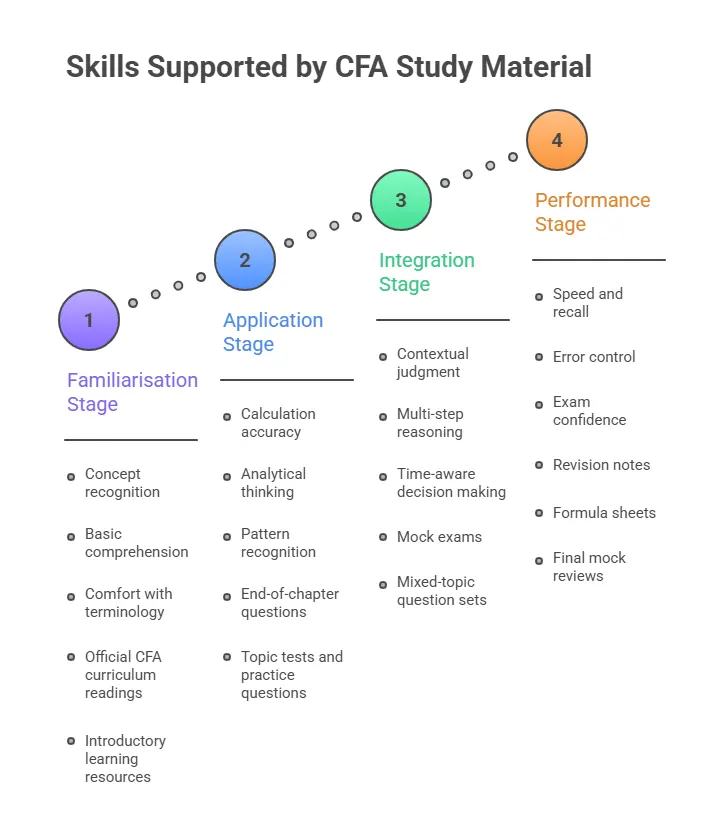
  • Mock exams and revision strategy – Regular mocks, performance analysis, and structured revision plans are what turn preparation into results. The best CMA coaching in Bangalore treats revision as a system, not an afterthought.
  • CMA Coaching for US CMA Aspirants – For US CMA candidates, CMA USA coaching in Bangalore usually includes flexible schedules, recorded lectures, and analytics-heavy problem-solving. A strong CMA institute in Bangalore will align preparation with global corporate roles, not just exam clearing.

Ultimately, the right CMA coaching Bangalore option is the one that fits your background, schedule, and career goal – not just the biggest name.


CMA Articleship, Internship & Industrial Training in Bangalore

One of Bangalore’s biggest advantages for CMA aspirants is access to practical exposure at every stage of the journey. The city’s strong presence of MNCs, GCCs, consulting firms, and large Indian corporates makes it easier to gain hands-on experience alongside exam preparation – not just after qualification. This early exposure plays a big role in shaping a strong CMA career, helping candidates build confidence and relevance from the very beginning.

CMA Articleship

CMA students often actively search for a CMA articleship vacancy in Bangalore, and for good reason. The city hosts several recognised CMA articleship firms in Bangalore that offer exposure beyond routine accounting work. Depending on the organisation, articleship roles may involve cost analysis, budgeting support, internal reporting, or assisting finance teams with operational decision-making.

CMA Industrial Training

At advanced stages, some students also explore CMA industrial training vacancies in Bangalore, which provide deeper involvement in corporate finance environments. These roles help bridge the gap between theoretical learning and how finance functions inside large organisations.

CMA Internships in Bangalore

While the US CMA does not mandate articleship, many aspirants still pursue a CMA internship in Bangalore to gain early exposure. These internships are commonly found in finance teams, shared services centres, analytics units, and consulting firms.

Internship roles often focus on FP&A support, project selection methods, reporting assistance, MIS preparation, or basic financial analysis. For students preparing for Part 1 or Part 2, this practical exposure makes exam concepts easier to understand and apply.

Entry-Level CMA Roles in Bangalore

Bangalore also offers structured training and entry-level finance roles for partially qualified candidates. These positions allow students to continue studying while working in real finance environments. Over time, this combination of study plus experience significantly improves confidence and career readiness once the CMA is completed.

CMA Bangalore chapter

Beyond jobs and internships, professional networking plays a major role in Bangalore’s CMA ecosystem. Events and seminars conducted through the CMA Chapter Bangalore help students connect with professionals, recruiters, and training firms, including those offering CMA USA training in Bangalore. The CMA Bhavan Bangalore often serves as a reference point for official updates, events, and community engagement.

Overall, Bangalore makes it possible to enter early, learn continuously, and grow steadily – whether through articleship, internships, industrial training, or structured finance roles alongside CMA preparation.

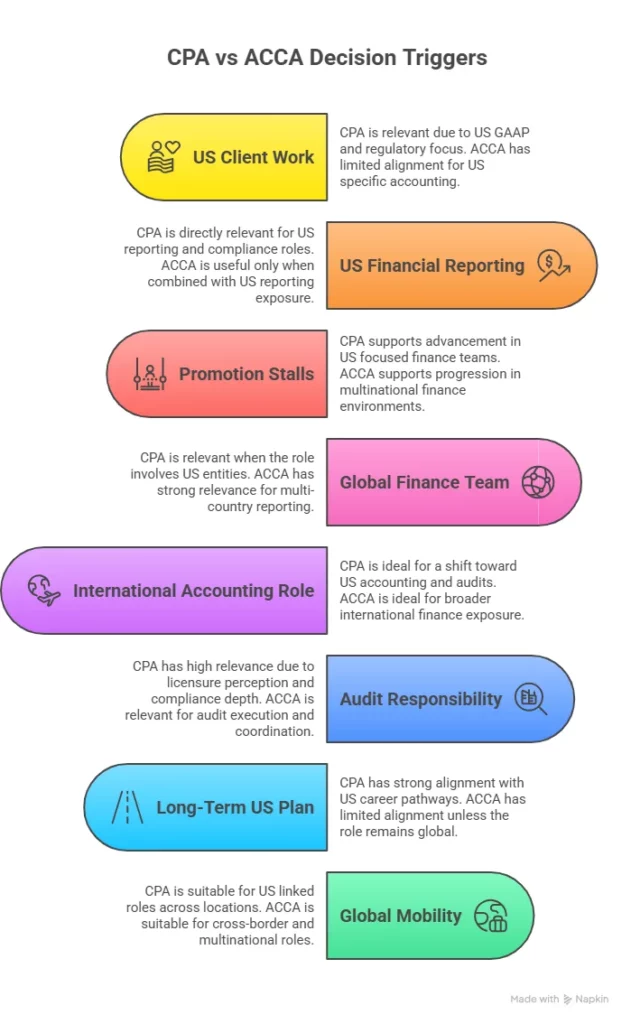
CMA Chapters in Bangalore

Did you know?

A large share of CMA USA fresher jobs in Bangalore comes from global capability centres supporting overseas finance teams.


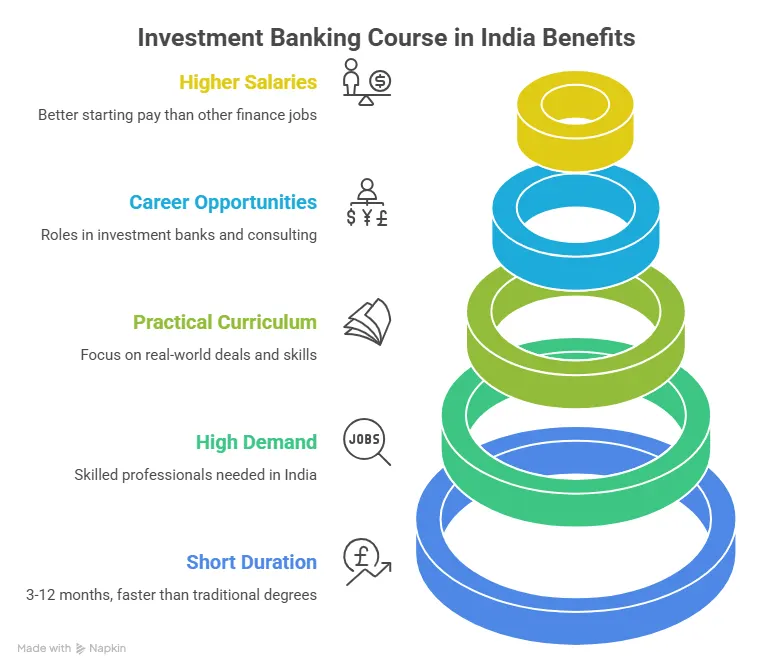
Benefits of Doing a CMA in Bangalore

A common concern among aspirants is whether CMA roles in Bangalore go beyond theory and certifications, and do CMA jobs in Bangalore for freshers actually exist in the current job market? The city’s finance ecosystem answers this not through hype, but through steady hiring patterns across industries.

Bangalore today hosts most of the CMA jobs in India through:

  • Global capability centres (GCCs) handling FP&A and reporting.
  • Business finance and controllership teams within MNCs.
  • Analytics-led finance roles in consulting and tech-enabled firms.

This is why CMA fresher jobs in Bangalore and CMA qualified jobs in Bangalore appear consistently, especially in entry-level finance, reporting, and analyst roles. As professionals gain experience, demand grows for CMA-qualified jobs in Bangalore across FP&A, business finance, controllership, and analytics functions.

For US CMA holders, the scope expands further. Many multinational firms and GCCs hire specifically for global-facing roles, which is why you’ll often see openings listed under CMA USA jobs in Bangalore and CMA USA fresher jobs in Bangalore. These roles usually involve budgeting and forecasting, performance analysis, global reporting, and supporting overseas business units – work that closely mirrors what the US CMA syllabus is designed to prepare you for.

Compensation follows a similar progression to the CMA salary in India. Here’s a brief overview of the roles and compensation for CMAs in Bangalore:

US CMA LevelTypical Roles in BangaloreIndicative US CMA Salary in Bangalore
CMA Part 1 (Financial Planning, Performance & Analytics)FP&A support executive, reporting analyst, junior finance analyst₹4-7 LPA
CMA Part 2 (Strategic Financial Management)Business finance analyst, controllership analyst, senior FP&A analyst₹6-10 LPA
US CMA (Both Parts Cleared)FP&A manager track, finance manager, business finance lead, controllership roles₹10-18+ LPA

The CMA salary in Bangalore tends to be competitive, especially as professionals move beyond entry-level roles. Early positions focus more on learning how finance teams operate. At the same time, salary growth accelerates as CMAs transition into decision-support roles, FP&A leadership tracks, or positions that work closely with business heads and senior management.

Overall, the CMA jobs in Bangalore offer CMAs a clear progression path – one where you can enter early, build real corporate exposure, and grow into strategic finance roles over time, rather than being limited to routine accounting work.


Pro Tip:

In Bangalore’s finance ecosystem, the US CMA salary in Bangalore generally gains traction as you transition from entry-level analysis roles into strategic finance or FP&A leadership positions.


Why Imarticus is Right for CMA in Bangalore

For many people preparing for CMA,CMA books and self-study resources are easily available today. But most people preparing for CMA realise this quickly – the challenge isn’t finding material, it’s knowing what to focus on, how to practise, and how to stay consistent over a long preparation cycle.

That’s where structured guidance makes a difference.

At Imarticus, CMA preparation is designed around how the exam actually tests candidates and how finance roles actually function. Instead of just covering the syllabus, the focus stays on application – understanding why a concept matters, how it shows up in exam questions, and where it connects to real corporate finance work.

What sets Imarticus apart for CMA aspirants in Bangalore:

  • Clear learning structure – Rather than juggling multiple books and random online resources, students follow a defined study path – what to study first, when to revise, and how to pace preparation around exam windows.
  • Faculty with real corporate exposure – Concepts are taught using real examples from FP&A, business finance, and controllership roles, which helps students move past rote learning and start thinking the way finance professionals actually do.
  • Strong exam-oriented practice – CMA exams test application under time pressure. Imarticus places consistent emphasis on MCQs, case-style questions, and mock exams that mirror actual exam difficulty.
  • Flexibility for working professionals – Weekend batches, recorded sessions, and self-paced support make it easier for candidates to prepare without disrupting their jobs or work commitments.
  • Career awareness alongside exam prep – It’s not just about getting through the exams. Students are trained to understand where CMA fits into real finance roles, what employers actually care about, and how to approach internships, first jobs, or career growth after qualifying.

For many, this kind of balanced, well-paced preparation without constant pressure is what makes the CMA in Bangalore journey feel achievable rather than intimidating.


FAQs About CMA in Bangalore

These frequently asked questions answer the most common questions students and professionals ask when they are exploring CMA in Bangalore and aren’t just looking for definitions – they want clarity on eligibility, exams, jobs, and how everything fits together in real life.

Is CMA in Bangalore a good choice for long-term career growth?

Yes. Bangalore’s combination of MNCs, GCCs, consulting firms, and analytics-driven roles makes it a strong city for finance and CMA professionals. The demand isn’t limited to entry-level jobs – it grows as you move into FP&A, business finance, and decision-support roles.

Is CMA difficult compared to other finance certifications?

CMA is challenging, but manageable with structured preparation from a training institute like Imarticus Learning. The exam focuses more on application and decision-making than rote learning, which many professionals find more practical than purely theoretical exams.

Are there good CMA coaching options in Bangalore?

Bangalore offers a wide range of CMA coaching centres offering classroom, hybrid, and online formats. The best ones focus on exam-oriented practice, mock tests, and real-world finance applications rather than just syllabus completion.

Are there CMA jobs in Bangalore for freshers?

Yes, there are jobs for CMA freshers in Bangalore. Freshers typically start in analyst, reporting, or finance support roles. These positions focus on learning real finance processes and applying CMA concepts on the job, making them a practical entry point.

Can working professionals realistically pursue CMA in Bangalore?

Absolutely. Most CMA coaching options in Bangalore are designed with working professionals in mind, offering weekend batches, recorded sessions, and flexible exam planning.

Does CMA require articleship in Bangalore?

US CMA does not mandate articleship. However, many students still choose internships or entry-level finance roles in Bangalore to gain practical exposure while preparing.

What kind of jobs can I get after a US CMA in Bangalore?

US CMA professionals commonly enter roles in FP&A, global reporting, business finance, shared services, and analytics teams. Many of these roles are within MNCs and global capability centres based in Bangalore.

Do I need an accounting background to pursue CMA?

Not necessarily. While BCom and BBA students may find it easier initially, candidates from CA, MBA, and even engineering backgrounds succeed with the right preparation and practice.

Are CMA exam centres available in Bangalore?

Yes. CMA exam centres in Bangalore make it convenient to appear for exams without the stress of travel, especially for working professionals.

Is CMA better than traditional accounting roles in Bangalore?

CMA is more aligned with business-facing finance roles as compared to traditional accounting, which focuses on compliance. CMA prepares you for planning, analysis, decision support, and leadership-facing responsibilities.


Is CMA Worth Pursuing in Bangalore?

For many aspirants, the real question isn’t just whether CMA is worth pursuing – it’s whether the city they choose can actually support the journey from preparation to career growth. In that sense, Bangalore checks most of the right boxes.

With access to strong institutes, structured coaching formats, local exam centres, and meaningful training exposure, CMA in Bangalore offers a practical balance between preparation and opportunity. You’re not studying in isolation. You get access to by MNCs, GCCs, consulting firms, and finance teams that actively hire for CMA-aligned roles in FP&A, business finance, controllership, and analytics.

Whether you’re comparing coaching options, looking for internships or industrial exposure, or aiming for global finance roles after qualification, the city provides a supportive ecosystem at every stage. The key, however, is choosing your learning path thoughtfully and staying consistent with your preparation. When those pieces come together, Bangalore can be a strong place to not just pursue CMA – but to build a sustainable, long-term finance career around it.

ACCA in Chennai: Institutes, Coaching, Classes and More

Finance careers usually do not begin with certainty. They begin with small, practical decisions. Which course fits my schedule? Which qualification do employers here actually recognise? Which path allows progress without putting life on hold? For many students and early professionals, ACCA in Chennai enters the picture at this exact stage.

Chennai already has the kind of roles ACCA trains people for. Reporting teams, audit support functions, compliance desks, shared service centres. These are not hypothetical opportunities. They exist today, and they rely on structured accounting knowledge rather than speculative skills. That alignment is one of the reasons ACCA feels relevant here.

Many students approach ACCA cautiously. They are not chasing labels. They are trying to avoid dead ends. They want a qualification that keeps options open across roles, industries, and even countries, while still being useful in the Chennai job market. ACCA fits that requirement because it builds skills that are already being used on the ground.

There is also a misconception that ACCA is meant only for people planning to move abroad. In reality, a large number of professionals completing ACCA in Chennai continue working here. They move from entry-level accounting roles into reporting, audit coordination, financial control, and process ownership. The qualification does not replace experience. It strengthens it.

Confusion usually sets in when all of this is presented without structure. Fees are mentioned without context. Institutes are listed without explaining the differences. Colleges advertise integration without clarifying exemptions. Job outcomes are discussed without timelines. Students end up making decisions based on incomplete information. This blog exists to put those pieces together in one place.

→ How does the ACCA course work when pursued from Chennai?

→ How do exams, coaching, colleges, internships, and jobs connect in a realistic sequence?

→ What costs are fixed, what choices are flexible, and where most students misjudge effort?

ACCA is not a shortcut. It is a system. When understood properly, it allows steady progress without forcing extreme trade-offs. The sections ahead explain the system as it functions in Chennai, so that choosing ACCA in Chennai becomes a considered decision rather than a leap based on assumptions.


What Is ACCA and Why It Works Well as a Career Pathway in Chennai

Before getting into colleges, coaching, fees, or jobs, it helps to clearly understand what is ACCA and what it is designed to do. Many decisions around ACCA in Chennai become easier once the structure of the qualification is clear.

ACCA stands for the Association of Chartered Certified Accountants. It is a global professional qualification in accounting, finance, audit, and management. Unlike degree programs that focus on time spent in classrooms, ACCA is built around competency. You progress by demonstrating skill through exams and practical experience, not by completing semesters.

This design is one reason ACCA adapts well to Chennai’s academic and work environment. Students can pursue it alongside college, internships, or full-time roles without stepping away from everything else.

At its core, ACCA prepares professionals for roles that sit at the intersection of numbers, regulation, and decision-making. That includes accounting, financial reporting, audit & taxation, performance analysis, and financial management. These are not niche roles. They are functions that exist in almost every organisation operating in Chennai today.

How the ACCA Qualification Is Structured

ACCA consists of 13 papers, grouped into three levels. Each level builds on the previous one, moving from fundamentals to professional judgement.

LevelNumber of PapersFocus Area
Applied Knowledge3Accounting basics and business understanding
Applied Skills6Financial reporting, audit, tax, performance
Strategic Professional4Leadership, strategy, and advanced application

This structure explains why ACCA in Chennai attracts both fresh students and working professionals. You are not required to complete everything at once. Exams are attempted paper by paper, allowing steady progress.

What ACCA Trains You to Do in Real Terms

Instead of thinking about ACCA as an exam series, it helps to see it as skill training mapped to real roles.

ACCA trains you to:

  • Read and prepare financial statements
  • Understand how audits work in practice
  • Interpret business performance, not just calculate it
  • Apply accounting standards to real scenarios
  • Communicate financial insights clearly

These skills align closely with how finance teams function in Chennai, especially in audit support, reporting, compliance, and shared services.


With syllabus updates, exam formats, and practical requirements evolving, understanding how ACCA is structured in 2025 helps students plan their attempts with clarity. This perspective outlines what stays consistent, what has changed, and how those changes affect preparation and progression for students pursuing ACCA today.


Why ACCA Is Different From Traditional Accounting Degrees

Many students already hold or are pursuing degrees, which raises a fair question. Why add ACCA?

The difference lies in application depth. Degrees introduce concepts. ACCA tests how those concepts are applied under professional conditions. Exams are scenario-driven, time-bound, and judgment-focused. This prepares students for work environments where answers are rarely straightforward.

That is why ACCA in Chennai is often pursued alongside BCom programs, after graduation, or after doing CA, especially by those comparing long-term roles and global exposure through a CA vs ACCA lens. The two complement each other rather than overlap fully.

Who ACCA Is Meant For in Chennai

ACCA does not suit only one type of learner. It works best for people who value flexibility and long-term growth.

It suits:

  • Students planning BCom with ACCA in Chennai
  • Graduates looking to specialise in accounting or finance
  • Working professionals seeking global recognition
  • Learners aiming for audit, reporting, or finance operations roles

Because the qualification is modular, students can adjust the pace without losing progress. This matters in a city where many learners balance education with work or family responsibilities.

Exam Centres and Administrative Support for ACCA in Chennai

One of the most practical advantages of pursuing ACCA in Chennai is exam accessibility. The city has approved computer-based exam locations, making it easier for students to plan attempts without travel stress.

The presence of an ACCA exam centre in Chennai matters more than it sounds. Exams are held multiple times a year, and students can choose sessions that fit their academic or work schedule. This flexibility supports those balancing internships, college, or entry-level jobs.


ACCA Books and Study Resources Available in Chennai

Another gap many blogs ignore is access to learning material. Students worry whether they will need to import books or rely entirely on digital content. In reality, ACCA study material and books in Chennai are widely available through authorised publishers, coaching institutes, and local academic stores.

Most ACCA coaching classes in Chennai provide a blended model:

  • Printed study texts for core reading
  • Digital question banks for practice
  • Mock exams aligned with ACCA standards

ACCA-approved publishers such as Kaplan and BPP outline official syllabus coverage on their sites, including updates aligned with each exam session. 

For many students, physical books still matter. Highlighting, annotating, and revisiting pages before exams feels more natural than scrolling endlessly on a screen. Chennai’s academic ecosystem supports this preference well.


How Students Commonly Enter the ACCA Pathway in Chennai

Students usually enter ACCA in Chennai through one of three routes:

  • After Class 12
  • Alongside BCom
  • After graduation or during work

The popularity of BCom with ACCA in Chennai has increased because colleges integrate ACCA papers into the academic timetable. Several BComs with ACCA colleges in Chennai follow this structure, allowing students to graduate with a degree while progressing through ACCA levels.

This integration reduces academic overload and helps students apply theory in a practical context. It feels similar to learning to drive while already commuting daily rather than practising only on empty roads.


For students looking to combine academic grounding with professional progress, the BCom plus ACCA pathway offers a way to align degree studies with global accounting standards. It helps reduce duplication in learning, introduces ACCA concepts early, and allows students to graduate with stronger technical exposure and clearer career direction.


Chennai’s Advantage for Early Career Exposure

One reason ACCA training in Chennai holds value is the availability of entry-level finance roles. Chennai has a high concentration of shared service centres, audit support teams, and compliance units. These roles align closely with ACCA papers in financial reporting, audit, and taxation.

Internships often begin after the Applied Skills level. Many students pursuing an ACCA internship in Chennai find opportunities within mid-sized firms and MNC back offices. While internships are not guaranteed, the local ecosystem increases exposure, strengthening your ACCA skills.


Did You Know?

According to the Hays India Salary Guide, finance and accounting roles continue to see steady hiring in South India, particularly in metro cities with strong service sector presence.


What Fees, Coaching, and Job Outcomes Look Like for ACCA in Chennai

Once ACCA in Chennai moves beyond eligibility and course structure, what starts to matter is how it fits into everyday reality. Fees decide how many papers can be taken at a time. ACCA coaching affects how steady preparation feels week after week. Early job roles influence confidence more than titles do.

This section looks at these parts the way students experience them while studying, not as isolated topics, but as things that shape how manageable the ACCA exam journey feels.

Coaching Formats Available Across Chennai

When discussing ACCA coaching in Chennai, it is important to understand that there is no single format. Different students need different levels of structure.

Common coaching formats include:

  • Weekday classroom sessions for college students
  • Weekend batches for working professionals
  • Hybrid models with recorded and live classes

Most ACCA coaching centres in Chennai now design batches around exam windows rather than fixed academic years. This allows flexibility if a student decides to pace exams more slowly or faster.

The term ACCA academy in Chennai is often used for institutes that provide end-to-end support, including exams, ethics module guidance, and placement assistance. Students should always check whether an institute is an approved learning partner listed by ACCA rather than relying on marketing labels.

Understanding ACCA Course Fees in Chennai in a Practical Way

When students ask about ACCA course fees in Chennai, they often expect one single number. In reality, the cost works more like maintaining a vehicle. There is an upfront purchase, recurring servicing, and optional upgrades depending on how smooth a ride you want.

The total cost of ACCA in Chennai usually includes four layers. Before getting into numbers, it helps to understand what each layer represents and why skipping clarity here often leads to frustration later.

The Four Cost Layers in ACCA

  1. Registration and subscription paid to ACCA
  2. Exam fees paid per paper
  3. Coaching and training costs
  4. Study material and mock exams

Below is a broad cost range students typically see while pursuing the ACCA course in Chennai.

Cost ComponentApproximate RangeWhat It Covers
ACCA registration and annual fees₹ 30,000 – ₹40,000Global registration and student subscription
Exam fees for 13 papers₹2.5 – ₹3.2 lakhsPaid per attempt
Coaching and training₹1.5 – ₹3.5 lakhsDepends on the format and the institute
Books and mock exams₹40,000 – ₹70,000Printed and digital resources

This is why conversations around ACCA course fees in Chennai should always include what is optional and what is unavoidable. Coaching is a choice. Exam and registration fees are not.

How Coaching Models Affect Cost and Outcomes

The type of ACCA coaching in Chennai chosen has a direct impact on both cost and learning experience. Chennai offers one of the widest ranges of formats in India. Most ACCA coaching centres in Chennai operate under three models.

  • Classroom-Based Coaching: This model suits students who prefer fixed schedules and face-to-face interaction. Many ACCA coaching classes in Chennai tied to colleges fall under this format. It works well for students doing BCom with ACCA in Chennai, as academic calendars and ACCA papers move in sync.
  • Hybrid Coaching: Hybrid coaching mixes recorded lectures with live doubt-clearing sessions. This model is popular among working professionals and final-year college students. Several learners consider this the most balanced ACCA Chennai coaching format because it allows flexibility without complete self-study.
  • Fully Online Coaching: This model focuses on recorded content, digital mocks, and minimal live interaction. It suits disciplined learners who already have accounting exposure. Institutes positioned as an ACCA academy in Chennai often provide hybrid or classroom-heavy formats with added academic tracking.

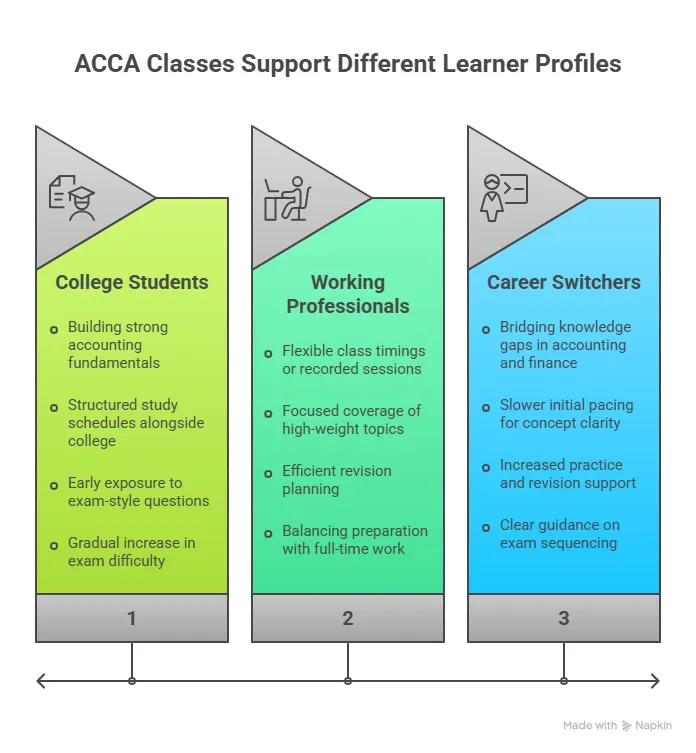
The time it takes to complete ACCA in Chennai can vary widely depending on when a student starts and how they balance studies with college or work. Looking at different student profiles helps set realistic expectations around pacing, exam attempts, and overall progression:

ACCA in Chennai Completion Time for Different Student profiles

How to Evaluate the Best ACCA Institute in Chennai

Many articles list names when talking about the best ACCA institute in Chennai. That approach rarely helps a student make a confident decision. What matters more is how an institute fits a learner’s daily routine and academic background.

When evaluating an ACCA institute in Chennai, I usually break the decision into five simple checks.

  1. Academic Continuity: Does the institute offer a structured path from the first paper to the last, or does support fade after early levels?
  2. Faculty Alignment: Are the trainers specialised by paper, or does one person handle multiple subjects?
  3. Exam Support: Does the institute guide exam booking, ethics module completion, and administrative deadlines?
  4. Placement Exposure: Does the institute support internships and entry-level roles, especially for ACCA jobs in Chennai?
  5. Learning Pace: Are there batch options that match your personal speed?

Imarticus Learning positions itself strongly in this area by offering integrated academic planning, industry-aligned training, and career-focused support. Their ACCA program in Chennai is structured to support both fresh students and working professionals seeking global exposure.


ACCA Jobs in Chennai and Role Progression

A common fear is whether ACCA jobs in Chennai exist beyond theory. The city’s finance ecosystem answers this quietly through hiring trends rather than advertisements.

Chennai hosts:

  • Audit support teams for Big Four firms
  • Shared service finance centres
  • Compliance and reporting units for global corporations

Entry-level roles often align with Applied Skills papers. As students progress toward Strategic Professional, roles expand into analysis, advisory support, and financial control.

Below is a simplified view of role progression linked to ACCA course details and levels.

ACCA LevelTypical Roles in Chennai
Applied KnowledgeAccounts executive, finance trainee
Applied SkillsAudit associate, reporting analyst
Strategic ProfessionalSenior analyst, finance manager track

The first role an ACCA student takes up in Chennai is often less about titles and more about learning how finance teams actually function. Early responsibilities usually focus on reporting support, audit documentation, and process work:

ACCA Student"s First Job in Chennai

Internships and Practical Exposure in Chennai

Internships form a critical bridge between exams and employment. ACCA internship in Chennai opportunities usually emerge through three channels.

  • Mid-sized accounting firms
  • Corporate finance teams
  • Shared service centres

Students pursuing ACCA training in Chennai often access internships after completing 6 to 9 papers. While internships are not mandatory for exam completion, they are essential for confidence and skill application.

The experience of applying ACCA concepts at work feels similar to learning to swim. Reading about strokes helps, but actual movement in water builds control and confidence.


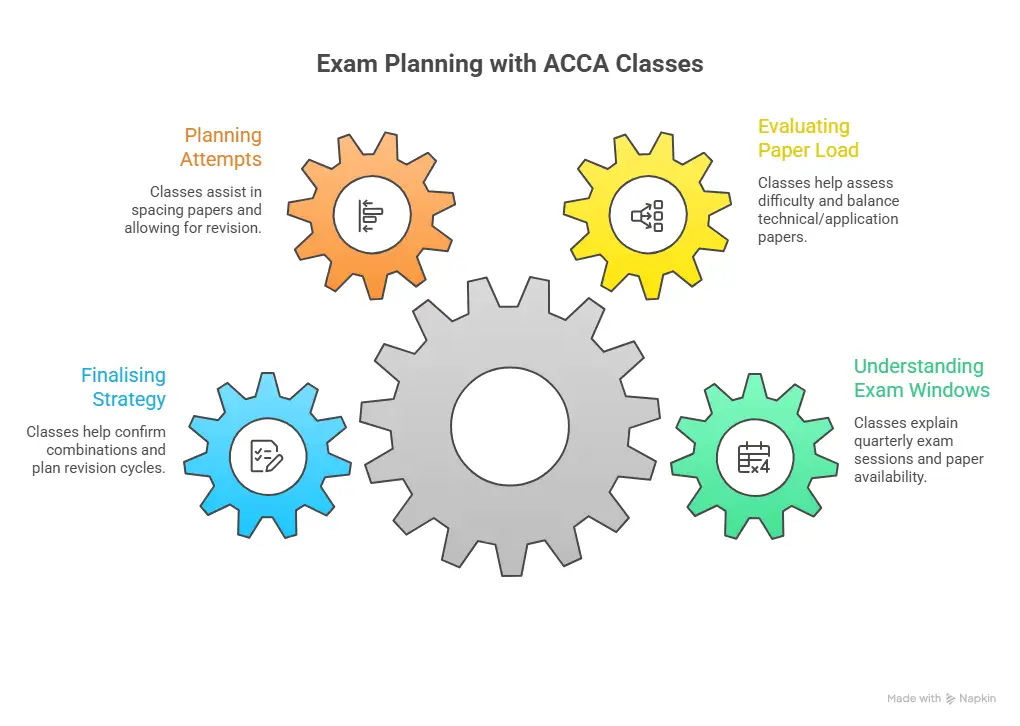
For working professionals, ACCA often needs to fit around long hours, shifting deadlines, and limited study time. A clear roadmap helps break the qualification into manageable phases, showing how exams, preparation, and work responsibilities can move together without constant burnout or disrupted progress.


ACCA Coaching Classes and Integrated Degree Models in Chennai

The rise of ACCA coaching classes in Chennai offering integrated programs has changed how students plan long-term education.

Several ACCA course colleges in Chennai partner with universities to embed ACCA papers into BCom programs. This approach allows students to reduce overall study time and cost.

The appeal of BCom with ACCA colleges in Chennai lies in three areas:

  • Dual qualification within a fixed timeline
  • Reduced academic duplication
  • Better internship readiness

Students considering BCom with ACCA in Chennai should check whether ACCA exemptions are officially approved by ACCA.


Did You Know?

ACCA exemptions can reduce up to nine papers depending on academic background.


How Exemptions Work for ACCA in Chennai

One of the most misunderstood parts of ACCA in Chennai is exemptions. Many students hear that papers can be skipped and assume this happens automatically. Exemptions are granted only when prior education closely matches ACCA syllabus standards.

Students entering ACCA in Chennai after a BCom, BBA, or MCom may receive exemptions at the Applied Knowledge or Applied Skills level. This depends on the university, subjects studied, and grading structure. ACCA publishes a live exemptions database that changes when syllabi change, which is why checking eligibility before enrolling is important. 

Choosing Optional Papers at the Strategic Level

At the Strategic Professional level, students pursuing ACCA in Chennai must choose two optional papers. This decision shapes career direction more than people expect.

Common optional combinations include:

  • Advanced Financial Management for finance and treasury roles
  • Advanced Performance Management for business analysis
  • Advanced Taxation for compliance and advisory
  • Advanced Audit and Assurance for audit-aligned careers

The choice should reflect the type of ACCA jobs in Chennai that a student is targeting. Chennai’s market has strong demand for audit support, reporting, and shared services, which often align with audit and performance-focused papers.

Several ACCA coaching centres in Chennai guide students on optional selection based on local hiring patterns rather than global theory alone. This practical alignment often reduces confusion and exam fatigue.

Which ACCA Papers Feel the Most Challenging

Difficulty in ACCA is rarely about intelligence. It is more about how concepts stack over time. Students preparing for ACCA in Chennai often find papers that demand interpretation harder than those that test rules.

Papers commonly perceived as challenging include:

  • Financial Reporting due to volume and standards
  • Strategic Business Leader due to case-based judgment
  • Advanced Audit due to application depth

Students supported through structured ACCA coaching in Chennai at Imarticus Learning usually manage the toughest ACCA syllabus and papers better because preparation focuses on exam thinking rather than memorisation.


Role of ACCA Training and Skill Development in Chennai

Professional growth does not come only from clearing exams. ACCA training in Chennai increasingly includes soft skills, spreadsheet modelling, and reporting tools.

Many institutes now integrate:

  • Excel and financial modelling basics
  • Business communication workshops
  • Interview preparation sessions

This matters because ACCA jobs in Chennai often sit within teams that serve global stakeholders. Clear reporting and communication are valued as much as technical accuracy.

Imarticus Learning focuses on combining exam preparation with industry-aligned training, which helps learners transition smoothly from classroom to workplace.

How Chennai Compares as a City for ACCA Aspirants

Students often ask whether Chennai is the right city for ACCA compared to other metros. ACCA in Chennai benefits from a balance of opportunity and affordability, adding to the ACCA employability factors.

Chennai offers:

  • Lower living costs compared to Mumbai and Bangalore
  • Strong presence of finance shared service centres
  • Stable academic ecosystem with long-term institutions

This balance supports students pursuing ACCA classes in Chennai while managing internships or part-time roles. For many, the city allows focus without excessive financial pressure.

Studying ACCA in Chennai offers practical benefits and career opportunities that often matter more over time, from local exam access and flexible learning options to steady exposure to finance and accounting roles:

Benefits of Studying ACCA in Chennai

FAQs About ACCA in Chennai

This section brings together everything discussed about ACCA in Chennai. It addresses the most frequently asked questions, helping you with clarity on how exams, preparation, and career planning align, and points toward the kind of structured support that helps students move forward with confidence.

What is the ACCA course fee?

The total ACCA course fee in Chennai typically ranges between ₹4.5 lakhs and ₹6 lakhs. This includes a one-time registration fee of about ₹8,000, an annual subscription of around ₹13,000 per year, and exam fees that range from ₹9,000 to ₹27,000 per paper, depending on the level. Over 13 papers, exam fees usually add up to ₹2.5–3.5 lakhs. Imarticus Learning often helps students plan these costs in advance so there are no financial surprises during the ACCA in Chennai journey.

Who is eligible for ACCA?

Eligibility for ACCA in Chennai starts at the Class 12 level with commerce subjects, though graduates from non-commerce backgrounds can also enrol through foundation routes. Many students pursuing the ACCA course in Chennai come through BCom or professional pathways that offer exemptions. Imarticus Learning helps students understand eligibility and exemption mapping before registration.

What are the 13 subjects in ACCA?

The ACCA in Chennai qualification consists of 13 subjects across Applied Knowledge, Applied Skills, and Strategic Professional levels. These subjects cover accounting, audit, taxation, performance management, financial reporting, and strategic leadership. The structure ensures gradual skill development from fundamentals to advanced professional judgement.

Can I skip ACCA papers?

Students enrolled in ACCA in Chennai can skip papers only through official exemptions granted by ACCA. Exemptions depend on prior education and approved university programs. Many students in BCom with ACCA colleges in Chennai receive exemptions for early level papers, which reduces the total exams but does not reduce learning responsibility. Careful exemption planning helps avoid gaps in knowledge later.

What is the hardest subject in ACCA?

Students with strong accounting foundations may find strategic papers challenging due to case analysis, while others find technical reporting papers demanding. Subjects like Strategic Business Leader and Financial Reporting are often perceived as challenging because they test judgment and clarity rather than memory. Structured ACCA coaching in Chennai with Imarticus Learning helps students build exam readiness for these papers.

Which city is best for ACCA in India?

The value of the ACCA Course in Chennai lies in its balanced ecosystem. Chennai offers strong academic institutions, exam access, and growing finance employment. While other cities also offer opportunities, students choosing ACCA in Chennai benefit from affordability, exam centre availability, and steady hiring in shared services and audit support roles.

Which is the best BCom college in Chennai with ACCA colleges?

There is no single best option for everyone pursuing ACCA in Chennai. The best BCom with ACCA colleges in Chennai are those approved for exemptions and aligned with ACCA standards. Students should evaluate curriculum structure, faculty support, and exam integration rather than names alone. Many colleges partner with training providers to strengthen academic delivery.

Which university is better for ACCA?

Universities supporting the ACCA Course in Chennai should be evaluated on exemption recognition, curriculum alignment, and academic support. ACCA publishes approved exemptions based on university programs, which is a reliable way to judge compatibility.


How All of This Comes Together for ACCA in Chennai

By now, ACCA in Chennai should feel less like a title and more like a working system. A sequence of decisions that stack over time. Exams that reward preparation rather than luck, and that is precisely why it works for so many people here.

Most students who succeed with ACCA do not have a perfect plan on day one. What they do have is a reasonable one. They understand the order of things. Papers before roles. Skills before titles. Experience alongside exams. Chennai supports this approach because the work here values reliability, clarity, and process. The qualification mirrors that expectation closely.

At this point, the useful question is no longer whether ACCA is recognised or whether jobs exist. Those answers are already visible in the market. The better question is how you want to move through the qualification. With structure or with trial and error. With clarity or with constant recalibration.

This is exactly where the right learning partner makes a difference. If you are serious about pursuing ACCA in Chennai, working with an institute that understands both the exam framework and the local job ecosystem matters. Imarticus Learning supports ACCA aspirants in Chennai with structured exam preparation, industry-aligned training, and career-focused guidance that goes beyond clearing papers.

ACCA does not demand that you rush. It demands that you show up consistently. Chennai offers enough space to do that without forcing extremes. When those two things align, progress feels quiet but dependable. And for most careers that last, that is exactly what you want.

CMA in Chennai: Courses, Coaching, Jobs & Career Path

If you’re planning a global career in management accounting, it’s natural to look at cities that offer strong academic support and real job exposure. CMA in Chennai has steadily become one of the most practical and promising starting points for the CMA journey. Over the last few years, Chennai has emerged as one of India’s strongest hubs for CMA aspirants, particularly for roles in FP&A, business finance, shared services, and global accounting teams.

That’s why students searching for the CMA course in Chennai often find much more than just exam preparation here. From structured CMA classes in Chennai and specialised CMA coaching in Chennai, to strong hiring demand from MNCs and GCCs, the city offers a solid ecosystem for CMA professionals at every stage.

While comparing coaching options, many aspirants come across terms like CMA Institute Chennai during their initial research, especially when trying to understand how the CMA ecosystem operates locally.

Whether you’re trying to understand the CMA certification, comparing a CMA institute in Chennai, trying to understand CMA course fees in Chennai, or exploring real CMA jobs in Chennai, in this guide, I’ll break it all down – CMA course details, coaching options, fees, internships, jobs, salary expectations, and long-term career growth in Chennai – clearly, honestly, and without any confusion.


Understanding CMA and Why Location Matters

Before choosing where to pursue the CMA, it’s essential to understand what is CMA and why it holds strong global value. The Certified Management Accountant offered by the IMA focuses on management accounting, financial planning, analysis, control, and strategic decision-making skills that are in high demand across modern finance teams.

Unlike traditional accounting roles, CMA professionals work closely with business leaders in areas such as financial planning & analysis, management reporting, budgeting, forecasting, and business finance. This makes the qualification especially relevant for MNCs, shared services, and global capability centres.

Once you clearly understand what CMA is and the careers it leads to, the role of the right city becomes obvious. CMA career grows fastest in locations with strong corporate finance ecosystems, which is why Chennai is a preferred city for CMA aspirants.


If you’ve ever wondered, Is US CMA difficult?, you’re not alone. Many CMA aspirants ask this early in their journey – especially when balancing studies, work, or coaching. To give you a clear and realistic perspective, here’s a video that explains the exam’s structure, the reasoning behind its difficulty level, and tips on how to approach it with confidence:


Why Chennai Is the Right City for CMA Aspirants

Chennai’s advantage lies in its industry mix. The city hosts manufacturing giants, IT services firms, global capability centres, and consulting teams – all of which actively hire CMA professionals.

This is why CMA Chennai continues to attract both students and working professionals. Key reasons include:

  • A strong presence of CMA firms in Chennai alongside global finance and shared services teams.
  • Growing availability of CMA institutes in Chennai and specialised private coaching academies.
  • Consistent CMA job opportunities in Chennai across FP&A, reporting, project selection methods, and business finance roles.
  • An active Chennai CMA chapter ecosystem with networking events and professional programs that translate into real hiring outcomes.

For many students, this directly opens doors to CMA internships in Chennai, CMA fresher jobs in Chennai, and CMA jobs in Chennai for freshers, particularly in FP&A, business finance, and global accounting roles.


CMA Course in Chennai: Structure & Eligibility

Unlike Indian professional courses, the CMA course in Chennai follows a simple and focused structure with just two exam parts:

US CMA PartKey Focus Areas
Part 1Financial Planning, Performance & Analytics
Part 2Strategic Financial Management

There is no articleship requirement, which makes CMA USA in Chennai especially popular among graduates and working professionals. Many candidates complete the exams alongside internships or full-time roles.

If you’re searching for CMA course details in Chennai, this simplicity is one of the biggest advantages. The clearly defined CMA course subjects ensure that each part builds practical skills in planning, analysis, and strategic finance, making it easier for candidates to relate exam preparation to real business roles.

Overview of CMA Eligibility

Before getting into preparation, fees, or coaching options for CMA in Chennai, it’s important to understand CMA eligibility – who can apply, when you’re allowed to start the US CMA course, and what basic academic and work-experience requirements you need to plan for.

RequirementDetails
EducationGraduation (any stream) or final-year student
Exams2 parts (Part 1 & Part 2)
Experience2 years of relevant finance/accounting experience
Study ModeClassroom or online CMA coaching in Chennai

Preparing for CMA interviews can feel just as important as clearing the exams. This US CMA mock interview video gives a quick look at the kind of questions recruiters ask and how to approach your answers with confidence:


CMA Course Fees in Chennai: What You’re Really Paying For

One of the most common searches is CMA course fees in Chennai, and rightly so.

The total CMA fees structure in Chennai usually includes:

  • IMA registration & exam fees
  • Coaching fees from a CMA coaching centre in Chennai
  • Study material, mock exams, and revision support
CMA Course Fees

When students compare CMA course fees details in Chennai, the variation usually comes from coaching quality, faculty experience, and career support – not the exam itself.

A well-structured CMA course institute in Chennai may charge more, but it often saves time by reducing repeat attempts and improving job readiness.


Did You Know?

Searches for the CMA USA course in Chennai have grown steadily as more students realise they can pursue a globally recognised management accounting qualification while studying or working full-time in the city.


Where to Study CMA in Chennai: Institutes & Coaching

During this stage, students often search for terms like the best CMA academy in Chennai, not necessarily to find a single answer, but to understand which institutes are known for structured teaching, exam alignment, and consistent student support.

Students often begin by browsing lists such as the top 10 CMA institute in Chennai to get an overview of available options, before narrowing down what actually fits their learning style and schedule.

Chennai today has a healthy mix of established coaching centres and newer entrants, each positioning itself as a CMA academy in Chennai with its own teaching approach and student support model.

Rather than chasing claims around the best CMA institute in Chennai, it’s usually more practical to focus on how well an institute supports exam preparation, revision discipline, and career alignment.

Along with coaching centres, many students also look up the CMA office Chennai to understand where official coordination, chapter events, and professional networking activities take place during their CMA certification journey.

Choosing the Right CMA Institute in Chennai

CMA Bhavan Chennai

When starting their CMA journey, students often try to understand the official CMA presence in Chennai, like the CMA office in Chennai or CMA Bhavan, mainly to know where exams are coordinated, where chapter events take place, and how professional networking works through the Chennai CMA chapter.

These offices don’t teach you for the exams, but they matter. They’re where students attend events, meet working CMAs, and stay connected to the professional side of the qualification.

For exam preparation, most students turn to reliable CMA books and private coaching providers. This is where students begin comparing coaching options in the city. Most of them want to figure out which institute teaches well, explains concepts clearly, offers flexible class schedules, and genuinely supports both working professionals and freshers through the CMA journey.

In practice, most CMA aspirants in Chennai use both the official CMA ecosystem with the best CMA review course for exposure and credibility, and a private coaching institute for day-to-day exam preparation.

CMA Colleges in Chennai: Is CMA a Degree?

This is one of the most common confusions I get asked by aspirants. The CMA course in Chennai is not offered as a college degree. Students typically:

  • Complete graduation from regular CMA colleges in Chennai.
  • Pursue the CMA Certification through a CMA training institute in Chennai or a coaching academy.
  • Some institutions offer integrated support, but certification is awarded directly by IMA, USA.

Did You Know?

CMA US Chennai has steadily gained traction among students and professionals who want global exposure in management accounting while building their careers from a strong local finance ecosystem.


CMA Classes & Coaching in Chennai

The quality of coaching plays a big role in how smoothly your CMA preparation goes. In Chennai, students usually realise early that clearing the exam isn’t about memorising content – it’s about understanding how concepts are tested and applied in real business scenarios.

Good CMA coaching focuses on building that foundation first, and then gradually shifting toward exam readiness and career relevance. This structured approach also helps students manage the CMA course duration more effectively, avoiding rushed attempts and allowing enough time to build confidence before each exam.

Most well-structured CMA classes in Chennai typically emphasise the following:

What Good CMA Coaching Focuses OnWhy It Matters
Strong concept clarityHelps you handle application-based IMA exam questions with confidence.
Case-based learningTrains you to think like a management accountant, not just an exam candidate.
Regular mock testsBuilds exam temperament and highlights weak areas early.
Exam strategy & revision planningEnsures you’re prepared for the format, time pressure, and scoring approach.
Career guidance beyond examsHelps students connect CMA knowledge with real FP&A and finance roles.

Most students look for coaching that brings structure to their preparation – classes that fit around exam windows, study plans that feel realistic, and regular assessments to track progress. This matters even more for working professionals and final-year students who need predictability without feeling overwhelmed.

In reality, the best CMA coaching in Chennai isn’t about big claims or marketing. It’s about steady teaching, disciplined preparation, and guidance that supports you right up to exam day – and as you start thinking about what comes next.

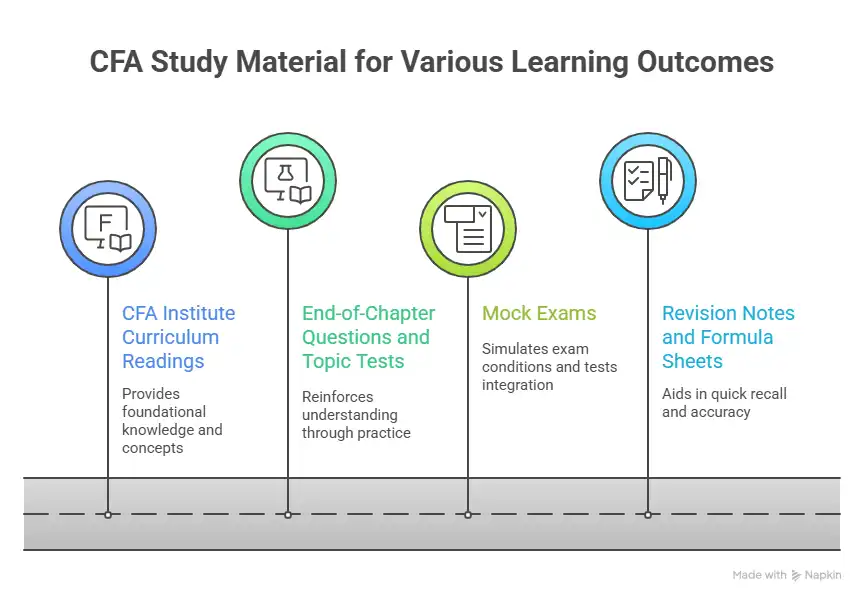
Access to well-organised CMA study material also plays a key role here, as it helps students revise consistently, practise effectively, and stay aligned with exam expectations without last-minute confusion.


Did You Know?

Demand for US CMA coaching in Chennai has grown as more aspirants look for guided preparation that not only helps them clear exams but also prepares them for real-world finance and FP&A roles.


CMA Jobs, Internships & Career Growth in Chennai

Chennai offers CMA opportunities across different stages of the qualification, making it easier to enter the field early and grow steadily.

CMA internship in Chennai

These roles are usually taken up by students preparing for Part 1 or Part 2 and focus on exposure to FP&A support, reporting, or cost analysis. Internships help bridge the gap between exam concepts and real corporate work.

CMA fresher jobs in Chennai

Freshers who have cleared one or both parts of the CMA often enter roles in business finance teams, shared services, or reporting functions. These positions focus on learning processes, tools, and real-world financial analysis. The concepts tested in each CMA paper directly show up in these early roles, helping freshers connect exam learning with real-world finance processes from day one.

CMA vacancies in Chennai

Job openings for CMAs appear regularly across industries like manufacturing, IT services, and global capability centres. Many of these roles are aligned with budgeting, planning, management, reporting, and cost management strategies.

CMA jobs in Chennai in FP&A, reporting, and business finance

These are core CMA-aligned roles where professionals work closely with business teams on forecasting, performance tracking, and financial decision support. Much of this work directly reflects the CMA syllabus, which is designed around real-world activities like budgeting, forecasting, performance analysis, and decision support.

CMA US jobs in Chennai within MNCs and GCCs

Several multinational companies and global finance centres hire CMA professionals in Chennai for global reporting, COSO Framework, FP&A, and regional finance roles supporting overseas markets.

Alongside full qualification roles, Chennai also offers strong options for partially qualified candidates.

CMA inter jobs in Chennai

Students who have cleared one part of the CMA often take up analyst or finance support roles while continuing their preparation. These jobs help maintain momentum and practical exposure. In fact, many of these roles are part of broader CMA jobs in India, where employers actively hire semi-qualified candidates who can contribute while completing the remaining exam requirements.

Jobs for CMA inter-qualified fresher in Chennai

While the US CMA does not mandate articleship, some students still explore practical exposure through listings like a CMA articleship vacancy in Chennai, mainly to gain early finance experience alongside exam preparation. These roles are designed for freshers who are part-qualified and usually focus on reporting support, cost tracking, or MIS functions under senior finance teams.

CMA semi-qualified jobs in Chennai

These semi-qualified roles also help candidates build experience that directly improves earning potential over time, especially when viewed in the context of CMA salary in India as professionals progress toward full qualification.

CMA training vacancy in Chennai

Training roles are structured positions where candidates learn finance processes, tools, and reporting standards on the job. They are commonly used as entry points into long-term CMA-aligned careers.

The CMA fresher’s salary in Chennai often improves faster in FP&A and global reporting roles compared to traditional accounting jobs. Here’s a concise overview of the CMA salary in Chennai based on years of experience:

LevelCMA Salary in Chennai (Indicative Range)
Fresher₹4-7 LPA
2-5 years₹7-12 LPA
5+ years₹12-20 LPA

Lesser Known Insight:

The US CMA course in Chennai is increasingly seen as a gateway to global finance roles, allowing aspirants to build internationally relevant careers without having to relocate or step away from their current commitments.


CMA Exam Centres in Chennai

As the exam date approaches, students pursuing CMA in Chennai often start searching for CMA exam centres in Chennai to understand where they might be writing the exam and how convenient the location will be. While the exam centres are officially assigned by the IMA during CMA registration and cannot be chosen, having clarity on how exam centres work helps reduce last-minute stress for CMA candidates in Chennai.

For many aspirants preparing for CMA in Chennai, knowing the exam process in advance – centre location, reporting time, and exam-day rules – adds a layer of confidence and allows them to focus fully on performance rather than logistics.

Quick CMA Exam-Day Checklist

No matter whether you pursue the CMA in Chennai or any other city, following these steps will help you avoid the last-minute hassle for reaching cma exam centres in Chennai or your exam city:

  • Check your exam centre address and reporting time a day in advance.
  • Carry a valid photo ID as mentioned in your exam confirmation.
  • Reach the centre early to allow time for security and check-in.
  • Avoid last-minute studying – focus on staying calm and rested.
  • Follow the centre instructions closely once the exam begins.

Why Imarticus for CMA in Chennai

Preparing for the CMA in Chennai often means balancing studies with college or work. While books and materials are important, most students realise that clearing the CMA depends more on structured learning than on self-study alone.

At Imarticus, CMA preparation focuses on helping students understand how the exam works and how concepts apply in real finance roles. The approach is built around clarity, relevance, and steady progress.

What students typically benefit from:

  • A clear study structure that removes guesswork – This structure is especially useful for working professionals and final-year students in Chennai who need predictability.
  • Concepts taught with a practical business context – This mirrors how CMA questions are framed and helps students think beyond memorisation.
  • Focused preparation for CMA MCQs and essays – This reduces surprises and builds confidence closer to exam day.
  • Ongoing academic support through revisions and mock tests – Doubt-solving, revision sessions, mock tests, and guidance are part of the learning process.
  • Alignment with the CMA USA exam framework – Coverage, practice, and assessment follow the CMA USA exam framework, helping students prepare with relevance rather than guesswork.
  • For CMA aspirants in Chennai who want organised preparation without unnecessary pressure, Imarticus aims to support both exam readiness and long-term career thinking.

When preparation feels organised and supported, the CMA journey becomes less overwhelming – and far more manageable.


FAQs About CMA in Chennai

Planning to pursue CMA in Chennai? In these frequently asked questions, I’ve tried to answer the most common questions around eligibility, coaching, fees, and career opportunities for CMA aspirants.

Is CMA in Chennai worth it for freshers?

Yes. Chennai offers strong entry-level opportunities for CMA freshers, especially in FP&A, reporting, shared services, and global accounting teams. The city’s mix of MNCs, GCCs, and manufacturing firms makes it easier to gain early exposure and grow steadily.

Which college is best for CMA in Chennai?

CMA in Chennai is not offered as a college degree. Students usually complete graduation from any recognised college or university and pursue the CMA course through a specialised CMA institute in Chennai or a CMA coaching centre in Chennai. The quality of coaching matters far more than the college name when preparing for CMA.

What is the salary of a CMA in Chennai?

In Chennai, CMA salaries usually grow with experience based on the role you grow into, not just the qualification itself. As a fresher, you can expect something around ₹4-7 LPA in entry-level finance or analyst roles. With 2-5 years of experience, the pay often moves to ₹7-12 LPA in mid-senior roles, and senior professionals working in FP&A or global finance teams can earn ₹12-20 LPA or even more over time. 

Which is the best US CMA institute in Chennai?

There’s no single best institute – it really comes down to how well the training supports your preparation. Clear teaching, exam-focused planning, regular revisions, and career guidance matter far more than just lectures. This is where institutes like Imarticus Learning stand out for many students, as they focus on structured preparation and practical understanding alongside the CMA curriculum.

Who is eligible for CMA in Chennai?

You can start CMA in Chennai if you’re a graduate or in your final year of college. The work experience requirement can be completed after clearing the exams, which makes it flexible for students and early professionals.

Are there classroom-based CMA classes in Chennai or only online options?

CMA classes in Chennai are available in both options – online as well as in-person options. Some students prefer classroom sessions for structure, while others choose online classes for flexibility.

What is the CMA course duration in Chennai?

The course duration for CMA in Chennai lasts from 12 to 18 months for most candidates. This timeline depends on how you plan your exam attempts, your preparation pace, and whether you’re studying alongside college or a full-time job. Opting for institutes like Imarticus Learning often boosts your preparation and reduces the number of attempts required, which results in clearing the CMA exams early.

How much are the CMA course fees in Chennai?

Fees vary based on registration and coaching choices. Overall, CMA in Chennai remains far more affordable than long-term degrees, especially considering the career outcomes.

Do companies in Chennai hire US CMA professionals?

Yes. Chennai offers steady demand for CMAs in finance, analytics, reporting, and business support roles across industries. Many MNCs, GCCs and consulting teams in Chennai actively hire US CMA professionals for global finance roles. Common roles include FP&A analyst, management accountant, finance analyst, and business finance associate.


CMA in Chennai: What the Journey Looks Like Over Time

Pursuing CMA isn’t just about clearing two exams and adding a certification to your resume. Over time, the CMA journey changes how you think about finance itself – how you analyse numbers, question assumptions, support business decisions, and communicate financial insights with clarity and confidence.

With the right CMA training in Chennai, a structured study plan, and consistent preparation, many students find that the transition from classroom learning to real finance roles becomes far smoother. Early exposure to budgeting, forecasting, performance analysis, and strategic thinking helps bridge the gap between studying finance and actually working in finance.

What makes CMA particularly powerful in Chennai is the strong ecosystem around it. The city offers access to global companies, finance teams, and growing FP&A roles – allowing aspirants to build internationally relevant careers while staying in India. When preparation is aligned with how the CMA is tested and how finance roles actually function, progress feels more intentional and less overwhelming.

If you’re serious about building a long-term career in management accounting or business finance, the next step isn’t just registering for the exam – it’s choosing a preparation path that keeps you focused, supported, and moving forward. Done right, CMA in Chennai isn’t just a qualification you earn – it’s a career direction you grow into.

ACCA in Mumbai: Course Details and Career Scope

Mumbai offers a wide range of academic and professional paths, and finance education is no exception. Students here often plan their studies alongside degrees, internships, or early work exposure, which naturally influences how professional qualifications are approached. This context shapes how ACCA in Mumbai fits into everyday academic and career planning.

For many learners, ACCA becomes part of an ongoing routine rather than a separate phase. Preparation often runs parallel to college schedules or entry-level roles, allowing concepts to be revisited in practical settings soon after they are studied. Over time, this helps build familiarity with financial reporting, audit processes, and compliance frameworks in a way that feels gradual rather than abrupt.

A common pattern emerges when observing how students progress. Two learners may follow the same syllabus and exam timeline. One focuses primarily on exam preparation, while the other combines study with relevant work exposure. Both move forward academically, but their comfort with applying concepts often differs. This difference tends to appear earlier in ACCA in Mumbai, simply because opportunities to apply learning are more readily available.

The city’s professional environment supports this overlap. Accounting firms, finance teams, and shared service centres operate throughout the year and often bring in part-qualified students when workloads increase. This makes ACCA jobs in Mumbai visible even at early stages, especially for learners progressing steadily through their papers.

This environment also explains why ACCA classes in Mumbai are designed with flexibility in mind. Many students prefer schedules that adapt to changing commitments, whether that involves degree coursework, internships, or work roles. Preparation is shaped around existing responsibilities rather than placed on hold.

The purpose of this guide is to bring these elements together. Instead of treating ACCA as a standalone decision, it looks at how the qualification interacts with colleges, coaching options, fees, internships, jobs, and long-term planning within Mumbai. Each section builds on this context to help readers evaluate options with clarity.

With this perspective in place, the sections that follow explore how ACCA in Mumbai works in practice, so decisions feel informed and grounded rather than rushed or reactive.


Did you know?
Mumbai accounts for a significant share of India’s finance and accounting hiring. According to data from Naukri Hiring Insights, finance and accounting roles consistently rank among the top five white-collar job categories in the city.  


What ACCA Represents for Mumbai’s Finance and Accounting Roles

Before getting into colleges, fees, jobs, and internships, it helps to pause and understand what is ACCA in a way that connects directly to ACCA in Mumbai rather than as a global definition.

ACCA stands for the Association of Chartered Certified Accountants. It is a globally recognised professional qualification in accounting, finance, audit & taxation, and business management. What makes ACCA relevant in Mumbai is not just its international recognition, but how well its structure fits the city’s work culture, hiring patterns, and education pathways.

In Mumbai, ACCA is rarely treated as a standalone academic pursuit. It is usually planned alongside a degree, internships, or early finance roles. This blend is what gives ACCA in Mumbai its practical edge.

What ACCA actually trains you to do

Instead of focusing only on theory, ACCA builds skills that are used daily in finance roles. These skills show up clearly when students start internships or entry-level jobs.

ACCA focuses on:

  • Financial accounting and reporting
  • Audit and assurance processes
  • Taxation frameworks
  • Performance management and cost control
  • Financial management and decision-making
  • Ethics, governance, and professional judgement

This is why ACCA jobs in Mumbai often open up even before full qualification. Firms value partial completion because the skill set is usable early.

How the ACCA structure works in simple terms

The ACCA exam is divided into levels that gradually move from basics to strategic thinking. This structure allows students in Mumbai to pace their studies around work and exams.

ACCA Qualification Structure Overview

LevelWhat it focuses on
Applied KnowledgeCore accounting and business basics
Applied SkillsPractical finance, audit, and taxation
Strategic ProfessionalAdvanced decision-making and leadership

Students pursuing ACCA in Mumbai often clear early papers while studying, then move into internships during the Applied Skills level.

Why ACCA works well in Mumbai’s ecosystem

Mumbai offers conditions that suit the ACCA pathway naturally. The city has a continuous demand for accounting and finance talent across firm sizes.

ACCA in Mumbai aligns well with:

  • The presence of audit and consulting firms
  • Corporate finance teams in large companies
  • Shared service centres handling global accounts
  • A culture of internships and trainee roles

This environment allows learners to apply concepts from ACCA classes in Mumbai almost immediately in real work settings.


Did you know?
ACCA allows students to gain and record work experience while studying, which means learning and earning can overlap.


Most students in Mumbai enter ACCA in one of these ways:

  • After Class 12
  • Alongside a bachelor’s degree
  • After completing BCom, BAF, or similar programs

This is where the ACCA course in Mumbai pathways becomes relevant. Several colleges allow students to pursue a degree while completing ACCA papers in parallel. This reduces total time and keeps academic options open.

Common degree pairings seen in Mumbai

  • BCom plus ACCA
  • BAF plus ACCA
  • BMS plus ACCA

This structure explains why ACCA course details in Mumbai often vary from student to student. One learner may complete papers faster due to ACCA exemptions. Another may pace it with work.

Entry Route for ACCA in Mumbai

Combining BCom with ACCA is a common pathway for students who want to build academic grounding while progressing toward a professional qualification at the same time. This approach helps learners align university coursework with ACCA subjects, manage exemptions effectively, and begin developing practical accounting and finance skills early in their academic journey, especially when planning long-term career options in Mumbai.


ACCA Course Fees in Mumbai and How Students Plan For It

Before joining ACCA course classes in Mumbai, most students want clarity on costs. Fees usually break into three parts:

  • Registration and exam fees paid to ACCA
  • Tuition fees paid to the coaching provider
  • Study material and revision costs

Below is a simplified view to help understand ACCA course fees in Mumbai.

Overview of ACCA course in Mumbai fees

Fee ComponentWhat It CoversApprox Cost (INR)
ACCA Registration Fee (One-Time)Registration as ACCA student with ACCA Global₹9,500 – ₹12,000
Annual Subscription FeeKeeps ACCA student status active each year₹10,000 – ₹12,500 per year 
Exam Fees (All Levels)Fees for 13 papers across Applied Knowledge, Applied Skills & Strategic Professional₹1,80,000 – ₹2,20,000 
Exemption Fees (If Applicable)Charges for claiming exemptions for prior qualifications₹8,000 – ₹13,000 per paper 
Training / Coaching FeesACCA classes in Mumbai or online course support₹1,50,000 – ₹3,00,000 (varies by mode)
Study Materials & Revision KitsBooks, practice packs, mock exams (if not included in coaching)₹15,000 – ₹40,000 (approx) 
Total Estimated CostCombined student, exam, subscription, and coaching costs₹2,80,000 – ₹5,50,000 

Exact numbers change yearly. ACCA publishes exam fee updates on its official site.

What matters more than the absolute number is planning. Students who map ACCA course fees in Mumbai across two to three years often manage costs better. This is common among those attending ACCA training in Mumbai while working or interning.


ACCA Colleges in Mumbai and How Students Shortlist Them

Many students search for a list of ACCA colleges in Mumbai keeping in mind the career potential and benefits of ACCA, expecting a fixed ranking. In practice, shortlisting works better when based on fit.

ACCA course colleges in Mumbai broadly fall into these categories:

  • Degree colleges offering ACCA support
  • Independent ACCA coaching providers
  • Hybrid models with online and classroom formats

When students look for the best ACCA institute in Mumbai, they usually compare:

  • Faculty depth
  • Paper-wise support
  • Internship assistance
  • Flexibility for working students

This explains why there is no single answer to which option suits everyone. A full-time student may prefer structured weekday batches. A working learner may lean towards weekend or recorded options.

ACCA Classes in Mumbai and Navi Mumbai

ACCA classes in Mumbai are spread across multiple zones. South Mumbai, Central Mumbai, Western suburbs, and Navi Mumbai each attract different learner profiles.

ACCA classes in Navi Mumbai are often chosen by students who:

  • Live closer to Vashi, Nerul, or Kharghar
  • Want lower travel time
  • Prefer smaller batch sizes

At the same time, ACCA in Navi Mumbai follows the same global syllabus. The difference lies in delivery style and scheduling.

Formats commonly offered

  • Classroom-based ACCA coaching in Mumbai
  • Hybrid classes with recorded support
  • Fully online options with mentor access

Students searching for the best ACCA classes in Mumbai usually prioritise consistency over brand names. This also applies when evaluating the best classes for ACCA in Mumbai across different suburbs.


Did you know?

ACCA allows students to sit for exams up to four times a year. This flexibility plays a big role in how learners in Mumbai balance the ACCA course in Mumbai with work and internships.


ACCA Books in Mumbai and Study Material Access

Students preparing for ACCA in Mumbai typically source and use study material across different stages of the qualification. It provides context on the types of ACCA study material and resources available, how learners combine printed and digital formats, and why access to the right study material plays a key role in maintaining consistency and exam readiness throughout the ACCA career journey.

Commonly Used ACCA Study Material Formats

Students preparing for ACCA in Mumbai typically rely on three core formats, each serving a different purpose in the learning cycle.

  • Printed textbooks are often used for first-time concept building. Many learners prefer physical books during early preparation because they allow focused reading and note-making without screen fatigue.
  • Digital study kits are widely used for flexibility. These usually include e-books, recorded lectures, and interactive content that can be accessed across devices, making them useful for students attending ACCA classes in Mumbai alongside work or college.
  • Practice question banks play a critical role closer to exams. These help students understand how concepts are tested, improve time management, and identify weak areas before attempting papers.

Most successful students do not rely on just one format. They combine them based on the stage of preparation.

Overview of ACCA books and study resources available in Mumbai

Study Resource TypeWhat It Is Used ForHow Students Typically Use It
Printed ACCA textbooksConcept learning and detailed explanationsUsed during initial preparation and early revisions
Digital e-booksPortable reference materialUsed for quick revision and on-the-go study
Recorded video lecturesConcept explanation with examplesHelpful for self-paced learning and revision
Practice question banksExam-style questions and mock testsUsed extensively before exam attempts
Revision kitsCondensed summaries and exam tipsUsed in the final weeks before exams

ACCA books in Mumbai are available through local academic bookstores and online platforms. Many learners now prefer digital formats for mobility and updates.

Transitioning From Learning To Early Exposure

One reason ACCA in Mumbai remains attractive is early exposure to work. Internships are not an afterthought here. They are part of the journey.

Students often pursue:

  • ACCA internship in Mumbai during Applied Skills
  • Internship for ACCA students in Mumbai alongside final papers

This early exposure shapes readiness for ACCA jobs in Mumbai for freshers later on.


An ACCA exam plan helps students break the qualification into manageable stages and align paper attempts with their academic or work schedules. Having a structured view of exam order, preparation timelines, and revision phases makes it easier to balance studies with internships or early roles, especially for those pursuing ACCA in Mumbai alongside other commitments.


How ACCA Training In Mumbai Connects Learning With Real Work

One thing that stands out clearly in Mumbai is how early ACCA students step into the professional space. ACCA training in Mumbai rarely stays limited to classrooms or recorded lectures. It often overlaps with live exposure enabling you to work in 180+ countries worldwide.

Many learners plan the ACCA course in Mumbai around:

  • Morning or evening ACCA classes in Mumbai
  • Daytime internships or entry-level roles
  • Exam windows spread across the year

This rhythm is common because firms in Mumbai hire on a rolling basis. Audit cycles, reporting deadlines, and compliance work create steady demand for junior talent.

Did you know?
As per ACCA’s global employability reports, students who gain relevant work exposure during their qualification phase improve employability outcomes significantly.

This is one reason ACCA in Mumbai feels more career-linked compared to cities where internships are scarce.

ACCA Internship In Mumbai And How Students Actually Secure Them

ACCA internship in Mumbai opportunities appear in different forms. They are not limited to large audit firms alone.

Students often find internships through:

  • Mid-sized CA firms
  • Outsourced accounting firms
  • Finance shared service centres
  • Internal finance teams of corporates

An internship for ACCA students in Mumbai usually begins after clearing the Applied Skills papers. At this stage, learners can contribute meaningfully to tasks like:

  • Ledger scrutiny
  • Reconciliations
  • Audit working papers
  • Basic reporting support

These roles may start modestly. Over time, they build confidence and clarity.


Why ACCA Jobs In Mumbai Open Up Early

ACCA jobs in Mumbai do not always wait for full qualification. Employers often hire students who are part-qualified and progressing steadily.

Common roles offered to students include:

  • Audit assistant
  • Accounts executive
  • Finance operations analyst
  • Compliance support executive

For many firms, consistency matters more than speed. Students attending ACCA course classes in Mumbai while working demonstrate discipline and planning. That signal often matters during hiring.

ACCA Jobs In Mumbai For Freshers And Where They Begin

ACCA jobs in Mumbai for freshers usually sit at the intersection of accounting and operations. These roles help new professionals understand how finance works in real organisations.

Typical entry-level roles include:

  • Junior accountant
  • Audit associate
  • Accounts payable or receivable analyst
  • Finance process associate

ACCA fresher jobs in Mumbai often come from:

  • CA firms expanding audit teams
  • Multinational shared service centres
  • Domestic companies setting up internal finance teams

Did you know?
Shared service centres have expanded rapidly in Mumbai over the last decade, especially in finance and accounting functions.

This growth directly supports ACCA jobs in Mumbai for freshers.


Discussions around CA vs ACCA salary often come up when students are evaluating long-term career outcomes rather than just exam difficulty. Looking at how compensation evolves across roles, experience levels, and sectors helps put salary expectations into context, especially for learners planning finance and accounting careers in markets like Mumbai.


How Navi Mumbai Plays A Role In Early Career Opportunities

ACCA in Navi Mumbai is not limited to classroom learning. Many firms operate offices in areas like Vashi, Belapur, and Airoli.

Students attending ACCA classes in Navi Mumbai often access:

  • Smaller firms with faster learning exposure
  • Shorter commutes
  • Flexible work arrangements

ACCA course in Navi Mumbai also suits learners who want to manage costs while staying connected to Mumbai’s job market.


ACCA Salary In Mumbai At Different Stages

Salary expectations vary widely depending on experience, papers cleared, and role type. Instead of fixed numbers, it helps to understand ranges and progression.

Below is a general view of how ACCA salary in Mumbai evolves.

Indicative salary progression

ACCA StageTypical Role TitlesMonthly Salary RangeWhat Influences the Pay at This Stage
ACCA Student InternAudit Intern, Accounts Intern, Finance Trainee₹10,000 – ₹20,000Paper progress, firm size, duration of internship
Part-Qualified ACCA (Skills Level)Accounts Executive, Audit Assistant, Finance Associate₹25,000 – ₹45,000Number of papers cleared, hands-on exposure
ACCA Fresher (Near Completion)Junior Accountant, Audit Associate, Finance Analyst₹40,000 – ₹65,000Internship depth, reporting responsibilities
Qualified ACCA (0–2 Years Experience)Accountant, Senior Audit Associate, Financial Analyst₹70,000 – ₹1,20,000Role ownership, client handling, sector
Mid-Level ACCA (3–5 Years Experience)Finance Manager, Reporting Manager, Audit Lead₹1,25,000 – ₹2,50,000Team management, complexity of work
Senior ACCA Professional (6+ Years)Finance Controller, Senior Manager, Regional Finance Lead₹2,50,000 – ₹4,00,000+Leadership scope, industry, firm scale

Did you know? 

ACCA recognises relevant work experience globally through its Practical Experience Requirement. Work done in Mumbai counts fully toward this requirement when properly documented.


How ACCA Jobs in Mumbai Differ Across Sectors

The city offers diverse sectors for ACCA professionals:

  • Audit and assurance
  • Corporate accounting
  • Banking operations
  • Consulting and advisory
  • Shared service finance teams

This diversity explains why ACCA jobs in Mumbai remain resilient even during hiring slowdowns, showing the potential for ACCA employability.

Building long-term value from early roles

Early ACCA jobs in Mumbai often focus on process and execution. Over time, responsibilities expand into:

  • Client handling
  • Reporting ownership
  • Compliance oversight
  • Financial analysis

This gradual expansion helps professionals build depth without abrupt jumps.

Preparing for stability as a fresher

Students entering ACCA fresher jobs in Mumbai benefit from:

  • Strong fundamentals
  • Clear exam progression
  • Consistent work exposure

This combination improves retention and growth prospects.


Exam Logistics and Academic Administration Around ACCA in Mumbai

One practical advantage of pursuing ACCA in Mumbai is how accessible the exam and administrative framework feels. Students do not need to plan around distant locations or limited windows.

ACCA exam centre in Mumbai options allow candidates to appear for computer-based and centre-based exams across multiple sessions in a year. This flexibility matters for those balancing the ACCA course in Mumbai with internships or work roles.

The presence of the ACCA Mumbai office also plays a role in keeping learners updated. Official communications, student events, and regulatory updates often flow through regional channels, which helps reduce confusion around deadlines and compliance.

AspectWhat It Means for Students in Mumbai
Exam CentresMultiple authorised ACCA exam centres in Mumbai allow students to take exams without long-distance travel.
Exam FormatsComputer-based exams for select papers and centre-based exams for others, depending on the level and session.
Exam SessionsMultiple exam windows each year enable flexible scheduling around college, internships, or work roles.
Booking and SchedulingExams are booked online through the ACCA portal, with clear timelines and advance notifications.
Administrative SupportAccess to official guidance, updates, and communications through ACCA’s regional framework.
ACCA Mumbai OfficeActs as a regional point for official announcements, student engagement, and regulatory updates.
Student CommunicationRegular updates on exams, deadlines, syllabus changes, and policies reduce administrative uncertainty.
Flexibility for Working StudentsExam scheduling options support students balancing ACCA course in Mumbai with internships or employment.

Did you know?
ACCA conducts multiple exam sessions globally each year, allowing students to pace their journey without waiting for annual cycles.

Choosing The Right Academic Degree Alongside ACCA

Many learners combine ACCA in Mumbai with a bachelor’s degree to keep options open. This choice often depends on long-term plans rather than short-term convenience.

ACCA course in Mumbai pathways commonly include:

  • BCom with ACCA
  • BAF with ACCA
  • BMS with ACCA

Students exploring ACCA course colleges in Mumbai usually ask which degree aligns best. The answer depends on interests. Accounting-focused learners prefer BCom. Finance-oriented students lean towards BAF or BMS.

This combination helps maintain eligibility for roles that still require a formal degree alongside professional qualifications.


Classroom Learning, Flexibility, and Long-term Planning

ACCA classes in Mumbai cater to diverse schedules. Some learners attend weekday batches. Others prefer weekend or hybrid formats.

ACCA coaching in Mumbai often works best when aligned with:

  • Exam windows
  • Internship commitments
  • Degree schedules

Students comparing the best ACCA institute in Mumbai options usually look beyond brand names. Faculty continuity, doubt resolution, and revision support matter more over a multi-year journey.

Institutes like Imarticus Learning are often considered by learners who want structured ACCA training in Mumbai combined with career-oriented exposure and support.

Options for Best ACCA Classes in Navi Mumbai

ACCA in Navi Mumbai has grown steadily over the years. Students living in nearby areas often choose ACCA classes in Navi Mumbai to reduce travel time and manage schedules.

The ACCA course in Navi Mumbai follows the same syllabus and assessment standards. The difference lies in delivery style, batch size, and commute convenience.

This makes Navi Mumbai a practical extension rather than a compromise.

What are the key decision points during the acc in mumbai

Why Choose to Prepare for ACCA in Mumbai With Imarticus Learning

When planning ACCA in Mumbai, the choice of preparation partner matters because the journey combines exams, study discipline, real-world application, and career transition-readiness. For many learners, this decision isn’t only about coaching hours or classroom location. It is about how well the preparation supports exam success, practical skills, and career access.

Below are key features that learners often consider when evaluating ACCA training options in the city:

  • Structured, Globally-Aligned Content: Imarticus Learning offers ACCA study material designed in partnership with Kaplan, one of the largest ACCA-approved content partners globally. This means textbooks, practice question banks, flashcards, and videos all adhere closely to exam expectations and real-world accounting applications.
  • Industry-Relevant Case Work: The program incorporates business case studies mapped to ACCA topics and evaluated by experienced professionals. This brings chapters out of books and into scenarios you are likely to encounter in workplace tasks related to audit, reporting, and corporate finance.
  • Live Sessions and Expert Interaction: Monthly live sessions and expert webinars support learning beyond static content. These sessions provide opportunities to engage with current trends and industry expectations, reinforcing how ACCA competencies translate into work readiness.
  • Practical Internship Opportunity: Top-performing learners have the chance to secure internships with reputable organisations like KPMG in India. This bridges the gap between exam-focused preparation and early professional exposure, which is especially valuable when seeking an ACCA internship in Mumbai or ACCA jobs in Mumbai for freshers.
  • Outcome-Oriented Support and Placement Assist: The ACCA program includes placement preparation elements such as pre-placement boot camps and interview training. Some offerings even include a guaranteed placement or focused career support after specific milestones are completed, reducing the typical uncertainty around early ACCA job transitions.
  • Pass Support and Academic Mentorship: Recognition that ACCA exams are rigorous has led to built-in support structures such as live doubt-resolution sessions, structured study roadmaps, and repeat attempts under certain terms. This helps sustain confidence across multiple papers instead of isolated successes.
  • Gold-Status Recognition: Imarticus Learning is recognised as a Gold Status Learning Partner by ACCA, which reflects high standards in content quality, examination support, and alignment with ACCA’s assessment model.

FAQs on ACCA in Mumbai

This section addresses the most frequently asked questions learners have when planning ACCA in Mumbai, especially around eligibility, exams, fees, difficulty level, and long-term value. These answers are meant to clarify practical concerns that usually come up after understanding the course structure, colleges, coaching options, and job pathways discussed earlier

What are the fees of ACCA in Mumbai?

The fees of ACCA in Mumbai include registration charges, exam fees paid to ACCA, and tuition fees charged by coaching providers. When planning ACCA in Mumbai, students usually spread costs over two to three years. ACCA course fees in Mumbai vary depending on how many papers are attempted per session and whether coaching is taken in a classroom or online format. Many learners managing ACCA in Mumbai choose structured programs offered by Imarticus Learning to plan expenses and progression together.

Is ACCA harder than a degree?

ACCA in Mumbai is different from a traditional degree in structure and expectations. A degree focuses on academic evaluation, while ACCA focuses on professional application. Students pursuing ACCA in Mumbai alongside a degree often find the professional papers demanding but practical. The difficulty depends on consistency rather than background. Learners enrolled in guided ACCA coaching in Mumbai with Imarticus Learning usually manage the workload better due to structured preparation.

Does ACCA have 17 papers?

Yes, ACCA in Mumbai follows the global structure of up to 13 papers, with additional components depending on entry route. Earlier versions referred to 17 papers before exemptions and structure updates. Today, most students pursuing ACCA in Mumbai benefit from exemptions based on prior education. This reduces the number of papers and shortens timelines.

Is ACCA ending in 2026 or 2024?

ACCA in Mumbai is not ending in 2026 or 2024. ACCA is a globally recognised qualification with continuous updates to the syllabus and assessment methods. Changes are part of curriculum evolution, not discontinuation. Students planning ACCA in Mumbai should focus on official updates published by ACCA rather than speculation.

Can I give ACCA exams from home?

For ACCA in Mumbai, exams are primarily conducted at authorised centres. Remote options have been limited and depend on specific circumstances. Most students appear at an ACCA exam centre in Mumbai for reliability and compliance. Exam delivery formats are announced officially by ACCA for each session.

What is the age limit for ACCA?

There is no upper age limit for ACCA in Mumbai. Students of different age groups pursue ACCA course in Mumbai, including working professionals and career switchers. The qualification focuses on competence and progression rather than age.

Which bachelor’s degree is best for ACCA?

For ACCA in Mumbai, degrees like BCom, BAF, or BMS align well with the syllabus. The best option depends on career goals. Students aiming for accounting roles often prefer BCom, while finance-oriented learners choose BAF or BMS. 

Which university is better for ACCA?

There is no single best university for ACCA in Mumbai. What matters is how well the degree structure allows time for ACCA preparation. Students often select universities that support flexible attendance or blended learning. Many learners combine their degree with ACCA coaching in Mumbai from Imarticus Learning for structured guidance.

Which city is best for ACCA in India?

ACCA in Mumbai is often considered one of the strongest options due to job availability, internships, and exam access. The city offers early exposure through ACCA internship in Mumbai opportunities and a wide range of ACCA jobs in Mumbai for freshers. While other cities also offer ACCA pathways, Mumbai’s ecosystem provides consistent professional exposure.


Where the ACCA Path in Mumbai Comes Together

By now, the different pieces around ACCA in Mumbai should feel easier to place. The course structure, colleges, coaching formats, fees, internships, and job pathways all follow a certain logic once they are seen together rather than in isolation.

For most learners, the challenge is not whether ACCA is valuable. It is understanding how to plan it within Mumbai’s pace. Exam timelines, degree commitments, work exposure, and travel all influence how smoothly the journey unfolds. When these factors are considered early, decisions around ACCA classes in Mumbai or internships tend to feel more deliberate and less reactive.

This is also where preparation style matters. Some learners prefer complete flexibility. Others do better with defined milestones, academic support, and exposure that reflects how finance roles actually function. ACCA in Mumbai is offered by Imarticus Learning, and it appeals to students who want this balance without locking themselves into rigid schedules.

ACCA works best when it is planned with clarity and executed steadily. Mumbai provides opportunities. The outcome depends on how thoughtfully those opportunities are used.

CMA in Mumbai: Courses, Coaching, Jobs & Career Path

Are you aspiring to be a cost accountant and exploring CMA in Mumbai? Mumbai, being the financial capital, has always been at the centre of India’s finance and corporate ecosystem. So it’s no surprise that students and professionals exploring the CMA course in Mumbai often find better access to coaching, internships, firms, and job opportunities than in most other cities.

Whether you’re searching for CMA classes in Mumbai, trying to understand CMA course fees in Mumbai, or exploring CMA jobs in Mumbai, this guide breaks everything down clearly, without the usual confusion.

That’s why students exploring the CMA course in Mumbai often find more than just exam preparation here. There’s better access to coaching, industry events, internships, and real-world corporate environments – things that matter just as much as clearing exams.

In this guide, I’ll cover the CMA certification, so you can decide which path fits your career goals better.

Whether you’re searching for CMA classes in Mumbai, trying to understand CMA course fees in Mumbai, or exploring CMA jobs in Mumbai, this guide brings everything together in one place. No jargon, no mixed signals – just a clear, practical look at what pursuing CMA in Mumbai actually involves and how it fits into your long-term career plans.


Did you know?

Mumbai consistently accounts for one of the highest concentrations of CMA-qualified professionals in India, largely due to its mix of manufacturing, consulting, BFSI, and global finance roles.


Why Mumbai Is a Strong City for CMA Aspirants

If you’re new to the field, it also helps to first understand what is CMA and how this professional qualification builds expertise in cost management, financial planning, and strategic decision-making. Mumbai offers something few cities can:

Education, industry exposure, and hiring opportunities – all in one place.

Here’s why CMA Mumbai continues to attract students from across India:

  • Presence of top CMA firms in Mumbai across consulting, manufacturing, BFSI, and shared services.
  • Multiple CMA institutes in Mumbai and private coaching centres.
  • Access to CMA articleship vacancies in Mumbai and CMA trainee roles.
  • Strong demand for CMA professionals.
Mumbai"s CMA Advantage

CMA Course in Mumbai: Levels, Eligibility, and Entry Options

The US CMA course in Mumbai follows a globally recognised curriculum set by the Institute of Management Accountants (IMA), USA. What I personally like about the US CMA is how simple and focused the structure is. Instead of having multiple levels, it’s divided into just two parts, which makes it easier to plan and complete.

US CMA LevelKey Focus AreasWhat You Actually Learn
US CMA – Part 1Financial Planning, Performance & AnalyticsBudgeting, costing, internal controls, performance analysis, and data-driven decision-making.
US CMA – Part 2Strategic Financial ManagementCorporate finance, investments, risk management, financial analysis, and strategic thinking.

There’s no Foundation or Intermediate level to clear. If you’re a graduate or in your final year, you can start the US CMA and complete the required work experience alongside or after clearing your exams. US CMA does not require articleship, which is why many Mumbai-based graduates complete it alongside internships or full-time roles.

For students in Mumbai, this streamlined format is a big plus. It lets you complete the US CMA faster while building practical, job-relevant skills that fit well with roles in FP&A, corporate finance, and global finance teams.

One usually tries to understand:

What is the US CMA eligibility, and who can apply for the course? 

Which colleges in Mumbai are best to pursue the CMA course? 

Which is the best CMA course institute in Mumbai?

Is the CMA course offered at the University of Mumbai?

Well, CMA isn’t offered in colleges or universities. The US CMA is administered and offered by IMA US. While the degree is awarded centrally, coaching and training happen locally through institutes and classes.

Before planning your preparation, it’s important to understand CMA eligibility and the basic requirements needed to register and complete the course successfully.

RequirementDetails
Educational QualificationGraduation in any stream or a final-year student
Exams to Clear2 parts (Part 1 and Part 2)
Work Experience2 years of relevant finance/accounting experience (can be completed before or after exams)
Mode of Study in MumbaiClassroom coaching or online learning

Each CMA paper builds on practical concepts in cost management, financial analysis, and decision-making.


Lesser-known fact:

Many CMA trainees in Mumbai get exposure to real budgeting, costing, and MIS work during their articleship – something that’s harder to access in smaller cities.


Indian CMA vs US CMA in Mumbai: Which One Should You Choose?

A common question I get asked by CMA aspirants in Mumbai is whether to pursue the Indian CMA or the US CMA. The right choice usually depends less on difficulty and more on the kind of career you want to build.

Indian CMA is well-suited for roles in cost accounting, manufacturing, compliance, and domestic corporate finance. It aligns closely with Indian regulations and traditional finance functions.

US CMA focuses more on management accounting, FP&A, analytics, and strategic finance roles – especially within MNCs and global teams.

FactorIndian CMAUS CMA
Administered ByICMAI (India)IMA (USA)
Course StructureFoundation, Intermediate, FinalPart 1 and Part 2
Focus AreasCost accounting, compliance, and Indian corporate financeFP&A, analytics, strategic finance
Ideal ForManufacturing, domestic firms, compliance rolesMNCs, GCCs, global finance teams
Popular Roles in MumbaiCost accountant, finance controllerFP&A analyst, finance business partner

In a city like Mumbai, both qualifications have strong demand. The better option depends on whether you see your CMA career growing mainly in Indian corporate environments or in globally aligned finance roles.

CMA also builds decision-making skills through topics like project selection methods, which are commonly used in corporate finance and investment evaluation.

In terms of timelines, the CMA course duration typically ranges from 12 to 18 months for the US CMA and around 3 to 4 years for the Indian CMA, depending on entry level, exam pace, and individual preparation.


Lesser-known insight:

In Mumbai, it’s common to see professionals with Indian CMA backgrounds later add US CMA to move into FP&A or global finance roles.


CMA Course Fees in Mumbai

If you’re serious about pursuing the CMA certification, one of the first practical questions that comes up is the CMA course fees in Mumbai. And honestly, that’s a smart place to pause and assess before committing.

The good news? CMA is far more cost-efficient than a full-time MBA or any professional finance and accounting degree.

What Does the CMA Course Cost in Mumbai Include?

When you break it down, the total CMA course cost in Mumbai usually includes three main components:

  • Registration & exam fees
  • Coaching or CMA coaching in Mumbai
  • Study material & mock tests

CMA Registration and exam fees are paid directly to IMA.

How Coaching Choice Impacts CMA Fees in Mumbai

  • Your overall CMA fees in Mumbai also depend on the kind of learning support you choose. 
  • Classroom-based CMA coaching in Mumbai does cost more than online options, but I’ve seen that many students find the structure, discipline, and face-to-face guidance worth it. 
  • Pair that with clear study material, CMA books, regular revisions, and mock tests that mirror the real exam, and preparation feels easier, and clearing the CMA exams feels far more achievable.
  • Alongside coaching, choosing the best CMA review course can help candidates improve practice, time management, and exam confidence. 
  • Opting for a good CMA course institute in Mumbai often offers a high return on investment.

The Reality of CMA Course Fees in Mumbai

Now let’s talk numbers – without overcomplicating it.

On average, CMA fees in Mumbai can range from moderate to premium. The difference usually comes down to the quality of coaching – how experienced the faculty are, how accessible doubt-solving is, and how much real support students actually get. Well-established institutes do tend to charge higher fees, but they often save time in the long run by offering structured mentoring and exam-focused preparation that reduces repeat attempts and unnecessary delays.

Is CMA Worth the Cost?

Even then, CMA course fees in Mumbai are still significantly lower than many traditional finance degrees, especially when you consider the long-term return. You’re investing in a professional qualification that directly improves employability and salary potential.

In short, CMA is one of those rare courses where the cost-to-career payoff ratio actually makes sense.


Did you know?

Compared to most full-time finance degrees, CMA has one of the lowest opportunity costs – many students complete it without stepping away from work or college.


Where to Study CMA in Mumbai: Institutes, Classes & Coaching

Mumbai hosts some of the most important CMA infrastructure in the country. This is where a lot of official and professional activity happens, which is why students often feel more connected to the profession while studying here.

While preparing for the CMA in Mumbai, students often come across these important centres:

  • CMA Bhavan Mumbai is the main physical hub for CMA-related activities, where students get support, attend seminars, appear for exams, and reach out for official communication.
  • The CMA office in Mumbai is where most of their administrative matters are taken care of, including registrations, exam-related queries, grievances, and other official processes.
  • CMA Mumbai Chapter is an event by IMA that regularly organises workshops, student-focused programs, and networking events, helping aspirants stay connected with both the CMA community and industry developments. 

These offices and chapters play a bigger role than most students realise. They handle registrations, examinations, seminars, continuing education programs, and professional networking events. Attending events organised by the CMA chapter in Mumbai often gives students their first exposure to industry speakers and real corporate case discussions.

That’s also why searches like CMA institute in Mumbai address, CMA Mumbai contact details, and CMA office in Mumbai are so common. Students want clarity – not just on where to study, but on where the profession itself operates.


Did you know?

Students who combine CMA preparation with practical case-based learning tend to perform better in interviews than those who rely only on exam-oriented study.


CMA Classes & Coaching in Mumbai

Alongside official institutes, Mumbai has a wide range of coaching options, which is where many students spend most of their preparation time. A clear understanding of the CMA course subjects helps students see how accounting, finance, and decision-making come together in real business roles.

And for good reason. The right coaching can make a real difference – not just when it comes to clearing the CMA exam, but in how confident you feel stepping into internships and your first job.

Good CMA coaching in Mumbai doesn’t stop at completing the CMA syllabus. It focuses on helping you truly understand the concepts, plan your exam approach smartly, and learn through practical, real-world examples. 

When subjects are taught this way, finance and cost management stop feeling abstract and start making sense in a business context.

For many students – especially those targeting roles in corporate finance, manufacturing, or consulting – this practical understanding becomes just as important as passing the exams themselves.

Put simply, Mumbai gives CMA students the best of both worlds – strong institutional support and deep coaching options – making it one of the most practical and well-rounded cities to pursue the CMA qualification.

CMA Colleges in Mumbai

When students look up CMA colleges in Mumbai, they’re usually trying to answer a very practical question: Can I do CMA along with my graduation, or is it something I should pursue separately?

In Mumbai, CMA isn’t offered as a standalone undergraduate degree, but some colleges do work closely with the institute to offer integrated programs. These options let students prepare for CMA alongside their regular commerce studies, instead of treating it as a completely separate path.

For many students, the most sensible and stress-free approach ends up being something like this:

  • Complete graduation from a recognised college in Mumbai University.
  • Pursue CMA in parallel or immediately after, with support from IMA or ICMAI, specialised coaching institutes, and structured CMA study materials designed around the exam syllabus.

This combination offers flexibility, academic credibility, and strong career alignment – especially in a city like Mumbai, where industry exposure and professional networks play a big role in long-term growth.


If you’re still unsure whether the US CMA is actually worth it, this short video explains how the certification translates into real roles, global exposure, and long-term career value.


US CMA in Mumbai: Growing Demand

Mumbai has quietly become one of the strongest hubs for US CMA aspirants in India. If you’ve been searching for US CMA classes in Mumbai or trying to understand whether the qualification actually translates into jobs, you’re not alone – the demand has been steadily rising over the last few years.

This is why searches like CMA USA classes in Mumbai, CMA USA course in Mumbai, and US CMA jobs in Mumbai have picked up so much momentum. Students are no longer looking at US CMA as just an international certification – they’re looking at it as a practical way to enter global finance roles while staying in India.

Career StageCommon Roles
Internship / Entry-LevelFinance intern, reporting analyst, junior FP&A analyst
1-3 Years ExperienceFP&A analyst, management accountant, cost analyst
4+ Years ExperienceFinance business partner, FP&A manager, finance transformation specialist

One big reason for this demand is hiring. US CMA professionals in Mumbai are increasingly recruited by MNCs, Big 4 consulting firms, global capability centres (GCCs), and FP&A or finance transformation teams. These roles value strong management accounting, planning, and decision-support skills – exactly what the US CMA focuses on.

This demand naturally reflects in the job market. There’s consistent interest in:

  • CMA jobs in Mumbai across corporate finance, FP&A, and controllership roles.
  • US CMA jobs in Mumbai within shared services, analytics-driven finance teams, and global reporting functions.

CMA also equips students with cost management strategies that help organisations control expenses and improve profitability. For those at the early stages, opportunities also exist at different levels:

  • CMA fresher jobs in Mumbai in finance operations, costing, and reporting teams.
  • CMA internship in Mumbai, CMA articleship vacancy in Mumbai, and CMA trainee vacancy in Mumbai, which often act as stepping stones into full-time roles.

Mumbai also continues to offer exposure through top CMA firms in Mumbai and the best firms for CMA articleship in Mumbai, where students gain hands-on experience alongside exam preparation. This early exposure often makes a noticeable difference when competing for full-time roles later.

When it comes to pay, the CMA salary in Mumbai can vary quite a bit depending on your qualification level, the role you step into, and the industry you work in. That said, US CMA professionals in Mumbai often see better alignment with global pay benchmarks – especially in FP&A and finance transformation roles that work closely with international teams.

Here’s a brief overview of what CMAs earn at different levels:

Experience LevelTypical Salary Range (Annual)
Fresher / Intern (0-2 yrs)₹4-8 LPA
Mid Level (2-5 yrs)₹7-12 LPA
Experienced (5-8 yrs)₹12-20 LPA
Senior / Leadership (8+ yrs)₹20-30 LPA
Average for CMA Professionals in Mumbai~₹17-46 LPA

These figures feel clearer when you compare them with the broader CMA salary in India, beyond just Mumbai. Here are some of the top sectors that hire CMA professionals in Mumbai:

  • Consulting & Big 4 – Audit, advisory, and consulting firms.
  • MNCs – Global corporations with finance hubs in Mumbai.
  • GCCs – Global capability centres supporting international finance teams.
  • Corporate Finance Teams – FP&A and finance transformation units.

CMA also introduces governance and control concepts such as the COSO framework, which are widely used to strengthen internal controls and risk management in organisations.

This exposure opens up opportunities for CMAs in sectors like consulting, BFSI, and large corporates, particularly in roles related to internal audit, risk management, compliance, and business controls. With the right skills and experience, CMAs can access a wide range of CMA jobs in India across industries and functions.

Industry-Wise CMA Jobs in Mumbai

In simple terms, whether you’re looking at internships, CMA fresher jobs in Mumbai, or long-term growth in global finance, a US CMA in Mumbai now sits at a sweet spot. It combines strong coaching options, genuine job demand, and career paths that offer both stability and upward growth.


If you’re preparing for interviews after completing or while studying for the US CMA, this mock interview video gives practical insights into the kinds of questions recruiters ask and how to structure your responses.


Why Many CMA Aspirants in Mumbai Choose Imarticus Learning

For most students, pursuing CMA in Mumbai isn’t just about clearing exams. It’s about knowing how to prepare in a way that actually works. What many students benefit from Imarticus Learning is the structure it brings to the CMA course. Instead of juggling scattered notes, videos, and study plans, preparation feels organised, focused, and easier to manage. Imarticus offers:

  • Structured CMA preparation, so students don’t feel lost or overwhelmed by disconnected resources.
  • Practical concept-focused learning, helping students understand how CMA topics apply in real business situations.
  • Clear timelines and exam planning make it easier to balance CMA with college, internships, or work commitments.
  • Regular revisions and mock exams, keeping preparation steady and reducing last-minute pressure.
  • Career-focused guidance, connecting CMA preparation with internships, entry-level roles, and long-term growth.

For many aspirants looking to study CMA in Mumbai, this structured and practical approach removes a lot of uncertainty and helps the CMA journey feel more manageable, focused, and purposeful.


FAQs About CMA in Mumbai

If you’re considering CMA in Mumbai, it’s natural to have questions – about eligibility, fees, classes, jobs, and whether the course actually fits your career goals. These frequently asked questions cover the most common doubts students and working professionals have before starting their CMA journey in Mumbai to help you make an informed decision.

Which CMA colleges in Mumbai should I get into?

CMA in Mumbai isn’t offered as a traditional full-time college degree. Instead, students register with the professional body and prepare through CMA institutes in Mumbai or private coaching centres. What matters more than the college label is the quality of coaching, exam support, and career guidance you receive during preparation.

Are there good CMA coaching classes in Mumbai?

Yes, Mumbai has plenty of CMA coaching options, both classroom-based and online. Many students prefer classroom coaching for the structure, discipline, and regular interaction it offers, while online classes work well for those balancing studies with work or other commitments. A good CMA coaching like Imarticus Learning doesn’t just focus on getting you through exams – they also help you understand how the concepts apply in real business situations.

What career opportunities are available for CMAs in Mumbai?

Mumbai offers strong opportunities for CMAs across industries like consulting, manufacturing, BFSI, and corporate finance. You’ll find roles in cost accounting, FP&A, business finance, internal audit, and strategy. Both freshers and experienced CMAs can access a wider job market here compared to most other cities.

What should I look for when choosing a CMA institute in Mumbai?

Mumbai has official CMA offices and multiple private training institutes. These institutes support students with exam preparation, mentoring, and sometimes placement assistance. When choosing a CMA institute in Mumbai, you should focus on faculty experience, revision support, and how closely the training aligns with real exam requirements.

Which firms in Mumbai hire CMA trainees and qualified professionals?

Several CMA firms in Mumbai hire trainees and qualified professionals. These include cost audit firms, consulting practices, manufacturing companies, and corporate finance teams. Mumbai also has many of the best firms for CMA articleship, offering exposure to real business and compliance work.

Is the CMA salary in Mumbai higher than in other cities in India?

CMA salary in Mumbai is generally higher than in many other cities due to industry concentration. Freshers usually start at a solid baseline compared to generic commerce roles, while experienced CMAs see strong growth in consulting, corporate finance, and leadership roles. Salary ultimately depends on skills, domain exposure, and experience – not just qualifications.

How is the CMA course delivered in Mumbai?

The CMA course in Mumbai follows the globally recognised curriculum set by the professional body, but preparation happens locally through institutes and coaching partners. Many aspirants also explore job-oriented training providers like Imarticus Learning, which focus on practical finance skills, industry exposure, and employability alongside CMA preparation.

How much are CMA course fees in Mumbai?

CMA course fees in Mumbai, unlike any other city, include registration and exam fees, coaching costs, and study material. Fees can range from moderate to premium depending on the institute and level of support offered. Even then, CMA in Mumbai remains far more cost-effective than many long-term finance degrees, especially when viewed from a return-on-investment perspective.

Does Mumbai offer CMA job opportunities at different career stages?

Students and professionals regularly search for vacancies for CMA in Mumbai across roles like trainee, intern, analyst, and cost accountant. Vacancies are available at different stages – CMA Inter, traineeship, and post-qualification – especially in firms that value cost control, financial planning, and performance analysis.


CMA in Mumbai: What the Journey Looks Like Over Time

As you look at the many factors that shape your career as a CMA in Mumbai, one thing becomes clear. Each stage of the journey adds something meaningful. The early phase helps you build discipline and clarity. The middle stages deepen your technical understanding. And as you move forward, experience brings perspective – along with access to wider roles and responsibilities. The progress may show up in exams cleared and jobs secured, but the real shift happens in how you grow as a professional over time.

Mumbai’s finance ecosystem continues to reward people who think clearly, understand numbers in context, and can apply concepts to real business situations. That’s why CMA works well here. Studying CMA in Mumbai usually means stronger academic support, better access to real-world experience, and clearer career paths across industries. For many students, this makes the transition from studying to working in finance or accounting feel far more manageable and less overwhelming.

If you’re preparing for the CMA, having a structured approach matters. The right guidance, realistic timelines, and consistent preparation can make the process smoother and more focused. Over time, this steady approach doesn’t just help you clear exams – it helps you build a career path that feels well thought out and sustainable.

Investment Banking Salary in India: Real Pay, and Career Growth

You hear the numbers in passing. A friend mentions a long night at the office, but casually drops a salary figure. A LinkedIn post discusses bonuses without mentioning the hours that went into them. Someone says investment banking pays “really well,” but never explains how that actually looks over time in India.

That’s usually where the questions start.

Is the investment banking salary in India really that high?

Does the pay grow steadily, or only for a select few who reach the top?

And most importantly, does investment banking in India really reward the effort it demands?

These questions often lead people to look beyond just numbers – toward roles, career paths, and even whether an investment banking certification can influence starting pay or long-term growth by improving entry roles and progression speed.

If you’re a fresher trying to understand what entry-level pay actually looks like, or a few years into finance, wondering how investment banking salary grows after 3 to 5 years, this confusion is normal. The numbers exist, but they’re rarely explained in context.

This guide breaks down investment banking salary in India the way it’s experienced in real careers – stage by stage, role by role, without exaggeration and without selling a dream. Just the trade-offs, the growth, and the reality.


Salary Insight:

Investment banking salary in India varies far more by role and exposure than by degree alone. Two professionals with similar qualifications can see completely different pay trajectories within just a few years.


Understanding Investment Banking

Before looking at salaries, I’ll answer the most common doubt: what is investment banking, and what does the day-to-day work involve? Because once you do, the Investment Banking Salary in India stops feeling random.

In simple terms, investment banking is about helping companies when the financial decisions are big and the pressure is high. 

  • This could be raising money,
  • Buying another company,
  • Selling part of the business,
  • Figuring out what to do when finances are tight. 

These aren’t routine investment decisions – they’re the kind that can change the direction of a company.

As you gain experience, the role slowly shifts. You’re no longer just executing tasks. You start understanding why decisions are being made, how deals are structured, and what clients actually care about. More responsibility comes your way, along with more pressure.

What People Often Imagine What the Work Actually Looks Like
Constant deal-making and excitement Long hours spent reviewing numbers and details
High-energy meetings all day Quiet, focused work behind screens
Glamorous, fast-paced decisions Reworking models, fixing presentations, and checking accuracy
Big moments are happening daily Pressure to get things right, even when time is tight

This is the reason investment banking pays well. You’re not just paid for what you know. You’re paid for reliability, accuracy, and your ability to handle stress when things get intense.

So when people talk about investment banking salary in India, it’s not just about the money. It’s about whether you’re comfortable with this kind of work and pace over time. 

For anyone evaluating an investment banking career, understanding how pay evolves is just as important as knowing the starting numbers. Once that’s clear, it becomes much easier to decide if investment banking is right for you – beyond just the salary figures.


If you want to see how this work actually looks in practice, this short video breaks down what investment banking roles involve on a day-to-day basis and why the job feels so different from what most people imagine:

https://youtu.be/D3FB05vJdpY?rel=0

Why Investment Banking Pays More Than Most Finance Roles

While some candidates explore investment banking exams to strengthen their profiles, salary progression ultimately depends more on on-the-job performance than exam credentials alone. Investment banking sits in a different salary bracket for a reason – and it’s not just because of the brand names or the prestige attached to the role.

The levels of investment banking salary in India are higher because the job demands more from you, much earlier in your career, compared to most other finance roles. Banks aren’t paying for degrees alone. They’re paying for pressure, responsibility, and reliability.

The pressure and responsibility involved in investment banking are a key reason why investment banking salaries in India rise faster than most other finance careers once you move beyond entry-level roles.

Investment banks pay for things like:

  • High-stakes decision-making – Even junior team members work on transactions involving large sums of money. A small error in analysis, valuation or documentation can have serious consequences, which is why attention to detail is non-negotiable.
  • Long working hours under tight deadlines – Deal timelines don’t pause. Late nights, last-minute changes, and weekend work are common for investment bankers, especially during live transactions. The salary reflects this intensity.
  • Accuracy where mistakes cost millions – Unlike routine finance roles, investment banking work leaves very little room for error. Every number, assumption, and slide needs to be right.
  • Direct impact on deals, capital, and clients – Investment bankers don’t just process information – they influence outcomes. Their work directly affects fundraisers, mergers and acquisitions, and strategic decisions.

This is why investment banking job salary in India is typically higher than roles in accounting, audit, or general corporate finance – even at the entry level. A fresher joining investment banking is often paid more than someone with similar experience in other finance functions because the expectations are fundamentally different.

High Paying Skills for Investment Banking Salary in India

This is also why developing the right investment banking skills – from financial analysis to execution accuracy – has a much bigger impact on pay than titles or credentials.

It’s also the reason investment banking is frequently listed among the best-paying after-placement courses in India – but only when paired with the right skills. Without strong technical ability, financial statements understanding, and the capacity to handle pressure, the high salaries aren’t sustainable.

In short, investment banking salary in India isn’t high by accident. It’s a direct reflection of the demands of the role, the value created for clients, and the level of responsibility professionals carry from day one.


Did You Know?

The pressure and responsibility involved in investment banking are a key reason why investment banking salaries in India rise faster than most other finance careers once you move beyond entry-level roles.


Investment Banking Starting Salary in India

At the entry level, investment banking eligibility is often judged by practical readiness rather than degrees, which explains why starting salaries vary so widely among freshers. Let’s start with what most people care about first – the starting pay.

Investment Banking Salary in India for Freshers

If you’re entering investment banking in India as a fresher, your salary will mainly depend on the role you start in and the kind of team you join. Here’s what entry-level pay usually looks like:

  • Investment banking analyst salary in India: ₹6-12 LPA
  • Investment banking operations salary in India: ₹4-7 LPA
  • Front-office or global team roles: ₹10-15 LPA

These are not extreme cases. They’re fairly typical ranges across banks in India. What often surprises people is how much the numbers can vary – even among freshers with similar degrees. Your starting salary is influenced by:

  • The role you’re hired into (analyst vs operations)
  • The bank and a specific team.
  • The city you work in, especially Mumbai or Bangalore.
  • And most importantly, the skills you bring beyond your qualifications.

This is why two people with the same degree can end up with very different pay outcomes in investment banking, right from the start.

Career Reality – For analysts, investment banking salary in India grows fastest when combined with global deal exposure. Teams supporting overseas markets often see higher bonuses and quicker progression.

Investment Banking Analyst Salary in India

While many professionals come from a finance or commerce background, an investment banking degree alone doesn’t determine long-term growth – the work demands far more than academic knowledge. The investment banking analyst salary in India usually applies to professionals in their first 0 to 3 years. This is the phase where the work is intense and highly execution-focused.

As an analyst, most of your time goes into building models, checking numbers, preparing presentations, and supporting live deals under tight deadlines.

Here’s what analysts typically earn:

Component Typical Range
Base Salary ₹6-10 LPA
Bonus 10-50% of base salary (performance & deal flow dependent)
Total Compensation ₹7-14 LPA

Analysts working with global or overseas deal teams often earn more than those focused only on domestic assignments, especially in large international banks.

Salary Comparison in India Investment Banking

Investment Banking Associate Salary in India

Once you move past the analyst stage, the salary jump is noticeable. What Associates typically earn:

Component Typical Range
Base Salary ₹12-20 LPA
Bonus 30-100% of base salary
Total Compensation ₹15-30 LPA+

Most professionals reach this level after 3 to 5 years of experience, which often leads to associate-level compensation that sits well above most other finance roles. Or after completing an MBA, with a higher post-MBA investment banking salary in India.

At the associate level, the job changes. You’re no longer valued only for getting the numbers right. You’re expected to think through problems, communicate clearly, and take ownership of parts of a deal. The investment banking salary in India reflects that shift – from execution to ownership – rewarding judgment, communication, and the ability to manage deal workflows.

This is also where pay growth in Indian investment banking starts to pull well ahead of many other finance careers – and continues to grow from there.


Salary Snapshot:

Unlike many finance roles, investment banking salary in India includes a strong performance-linked component. Bonuses often reflect deal flow and individual contribution, not just tenure.


Investment Banking Salary After 5 Years in India

This is the stage where investment banking really starts to pull ahead of most other finance careers in India.

By the time you reach the 5-year mark, professionals are no longer paid just for execution. Their compensation reflects experience, judgment, and the ability to handle responsibility during live deals.

Investment Banking Salary in India- Efforts vs Growth

What Salary Looks Like After 5 Years

At this stage, total pay often sits between ₹25-45 LPA, and strong performers can go higher in busy deal cycles where bonuses really add up.

This is the level where your role changes significantly. You’re expected to manage junior team members, review their work, interact directly with clients, and contribute to deal strategy – not just follow instructions.

This is also where investment banking salary in India starts to show its long-term advantage. Compared to many other finance roles, the gap becomes hard to ignore after five years of consistent performance.

For professionals who stay and grow through this phase, investment banking begins to offer both financial stability and strong upside potential.


Growth Marker:
After five years, investment banking salary in India begins to show their long-term advantage, as bonuses and responsibility scale faster than in most other finance roles.


How Role and Experience Influence Investment Banking Salary in India

When people talk about investment banking salaries in India, it’s often assumed there’s one standard number. In reality, what you earn completely depends on the role you’re in and how much experience you have. As your responsibilities increase, your salary moves up with them.

As professionals move through different investment banking jobs, salary growth closely tracks responsibility, deal exposure, and performance.

The table below gives a quick sense of how investment banking salary in India usually grows as you move through different roles over time.

Role Experience Level Typical Salary Range (India)
Operations Analyst 0-2 years ₹4-7 LPA
Investment Banking Analyst 0-3 years ₹6-14 LPA
Associate 3-5 years ₹15-30+ LPA
Vice President 6-8 years ₹25-45 LPA
Director / Senior VP 9-10+ years ₹40-70+ LPA

If you’re aiming to grow into this stage and want a clearer picture of how people actually break into and progress within investment banking roles, this video walks through the skills, mindset, and preparation that matter most as careers move forward:

https://youtu.be/a9i1GJrctXU?rel=0

Investment Banking Salary by Company (India)

Brand names do matter in investment banking – especially in the early years of your career. Large global banks tend to offer better pay, stronger deal exposure, and faster learning, which directly affects long-term salary growth.

Here’s what investment banking salary in India typically looks like at some major global banks:

Bank Role Typical Salary Range (India) Key Notes
Goldman Sachs Investment Banking Analyst ₹10-15 LPA Among the highest analyst salaries in India, driven by strong deal flow and global exposure
Goldman Sachs Investment Banking Associate ₹20-30+ LPA Higher compensation due to performance-linked bonuses and complex deal involvement
JP Morgan Investment Banking Analyst ₹8-14 LPA Salary varies by team, product coverage, and market exposure
JP Morgan Investment Banking Associate ₹18-28 LPA Higher pay for global-facing and overseas transaction teams
HSBC Investment Banking Analyst ₹7-12 LPA Stable compensation with consistent international exposure
Nomura Investment Banking Analyst ₹8-13 LPA Faster salary growth in deal-heavy and cross-border transaction teams

(Source – Glassdoor, Ambitionbox)

These numbers vary by team, performance, and market conditions – but they’re realistic, not inflated. For those mapping out how to become an investment banker, understanding these salary stages helps set realistic expectations about effort, timelines, and growth.


Brand Impact:

Working at global banks often accelerates investment banking salary in India by offering stronger deal exposure, international teams, and more structured bonus pools.


Investment Banking Salary by City

Location plays a bigger role in investment banking salaries than many people expect. Where you work often influences the kind of teams you join, the deals you’re exposed to, and how your compensation is structured.

City Approx. Average Investment Banker Salary (Annual)
Mumbai ~₹21.5 LPA*
Delhi ~₹22.1 LPA*
Bangalore ~₹14.8 LPA*
Chennai ~₹11.25 LPA*
Kolkata ~₹19 LPA+*
Hyderabad ~₹10.7 LPA*
Gurgaon ~₹8.8 LPA*
Ahmedabad ~₹8.1 LPA*

Note – *Approximate averages from city-wise salary reports. 

(Source – Glassdoor)

Investment Banking Salary in Mumbai

Mumbai continues to be the heart of investment banking in India. Most front-office roles, senior leadership teams, and live deal activity are still concentrated here.

Because of this, investment banking salary in Mumbai is typically higher, driven by:

  • Higher base pay
  • Stronger bonus pools, especially during active deal cycles
  • Greater exposure to live transactions and clients

Professionals working in Mumbai often see faster career acceleration, particularly in front-office and advisory roles.

Investment Banking Salary in Bangalore

Bangalore has emerged as a strong investment banking hub in its own right. Salaries here are competitive, especially for professionals working in:

  • Global capability centres
  • Offshore deal support teams
  • Operations, analytics, and risk functions

While base pay may sometimes be slightly lower than in Mumbai, roles in Bangalore often offer global exposure and more structured work environments.

Closing the Gap

The gap between investment banking salaries in Mumbai and investment banking salaries in Bangalore has been steadily narrowing. As more global banks expand their India operations and move high-value work offshore, compensation levels in Bangalore continue to rise.

Today, the difference often comes down less to the city – and more to the team, role, and exposure you have within the bank.


Location Insight:

While Mumbai leads overall, investment banking salary in India is becoming less city-dependent and more team-dependent, especially with the rise of global capability centres.


Why Choose Imarticus for Investment Banking 

The Investment Banking Certification from Imarticus is designed to give you a practical, job-ready foundation in how modern investment banks actually operate – not just theory. It’s built for fresh graduates and early professionals who want to step confidently into operations roles within the finance industry. 

Here’s what sets it apart:

  • 100% Job Assurance with Guaranteed Interviews – Imarticus offers job support that goes beyond just training – including a minimum number of guaranteed interview opportunities with hiring partners across the finance industry. 
  • Industry-Relevant Skills for Real Roles – The curriculum teaches core skills employers look for, including securities and asset management operations, trade life cycle understanding, risk management, compliance, and AML practices – all essential for roles in investment banking operations. 
  • Practical, Hands-On Training – Rather than just theory, the program emphasises a practical training approach – with case studies, real-world examples, and interactive exercises that reflect the work you’ll do on the job. 
  • Comprehensive Career Support – Along with technical skills, the program also supports resume building, soft skills development, interview preparation, and placement guidance – helping bridge the gap from classroom to corporate and positioning it among the best pay after placement courses in India for finance roles.
  • Legacy & Community – With a longstanding legacy in finance education and tens of thousands of alumni, Imarticus has built a strong track record of placing learners into roles across global banks and financial institutions – supporting careers that align with competitive investment banking salaries in India.

FAQs About Investment Banking Salary in India

If you’re trying to understand how investment banking salary in India actually works beyond headline numbers, these frequently asked questions break it down simply.

What is the average investment banking salary in India?

Investment banking pay in India depends on role and experience. Fresh analysts usually earn ₹6-12 LPA, while professionals with 5+ years can make ₹25-45 LPA or more, including bonuses. Many people boost their entry roles and pay growth by building practical skills through structured learning options like those offered by Imarticus Learning.

Is the investment banking salary in India higher than other finance jobs?

Yes. Investment banking pays more at almost every career stage and is considered among the high-paying skills in India compared to roles in accounting, audit, or general corporate finance. That higher compensation comes with trade-offs longer hours, tighter deadlines, and the pressure of working on large, high-value transactions.

What is the investment banking salary in India for freshers?

For freshers, salaries depend on the role:

  • Operations roles: ₹4-7 LPA
  • Analyst roles: ₹6-12 LPA
  • Front-office or global teams: ₹10-15 LPA

Skills, bank, and city make a significant difference even at the entry level.

How does an investment banking salary grow after 5 years in India?

After 5 years, professionals often move into associate or VP-level roles. At this stage, the total compensation usually falls between ₹25 LPA to ₹45 LPA, bonuses form a large part of pay, and growth accelerates with deal exposure and performance. This is where investment banking salary in India starts to clearly outpace most other finance careers.

Does an MBA increase investment banking salary in India?

An MBA can help professionals enter investment banking at a higher level, usually as an associate. Post-MBA investment banking salaries in India are typically higher than analyst pay, but long-term growth still depends more on performance and skills than the degree itself.

Which city offers the highest investment banking salary in India?

Mumbai, being the financial capital of India, generally offers the highest investment banking salaries due to its concentration of global investment banks, financial institutions, front-office roles and deal activity. However, cities like Bangalore and Delhi NCR are closing the gap, especially for global and offshore teams.

Do investment banking operations roles pay less?

Yes, operations roles usually pay less than front-office investment banking roles. However, they are often used as entry points into the industry and can still offer strong long-term growth with the right upskilling.

Are bonuses guaranteed in investment banking jobs?

No. Bonuses depend on:

  • Individual performance
  • Team performance
  • Deal flow
  • Market conditions

In strong years, bonuses can significantly increase total compensation. In slower cycles, they may be lower.

Is the investment banking salary in India worth the long hours?

If you prefer a career that rewards those who can handle pressure and steep learning curves with faster salary growth and exposure, an investment banking salary in India is definitely worth it. For others, the trade-off between pay and work-life balance may not be worth it.

What affects an investment banker’s salary in India?

Factors such as bank type (global vs domestic), role (front office vs operations/support), deal exposure, performance, experience, skill level and location(Mumbai, Bangalore, Pune, other tier-2 and tier-3 cities) play a huge role in investment banker salary in India.

What skills matter most for higher investment banking pay in India?

The skills that most consistently drive higher pay in investment banking are practical, job-facing ones. These include strong financial modelling and valuation skills, comfort with Excel and data analysis, a clear understanding of deal processes, and the ability to communicate clearly while taking ownership under pressure. That’s why many professionals focus on sharpening execution-heavy capabilities through hands-on exposure or structured learning with providers like Imarticus Learning, which emphasise applied banking workflows rather than theory alone.


What Investment Banking Salary in India Means For Your Career

By now, it should be clear that investment banking salary in India isn’t just about big numbers on paper. It’s about how quickly responsibility, pressure, and expectations increase – and how well you’re able to grow with them. For some, the long hours and intensity are worth the faster pay growth and exposure. For others, the trade-off doesn’t make sense, no matter how attractive the salary looks.

What matters most is alignment. If you’re someone who enjoys problem-solving under pressure, doesn’t mind steep learning curves, and is willing to invest early effort for long-term upside, investment banking can be financially rewarding in ways few finance careers in India are. But the salary growth only sustains when it’s backed by strong, job-ready skills – not just degrees or titles.

Over time, what truly defines success isn’t just investment banking salary in India, but how quickly responsibility, exposure, and compensation grow together.

If you’re exploring investment banking certification seriously, the smartest next step isn’t chasing salary figures – it’s understanding what skills banks actually pay for and how professionals move from entry-level roles to higher-paying positions. Taking time to explore role-aligned courses, practical training, and real-world exposure can help you decide whether this path fits your goals before you commit years to it.

Because in the end, the best investment banking careers aren’t built on salary expectations alone – they’re built on informed choices made early.

Top Data Visualization Techniques Every Analyst Must Know

Imagine two people standing in front of the same pile of papers. Receipts, notes, invoices, printouts, all mixed together. Nothing is missing. Everything that matters is already there.

One person sorts them by date, groups related items, and places summaries on top. In a few minutes, you can tell what happened, where the money went, and what needs attention.

The other person spreads the papers across a table at random. You can still find answers, but only after effort, rechecking, and second-guessing.

The pile never changed. Only the arrangement did.

This is what data visualization techniques in data science and analytics do to large amounts of data. They do not add meaning. They organise meaning so it becomes visible.

Seeing data is not the same as reading it. You see, numbers are precise, but they are slow to interpret. When values sit in rows and columns, the brain has to work step by step. It adds, compares, remembers, and then checks again.

Visuals work differently. When data is shown using the right techniques of data visualization, the brain processes shape, position, and change almost instantly.

Two teams can work with the same dataset and reach very different conclusions.

One set of visuals helps the reader see movement, patterns, and exceptions. The other overwhelms them with shapes that look correct but say very little. When the technique fits the question, insight feels natural. When it does not, even accurate data feels unclear.

This is why data visualization techniques in data analytics are not just about making reports look neat. They are about reducing mental effort. The easier something is to scan, the faster decisions happen.

The same idea carries into technical fields. Visualization techniques in data mining help spot patterns before algorithms are trusted. Data visualization techniques in machine learning make it easier to see when a model behaves strangely. Visual data analysis techniques in big data stop analysts from drowning in volume.


What Is Data Visualization

Data visualization is not a one-time activity that happens at the end of analysis. It works best when it is woven into the entire analytical process. At each stage, the role of data visualization changes. So do the techniques used.

I usually see data visualization applied across four core stages. Each stage answers a different question and demands a different visual approach:

The Four Stages Where Data Visualization Is Used

Before getting into techniques, it helps to understand where visualization fits.

StagePrimary Question Being AnsweredRole of Visualization
Data explorationWhat is happening in the data?Surface patterns and anomalies
Pattern validationAre these patterns real or accidental?Confirm consistency and reliability
Insight communicationHow do I explain this to others?Convey meaning clearly and quickly
Decision monitoringIs the situation changing over time?Track movement and trigger action

Each stage requires a different mindset. Using the same visual style everywhere usually leads to confusion or missed insights.


As data roles continue to evolve, many learners look for clarity on the practical steps involved, from building core analytical skills and tools to understanding how real-world projects, portfolios, and career transitions fit together over time. This perspective helps connect long-term career planning with the day-to-day decisions aspiring data analysts make as they prepare for roles in 2026 and beyond.


Common Data Visualization Techniques and Where They Fit Best

Now that the role of data visualization across analytical stages is clear, it helps to look at the most widely used data visualization techniques themselves. Each technique exists for a reason. It answers a specific kind of question and works best with certain data shapes.

Line Charts

Line charts are used to show change over time. They work best when the direction of movement matters more than individual values.

They are commonly used to:

  • Track trends across days, months, or years
  • Compare performance before and after a change
  • Monitor metrics such as revenue, traffic, or accuracy

Line charts are widely used in monitoring dashboards because patterns are recognised instantly.

Line Chart

Bar Charts

Bar charts compare values across categories. They are easy to read and work well for communication.

They are useful for:

  • Comparing performance across teams or regions
  • Showing differences between products or segments
  • Ranking values clearly

Bar charts are a staple in reporting because they reduce interpretation effort.

Bar Chart

Scatter Plots

Scatter plots show the relationship between two variables. They help identify correlation, clusters, and anomalies.

They are often used to:

  • Explore feature relationships
  • Validate model behaviour
  • Identify unusual data points

Scatter plots are common in data visualization techniques in data mining and machine learning.

Scatter Plot

Histograms

Histograms show how values are distributed across ranges. They help understand the spread and concentration.

They are used to:

  • Check data skewness
  • Identify common value ranges
  • Validate assumptions before analysis

Histograms are usually created early during data exploration.

Histogram Chart

Box Plots

Box plots summarise distribution using median, quartiles, and outliers. They help compare variability across groups.

They are useful for:

  • Spotting extreme values
  • Comparing distributions across categories
  • Validating consistency in data

Box plots are especially valuable in statistical and data science workflows.

Box Plot

Heatmaps

Heatmaps use colour intensity to show magnitude. They help reveal patterns in large matrices.

They are commonly used for:

  • Correlation analysis
  • User activity by time or location
  • Confusion matrices in machine learning

Heatmaps allow dense data to be scanned quickly.

Heatmap

Area Charts

Area charts show cumulative change over time. They highlight how totals build up.

They are useful for:

  • Visualising growth contribution
  • Showing stacked trends
  • Comparing parts within a whole over time

Area charts work best when relative contribution matters.

Area Plot

Pie Charts

Pie charts show proportions within a whole. They work only when categories are limited.

They are suitable for:

  • Simple composition breakdowns
  • High-level summaries

Overuse or too many slices reduces clarity.

Pie Chart

Tree Maps

Tree maps display hierarchical data using nested rectangles. They show both size and structure.

They are used to:

  • Show category contribution within hierarchies
  • Compare parts within a whole across levels
  • Visualise storage or budget allocation

Tree maps are common in dashboard communication.

Tree Map

Gantt Charts

Gantt charts show timelines and task dependencies. They focus on planning rather than analysis.

They are useful for:

  • Project tracking
  • Resource planning
  • Monitoring delivery schedules

Gantt charts support decision monitoring and execution.

Gantt Chart

Radar Charts

Radar charts compare multiple metrics for a single entity. They show relative performance across dimensions.

They are used to:

  • Compare skill or metric profiles
  • Visualise multi-criteria scoring
  • Show balance or imbalance across measures

They work best with limited variables.

Radar Chart

Parallel Coordinate Plots

Parallel coordinate plots show high-dimensional data across multiple axes.

They are useful for:

  • Multivariable pattern detection
  • Profiling risk or behaviour
  • Advanced analytical exploration

These are common in multidimensional data visualization techniques.

Parallel Coordinate Plot

Network Graphs

Network graphs focus on relationships between entities rather than values.

They are used to:

  • Analyse connections and dependencies
  • Visualise social or system networks
  • Identify central or influential nodes

They are common in system and relationship analysis.

Network Graph

Sankey Diagrams

Sankey diagrams show flow and volume between stages or categories.

They are useful for:

  • Visualising movement or transitions
  • Showing loss or gain across stages
  • Analysing process efficiency

They help make flow behaviour intuitive.

Sankey Diagram

Interactive Dashboards

Interactive dashboards combine multiple visuals with user controls. They support exploration and monitoring.

They are used to:

  • Filter and drill into data
  • Track KPIs in real time
  • Support ongoing decision-making

Interactive data visualization techniques are essential in modern analytics systems.

Interactive Dashboard

Real-time and periodic monitoring often rely on data visualization techniques in big data systems, where stability and performance are critical.

The techniques of data visualization change depending on which stage you are in. Early exploration favors flexibility and speed. Communication favors clarity and restraint. Monitoring favors consistency and real-time updates.

This is why data visualization techniques in data science differ from those used in reporting dashboards. The purpose shapes the method.


Did you know? According to IBM, nearly 90 percent of the world’s data has been created in the last two years alone, which makes visual interpretation essential rather than optional.


Categories That Define Types of Data Visualization Techniques

To make sense of the wide range of visuals used today, I will group various essential data visualization techniques into structured categories. This helps avoid random chart selection and improves analytical precision.

1. Basic Data Visualization Techniques

These are often the first visuals people learn, yet they remain powerful when used correctly.

Common examples include:

  • Bar charts for category comparisons
  • Line charts for trends over time
  • Pie charts for simple proportional views
  • Histograms for distribution analysis

These basic data visualization techniques are widely used in business reporting and academic work because they are easy to interpret even for non-technical audiences.

2. Multidimensional Data Visualization Techniques

As datasets grow in complexity, single-variable charts stop being enough. Multidimensional data visualization techniques allow multiple attributes to be shown in one view.

Common techniques include:

  • Scatter plots with size and color encoding
  • Parallel coordinate plots
  • Bubble charts
  • Radar charts

These visuals are especially common in data visualization techniques in machine learning, where model performance, feature importance, and clustering results must be interpreted together.

3. Hierarchical Visualization Techniques in Data Mining

Hierarchical visualization techniques in data mining are used when data follows parent-child relationships. These visuals help me understand structure, dominance, and aggregation.

Typical examples include:

  • Tree maps
  • Dendrograms
  • Sunburst charts

In data mining workflows, these visuals are valuable for segmentation analysis, customer grouping, and taxonomy exploration.


Visualization Techniques in Data Mining and Knowledge Discovery

Data mining focuses on extracting patterns from large datasets. Visualization techniques in data mining act as both validation tools and discovery engines.

I often see visual data analysis techniques used to:

  • Inspect clustering outputs
  • Validate association rules
  • Detect anomalies
  • Understand feature distributions before modeling

In this context, data visualization techniques in data mining serve a diagnostic role. They help ensure the algorithm output aligns with domain expectations.

For example:

  • Scatter plots help validate cluster separation
  • Heatmaps reveal association rule strength
  • Box plots identify outliers before model training

These visualization techniques in data mining reduce the risk of blindly trusting algorithmic output.

Data Visualization Techniques in Data Analytics Environments

In analytics roles, visuals are closely tied to decision cycles. Data visualization techniques in data analytics emphasize clarity, repeatability, and stakeholder alignment.

Common analytics-driven visual data representation techniques include:

  • KPI dashboards
  • Funnel charts
  • Cohort analysis tables
  • Time series comparisons

This explains why tools and techniques of data visualization are now embedded into Power BI platforms rather than treated as add-ons.

Visual Data Analysis Techniques in Big Data Contexts

When data volume crosses millions of records, visualization has to scale differently. Visual data analysis techniques in big data focus on summarization and interaction rather than raw plotting.

Key approaches include:

  • Aggregated heatmaps
  • Sampling-based scatter plots
  • Progressive loading visuals
  • Zoom-based interaction

Visualization techniques in big data often rely on backend optimizations. Rendering every point is rarely practical. Instead, the goal is to preserve insight while reducing visual noise.


Did You Know? A study by Microsoft Research found that well-designed visualizations can improve insight discovery time by nearly 30% compared to text-based analysis.


Interactive Data Visualization Foundations, Techniques, and Applications

Interactive systems are built on a simple idea. A visual should respond to curiosity. Interactive data visualization foundations, techniques, and applications are designed to let users ask follow-up questions without rewriting queries.

Common interaction patterns include:

  • Hover-based tooltips for contextual details
  • Zoom and pan for dense datasets
  • Filters and sliders for dynamic segmentation
  • Drill-downs for layered data views

These interactive data visualization techniques are widely used in product analytics, finance dashboards, and operational monitoring systems.


Fun Fact→ According to a usability study by Nielsen Norman Group, interactive visuals improve user engagement and comprehension when exploration paths are clear and predictable.


Visualization Techniques in Big Data Environments

Visualization techniques in big data must handle volume, velocity, and variety. Rendering millions of points directly often leads to clutter and performance issues. Instead, analytical techniques used in big data visualization focus on abstraction.

I commonly see these approaches:

  • Aggregation at multiple levels
  • Sampling for exploratory views
  • Progressive disclosure as users zoom in
  • Server-side rendering for performance

Data visualization techniques in big data environments often pair with distributed systems such as Spark or Presto. The visual layer becomes a summary interface rather than a raw display.

Visual Data Analysis Techniques in Data Analytics Workflows

Visual data analysis techniques in data analytics emphasize decision flow rather than raw discovery. These visuals often answer recurring questions tied to business metrics.

Typical examples include:

  • Rolling averages for trend smoothing
  • Comparative bar charts for performance tracking
  • Funnel visuals for conversion analysis
  • Cohort tables combined with heatmaps

Visual data analytics techniques are especially effective when paired with clear metric definitions. Without shared understanding, even well-designed visuals can mislead.

This is why many analytics teams document visualization standards as part of their data governance practices.

Data Visualization Techniques in Machine Learning

Machine learning introduces new challenges. Models produce outputs that are often abstract and hard to interpret. Data visualization techniques in machine learning help bridge that gap.

I often rely on visuals to:

  • Inspect feature distributions
  • Understand model performance
  • Compare predicted versus actual values
  • Interpret model behavior

Common techniques include:

  • Confusion matrix heatmaps
  • ROC and precision-recall curves
  • Feature importance bar charts
  • Dimensionality reduction plots, such as t-SNE

Fun fact→ According to Google AI documentation, visualization plays a key role in debugging and validating machine learning models before deployment.


Why Technique Selection Matters More Than Tools

Many discussions jump straight into software. I find it more effective to decide the visualization technique first and the tool second. The same technique can be implemented in Excel, Python, R, or BI platforms.

For instance:

  • A trend analysis remains a line chart, whether built in Excel or Python
  • A hierarchical breakdown remains a tree map regardless of the tool

This mindset helps separate visual thinking from software dependency, which is essential when learning data visualization techniques in Excel, data visualization techniques in Python, or data visualization techniques in R.


Multidimensional and High-Density Visualization Techniques

As the number of variables increases, clarity becomes harder to maintain. Multidimensional data visualization techniques focus on showing relationships without overwhelming the viewer.

Techniques frequently used include:

  • Parallel coordinate plots
  • Matrix heatmaps
  • Small multiple charts
  • Linked views across multiple panels

These techniques are common in scientific research, risk modeling, and complex simulations. They allow comparison across dimensions while preserving structure.

Real-Time Analytics Techniques to Analyse and Visualize Streaming Data

Streaming data adds time pressure to visualization. Real-time analytics techniques to analyze and visualize streaming data focus on immediacy and stability.

Key characteristics include:

  • Auto refreshing dashboards
  • Rolling time windows
  • Threshold-based alerts
  • Minimal visual transitions

In these systems, consistency matters more than visual novelty. Sudden design changes can slow reaction time.

Industries such as logistics, fintech, and cybersecurity rely heavily on real-time visualization techniques to detect anomalies as they happen.


Tools and Techniques of Data Visualization in Practice

The choice of tools often depends on context, team skill, and deployment needs. Data visualization tools and techniques work best when aligned with the underlying data infrastructure.

Below is a practical overview of commonly used tools.

Overview of Common Visualization Tools

Before reviewing the table, it helps to note that most tools implement similar visualization techniques. The difference lies in flexibility, scalability, and ease of use.

ToolCommon Use CaseSupported Techniques
ExcelBusiness reportingBasic charts, pivot visuals
Python librariesData science workflowsAdvanced and custom visuals
R librariesStatistical analysisHigh-quality analytical plots
BI platformsEnterprise dashboardsInteractive and real-time visuals

Excel remains widely used for data visualization techniques in Excel because of its accessibility. Python and R dominate data visualization techniques in Python and data visualization techniques in R due to flexibility and integration with analytics pipelines.


Did You Know? According to Stack Overflow’s Developer Survey, Python has remained the most used language for data analysis for several consecutive years. This popularity directly influences the adoption of data visualization techniques using Python across industries.


Applying Data Visualization Techniques in Real Projects

In real projects, I rarely start with tools. I start with the question. The question determines the visual form, the level of detail, and the interaction required. This approach works across domains, whether the task involves data visualization techniques in data science, business analytics, or engineering systems.

A simple workflow usually looks like this:

  • Clarify the decision or insight needed
  • Identify the data shape and volume
  • Select suitable visual data representation techniques
  • Decide if interaction or real-time updates are required
  • Choose tools that support the selected techniques

This process helps avoid mismatched visuals such as dense dashboards for simple decisions or static charts for exploratory tasks.

Best Practices That Improve Visual Clarity and Trust

Before listing best practices, it helps to understand why they matter. Visuals influence decisions quickly. Poor design can mislead even when the data is correct. These practices apply across basic, advanced, and interactive systems.

Key best practices include:

  • Use consistent scales across comparable visuals
  • Avoid unnecessary colors and decorative elements
  • Label axes and units clearly
  • Match chart types to data relationships
  • Prioritize readability over novelty

Fun Fact→ According to research by the Harvard Business Review, poorly designed visuals increase the risk of misinterpretation, especially when audiences are under time pressure.


These principles apply equally to data visualization techniques in PPT, dashboards, and analytical notebooks.

Learning Formats and Documentation Styles

People consume visualization knowledge in different formats. This has led to multiple learning artifacts being used together.

Common formats include:

  • Interactive dashboards
  • Notebook-based tutorials
  • Data visualization techniques PDF guides
  • Slide-based summaries for presentations
  • Reference sheets aligned with a data visualization techniques syllabus

PDF formats remain popular because they allow structured reference without tool dependency. 


With organisations using data in more specialised ways, the distinction between data science and data analytics has become increasingly relevant. Understanding how these roles differ in skills, responsibilities, and career progression helps learners align their interests and strengths with the paths that are likely to see the most demand in 2026.


Visual Data Analysis Techniques in Data Analytics Teams

Within teams, visual data analysis techniques in data analytics help create shared understanding. Dashboards become meeting tools rather than static reports.

Typical use cases include:

  • Weekly performance tracking
  • Funnel and cohort analysis
  • Risk and variance monitoring
  • Forecast validation

Visual data analytics techniques work best when paired with clear definitions and ownership. Ambiguous metrics reduce trust, even when visuals are polished.


Did You Know? Studies from the University of Washington Visualization Lab show that viewers form an opinion about a chart in less than half a second. This reinforces why clarity and simplicity matter more than complexity.


FAQs on Data Visualization Techniques

This section addresses the most frequently asked questions around data visualization techniques, focusing on how they are used to organise, analyse, and interpret data at scale. It clarifies core concepts, tools, and skills practically, helping readers understand how different types of data visualization support clearer insights and better decision-making across analytics, big data, and machine learning contexts.

What are the data visualization techniques?

Data visualization tools and techniques are structured methods used to represent data visually so patterns, trends, and relationships can be understood quickly. Data visualization techniques include basic charts, multidimensional visuals, interactive dashboards, and advanced analytical plots. These techniques are applied across analytics, data mining, machine learning, and business intelligence to support better decisions. 

What are the 4 types of data visualization?

The four commonly accepted types of data visualization techniques are comparison, distribution, composition, and relationship visuals. Data visualization types such as bar charts support comparison, histograms show distribution, pie and tree maps show composition, and scatter plots reveal relationships. These categories help guide visual selection in data analytics and data science workflows.

What are visualisation techniques?

Visualisation techniques refer to the methods used to convert data into visual formats that support understanding and analysis. Visualisation techniques include charts, graphs, maps, and interactive views. When applied correctly, data visualization techniques help reduce cognitive load and improve insight discovery across industries.

What are the 5 C’s of data visualization?

The 5 C’s often associated with data visualization techniques are clarity, context, consistency, correctness, and comparison. These principles guide how data visualization tools and techniques are designed so visuals remain accurate, readable, and decision-focused. Following these principles improves trust in dashboards and reports.

Can ChatGPT do data visualization?

ChatGPT can support data visualization by generating code, explaining chart selection, and helping interpret results. It does not render visuals directly but assists in building data visualization techniques in Python, R, or other tools. When combined with analytical tools and platforms used in programs such as those offered by Imarticus Learning, it becomes a strong support system for learning and experimentation.

What are data visualization tools?

Data visualization tools are software platforms that help implement data visualization techniques efficiently. These tools include spreadsheet software, programming libraries, and BI platforms. Data visualization tools and techniques work together to turn analytical intent into visual output that supports exploration and communication.

Is Excel a data visualization tool?

Yes, Excel is a data visualization tool commonly used for basic and intermediate data visualization techniques. It supports charts, pivot visuals, and simple dashboards. Data visualization in Excel is widely used in business environments due to accessibility and ease of sharing.

Is SQL a data visualization tool?

SQL itself is not a visualization tool, but it supports data visualization techniques by preparing and querying data. SQL outputs often feed visualization tools where visual data representation techniques are applied. Strong SQL skills improve the quality and efficiency of visualization workflows.

What skills are needed for visualization?

Skills needed for data visualization techniques include data literacy, basic statistics, visual design awareness, and tool proficiency. For advanced roles, skills in data visualization in machine learning, big data, and interactive systems are valuable. Structured learning paths, such as those supported by Imarticus Learning, help learners build these skills progressively and apply them confidently in real projects.


Turning Volume Into Understanding

By now, one thing should feel clear. Data does not become useful just because it exists. It becomes useful when it is shaped in a way people can quickly understand and trust. That is what data visualization techniques ultimately do. They turn volume into clarity, complexity into patterns, and raw numbers into direction.

Across this blog, the focus stayed on how different techniques serve different purposes. Some help to compare. Some help track change. Some help explore large datasets. Some help explain model behaviour. Whether it is data visualization techniques in data analytics, data mining, big data, or machine learning, the principle remains the same. The right visual reduces effort. The wrong one increases doubt.

What often gets overlooked is that visualization is not a final step. It sits at the centre of analysis. It influences what questions get asked, how fast teams align, and how confident decisions feel. Tools matter, but thinking in terms of techniques matters more. Once that thinking becomes natural, moving between Excel, Python, R, or Power BI platforms becomes far easier.

For learners who want to go deeper, this is where structured learning helps. Building strong fundamentals in analytics, statistics, and visualization together makes these techniques easier to apply in real projects. Postgraduate Program in Data Science and Analytics offered by Imarticus Learning blends data science and analytics with hands-on visualization practice to help bridge the gap between knowing charts and using them well.

Investment Banking Eligibility: Who Can Apply and What It Takes

Investment banking eligibility is one of those topics that often creates more anxiety than clarity. You might be in college, a few years into your career, or even thinking about a switch – and the question keeps coming up in different ways: am I qualified, did I choose the right path, or have I already missed my chance? 

The confusion is understandable, because investment banking appears complex and exclusive from the outside, even though the reality is far more flexible than it’s made out to be. Unlike regulated professions, investment banking doesn’t follow a single academic formula.

What makes this even more confusing is the volume of conflicting advice online. Some sources make it sound like only graduates from elite colleges stand a chance. Others suggest that without a specific degree, your chances are close to zero. In reality, neither extreme is accurate.

Banks don’t hire based on labels alone – they hire based on whether you can contribute to deal execution, analysis, and client work from day one.

This is where the idea of investment banking qualification often gets misunderstood. There is no mandatory license or exam you must clear to be eligible in the traditional sense. Instead, banks look for a combination of education, technical skills, practical exposure, and mindset. If there’s a gap in any of these areas, that gap can usually be fixed, which is why many candidates turn to investment banking certification programs.

An investment banking certification doesn’t magically make someone eligible. What it does is far more practical: it helps convert academic knowledge into job-ready skills. For candidates from BCom, BBA, CA, engineering, or non-finance backgrounds, certifications often act as proof that they’ve learned financial modelling, valuation, capital markets, and deal processes the way banks actually use them. In a competitive hiring market, that signal matters.

In this guide, I’ll break down investment banking eligibility criteria in clear terms – who can apply, which investment banking qualifications matter most, and what you actually need to do to become an investment banker in today’s market.


Fact!

Many first-time applicants assume they’re too late for investment banking. In reality, for most candidates, investment banking eligibility is shaped by preparation choices made after graduation, not decisions made during college.


Understanding Investment Banking

Before talking about Investment Banking eligibility, it helps to understand what is investment banking and what the work actually involves.

Investment banking involves activities such as:

  • Supporting mergers and acquisitions.
  • Helping companies raise capital through equity or debt.
  • Managing financial analysis, valuation, and transaction support.
  • Ensuring smooth execution of deals and post-deal processes.

The table below shows how investment banking work translates into job roles:

Investment Banking ActivityWhat Banks Expect From Candidates
Mergers & acquisitions supportStrong attention to detail and structured analysis
Capital raising (equity/debt)Comfort with numbers and financial concepts
Financial analysis & valuationAccuracy, Excel skills, and logical thinking
Transaction & deal executionAbility to work under pressure and meet deadlines

Investment banking job roles demand accuracy, commercial thinking, and the ability to work under pressure. That context explains why banks focus less on degrees alone and more on job readiness.

Understanding the nature of this work is important because it directly influences how recruiters judge investment banking eligibility at the entry level.


Before diving deeper into investment banking eligibility and qualifications, here’s a short video that clearly explains what investment banking is and what investment bankers actually do. 


What Is Investment Banking Eligibility?

Investment banking eligibility refers to whether a candidate has the foundational education, skills, and preparation required to enter investment banking roles – especially at the entry level.

Soft Skills Eligibility for Investment Banking

There is no official eligibility cutoff. Instead, recruiters assess:

  • Your academic foundation and learning ability.
  • Your comfort with numbers, finance, and structured thinking.
  • Your exposure to banking tools, workflows, or simulations.
  • Your readiness to handle real responsibilities from day one.
Education LevelWhat This Means for Investment Banking Eligibility
After 10thToo early for investment banking roles; focus on choosing the right stream and building strong academic foundations.
After 12thPreparation stage: You can start learning finance basics, but roles typically require graduation.
Graduation (BCom / BBA / Engineering / Economics)Entry-level eligibility is possible with the right skills, internships, or practical exposure.
Master’s (MBA / CA / CFA track)Stronger eligibility when paired with role-specific skills and hands-on experience.

Investment banking eligibility, therefore, is not something you either have or don’t have. It’s something that can be built deliberately over time through focused learning and practical exposure.


Fact!

Banks don’t use a single eligibility filter. Two candidates with the same degree can be treated very differently depending on skill readiness and practical exposure.


Investment Banking Qualifications: What Recruiters Actually Look For

Searches for the investment banking qualifications required are high because aspirants want clarity and certainty. The reality is that recruiters don’t look for one ideal qualification – they look for relevance.

Banks ask a simple question during hiring: Can this candidate understand the work quickly and execute accurately? That’s why educational background matters – but only to the extent that it supports job performance.

Investment Banking Eligibility Based on Education

Before we go further into investment banking eligibility based on academic backgrounds, here’s a short video that breaks down how investment banking careers actually work – from what analysts do day-to-day to how teams operate:


Common Educational Backgrounds in Investment Banking

Candidates entering an investment banking degree commonly come from:

  • BCom, BBA, or BMS (Finance / Accounting) – These degrees offer early exposure to accounting, finance, and business fundamentals, which align well with banking roles.
  • CA, CMA, CPA, or CFA tracks – These qualifications signal financial discipline and analytical ability, especially for transaction, valuation, or reporting-heavy roles.
  • Engineering backgrounds – Engineers often excel in structured thinking, data analysis, and process-driven roles, particularly in analytics, operations, and modelling.
  • MBA (Finance) – Often used for lateral or advanced entry, especially from well-recognised institutions.

What matters most is not the degree title, but how well your education prepares you to handle your job and aligns with real investment banking work. This is why investment banking eligibility is evaluated more as a capability profile than a qualification checklist.


Fact!
Investment banking teams are often academically mixed. It’s common to see commerce graduates, engineers, and chartered accountants working on the same deal.


What Qualification Is Required for an Investment Banker?

A common question is: What qualifications are required for an investment banker?

The honest answer is – there is no mandatory qualification, either traditionally or in modern hiring patterns. Banks care far more about:

  • Whether you understand financial concepts clearly.
  • Whether you can work confidently with numbers and data.
  • Whether you can handle real banking tasks under time pressure.

From a hiring perspective, investment banking eligibility often comes down to how quickly a candidate can add value in real workflows. This practical focus is also why investment banking salary levels tend to reward performance and responsibility rather than degrees alone. 

In short, degrees may open doors and help you get noticed, but skills and execution are what ultimately secure roles and drive career growth.

Investment Banking Eligibility for experience and Entry-Level

Investment Banking Qualifications Required at Entry Level

At the entry level, the investment banking qualifications required are practical rather than academic.

Recruiters expect candidates to demonstrate:

  • Basic accounting knowledge and the ability to read financial statements.
  • Working familiarity with Excel and data handling.
  • An understanding of capital markets, transactions, or deal flow.
  • Strong attention to detail and execution discipline.

Candidates who rely only on academic theory often struggle to meet these expectations. This is why many aspirants choose short, role-focused programs that teach how investment banking actually functions on the job.

At this stage, investment banking eligibility is closely tied to execution ability rather than academic depth.


Do you know?

Performance-based roles tend to reward responsibility faster than credentials. This is why investment banking salary growth is closely tied to execution quality, not degrees.


Investment Banker Course Eligibility: Who Can Apply?

When it comes to investment banker course eligibility, most industry-aligned programs are intentionally designed to be accessible.

Typically, they are open to:

  • Fresh graduates
  • Final-year students
  • CA, CMA, CPA aspirants
  • Engineers transitioning into finance.
  • Early-career professionals

The real requirement is not prior deal experience, but a willingness to learn, practice, and build job-ready investment banking skills.

Investment Banking Eligibility Criteria by Education Background

Investment Banking Eligibility often varies depending on background – but it’s not permanent. With the right preparation, many non-ideal profiles become competitive.

Education BackgroundEligible for Entry-Level IB Roles
BCom / BBA (Finance, Accounting)
BCom / BBA (General)
CA (Qualified / Semi-qualified)
MBA (Finance – Tier 1)
MBA (Finance – Tier 2 / 3)
Engineering (Any Stream)
Economics / Statistics
Commerce + IB Certification
Non-finance Degree (Arts / Science)

This table reflects direct eligibility without additional preparation. With focused training or certification, many candidates move from not eligible to interview-ready within months.


Did you know?

Many investment banking courses are intentionally open to non-finance backgrounds because banks themselves train people on systems, but expect core skills upfront.


Investment Banker Eligibility in India

When it comes to investment banker eligibility in India, competition is intense – but expectations are fairly clear once you understand how hiring actually works. Indian investment banking roles often support global investment banks and financial institutions, which means recruiters are focused on consistency, accuracy, and readiness rather than just academic credentials.

In the Indian market, investment banking eligibility is strongly influenced by how well candidates adapt to global processes and offshore delivery standards. Indian recruiters typically look for:

  • Strong accounting and finance fundamentals, especially the ability to understand financial statements and transactions.
  • Exposure to global banking processes, including how deals, trades, and reporting workflows operate across markets.
  • Readiness to perform from the first day on the job, with minimal hand-holding.
Investment Banking Recruitment and Selection Criteria

Many aspirants assume that clearing investment banking exams alone is enough to meet these expectations. While exams and certifications can help build knowledge, they carry the most value when paired with practical exposure and applied skills. In practice, candidates who can demonstrate hands-on understanding of banking workflows often stand out more than those relying on academic scores alone.

Because of this, skill-based preparation frequently matters more than the degree you hold or the college you attended – especially in India’s highly competitive investment banking job market.


Did you know?
A significant portion of investment banking roles in India support global markets, which is why familiarity with international processes often outweighs local degrees.


Investment Banker Job Qualifications vs Skills

Many candidates mix up investment banker job qualifications with real skills – and that’s where a lot of good profiles lose out. Degrees and certifications can help your resume get shortlisted, but they’re rarely what decides whether you get hired or succeed once you’re in. Most banks assume that tools can be taught and systems can be learned, especially at the beginning of an investment banking career.

What recruiters really care about is how you think and how you perform when the pressure is on. They want to see whether you can stay accurate with numbers, follow processes carefully, and make sound investment decisions when timelines are tight.

In reality, banks evaluate candidates for:

  • Logical, structured thinking – being able to break down complex information and work through it step by step.
  • Accuracy under pressure – delivering clean, error-free work even when deadlines are tough.
  • Financial judgement – understanding what the numbers actually mean in a real business or transaction context.

This is why hands-on exposure, simulations, and practical training carry significant weight and play such a big role in hiring decisions. Candidates who’ve worked through real banking scenarios tend to settle in faster and perform better from day one, giving them a clear edge over those who rely only on qualifications.

Investment Banking Eligibility Based on Skills

What to Do to Become an Investment Banker

If you’re genuinely thinking about how to become an investment banker, it helps to step away from the noise and focus on what actually works in the real hiring market. There isn’t a single shortcut or some quick crash course or credential – but there is a clear, practical path that most people who break into the field end up following.

At its core, becoming an investment banker is really about getting the fundamentals in place, building skills you’ll actually use on the job, and applying them with purpose. It’s not about trying to do everything at once. It’s about focusing on the right things, in the right order. The steps below reflect what people who successfully enter investment banking usually prioritise, rather than the generic advice you’ll find everywhere online.

StepWhat You Need to DoWhy It Matters
Build accounting and finance fundamentalsLearn financial statements, accounting basics, and corporate finance conceptsThis is the language of investment banking; without it, nothing else works
Learn Excel and financial analysisMaster Excel, financial modelling basics, and data handlingMost entry-level work happens in Excel -speed and accuracy matter
Understand real banking workflowsLearn how deals move from pitch to execution, including M&A and capital markets processesBanks hire people who understand how work actually gets done
Prepare for role-specific interviewsPractice accounting, valuation, and scenario-based interview questionsInterviews test practical thinking, not just qualifications
Apply strategically to entry rolesTarget analyst, operations, or support roles aligned with your skill levelSmart role selection improves your chances of getting in
Stay focused and consistentAvoid jumping between unrelated courses or goalsFocused preparation beats scattered effort every time

Here’s a short video that gives a practical overview of investment banking careers and what recruiters look for. It’s especially useful if you’re trying to understand what actually matters when preparing for roles in this field after getting an understanding of investment banking eligibility:


Why Choose Imarticus Learning for Your Investment Banking Preparation

For many aspirants, the challenge with investment banking eligibility isn’t ambition – it’s the gap between academic learning and what banks actually expect on the job. This is where Imarticus Learning positions itself differently.

The Investment Banking Certification is a practical pathway for candidates who want to build job-ready investment banking skills and improve their eligibility. Here’s why it matters for aspirants preparing for investment banking roles:

  • Designed to bridge the gap between academic knowledge and real investment banking work, especially for candidates evaluating their eligibility.
  • Focuses on actual investment banking operations and workflows, rather than generic finance theory.
  • Covers trade lifecycles, transaction support, compliance processes, and global banking operations used by leading financial institutions.
  • Helps candidates from commerce, finance, engineering, and non-finance backgrounds build role-relevant skills.
  • Emphasises execution accuracy, process understanding, and job readiness, which are critical in entry-level investment banking roles.
  • Structured to convert learning into practical skills that recruiters recognise during hiring.
  • Particularly useful for aspirants who don’t fit the traditional ideal profile but want to build investment banking eligibility through focused preparation.

FAQs About Investment Banking Eligibility

If you’re unsure whether you meet investment banking eligibility criteria, these frequently asked questions clear up the most common concerns.

Who is eligible for investment banking?

Anyone with a strong foundation in finance, accounting, or analytical skills can become eligible for investment banking. There is no fixed academic requirement. Commerce students, finance graduates, engineers, and career switchers can all enter investment banking if they build the right skills and job readiness.

How to qualify for investment banking?

To qualify for investment banking roles, you need:

  • Basic accounting and financial knowledge.
  • Comfort with numbers and Excel.
  • Understanding of how investment banking roles actually work.
  • Practical exposure through internships, training, or certification.

Can I become an investment banker after engineering?

Yes, absolutely. Engineers succeed in investment banking when they:

  • Transition early into finance concepts.
  • Build valuation and Excel skills.
  • Demonstrate analytical problem-solving.

Many banks value engineers for their structured thinking, especially in analytics, operations, and modelling roles.

Does investment banking require maths?

Yes, but far less than people fear. It’s more about accuracy and logic than formulas. Advanced mathematics is not required. You need:

  • Comfort with numbers
  • Logical reasoning
  • Basic arithmetic, percentages, and ratios.

Who can become an investment banker?

If you’re wondering who can become an investment banker, the answer is broader than many expect.

  • Commerce students already have a strong foundation.
  • Finance graduates align naturally with analyst roles.
  • Engineers bring analytical strength and structure.
  • Career switchers succeed with focused preparation.

Eligibility depends more on preparation than background.

Is an MBA or a CA better for investment banking?

Neither MBA nor CA is strictly better – it depends on the role you’re targeting.

  • MBA (Finance) is often useful for front-office and leadership roles. 
  • CA provides strong accounting and financial depth, useful in transaction and analytical roles.

Both paths work when combined with practical investment banking skills.

Is CFA or CA better for investment banking?

CFA and CA can both support an investment banking career, but neither guarantees entry.

  • CFA focuses on investment analysis and markets.
  • CA focuses on accounting, auditing, and finance.

Banks care more about how well you can apply knowledge on the job.

Is CFA compulsory for investment banking?

No, CFA is not compulsory for investment banking. While it can certainly help deepen your understanding of finance and markets, banks don’t treat it as a mandatory requirement. Many people working in investment banking today don’t hold a CFA charter. What matters more is whether you can apply financial concepts in real situations and handle the work that comes with the role.

Do I need to clear investment banking exams to be eligible?

There is no mandatory investment banking exam. Exams and certifications can help build knowledge, but eligibility depends more on practical skills and readiness to perform on the job.  In practice, employers focus more on job readiness and applied skills, which is why some candidates choose structured, role-focused training through providers like Imarticus Learning to build practical investment banking capabilities with dedicated training courses instead of long certification paths.


Investment Banking Eligibility Is More Flexible Than You Think

Most people who eventually make it into investment banking didn’t start with a perfect profile. Many had doubts about their degree, their background, or whether they were already late to the process. What helped them move forward wasn’t a checklist or a shortcut – it was deciding to work with what they had and improve it step by step.

Investment banking doesn’t follow a single, fixed entry path. People enter from different backgrounds, at different stages, and for different roles. This way, investment banking eligibility is less about where you start and more about how intentionally you prepare. What actually matters more over time is whether you understand what the work involves and whether you’re willing to build the skills it requires. 

If this career is something you’re genuinely considering, don’t wait to feel fully eligible before you start. Take an honest look at where you are today, focus on the most important gaps, and work on them consistently. Progress in investment banking usually comes from steady effort, not perfect timing.

With the right preparation and a bit of patience, investment banking certification can start to feel less intimidating and much more achievable.

Skills Required in Investment Banking: What Gets You Hired

When you ask, “What are the skills required in investment banking?” what you’re really asking is this:

What do top firms look for when they decide who gets hired – and who gets left behind?

Because let’s be honest – investment banking isn’t just another job title you stick on your resume. It’s a fast-paced world where the right combination of financial know-how, analytical sharpness, and real-world execution separates the candidates who get offers from the ones who end up waiting for callbacks.

Some people think investment banking success depends on where you studied or an elite investment banking certification. In reality, recruiters and hiring managers care far more about whether you can think with clarity, work with numbers under pressure, and communicate confidently with teams and clients. Those are the kinds of abilities that turn a resume into an interview – and an interview into an offer.

In this blog, I’ll break down the finance skills, technical capabilities, and soft skills you need to not only prepare for a career in investment banking but also stand out in a competitive job market. We’ll unpack what hiring teams actually test for, how these skills show up in real work, and why building them early makes you visibly more employable.

Whether you’re just exploring the field or already deep into preparation, by the end of this guide, you’ll have a clear sense of the skills required in investment banking to get noticed – and get hired.


Lesser-known fact:

Most investment bankers spend far more time analysing and preparing than actually negotiating deals.


What Is Investment Banking?

Before diving into the skills required in investment banking, it’s important to pause and understand what the job actually is – because many people prepare for the idea of investment banking, not the reality.

Students, aspirants and professionals always ask me what is investment banking. I always end up explaining most simply.

At its core, investment banking is about helping companies navigate big, high-pressure financial decisions – the kind that can shape where the business goes next. 

This might involve:

  • Raising funds to grow.
  • Deciding whether to buy or sell a company.
  • Restructuring debt during a difficult phase.
  • Handling complex deals where timing, accuracy, and sound judgment matter just as much as the numbers.

On a day-to-day level, investment bankers spend their time analysing financial data, building models, preparing client presentations, and supporting deals that can run into billions – or even trillions – of dollars. It’s hands-on, deadline-driven work. You’re not just studying finance; you’re using it in real time, often under pressure, where mistakes are costly, and clarity is everything.

That’s why investment banking isn’t a purely academic role. Knowing finance theory helps – but what really matters is how well you can apply it when the stakes are high. It’s a practical, execution-driven profession where your work directly influences real outcomes.

That’s why investment banking places such heavy emphasis on skills. Once you understand what the job demands, it becomes obvious why certain finance skills, technical abilities, and behavioural traits are non-negotiable.

With that context in place, let’s now look at the skills required in investment banking – and what actually gets you hired.


If you’re still trying to visualise what investment banking actually involves beyond definitions, and skills required in investment banking, this video explains the investment banker’s role, responsibilities, and purpose in a very clear way:


Why Skills Matter More Than Titles in Investment Banking

The requirements for investment banking jobs are often misunderstood. Many assume that only elite colleges or holding a prestigious title is what truly matters. While a degree may help you get noticed early, it rarely decides who actually gets hired – or who succeeds once inside the role.

In reality, once you’re in the interview room, recruiters focus on something much simpler:

Can this person do the job without slowing the team down?

Does this person have the skills required in investment banking roles?

Investment banking teams work under tight deadlines, high pressure, and real financial risk. There’s very little room for on-the-job handholding. That’s why the investment banker skills needed are highly specific and practical. You’re not paid to know finance in theory. You’re paid to apply finance accurately, quickly, and under pressure, often with incomplete information and changing assumptions.

This is also why candidates with strong execution skills often outperform those with impressive titles but weak practical ability.

how investment banking skills outweigh titles

Did you know?

Investment banking decisions often involve incomplete data and tight deadlines, which is why judgment matters as much as numbers.

Why Investment Banking Job Roles Are Skill-Driven

In an investment banking career, skills aren’t a nice-to-have – they’re the baseline, the non-negotiable criteria for hiring. Titles may open the door, but skills decide whether you’re trusted, promoted, and retained. That’s why successful bankers invest early in building the right mix of finance, technical, and execution-focused capabilities.

Investment Banking Job RoleWhy Skills Matter More Than Titles
Analyst / AssociateRequires strong financial modelling, Excel, and valuation skills to deliver error-free work under tight deadlines.
M&A AdvisoryDemands analytical thinking, deal structuring, and communication skills to support high-stakes transactions.
Capital MarketsNeeds market awareness, numerical accuracy, and fast decision-making as conditions change rapidly.
Investment Banking OperationsRelies on process knowledge, attention to detail, and risk control to ensure smooth deal execution.
Financial AnalystFocuses on data analysis, forecasting, and judgment – core financial analyst requirements across banks.

Understanding the skills is one part, but knowing how candidates actually get hired is another. This video focuses on practical steps, mindset shifts, and preparation strategies that help aspirants land investment banking roles:


Core Finance Skills Required in Investment Banking

Let’s start with the foundation. No matter which team you join – front office, middle office, or even investment banking operations – these are the finance skills required across the board. If you’re serious about meeting the requirements for investment banking, this is where your preparation must begin.

Financial Statement Understanding (Non-Negotiable)

One of the most fundamental skills required in investment banking is a deep, working understanding of financial statements. You must be comfortable with:

  • Income Statement
  • Balance Sheet
  • Cash Flow Statement

But this goes far beyond familiarity with textbook definitions or rote learning. Recruiters and hiring managers aren’t looking for memorised theory – they want to see whether you actually understand how things work in the real world. You should be able to explain:

How does a rise in revenue impact operating cash flow?

How do debt changes affect the balance sheet and interest expense?

How does cash flow ultimately drive company valuation?

This ability to connect numbers across statements is a core investment banking required skill, and it’s where many freshers struggle. Without it, even strong Excel or modelling skills fall apart.

learn financial skills required in investment banking

Valuation Knowledge

Another essential part of the investment banking skills required is valuation. You don’t need to invent new valuation models – but you must clearly understand when and why each method is used.

Key valuation techniques every aspiring banker must know include:

  • Discounted Cash Flow (DCF)
  • Comparable Company Analysis
  • Precedent Transactions
  • Valuation multiples such as EV/EBITDA, P/E, and Price-to-Book

This is where financial skills to learn become role-defining. Valuation is central to M&A, fundraising, and advisory work, and it directly influences client investment decisions. Candidates who can interpret valuation outputs – not just calculate them – stand out quickly.

If your goal is to move beyond back-office or purely support roles, these valuation concepts are non-negotiable skills in investment banking.

In short, strong financial statement analysis and valuation knowledge form the backbone of investment banking skills. Once these finance fundamentals are in place, it becomes much easier to build advanced technical skills, handle live deals, and meet the real-world investment banker skills needed on the job.


Reality check:

Most rejections happen before interviews, simply because candidates don’t demonstrate job-ready skills – not because they lack degrees.


Technical Skills Required for Investment Banking

This is where theory finally meets execution. You can understand finance concepts perfectly, but without the strong technical skills required in investment banking, it’s very difficult to survive – or grow – in the role. These are the skills that are tested most heavily in interviews and used daily on the job.

Advanced Excel & Financial Modelling

Among all technical skills for investment banking, Excel and financial modelling are the most critical – and the most tested.

You’re expected to:

  • Build clean, structured, and logical financial models from scratch.
  • Work fast and accurately, without breaking formulas or links.
  • Audit, troubleshoot, and fix errors under intense time pressure.

This isn’t about knowing a few shortcuts. It’s about building models that other bankers can trust. A single error in a live deal model can have serious consequences, which is why Excel proficiency is one of the most important investment banking skills required.

In many hiring decisions, candidates with similar degrees and backgrounds are separated by one thing alone: who has stronger modelling skills. That’s why these technical skills required in investment banking often become the deciding factor between two equally qualified candidates.

PowerPoint & Pitchbook Skills

Yes, presentation skills matter, and often more than people expect.

Investment bankers spend a significant portion of their time in:

  • Creating pitch decks for prospective clients.
  • Updating deal books and presentations for live transactions.
  • Simplifying complex financial data into clear, client-ready slides.

This is a core skill, but often gets overlooked as part of the skills required in investment banking. Senior bankers and clients rely on these materials to make decisions, which means clarity is non-negotiable.

Clear, structured slides signal clear thinking.

Messy layouts, inconsistent numbers, or poorly explained charts signal risk.

That’s why PowerPoint proficiency is considered a practical, everyday investment banking skill, not just a soft add-on.

Together, Excel, financial modelling, and presentation skills form the execution backbone of investment banker skills needed. Without them, even strong financial knowledge struggles to translate into real-world banking performance.


If you want a clearer picture of how different investment banking roles and functions fit together, this video breaks it down visually and simply:


Analytical & Decision-Making Skills Required in Investment Banking

An investment banking degree isn’t just about running models or preparing slides – it’s about making sense of information when the stakes are high. Every deal involves uncertainty, imperfect data, and tight timelines. That’s why strong analytical and decision-making ability sits at the heart of the skills required in investment banking.

Banks look for professionals who can break down complex financial data, spot what actually matters, and make sound judgments quickly. Whether you’re evaluating a potential acquisition, assessing risk in a transaction, or supporting a client decision, your value comes from how well you think, not just how well you calculate.

These investment banking required skills are what turn raw numbers into insights and those insights into decisions that move deals forward.

Skill AreaWhat Banks Look ForWhy It Matters in Investment Banking
Financial Analysis & JudgmentAbility to spot inconsistencies in numbers, question assumptions, and ask “Does this make sense?”Helps bankers evaluate deals realistically, manage risk, and support sound client decisions.
Risk UnderstandingSeeing beyond returns to understand downside risk, volatility, and uncertainty.Prevents overvaluation, flawed recommendations, and poor deal outcomes.
Attention to DetailAccuracy in numbers, models, and presentations – down to decimals and formatting.Even small errors can change valuations and quickly erode trust within deal teams.
Analyst-Level ThinkingStructured analysis and logical reasoning under pressure.Aligns closely with financial analyst requirements, which is why many bankers start as analysts.

Did you know?

Once hired, no one cares where you studied – only whether your work can be trusted. Top-performing bankers aren’t always the most qualified on paper, but the most reliable under pressure.


Soft Skills Required in Investment Banking

When people talk about skills required in investment banking, they often focus only on finance and technical ability. But once you’re inside a deal team, soft skills quietly decide who is trusted, who advances, and who struggles. These may not show up clearly on a resume, but they show up every single day at work.

Communication Under Pressure

In investment banking, you don’t need to be the loudest person in the room. You need to be clear, precise, and calm – especially under pressure.

Strong communicators in banking can:

  • Explain complex numbers to seniors in a clear, concise way.
  • Write professional, structured emails to clients and internal teams.
  • Summarise large amounts of data for leadership without losing the key message.

This ability to communicate clearly is one of the most underrated investment banking skills required. Deals move fast, and misunderstandings can be costly. Clear communication signals reliability, competence, and sound thinking.

That’s why communication becomes a silent differentiator among investment banker skills needed, even when technical ability is similar.

Time & Stress Management

Let’s be realistic – long hours are part of the job. Deadlines shift, deals run late, and urgency is constant. That’s why time and stress management are essential skills in investment banking, not optional extras.

The best bankers aren’t just smart – they’re organised. They know how to:

  • Prioritise tasks when everything feels urgent.
  • Manage fatigue without letting accuracy slip.
  • Deliver clean work even at 2 a.m.

Banks value professionals who can stay dependable under pressure. Poor stress management leads to mistakes, burnout, and lost trust – none of which fit the requirements for investment banking.

In practice, these soft skills tie everything together. Finance knowledge and technical expertise get you into the role, but communication, organisation, and resilience are what help you sustain and grow in an investment banking career.


Lesser-known fact:

Over 70% of an analyst’s first year is spent on Excel and PowerPoint – not client meetings or deal negotiations.


Skill Required for Investment Banker in India: What’s Different?

When people search for investment banker qualifications in India, they often expect a neat checklist or a specific degree, a fixed exam, or a guaranteed pathway. The reality is far more practical.

In India, there is no single mandatory qualification for investment banking. Degrees such as BCom, BBA, CA, MBA, and even Engineering are all acceptable entry points. What actually determines success is not the title on your resume, but how well your skills align with the role you’re targeting.

skills required for investment banker

Indian investment banks, global banks, and captive units don’t hire based on degrees alone. They hire candidates who are job-ready people who can handle financial data, work on models, support deals, and deliver accurate output under pressure. 

This focus on execution is also why investment banking salary levels tend to be higher than most traditional finance roles, especially as your deal exposure and responsibility increase. That’s why the skills required in investment banking in India closely mirror global standards, with a strong emphasis on execution.

Common Skill Gaps Aspirants Don’t See Early

Most people who struggle to enter investment banking don’t fail because they lack intelligence, ambition, or effort. They fail because they misunderstand the skills required in investment banking and spend their time preparing for the wrong things.

Here are the most common gaps that quietly hold aspirants back:

Over-focusing on qualifications instead of execution

  • Many candidates chase degrees, titles, or certifications, assuming these alone meet the requirements for investment banking. 
  • While qualifications help you get noticed, interviews and on-the-job performance are driven by investment banking skills required – your ability to analyse data, build models, and deliver accurate work under pressure.

Underestimating technical depth

  • A frequent mistake is assuming basic Excel knowledge or surface-level valuation is enough. In reality, the technical skills required in investment banking are far deeper. 
  • Banks expect speed, accuracy, and structure – especially in financial modelling, valuation, and data analysis. This gap often becomes visible very quickly in interviews.

Delaying practical finance skill-building

  • Many aspirants postpone hands-on learning, focusing only on theory. But the finance skills required in investment banking are practical by nature. 
  • The longer you delay building real-world financial skills, the harder it becomes to compete with candidates who start early and practice consistently.
bridging gaps for skills required in investment banking

Understanding what the skills required in investment banking are at an early stage helps you avoid these pitfalls. It allows you to focus on investment banker skills needed in real roles – saving years of confusion, misdirected effort, and missed opportunities.


Once you start building the right skills, interviews are the next hurdle. This video walks through 13 commonly asked investment banking interview questions and what recruiters are really testing:


Smart Tips to Learn Investment Banking Skills Faster

By now, one thing should be clear: the skills required in investment banking are learnable – but only if you approach them the right way. Many aspirants stay stuck not because they aren’t working hard, but because they’re learning inefficiently.

If you’re serious about how to become an investment banker, this is the part that matters most. Investment banking rewards focused, practical learning – not scattered effort. Here are a few smart ways to build investment banker skills faster and more effectively:

Skill AreaSmart Way to LearnWhy It Works
Finance FundamentalsPractice analysing real company financial statements, not just examplesBuilds real-world understanding of the finance skills required
ValuationRecreate DCF and comparable models for listed companiesStrengthens interpretation, not just calculation
Excel & ModellingTime yourself while building models from scratchImproves speed and accuracy under pressure
PowerPointReverse-engineer pitch decks and deal presentationsTeaches clarity and structure expected in banking
Analytical ThinkingRegularly ask “Does this make sense?” while reviewing numbersDevelops judgment aligned with financial analyst requirements
Soft SkillsSummarise complex data in 3-4 clear bullet pointsSharpens communication under pressure
ConsistencyPractice a little every day instead of crammingMatches how skills are built in real banking roles

Don’t wait until you feel ready to practice. Investment banking skills are built through repetition, not perfection. The earlier you start working with real numbers, real models, and real constraints, the closer you get to meeting actual requirements for investment banking.

Small, consistent progress compounds fast in this field – and that’s what ultimately gets you hired.


Why Imarticus Learning for Investment Banking Skills?

The Investment Banking Certification by Imarticus Learning is designed for one clear purpose: to help learners build the investment banking skills required to perform confidently in real roles – especially at the entry and early-career level.

Instead of overwhelming you with broad finance theory, the program focuses on how investment banking actually works day to day. It’s built around execution – what analysts and operations teams really do inside banks – so learners aren’t left figuring things out from scratch once they’re hired.

Here’s how the program supports investment banker skills needed in practice:

  • A role-aligned curriculum based on how investment banking operations actually work, not generic finance theory.
  • Hands-on training in real banking processes like trade lifecycles, settlements, reconciliations, and compliance.
  • Strong focus on practical finance skills – financial analysis, accurate reporting, and operational risk awareness.
  • Training that mirrors day-to-day technical work, especially Excel workflows used in global banks.
  • Realistic projects and case studies that show how bankers think and work.
  • Career and placement support, including interview prep and employer connections.
  • Ideal for freshers and career switchers from BCom, BBA, CA, MBA, and similar backgrounds.

In short, the program is built for people who don’t just want to learn about investment banking but want to develop the skills required to actually work in it. That practical, execution-first approach is what makes the difference between being qualified on paper and being ready on the job.

If your goal is to move from qualification-focused preparation to skill-driven employability, a structured investment banking course like this can significantly improve how quickly and confidently you meet the real-world investment banking required skills.


FAQs About Skills Required in Investment Banking

If you’re exploring a career in investment banking, it’s natural to have questions about the skills required in investment banking – what really matters, what’s learnable, and where to focus first. In this frequently asked questions section, I’ll answer the most common doubts in clear, so you can spend less time guessing and more time building the right skills.

What skills are required for investment banking?

The core skills required in investment banking include strong finance fundamentals, financial statement analysis, valuation knowledge, advanced Excel and financial modelling, analytical thinking, attention to detail, and clear communication under pressure. This is why many aspirants turn to hands-on, job-focused learning through institutes like Imarticus Learning, where the emphasis is on real banking workflows rather than just theory.

What are the skills required for investment banking roles?

An investment banking role requires doing the basics really well, consistently and under pressure. You need to be comfortable with numbers, confident in Excel and financial modelling, and able to make sense of financial data quickly. But skills aren’t limited to technical. The people who do well are those who can think clearly, execute accurately, and be relied on when the stakes are high.

Which technical skills are required for investment banking?

The most important technical skills for investment banking are Excel proficiency, financial modelling, valuation techniques, and PowerPoint skills for creating pitch decks and client presentations.

Are finance skills required for investment banking roles in India?

Yes. Finance skills required in investment banking in India are the same as the global standards. Banks look for job-ready candidates who can analyse financial data, build models, and support deals accurately – regardless of degree background.

Can I learn investment banking skills without a finance degree?

Yes. Many investment bankers come from non-finance backgrounds. What matters most is whether you’ve built the investment banking skills required through practical learning, hands-on projects, or a structured investment banking course.

How long does it take to build the skills required for an investment banker role?

With focused, practical learning, most candidates can build core investment banking skills in 6 to 12 months. The timeline depends on consistency, practice, and how early you focus on real-world execution skills.

How to pursue an investment banker qualification in India?

The most practical way to pursue it is to start with an eligible background like BCom, BBA, CA or related fields, build core finance fundamentals, develop technical and execution skills, take a job-focused investment banking course from reputed institutes like Imarticus Learning, and target the right entry roles. 


Skills Required for Investment Banker: Final Takeaway

If there’s one thing to learn from all of this, it’s that investment banking isn’t about chasing impressive titles or collecting degrees. It’s about building the skills required for investment banker roles – the kind of skills that let you work confidently with numbers, handle pressure, communicate clearly, and deliver accurate work when it really counts.

Once you understand what the job actually demands, the confusion starts to fade. You stop asking – Do I have the right background? and start focusing on whether you’re job-ready. And that shift makes all the difference.

If you’re serious about breaking into the field, a structured investment banking course can help you develop the skills required in investment banking faster and more practically – without years of trial and error.

Start building the right skills now. The sooner you do, the closer you are to being the candidate firms actually want to hire.

Data Analytics Skills You Need to Build a Job-Ready Analyst Career

Data sits everywhere now. In invoices, apps, machines, websites, customer calls, and spreadsheets that no one opened after the month-end. Most of this data stays unused, not because it lacks value, but because very few people know how to work with it properly.

That gap is exactly where the skills of the Data Science and Analytics Course start to matter.

In real workplaces, analytics does not begin with charts. It begins with confusion. A sudden drop in sales. A campaign that worked last quarter but failed this time. A process that feels inefficient, but no one can prove why. These moments arrive without clean questions and without clear answers.

The people who step in confidently during these moments are not always the ones who know the most tools. They are the ones who know how to think with data.

Imagine being handed a spreadsheet with thousands of rows and being asked one simple question:

“What should we do next?” At that point:

→ The data is incomplete

→ The question is vague

→ The decision is urgent

This is where data analytics skills reveal their real value. Not in perfect datasets, but in imperfect ones. Not in ideal conditions, but in pressure-filled situations.

When people ask what data analytical skills are, they often expect a neat checklist. In reality, skills in data analytics behave more like a system than a list. Each skill connects to another, and the value shows only when they work together inside a real business problem.

At its core, the skills in data analytics refer to the ability to collect data, prepare it for analysis, explore patterns, draw conclusions, and communicate findings in a way that influences decisions. This process applies whether the data comes from a simple spreadsheet or a distributed big data environment.

This blog explains data analytics skills in a clear and practical way, focusing on how these skills are actually used in real jobs. It walks through the analytics process from understanding data to communicating insights, covers technical and big data skills, and shows how these abilities evolve across career stages. 


Why Data Analytics Skills Decide Who Gets Hired 

Every day, data is being created quietly in the background. Sales transactions, app clicks, supply chain movements, customer complaints, sensor readings. On its own, this data does nothing. The value only appears when someone knows how to work with it properly.

That is where data analytics skills come in.

I see many people confuse data analytics with dashboards or tools. In real work, analytics looks very different. A manager wants to know why revenue dipped in one region. A product team wants to understand why users stopped engaging. A finance team wants to forecast demand without overstocking. None of these problems arrives with clear instructions. They arrive as uncertainty.

The ability to reduce that uncertainty using data is what defines a strong analytics capability.

A Simple Question That Changes Everything

Before going any further, it helps to pause and ask one question:

When someone hands you a dataset, what do you actually do with it?

  • Do you know which data matters and which does not?
  • Can you spot errors before they distort conclusions?
  • Are you comfortable explaining insights to someone who does not work with data?
  • Can you connect numbers to real business actions?

If any of these feel unclear, that gap is not about tools. It is about skills.

Why Data Analytics Skills Are Discussed So Much Right Now

Analytics roles exist today in almost every industry. Finance, healthcare, retail, technology, logistics, and education. The demand is not limited to people with “analyst” in their title.

The reason is simple. Decisions are becoming faster and more data-driven.

Data analytics skills help teams:

  • Understand what is happening right now
  • Identify patterns before problems grow
  • Measure performance with clarity
  • Support decisions with evidence

This is why analytics skills now appear in job descriptions that did not include them a few years ago.

A Quick Reality Check Before We Begin

The table below highlights a common gap between perception and reality in analytics work.

Common AssumptionWhat Happens at Work
Analytics is mostly dashboardsMost time goes into data preparation
Tools create insightsThinking creates insights
Results speak for themselvesInsights need explanation
Skills are fixedSkills evolve with responsibility

Understanding this gap early helps make sense of everything that follows.

A Practical View of the Data Analytics Skill Set

Before going deeper, it helps to frame the full data analytics skill set in a way that mirrors how work actually happens.

Below is a simplified flow that most analytics tasks follow.

This table explains how different skills are activated at each stage of an analytics task. It helps readers understand how skills connect instead of existing in isolation.

Stage of WorkSkill AppliedWhy It Matters
Defining the problemBusiness understandingAligns analysis with real goals
Collecting dataData sourcingEnsures reliable inputs
Cleaning dataData preparationPrevents misleading results
Exploring patternsAnalytical thinkingSurfaces insights
ModelingStatistical reasoningTests assumptions
CommunicatingData storytellingDrives action

This flow forms the backbone of most data analytics job skills. Every role, whether junior or senior, touches these stages in different proportions.

The scope of data analytics skills continues to widen as data-driven decision-making becomes central to everyday work across industries. These skills now extend beyond analysis into areas such as planning, performance tracking, forecasting, and strategic support, shaping how teams understand problems and act on information:

scope of data analytics skills

Why Employers Look Beyond Tools

Many learners assume that mastering tools alone defines skills in data analytics. Tools matter, but they are only the surface layer. Employers usually assess whether someone understands when and why to use a tool, not just how to run it.

For example, SQL is widely used, but its real value appears when someone knows how to write queries that answer business questions accurately. Python becomes powerful when it is used to automate analysis or test scenarios, not just write scripts.

This is why data analytics requires skills that include both technical ability and judgment. Hiring teams often test this through case-based discussions rather than tool-specific questions.


Did You Know?

According to a report by the World Economic Forum, data-related roles remain among the fastest-growing job categories globally, driven by digital transformation across industries. This trend has steadily increased the demand for structured data analytics skills in both technical and non-technical teams.


Core Categories Within Data Analytics Skills

To make sense of the wide skill landscape, I find it useful to group skills into four functional categories. This structure keeps the learning path clear and practical. The points below explain how different skill categories contribute to real analytics work.

  • Analytical Thinking Skills: These include problem framing, hypothesis testing, and logical reasoning. Without these, even strong technical ability leads to weak insights.
  • Data Handling Skills: This covers data cleaning, transformation, and validation. These are often underestimated, yet they consume a large portion of real analytics work.
  • Technical Execution Skills: These form the data analytics technical skills layer and include SQL, spreadsheets, Python, R, and visualisation tools.
  • Communication Skills: Insights have little value if they cannot be explained clearly. This includes presenting findings, building narratives, and aligning insights with stakeholder needs.

Together, these categories form the skill set required for data analytics across roles and industries.

A Closer Look at Technical Foundations

From here, it helps to understand the technical base that most roles expect. The following list outlines commonly expected data analytics technical skills without overwhelming detail.

  • SQL for querying structured data
  • Excel or spreadsheets for quick analysis
  • Data visualisation tools for reporting
  • Basic statistics for interpreting results
  • Scripting languages for automation

These technical elements appear repeatedly across job descriptions. They form the entry point into the broader data analytics skills list.

Data analytics skills vary with the level of responsibility involved in a role. As ownership increases, the focus moves from executing defined tasks to guiding decisions and shaping direction, reflecting how analytics capability grows with accountability:

data analytics skills by responsibility level

Data Analytics Skills in Entry-Level Roles

In early roles, the focus stays on execution. Entry-level analysts often spend time preparing reports, cleaning datasets, and supporting senior analysts.

At this stage, data analytics skills in demand typically include attention to detail, consistency, and the ability to follow analytical workflows accurately. The goal is reliability. Mistakes in the early stages ripple through the entire analysis.


Did You Know?

A study by IBM estimated that poor data quality costs businesses trillions of dollars annually due to inefficiencies and bad decisions. This highlights why data preparation skills remain among the most valued data analytics job skills, even if they receive less public attention.


Understanding Big Data Analytics Skills at a Conceptual Level

Big data analytics skills focus on applying familiar analytics thinking to much larger and more complex datasets. The principles of analysis stay the same, but the environment in which data is handled changes. This section outlines what actually shifts when analytics moves from small to large-scale data.

Key ideas behind big data analytics skills:

  • Data volumes grow from thousands of records to millions or billions.
  • Data is often stored across multiple systems instead of one location.
  • Queries must be written with efficiency to avoid slow performance.
  • Processing happens in parallel rather than in a single system.
  • Accuracy and consistency become harder to maintain at scale.

Skills commonly involved in big data analytics work:

  • Working with data warehouses and cloud-based storage.
  • Understanding how distributed data systems function.
  • Writing performance-aware queries for large datasets.
  • Handling structured and semi-structured data together.
  • Applying the same analytical thinking used in smaller datasets.

At a conceptual level, big data analytics skills do not change how analysts think about problems. They change how analysts manage scale, speed, and reliability while keeping insights accurate and usable.

How Skill Progression Naturally Happens

As professionals grow, their role in the analytics flow shifts. They move from executing tasks to shaping questions and guiding decisions. This progression sets the stage for advanced data analytics skills, which focus on prediction, optimisation, and strategic insights. 

For now, the key takeaway is simple. Data analytics skills grow by layering a deeper understanding onto a stable foundation rather than by collecting disconnected tools.

Data analytics skills support career progression by expanding the level of responsibility a professional can handle over time. As these skills deepen, the work shifts from task execution to decision support and strategic influence, creating steady growth across analytics-driven roles:

data analytics skills and career progression

From Technical Execution to Advanced Data Analytics Skills

Technical ability is where most data analytics roles begin to show real differentiation. At this stage, data analytics skills stop being theoretical and start shaping how efficiently work gets done.

In real projects, technical execution usually starts with pulling raw data from multiple sources. These sources can include transactional databases, CRM systems, cloud storage, or third-party APIs. The ability to combine and prepare this data correctly defines the strength of the data analytics skill set far more than the choice of tools.

I often see analytics outcomes improve sharply when professionals understand how technical choices affect data quality. Simple decisions such as filtering data early or structuring queries efficiently can change timelines, accuracy, and trust in results.

Core Technical Skills Used Across Analytics Roles

The following table explains how commonly used technical skills support specific types of analytics tasks. This framing helps connect tools with outcomes.

Technical SkillTypical Use CaseBusiness Impact
SQLData extraction and joinsFaster access to clean data
Excel or SheetsQuick analysis and validationSpeed and flexibility
Python or RAutomation and modellingScalable analysis
Visualization toolsDashboards and reportsClear communication
StatisticsTesting assumptionsReliable insights

These data analytics technical skills appear consistently across job descriptions and remain relevant even as roles become more advanced.

Data analytics project failures often trace back to gaps in skills rather than gaps in data. When problem framing, data preparation, or insight communication is weak, even well-intended analysis struggles to deliver outcomes, highlighting why strong data analytics skills matter at every stage:

data analytics project failures

SQL and Query Logic as a Foundation Skill

SQL deserves special attention because it sits at the centre of most analytics workflows. Query logic determines what data enters the analysis pipeline. Poor queries often lead to misleading insights, even if later steps are done well.

In many teams, SQL proficiency separates analysts who simply run reports from those who guide decisions. This is why SQL remains part of almost every data analytics skills list shared by employers.

Programming Skills and Analytical Depth

Programming languages such as Python or R expand what analysts can do with data. They allow automation, advanced modelling, and custom analysis.

However, advanced data analytics skills emerge only when programming is paired with analytical reasoning. Writing code that cleans data is useful. Writing code that tests scenarios, evaluates risk, or forecasts outcomes adds strategic value.

This shift explains why mid-level roles emphasise problem-solving and modelling over basic scripting. It also explains why data analytics skills in demand increasingly include the ability to interpret outputs rather than just generate them.


Did You Know?

According to Stack Overflow’s Developer Survey, Python has consistently ranked among the most commonly used languages in data-focused roles due to its flexibility and strong analytics ecosystem.


Understanding Big Data Analytics Skills in Modern Teams

Big data analytics skills become relevant when datasets grow beyond what traditional tools can handle efficiently. This usually happens in large enterprises, tech companies, and organisations dealing with real-time data.

In such environments, analysts work with distributed systems, cloud data warehouses, and streaming data pipelines. Skills required for big data analytics include understanding how data is stored, processed, and queried at scale.

The list below highlights common capabilities expected when working with large datasets.

  • Comfort with cloud-based data platforms
  • Understanding of distributed data storage
  • Performance-aware querying
  • Handling unstructured or semi-structured data
  • Awareness of data security and governance

These skills needed for big data analytics often build on the same foundations discussed earlier, just applied in larger and more complex systems.

The Role of Data Modelling and Statistics

As professionals move into more advanced roles, statistical reasoning becomes more central. It supports forecasting, experimentation, and decision-making under uncertainty.

Data analytics required skills at this stage include understanding probability, distributions, confidence intervals, and basic modelling techniques. These concepts help analysts explain not just what happened, but how likely outcomes are to repeat or change.

Many organisations now expect analysts to support A/B testing, scenario planning, and performance measurement. This is where advanced data analytics skills directly influence strategy.

Data analytics skills play a key role in turning raw information into clear decisions. By structuring data, identifying patterns, and translating insights into practical recommendations, these skills help organisations move from observation to meaningful action with confidence:

how data analytics skills convert data into action

Communication as a Technical Skill

Although often labelled as a soft skill, communication plays a technical role in analytics. Translating complex findings into simple narratives requires structure, clarity, and context.

In practice, communication includes choosing the right chart, framing insights in business language, and anticipating follow-up questions. This ability directly affects how analytics work is perceived and adopted.

Hiring teams increasingly test this through data analytical skills interview questions that focus on explanation rather than calculation.


Did You Know?

Research by Gartner shows that poor data storytelling remains a key reason why analytics initiatives fail to deliver value, even when technical analysis is sound.


How Hiring Teams Read Data Analytics Skills on a Resume

When recruiters scan a resume, they rarely read it line by line. They scan for signals. This makes the way data analytics skills are presented just as important as the skills themselves.

A strong resume does not list tools in isolation. It connects skills to outcomes. Instead of stating that someone knows SQL or Python, effective resumes show how those skills were used to solve problems, improve processes, or support decisions.

The table below explains how raw skills translate into resume-ready statements.

Skill AreaWeak Resume EntryStrong Resume Entry
SQLSQL queriesBuilt SQL queries to consolidate sales data across regions
VisualizationDashboardsCreated dashboards to track weekly performance trends
AnalysisData analysisAnalysed customer data to identify churn patterns

This approach strengthens a data analytics skills resume because it shows applied thinking, not just exposure.

Aligning Skills With Real Job Descriptions

Most job descriptions follow a predictable structure. They list responsibilities, expected skills, and desired outcomes. Matching your resume language to this structure improves shortlisting chances.

Data analytics job skills often appear under phrases such as reporting, insights, forecasting, and decision support. Mapping your experience to these phrases helps recruiters see alignment quickly.

This alignment is especially important for roles where analytics supports other functions like marketing, finance, or operations.

Common Data Analytical Skills Interview Questions and What They Test

Interviews are designed to test how candidates think, not just what they know. Data analytical skills interview questions often focus on scenarios rather than formulas.

Examples include questions about handling missing data, explaining insights to non-technical teams, or choosing between two analytical approaches. These questions assess judgment, clarity, and structure.

The list below explains what interviewers usually evaluate.

  • Problem understanding
  • Logical approach to analysis
  • Tool selection reasoning
  • Communication clarity
  • Awareness of limitations

Strong answers connect technical steps to the business context, reinforcing the depth of data analytics skills.


Data analytics careers follow structured learning and skill-building paths that evolve with industry needs. Exploring how roles, tools, and preparation steps fit together over time offers a useful perspective on how modern finance and business careers are shaped by data-driven thinking.


How Imarticus Learning Accelerates Your Data Analytics Career Growth

Developing strong data analytics skills is one thing; knowing how to apply them across real problems and organisational contexts is another. Many learners struggle not because they lack interest, but because they lack structured exposure to real tools, projects, and industry expectations.

A well-designed certification program can help bridge this gap by combining technical depth with practical application. For example, a comprehensive postgraduate program in data science and analytics offered by Imarticus Learning has more than isolated lessons on tools such as Python, SQL, Power BI, and Tableau. It pairs these with hands-on learning experiences, real business challenges, and project work that reflect the kinds of problems analysts face in the workplace.

  • 300+ learning hours across analytics tools such as Python, SQL, Power BI, and Tableau.
  • Hands-on learning with real-world datasets and case studies that mirror actual analytics challenges.
  • Capstone projects to apply data analytics skills end-to-end from problem definition to insight communication.
  • Exposure to 10+ industry-relevant tools used in workplace analytics workflows.
  • Dedicated job support and placement assistance, including curated interview opportunities with partner organisations.
  • Structured roadmap from fundamentals to applied analytics, helping translate skills into real work outcomes.

FAQs on Data Analytics Skills

This section answers the most frequently asked questions around data analytics skills, explaining how these skills are used in real analytics work, how they are evaluated by employers, and how they support career growth across different roles and industries.

What are the 4 types of data analytics?

The four types of data analytics are descriptive, diagnostic, predictive, and prescriptive analytics. Each type builds on core data analytics skills to answer different kinds of questions.

  • Descriptive analytics explains what happened using historical data.
  • Diagnostic analytics explores why it happened by identifying patterns and relationships.
  • Predictive analytics uses statistical and machine learning techniques to estimate future outcomes.
  • Prescriptive analytics recommends actions based on data-driven scenarios.

Together, these approaches form a complete view of how data analytics skills support decision-making across industries.

Is SQL enough for a data analyst?

SQL alone is not enough to cover the full range of data analytics skills required in modern roles. SQL plays a critical role in data extraction and preparation, but effective analytics also requires data cleaning, analysis, visualisation, and communication. Many training pathways offered by Imarticus Learning emphasise SQL as a foundation while building complementary skills that help analysts perform end-to-end analysis.

What are the three key skills required for a data analyst?

Three core data analytics skills required for a data analyst are analytical thinking, technical execution, and communication. Analytical thinking helps frame problems and interpret results. Technical execution allows analysts to work with data using tools like SQL, spreadsheets, and programming languages. Communication ensures insights are understood and acted upon.

What skills to put on a data analyst resume?

A strong data analytics skills resume highlights skills that show impact rather than just tools. These include data cleaning, analysis, visualisation, statistical reasoning, and stakeholder communication. Listing examples of how skills in data analytics were used to solve problems strengthens credibility. Including project outcomes, metrics, or insights demonstrates real-world application, which recruiters value highly when reviewing resumes.

What are the 4 pillars of data analytics?

The four pillars of data analytics are data collection, data preparation, analysis, and communication. Each pillar relies on specific data analytics skills to function effectively.

  • Data collection ensures relevant data is available.
  • Preparation focuses on cleaning and structuring data.
  • Analysis extracts insights and patterns.
  • Communication delivers those insights to decision-makers.

Learning programs offered by Imarticus Learning are structured to strengthen these pillars together, helping learners apply analytics skills across the entire workflow rather than in isolation.

What are the 7 steps of data analysis?

The seven steps of data analysis include defining the question, collecting data, cleaning data, exploring data, analysing patterns, interpreting results, and communicating findings. Each step activates different data analytics skills, from technical execution to critical thinking. Following this structure helps analysts maintain clarity and consistency across projects, regardless of data size or industry.

What are the 5 C’s of data analytics?

The five C’s of data analytics are context, clarity, consistency, correctness, and communication. These principles guide how data analytics skills are applied responsibly. Context ensures relevance. Clarity improves understanding. Consistency maintains reliability. Correctness protects accuracy. Communication ensures insights lead to action. Together, they shape high-quality analytics work.

What skills do I need for data entry?

Data entry roles require basic data analytics skills such as attention to detail, data validation, and familiarity with spreadsheets or databases. While these roles focus on input rather than analysis, they form an important foundation for broader skills in data analytics. Imarticus Learning help learners gradually expand these foundational skills into more analytical and decision-oriented capabilities over time. 


Where Data Analytics Skills Take You Next

Data analytics skills do not exist in isolation. They show up quietly in everyday work, shaping how problems are understood, how decisions are made, and how outcomes improve over time. Throughout this guide, the focus has stayed on how skills connect, evolve, and support real analytics work rather than how they look on paper.

By now, it should be clear that building a strong analytics capability is not about collecting tools or memorising techniques. It is about learning how to think with data.

As analytics roles continue to expand across industries, professionals who understand how to apply data analytics skills in context tend to move faster and with more confidence.

For those looking to formalise this learning path, guided programs that combine technical training with applied projects and industry-aligned workflows can help bridge the gap between theory and execution. The Postgraduate Program in Data Science and Analytics offered by Imarticus Learning is designed to offer that structure, helping learners translate analytics knowledge into job-ready capability.

Wherever you are in your analytics journey, the skills discussed here form a foundation you can keep building on. With the right approach, data stops being overwhelming and starts becoming a reliable guide for better decisions.