What to Know About Cryptocurrency?

With everything becoming dependent on technology, why not money? Monetary transactions have slowly gone digital too. With this form of digitalization, cryptocurrency was also developed which evolved into a medium of exchange.

Bitcoin became the first cryptocurrency that began back in 2009. Now, businesses are looking towards this exchange medium, with the likes of Elon Musk investing $1.5 billion in Bitcoin. Hence, it would be wise to know what cryptocurrency is and why it has already taken the world by storm.

What is cryptocurrency?

The meaning of cryptocurrency lies in its name itself. It is a kind of digital currency that is encrypted for security purposes. As it is encrypted, it becomes impossible to counterfeit like real money or even hack virtually. It comes in the form of digital coins and tokens that one can buy with real money.

Or, if someone has the expertise in technology, they can ‘mine’ it for themselves via a strong graphics processing unit (GPU).
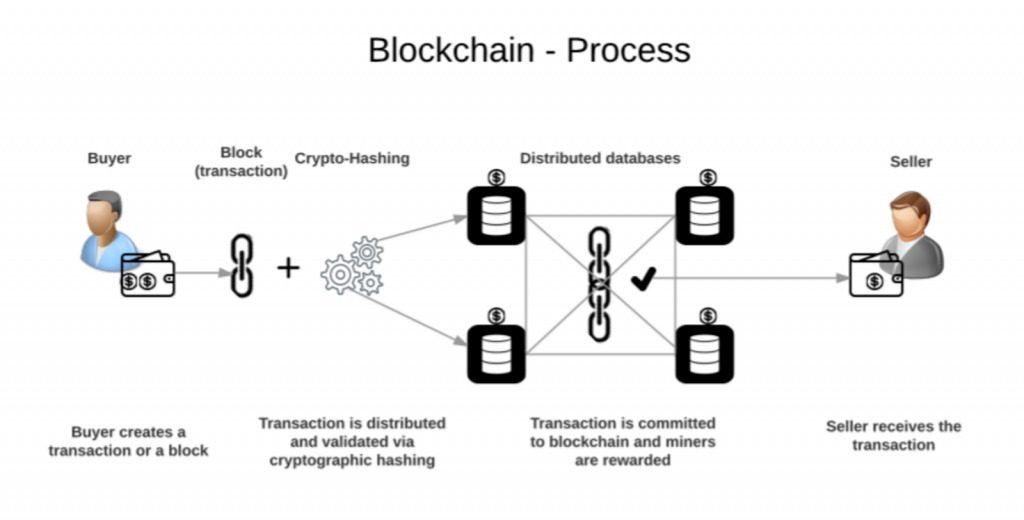
CryptocurrencyMost of the cryptocurrencies use Blockchain technology, which is decentralized and records transactions among computers. Cryptocurrencies are mainly used for trade finance. People usually use it to buy goods and services for many beneficial reasons.

Different types of cryptocurrencies

Bitcoin is the most popular among all cryptocurrencies and currently, there are at least 18.5 million tokens being used. Besides Bitcoin, there are more than 6,700 kinds of cryptocurrencies being used in the market nowadays. And, some of them are:

Ethereum: Ethereum uses a token named Ether and it mainly promotes free access. But mostly, it is for developers to get rid of middlemen and control their apps.

Litecoin: Litecoin was created in the light of Bitcoin to improve upon it. It is basically the same as Bitcoin other than faster time for transactions and a few more benefits.

Stellar: Stellar’s currency is Lumen and its uniqueness lies in people being able to transact between different countries. Also, huge transactions can be made with little to no hassle.

How to buy cryptocurrencies?

If someone wants to buy some cryptocurrencies for themselves, they will need an app where they can hold the currency like a ‘wallet’. Then, they can create an account and transfer real money to buy cryptocurrencies. Some online brokers are also selling cryptocurrencies. Notably, the exchange rate for cryptocurrencies can fluctuate at any time due to its decentralized nature.
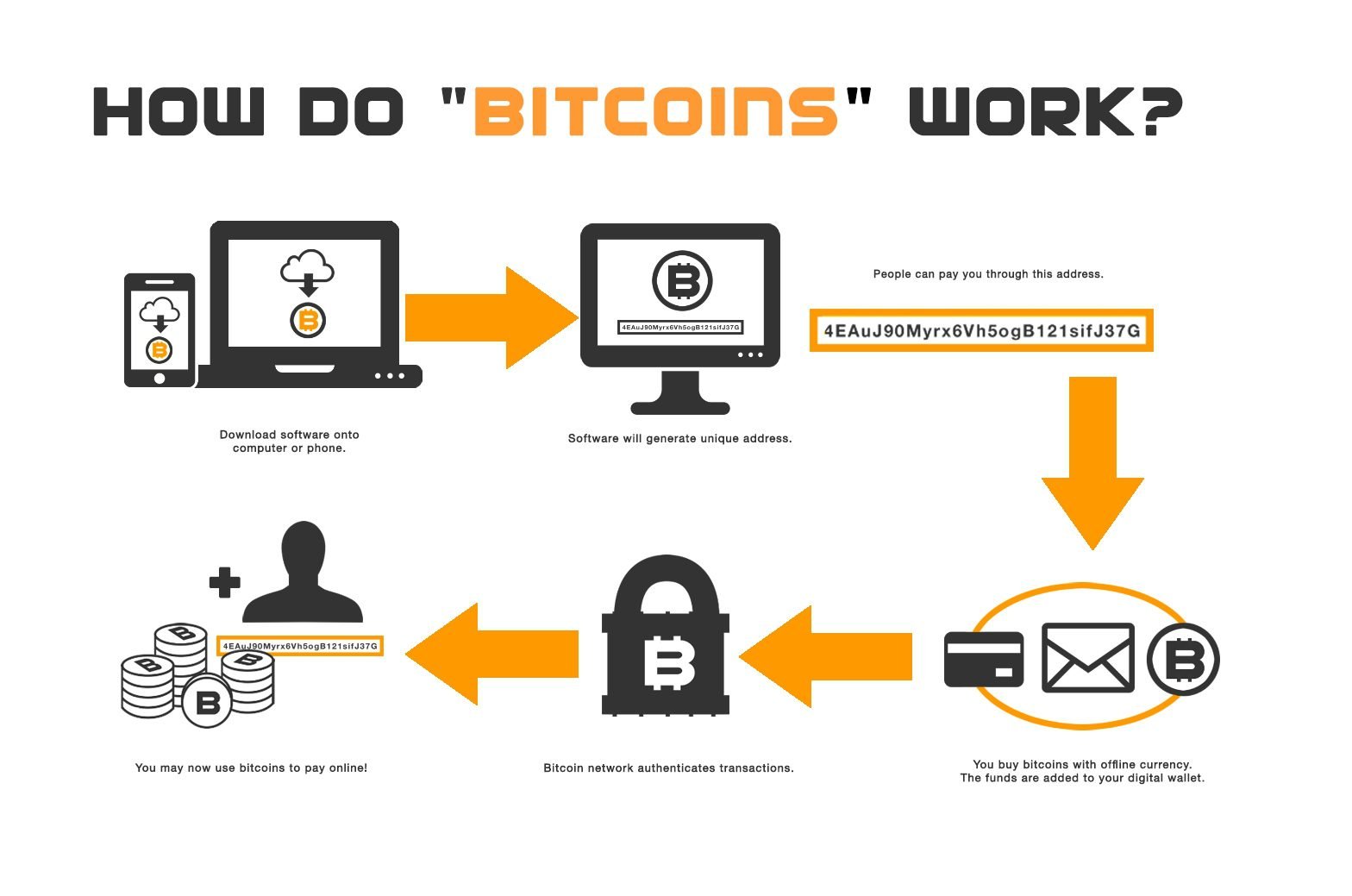
BitcoinFurther, cryptocurrencies are very much transparent. They have zero possibility of being stolen. The transactions can also be quicker and made with minimal transaction fees compared to banks or other financial organizations, which makes trade finance a much easier process.

By and large, cryptocurrencies are a little risky but as online transactions are increasing day by day, their importance is increasing too. One should only go along with purchasing cryptocurrencies with their advantages and risks all in mind.


Investment Banking is Not the Same in 2022

Investment Banking is Not the Same in 2022

Despite the black cloud of the COVID variant Omicron and the prospect of a fourth wave, the year 2022 seems to be more exciting. Fresh opportunities were created as a result of the new normal produced by the pandemic. A spirit of resilience has been instilled in the ecosystem by different players, including the Government, RBI, and companies in certain industries. 

The year is opening up new business opportunities for investment bankers as a result of the constant turnaround and recovery of the impacted industries, as well as a higher growth trajectory. Investment banking enthusiasts must have a thorough knowledge of the prospects. The industry has huge opportunities and scope, and a well-structured certificate course to polish your investment banking skills can do wonders for your career graph.

Factors influencing investment banking

Digital Processes

The demand for digitization and online commerce spawned a new set of activities and technological applications in a variety of sectors of the economy. Health, pharmaceuticals, and education have developed as high-demand industries.

Ecosystem

The administration also announced enabling policies and reforms to promote growth in a variety of areas. In the context of investment banking, all ecosystem sectors such as IPOs, mergers, and acquisitions, and private equity picked up steam and enjoyed unprecedented development.

Rehabilitation

The investment banking business experienced a considerable increase in activity with the reopening of global markets and the introduction of incentives by governments to alleviate the negative impacts of the COVID-19 epidemic.

Offline activities

Most investment banks have resumed working from office space and meeting customers in person, albeit on a limited basis. Investment banks have begun to use hybrid conference/roadshow techniques as well as cutting-edge technologies to realign and restructure deal origination processes. The market’s liquidity is projected to stimulate merger and acquisition (M&A) activity in the next years.

Keeping all these factors in mind and in light of the dynamic nature of the investment and banking industry, a few trends can be identified that will prove to be game-changing in 2022.

Trends in investment banking

Optimizing growth using first-party data

You can start stressing on first-party data through different structured teams tackling different segments. Much of the key personnel sources fresh data on potential business opportunities. Keeping track of all these data to find a potential lead quickly becomes a task; you need a focussed approach.

Using social capital to discover fresh opportunities

Investment banks amass massive amounts of exclusive first-party information on connections, firm financials, industries of interest, deal multiples, estimated bid ranges, and other topics. You can use these data points to develop insights and influence top-line growth strategies through thorough analysis. 

Enhancing the role of technology

While some in the sector are wary of technology, it is undeniably useful in investment banking skills. Banking is expected to spend $ 219 billion on information technology this year, a $ 20 billion rise over 2017. Some of this money will go into security measures against both human and AI fraud, as well as digitalization and artificial intelligence to better safeguard customers. You need to be technologically aware to succeed here.

A workforce transformation

Technology will also influence how you operate in investment banking. The way automated teller machines helped employees to move away from transactional activities and into more analytical responsibilities, automation will continue to elevate employment into more management ones.

The road ahead

The worldwide investment banking industry has undergone phenomenal development and is projected to continue its dominance over the forecast period. Investment banking is a section of a financial institution that provides consultancy services to governments, businesses, and market institutions. To stay ahead of the curve, you need to be updated with investment banking skills and requirements.

Consider these options to fine-tune yourself:

Certified Investment Banking Operations Professional – Knowledge Partner Euronext

This intense 180-hour Certified Investment Banking Operations Professional (CIBOP) course prepares you for a career in investment banking operations, treasury, and clearing services. Your only responsibility is to study; we will take care of the rest.

IIM Calcutta Investment Banking and Capital Markets

The Executive Programme in Investment Banking and Capital Markets was created in conjunction with the esteemed IIM Calcutta. This thorough one-year program will teach you the fundamentals and advanced concepts of global capital markets and investment banking. You’ll learn the fundamentals of mergers and acquisitions, debt and equity capital markets, portfolio management, sales and trading, and securities laws in this course geared for finance professionals with at least two years of experience. This IIM Calcutta executive program will assist you in achieving your objectives and establishing a successful career in the financial sector. 

Final Words

Imarticus Learning is a technology-driven training institute with vast expertise in transforming careers in finance, analytics and artificial intelligence, business analysis, and core technology. These certificates in investment banking have been chosen with your professional development in mind. The programs will assist you in achieving the peak of your desired career. We have locations around the country; come see us in Mumbai, Thane, Pune, Chennai, Bengaluru, Delhi, and Gurgaon, or communicate with us via chat assistance.

Top 6 careers in financial services and capital markets

Top 6 careers in financial services and capital markets

Financial services and capital markets are considered to be one of the most lucrative domains out there. Most of the job roles in the domain of finance offer great career prospects and growth. Because of the financial accounting work and the transaction of huge amounts of money in the capital market, there are a lot of career opportunities available with high earnings. If you really want to grow in the world of finance, then you must consider doing a financial risk management course.

Top Six Career Options in Finance Services

  1. Investment Banker – An investment banker raises capital for organizations and companies. Investment bankers also facilitate deals such as mergers and acquisitions for companies. Investment bankers also handle the portfolio of large investors and assist them in investing in start-ups as well.
  2. Financial Analyst – Financial analysts specialize in markets, accounting and economics, and compliance. They advise companies to make strategic decisions and invest, based on financial models, analysis, and revenue estimations. 
  3. Venture Capital Analyst – Here, the responsibility is networking, following the new market trends, and meeting potential targets. You will help provide start-ups and small firms with new business expansion plans but do not have access to the stock market. 
  4. Chief Financial Officer (CFO) – A CFO is tasked with conducting a company’s financial activities. He/she plays an important role in the overall success of a company by influencing the company’s strategy.
  5. Stock Broking – There is no doubt that stockbroking is a lucrative profession. You can also do a job as a stockbroker or even open your own broking house.
  6. Risk Analyst – The risk analyst’s liability is to minimize losses and mitigate the uncertainty of the company. He/she identifies and analyses potential threats to a company’s assets, and predicts changes, future trends, and costs for the company.

Top 6 Careers in Financial Services and Capital Markets


  • Credit Analyst – The responsibility of a credit analyst is to review financial information to finalize the process of loan decisions. Credit analysts may take part in audits of companies and individual clientele.


  1. Fund Manager – A fund manager’s main job role is to buy and sell shares in an establishment’s portfolio. This may include reviewing a company’s portfolio so that he/she is buying and selling the right stock options. Fund managers also administer the mutual funds and pensions of the company.

  2. Business Development Manager (BDM) – The BDM conducts research in markets and creates strategies for enhancement. He/she helps the company to grow with new ideas, processes, and plans.

  3. Actuary – The actuary mainly works in the insurance industry. He analyses the prospective risks for a business and develops insurance policies with all options and prices. The benefits for the company are estimated in the pricing of the insurance products.

  4. Senior manager – A senior manager is the mastermind of the initial public offering (IPO process). He/she raises funds for business and updates shares and bonds on the stock exchange boards so that investors can bid and be active in trading.  Opportunities are there in banks or finance companies for a senior manager.

  5. Underwriter – An underwriter is responsible for analyzing and finalizing applications for mortgages, loans, securities, and insurance policies. The financial risk of a company depends on the underwriter.

Conclusion

IIM Lucknow is offering the best courses to achieve top careers in financial services and capital markets. It is one of the leading colleges in India, and you must visit. Join now and conquer the world of money. The PGDM in Finance Management is the perfect course to start with for individuals who wish to start their own businesses also.

The Time is Now: Digital Transformation in Investment Banking Operations

The Time is Now: Digital Transformation in Investment Banking Operations

Investment banking is an age-old industry that caters to the needs of businesses, investors, and capitalists. Investment banking is known to have an in-person engagement for its business processes. However, due to the recent COVID pandemic, investment banks had to reduce the level of in-person engagement.

For ensuring business continuity during market disruptions, investment banks are undergoing digital transformation. Digital transformation is helping investment banks to ensure business sustainability in this competitive space. Read on to know more about digital transformation in investment banking operations. 

The rise of the fintech industry 

There are many fintech firms that provide banking services to their customers with the aid of technology. Not all banking services are provided with the help of technology as some processes still need in-person engagement. For example, investment banks have to meet the client to explain the due diligence reports and competitive analysis reports. However, the fintech industry is on a roll and is generating huge revenue. Investment banks have a close eye on how fintech players have grown by adopting technology for banking services. 

WFH culture 

Some investment banks were not in the favour of digital transformation. However, when the COVID pandemic hit the globe, it was clear that digital transportation was necessary. To ensure business continuity, investment banks had to adopt the WFH (Work from Home) culture. Adopting the WFH culture required developing a virtual desktop infrastructure so that the employees could work remotely. Also, some of the investment banking operations were automated with the aid of technology. Those activities that could not be performed remotely were automated like AML (Anti-money Laundering) activities.

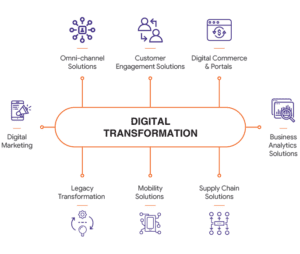
digital transformation in investment bankingThe effect of digital transformation on banks can also be seen in the recruitment process. Applicants with an investment banking operations course were selected via online tests and interviews. Young enthusiasts also looked for investment banking operations courses that could teach them about the technology being used in the industry. 

Use of new-age technologies 

The investment banking industry has now understood the importance of new-age technologies for business processes. Technologies like AI (Artificial Intelligence), data analytics, ML (Machine Learning), and others are being used by investment banks. AI/ML algorithms are being used to introduce automation in investment banking processes. 

Data analytics is being used widely in the investment banking industry to make sense of unstructured data. The customer and organizational data produced by investment banks need to be analyzed. It helps them in knowing the preferences of clients, market situation, and possible opportunities. The analytical insights can help an investment bank make better business decisions. You can find an investment banker course in India that includes data analytics and AI in its syllabus to highlight the importance of new-age technologies in the industry. 

You should choose an investment banker course in India that also focuses on digital transformation. Imarticus Learning is a reliable course provider that can help you in building a successful career in the investment banking industry. 

Why choose Imarticus?

Imarticus provides a ‘Certified Investment Banking Operations Professional’ certification course with an industry-endorsed curriculum. It is the best course for investment banking that will familiarise students with industry processes. Besides introducing financial markets to students, this course will also teach them about risk management and the trade life cycle. Imarticus also provides placement support via their investment banking course. You can learn job-relevant skills and can build a sustainable career. 

Conclusion 

You should choose a course that offers you an understanding of the tools and technologies used in the investment banking industry. Imarticus offers the best course for investment banking that covers multiple aspects of the industry. Start your investment banking course online now! 

The art of risk management in 2022

The art of risk management in 2022

Introduction

We are always taught to save a certain amount every month to deal with unforeseen situations like health ailments, unfortunate incidents, or job loss. Similarly, banks, corporates, and other organizations need a plan to prepare them to deal with the situation arising due to the volatile market. Here comes the need for a professional risk management expert who can help organizations prepare in advance.

With changing times, several new courses have been introduced, and risk management is one of them. A professionally trained risk management expert is a person who can assess the rapidly changing and volatile market, identify the probable risks, and control threats to an organization’s capital and earnings. 

Risk management

  • The process of risk management helps organizations predict emerging threats, understand the implications, and devise a strategy to avoid or minimize their repercussions.
  • Risk management emerged as a new area of knowledge more than two decades ago, causing profound changes worldwide. It has become essential in today’s volatile economy. 
  • Financial risk management is one of the most sought-after skillsets to have not only for the financial services industry but for other sectors as well. Having knowledge of risk management increases your chances of earning well.
  • Fuelled by the complexity of financial products, increased regulation, and recent notable failures, the risk management profession has seen considerable growth over the past 15 years. 
  • Risk management is not an easy job: it needs specialized skills and expertise.

Job opportunities

  • Like other careers, having an advanced degree and certification in risk management escalates your chances to have a sound career opportunity in the financial risk management sector.
  • Candidates with a professional degree in financial risk management (FRM) can hope to have promising job opportunities as chief risk officer, senior risk analyst, head of operational risk, and director, investment risk management, to name a few.
  • FRM training is essential for you if you plan to get into risk management.

Need for risk management experts

  • Primarily, risk management has been associated with the banking, finance, and insurance sector (BFI). 
  • However, the global COVID-19 pandemic, the financial crisis, and the failures of several corporates have called for the need to have risk management experts in almost every sector who can evaluate and address potential risks across the enterprise, rather than in just the financial parts of the company. 
  • This has opened doors to various job opportunities for graduates with a professional degree in risk management.

Risk Management in Banking

  • It is difficult for anyone to predict or sense future challenges in any sector. Banking, in particular, has a cascading impact across industries. 
  • Thus, the requirement for risk management is inevitable for the banking sector compared to other sectors. 
  • With the expertise of risk management professionals, banks can initiate some initiatives now to deliver short-term results while preparing for the coming changes. 
  • By preparing in advance, banks will be able to avoid risk functions created by unforeseen situations.

Risk Management courses

  • Given the rising demand for experts in various industries, several institutions, including Edtech platforms such as Imarticus Learning, a technology-driven educational institute, have started offering professional courses in risk management.
  • The availability of courses in online mode offers an opportunity for people from anywhere to opt for this course at their convenience. 
  • Undergraduate and postgraduate students can simultaneously pursue such courses. It helps them save time and get into the professional world. 
  • Working professionals can also opt for risk management to improve their employability in various capacities depending on their skillsets.

Investment banking course with placement

In addition to risk management, Imarticus Learning also offers Certified Investment Banking Operations Professional (CIBOP). The duration of the course is 180 hours and equips you with the skillsets required to begin a career in investment banking operations, treasury, and clearing services. Placement is also taken care of by the institute.

Blockchain innovation and the top-notch certifications to look out for in 2022

Blockchain innovation and the top-notch certifications to look out for in 2022

Blockchain is creating a dent in the world of business. It has disrupted the way we conduct business, the way we interact, and the way we transact. Over the last decade or so, blockchain has acquired quite an immutable status. 

If you look closely at the FinTech sector, you will notice a plethora of applications of blockchain. In fact, blockchain innovations are revolutionizing the service industry so much that a microcosm of fintech apps has leveraged this technology in its design and development. Understanding this technology, therefore, is a crucial part of working in the FinTech sector. It has become an integral module in some of the best FinTech courses in India. 

In this blog post, we will discuss the blockchain innovations you should be up-to-date on and the Blockchain certification that can help bring you up to speed. 

Why should you know about Blockchain innovations?

Hands-on, up-to-date knowledge about blockchain is an asset in today’s world, especially if you’re considering working in the financial sector. Any kind of digital work in FinTech will involve blockchain technology. If you understand how it works, you will be able to add value to the user experience as well as think of innovative applications of the concept. 

In short, knowledge of blockchain gives you a competitive edge as a candidate or a technology worker. 

Why do you need a Blockchain Certification?

Sure, working in the FinTech industry is lucrative: the FinTech market is estimated to be valued at $1.3 Tn by 2025 and is expected to grow annually at 31%. This figure encompasses almost 2,000 startups, of which 17 are unicorns. With this tremendous growth comes the need for specialized skill-sets in human resources. This is where your blockchain knowledge can give you an upper hand over others. 

Roles in the FinTech sector can vary widely, but you will start with a fundamental understanding of how blockchain works. Where can you acquire this knowledge? A blockchain certification will help you bridge the knowledge and/or skills gap. 

A blockchain certification will start with an introductory understanding of the technology and related concepts. From there, it will expand your comprehension of the technology application in the sector. 

Upon completing one of the best FinTech courses in India, you will be able to answer questions such as: How has blockchain technology made cryptocurrencies a reality? How has this technology transformed lending, security, consumerism, business models, and digital property landscapes? What makes blockchain successful, and how can we improve our products and services by leveraging this technology?

Certain blockchain certifications will involve a more specialized approach aimed at developers and cloud architects who work on the technical side of things.

No matter what profession or department you work in, blockchain certification can reap benefits like higher salaries relative to non-blockchain roles. It will give you a competitive edge and help your business or organization gain a first-mover advantage in adopting blockchain technologies. 

What makes a good Blockchain certification in 2022?

You will find that the best FinTech courses in India impart more than just foundational knowledge about blockchain. They share practical implementation and actionable insights on how you can use this knowledge in real-world business situations. After all, in the end, that’s what matters: how effectively can you address business conundrums through your expanded knowledge base.

One such course is the Professional Certification In FinTech, provided by Imarticus Learning in partnership with SP Jain School of Global Management. It combines the best of both worlds: hands-on training on intuitive and smart platforms, as well as training from FinTech leaders. Everything you wish to learn about Cloud Computing will just be a few steps away.

In the end, you will be handed a real-life business simulation for assessment of your decision-making, problem-solving, and critical thinking skills. 

If you are keen on upskilling, you can enroll or discuss it with a counselor before applying for the course. You can also visit one of our centers in your city for more information. 

Technical Analysis Of The Financial Markets In 2022

Technical Analysis Of The Financial Markets In 2022

Finance experts are keeping a keen eye on the global financial market. It is needless to say that after COVID-19, the whole financial market has been impacted in some way or the other. Also, financial investors and analysts opine that financial markets will experience a bumpy ride in 2022. 

The Omicron variant of Coronavirus is responsible for soaring inflationary pressure, disruption of international supply chains, and rising interest rates. Economic growth is at an all-time low in all sectors. Adding to the woes, price pressures are intensifying in significantly stretched supply chains. Financial valuation and modeling are all going haywire as analysts are not able to gauge the coming future.

There is hope that the pandemic will ease somewhat in 2022. If that does not happen, there are high chances that the central banks will raise interest rates. They might also try and cut back on their multi-trillion-dollar bond-purchasing stimulus programs for reining the inflation. 

Financial Markets In 2022

As per anticipations from the US Federal Reserve, there are high chances of increasing borrowing costs by almost three times in 2022. This will lead to market spooking and disrupt the recovery process, which is quite slow in 2022. 

Eminent analysts said at the Japanese bank Nomura that central banks are already feeling the heat due to high inflation. By the end of 2022, the backdrop will be very different. Stagnation will pose a bigger risk than stagflation. 

A senior income strategist at a renowned bank agreed to the fact that 2022 would be a choppy year for the market as a whole. It is expected that global financial conditions will become tighter. Further, there has been a substantial rise in Fed and US rates. The result is triggering volatility in markets. 

The bond market is also under the scanner. Days are not far when this market will face a day of reckoning, until and unless monetary policies never normalize. Government bonds that are long-dated will face the ire most. Experts offering financial planning and analysis recommend bond investors look for shorter-dated bonds for protecting themselves. They also advise looking for strategic funds and higher-yielding markets, which come with a flexible approach. 

It is expected that The Bank of England will increase its interest rates in 2022. The increase will be almost two or three times. The bank also lifted its primary interest rate to 0.25% at the meeting in December. Even then, the concerns regarding Omicron were pretty high. In 2022, investors should be mentally prepared for more volatility. 

The picture of Europe and Asia is also pretty grim. There has been a huge surge in energy prices on both continents. This has driven inflation higher in 2022. After easing down lockdown measures in these continents, there was a massive gap in demand and supply. It became really difficult to meet the demands of consumers with limited supplies. 

Many advanced economies in Asia and Europe faced this brunt post lockdown situation. High rates of inflation are expected to stay, but probably for short periods. By the end of this year, the rates are expected to drop. 

An eminent market strategist pointed out that investors had not taken the winter energy crisis seriously and now this is driving up bills. Not only this, it is compelling many factories to suspend work. Europe stands highly vulnerable to this crisis. Meanwhile, China is facing industrial dislocation and power outages which might lead to a new supply chain chaos. 

As per insights from an experienced portfolio manager, low-profitability but high-growth tech stocks might not fare well in a world of ever-rising interest rates and high inflation. 

China is the world’s second-largest economy and its weak growth means pulling commodity prices down. As per predictions from Oxford Economics, iron ore prices will be below the current level prices by the end of 2022. 

Higher vaccination rates, particularly in emerging market countries, bring some hope for reopening trade. Port and factory closures will also be minimized. 

To top it all off, you cannot ignore the geopolitical turmoil that is taking place in different countries of the world. Elections in the U.S. and France, the war between Ukraine and Russia, and the turmoil in Sri Lanka – all are contributing to the bumps in financial markets in 2022. 

Conclusion

Though financial markets are going through a really tough time, we need to keep our hopes high. Our financial experts and analysts are keeping an eye on the whole matter and providing us with helpful insights so that we can plan our investments better. 

If you understand financial analysis or investment banking operations, then you will understand these trends and situations better. Join courses and programs at Imarticus Learning if you want to know how to become an investment banker or a financial analyst. 

5 structured finance training strategies that can help your business make accurate financial projections

5 structured finance training strategies that can help your business make accurate financial projections

Making accurate financial projections is essential for any business. If you want to succeed, you need to plan for the future and make informed decisions based on data. This blog post will discuss five structured finance training strategies to help your business make accurate financial projections. By following these strategies, you can enhance your forecasting skills and make sound financial decisions for your company!

Here are five structured finance training strategies that can help your business make accurate financial projections:

Tip #01: Use a Forecasting Tool

The first step to making accurate financial projections is to use a forecasting tool. Many different software programs and online tools can help you with this task. By using a forecasting tool, you will be able to input your data and generate realistic predictions for your business.

Tip #02: Understand Your Data

It is essential to understand your data to make your projections. It would be best if you took the time to learn about financial concepts and terms to interpret your information correctly. Additionally, you should clean and organize your data to work efficiently.

Tip #03: Make Assumptions

When making financial projections, you will need to make assumptions about the future. For example, you may need to estimate the inflation rate or your industry’s growth. It is essential to be realistic when making these assumptions so that your projections are accurate.

Tip #04: Use Sensitivity Analysis

Sensitivity analysis is a technique that can help you understand how your projections will change if your assumptions are different. It is a valuable tool to use when making financial projections because it can help you identify risks and opportunities for your business.

Tip #05: Review Your Projections

Once you have made your financial projections, it is essential to review them periodically. This will help you identify any errors or changes that need to get done. Additionally, reviewing your forecasts can help you fine-tune your forecasting skills to make even more accurate predictions in the future!

By following these tips, you will improve your forecasting skills and make sound financial decisions for your company. Making accurate financial projections is essential for any business, so be sure to use these strategies when planning for the future of your business!

Discover a diploma in finance management with Imarticus Learning

Our capital market certificate course will provide the student with a solid understanding of investment banking, capital markets, risk management, and fintech. IIM Lucknow’s finest business school has developed this six-month intensive program. Experienced middle managers wanting to reignite their financial service professions may benefit from this training.

Course Benefits for Learners:

  • Learners will have the opportunity to meet and interact with their classmates and industry experts as part of this equity research course.
  • With a curriculum that emphasizes results and a pragmatic learning style, you’ll be well on your way to mastering the material. Students will learn core subjects in this course, including investment banking, capital markets, risk, and fintech.
  • A capital markets certificate covers all of the information students need to know about the financial sector and its functions.

The impact of digital banking on institutional investment banking

The impact of digital banking on institutional investment banking

The digital revolution is bringing about a transformational change in the world and investment banking is no different. Until a decade ago, an institutional investment banking firm was expected to be the only place where substantial research on markets and investment opportunities was available. Those seeking investors had to rely almost completely on investment banking firms for identifying and approaching investors.

Technology has dramatically changed the skill sets that an institutional investment banking firm is expected to have. By extension, this also means that the professionals working in this segment have to upskill themselves. Therefore, in order to be successful in your investment banking career, consider the following skills and upgradations.

Digital re-orientation in institutional investment banking

The executive working at an investment banking firm can empower himself by training himself to bring more resources to the job. For example, if you are working on a mandate to find an investor for a domestic company, you can showcase endless possibilities to your client by identifying investors in India as well as other countries.

This would definitely showcase the value to a client who would have a limited list of prospective investors already with him. The IPO cycle has also changed, and companies list faster, as well as go for listing abroad. In such a scenario, the expertise of institutional investment banking is still needed but the scope of work has changed. 

Relearning investment banking for the technology era

While it is possible to sporadically improve performance at the job by adopting oneself to video meetings, using information websites more often, and using investor portals suggested by colleagues, this mode of learning can be slow. What can bring confidence to you, is going through a well-researched curriculum that is developed to be relevant in the era of digital banking.

This means that those who undertake the course systematically study the new players that have emerged, the evolving range of investment banking services, managing global regulatory framework related to finance, automation, data science for financial professionals, aggregating platforms, and more. An intensive course should also include industry engagement. 

A key factor to bear in mind is to go for a learning course that has proven itself in the area of investment banking courses with placements. Also, an investment banking career is shaped by recognized certifications so that the market readily accepts the value you bring. 

Conclusion

An investment in learning will definitely impact the outcomes at your job. This is more so for investment bankers as they thrive on ideas. With lessons on digital transformation, disruptive platforms, automation, data science, analytics, and global finance, there is a possibility to unleash a thought leader in you. By going through a course, a working executive enjoys the advantage of educating himself about almost every change that is happening in their industry. Learning the fundamentals of how technology and digital banking function, can create both short-term and long-term advantages for all the participants. 

Imarticus Learning offers a course that has proven to be effective because of a successful placement record, and certifications, and you also get a chance to learn the fundamentals of not only digital transformation but also understand everything you need to know to have a successful investment banking career.

Learn more details about the course by contacting our chat support or driving to one of our centers in Mumbai, Thane, Pune, Chennai, Bengaluru, Delhi, and Gurgaon

Talent Acquisition And Development For Credit Analyst Course In 2022

Talent Acquisition And Development For Credit Analyst Course In 2022

Do you aspire to be a credit professional? Are you on the lookout for a course that will equip you with the necessary skills to be one? To put it simply, through a Credit Risk Analyst Course, a learner can acquire the skills required to perform due diligence in terms of assessing if a particular borrower or debt issuer has creditworthiness.

It encompasses a broad range of topics, including credit modeling, consumer credit, credit derivatives, credit portfolio risk management, etc. As a learner, you can get exposure to analytical tools and techniques crucial to evaluating if a borrower can generate enough cash flows to meet debt obligations.

Individuals aspiring for a dynamic and aggressive career in commercial banking, credit rating, private lending, insurance, corporate credit, etc., can benefit immensely from a Credit Risk Analyst Course.

Talent Acquisition for Credit Analyst Course

credit risk analyst courseCredit Risk Analysis is primarily a number-crunching job that needs a strong foundation in finance. If you’re keen to pursue a Credit Analyst Course, you should have a Bachelor’s Degree in finance, accounting, or other related fields such as ratio analysis, statistics, economics, calculus, financial statement analysis, and risk assessment.

These subjects aid risk management, making them crucial for a Credit Analyst Certification Course. Some potential employers may also give preference to candidates with an MBA, Credit Business Associate certification, or a Chartered Financial Analyst designation. While a financial background is certainly a plus point, some employers also choose to hire college graduates and train them on the job.

The Credit Analyst Training has educational subjects in the course such as industry and ratio analysis. This is because assessing the environment of a company is one of the critical components of assessing its risk. Candidates can also go for a Postgraduate diploma in banking and finance to gain deeper insight into the professional as well as practical knowledge of these sectors.

What to Look for in a Credit Analyst

An individual foraying into the field of credit analysis should have the following qualities:

  1. Ability to handle very high responsibilities in their job.
  2. Ability to assimilate a set of numbers and identify their implications for any specific client.
  3. Ability to effectively disseminate decisions to a wide group of people, be it orally or in print. Coming up with a solution to a problem makes little difference if it is not effectively communicated to others.
  4. Multitask ability to handle multiple projects simultaneously and prioritize projects efficiently.
  5. Basic knowledge of software usages like Microsoft Excel and other software that helps analyze numerical data.
  6. Fluency in English, besides strong oral and written communication skills. The candidate should also have a sharp sense of ethics and analytical and organizational skills.

Career paths of a Credit Analyst

Doing a Credit Risk Analyst Course opens a plethora of career opportunities, as a wide spectrum of businesses needs credit analysts. Be it banks, credit rating agencies, auto manufacturers, retail store chains, or even utilities and energy companies, any business that extends credit to its customers will recruit credit analysts to execute this job seamlessly.

The Credit Analyst Certification Course also helps you foray into lucrative careers like an investment banker, portfolio manager, or loan and trust manager.

If you’re on the lookout for top-notch credit analyst training that follows a strictly professional approach, Imarticus is the best bet. As providers of some industry-leading courses, we promise to hone skills that will give you an edge across industries such as financial services, analytics, AI, business analysis, and core technology.

Being a technology-driven educational institute, we leave no stones unturned to upskill individuals as per the demand of the times. You can drive to any of our training centers in Mumbai, Thane, Pune, Chennai, Bengaluru, Delhi, or Gurgaon, for more information.