Artificial Intelligence (AI) and Machine Learning (ML) are now considered the next frontier of asset management. It has been under constant evolution and several technological innovations are made as per the changes posed by the asset owners.
Even though the traditional sources of differentiation in asset management are getting commoditised rapidly, it is not completely demolished from asset management. AI and ML are providing new opportunities to extend a company’s reach in the global market for cost reduction and efficient operations.
Many big corporate sectors are now leaning towards making AI and ML the next frontier of asset management. In this article, let’s learn in detail about the significance of AI and ML in asset management.
What is Artificial Intelligence (AI) and Machine Learning (ML)?
Artificial Intelligence is a branch of computer science that deals with building potent and smart machines that are capable of performing tasks like humans. It encompasses a wide range of techniques and methodologies to enable assets and machines to learn, reason and make informed decisions based on the data.
Machine Learning is one of the branches of Artificial Intelligence, which is now shifting paradigms of every sector in the tech industry. It primarily focuses on using varied data and algorithms to imitate human intelligence. Machine Learning or ML is now considered the future of the tech industry, which is trying to improve its accuracy gradually.
Trends of AI and ML
Artificial Intelligence and Machine Learning are transforming the society at large. Addressing the elephant in the room, ChatGPT is now the newest AI language model that has taken over the world. This has predominantly enhanced the course of modern search engines.
However, there are various trends AI and ML are working on, which would be a great asset when it comes to asset management. Let’s see what they are.
AutoML
AutoML or Automated Machine Learning, is one of the most promising aspects of AI branches. It helps improve construction reporting and automatically tunes the net architectures of a software industry.
AutoML is a neural network model that facilitates tuning and helps reach the market cost-efficiently. It is also a fast way that provides promising solutions and is the latest AI and ML trend in 2023.
AI-enabled Designs
AI is generally known to streamline procedures primarily related to data, image and linguistic analytics. Recently, OpenAI has developed new models combining languages and images to generate conceptually new designs using the prompts. The AI-enable conceptual designs are ideal for healthcare, IT, retail and finance industries.
AI-based Cybersecurity
With the emergence of new cyber threats every day, the development of cybersecurity has now become crucial to sustain in society. AI and ML are playing a growing role in determining and responding to the newest cybersecurity threats. Organisations are now integrating AI to proactively defend the security curve and not suffer a higher rate of negative impacts.
Bias Removal in ML
As enterprises are adopting AI gradually, the challenge of AI bias is now a genuine concern. It refers to refers to the potential for machine learning algorithms to produce discriminatory or unfair outcomes due to biased data or biased model training.
To address this concern, efforts are being made to remove AI bias. This will help in making objective predictions and people are not discriminated against on any grounds of medical treatment, product buying or applying for loans.
Role of AI and ML in Asset Management
Asset management has been integrated with technology for decades and has come up with a variety of uses. As technology is revolutionising, the asset management sectors are now incorporating AI to upscale their business. Here are some ways one can identify the roles of AI and ML in asset management.
Improving UI
Companies involved with asset management are utilising UI or user interfaces at great lengths to gain a large number of audience. With the help of artificial intelligence, companies can enhance their connectivity and achieve goals. This also enhances their client service, data analytics, production and technology.
Operational efficiency
AI and ML enable predictive maintenance, identify maintenance needs, reduce asset downtime, and optimise maintenance activities. They also help in detecting potential issues, optimising asset allocation for better utilisation and improving demand forecasting for efficient company operations.
Investment procedures
Investment procedures also incorporate AI and ML for pre-trade analysis. These technologies are used to get data-driven insights for informed decision-making, assessing and managing investment risks effectively. AL and ML help asset managers to use advanced analytics and automation for improved investment performance.
Conclusion
Asset management has now become a crucial part of both business and personal purposes. Therefore, incorporating advanced technology to modulate assets has become vital.
Data analytics and management accounting go hand in hand with one another. Accounting not only helps in storing the financial accounting details of a company, but it also serves as a great source of data that can be used for deriving meaningful insights.
With accounting software, it has become possible to go through and analyse accounting data and interpret valuable information. This information is used for making informed business decisions. With accounting data analytics businesses have become more competitive, efficient and profitable.
What do you mean by data analytics in accounting?
There is no specific definition of data analytics. Data analytics is inclusive of sourcing relevant data and performing the analysis of the data. The insights gained from the research are used for informed decision-making by a business.
Cost management professionals and management accountants use data analytics to discern various patterns in customer spending, predict regulatory reactions, identify market behaviour and anticipate market trends.
Many accountants have a specialisation in data analytics. They develop skills in managing, analysing and mining various streams of data. This helps them in gathering the minutest of details which are used for identifying patterns, answering questions and making fact-based predictions.
What are the different types of data analysis for management accounting professionals?
With the help of analytics, a proficient accountant can make a business use a continuous data-monitoring model instead of static representative samples for decision-making. This not only helps in providing a holistic view and also empowers the business management to take timely and more accurate decisions.
Let us take a look at the different types of data analysis used in accounting:
Descriptive Analytics
In this kind of analytics, the accountant has to answer the basic question ‘what is happening’. For this, the accountant has to consider all important and available data points and create perfect and accurate reports. The reports must reflect the business reality. Descriptive analytics is mainly used by accountants for creating financial reports and statements.
Diagnostic Analytics
The question that the accountant answers in this analytics is ‘Why’. Accountants depend on historical data and current information for providing insights and reasons for the known results. This analytics is mainly used for creating dashboards of completed business periods.
Predictive Analytics
In predictive analytics, accountants try to understand ‘what’s next’. Accountants are often endowed with the responsibility of creating business forecasts. With access to Big Data and analytics, accountants can now predict the various patterns which drive the forecasts.
Prescriptive Analytics
Accountants cannot just predict where businesses will go in the future but can take the businesses there in real time. With the use of data analytics, accountants can generate fact-driven reports, which can be transformed into actionable steps. This analytics is used while building data-supported business plans.
Accountants can choose to specialise in one kind of analytics, but in the long run, they will need to learn all the types for working across various categories.
How do accountants use data analytics for helping a company?
There are many ways in which an accountant uses data analytics for helping a business organisation. Some of them are as follows:
Understanding consumer behaviours
Reviewing and tracking internal behaviours and consumer patterns and employee productivity waves help accountants in driving growth plans and business decisions.
Evaluating performances
You can evaluate the performance of every business area by using predetermined metrics. An accountant looks at quarterly goal performance, revenue data and production numbers and evaluates performances accordingly.
Structuring business improvements
Data analytics can find out areas in the business which are not performing up to the mark or as per expectations. For creating an effective strategy, the accountant will review historical sales performance numbers, sales forecasts and operating costs.
Mitigating risks
With the help of data analytics, an accountant can manage and uncover various areas of potential or current risk in real-time. Some of the areas where the accountant focuses include investment opportunities, funding needs and process flows.
Building business plans
For making suitable plans for the future, a company needs to understand past and present business patterns in detail. An accountant takes a look at various factors like employee retention patterns, historical sales numbers, equipment life cycles and organisational spending.
Maximising profits
Data analytics provide clear insights from datasets and businesses can use these insights for making crucial decisions, which build up their bottom line. Accountants look at various data points including current market trends, past purchasing behaviours and patterns, customer orders and inventory management. All these help in maximising profit margins for the business.
Finding new opportunities
For developing a competitive advantage and finding opportunities to grow, businesses have to take a look at current trends and analyse past performance at the same time. Some of the important factors that are to be taken into consideration include current customer breakdowns, operational capabilities and market patterns.
Various tools in use for data analytics in accounting
To become a successful accountant with data analytics, you must have critical thinking abilities and technical skills. You must be well-adept in various industry-specific data analytics tools to help businesses make informed decisions.
Some of the accounting tools, which you must know include Power BI, Microsoft Excel, IDEA, Tableau and AI and analytics. Having a sound knowledge of programming languages like ‘R’ and ‘Python’ proves to be effective for an accountant. Apart from these, presentation and communication skills are also needed for a perfect career.
Wrapping it up
With the continuous generation of new data points, data analytics in accounting has become an important field to explore. Accountants can expand their skills in this evolving field. If you are into cost management or management accounting, using data analytics can give your career a great boost.
Imarticus Learning offers a CMA Certified Management Accountant course to interested candidates. With the CMA USA certification, you can become a leader in the world of finance and accounting.
You can take up the CMA course after graduation or even while pursuing a job. With the USA CMA course, you can master the required skills as a CMA. With expert mentoring, you are sure to get guaranteed interviews in top companies in the world.
In today’s growing digital age, businesses constantly seek innovative ways to expand their online presence and engage with their target audience. One such strategy that has gained significant traction recently is podcast marketing. Podcasts offer a unique and immersive experience for creators and listeners, making them an effective tool for enhancing a brand’s digital marketing strategy.
This article will explore how podcasts play an important role in digital marketing and discuss effective podcast marketing strategies.
The Rise of Podcasts in Digital Marketing
Podcasts have surged in popularity, creating a significant opportunity for businesses to enhance their digital presence. There were more than 400 million podcast listeners in 2023 alone, which is set to rise to 504.9 million listeners. Unlike traditional marketing, podcasts enable brands to connect with their audience personally, fostering trust and engagement. With this medium, businesses can captivate listeners, expand their reach, and cultivate authentic relationships.
Building a Social Media Presence through Podcasts
Podcasts and social media form a powerful alliance, synergistically enhancing digital marketing strategies. Integrating podcast episodes into social media platforms enables businesses to broaden their reach and engage a larger audience organically. This dynamic combination strengthens brand visibility and fosters growth in the digital landscape.
Promoting Podcast Episodes on Social Media
Social media platforms provide an ideal space for promoting podcast episodes, sharing snippets, and engaging with listeners. Podcast teasers, episode highlights, or intriguing quotes can be shared across platforms like Facebook, Instagram, Twitter, and LinkedIn. These snippets serve as teasers, encouraging potential listeners to tune in and create a buzz around the podcast. Additionally, businesses can use social media advertising to target specific audience segments and promote their podcast to a wider audience.
Encouraging Listener Engagement and Feedback
Social media platforms also allow businesses to engage with their podcast listeners. Encouraging listeners to comment, share their thoughts, and provide feedback on social media helps create a sense of community around the podcast. Responding to comments and actively participating in discussions fosters a deeper connection with the audience and encourages them to become loyal brand advocates.
Leveraging Podcasts for Thought Leadership
Podcasts offer businesses and industry experts a unique opportunity to showcase their knowledge and establish themselves as thought leaders in their respective domains. By hosting informative and educational podcasts, brands can position themselves as authorities in their industry, gaining credibility and attracting a loyal audience.
Hosting Informative and Educational Podcasts
Hosting podcasts that delve into industry-specific topics, share insights, and provide valuable information helps businesses establish thought leadership. By offering unique perspectives, discussing trends, and providing actionable advice, brands can demonstrate their expertise and become go-to resources for their target audience. This positions the brand as a trusted source of information and builds credibility over time.
Featuring Guest Experts
Collaborating with industry experts and thought leaders as guest speakers on podcasts adds a layer of credibility and authority to the content. Guest experts bring unique knowledge and experiences, providing valuable insights to the audience. Such collaborations not only enhance the quality of the podcast but also expand its reach as guest speakers often promote the episode to their own networks, exposing the brand to a new audience.
Incorporating Podcasts into Content Marketing Strategy
Podcasts can seamlessly integrate into a brand’s existing content marketing strategy, providing an additional channel to distribute valuable content. Transcribing podcast episodes into blog posts or repurposing them into video content can maximise their impact and reach. This multi-format approach allows businesses to cater to different audience preferences and expand their content distribution across various platforms.
Transcribing Podcast Episodes into Blog Posts
Transcribing podcast episodes into written blog posts not only makes the content more accessible to a wider audience but also improves search engine optimisation (SEO). By transforming the spoken content into text, businesses can optimise their blog posts with relevant keywords, attracting organic traffic to their website. Additionally, blog posts provide a platform for further elaboration and discussion of the podcast topics, encouraging audience engagement and driving website traffic.
Repurposing Podcast Content into Videos
Repurposing podcast content into videos allows businesses to tap into the growing popularity of video content. Creating visually engaging videos that highlight key points, insights, or interviews from podcast episodes can attract a different audience segment who prefers video consumption. These videos can be shared on platforms like YouTube, Vimeo, or social media channels, expanding the brand’s reach and enhancing the overall digital presence.
Another effective podcast marketing strategy is through advertising and sponsorships. As podcasts continue to gain popularity, businesses can collaborate with relevant podcasts in their niche to reach their target audience. By sponsoring or advertising on popular podcasts, brands can tap into these shows’ engaged and loyal listener base, effectively promoting their products or services.
Captivate and Connect with Podcasts
The surging popularity of podcasts presents an exceptional chance for brands to connect with their audience, establish industry authority, and extend their influence. By integrating podcasts into their digital marketing approach, businesses can cultivate a customised and engaging experience for their specific target audience. This strategic incorporation of podcasts enables brands to enhance brand recognition, drive meaningful engagement, and achieve desired conversions.
As the podcast landscape continues to evolve, embracing this medium can serve as a transformative factor for businesses aiming to distinguish themselves in the vast digital realm, which demands keeping up with the changing trends. As volatile as digital marketing spaces can be, leveraging the right resources to upskill is the best way to stay ahead of your competitors.
Perceiving the same competitive nature of the industry, Imarticus brings you IIM Indore Digital Marketing Course to help you stay abreast with the latest digital marketing developments.
An effective supply chain management system is crucial for any organisation. Removing delays and accelerating the delivery process can revolutionise an organisation and eventually save consumers money and time. In this blog post, we’ll look at some of the most important aspects of supply chain management, talk about the job of a supply chain analyst, and offer advice on how you can build a successful and sustainable supply chain career.
What is Supply Chain Management?
Supply Chain Management (SCM) is the internal system of business companies that manage the flow of goods. It encompasses the processes involved from the sourcing of raw materials to the delivery of the final product to consumers. The key phases of supply chain management include planning, execution, production, marketing, distribution, finance management, and customer service.
For every company, a strong supply chain management system is a vital asset. By minimising delays and expediting the delivery process, it has the ability to alter processes, eventually saving the business and its clients money and time.
Operations and finances are two crucial topics that are covered by supply chain management. Businesses may simplify logistics, improve production processes, and guarantee prompt client delivery through excellent supply chain management. This ultimately improves client loyalty and satisfaction.
It is impossible to exaggerate the importance of data and analytics breakthroughs in supply chain management in the current digital era. Supply chain experts may make wise decisions and proactively handle difficulties with the help of cutting-edge technology and data-driven insights.
Supply chain experts may make wise decisions and proactively handle difficulties with the help of cutting-edge technology and data-driven insights. Companies may increase operational efficiency overall and have a deeper grasp of client demand patterns by using data.
What is the Role of Data and Analytics in Supply Chain Management?
Supply Chain Management relies heavily on data and analytics advancements to optimise processes and enhance decision-making. By harnessing the power of data, supply chain analysts can create predictions and insights regarding customer demand, enabling companies to make proactive decisions and stay ahead of their competitors. Through data analysis, supply chain management becomes a dynamic and responsive field that drives efficiency, cost savings, and customer satisfaction.
The interconnectedness of supply chain management necessitates a broader knowledge encompassing various fields related to the system. While it primarily concerns the management of goods, it also involves people management, making interpersonal skills essential for success in this field. Supply chain professionals need to understand not only the technical aspects of logistics and operations but also the strategic aspects of finance, marketing, and customer service.
Supply chain management is a complex and multifaceted discipline that requires a comprehensive understanding of the flow of goods and services. With the increasing importance of data and analytics, supply chain analysts play a critical role in optimising processes, driving business growth, and improving customer satisfaction.
What is the Role of Sourcing in Supply Chain Management?
The idea of sourcing is crucial in the context of supply chain management. Finding and choosing suppliers who can deliver the essential raw materials, components, or services for production is known as sourcing. Effective sourcing techniques aid in cost reduction, quality assurance, and risk reduction. It guarantees that the appropriate resources are acquired from dependable sources at the appropriate time, assisting in maintaining efficient operations and meeting client expectations.
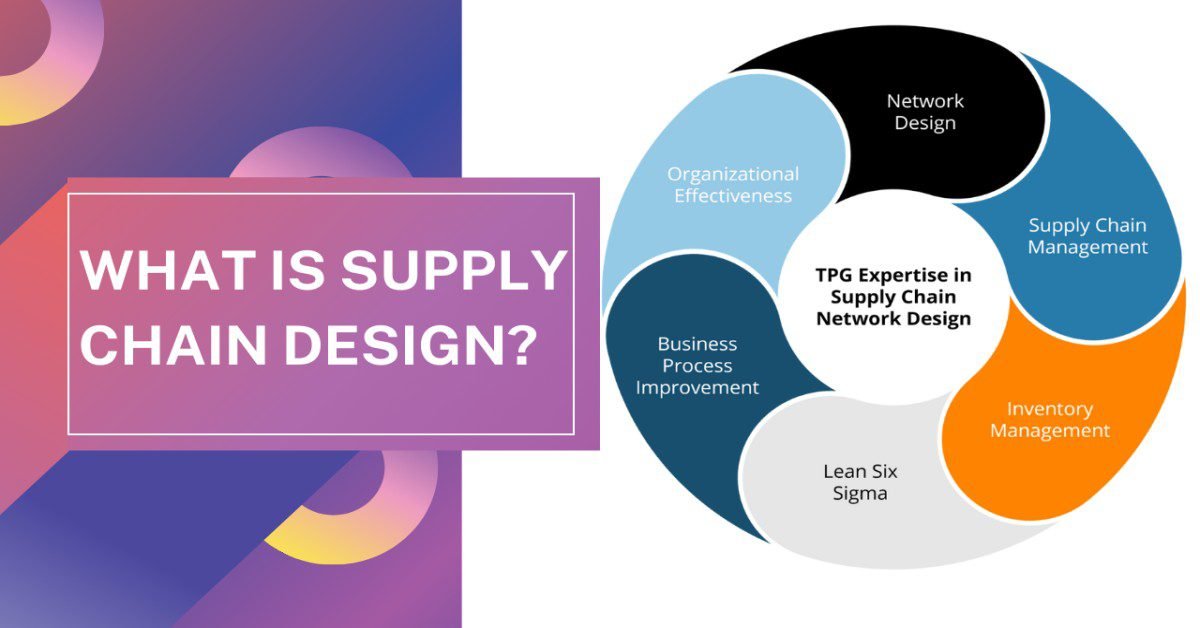
What is Supply Chain Design?
A crucial component of efficient supply chain management is supply chain design. It entails outlining the whole network of the supply chain, including how money, information, and things move through it. Businesses may eliminate bottlenecks, increase productivity, and react quickly to market needs by optimising the supply chain design. Organisations can anticipate possible hazards and create backup plans to lessen interruptions thanks to supply chain design.
The Future of Supply and Demand
The idea of supply and demand will continue to develop in the future. In order to manage changes in client demand, market trends, and overall economic situations, businesses must remain proactive and adaptive. This calls for a thorough comprehension of supply chain dynamics as well as the capacity to estimate demand, modify production levels, and optimise using data and analytics.
The Rise of FinTech in Supply Chains
The growth of FinTech in supply chains is notable from the perspective of developing technologies. Traditional supply chain operations are changing as a result of advances in financial technology that make transactions quicker, more secure, and more transparent. Accepting these developments may result in better financial management and more effective supplier chain ecosystem collaboration.
Supply chain management, to sum up, is a critical activity that promotes operational excellence, client happiness, and monetary success. Businesses may improve efficiency, remain ahead in the competitive business environment of today, and optimise their supply chain operations by leveraging data, analytics, and emerging technology. Businesses must fully grasp the value of supply chain management and make the strategic, human, and technological investments necessary to prosper in the dynamic and ever-evolving world of supply chain management.
How can you get Started in the Field of Supply Chain Management?
In today’s digital age, supply chain management systems generate a vast amount of data. This has led to an increased demand for skilled professionals known as Supply Chain Analysts. These analysts play a crucial role in analysing the performance of the supply chain system, identifying problems, finding solutions, and developing strategies to improve the overall business operations.
Is Supply Chain Management a Good Career Option?
Supply chain management is indeed a gratifying and promising career with a plethora of opportunities for aspiring professionals. Additionally, the demand for supply chain professionals is on the rise, presenting excellent job prospects and competitive salaries. Moreover, the dynamic nature of the industry provides continuous learning and growth opportunities, making it an exciting and fulfilling career path for individuals with a passion for problem-solving, strategic thinking, and operational excellence.
The field of supply chain management offers exciting career opportunities for individuals with the right skills and knowledge to navigate the dynamic and ever-evolving landscape of global business.
Furthermore, interpersonal skills play a vital role in supply chain management. You will be collaborating with various stakeholders, including suppliers, manufacturers, distributors, and customers. Effective communication, teamwork, and problem-solving skills are key to building strong relationships and ensuring smooth operations throughout the supply chain.
While starting your career as a supply chain analyst, gaining 1-2 years of experience combined with a Master’s degree can significantly boost your prospects. This practical experience will provide you with valuable insights into real-world supply chain challenges and help you apply your theoretical knowledge effectively.
Since experience is important for a successful supply chain management career, it is beneficial to enrol in courses that offer placement assistance. This can provide you with opportunities to gain industry experience and establish connections within the field, enhancing your chances of securing a desirable position.
In conclusion, becoming a supply chain analyst requires a combination of formal education, analytical skills, and practical experience. By enrolling in a reputable certificate course in Supply Chain Management, such as the one offered by IIT Roorkee, you can acquire the necessary qualifications and knowledge to kickstart your career. Remember, continuous learning, adaptability, and a passion for problem-solving are key to thriving in the ever-evolving world of supply chain management.
Supply Chain Analyst: Careers, Roles and Growth
In the world of supply chain management, the role of a Supply Chain Analyst is highly sought after and in demand. Supply Chain Analysts play a crucial role in analysing and optimising the performance of supply chain systems, identifying problems, and developing effective solutions to improve overall business operations.
In recent years, India has seen a tremendous increase in demand for supply chain management. Businesses from a variety of industries are realising the critical role that effective supply chain management plays in ensuring their success as the Indian economy grows and expands. With a population of more than 1.4 billion people and a consumer market that is rising quickly, there is an increasing need to optimise operations, simplify logistics, and guarantee flawless coordination from procurement to delivery. Professionals in supply chain management are in great demand to assist businesses in overcoming difficulties such complicated distribution networks, inventory control, and cost reduction.
If you are considering a career as an SCM analyst, there are several key steps you can take to pave your way to success.
One of the first steps towards becoming a Supply Chain Analyst is to gain the necessary qualifications and knowledge in the field.
Enrolling in a quality certificate course in Supply Chain Management is a great starting point. Such courses provide a solid foundation and understanding of supply chain principles, logistics, operations, and strategic planning. These programs offer comprehensive training in various aspects of supply chain management, equipping aspiring analysts with the skills needed to excel in their careers.
IIT Roorkee’s Professional Certification in Supply Chain Management & Analytics is a well-known certification program in the industry. One of India’s top schools has approved this program, which is highly recognised and ensures high-quality instruction and hands-on training. The certification program has a strong emphasis on practical instruction, allowing participants to obtain practical experience and use their expertise to address challenging supply chain issues.
Having a broad range of abilities is crucial for success as a supply chain analyst.
To understand data, see trends, and make wise judgements, you need analytical abilities. The ability to undertake quantitative analysis, forecasting, and optimisation requires an analyst to be proficient in mathematical ideas and techniques. Additionally, successful relationship management, cooperation, and communication within the supply chain ecosystem depend on possessing good interpersonal skills.
Gaining practical experience is just as valuable as obtaining the requisite education and training.
When employing supply chain analysts, many companies look for practical experience. To experience real-world supply chain operations and expand your professional network, think about pursuing internships, co-op program, or entry-level roles.
Advanced degrees provide a deeper understanding of complex supply chain concepts, research opportunities, and access to industry experts.
Furthermore, pursuing advanced education, such as a Master’s degree in supply chain management or a related field, can significantly boost your career prospects.
Combined with practical experience, advanced education can open doors to senior-level positions and leadership roles within the supply chain management field.
In conclusion, becoming a successful Supply Chain Analyst requires a combination of education, practical experience, and continuous skill development. By enrolling in reputable certification courses, such as the Professional Certification in Supply Chain Management & Analytics from IIT Roorkee, aspiring analysts can lay a strong foundation for their careers. Developing analytical, mathematical, and interpersonal skills is essential for excelling in this field. Gaining practical experience and considering advanced education opportunities can further enhance career prospects and unlock higher-level positions within the supply chain management industry.
Benefits and Challenges of a Supply Chain Management Career
Embarking on a career in supply chain management offers a wide range of benefits and opportunities for professional growth. However, it is important to acknowledge the challenges and pressures that come along with this dynamic industry. Additionally, the significance of mentorship and continuous learning cannot be underestimated. Let’s explore these aspects in more detail.
One of the key advantages of pursuing a career in supply chain management is the attractive salary range and abundant career growth opportunities.
As you progress and gain experience in the field, your earning potential increases significantly. Supply chain professionals are highly valued for their expertise in optimising operations, reducing costs, and improving efficiency. This expertise is sought after by companies across various industries, creating ample room for career advancement.
It is crucial to understand, nevertheless, that the supply chain sector may be hard and difficult. There is constant pressure to fulfil tight deadlines, handle intricate logistics, and reduce risks. Professionals in the supply chain need to be skilled in managing unforeseen disruptions, such as those that occur in the supply chain, natural catastrophes, or major events that affect the flow of products and services. In this fast-paced workplace, having the capacity to think critically, act quickly, and adapt to changing situations is essential.
Aspiring supply chain professionals should seek the advice of seasoned mentors to effectively manage these hurdles. A mentor may give useful insights, impart information about the sector, and offer advice based on personal experience.
Another essential component of a successful supply chain management career is ongoing education. The industry is always changing as a result of technical developments, shifting consumer preferences, and general market trends. Being competitive requires keeping abreast of the most recent innovations, cutting-edge technology, and industry best practises. You may maintain your position at the vanguard of your sector by pursuing professional development opportunities, going to conferences, taking part in seminars, and reading industry publications regularly.
In summary, a career in supply chain management offers the ability to have a substantial effect on corporate operations as well as great compensation possibilities and multiple advancement chances. However, it’s critical to be conscious of the difficulties and demands that the sector brings.
Imarticus Learning and IIT Roorkee’s Supply Chain Management Course
Imarticus is a renowned institute offering comprehensive courses in various domains, including supply chain management. Their Supply Chain Management Course with IIT Roorkee, is designed to equip students with the necessary skills and knowledge to excel in this field. With a strong focus on practical learning and industry relevance, Imarticus prepares aspiring supply chain professionals for the challenges and opportunities that lie ahead.
Understanding Supply Chain Networks and their Importance
The course begins with an in-depth exploration of supply chain networks and their significance in today’s business landscape. Students gain a holistic understanding of how supply chains operate, starting from the sourcing of raw materials to the delivery of the final product or service. They learn about the various phases involved, such as production, marketing, distribution, and customer service. By comprehending the intricate workings of supply chains, students develop a strategic perspective and recognise the critical role they play in enhancing overall business performance.
The Crucial Role of Understanding the Supply Chain for Companies
IIT Roorkee’s Supply Chain course emphasises the importance of companies having a thorough understanding of their supply chains. By analysing each step of the supply chain, companies can identify opportunities for cost reduction, process optimisation, and improved efficiency. A malfunction at any stage can disrupt the entire chain and lead to increased costs. Through theSupply Chain Management Course, students learn how to strategically plan and manage supply chain operations, ensuring seamless coordination between suppliers, manufacturers, distributors, and customers. Armed with this knowledge, graduates can make informed decisions that positively impact the bottom line of organisations.
Career Options in the Supply Chain Industry
Upon completing the course, students have a wide array of career options in the supply chain industry. Some of the prominent roles include:
Chief Supply Chain Manager : This senior-level position requires a deep understanding of the business and exceptional leadership skills. Chief Supply Chain Managers oversee the entire supply chain operation and provide strategic direction to enhance performance and profitability.
Supply Chain Manager : As a Supply Chain Manager, professionals are responsible for managing and optimising the various aspects of the supply chain. They coordinate logistics, monitor inventory levels, and ensure timely delivery of goods and services.
Purchasing Manager : Purchasing Managers play a crucial role in managing the strategic procurement process. They evaluate pricing trends, establish and maintain relationships with vendors and suppliers, and negotiate favorable terms to support the organisation’s supply chain objectives.
Logistics Manager : Logistics Managers focus on streamlining the flow of goods, coordinating transportation, and managing warehouse operations. They strive to improve the efficiency of the supply chain by enhancing product workflows and negotiating favorable terms with shippers and distributors.
Production Manager : Production Managers oversee the production process, ensuring that it stays within budget and meets stipulated timelines. They monitor production workflows, optimise resource allocation, and implement strategies to enhance productivity and quality.
The supply chain business offers a wide range of career pathways, of which these are just a few examples. Graduates of Imarticus’ and IIT Roorkee’s supply chain management program are equipped with the knowledge and abilities needed to flourish in these positions and considerably boost organisations’ chances of success.
The Supply Chain Management Course provides students with a thorough and hands-on learning environment that will prepare them for a successful career in the supply chain sector. Students are well-prepared to make significant contributions in this dynamic profession by developing a thorough grasp of supply chain networks, realising the value of supply chain management for businesses, and investigating other career opportunities. Graduates from Imarticus and IIT Roorkee are prepared to begin a meaningful and successful path in the supply chain thanks to the industry-relevant curriculum and hands-on learning style.
Conclusion
Lastly, a career in supply chain management offers a wide range of chances for development and achievement. You may position yourself as a significant asset to companies all over the world by comprehending the important function of sourcing, data analytics breakthroughs, and the significance of supply chain management in diverse sectors.
A strong base of knowledge and abilities is necessary before beginning a career in supply chain management and analytics. You may acquire the skills you need to succeed in this industry by enrolling in a high-quality certificate program, such as the Professional Certification in Supply Chain Management & Analytics provided by Imarticus and recognised by IIT Roorkee. Your employment chances will also be improved by honing your analytical, quantitative, and interpersonal abilities, as well as by getting relevant experience and going to graduate school.
Supply chain management and logistics are two essential aspects of businesses, both small and large. Therefore, individuals who are interested in joining and managing these fields as experts must opt for a comprehensive logistics and supply chain management course. Such courses should include not just the basics related to supply chain management but also the integration of various advanced tools and their significance.
Regarded as one of the top IITs in the country, IIT Roorkee has one of the most sought-after logistics and supply chain management courses. Titled ‘Professional Certification in Supply Chain Management & Analytics’, this course is aimed at individuals who want to secure their career in supply chain management. In fact, this certification course covers several essential topics such as supply chain performance, drivers, and metrics, planning and coordinating demand and supply, managing uncertainties in a supply chain, and so on.
One of the prime benefits of enrolling in this course is the opportunity to learn from both IIT Roorkee faculty and industry experts. Furthermore, students will also be able to learn through real-life industry projects, online discussions with peers and mentors, continual mentorship, and much more. At the end of the course, candidates will receive a professional certification from Imarticus and co-branded by CEC, IIT Roorkee, which will be a permanent symbol of the knowledge they gained.
IIT Delhi
The ‘Executive Programme in Supply Chain Management and Analytics’ course is offered by IIT Delhi for a period of 6 months. The lectures are conducted live, in online mode and cover 75+ hours of teaching. Needless to say, the curriculum is aimed to be comprehensive and contemporary, covering all the aspects related to logistics and supply chain management.
A key highlight of this course is hands-on exercises like spreadsheet modelling using Excel, data analysis applications, and R/Python programming. Furthermore, this program also includes a case-based approach to solving real-world problems, using multi-criteria decision-making techniques like TOPSIS, DEA, AHP, and an in-depth understanding of all the fundamentals and advancements related to supply chain management. Last but not least, you will be provided with an official certificate by IIT Delhi once you complete this course.
IIM Calcutta
IIM Calcutta’s ‘Advanced Programme in Supply Chain Management’ runs for a duration of 12 months and aims to impart advanced knowledge related to supply chain management to individuals and help them achieve corporate success. One of the standout features of this program is a group project where candidates are required to apply their learnings to solve real-world supply chain problems. Furthermore, the course has a multi-disciplinary approach and includes topics like e-commerce, economics, behavioural science, accounting and finance, and so on, to prepare students to assume greater responsibilities in a business environment.
While this course is specifically tailored towards working individuals, non-working candidates can also apply. However, their selection will depend upon the decision of the program directors only. Once a candidate successfully completes the course, they will receive an official certificate from the institute.
IIM Bangalore
With the continual advancement of technology, a significant part of logistics and supply chain management now relies on software and various tools. IIM Bangalore’s ‘Certificate Programme in Digital Operations and Supply Chain Management’ aims to simplify the complexities of technology in supply chain management and help students build a solid career with a strong foundation.
The objectives of this program are to help candidates in making informed decisions regarding digital supply chains, use data for digital transformation that can be used to tackle operational issues in supply chains, and so on. Additionally, the candidates will also be able to gain knowledge about Big Data, the Internet of Things (IoT), Blockchain, AI, MI, etc.
Indian Institute of Foreign Trade
Located in Delhi, the Indian Institute of Foreign Trade is one of the premier institutes offering a 6 months live course on logistics and supply chain management. One of the key features of this course is the inclusion of international trade logistics, which will provide candidates with an upper hand if they choose to apply abroad.
Other highlights of this course are real-life case studies, supply chain risks, complexities, and strategies, principles of shipping services, strategic sourcing decisions, and so on. Candidates who are non-working are also eligible to apply for this course.
Conclusion
In conclusion, all of the institutes mentioned above provide some of the most updated and comprehensive logistics and supply chain management courses. Signing up for any of these institutes will not only provide you with the opportunity to learn from the best, but you will also be able to interact with like-minded people and expand your horizons. With a valuable certificate from any of these institutes, you are bound to get a headstart in your career and establish your expertise in this field.
Fintech has always continued evolving and acclimatising to the newest technological innovations. However, the pandemic fuelled its growth like never before. The fintech industry is still evolving, amassing the brilliance of rapidly evolving technological solutions to create a secure and accessible financial market.
With rapid digitisation and a growing consumer base- the fintech market in India now stands as one of the fastest-growing financial markets in the world. The industry is speculated to grow to a $150 billion market size in the next two years. Therefore it is the perfect time for both fintech aspirants and professionals to start upskilling themselves with the growing trends of the industry.
Whether it is through a certified fintech course, or hands-on experience, one must keep abreast of the innovations that are revamping the fintech market every day.
In this blog, we will read about the emerging trends in the Fintech industry in 2023.
How India’s Fintech Sector Reached Unprecedented Heights
The Fintech sector in India has shown stark growth prospects, propelled by several key factors. One of them is the rapid digitisation of transactions, increasing technical awareness and smartphone penetration. Harnessing this opportunity, small, medium, and large-scale entrepreneurs crafted innovative financial solutions to adapt to growing consumer demands.
Introducing these disruptive solutions has in turn attracted substantial investments and collaborations between fintech companies and traditional financial institutions. This has facilitated the seamless integration of digital services into established banking systems.
At the same time, rising investments from venture capitalists and private equity firms have fuelled expansion and innovation within India’s fintech ecosystem. The industry further stresses crafting innovative fintech solutions owing to the building consumer demands for secure, accessible, and convenient financial services.
Therefore, this is the best time to take up a fintech course and kickstart a thriving career in the field.
Important Fintech Trends to Look Out for in 2023
In 2023, the fintech industry will experience significant trends that will shape the future of finance. These important trends to look out for include:-
Artificial Intelligence and Machine Learning
The adoption of AI and ML technologies will enhance operational efficiency and personalise the customer experience. These advancements revolutionise fraud detection, risk assessment, and customer service in financial institutions.
Decentralised finance
The rise of DeFi platforms offers greater financial inclusion and eliminates the need for intermediaries. This disrupts conventional financial systems, thus enabling peer-to-peer borrowing, lending, and investing. The demand for DeFi platforms has constantly been on the rise, and the market is expected to reach a global valuation of more than $230 billion in 2030.
Open banking and APIs
Open banking initiatives will drive the collaboration between financial institutions and fintech firms to an estimated global market value of $48.13 by 2026. This will promote sharing financial data through secure APIs, enabling seamless integration of services and delivering personalised financial products.
Sustainable finance
The focus on environmental, social, and governance (ESG) factors will drive the development of green finance solutions and impact investing. In less than five years, ESG assets are estimated to take over 21.5% of total global assets. To keep up with this, financial institutions will increasingly prioritise sustainable investments and align their strategies with ESG principles.
Quantum computing
The emergence of quantum computing will have implications for data analysis, cryptography, and risk modelling in the financial industry. It uses the applications of quantum mechanics and functions beyond classic computational powers. This technology offers immense processing power, enabling more sophisticated financial analysis and enhanced security measures.
RegTech
Regulatory technology (RegTech) will streamline compliance processes, helping financial institutions meet regulatory requirements more efficiently. The technology already caused a stir in the industry when its global market grew from $9.93 billion in 2022 to $12.37 billion in 2023. RegTech solutions will further automate compliance monitoring, reporting, and risk management, ensuring adherence to changing regulations.
Biometrics and authentication
Biometric technologies, including facial recognition and fingerprint scanning, will enhance security and user authentication in financial transactions. These technologies provide more secure and convenient access to financial services.
Conclusion
With the growing technological prowess in fintech, a wide range of services that are specifically tailored to the needs of each person will emerge as a result of sophisticated automation and integration. The industry is also expected to fully harness the power of these technological innovations to eventually eliminate the current challenges.
While the fintech industry sets the roadmap for an ever-evolving financial market, a fintech course will be extremely beneficial for individuals and businesses who want to keep up with the game-changing trends in the market.
Data science has emerged as the fastest-emerging field worldwide, revolutionising the way we extract, visualise, and maintain data. With its integration of machine learning capabilities, data science is poised to shape the future with countless possibilities and opportunities.
Organisations are now incorporating various branches of data science to keep up with the global markets. Since data science has a wide field, it needs to be studied in detail.
In this article, let’s get to know why a career in data science is now the most coveted career and how to become a successful data scientist in the future.
What is Data Science?
Data science is an interdisciplinary field where large chunks of data are studied with the help of AI and ML to ascertain their patterns. It involves the extraction, analysis, interpretation and visualisation of data.
At its core, data science is the study of data and solving complex problems which emerge from various patterns that are deciphered through modern tools. This pattern is the crux of making crucial business decisions.
Why Do You Need a Data Scientist?
Data scientists with a combination of business and mathematics employ complex algorithms to enhance business knowledge. This, in return, would produce a prediction model for the organisation’s business module with statistical data.
A data scientist is now an essential need in the corporate sector. They work with both structured and unstructured data sort and organise them together and analyse them to present them easily to the stakeholders. This, in turn, helps the stakeholders to examine whether their departmental business and revenue goals are being met or not.
With a data scientist, organisations can harness the power of data to gain meaningful insights about their operations and the global market, enabling them to thrive and seize valuable opportunities. It would help the stakeholders to make timely business decisions.
Qualifications Needed to Become a Data Scientist
Becoming a data scientist is relatively easy. However, one must have some desired technical and soft skills to become successful in this field. Let’s see what skills one wants to establish a career in data science.
Technical skills
Must have a degree in Computer Science.
Must be familiar with Python, Java, Hadoop, SAS and other programming languages to work for data analytics.
Must be familiar with AI and ML.
Soft skills
Should have effective communication skills to function in a group.
Should be creative enough to come up with solutions that the organisation might face from time to time.
Must have the proper skill to communicate with the stakeholders.
Careers in Data Science
Data science is a new branch of science that comes with lots of lucrative career opportunities. Let’s see what different careers one can pursue with the help of data science.
Data Analyst
A data analyst helps in connecting data from a database. They also help in summarising results after data processing. The average salary of a data analyst is Rs. 494,464 per year.
Data Scientist
A data scientist in a company is responsible for managing, mining and cleaning the data. They are hugely responsible for interpreting big data and analysing their results. The average salary is Rs. 910,238 per year.
Data Engineer
Once the data is mined, the data engineer is the person who finds valuable insights from the data. They are also responsible for maintaining architecture and data design. They also help in developing large warehouses that help in extra transform load. The average salary of a data engineer is Rs. 647,643 per year.
Reasons Why Data Science is the Hottest Career
Data science is an emerging career option in 2023. Here are some reasons why one should opt to become a data scientist.
Demand: Since there is a lack of qualified professionals in data science, jobs are in high demand. Esteemed organisations are in search of skilled individuals for Data Scientist positions.
Salary: The average salary of a data scientist in India is Rs. 910,238 per year. Other than in India, the job pays very well across the globe. Hence, working in the data science field is extremely rewarding.
Technology: As a data scientist, an individual gets aware of the latest technologies from AI and ML. They also learn about various programming languages like R programming languages and MongoDB to structure the raw data. This is one of the reasons why working as a data scientist is extremely lucrative.
Conclusion
Data science is now a mandate in every industry and organisations are now looking for skilled individuals. If an individual is passionate about computer languages and statistics, then data science is a viable career option.
Company ownership is often determined by dividing the perceived value of an organisation along with the individual stakeholders and their respective shares. However, trading shares in a privately-held company is subject to restrictions. These restrictions can be related to legal agreements, shareholder agreements, and company policies, limiting the stakeholders’ ability to freely trade their shares.
In this case, an IPO is a process where a privately-held company offers its shares to the public for the first time. It allows privately-owned companies to transition to publicly-traded entities. Being enlisted on public stock exchange entities like New York Stock Exchange and NASDAQ, it becomes easier for both institutional and retail investors to transact these stocks.
In this article, let’s learn in detail about the characteristics and features of an IPO, alongside knowing the various aspects of an investment banking course and derivative markets.
What is Initial Public Offering (IPO)?
An Initial Public Offering (IPO) is a process of offering company shares to the general public for the first time. It allows the company to raise their equity capital from private investors.
Through an IPO, the company gets listed on public stock exchange listings, including stock ticker symbols and other easy ways to identify and trade stocks. In this modern digital ecosystem, IPO has become an integral part of raising capital in the public market and assessing a wider range of investors.
History of IPO
The history of IPO is unique and is the cause of the buzzword on Wall Street and among several investors for decades. The Dutch are the flag bearers of creating the concept of IPO by offering their shares to the Dutch East India Company. This has made the company available in the global market during that time.
Since then, IPOs have been used in various ways by companies to raise their capital through public share ownership. IPO has become a boon to companies that have economically stabilised their market standpoint.
Through the years, IPOs are well known for both their uptrends and downtrends in their issuance. Even individual sectors are prone to face such experiences in uptrends and downtrends through various economic factors. This was significantly on the rise during the 2008 financial crisis.
In the 2008 financial crisis, the number of IPOs was substantially reduced, and for a few years, new listings became extremely rare in the global market. However, the recent uprising of start-up companies, reaching private valuations of more than 1 billion dollars, has created IPO buzz once again. This has majorly helped in reviving IPO in the modern market.
How Does an IPO Work?
Before the IPOs came into existence, the companies were considered to be private business entities. Due to this, businesses have only grown with a few shareholders like early investors, family, founders, and friends, alongside angel investors and venture capitalists.
As the concept of IPO emerged, it provided the scope for the companies to raise lots of money. It also encourages company growth and increased transparency.
There are also a few foundational steps to IPO. They are:
Strategic review: The step for the organisation to perform several comprehensive reviews of operations and business goals.
Engaging underwriter: The organisation often tends to engage with various investment bank groups to work as an underwriter for the IPO. These underwriters work on commission to sell the initial block of shares.
Prospectus development: This helps in outlining the financial status of the company and also depicts the number of shares the company wants to issue. They also outline the future issues the companies might face.
Investor promotion: The companies promote IPO to their varied potential investors, who are also known as the ‘investor roadshow’ to raise their capital.
Share issuance: On the occurrence day of IPO, an initial share price and stock trading become public.
Pros and Cons of IPO
IPOs not only come with their pros but have various cons as well. Let’s see what they are:
Pros
Capital potential: IPO comes with the advantage that caters to the company to profit in the public market.
Exposure: An IPO always involves a lot of public exposure that is great for the future of a company. They help the company to gain more respect in the industry and get better funding from the lenders.
Allows early investments: By launching an IPO, the company can have early investors cashing in their investments. Going public enhances the company’s investments and also incurs a huge amount of profit.
Cons
Transparency requirements: Once the IPO takes over a company, the company has to disclose the financial details to the public. This includes not only their budget but also their quarterly and annual financial statements.
Company disqualification: Even if a company might meet the SEC requirements, the bank will not be willing to facilitate the procedures. Due to the 2008 financial crisis along with the commencement of the COVID-19 pandemic, the IPO world is now leaning towards the ‘unicorn’ companies to qualify in the global market.
Conclusion
An IPO is considered the future of a company’s growing financial ecosystem. There are various other ways to impose an IPO in their company by not going public. Those methods are predominantly direct listings, SPAC, staying private and other different ways.
If you want to take up an investment banking course, check out Imarticus Learning’s Certified Investment Banking Operations Professional course or CIBOP course. You will learn in detail about investment banking and IPO. You also will be open to the opportunity to earn more than 5 LPA and a guaranteed salary hike.
Free Gym Fitness Instagram Post Template – Freebie | FreePSDFlyer
You can add these exercises along with these lower body and core stability ball workouts in this series for a complete full body workout. Equipment Requirements Equipment availability is another big factor to consider when looking at home workout programs.
Reply Valarie Leonard says February 24, 2016 at 8:44 am I am totally going to do these once I get off here.
Not sure whats going on there, but Im a little creeped out. When talking about body parts in Spanish use the verb ejercitar.
Building endurance might take a little practice if youre new to running or exercise. Suite 300, Arlington; 4931 Elm St.
Meanwhile my husband relishes the rush of new blood flow he feels when the top of the boots decompress, like hes getting an infusion of energy back into his tired legs. From here, pull the knees up into the chest by flexing the rectus abdominus muscles.
Dance is one of the most fun and exciting workouts out there. Vegeta workout shirts are great for all of these activities since they are breathable, durable, and allow for various movements. In this article, well be giving you a 4-week bodyweight workout program that you can do at your home.
Im a huge fan of their hummus -the jalapeno rocks my universe- and am so excited they offered such a delicious prize. Lift the dumbbells in front of your body to shoulder height.
Mourinho: Spurs “completely dominated,” scorer Lo Celso needs fitness
They are just normal people who attempted to build muscle by doing things that dont work very well for building muscle. Its a common mineral the public is deficient in, and one of the most important for strength athletes in particular.
Above all, consistency is what matters so give your best and you will get results. Sign up for their Personalized Group Training and unleash a healthier and stronger you.
The goal to work out 5 days a week for and hour is not. Personal trainer Rohan Arora agrees that you should avoid smoothies that will spike your calorie count right after a workout.
The aim is to build the individual muscles for each exercise. Its an effective exercise for athletes, as it requires power through a rotation and reaction time. And heres the thing, even if I do know whats bothering me, a quick jog or 45-minute cardio session seems to make whatever hurdle seem that much smaller.
Start easy and work your way up as this will make the workouts a lot more beneficial and will help you to avoid injuries. Its a flexible format so the options in how you set up your workout are limitless.
The Stuff Gadget Awards 2022: Fitness tech of the year | Stuff
Shifting from sodas to nutritious beverages, for example, is a great first step. Also, the horizontal body position isolates the lats and uses less upper back and traps.
In the program, you will find the superset exercises labeled A and B. So dont go too heavy on the band or load and is best performed for six to 12 reps. Grooved circle suckers at the bottom of the mat prevent it from sliding, give traction, and reduce noise.
Cables change the angle of resistance so that it is more in line with the direction of the muscle fibers. In that case, a high-protein and easy-to-digest carb snack will substitute as a good energy source to fuel your workout.
10 Resistance Band Exercises to Tone & Sculpt Your Arms | Fitness
Aging is a process, and exercising regularly can help you do it gracefully. They also help delay or prevent many diseases that are common in older adults such as diabetes and heart disease.
Credit: Frank C. Its purpose is to promote an increase in energy levels needed rolling burpee to complete a training. A strong core supports your back, while a weak core weakens it and puts you at risk.
If Kapernick gets back into the NFL, it will damaged the overall value and brand of that team. Heres how: Begin on your stomach and reach your arms forward. Workout plan mastery means creating a customized program to the persons ability level.
Gulf Coast Health, Fitness, and Wellness Show at Edgewater Mall – WXXV News 25
Sign Up Now Comments 2 Comments Hempsoft says: June 19, 2017 at 4:13 pm Thanks for information great blog. View this post on Instagram TRAINER OF THE MONTH CLUB Week 3 is here. Then, raise your legs back up to the starting motion.
In this simulation you will be using PowerTrain Zones, cadences, body positions, and key timing to simulate a battle you would find at the end of a race. Ive been following your blog for a couple years now and so appreciate all that you post. Focus on your own tummy in making it stronger inside and out.
When you use the stairs instead of taking the elevator or an escalator then you give your body the extra leg workout it needed. Or it can create a bigger deficit to speed up fat loss.
PopSugar Fitness features a variety of the more traditional classes that you would normally take such as cardio, HIIT and pilates anavar dosage for athletes classes. Perform 5 bench-press movements (or 5 chest flies with the dumb-bells). Heart It Races (Trizzys Rusty Tin Can Mix), Architecture in Helsinki With a big beat, this is a great jam to pound the pavement or lift something heavy to.
If you organize it properly, splitting your workout up into two bite-size sessions may allow you to accomplish all of your training goals without disrupting your entire day.
According to a report, employees working virtually are 35-40% more productive than in-office employees. Another report shows that the hybrid work model is expected to grow from 42% in 2021 to 81% in 2024. The rise in hybrid work means companies have to arrange onboarding for remote workers as well.
A good onboarding programme mainly focuses on achieving two goals:
To help the new hires understand the company culture and job roles quickly. This way, they can start contributing to their teams at the earliest.
To build the foundation for a comfortable and satisfying experience for the employee in the organisation. This will improve the chances of employee retention.
The company’s onboarding process should be informative enough for employees to quickly transition into their job roles. To begin with, it should extend a personal welcome. The new hires should feel comfortable and supported while navigating the new culture.
This isn’t an easy task, especially when the employers cannot meet them in person. Yes, onboarding with the help of online tools can make the process a lot easier. However, an onboarding experience without some human interaction has its own challenges.
For instance, employees working remotely will be unsure of where to find help to get started. That’s why transferring training documents online isn’t enough. It’s clear there won’t be anyone around to offer immediate answers. So, companies should anticipate some of their concerns and prepare solutions beforehand. These solutions should be incorporated into the programme so that they get the help they require.
6 tips to make remote onboarding successful
1. Provide a clear plan beforehand
Prepare a clear checklist and share it with them beforehand to avoid confusion. The plan should cover every detail from introduction and paperwork to training and meetings. Upload the necessary documents, guides and other materials. Also, include the links to all the meetings and training sessions. Providing all this information at the earliest will help them know what to expect.
2. Ship the tech in advance
Make sure the new hires have the tools required to begin their work. Prepare the equipment including computers and phones and ship them in advance. This way, they can dive into work from the first day.
3. Host virtual introduction
Arrange a meeting for the team and extend a warm welcome to the employee. Introduce all the members of the team as well. This will boost the employee’s enthusiasm and they will feel included. Prepare a list with the names, photographs, positions and contact details of all employees. Update the list regularly and circulate it within the group. It’s impossible for a new hire to remember all the names through one video call.
4. Make training engaging
Sitting and staring at the screen for long hours can be boring and exhausting. Use digital onboarding best practices to keep them interactive and hold the learner’s attention. Using a learning management system will ensure that they get effective training experience. It will also keep track of their progress.
5. Set up clear lines of communication
Give them a way to reach out if they have any unsolved issues. This can be through formal or informal communication channels. Formal communication includes setting regular meetings with leaders on online platforms like Zoom. Informal channels include reaching out through social media for explanations.
6. Collect feedback
Make a short survey for new hires. It is important for understanding their likes and dislikes regarding the company’s approach. Use this information to make improvements in the process.
The bottom line
Remote onboarding holds immense potential, but it requires more than just digitisation. Companies must actively analyse and address the unique challenges of remote onboarding. By redesigning the process to overcome these hurdles, they can unlock the full benefits of a successful remote onboarding experience.
Visit Imarticus Learning to know about digital onboarding best practices.