Does your machine learning course offer these features?

Are you considering taking a machine learning course to level up your skillset? It is essential to make sure that the course you choose is comprehensive and provides tools that are easy to understand. 

Whether you want an introductory crash course or an in-depth, hands-on course with practical takeaways, there are certain features every good machine learning class should have. 

In this blog post, we’ll examine key elements of a quality machine learning course so you can make sure it fulfills all your educational needs.

The fundamentals of machine learning

artificial intelligence and machine learning courses

First, a great machine learning course should give students an understanding of ML algorithms and techniques fundamentals. This includes supervised and unsupervised learning, hyperparameter tuning, feature engineering, and more. It should also provide an overview of popular ML libraries such as TensorFlow, Scikit-Learn, Keras, PyTorch, and others. A solid foundation in ML basics will ensure students have the knowledge they need to become well-rounded practitioners. 

Projects & Applications 

A good ML course should also include hands-on projects that help students apply their knowledge of ML techniques in real-world scenarios. Projects can consist of image recognition applications using convolutional neural networks or natural language processing tasks using recurrent neural networks. By working through these projects, students can gain valuable experience that they cannot teach in the classroom alone. 

Tools & Resources 

A quality machine learning course should provide access to helpful tools and resources to aid their learning process. For example, many courses offer access to cloud computing platforms such as Google Cloud Platform or Amazon Web Services, which allow students to run experiments on powerful machines with minimal effort. Additionally, some courses even offer access to GPU instances so that students can significantly speed up their training time. All of these tools are invaluable when it comes to mastering ML concepts quickly and efficiently.    

Real-World Examples

An excellent machine learning course should have plenty of real-world examples so students can better understand how their learning concepts apply to everyday life. After all, what good is knowing the theory if you can’t use it in practice? Real-world examples also help students think more creatively about solving problems and give them the confidence to tackle new challenges. 

Interactive Exercises

An excellent machine-learning course should offer interactive exercises that allow students to test their knowledge and understand how different concepts interact. This helps build critical thinking skills and will enable students to learn from mistakes. Plus, these exercises are usually fun, making them more engaging for students than just reading textbooks or watching lectures. 

Course Support

 Students need to know they have support available if they get stuck on a problem or need help understanding something. An excellent machine learning course should provide online and offline access to resources such as tutorials, forums, mentors, and more so that students can get help when they need it most. 

With so many options for machine learning courses, it can take time to decide which is best for you. To make sure you get the most out of your educational experience, take the time to research each course carefully before making your decision. Make sure it covers all the basics and provides hands-on projects and access to helpful tools and resources—then you will know you’ve got yourself a winner!

Discover IIT artificial intelligence and machine learning course with Imarticus Learning.

Ready to take your career in a new technology-focused direction? Enroll at the E & ICT Academy for their comprehensive IIT AI ML course! Equip yourself with all you need for revolutionary leadership – don’t hesitate, start your journey now!

 Course Benefits For Learners:

  • Students work on 25 real-world projects to develop real-world business experience and prepare for a rewarding data science career. 
  • With a certificate recognized by the E & ICT Academy, IIT Guwahati, and a credential supported by Imarticus Learning, students, can attract employers’ attention and demonstrate their skills. 
  • Students who complete these AI and machine learning courses land lucrative jobs in the machine learning and artificial intelligence sectors.

 Visit our training centers in Mumbai, Thane, Pune, Chennai, Bengaluru, Delhi, Gurgaon, or Ahmedabad, or get in touch via the chat support system.


A comprehensive guide on how to build a neural network: Python for beginners

Neural networks are systems that operate similarly to the human brain. Currently, neural networks are used daily – even without us realizing it. For example, when we use our mobile assistant to perform a search- such as Siri, Google, or Amazon Web- it is all neural-network driven. In computer games, neural networks are also utilized – such as how the system adjusts its players, maps applications, processes map images, and finds the shortest routes to reach the destination.

Neural networks can perform any of the following tasks:

Translate text

Control robots

Recognize speech

Read handwritten text

Identify faces

How does the Neural Network Function?

There are three different layers to neural networks:

Input layer: Picks up the input signals and passes them on to the subsequent layers.

Hidden layer: This layer does every feature extraction and calculation required. Often, we will find more than one hidden layer in a single neural network.

Output layer: This is the final layer and has the job of delivering the result

best data analytics course

To better understand these layers and their workings, let’s take a real-life example of how traffic cameras capture the license plates of vehicles speeding on the road. Pixels, which make up the picture, are fed into the input layer in arrays. Each neuron has activation, or an assigned number, ranging from 0 to 1. For the white pixel, it is 1, and for the black, it is 0. Next, the input layer passes these inputs to the hidden layer. All the interconnections have weights assigned to them randomly, which then is multiplied by the input signal. Lastly, a bias is added to all these weights.

The weighted addition of the inputs is then converted to the information of the activation function- this function decides which nodes should fire for the feature extraction.

Here we will take a look at the different types of activation functions that are there:

Threshold function: This function is deployed when we don’t want to worry about mid-level uncertainty.

Sigmoid function: The sigmoid function is useful when the model is required to predict probability.

Hyperbolic Tangent function: This function is very similar to the sigmoid function; however, it ranges from -1 to 1.

ReLU (rectified linear unit) function: This rectified linear unit (ReLU) function works in such a manner that it gives the function value, however, if the value is over 1, then it will just be one, and similarly, if the value is less than 0, it will be just 0. This ReLU function is the most commonly used among all.

Now that we know all the activation function types, let’s explore more neural networks. So finally, the model, after having applied a suitable application function to the output layer, will predict what the outcome is. The error rate in the output is minimized through the adjustment of weights, and the error itself is back-propagated through the network. The weights are constantly adjusted until they perfectly fit all the training models that it has been put in. Furthermore, the output is contrasted with the original result, and numerous iterations are done to attain maximum accuracy.

Neural Networks and their Types

There are mainly six different types of neural networks, as discussed below:

Feed-forward neural network: This is the example we just explored where data travels in a uni-directional manner- from input to output. It is also the simplest form of artificial neural network.

Radial basis function neural network: Here, the data point is classified based on distance from any central point. We often want to group things and contract a centre point when we don’t have any other training data. This network groups similar data points and has its application in power restoration systems.

Kohonen Self-organizing Neural Network: Discrete maps that are comprised of neurons have inputs that are vectors of random input. Applications of this network include recognizing patterns in data such as medical analysis.

Recurrent Neural Network: Here, the hidden layer saves the output such that it becomes part of the new output and can be used for future predictions.

Convolution Neural Network: Here, the input features are filtered and taken in batches, therefore, allowing the network to remember an image.

Modular Neural Network: This model consists of multiple neural networks which function together to get an output.

Keras is an efficient software that allows users to create artificial neural networks with the Python programming language. Many data scientists use Python because it is essential for the Keras software. If you are new to Python and data science, you can opt for a Data Science and Analytics course or data analyst training to learn how to use Python more efficiently.

Aspirants in this Data Science and Analytics domain can benefit significantly by enrolling in the Post-graduate Program in the Data science and analytics course of IMARTICUS Learning.

How does chief marketing officer certification help boost CMO aspirants’ career?

The chief marketing officer’s role is an important one in any organisation. The chief marketing officer  or CMO is responsible for developing and executing effective marketing strategies and initiatives to drive growth, build brand awareness and increase customer engagement. Additionally, the CMO oversees and manages the marketing team, budget and overall marketing operations. 

An online CMO program is a great way to demonstrate knowledge and expertise in marketing. It is an industry-recognised credential that can help to enhance your career prospects, attract better job opportunities and boost your earning potential. With a CMO certification, you can gain insights into the latest marketing trends and strategies, understand the fundamentals of effective marketing campaigns, and gain the skills and experience necessary to become a successful CMO. 

Benefits of a CMO certification

A CMO certification is an essential means of recognising the knowledge and skills of marketing professionals. With a CMO certification, professionals can demonstrate their mastery of marketing principles and best practices and their commitment to staying current and advancing their careers. The benefits of CMO certification include the following:

  • Professional recognition: A CMO certification is an internationally recognised qualification demonstrating to employers and colleagues that you have the necessary aptitude for managing marketing operations. It can be a valuable addition to your CV, making you distinct and getting your foot in the door for new job opportunities.
  • Improved skills: A CMO certification program covers various marketing topics, from planning and implementation to budgeting and analysis. You can become a more well-rounded and knowledgeable marketer by learning and developing these skills.
  • Networking opportunities: As a certified CMO, you are part of a larger community of marketing professionals. It allows you to connect with peers and build relationships with potential employers. Moreover, it may open up new opportunities for internships and job postings.
  • Increased job prospects: The online CMO program can help you stand out amongst other applicants and make you a more attractive hire. It’s a sign to employers that you’re serious about marketing and have the knowledge and experience to back it up.
  • Increased salary potential: A certified CMO is likely to be in high demand and thus command higher salaries than non-certified professionals. It is because employers know they can trust that a certified CMO has the necessary skills and experience to manage their marketing operations.

Career in marketing and advancement opportunities

CMOs have the potential to advance their careers in a variety of ways. Here are a few prospective paths to career advancement:

  • Mentorship and coaching: A good mentor or coach can assist CMOs in charting their career paths and developing the skills needed to succeed. It can include providing feedback, offering advice, and helping identify and pursue new opportunities.
  • Professional development: It is essential for CMOs to stay current with the latest trends and best practices in marketing. It could include taking courses, attending conferences, or joining marketing organisations.
  • Networking: It is one of the most effective ways for CMOs to advance their careers. It provides an opportunity to meet new contacts, interact with industry experts, and gain insights into different marketing approaches.
  • Leadership opportunities: CMOs should look for leadership opportunities within their organisation. It involves taking on additional responsibilities, managing teams, or leading projects.
  • Research and innovation: Research and innovation are essential for any CMO who wants to stay ahead of the curve. Researching new technologies, developing new marketing strategies, or creating innovative campaigns are necessary for making a career in marketing.
  • Personal branding: It can help CMOs establish their credibility and gain recognition in the industry. It requires building a robust online presence through social media, blogging, or creating content.
  • Executive positions: CMOs who demonstrate leadership and expertise may be eligible for executive-level positions. These roles typically involve greater responsibility, higher pay, and organisational visibility.

Finding the right CMO certification program

The ideal CMO certification program involves understanding your current experience, technical skills, and desired career path. It is essential to consider the specific certification you are looking for and the program’s accreditation. Additionally, research the program’s curriculum, duration, and cost. Evaluate the reputation of the program, the faculty, and the resources available to students. Confirm the types of CMO certifications offered and the prerequisites for each. Finally, investigate the job market and career opportunities available to those who have achieved a CMO certification.

Conclusion 

Imarticus’s chief marketing officer certification course is a valuable asset for any CMO aspirant, as it provides a wide range of benefits to help him/her achieve his/her career goals. With this certification, professionals get a competitive edge while gaining recognition as an expert in their field. Moreover, the certification helps to boost CMO aspirants’ careers by providing them with in-depth knowledge and skills needed to become successful marketers. Finally, the certification offers a platform to connect with other professionals in the field, allowing them to gain further information and insights into the industry. With this certification, CMO aspirants can achieve tremendous career success.

Marketing training is evolving with the rise of social media marketing

In today’s digitalised world, almost every person is expected to be a part of a social media platform. In order to have a blooming online identity, people create their profiles on popular platforms. This online presence has given rise to digital marketing. Professionals and businesses use social media platforms to sell their products and services.


With the development of Facebook and Instagram, various businesses started to create their online presence and started coming up with their social media marketing strategies. Experts who have knowledge about social media marketing changed the status of the existing e-commerce brands by increasing their traffic. Unlike other channels of communication, social media marketing is highly cost-effective as users have free access to these platforms.

The digital marketing certification course by Imarticus makes digital marketing professionals more effective, helps attract a huge amount of customers and generates profitable leads.

Why is It Important to Have Marketing Training?

  • It helps improve communication skills.

Whether a person is a social media marketer or just a general marketer, communication is one of the most important factors of a business. A marketer has to form a connection with the customer, attract them towards the product/service and then make the sale. Similarly, in social media marketing, marketers need to have excellent skills to reach their target audience. Digital marketing online training helps potential marketers to get better at this skill.

  • It helps them become aware of their competitors.

One of the key strategies of marketing is to be thoroughly aware of the potential competitors in the same field. To be able to research their successful measures or failing agendas is crucial. It helps a marketer form better strategies for success when they know who’s doing well in the business and who’s not. Most businesses choose to collaborate with each other to share their audience and increase their exposure, ultimately resulting in great profits for their businesses.

  • It opens doors to tremendous opportunities.

When a person is good at social media marketing, they do not have to follow a certain niche. They are valuable to all business spectrums such as healthcare, fashion, finance, education, technology, etc. Their skills make them needed for all sectors that need more exposure in the digital world. Any digital marketing certification course helps in adding more credibility to the skillsets of the marketer. It is safe to say that the employment opportunities for social media marketers are very high as they perform crucial functions for all kinds of businesses.

  • It allows them to influence their audience’s decisions.

A person with social media marketing training has the power to influence a big audience. These marketers’ roles are just like the influencers who arouse the interest of the public and make them feel that they are in need of a particular product or service. They say things that the public wants to hear and influence the opinions of the masses to lean towards their brands. The training courses strengthen these aspects of the marketer. 

  • It allows them to analyse and interpret data.

One of the key skills of a marketer is to be able to read and understand data metrics. This helps in deciphering the mentality of the people and ultimately affects the rapport between the brand and its services/products. Being able to get a better understanding of public opinion through customer feedback and calculating the data metrics to find out the sales in profit/loss is an important attribute of a marketer.

  • Marketing will stay to be a long-term demanded skill.

The modernised world today demands learned marketers more than ever. Since marketers have skills that help in various fields such as advertising, public relations, brand management, promotions, product development, etc. they are needed by all. It is safe to say that this demand will only rise in the future since diverse companies need marketers for their successful strategies to stay at the top of their games. This field will prosper more in the upcoming times. 

  • It helps them become critical thinkers.

Marketers have to deal with a lot of data on a daily basis. With these data comes the responsibility of formulating strategies that will help improve the status of the business. Marketers develop critical thinking since they have to analyse the data metrics and create solutions to all online problems. It compels them to be strategic and bring necessary changes.

Conclusion

Learning from a professional will always be different from any other medium. Imarticus offers a Postgraduate program in Digital Marketing, which allows students to learn directly from experienced experts. 

IIT’s New Courses For Working Professionals: Get the Best of Academia

The contribution of training to the success of businesses is not acknowledged properly. According to a recent research report, corporate training in India is currently in its growth phase. It also forecasts that the corporate training industry will sustain this growth over the next 10-15 years.

A LinkedIn study found that since 2015, the skills needed by employees have changed by 25% globally. According to the same study, the required skills could change by up to 44% by 2025 given the rapid changes in the workplace.

Future Of Corporate Training

Employee training is an essential part of any successful business. Training gives employees the necessary skills. To attract and keep top talent, organisations offer the resources and support their employees need to succeed.

A recent study found that 76% of employees prefer to stay with organisations that offer opportunities for continuous learning. Also, 55% of employees feel that extra training would help them perform better.

Why Train Employees?

Not every employee has the same educational background. They also do not have the same work experience. Each employee has a different approach to training. They also have different responses to learning incentives. A one-size-fits-all training method no longer works.

Organizations need to identify gaps in the abilities of their employees. Then they need to tailor IIT Courses For Working Professionals specific to their needs. A planned approach to employee training will yield superior results for both – the employees and the organization.

More and more organisations now recognise that training improves employee efficiency and productivity. Skilled employees enable the organization to achieve superior business outcomes. The right training helps employees better understand their roles and responsibilities. It also enables them to achieve their professional goals.

A good corporate training program builds a strong corporate brand. It helps impart the organization’s core values to employees. It also fosters a positive workplace culture. With a well-designed training program, employees can be guided to become stronger team players. Overall, employee training helps build an efficient and engaged workforce.

Online courses are cost-effective. They are now a proven method of employee training. With the wide choice of available online courses, choosing the right one is a difficult task. IIT online courses make for the ideal choice.

Online courses benefit participants in several ways including:

  • Greater freedom to choose a learning schedule
  • Access to the best institutes, courses and faculty
  • Lower costs
  • Greater personalisation – freedom to choose time and place for learning
  • Instant feedback on assessments
  • Repeated access to course material

We can help!

Imarticus Learning specialises in providing online courses. They offer a wide range of IIT courses for working professionalsThese courses help organisations save costs and increase efficiency. They provide access to the best of what academia has to offer. This helps the business gain a clear competitive advantage. The courses include a campus immersion module. Participants can interact, in person, with their peers and the IIT faculty.

Imarticus Learning specialises in working with the new generation of professionals. Our online learning programs help reduce the training duration without compromising training efficacy. During the course, the participants get hands-on training in solving real-life industry problems. This helps them test their understanding of the concepts taught during the course.

We work through a dedicated account manager for each of our clients. This helps deliver to our clients a superior training experience.

Imarticus has trained, through its programs, over 35,000 professionals from leading firms. Imarticus Learning‘s clients include IBM, KPMG, Genpact, Moody’s Analytics, Motilal Oswal, etc.

How to become a strategic chief marketing officer

A strategic chief marketing officer is one of the most crucial positions in any organization. The chief marketing officer plays a significant role in shaping the marketing strategy and has a leadership role in all organizational efforts.

In recent years, the chief marketing officer’s position has grown significantly. As a CMO, you are responsible for developing and implementing a company’s marketing strategy, managing the marketing budget, and evaluating the results of campaigns. 


You need to know how to use data and analytics to spot opportunities and develop strategies that boost business performance if you want to succeed in this position. This post will discuss the skills needed to become a strategic CMO and how to develop them.

What is a Strategic Chief Marketing Officer?

A Strategic Chief Marketing Officer (CMO) is a top-level executive responsible for leading an organization’s overall marketing strategy. They create and implement marketing campaigns, build and maintain customer relationships, and identify new business opportunities.

The strategic CMO is an integral part of the senior leadership team. It is responsible for driving growth and profitability for the organization by identifying and capitalizing on new opportunities and ensuring that the company’s marketing efforts align with its overall business objectives. 

They are visionary and strategic thinkers who can anticipate market trends and consumer behavior shifts and develop and execute marketing plans to help the company stay ahead of the curve.

Qualifications Needed to Become a Strategic Chief Marketing Officer

  • A Bachelor’s or Master’s degree in marketing, business, or a related field is typically required.
  • Proven experience in a leadership role within a marketing department, ideally at a senior level
  • Strong understanding of marketing principles, including market research, product development, advertising, and branding
  • Experience with digital marketing and e-commerce.
  • Strong strategic thinking and planning skills
  • Strong communication, leadership, and interpersonal skills
  • Ability to manage budgets and resources effectively
  • Strong business acumen and understanding of the industry and the company’s target market
  • Strong knowledge of technology and marketing automation tools
  • Experience with driving revenue growth and customer acquisition.
  • Good understanding of marketing laws, regulations, and compliance
  • Strong problem-solving and decision-making abilities.

Job Duties and Responsibilities of a Strategic Chief Marketing Officer

As a Strategic Chief Marketing Officer, you would be responsible for leading the overall marketing strategy for your organization. This would include creating and implementing campaigns that effectively communicate the value of your products and services to customers. You would also be responsible for building and maintaining customer relationships, identifying new business opportunities, and driving growth and profitability for the organization.

Some of the key job duties and responsibilities of a Strategic CMO include the following:

  • Developing and implementing a comprehensive marketing strategy that aligns with the organization’s overall business objectives
  • Identifying new business opportunities and capitalizing on market trends and shifts in consumer behavior
  • Leading the creation and execution of marketing campaigns, including advertising, promotions, and public relations.
  • Managing budgets and resources effectively and making data-driven decisions to optimize marketing efforts.
  • Collaborating with other senior leadership team members to ensure that the company’s marketing efforts are aligned with its overall business objectives.
  • Continuously monitoring market conditions, competitor activity, and customer insights to inform strategic decisions
  • Keeping up to date with marketing laws, regulations, and compliance and ensuring that the company adheres to them

As a Strategic CMO, you would play a vital role in driving the success of your organization. You would be responsible for creating and implementing marketing strategies that help the company stay ahead of the curve and capitalize on opportunities. With your strong strategic thinking, leadership, and marketing expertise, you would be well-positioned to drive growth and profitability for the organization. 

Discover Chief Marketing Officer Online Courses With Imarticus Learning

This is a cutting-edge CMO training program for aspiring Chief Marketing Officers and high-potential emerging leaders. The program provides fundamental marketing training to mid-level to senior-level marketing professionals.

Course Benefits For Learners:

  • The 10-month online CMO program, developed in partnership with Imarticus Learning, enables students to advance vertically more quickly, start international business initiatives, and achieve corporate objectives. 
  • The insightful curriculum develops future business leaders’ strategic, operational, and technological leadership skills. 
  • The IIM Raipur marketing courses equip you with the skills to create powerful business solutions and valuable strategies.

How is financial accounting different from managerial accounting

Regarding business and finance, accounting is a critical skill to learn. While many people think all accounting is the same, there are two distinct types: financial and managerial. But what’s the difference between them?

Whether you’re an eager student of business or trying to level up your career in the world of finances, understanding how these concepts differ can help you reach success faster! 

From preparing taxes to analyzing data reports, we’ll break down exactly how financial and managerial accounting diverge — so get ready for an eye-opening lesson on this dynamic duo!

What is Financial Accounting?

Financial accounting helps ensure that financial transactions are recorded, organized, and reported accurately so businesses can stay on top of their investments. Transactions are recorded in accounting ledgers, which are organized and analyzed to generate financial statements such as the balance sheet, income statement, and statement of cash flows. Financial accounting is designed to provide an accurate picture of a company’s financial position at any given time.

What is Managerial accounting?

Managerial accounting focuses on the internal workings of a business to inform decision-making. It involves activities such as budgeting and forecasting, cost analysis and pricing decisions, inventory management, analyzing sales trends, and performance measurement. 

The information provided by managerial accounting helps businesses understand their costs better to make data-driven decisions that will increase profits. Managerial accounting also serves as a tool for long-term planning. Unlike financial accounting, which looks at current financials only, managerial accounting provides insights into future performance.

The Difference Between Financial and Managerial Accounting

  • Financial accounting focuses on providing financial information to external users (e.g., shareholders, creditors, tax authorities), while managerial accounting provides internal financial information to management for decision-making.
  • Financial accounting involves the preparation of financial reports based on historical data, whereas managerial accounting involves forecasting and planning for the future based on assumptions and estimates.
  • Financial accounting utilizes generally accepted accounting principles (GAAP), while managerial accounting may use different methods depending on the company’s needs and preferences.
  • Financial statements are prepared mainly for external stakeholders, while managerial statements help managers make decisions related to operations and costs within a business.
  • Financial Accounting focuses on compliance with laws and regulations. In contrast, Managerial Accounting focuses more on increasing profitability by controlling costs and analyzing capital equipment or other assets investments.

Why Is It Important to Understand Both Types of Accounting?

pg diploma in fintech

Financial and managerial accounting may appear similar but they are two distinct fields. The former provides vital information to keep a business’s money matters in order – while the latter helps guide company decisions for maximum efficiency!

While both involve analyzing and reporting financial data, their methods and end goals differ dramatically.

Understanding both types of accounting is essential for any business leader who wants to stay competitive in today’s market environment. Financial accounting helps outside stakeholders better understand overall business performance, while managerial accounting gives internal decision-makers detailed insights into how best to allocate resources for maximum efficiency and profitability. 

With both types working harmoniously, businesses can better position themselves for success today and tomorrow. Now that you know the key differences between financial and managerial accounting, it’s important to understand why both types are essential for business success. 

Financial accounting provides an objective view of a company’s financial position, while managerial accounting gives managers the information they need to make knowledgeable decisions about where to allocate resources. By understanding and utilizing both types of accounting, businesses can keep track of their progress and make sound decisions to help them achieve their long-term goals.

Learn big data and analytics with Imarticus Learning

Imarticus Learning, in partnership with the renowned BIMTECH institute, has developed an impressive PGDM (Online) program that covers FinTech, Artificial Intelligence & Data Science. Executives with an MBA can give their careers a powerful boost. By beefing up their knowledge of relevant industries, they’ll set themselves on the path to success and ensure bright prospects.

Course Benefits for Learners:

  • Join a prestigious legacy of education excellence! Enroll in the PG diploma in management run by the esteemed Birla family, who have set an unparalleled record for quality instruction over 33 years. 
  • BIMTECH provides students with an unprecedented wealth of resources through the Knowledge Centre, boasting a collection of both physical and virtual libraries from world-renowned sources. 
  • Gain insight into global finance and technology leaders while staying up with cutting-edge trends and practices.

Data Scientist Careers: What You Should Know Now

Scientific usage of gathered and filtered information for extrapolating the outcome of an unknown (future) situation by using different tools and languages before presenting the data in a visually ready reckoning format for influencing business decisions is called data science. This process consists of two main tasks – exploratory data analysis and data engineering. Other related activities such as data visualisation, data analytics, model creation and model deployment complete the entire cycle and the entire gamut of activities which fall under data science.

Career Guidelines

data science course

The Data Scientist career is arguably the fastest-growing career in the software world and is not just meant for candidates who have a Bachelor’s degree in Software Engineering or Computer Science Engineering. Study on data science also includes artificial intelligence, machine learning and deep learning in the course. However, certain key skills and know-how are required before taking data science as a career option. Some basic guidelines for such aspiring candidates from the non-core or non-technical subjects or domains are as follows –

  • It may be noted that the activity of a Data Scientist on one platform is very different from that of another. So, a prospective candidate has to figure out the course that the candidate is interested in and is capable of handling. The candidate must learn the skill of data collection by reading articles or videos and develop the habit of recording information by taking notes.
  • Making friends in the data science community before taking a deep dive into this field is also another useful idea. Community discussions unravel many unknown facts and may help the aspiring Data Scientist to come across a solution. Besides, they may continually be aware of the best practices in the subject domain and come across leaders in this field, who have already tasted success, albeit from a different field.
  • A Data Scientist must be in the habit of upgrading his or her knowledge by studying the latest research papers or new tools, languages and algorithms that are being published from time to time. The constant inquisitiveness regarding the updated knowledge will help the candidate to scale more heights.

Career Options

Data science and machine learning courses in India result in highly rewarding careers. However, it may be noted that the application of data science is industry-specific and hence the knowledge of a Data Scientist is a bit incomplete until and unless he becomes a domain expert. The different jobs that a prospective candidate may hit upon after completing the course are as follows –

  1. Data Analyst – This is the beginner’s role that a candidate lands upon just after completing the course. The basic functions of this position are to gather raw data, clean them and apply algorithms to it by the usage of statistics and other tools. Besides, they have to be masters in PPT and other tools that are used for presentations. A business house takes decisions after they review its inputs.
  1. Data Scientist – The role of a Data Scientist is a consultant’s role and oversees the activities of a Data Analyst along with other important functions like model creation, implementation and testing. A Data Scientist, who is also an expert in domain knowledge, is an asset to the organisation. The models that he creates are more practical and expected to yield far more accurate future predictions. It is the role of a Data Scientist to derive the key performance indicators of an organisation.   
  1. Business Analyst – A Data Scientist with a strong interest in business development predictions and ample domain knowledge often chooses the career of a Business Analyst. However, in this case, it may be noted that he must also possess operational knowledge along with the past and present practical challenges faced by the business. It’s noteworthy to mention here that a Business Analyst can also extract the key performance indicators of a company.
  1. Statisticians – The role of the Statisticians is to collect and organise data in a way that a trend is visible through the interpretation of those data. The sole purpose is to make a business decision. They also play an immense role in advising on long-term organisational strategies. 
  1. Financial Analyst – A candidate coming from a finance background and foraying into the field of data science often chooses this portfolio. This position is of diverse nature and finds roles in banks, NBFCs and corporate, as well. We may find them as a Credit Analyst or a Financial Model Developer.
  1. Machine Learning Engineer – Machine Learning Engineers provide software solutions through clean data funnels. Strong statistics and programming skills coupled with software knowledge are their basic assets. They also run tests and experiments on the different models they create.

Conclusion

Data science has already picked up its growth trajectory in India, exponentially, and it has the potential to double the industry volume just within a couple of years. The IIT Roorkee data science and machine learning course at Imarticus is an online course. The duration of the course is 5 months. It is one of the best data science courses in India that will help you to achieve your dream. 

Is A Supply Chain Analytics Certification A Good Investment Of Your Time and Efforts?

Supply Chain Management is a rapidly growing field with tremendous potential for career growth. With the advancement of technology and globalisation, the demands on supply chain professionals have increased exponentially. A successful career in Supply Chain Management involves analysing data, understanding customer needs, and managing resources to ensure customer satisfaction.

Supply Chain professionals are highly sought after due to their ability to forecast market trends and respond quickly to changes in demand. They are expected to create efficient strategies for optimising inventory levels, manufacturing processes, distribution networks and transportation systems to reduce costs and improve customer service. Additionally, they must understand how each element of the supply chain affects one another to identify opportunities for improvement.

Those pursuing a career in Supply Chain Management should have strong analytical skills, make informed decisions quickly, and be comfortable working with various stakeholders. Supply Chain Managers must also possess excellent communication and problem-solving skills to collaborate with other departments and develop innovative solutions effectively.

How can a Supply Chain Analytics certification help gain industry insights?

best supply chain management and analytics courses

A Supply Chain Analytics certification provides professionals with the knowledge and skills necessary to identify trends and opportunities in the supply chain. Through a supply chain management course with analytics certification, individuals can improve their understanding of analytics tools, develop strategies for optimising performance, and gain insight into industry best practices. In addition, this certification can equip professionals with the ability to make data-driven decisions that will benefit their organisation.

Furthermore, Supply Chain Analysts can apply for certifications such as PMI’s SCMA (Supply Chain Management Analyst) or APICS’ Certified Supply Chain Professional (CSCP). These certifications provide comprehensive training on all aspects of supply chain management, from inventory control, logistics planning, demand forecasting and more. With these credentials, Supply Chain Analysts can demonstrate their expertise and add value to their organisation.

Pursuing a career in Supply Chain Management can open up numerous opportunities for professionals looking to build successful careers.

Certifications for Supply Chain professionals can provide them with the necessary knowledge and skills to develop efficient strategies that will benefit organisations in today’s competitive business environment.

The outlook for supply chain analysts in the industry is very positive over the next few years. According to the Bureau of Labor Statistics (BLS), employment for all logisticians, which includes supply chain analysts, is projected to grow 5% from 2019-2029, faster than the average for all occupations. A continued increase in global trade and rising customer expectations for quick delivery of goods drive growth in this field. Therefore, it’s likely that demand for experienced and knowledgeable supply chain analysts will remain high through 2023 and beyond.

What skills do you gain after a Supply Chain Analytics certification?

A Supply Chain Analytics certification can equip professionals with the ability to:

  • Analyse large amounts of data,
  • Interpret and conclude trends,
  • Implement changes that improve efficiency throughout the supply chain,
  • Identify areas for improvement in the organisation’s supply chain processes,
  • Collaboratively develop innovative solutions.

To become a supply chain analyst, the students, through the course, also learn how to use various analytics tools such as Big Data, Predictive Analytics, Machine Learning, and Artificial Intelligence (AI) to enhance decision-making capabilities.

Learn and Grow with Imarticus Learning:

The professional certification in supply chain management with Analytics from Imarticus Learning is a future-proof way to make a career with a new-age curriculum.

These certifications for the supply chain profession have been designed in collaboration with CEC, IIT Roorkee and industry leaders to provide a cutting-edge experience for candidates who wish to enter the operations and supply chain industry.

This course enables you to make data-driven decisions at strategic, operational, and tactical levels. With the current shortage of professionals with process and analytics talents, this certification prepares you for high-demand job roles such as Demand Planner, Supply Planner, and Supply and Operations Planner.

Course USPs: 

  • Premium education standards to be competitive
  • Unique pedagogy by IIT faculty & industry leaders.
  • The program prepares students to gain from trending opportunities.
  • Campus Immersion at IIT Roorkee

6 Financial Accounting Methods to Help You Make Great Financial Statements

Financial accounting is a key feature of performing financial statement analysis. The analysis of financial statements is a very important tool that allows companies to calculate profitability and study other financial parameters for a certain period of time. Financial accounting also allows the scrutiny of a company so that collective efforts can be taken towards proper interpretation.

Read on to learn about all the methods and techniques of financial statement analysis. If you are looking to become a financial analyst, then these tools and techniques will be useful.

Ratio Analysis

become a financial analyst

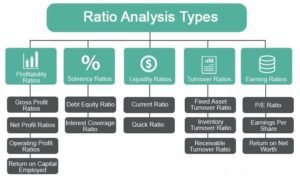
Ratio analysis is one of the best quantitative analysis tools. It is responsible for establishing various relationships between multiple aspects of financial statements. It helps to analyse the degree of change in the quantity that affects the balance sheet, income statement, cash flow statement and so on. 

Further, ratio analysis is an integral tool that is used for analysing a company’s financial performance. Financial analysis like this helps a company to take important decisions in the area of liquidity, solvency, profitability, efficiency, etc.

Common Size Statements

Often overlooked, a common size statement is as important as any other tool of financial statement analysis. The distinct element of a common size statement is that it calculates everything for a company on a base percentage basis. It directly impacts the financial statements of a business with a common figure and that is why, it is known as a common size statement. 

A common-size statement helps you to compare a company’s performance and results with another. Besides, another scenario can be that it allows the comparison of the performance of a company for two or more different periods. Notably, the comparison of performance is the key element of this financial statement analysis tool.

Comparative Statements

A company’s financial statements for different periods of time are known as comparative statements. To derive the result of comparative statements, financial analysts have to use various techniques that may compare the result of the financial performance for different time periods. Various elements of financial statements are compared and presented in the form of a table. This helps to make the data of various time periods short and crisp. 

A financial analyst course will help you to learn all about comparative statements in great detail. Do not miss out on them because without the knowledge of comparative statements you cannot become a successful financial analyst.

Fund Flow Analysis

A fund flow analysis or statement enables you to know the allocation of funds in your organisation. Without it, you cannot prepare the financial statement or utilise any other financial analysis tool. This analysis clearly shows the availability of resources in your organisation.

Apart from the availability of resources, it also helps to analyse the application of resources for a certain period of time. A fund flow statement requires a decent amount of research. It also makes it visible if there occurs any changes in the financial position of an organisation from the start of the accounting period to the end of the same.

Cash Flow Statement

A cash flow statement is another important financial analysis technique that depicts all the cash and cash equivalents inflows and outflows. If any of the cash or cash equivalents is affected by any change in the business, then the cash flow statement also brings that to light. You can easily compare cash flow statements to balance sheets to know the reasons behind the change in cash positions if occurs.

Also, a cash flow statement acts as a guide for preparing a balance sheet and a profit and loss account. It constantly allows a financial analyst to get the right cash balance of a company. Not only the inflow and outflow of cash but also the reasons behind the change in the cash position in a company are also stated in a cash flow statement. It acts as a summary of the cash account in a business.

Trend Analysis

Trend analysis is not a quantitative tool but a theory that acts as a technique for various organisations. It is based on the underlying principle that ‘what has happened in the past indicates what will happen in the future’. It is not completely a mathematical method as it uses historical data for its proper formulation.

Moreover, trend analysis can be adapted for two or more organisations at the same time or two or more periods of analysis of the performance of an organisation. It holds a series of information that helps you to arrive at some specific conclusions.

Bottom Line

These are all the major tools and techniques of financial statement analysis. If you are passionate about financial analysis and want to have a career in this discipline, then a financial analyst course can help you in this regard. Learn financial analysis with the help of the financial analysis certification course by Imarticus and excel in this field so that you can kick-start your career.