Becoming a Supply Chain Expert: Your Path to Expertise in Supply Chain Management

Last Updated on 2 years ago by Imarticus Learning

The efficiency and effectiveness of supply chain management are critical in today’s fast-paced and interconnected business world. Every step of the supply chain, ranging from sourcing raw materials to delivering finished products to customers, contributes to and determines the competitive edge and profitability of the entire system. With the increasing maturity and universal evolution of businesses, the demand for proficient supply chain personnel has reached an all-time high. Consequently, to succeed, current aspirants must get the required skills and tools that would make them become supply chain experts.

Understanding the Supply Chain Landscape

The discipline of supply chain management (SCM) draws complex coordination of different processes, including procurement, production, logistics, and distribution. A thorough understanding of these processes is a vital thing for ensuring supply chain efficiency, cost reduction and risk mitigation.

The Path to Expertise

It takes education and training, and also some practical experience to develop the capabilities of a supply chain master. Here are some steps to help you embark on your journey towards mastering supply chain management:

  • Formal Education: Study supply chain management, logistics, or a related area to establish a strong base in the theories and ideas of SCM. Imarticus offers Supply Chain Management course and Supply Chain Analytics course to unlock a world of opportunities in the field of supply chain. 
  • Continuous Learning: Embrace the latest developments in supply chain management by integrating continuous learning into your everyday life. Enrol in advanced courses and seminars to provide in-depth knowledge in areas such as supply chain analytics, demand forecasting, inventory management, and supply chain logistics.
  • Gain Practical Experience: Try for internships, or positions that are entry-level in the field of supply chain management so that you can get practical knowledge in a real scenario. Working closely with experienced professionals will be a great opportunity to gain an understanding of the intricacies that characterise supply chain management and will help you master the necessary skills.
  • Pursue Professional Certifications: Get professional certifications like Advanced Program in Digital Supply Chain Management from Imarticus to show your expertise and improve your credibility as a supply chain professional.
  • Specialise in Supply Chain Analytics: There is a growing understanding of the significance of data-driven decision-making in supply chain management and this is why the skills in supply chain analytics are becoming valuable. Enrol in courses and certifications in supply chain analytics to master data analytics, data science, and technology utilisation to improve supply chain performance.

The Role of Supply Chain Management Courses in Developing Supply Chain Management Professionals

A planned and systematic approach to SCM courses creates an atmosphere of learning experience where the participant will gain knowledge and skills that are required to be a successful SCM professional. These courses cover a wide range of topics, including

  • Supply Chain Fundamentals
  • Strategic Sourcing and Procurement
  • Inventory Management
  • Demand Forecasting
  • Logistics and Transportation
  • Supply Chain Analytics
  • Risk Management
  • Sustainable Supply Chain Practices

No matter whether you graduated recently and are looking to start your career in supply chain management or are an experienced professional and just need to improve your skills to lead your career further, taking a supply chain management course will equip you with the right knowledge to succeed in this dynamic sector.

Conclusion

Becoming a supply chain champion needs total devotion, continuous learning and the spirit you should have. With formal education, practical experience and the use of programs that offer specialised modules and certifications, you can build the knowledge required to take on the challenges of supply chain management successfully. You can contribute to the evolution of the industry, either by optimizing supply chain operations, driving innovation, or solving complex business problems. Whatever your passion is, taking the first step towards becoming a supply chain expert will surely add value to your career and bring it to the next level.

Ready to embark on your journey to becoming a Supply Chain Expert? Join Imarticus’ comprehensive course today! Gain the knowledge, skills, and certifications needed to excel in this dynamic field and unlock endless career opportunities. Enrol now and take the first step towards mastering supply chain management with Imarticus. 

Chief Business Officer (CBO) – What Does the Job Entail?

Last Updated on 2 years ago by Imarticus Learning

What is a Chief Business Officer?

CBO or a Chief Business Officer title is held by a high ranking executive who is responsible to oversee and inspect day to day operations as well as strategic planning of a company. Chief Business Officer responsibilities include leading teams of employees across various departments, implementing business strategies, financial performance and managing budgets. The role of a CBO is extremely crucial as it works in tandem with other high level senior leaders and play an important role in driving the overall direction and growth of a company and also ensures that everything is running effectively and efficiently. 

Chief Business Officer Responsibilities and Job Duties

Most of the responsibilities and duties of a CBO depend upon the specific company or industry they are working in and they can vary from sector to sector. However, there are several responsibilities that are constant and they include:

Managing financial and budget performance: This is one of the major responsibilities of a CBO and it includes developing financial plans, setting financial goals as well as monitoring financial performance. 

Collaborating with other senior executives: A Chief Business Officer collaborates and works closely with other high ranking executives like the CFO (Chief Financial Officer) and the CEO (Chief Executive Officer) and makes sure that the goals and objectives of their company are being achieved successfully.

Developing and implementing business strategies: The CBO play the lead role in coming up with strategies as well as implementing them so that they perfectly align with the company’s goals. The CBO is also responsible to analyse market trends, identify new business opportunities as well as develop new plans to drive revenue and growth. 

Leading teams of employees: The CBO of a company is also a leader who manages as well as lead teams of employees across different departments. He/she works closely with employees and helps them in setting goals, establish procedures and policies and also guide the teams so that the company is operating effectively and efficiently. 

Monitoring industry trends: CBO needs to stay ahead and up to date with the latest industry trends and also ensure that the business strategies of the company adapt to the changes to remain competitive. 

marketing courses

Skills Required of a Chief Business Officer (CBO)

Some of the most important skills required from a CBO are:

Leadership: A CBO needs to direct as well as manage various teams from different divisions and to do this he/she requires excellent leadership skills. A successful CBO should be able to inspire and guide the employees into making the company’s goals a success. 

Communication: This is a quality that a high level leader must have. Excellent communication is key to be a success as a CBO since the person holding such a position comes in contact with a variety of people everyday including executives, workers and stakeholders. This is why the CBO must have the skills to express even the most complex concepts and ideas in a very clear and concise manner. 

Strategic Planning: A CBO is supposed to formulate and implement the plans of the company and that requires a good head for strategic planning. The CBO should have the ability to not just identify new ideas but must also be able to monitor market trends. 

Financial Management: Having sound financial management skills is a necessary requirement of a CBO as he/she is responsible for overseeing the company’s budget and financial performance. The CBO needs to track financial performance, creating financial responsibilities and making educated final decisions. 

How to Become a Chief Business Officer?

Earn a degree: Chief Business Officer is a high level executive and this is why it also requires a qualified individual to hold that position. This is why one needs to earn a bachelor’s degree in a related field like business administration, economics, finance or administration. A professional Chief Business Officer program in association with Imarticus Learning can also help you realise your dream of becoming a successful CBO. 

Gain Relevant Experience: As discussed above the job of a CBO is a leadership role which means that the individual must have at least 8 to 10 years of experience in leadership and management roles. Chief business officer responsibilities will require you to provide input in sectors like marketing, sales, operations and finance, this is why you need to have relevant experience so as to gain the knowledge and abilities required for success in this profession.

Build a Strong Network: Networking and building contacts can really help you make it big in your career. You can participate in networking events, join professional organisations and build relationships with industry professionals. 

Conclusion

Chief Business Officer is a role that requires the right combination of experience, networking, skills and education. If you want to make a career as a CBO you need to take into account the responsibilities and skills discussed above. You can also get in touch with education experts at Imarticus Learning, who can really help you realise your career dreams through relevant courses. 

In case you are looking to advance in the sales and marketing sector, Imarticus Learning also offers online marketing course as well as  sales and marketing courses online, to help you jumpstart your career. 

People Leadership & Strategic Human Resource Management: Know its Importance

Last Updated on 2 years ago by Imarticus Learning

Among many different approaches to Human Resource Management (HRM), Strategic Human Resource Management (SHRM) is a comprehensive approach that helps link employee relations with an organisation’s strategic objectives and goals to improve high performance. It ensures that Human Resource Management is well-integrated into strategic planning. Alternatively, People Leadership is one of the main features of Human Resource Management (HRM), which plays a vital role in managing the culture, motivation and productivity of the organisation. Leadership can make an impact on the success of HRM strategies and an organisation’s overall performance. So, this blog helps you understand People Leadership and the importance of Strategic Human Resource Management

What is People Leadership?

People Leadership in HRM is a process of creating a motivated, engaged and high-performing workforce. The ability of people leadership is to escort work relationships in different cultures and environments to create motivated, effective and cooperative teams to work together for the growth of an organisation. A successful HR leader must know how to plan for the company’s growth in the future. Thus, it’s essential for you to have the skills and abilities of People Leadership to be a successful HR leader.   

What is Strategic Human Resource Management?

Often referred to as ‘People Strategy’, Strategic Human Resource Management (SHRM) assists an organisation to maximise the potential of its employees. It helps create a connection between an organisation’s workforce and its strategies, goals and objectives. SHRM includes developing and executing strategies for hiring, inspiring and managing people for the organisation’s overall success. Over and above, Strategic Human Resource Management focuses on different aspects of HR operations. They are:

  • Ensuring policies and practices that give a modest benefit to the organisation
  • Ensuring high-performance business
  • Develop plans to improve efficiency, decrease costs and increase profits
  • Enhancing employee satisfaction

iim human resource management

Importance of Strategic Human Resource Management

Strategic Human Resource Management (SHRM) is of utmost importance as it helps in achieving an organisation’s goals. Additionally, SHRM aids in improving productivity and creating a positive environment within the organisation. There are various benefits of Strategic Human Resource Management; some of them are listed below:

  • Increased Job Satisfaction: Strategic Human Resource Management plays a crucial role in job satisfaction. Job satisfaction refers to the positive emotion that an employee experiences at work. When employees are satisfied with their jobs at the workplace, they tend to perform better in their work.   
  • Efficient Resource Management: The HR department helps to create a more nuanced and efficient planning process to achieve an organisation’s goals. Efficient resource management is a process that helps planning, scheduling and allocating resources in a way that maximises efficiency, making it possible to save time and improve results.   
  • Improved Productivity: Strategic Human Resource Management helps an organisation to improve productivity by boosting employee performance and creating a positive environment at the workplace.
  • Improved Work Culture: Work culture always impacts a workplace or employees that should be managed, with procedures, worksite facilities and organisational principles. SHRM helps an organisation to improve work culture by managing employee relations.
  • Forecast Future Needs: This helps you determine what skills an organisation will need in the future and how many employees with these skills you will require, ensuring the organisation’s success and growth in the future.

Conclusion

We hope that you understand the importance of Strategic Human Resource Management. This blog has highlighted how People Leadership and Strategic Human Resource Management are effective for an organisation’s growth as it helps the organisation to remain successful for the long term. 

To become a successful HR Manager in People Leadership and Strategic Human Resource Management, you must go for IIM HR courses and take an HR Certification course. The courses are designed to help you understand HR strategy and develop People Leadership skills.

So, are you ready to advance your career in the HR field? Then, check out this HR course by IIM Lucknow – Executive Management Programme in People Leadership & Strategic HR Management in collaboration with Imarticus Learning. This 11-month program is specially designed for senior HR professionals and determined business managers who want to become great HR leaders and drive strategic initiatives. 

Mastering Sales & Marketing: Online Executive Management Programme Unveiled

Last Updated on 2 years ago by Imarticus Learning

The contemporary business landscape is marked by dynamic shifts and unprecedented challenges, making the mastery of sales and marketing skills crucial for professionals across industries. Recognising this imperative, IIM Lucknow in association with Imarticus Learning presents the Executive Management Programme in Sales and Marketing Leadership, a transformative online course designed to empower professionals with the strategic prowess needed to navigate the intricacies of modern business.

Unlocking Opportunities with Sales and Marketing Courses Online

  • Holistic Curriculum: At the core of this program lies a holistic curriculum that delves deep into the nuances of sales and marketing. From foundational principles to advanced strategies, participants undergo a comprehensive learning journey that combines theoretical insights with practical applications. This unique blend sets sales and marketing courses online by IIM Lucknow apart, ensuring participants are not just informed but adept in real-world scenarios.
  • Strategic Marketing Courses: The emphasis on marketing courses within the programme is a testament to the evolving role of marketing in contemporary business. Participants explore the intricacies of digital marketing, brand management, and market analytics, gaining insights that are directly applicable to today’s competitive market landscape.

IIM Certificate Program: A Hallmark of Excellence

  • Pedagogical Excellence: What sets this program apart is the hallmark of excellence associated with an IIM certificate program. The faculty comprises seasoned industry experts and accomplished academicians who bring a wealth of knowledge to the virtual classroom. This fusion of practical wisdom and academic rigour forms the cornerstone of the program’s success.
  • Industry-Relevant Curriculum: The program’s curriculum is meticulously crafted to align with industry trends, ensuring that participants are equipped with the latest tools and strategies. Industry relevance is the key characteristic of the IIM certificate program, providing professionals with a competitive edge in the job market.
  • Gold Standard of Education: Being part of an IIM certificate program signifies more than just academic accomplishment; it symbolises adherence to the gold standard of education. The program transcends traditional boundaries, bringing the esteemed IIM learning experience to professionals globally, and reinforcing its status as a benchmark of excellence.
  • Real-world Applicability: An IIM certificate is not just a testament to theoretical knowledge; it signifies practical applicability. The program ensures that participants can translate their learning into tangible strategies, making them effective contributors to their organisations from day one.

iim l sales leadership program

Interactive Learning and Collaboration

  • Virtual Classroom Dynamics: The online format of the Executive Management Programme doesn’t compromise on the interactive and collaborative nature of learning. Engaging virtual classrooms, facilitated by experienced faculty, creates an environment where participants can actively exchange ideas and experiences, enriching the overall learning experience.
  • Peer Collaboration: The collaborative ethos extends beyond the virtual classroom. Participants engage in peer collaboration through group projects and discussions, providing diverse perspectives that mirror the global nature of contemporary business challenges. Building a network of professionals across industries is an invaluable aspect of the program.
  • Flexible Learning: One of the standout features of this program is its commitment to flexible learning. Professionals can pursue the course from anywhere, breaking down geographical barriers. This flexibility, a hallmark of online executive management programs, allows participants to integrate learning seamlessly into their professional lives.
  • Networking Opportunities: While the course is conducted online, it doesn’t compromise on the networking opportunities traditionally associated with in-person programs. Virtual forums, discussion panels, and collaborative projects facilitate meaningful interactions among participants, fostering a global network of like-minded professionals.

Navigating the Strategic Landscape

  • Strategic Agility: This online executive management program is not merely a compilation of courses but a strategic journey. It equips participants with the agility to navigate the complexities of the modern business landscape. The curriculum is designed to foster critical thinking and strategic decision-making, essential attributes for today’s business leaders.
  • Market Dynamics: Understanding market dynamics is integral to effective sales and marketing. The program, with its focus on market analytics, provides participants with insights into consumer behaviour, industry trends, and competitive landscapes. This strategic knowledge empowers professionals to make informed decisions that resonate with market demands.

Why Choose the Executive Management Programme in Sales and Marketing Leadership?

  • Career Advancement: For professionals seeking career advancement, the program serves as a catalyst. The skills acquired, coupled with the prestige of an IIM certificate program, open doors to new opportunities and leadership roles within the sales and marketing domain.
  • Global Recognition: The IIM brand is synonymous with global recognition. Completing the Executive Management Programme in Sales and Marketing Leadership by IIM Lucknow in association with Imarticus Learning not only adds a prestigious credential to your professional portfolio but also connects you to a vast alumni network and industry influencers.

Catalyst for Career Transformation

  • Leadership Opportunities: Completing this program is not just a professional milestone; it’s a catalyst for career transformation. The skills honed in sales and marketing leadership open doors to leadership opportunities. Graduates find themselves well-positioned for roles that demand strategic thinking and innovative approaches to sales and marketing challenges.
  • Industry Recognition: The program’s association with IIM Lucknow brings immediate industry recognition. Employers value the skills and expertise instilled by an IIM-backed program, making graduates sought after in the competitive job market.

Final Words

In conclusion, the Executive Management Programme in Sales and Marketing Leadership by IIM Lucknow in association with Imarticus Learning is not just an online course; it’s a transformative journey. It’s about mastering the art and science of sales and marketing, navigating the complexities of the business world, and emerging as a strategic leader.

If you think that the above reasons persuade you to take up professional marketing courses, don’t waste any more time and improve your skills by registering for the Executive Management Programme in Sales and Marketing Leadership by Imarticus Learning. It is one of the best sales and marketing courses online that will arm you with all the aspects of the same that you will require as a stepping stone while making a career in this field. Enroll now to redefine your sales and marketing career!

Product Management: Know Everything About this Promising Career Path

Last Updated on 2 years ago by Imarticus Learning

As the business landscape is rapidly evolving, the need to bring successful products to the market is becoming crucial. Considering this, product managers are becoming increasingly significant in shaping the future of businesses. They drive innovation and identify customer needs using strategic thinking, creativity and business acumen. If you want to contribute to the development of business technologies, new consumer goods, and software platforms, then pursue a product management course. Read ahead to know how to become a product manager and learn product design.

What is Product Management?

Product management means guiding the product in every step of its life cycle, including conception, development, positioning and pricing, amongst others. Product managers play a critical role in aligning a company’s product strategy with its business objectives.

Notably, product management has emerged as one of the most sought-after career paths owing to the ever-increasing reliance on technology. These days, businesses are searching for professionals who can not only offer the best perspectives on products, but also make them as successful as possible. 

What Does a Product Manager Do?

From sniffing out software bugs to briefing executive teams, the role of product managers is dynamic. Let’s learn about the roles and responsibilities of product managers:

  • Turn a theoretical idea into an actual product 
  • Manage product lifecycle 
  • Oversee every step in the process, including planning, design, release and performance assessment
  • Represent and balance the needs and goals of technology, business, and user experience sides of the organisation
  • Influence product development 
  • Create a high-level, strategic vision for new products
  • Organise teams
  • Delegate tasks 
  • Coordinate communications between teams in an organisation 
  • Fix up any low-level issues
  • Lead and motivate team members 

Besides, product managers look after multiple projects (like research and development, sales, public relations, and more) simultaneously. Successful leaders in this field can manage complex projects effectively with the help of a wide range of skills they possess.


Product Manager: Skills Required 

To become a successful product manager, one needs to have the following:

  • Technical skills/understanding
  • A customer-focused approach
  • Data-driven decision-making capabilities
  • Strong communication and interpersonal skills
  • Collaboration skills

A product management certification course can help you acquire these necessary skills to become a product manager.

Becoming a Product Manager

To gain a competitive edge, it is important for product managers to get their basics right. Despite holding a bachelor’s or master’s degree, it is vital to have product management certification that covers topics, such as analytics, engineering, roadmapping, and execution. 

Also, it is important for aspiring product managers to mimic the product management process. Conducting a competitive analysis of a product already in the market could be an option. 

To be a successful professional, it is significant to acquire hard and soft (leadership, communication and collaboration) skills in product management. While applying for a product management role, highlight any experience related to leading a team, analysing data, prototyping, and problem-solving, in your resume. 

Notably, the field of product management has a well-defined career path. You start as an associate product manager. This entry-level position lets you learn about the domain and demonstrate an understanding of the product market. Next up, you can apply for the role of product manager who guides products throughout their life cycle. After gaining experience, you get promoted to the positions of senior product manager, director of product management, vice president of product management and chief product officer.

Conclusion 

By and large, product management is a profession that combines different elements of business management, technology, and marketing. To embark on a successful career as a product manager, it is important to have industry-relevant experience. And, a comprehensive product management certification course can help you learn product design and become a product manager. The Professional Certificate in Product Management With CEC, IIT Roorkee is a 5-month live programme that allows learners to develop a product from scratch. This course not only offers career growth to aspiring product managers but also enhances their portfolios. Reach out to Imarticus Learning for more details. 

Upskill Yourself with the Postgraduate Program in Digital Marketing

Last Updated on 2 years ago by Imarticus Learning

The advent of new technology and developments in business interactions have brought to a recent evolution in the way individuals connect and exchange information. And since mobile devices are getting cheaper and more accessible, most individuals get their information straight from the internet. Digital marketing is an integral part of the future times.

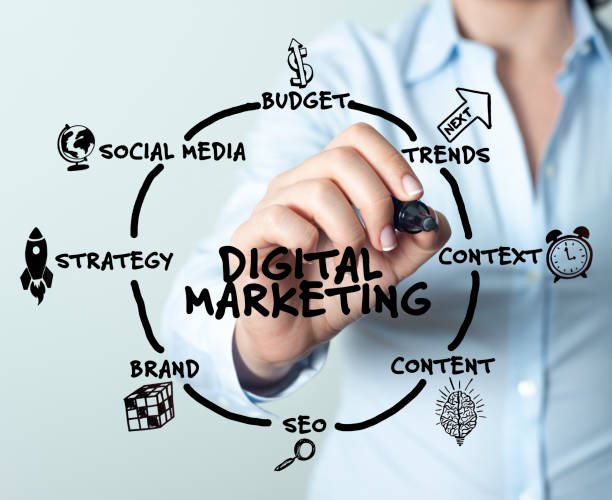
Businesses strive tirelessly to develop new methods and tactics for increasing consumer communication and interaction. To do this, a variety of businesses have increased their digital marketing efforts and developed highly specialised content that may resonate with the target audience. Enrolling in a digital marketing course will provide you with the information needed to generate and develop unique ideas, allowing you to upskill yourself and become a successful professional in this field.

If you aspire to become a digital marketer and want to stand out in your field of work by learning SEO, check out and learn the benefits of enrolling in a Post Graduate Digital Marketing course, and know how Imarticus can help you with that.

Who should opt for this course and become a digital marketer?

The list includes the following:

  • Fresh graduates/postgraduates with over 50% marks.
  • Final year students of diverse backgrounds.
  • Experienced students (0-3 years) with incomes under 3 LPA. 

It is an added advantage that no prior marketing or digital marketing experience is necessary to go for this course.

How to join the digital marketing course?

One should the following steps:

  1. Enquire about the program
  2. Take counselling
  3. Take the admission test
  4. Clear the assessment
  5. Get enrolled

digital marketing online course

What are the benefits of a digital marketing course?

A digital marketing course can significantly contribute to your career growth. It leads to enhanced knowledge and upgraded skills, adds credibility to your resume, gives you a competitive edge and makes you capable of earning more. It gives you the flexibility to pursue the course through online mode or via classrooms. 

The pointers mentioned below will explain how digital marketing course can be beneficial for you and give your career the necessary boost: 

  • You gain skills in entrepreneurship through digital marketing.

Building a career in digital marketing, allows you to build crucial behavioural and entrepreneurial skills. 

Digital marketers must be proactive, communicate effectively, react to market changes and excel at selling the brand for which they work. These are some of the distinguishing characteristics that a successful digital marketing course instils in you.

Another significant characteristic required in the realm of digital marketing is the ability to develop strong customer connections. A good relationship with the customer allows you to better grasp their wants and ambitions. It will eventually lead to more tailored techniques for selling their services.

  • You discover and develop business insights throughout the process.

Digital marketing is not as simple as it may appear to you. It is not limited to advertising and promoting a company’s products and services. The most important aspect of the work is analysing and assessing the results of your marketing activities. The key to success in the area is to effectively examine the data and draw conclusions from them.

  • Growing demand for digital marketing experts.

In today’s environment, no firm ignores the significance of digitalisation. With everything advancing to become digital, there is an increased demand for Digital Marketers. Everyone, from large corporations to small businesses, is engaging digital marketing consultants to promote their products and services.

Businesses are continually searching for young Digital Marketers who can come up with innovative and compelling concepts and techniques for marketing their services. The opportunities are limitless, and a steady job is only a question of time if you take the appropriate digital marketing course.

  1. Jobs in digital marketing are extensive with lucrative packages.

After completing a digital marketing course, you can grab high-profile job roles such as Performance Marketing Manager, Email Marketing Specialist, Content Planner, SEO Specialist, Digital Marketing Executive, Campaign Specialist, Content Strategist, Social Media Manager, etc.

You might select a field in which to specialise and simplify your job. You may simply pick overseas clients and projects while working from the convenience of your current location. As a result, it provides you with a large platform to demonstrate your professional abilities.

So, if you excel at what you do, you can land a high-paying job. Salary packages will improve further when experience and new skills are acquired. You must have a strong command and understanding of the discipline.

  • The field of digital marketing doesn’t get impacted by the recession.

As it is fully reliant on technology and the work is mostly remote, it is unlikely to be impacted by a pandemic or recession. Digital marketing is essential in all businesses and sectors. As long as employees utilise computers and the internet for daily operations and commercial objectives, there will always be a demand for digital marketers.

Final words

If you think that the above reasons persuade you to take up professional digital marketing, don’t waste any more time and improve your skills by registering for the Post Graduate Program in Digital Marketing by Imarticus. It is one of the best digital marketing programs that will arm you in all the aspects of digital marketing that you will require as a stepping stone while making a career in digital marketing.

Building a Career With a Diploma in Supply Chain Management (DSCM)

Last Updated on 2 years ago by Imarticus Learning

Understanding Supply Chain Management

Supply chain management is a steadily growing field and given the recent global developments, the demand for professionals in this field will also grow at a fast pace. It is true that job prospects in this field are strong and a career in supply chain management can lead to success. However, before we get into career prospects in this field we need to understand what is supply chain. In layman’s term supply chain management which is commonly known as logistics takes care of all the elements of production, shipment and distribution of products. Supply chain management is one of the most important element of any business that sells and makes products as it covers all the aspects from inventory to sales. 

If you have decided to become a supply chain expert, then you have made a smart choice as this field holds a lot of promise as a career choice and you can be very successful. Let us discuss the key components of the supply chain and logistics process.

  • Distribution
  • Quality Control
  • Product and service development
  • Strategic sourcing
  • Warehousing and shipping
  • Distribution
  • Logistics
  • Materials management
  • Packaging
  • Investment recovery
  • Inventory control
  • Manufacturing supervision
  • Transportation and shipping
  • Procurement and purchasing

When you take up supply chain management as a career and go for a professional course like a supply chain management certification course, you need to understand that different job profiles have different duties and responsibilities. If you are planning to pursue a career in supply chain management, keep reading to know more about the job profiles on offer and what does a diploma in supply chain management will entail.

digital supply chain management course

Diploma in Supply Chain Management Degree- What to Expect?

Now that you know what is supply chain management, you need to understand what a professional course like a Diploma in Supply Chain Management (DSCM) will provide you in terms of practical knowledge and hands-on training. 

When you enrol in a supply chain management course you can expect to learn how to help your organisation find efficiencies and direct the flow of goods from supplier to consumer. A Diploma in Supply Chain Management will provide you in depth knowledge of the following:

  • Principles of Supply Chain
  • Transportation and Distribution Management
  • Business Research and Analysis
  • International Business
  • Management of Information Systems
  • Supply Chain Risk and Compliance
  • Inventory Management
  • Procurement and Supplier Relations

When you take up a professional degree in supply chain and logistics, you ensure that you have a stable foundation of skills and competencies for a variety of job profiles in this field. This diploma degree will help you get trained for diverse roles, opening up opportunities for several supply chain positions. Let us now take a look at the different career options that are available to you once you complete your DSCM. 

Supply chain involves different steps and responsibilities which means individuals can hold various professional positions and responsibilities, from inventory management to sales to shipping. An ideal supply chain expert professional will have a holistic view of the organisation and a broad business skillset. Some of the major fields that a supply chain expert delves in include: 

  • Logistics
  • Operations
  • Inventory Management
  • Shipping
  • Business
  • Sales
  • Military Logistics

Supply Chain Management Job Titles

When you acquire a diploma in supply chain management you can select a job title depending upon your expertise and skill as well as the type of organisation you decide to work in. Some common supply chain management jobs include: 

  • Demand Planning Manager
  • Director of Global Procurement
  • Director of Logistics & Distribution
  • Director of Operations
  • Quality Systems Auditor
  • Distribution Manager
  • Global Sourcing Manager
  • Logistics Analyst
  • Operations Manager
  • Plant Manager
  • Director of Supply Management
  • Process Improvement Manager
  • Production Planner
  • Project Manager
  • Sourcing Specialist
  • Supply Chain Manager
  • Supply Planner
  • Transportation Planner
  • Import/Export Specialist
  • Business Analyst
  • Strategic Procurement Manager
  • Transportation Specialist
  • Commodity Specialist
    Purchasing Manager

Conclusion

The above mentioned job profiles can really help you envision what your supply chain management career path will look like. You need to keep in mind that your job title will of course depend upon your background, experience and interests. 

If you are planning to become supply chain expert, then getting enrolled in an advance certification program for supply chain management in collaboration with Imarticus Learning can really help you realise your dreams of starting a successful career in the field of supply chain management. 

Fintech Courses in India: Elevate Your Learning Experience With SP Jain

Last Updated on 6 months ago by Imarticus Learning

Overview

In recent years, advanced technology has completely changed our way of living and working. And, with Fintech, financial services become simpler and are accessible to everyone. Fintech or financial technology is the fastest-growing sector which is a great option for students who want to make a career in the field of finance. Fintech courses in India help you develop the required skills for success in this field. As the fintech industry is growing, the demand for professionals is also increasing. Therefore, pursuing a fintech course can help you in many ways. So, let’s look at the benefits of pursuing fintech courses in India.   

What is Fintech?

Fintech, finance technology, is the latest technology that aims to improve and automate the use of financial services. It describes advanced software technology and cloud services that are used on computer and mobile devices. It is utilised to help companies, business owners and consumers manage their financial services faster and more innovatively. 

Benefits of Fintech Courses 

There are many benefits of fintech courses that help you develop yourself both personally and professionally. Some important benefits are mentioned below:

  • Career Opportunities: As fintech is growing rapidly, the demand for skilled professionals is increasing. Fintech courses help professionals develop skills and learn the latest technology, such as blockchain, data analytics and automation, making them decide which career path is best suited for them.   
    • Enhanced Technical Skills: Fintech courses are essential to develop technical skills, such as data analytics and artificial intelligence, in this field. These courses will advance your resume, providing you with the right career path.
  • Complete Industry Knowledge: Fintech courses help students gain in-depth knowledge of the industry, including the latest trends and future direction, for a successful career in this field.  
  • Networking Opportunities: With fintech courses, students can also get network opportunities that help them build connections and learn from experienced professionals. These networking opportunities can also be helpful in securing career growth in the future.
  • Global Opportunities: Fintech courses also give opportunities to work in different countries, making students gain exposure to different concepts and explore their potential. 

Fintech Course

Skills Required for a Career in Fintech

As the fintech industry is booming, the career opportunities are also increasing. Hence, you need to develop a range of skills to make a career in fintech. Some crucial skills are listed below:

  • Software Development: Software engineers and developers are highly desirable in this fintech industry to develop applications and websites. Thus, it’s important to have experience in languages Python, SQL, JavaScript, C++ and C#. 
  • Artificial Intelligence (AI) and Machine Learning (ML): To improve cybersecurity, automate customer support and fraud prevention, AI and ML technologies are being used in the fintech industry. These technologies are also used to automate and update various processes such as loan underwriting and risk assessment.
  • Digital Marketing: To boost demand, business growth and consumer loyalty, fintech companies require digital marketing. The skills required in this field are digital promotion, SEO (Search Engine Optimisation), content creation, branding and the ability to analyse data.
  • Problem-solving Skills: Critical thinking and problem-solving skills are also required for a career in fintech. These skills help you identify problems and develop innovative solutions while using your technical and financial skills. 
  • Adaptability: The fintech industry is growing fast; so, it’s essential for you to develop skills in adapting to new technologies and regulatory changes, to apply the new knowledge or information to your work.  

Conclusion

We hope this blog is helpful for you to understand fintech courses in India and the required skills to make a career in fintech. Pursuing fintech courses will help you enhance your skills with the latest developments in this sector. 

So, want to boost your career in this technology? Then, you should check out the Professional Certificate Course in Fintech offered by SP Jain in collaboration with Imarticus Learning. This course is designed to transform your career in the fintech industry through practical training from industry experts, case studies, projects including emerging technologies and valued interactions with industry leaders and entrepreneurs.  

Mastering Financial Strategies: Executive Programme in Investment Banking and Capital Markets

Last Updated on 6 months ago by Imarticus Learning

In the dynamic landscape of finance, mastering the intricacies of investment banking and capital markets is paramount for professionals aspiring to thrive in the industry. The Executive Programme in Investment Banking and Capital Markets by IIM Calcutta stands as a beacon of financial knowledge, offering a transformative learning experience that combines academic rigour with real-world application.

IIM Investment Banking: Nurturing Financial Leaders

At the heart of this program is a focused exploration of IIM investment banking, a discipline where IIM Calcutta has established itself as a leader. The curriculum delves into the nuances of mergers and acquisitions, capital raising, and financial restructuring, providing participants with a holistic understanding of the investment banking landscape. 

Benefits of the Executive Programme

  • Comprehensive Curriculum: The program’s curriculum is meticulously designed, covering diverse aspects of investment banking and capital markets. From financial modelling to risk management, participants gain a 360-degree view of the financial domain.
  • Industry-Relevant Learning: Taught by seasoned industry experts and renowned faculty, the program ensures that participants are equipped with insights directly applicable to the ever-evolving financial sector.
  • Networking Opportunities: Beyond classroom learning, the program fosters a conducive environment for networking. Participants interact with industry professionals, creating avenues for collaboration and career advancement.
  • Practical Application: Theoretical knowledge is complemented by hands-on applications, case studies, and simulations. This ensures that participants not only understand financial concepts but also know how to apply them in real-world scenarios.


Online Finance Course: Redefining Flexibility in Learning

One distinguishing feature of the Executive Programme in Investment Banking and Capital Markets is its online format. Recognising the demands of busy professionals, Imarticus Learning has crafted a program that offers flexibility without compromising academic excellence. This online finance course enables participants to pursue advanced education without the constraints of geographical location or rigid schedules.

Why Choose an Online Format?

  • Global Reach: Participants from across the globe come together in a virtual classroom, creating a rich and diverse learning environment. This global perspective is invaluable in understanding the interconnected nature of financial markets.
  • Flexibility: Professionals juggling work commitments find the flexibility of an online finance course instrumental. Whether in a different time zone or managing a hectic work schedule, participants can access course materials at their convenience.
  • Interactive Learning: The online platform is not just about watching lectures; it’s about active engagement. Discussion forums, live webinars, and collaborative projects ensure that participants actively participate in their learning journey.

Finance Training: A Gateway to Career Advancement

For those seeking career advancement, a specialised finance training program is often the key to unlocking new opportunities. The Executive Programme in Investment Banking and Capital Markets by IIM Calcutta in association with Imarticus Learning, positions participants as strategic financial leaders, ready to take on roles that demand both expertise and innovation.

Career Trajectory

  • Investment Banking Roles: Graduates of the program find themselves well-equipped for roles in IIM investment banking, be it as financial analysts, associates, or even vice presidents.
  • Capital Market Specialists: The curriculum’s focus on capital markets prepares participants for careers as market analysts, traders, or investment strategists, where understanding market dynamics is crucial.
  • Financial Consultancy: Armed with a comprehensive understanding of financial strategies, program graduates are well-suited for consultancy roles, guiding businesses in making sound financial decisions.

Final Words

In a world where financial landscapes are constantly evolving, mastering financial strategies becomes a transformative journey. The Executive Programme in Investment Banking and Capital Markets by IIM Calcutta in association with Imarticus Learning with its focus on IIM investment banking expertise, online finance course flexibility, and career-centric approach, emerges not just as a course but as a catalyst for elevating financial expertise. As you embark on this learning journey, you’re not just acquiring knowledge; you’re shaping the future of finance.

If you think that the above reasons persuade you to take up professional financial training, don’t waste any more time and improve your skills by registering for the Executive Programme in Investment Banking and Capital Markets by Imarticus Learning. It is one of the best Investment Banking and Capital Markets programs that will arm you with all the aspects of the same that you will require as a stepping stone while making a career in this field. 

Seeking Career Advancement with Financial Services and Capital Markets Programme

Last Updated on 6 months ago by Imarticus Learning

The financial services and capital markets industry, including banking, investments, insurance, consumer finance, and real estate sectors, is one of the major contributors to the national economy. Considering this, there are many opportunities available to grow your career in this domain. You can pursue a financial services course or a capital market course to explore career opportunities with high earnings. Read ahead to know more…

Benefits of Career Advancement

It is important to have growth plans to advance in your career. And, to accomplish this, it is vital to upskill yourself to be industry relevant. Let’s discuss some more advantages of career advancement programmes.

  • Get Higher Salary Package: Notably, your designation, industry experience, education level and sector, affect your pay cheque big time. As one advances in his/her career, pay also increases. Pursuing a financial services course or a capital market course can help you bag better-paying jobs 
  • Gain Job Satisfaction: As you advance in your career, your responsibilities and independence increase too. And, this is linked to employee satisfaction. According to World Financial Review, careers in finance score 9.6 out of 10 when it comes to work satisfaction. It is to be noted that many companies in this domain invest in their employees and help them build their careers.
  • Enhance Career Diversity: As you grow in your career, your opportunities also increase. For instance, if you are in corporate finance, then you can also explore opportunities in financial planning or investment banking and hedge funds, after pursuing a related certification course. These short-term programmes prepare you to explore new paths and switch companies and sectors.

How to Advance Career in Financial Services and Capital Markets?

In order to advance your career in the financial services and capital markets industry, follow these steps to attain your career goals:

Get an Advanced Degree: Earning a bachelor’s degree is a prerequisite to excel in the financial services domain. This helps you acquire the basics of accounting, economics, or business administration. Besides, it is helpful and recommended to pursue certification courses to gain advanced knowledge and soft skills to find long-term success. These short-term courses help develop analytical aptitude, communication skills, detail orientation and proficiency in mathematics. 

Expand Your Network: It is important to forge connections with other professionals in the financial services and capital markets industry to open new career avenues. You can join virtual and in-person conferences relevant to your industry in order to meet more professionals having similar interests. Also, you can participate in finance-targeted networking events to stay updated on trends in the world of finance.

Careers in Financial Services and Capital Markets

Pursuing a reputable financial services course or a popular capital market course can help you acquire the necessary skills to perform your duties efficiently and effectively in the following roles: 

  • Investment banker
  • Venture capital analyst
  • Credit analyst
  • Fund manager
  • Actuary
  • Business development manager
  • Stockbroker
  • Financial analyst
  • Underwriter
  • Chief financial officer
  • Operations manager
  • Branch manager
  • Loan officer
  • Treasurer
  • Internal auditor
  • Financial adviser
  • Wealth manager
  • Personal banker
  • Qualitative research analyst
  • Investment banking analyst
  • Executive director

Conclusion

As the financial services and capital markets industry prospers, it not only reflects that the economy is strengthening but also states job opportunities are growing. And, to prepare oneself for these opportunities, it is vital to pursue a financial services course or a capital market course like the IIM Lucknow finance course, which focuses on a forward-looking curriculum, interactive learning and masterclasses by industry experts. This programme will help build technical expertise, develop strong analytical capabilities, gain industry exposure, and cultivate critical soft skills. Reach out to Imarticus Learning for more details about the programme and enrollment queries.