The 6 Computer Vision Techniques That Will Change How You See The World

The 6 Computer Vision Techniques That Will Change How You See The World

Computer Vision is a branch of artificial intelligence. Computer vision involves the automated extraction, analysis, and understanding of useful information from images and videos using computational methods. 

It has many applications in daily life like image recognition, image processing, video processing, etc. This blog post will discuss five computer vision techniques that will change how you see the world.

Face Detection

Face detection is the process of finding faces in images and is a subset of image classification, applying computer vision and machine learning. It is a critical component in facial recognition and other computer vision applications like object tracking, scene understanding, etc.

Facial Recognition

Facial recognition is a type of biometric authentication. It’s used in security systems to identify people, and it’s also integrated into social media platforms like Facebook and Snapchat.

Facial recognition is also a hot topic in the advertising industry. These industries use real-time emotion analysis to help advertisers better understand what kind of ads consumers respond to best.

Image Classification

Image classification is classifying an image into one of several categories. For example, you can build a model that will be able to classify images as “cat,” “dog,” or “bird.” You can then use this model to identify pictures labeled as cats and dogs on the internet.

Image classification is significant for pattern recognition problems and object detection because it allows computers to understand what’s in an image by implementing machine learning techniques.

Semantic Segmentation

It is the task of assigning each pixel in an image to a class. For example, given a picture of a kitchen, semantic segmentation allows you to label every pixel with such information as “ceiling,” “floor,” or “stove.” If that seems easy enough for you, keep in mind that this process is not as simple as it sounds.

Segmentation requires the detection of object boundaries and their classification using machine learning algorithms like neural networks. One popular way to do this is by using convolutional neural networks (CNNs). CNN’s are particularly effective at finding boundaries between objects because they can learn patterns from visual data without prior knowledge. They do this by mapping out where pixels belong relative to one another to make more accurate predictions on what’s happening within the scene getting analyzed.

Object Tracking

Object tracking is the process of automatically following a moving object through a video. It’s useful for surveillance, sports, and other applications.

The two main types of object tracking are active and passive. Active object tracking uses a target-detection algorithm to detect objects that move in front of the camera, while passive object tracking tracks objects by analyzing changes in pixels over time (i.e., motion blur).

Learn Machine Learning and AI courses with Imarticus Learning.

This deep learning Artificial Intelligence credential brings together the E & ICT Academy, IIT Guwahati, and the most prominent industry specialists. This AI course will help students prepare for careers as data scientists, data analysts, machine learning engineers, and AI engineers.

Course Benefits For Learners:

  • Students can now participate in 25 real-world projects to get industry experience and prepare for a fascinating future in data science.
  • Impress employers and demonstrate your talents with an E & ICT Academy, IIT Guwahati, and an Imarticus Learning-endorsed certificate.
  • This IIT artificial intelligence course will help students land lucrative jobs in the disciplines of artificial intelligence and machine learning.

Contact us through chat support, or drive to our training centers in Mumbai, Thane, Pune, Chennai, Bengaluru, Delhi, and Gurgaon. 

What to Know About Cryptocurrency?

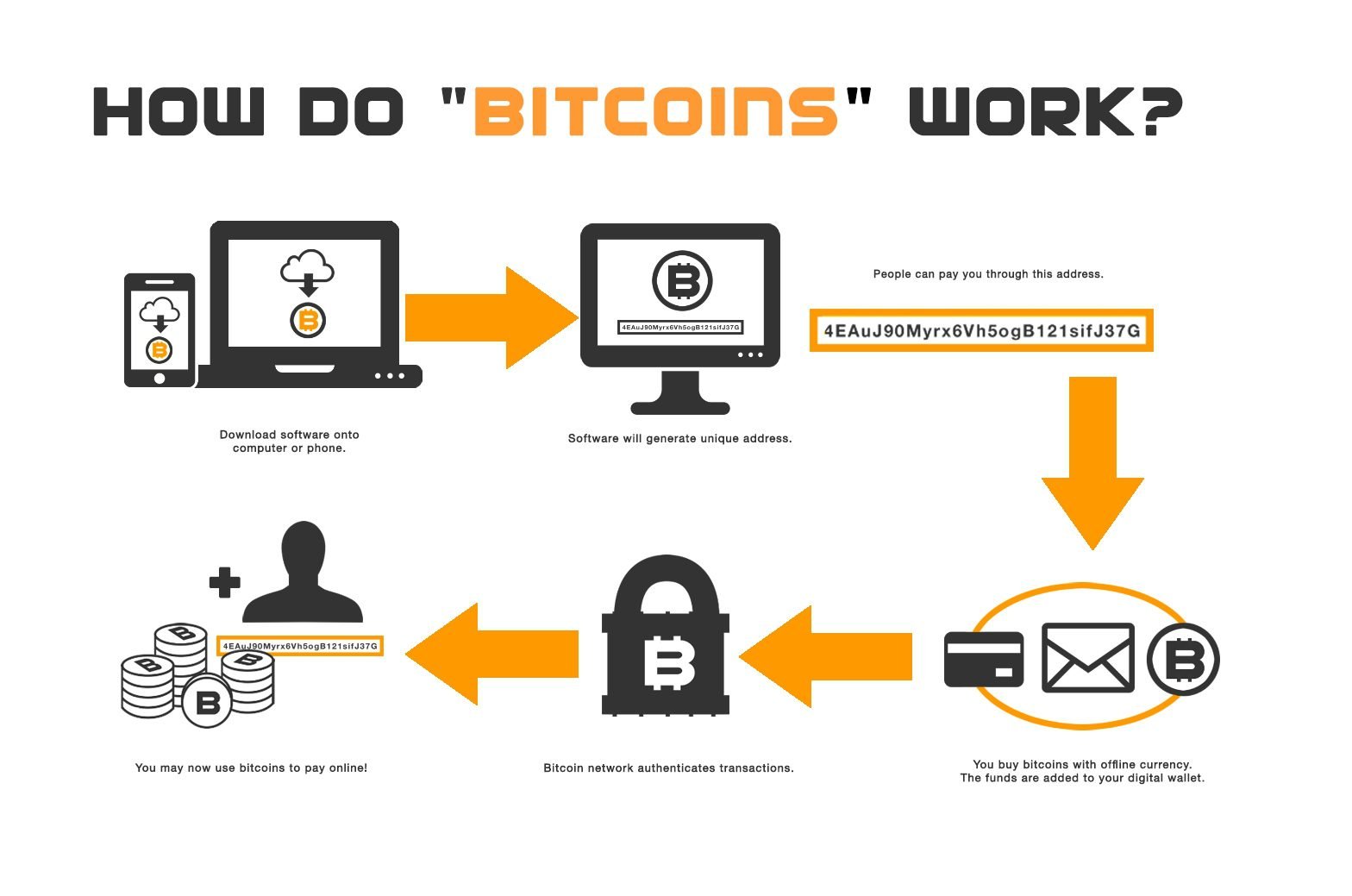
With everything becoming dependent on technology, why not money? Monetary transactions have slowly gone digital too. With this form of digitalization, cryptocurrency was also developed which evolved into a medium of exchange.

Bitcoin became the first cryptocurrency that began back in 2009. Now, businesses are looking towards this exchange medium, with the likes of Elon Musk investing $1.5 billion in Bitcoin. Hence, it would be wise to know what cryptocurrency is and why it has already taken the world by storm.

What is cryptocurrency?

The meaning of cryptocurrency lies in its name itself. It is a kind of digital currency that is encrypted for security purposes. As it is encrypted, it becomes impossible to counterfeit like real money or even hack virtually. It comes in the form of digital coins and tokens that one can buy with real money.

Or, if someone has the expertise in technology, they can ‘mine’ it for themselves via a strong graphics processing unit (GPU).

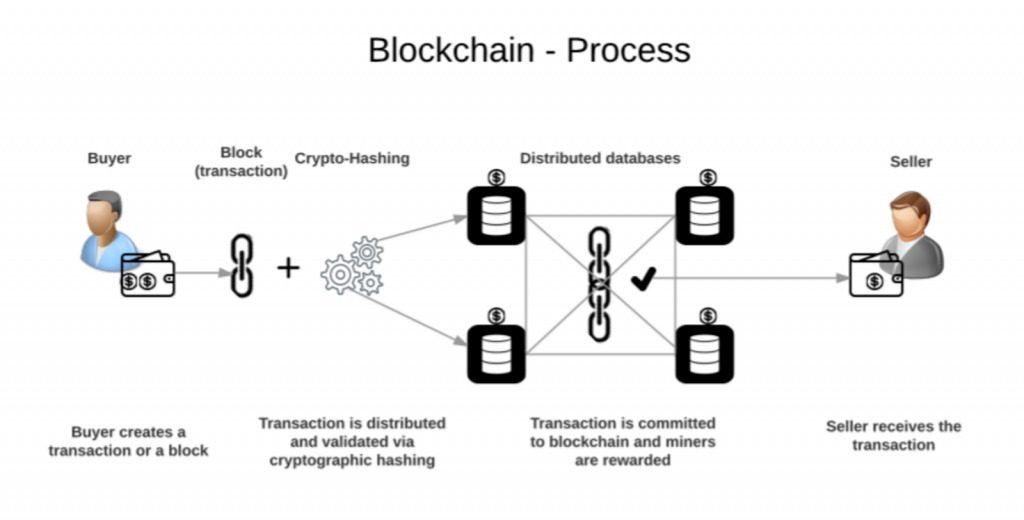
CryptocurrencyMost of the cryptocurrencies use Blockchain technology, which is decentralized and records transactions among computers. Cryptocurrencies are mainly used for trade finance. People usually use it to buy goods and services for many beneficial reasons.

Different types of cryptocurrencies

Bitcoin is the most popular among all cryptocurrencies and currently, there are at least 18.5 million tokens being used. Besides Bitcoin, there are more than 6,700 kinds of cryptocurrencies being used in the market nowadays. And, some of them are:

Ethereum: Ethereum uses a token named Ether and it mainly promotes free access. But mostly, it is for developers to get rid of middlemen and control their apps.

Litecoin: Litecoin was created in the light of Bitcoin to improve upon it. It is basically the same as Bitcoin other than faster time for transactions and a few more benefits.

Stellar: Stellar’s currency is Lumen and its uniqueness lies in people being able to transact between different countries. Also, huge transactions can be made with little to no hassle.

How to buy cryptocurrencies?

If someone wants to buy some cryptocurrencies for themselves, they will need an app where they can hold the currency like a ‘wallet’. Then, they can create an account and transfer real money to buy cryptocurrencies. Some online brokers are also selling cryptocurrencies. Notably, the exchange rate for cryptocurrencies can fluctuate at any time due to its decentralized nature.

BitcoinFurther, cryptocurrencies are very much transparent. They have zero possibility of being stolen. The transactions can also be quicker and made with minimal transaction fees compared to banks or other financial organizations, which makes trade finance a much easier process.

By and large, cryptocurrencies are a little risky but as online transactions are increasing day by day, their importance is increasing too. One should only go along with purchasing cryptocurrencies with their advantages and risks all in mind.

Why cybersecurity is more important than ever

Why cybersecurity is more important than ever

Cybersecurity can be understood as the practice of protecting computers, mobiles, and other devices from digital attacks. Also referred to as Information Security and Electronic Information Security, it deals with several contexts such as business and mobile computing. It mostly prevents attacks such as extortion and the destruction of sensitive information. This is why the implementation of security procedures goes through several challenges.

The domain can only acquire success if multiple layers of protection are provided across all technological devices. The defense can be created only if people, technology, and systems are strong and well-connected. 

New vulnerabilities are emerging day by day, according to researchers. A society can only function if cyber security training is provided to the professionals, resulting in the prevention of digital assaults.

Here are some of the reasons why cybersecurity is essential:

IoT and Cybersecurity

We are quickly moving to a Smart world where the Internet of Things or IoT is growing. Since IoT works by collecting data and predictive analysis, it has created a world where personal data is kept in the cloud and used to monitor daily activities. If hackers gain entry to these data, they can easily gain access to monitoring records of individuals and breach privacy.

Cloud Storage

Cloud storage is no longer a thing of the future — we have completely integrated cloud storage into our lives. From storing passwords to useful documents and even images, it has become really important to secure specific cloud accounts from breaches. The targeted Apple iCloud hack on celebrity accounts back in 2014 is proof of how important it is for cybersecurity to protect cloud data.

 Computer Illiteracy

Technology is evolving every day and at this current, it has outpaced the level of computer literacy that every person has. If compared with the growth of technology, a majority of the Earth’s population is currently computer-illiterate. Hence, they are more susceptible to cybersecurity attacks. That’s why it has become more important for cybersecurity experts to create a protective cushion to prevent any security breaches.

Tighter Regulations

Nowadays, businesses store a lot of essential customer information that can track customer activity and even draw up a personality profile. Plus, businesses need to keep their security features updated to protect against new forms of cybersecurity attacks. Now, with the General Data Protection Regulation (GDPR) in the EU, which focuses on the protection of data and enforces organizations to put security measures in place, it is quite possible that eventually tighter regulations will be placed on organizations all across the globe.

What Makes Cybersecurity Essential?

Information, both public and private, must be safeguarded by all of us. Cybersecurity enhances that safety for all of us by removing external attacks from digital hackers. Technology in the COVID times is something that is used in every household. Unprotected devices are always noticed by hackers and due to such a lack of attention from our side, it provides them with an easy space to fetch all our information. These include usernames, bank credentials, social security numbers as well as pin codes. 

At a broader level, private businesses, as well as government organizations, face such turmoil. Hacking methods such as Powershell detect files and programs via in-memory exploits. Cybercrime is currently a fight that everyone is present in and cases are increasing day by day. 

This is why cybersecurity is essential because it is used in our everyday work. Its main objective is to prevent unauthorized access and modify necessary data and programs. Hence, you can spot several cybersecurity courses online which suggest the importance of cybersecurity in today’s world.

Conclusion:

Cybersecurity training programs are abundant on digital platforms. However, Imarticus PG Cybersecurity Program will provide you with the best possible teachings from a range of experts. Along with cybersecurity certifications, it will provide you with interview opportunities, extensive preparation with placements as well as an industrial curriculum framework. This course will clear out all your doubts regarding cybersecurity and provide you with irresistible job offers.

Contact us today to enroll in the program! 

Investment Banking is Not the Same in 2022

Investment Banking is Not the Same in 2022

Despite the black cloud of the COVID variant Omicron and the prospect of a fourth wave, the year 2022 seems to be more exciting. Fresh opportunities were created as a result of the new normal produced by the pandemic. A spirit of resilience has been instilled in the ecosystem by different players, including the Government, RBI, and companies in certain industries. 

The year is opening up new business opportunities for investment bankers as a result of the constant turnaround and recovery of the impacted industries, as well as a higher growth trajectory. Investment banking enthusiasts must have a thorough knowledge of the prospects. The industry has huge opportunities and scope, and a well-structured certificate course to polish your investment banking skills can do wonders for your career graph.

Factors influencing investment banking

Digital Processes

The demand for digitization and online commerce spawned a new set of activities and technological applications in a variety of sectors of the economy. Health, pharmaceuticals, and education have developed as high-demand industries.

Ecosystem

The administration also announced enabling policies and reforms to promote growth in a variety of areas. In the context of investment banking, all ecosystem sectors such as IPOs, mergers, and acquisitions, and private equity picked up steam and enjoyed unprecedented development.

Rehabilitation

The investment banking business experienced a considerable increase in activity with the reopening of global markets and the introduction of incentives by governments to alleviate the negative impacts of the COVID-19 epidemic.

Offline activities

Most investment banks have resumed working from office space and meeting customers in person, albeit on a limited basis. Investment banks have begun to use hybrid conference/roadshow techniques as well as cutting-edge technologies to realign and restructure deal origination processes. The market’s liquidity is projected to stimulate merger and acquisition (M&A) activity in the next years.

Keeping all these factors in mind and in light of the dynamic nature of the investment and banking industry, a few trends can be identified that will prove to be game-changing in 2022.

Trends in investment banking

Optimizing growth using first-party data

You can start stressing on first-party data through different structured teams tackling different segments. Much of the key personnel sources fresh data on potential business opportunities. Keeping track of all these data to find a potential lead quickly becomes a task; you need a focussed approach.

Using social capital to discover fresh opportunities

Investment banks amass massive amounts of exclusive first-party information on connections, firm financials, industries of interest, deal multiples, estimated bid ranges, and other topics. You can use these data points to develop insights and influence top-line growth strategies through thorough analysis. 

Enhancing the role of technology

While some in the sector are wary of technology, it is undeniably useful in investment banking skills. Banking is expected to spend $ 219 billion on information technology this year, a $ 20 billion rise over 2017. Some of this money will go into security measures against both human and AI fraud, as well as digitalization and artificial intelligence to better safeguard customers. You need to be technologically aware to succeed here.

A workforce transformation

Technology will also influence how you operate in investment banking. The way automated teller machines helped employees to move away from transactional activities and into more analytical responsibilities, automation will continue to elevate employment into more management ones.

The road ahead

The worldwide investment banking industry has undergone phenomenal development and is projected to continue its dominance over the forecast period. Investment banking is a section of a financial institution that provides consultancy services to governments, businesses, and market institutions. To stay ahead of the curve, you need to be updated with investment banking skills and requirements.

Consider these options to fine-tune yourself:

Certified Investment Banking Operations Professional – Knowledge Partner Euronext

This intense 180-hour Certified Investment Banking Operations Professional (CIBOP) course prepares you for a career in investment banking operations, treasury, and clearing services. Your only responsibility is to study; we will take care of the rest.

IIM Calcutta Investment Banking and Capital Markets

The Executive Programme in Investment Banking and Capital Markets was created in conjunction with the esteemed IIM Calcutta. This thorough one-year program will teach you the fundamentals and advanced concepts of global capital markets and investment banking. You’ll learn the fundamentals of mergers and acquisitions, debt and equity capital markets, portfolio management, sales and trading, and securities laws in this course geared for finance professionals with at least two years of experience. This IIM Calcutta executive program will assist you in achieving your objectives and establishing a successful career in the financial sector. 

Final Words

Imarticus Learning is a technology-driven training institute with vast expertise in transforming careers in finance, analytics and artificial intelligence, business analysis, and core technology. These certificates in investment banking have been chosen with your professional development in mind. The programs will assist you in achieving the peak of your desired career. We have locations around the country; come see us in Mumbai, Thane, Pune, Chennai, Bengaluru, Delhi, and Gurgaon, or communicate with us via chat assistance.

Covid-19 Data Analysis Using Tableau

Covid-19 Data Analysis Using Tableau

Tableau is a fast-growing data visualization and data intelligence software used worldwide to drive better data-driven decisions. Dynamic software manipulates updated data as and when it is introduced into Tableau. A simplistic description of Tableau is a pivot table on steroids. But Tableau is so much more than Excel and other software available in the market for analyzing data. 

Today Tableau is at the forefront of data analysis with millions of users globally. Apart from its advanced features, interactive dashboards have the facility to import data from different data systems like Python and R. 

To be up-to-date on data analysis, get a Tableau certification by doing a Tableau course or a data science course in India at Imarticus Learning.

The Covid-19 epidemic has devastated the whole world and resulted in many deaths. It transcended national borders and attacked citizens of all countries without discrimination. 

Many countries maintained a daily tracker of Covid-19 patient statistics to take appropriate action regarding lockdowns, curfew, treatment plans, ensuring availability of medical and health care facilities, availability of oxygen, vaccine production, emission, etc. Tableau software has been handy for all the data at a global level and facilitated decision-making by the governments of the respective countries.

Tableau helped government health organizations and companies in data analysis during the Covid-19 epidemic. Given below is the use of a Tableau to track the progress of the Covid-19 epidemic in the U.S.

Tableau workday data file was used.

The Tableau workday data file was used with Tableau Prep Builder and data from John Hopkins to represent a dynamic data representation. The above is a static view of the Tableau Dynamic Prep Builder. A survey of work from home employees, which was administered on the Salesforce platform, is represented below:

Filters were used to enable analysis by employee’s region, quota responsibility, and previous work experience from home.

Tableau launched the Datahub to make sense of the Covid-19 data.

In India, Covid-19 data was analyzed using Tableau. The analysis of the data focused on the following key data points:

  1. The timeline of the spread in the country
  2. The primary reasons for the spread and the various government responses to it.
  3. Analysis of research and development.
  4. The number of Covid-19 tests carried out and analysis of the same. 

To be up-to-date on data analysis, get a Tableau certification by doing a Tableau course or a data science course in India at Imarticus Learning.

Timelines were plotted, charting the return of tourists from Wuhan and the return of tourists from Italy. The various events which led to the congregation of people were all charted.

Most of the reasons for the spread were the various religious congregations in the country belonging to different faiths. This led to the peaking of the Covid-19 cases, as shown in the above chart.

Government responses can be classified as under:-

  • Thermal screening of patients returning from abroad. This was gradually extended to the various airports in India.
  • By Mid-March, containment measures were introduced to prevent spread through contact.
  • By 22nd March, lockdown measures were introduced in 22 states, followed by inter-state movement restrictions. The gradual nationwide lockdown was also introduced. The data graphs in Tableau show rapidly increasing numbers of Covid-19 patients resulting in further extensions of the lockdown.
  • Research and treatment: India fared better compared to the rest of the world, as shown in the Tableau graph below:
  • Many government facilities such as the DRDO and ISRO started producing protective equipment, PPE suits, and ventilators to fight against Covid-19. Gradually other Public and private sector enterprises were also drawn into the production of equipment to protect against the Covid-19 epidemic.
  • Testing: Covid-19 testing was gradually extended to cover significant population proportions. All pneumonia cases were included in the ambit of testing.

 The testing ambit was gradually widened to include broader testing in all the hotspot areas. The graph below shows the confirmed cases contrasted against the number of deaths in India.

Some of the important takeaways from the above exercise were:

  • Data from Tableau graphs and data visualization models were used for public decisions.
  • The data visualization models were used to communicate the immense scale of the tragedy in a way that mere numbers could not.
  • The summary statistics mask inequalities between regions, states, and groups of people.
  • The data collection itself was a very complex exercise.
  • One measure from the data charts or visualization exercises does not tell the complete story. Many measures had to be taken together to tell the complete story of the progress of the Covid-19 epidemic.
  • Rapid developments of Covid-19 charts happened at the expense of accessibility. The Tableau statistics and graphs were not accessible to those working on the ground.  

 To be up-to-date on data analysis, get a Tableau certification by doing a Tableau course or a data science course in India at Imarticus Learning.

Visit Imarticus Learning to learn more. Contact us through chat support, or drive to our training centers in Mumbai, Thane, Pune, Chennai, Bengaluru, Delhi, and Gurgaon. 
Top 6 careers in financial services and capital markets

Top 6 careers in financial services and capital markets

Financial services and capital markets are considered to be one of the most lucrative domains out there. Most of the job roles in the domain of finance offer great career prospects and growth. Because of the financial accounting work and the transaction of huge amounts of money in the capital market, there are a lot of career opportunities available with high earnings. If you really want to grow in the world of finance, then you must consider doing a financial risk management course.

Top Six Career Options in Finance Services

  1. Investment Banker – An investment banker raises capital for organizations and companies. Investment bankers also facilitate deals such as mergers and acquisitions for companies. Investment bankers also handle the portfolio of large investors and assist them in investing in start-ups as well.
  2. Financial Analyst – Financial analysts specialize in markets, accounting and economics, and compliance. They advise companies to make strategic decisions and invest, based on financial models, analysis, and revenue estimations. 
  3. Venture Capital Analyst – Here, the responsibility is networking, following the new market trends, and meeting potential targets. You will help provide start-ups and small firms with new business expansion plans but do not have access to the stock market. 
  4. Chief Financial Officer (CFO) – A CFO is tasked with conducting a company’s financial activities. He/she plays an important role in the overall success of a company by influencing the company’s strategy.
  5. Stock Broking – There is no doubt that stockbroking is a lucrative profession. You can also do a job as a stockbroker or even open your own broking house.
  6. Risk Analyst – The risk analyst’s liability is to minimize losses and mitigate the uncertainty of the company. He/she identifies and analyses potential threats to a company’s assets, and predicts changes, future trends, and costs for the company.

Top 6 Careers in Financial Services and Capital Markets


  • Credit Analyst – The responsibility of a credit analyst is to review financial information to finalize the process of loan decisions. Credit analysts may take part in audits of companies and individual clientele.


  1. Fund Manager – A fund manager’s main job role is to buy and sell shares in an establishment’s portfolio. This may include reviewing a company’s portfolio so that he/she is buying and selling the right stock options. Fund managers also administer the mutual funds and pensions of the company.

  2. Business Development Manager (BDM) – The BDM conducts research in markets and creates strategies for enhancement. He/she helps the company to grow with new ideas, processes, and plans.

  3. Actuary – The actuary mainly works in the insurance industry. He analyses the prospective risks for a business and develops insurance policies with all options and prices. The benefits for the company are estimated in the pricing of the insurance products.

  4. Senior manager – A senior manager is the mastermind of the initial public offering (IPO process). He/she raises funds for business and updates shares and bonds on the stock exchange boards so that investors can bid and be active in trading.  Opportunities are there in banks or finance companies for a senior manager.

  5. Underwriter – An underwriter is responsible for analyzing and finalizing applications for mortgages, loans, securities, and insurance policies. The financial risk of a company depends on the underwriter.

Conclusion

IIM Lucknow is offering the best courses to achieve top careers in financial services and capital markets. It is one of the leading colleges in India, and you must visit. Join now and conquer the world of money. The PGDM in Finance Management is the perfect course to start with for individuals who wish to start their own businesses also.

Incident Management in Cybersecurity: Best Trends and Practices

Incident Management in Cybersecurity: Best Trends and Practices

With emerging technologies and heavy usage of digitization, the world has been embracing technical advancements without reservation. But as technology makes our life easy, it is very difficult for our data to be safe and secured. 

Cybercriminals are becoming more innovative and developing sophisticated and unrecognizable online/offline threats to our data. Security breaches are rampant; in fact, 65% of security professionals believe they will have to tackle significant violations in the coming times, amounting to a $3.86 million loss. 

Such desperate times only increase the need for professional data security analysts to work and help organizations protect their data and keep it safe. As a result of this technological emergence and booming opportunities, many individuals make cyber security their preferred career choice.

There are multiple online courses for cyber security that can help you become a skillful data security analyst to keep your organization’s data safe and sound. 

When pursuing a career in data security, here are some of the best trends and practices that will help you keep your data security game on top! 


  • Make an incident response plan. 


You are preparing yourself to keep away from almost every security incident by making an incident response plan. This activity will help you enable and outline procedures for controlling, detecting, and remediating security incidents, which will also keep other employees aware of how to respond to such security events. 

Your incident response plan should be of at least six steps which should consist; 

  • Preparation
  • Identification
  • Containment
  • Elimination
  • Recovery 
  • Post-incident review process

This process will help you prepare a comprehensive incident response and eliminate downtime during emergencies. 


  • Develop threat-specific incident response.


Not all cyber threats are the same, and you as a data security analyst will have to know how to respond as fast as you can to different threats. Employees will remediate the incidents as quickly as possible and react to them. 

You can also educate your employees about cyber threats by developing a series of incident response playbooks to offer you a glimpse of specific cyber threats and how to control them.  


  • Communicate and share knowledge.


Communicating and sharing knowledge about the importance of such data threats is one of the most important tasks. You should create a communication plan with a standard action process for employees to act upon the attack. Your goal should also include highlighting the contact person to report a breach and making them understand the roles and responsibilities of every employee. The process and chain of communication also highlight notifying the regulators about past data breaches, which ultimately enhances the protection of the data. 


  • Keep it straightforward. 


Despite preparing comprehensive and detailed incident response plans, it is essential to note that they should be easy for people to understand. Your employees should know how to manage incidents and respond effectively. It is necessary to keep it simple to be counterproductive and take quick actions. 


  • Forensic and functional techniques 


This procedure is essential for containment, investigation, reporting, analysis, and real-time observation. It helps promote the evidence collection process and carry out the responsibilities based upon the particular member of the team. 

In conclusion

Incident management is one of the most critical topics in cybersecurity. It helps organizations resolve their security incidents faster and more effectively. To become a data security analyst, Imarticus Learning offers a comprehensive and life-transforming Post-Graduate Program in Cybersecurity that will elevate your career and help you become a knowledgeable, experienced, and skillful data security analyst. Connect with us via chat or our chat support, or directly visit our center near you for more admission information. 

Fundamental Shifts That Are Shaping Search & Digital Marketing

Fundamental Shifts That Are Shaping Search & Digital cactusmeraviglietina.it Marketing

Since the COVID-19 pandemic occurred, humans have seen a climatic mix of chaos, uncertainty, empathy, challenge, and opportunity. Companies shifted to adjusting modes of operations all over the world, and things have been rapidly changing in the marketing scenario. The digital transformation has accelerated manifolds, and the demand for SEO is at its zenith.

Here are some fundamental shifts that the market has been seeing recently!

Five Fundamental Shift that is shaping markets:

The Conventional Journey of customers is shifting in Many Sectors of the Economy:

More prominent organizations historically relied on tradeshows & field-to-field meetings. Those traditional players are also considering investing in online content to replace what consumers would have got from offline events. They are actively creating content & mechanisms for one-on-one online interactions to connect better with customers.

Search can assist in revealing radical changes. Marketers need to continue to invest in virtual connections and be prepared to balance them with in-person events.

Narrowcast Marketing Fails in Testing Times

Marketers looking at a narrow range of metrics may fail to capture important Business Intelligence to know the full extent of market shift and be informed about the search strategy. It’s crucial to process massive amounts of data to see the complete scope of changes across the whole landscape. Marketers need to ingest as much data as they can to use it better & utilize AI in the best possible manner.

What’s Past Is Not a Preface

There has been a significant shift from over-reliance on historical trends during the pandemic. The real-time data in the search & content space plays a more significant & critical role today. Thus, it is vital to detect how markets & customer intent are changing massively and quickly. SEO and digital marketers must speed up when things change rapidly. Marketers need to respond quickly to thrive in such situations and look for timely data to rethink strategies.

Prominent Trends May Put a Veil on Important Things

Valuable insights can be mainly found in specific markets. As a marketer, things you need to assess are:

  • City-by-city changes.
  • City-pair changes.
  • The timing of regional lockdowns & local quarantine requirements.

You need to look at a granular level and find opportunities in various markets. Focusing broadly and profoundly is your secondary task while processing vast amounts of data & get better insights are actionable primary tasks.

What digital marketers and SEO professionals have long known is finally coming to fruition. Now is the time for marketers to test new ways of understanding intent from a macro industry & a micro user perspective.

Explore a Career in Digital Marketing with Imarticus Learning:

If you have a quest for the best digital marketing certification driven by a career goal like building a career in digital marketing, Imarticus Learning is your place! For those seeking answers to how to learn digital marketing, the Digital Marketing Post Graduate course is the answer.

The program is designed to give you extensive and detailed coverage of Digital Marketing concepts more practically. The program adopts a collaborative approach focusing on multiple capstone projects, job-ready skills, and guaranteed job assurance. This digital marketing course online prepares your end-to-end to start or upgrade your career in the Digital Marketing segment.

The program lets students equip themselves with a thorough knowledge of marketing concepts like SEO, Content, Social, Paid Media & ORM. 

The program lets you work on a simulated journey that is uniquely built to help students apply conceptual knowledge in a practical environment.

For further details, contact us through the Live Chat Support system or visit our training centers in Mumbai, Thane, Pune, Chennai, Bengaluru, Hyderabad, Delhi, and Gurgaon. 

6 Trends Shaping the Future of Data Science

6 Trends Shaping the Future of Data Science

Introduction

The data science industry is rapidly evolving. The field is changing from the types of data collected to the tools and techniques used to analyze it. More and more companies are using these insights as part of their business strategies. As the world becomes more digitally adept, data scientists are in high demand to help businesses make sense of the information they collect.

At Imarticus, we offer data science courses as we are always on the lookout for what’s next in this rapidly changing future of data science

Here are six predictions for trends shaping the future of data science:

1. Data Collection Becomes More Ubiquitous

As companies become more comfortable with data to improve their business performance, they will likely collect more data about their customers and employees. In particular, we expect to see an increase in the amount of location-based information that companies collect about their customers’ movements (and even their emotions).

We are still in the early stages of understanding how to use data to make better decisions, but we are beginning to understand which best practices are most effective. For example, there’s a growing consensus that it’s essential to train your models on as much data as possible—not just large datasets but a variety of datasets representing different data types and problem areas.

2. Data Scientists Become More Valuable

As companies start collecting more data types, they’ll need to hire people who can help them make sense of it all. They will be willing to pay top dollar for those people because they know how important it is to access insights from every corner of their organization. There will also be an increased demand for people training in applied statistics or machine learning to apply those skills broadly across all areas. 

Data democratization: Data scientists are not just going to be working in corporations anymore—anyone with an internet connection can harness the power of data science.

3. The Internet of Things 

IoT is already changing/defining how we interact with our environment, and it will continue to change how we interact with data. As our physical world becomes increasingly connected, we can analyze our surroundings better and understand what they mean.

4. Machine learning

ML is becoming more accessible than ever before. Thanks to cloud computing and powerful open-source tools like TensorFlow and Keras, even non-coders can create powerful models without needing a Ph.D. in mathematics or computer science.

Additionally, there is a growing awareness regarding the importance of machine learning algorithms that can handle complex tasks with no human-defined solution. It means creating systems that can learn from their users’ behavior over time and use this information to solve new problems. It is similar to how Google Search knows what you want when you type in “tacos” or “puppies” while providing recommendations based on your previous searches.

5. Deep learning

Deep learning helps us understand language at a deeper level than ever before. By analyzing a text at various levels—from individual words up to sentences, paragraphs, and entire documents—we can extract information that would otherwise be impossible to find using traditional keyword search or keyword matching algorithms.

6. The growth of Big Data

As more people start using personal data to make discoveries, we’re going to see a lot more information about human behavior emerging—and as it becomes easier for people everywhere to collect this information and share it with others, we’ll see even more discoveries made through crowdsourcing efforts than ever before.

The future of data science will also be shaped by developments in automation technology, including AI assistants like Siri or Alexa. These technologies allow us to interact with computers in new ways. For example, they can understand natural language input like commands or questions and provide answers quickly without requiring us to learn programming languages.

Conclusion

The future of data science is an exciting one. We’ve already seen some incredible advancements and more to come. Now is the best time ever to enrol in data science courses and build a career for a digital future.

Imarticus learning offers a Certificate Program in Data Science and Machine Learning to guide and train you with the best resources to prepare you for this data journey.

Get in touch with us and find a detailed analysis of how this program can potentially revamp your career. Contact us through chat support or drive to our training centers in Mumbai, Thane, Pune, Chennai, Bengaluru, Delhi, and Gurgaon for more information.

The Time is Now: Digital Transformation in Investment Banking Operations

The Time is Now: Digital Transformation in Investment Banking Operations

Investment banking is an age-old industry that caters to the needs of businesses, investors, and capitalists. Investment banking is known to have an in-person engagement for its business processes. However, due to the recent COVID pandemic, investment banks had to reduce the level of in-person engagement.

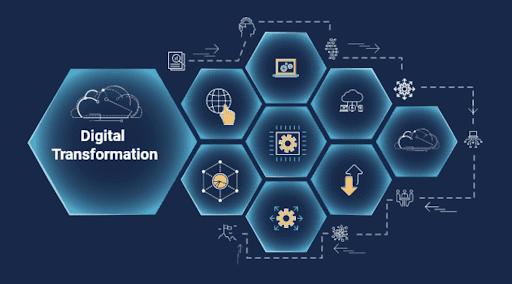
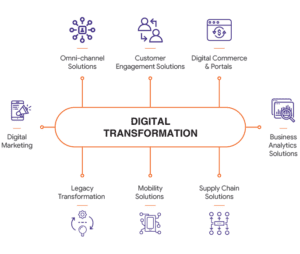
For ensuring business continuity during market disruptions, investment banks are undergoing digital transformation. Digital transformation is helping investment banks to ensure business sustainability in this competitive space. Read on to know more about digital transformation in investment banking operations. 

The rise of the fintech industry 

There are many fintech firms that provide banking services to their customers with the aid of technology. Not all banking services are provided with the help of technology as some processes still need in-person engagement. For example, investment banks have to meet the client to explain the due diligence reports and competitive analysis reports. However, the fintech industry is on a roll and is generating huge revenue. Investment banks have a close eye on how fintech players have grown by adopting technology for banking services. 

WFH culture 

Some investment banks were not in the favour of digital transformation. However, when the COVID pandemic hit the globe, it was clear that digital transportation was necessary. To ensure business continuity, investment banks had to adopt the WFH (Work from Home) culture. Adopting the WFH culture required developing a virtual desktop infrastructure so that the employees could work remotely. Also, some of the investment banking operations were automated with the aid of technology. Those activities that could not be performed remotely were automated like AML (Anti-money Laundering) activities.

digital transformation in investment bankingThe effect of digital transformation on banks can also be seen in the recruitment process. Applicants with an investment banking operations course were selected via online tests and interviews. Young enthusiasts also looked for investment banking operations courses that could teach them about the technology being used in the industry. 

Use of new-age technologies 

The investment banking industry has now understood the importance of new-age technologies for business processes. Technologies like AI (Artificial Intelligence), data analytics, ML (Machine Learning), and others are being used by investment banks. AI/ML algorithms are being used to introduce automation in investment banking processes. 

Data analytics is being used widely in the investment banking industry to make sense of unstructured data. The customer and organizational data produced by investment banks need to be analyzed. It helps them in knowing the preferences of clients, market situation, and possible opportunities. The analytical insights can help an investment bank make better business decisions. You can find an investment banker course in India that includes data analytics and AI in its syllabus to highlight the importance of new-age technologies in the industry. 

You should choose an investment banker course in India that also focuses on digital transformation. Imarticus Learning is a reliable course provider that can help you in building a successful career in the investment banking industry. 

Why choose Imarticus?

Imarticus provides a ‘Certified Investment Banking Operations Professional’ certification course with an industry-endorsed curriculum. It is the best course for investment banking that will familiarise students with industry processes. Besides introducing financial markets to students, this course will also teach them about risk management and the trade life cycle. Imarticus also provides placement support via their investment banking course. You can learn job-relevant skills and can build a sustainable career. 

Conclusion 

You should choose a course that offers you an understanding of the tools and technologies used in the investment banking industry. Imarticus offers the best course for investment banking that covers multiple aspects of the industry. Start your investment banking course online now!