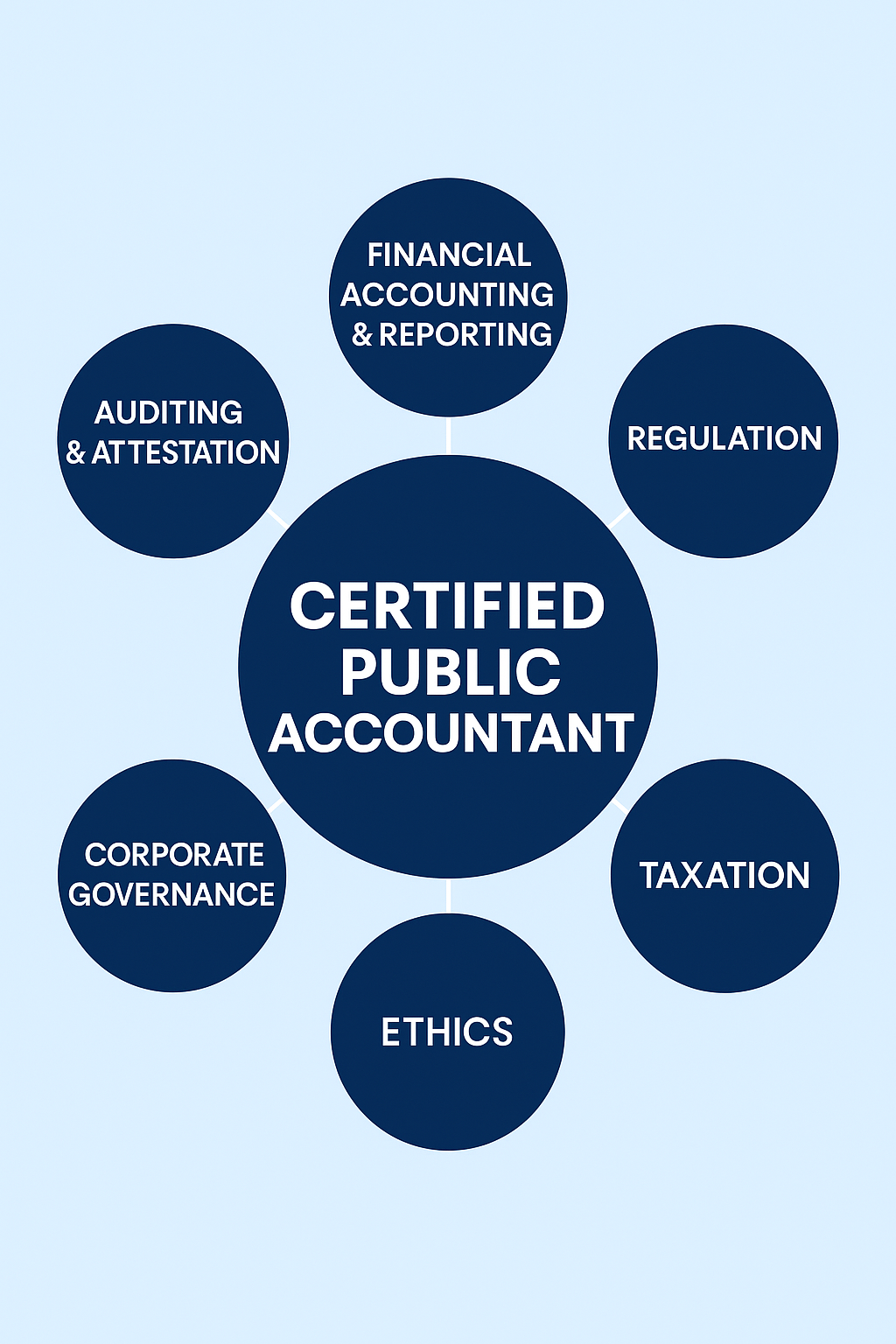
Effective Strategies to Pass the ACCA Advanced Taxation Exam

Strategies for ACCA exams are aplenty. However, when it comes to an advanced level exam like the ACCA Advanced Taxation (ATX), you need solid and effective strategies to pass the test.  

The ACCA ATX exam tests a candidate’s ability to apply advanced taxation knowledge in real-world contexts. Consider the role of a Tax Advisor in a multinational company planning to expand its operations internationally. The Tax Advisor with an ACCA ATX qualification would be responsible for assessing the tax implications of the expansion. This could include several aspects, from handling cross-border taxation to helping the company minimise tax liabilities and comply with local laws.

As you might already be aware, ACCA ATX-qualified professionals usually take up very serious top-level roles which often involve tax planning, compliance-based advisory and other financial advisory services. Therefore, if you are aspiring for these roles as a candidate, you must pass a rigorous test that demands strategic study (rather than rote-learning) and an in-depth understanding of tax laws. (including cross-border tax laws)

For a deep-dive into taxation an ACCA course can give you practical guidance into how you can adopt the best strategies for ACCA exams for your exam preparations. Let’s walk you through some.

How to Pass ACCA ATX: Top Strategies to Pass Your Advanced Taxation Exam

If “How to pass ACCA ATX” has been on your mind since you decided to take the exam, it’s high time you strategised your preparation because adopting the right strategies can make all the difference. 

Here’s a breakdown of some effective strategies to help you pass the ACCA ATX exam:

  1. Understand the exam structure 

ACCA ATX is one of the four optional exams within the Strategic Professional Level. The 3-hour 15-minute ATX exam consists of two sections, A and B. Section A has one question of 50 marks (including 5 ethics marks and 10 professional skills marks). On the other hand, Section B has two questions of 25 marks each (each question includes 5 professional skills marks). Each question could test any area of the syllabus, typically more than one tax. Answering all questions is compulsory.

  1. Master ethics and professional skills

The exam structure shows that professional skills have significant weightage in each question across sections A and B. However, you must note that these professional skills will be assessed based on your technical points while answering each question. They are not earned separately.

Likewise, all variants of the ATX exam will have one question in section A to demonstrate the candidate’s understanding of key ethical principles relevant to tax advice. As such, you must be aware of the ACCA Code of Ethics and Conduct, which lays out five fundamental ethical principles establishing a professional accountant and ACCA member’s standard of behaviour.

Candidates who complete the Ethics and Professional Skills Module (EPSM) are comparatively better prepared for the advanced taxation exam. So make sure you include EPSM in your studies.

  1. Pay attention to the question requirements

When answering the questions of ACCA ATX, it is important to pay attention to the question requirements to understand precisely what is being asked. 

What we essentially mean here is that pay attention to the verb used in the question. For example, ‘Describe’ requires you to give a detailed account of key features, qualities and characteristics. On the other hand, ‘Explain’ requires you to make an idea clear with logic and reason, whereas ‘List’ would mean just make a list, don’t discuss. 

Understand what you’ve been asked to do and think about the best way of meeting the question’s requirements. Work your way through the questions in an organised manner while also aligning your approach with the marks allotted to each question.

Watch: How to Prepare for ACCA Exam Tutorial

  1. Approach technical areas carefully

When taking the advanced taxation exam, a lot of candidates are inclined to treat individual questions as pertaining to a specific technical area. In the process, candidates limit their answers without realising that marks may also be allotted for addressing other technical aspects.


Even if it does relate to a technical area, you must first understand the exact requirement of the question to avoid generalising or wasting time providing details that are not part of the requirement.

  1. Think before you answer each question

If you had to advise your client on their tax liabilities, you wouldn’t rush through the process, right? You would give time to understand the situation, read through the necessary documents, and give enough thought to the paperwork before explaining things to your client. Take the same approach during the ACCA ATX exam.

After you read every question, think and be clear on what the question requires you to do. What is the verb associated with the question? Is it explanatory, or must I only list certain aspects? What technical areas does the question address? How does it assess my professional skills?

  1. Make a detailed study plan to maximise your chances of success

When you start with your preparation for the ACCA advanced taxation exam, the thick books and complicated topics can seem daunting. However, a clear study plan, especially a plan not focused on rote learning but smart studying, will give you enough time for preparation in the right direction.

Scroll through these tips to help with your exam prep:

  • A study schedule is very important and it should be set properly including breaks and the time left till your exam date.
  • Divide the syllabus into small, manageable parts. Diving all in and preparing at the last moment may not give your mind the space to process and register ideas.
  • Set your own milestones and reward yourself when you achieve them. 
  • Be realistic about your study time. For example, if you can study early in the morning, try to get to bed early rather than forcing yourself to stay up late at night.
  • Pause and process what you read after you go through a couple of chapters. Maybe write what you understood as a summary.
  • Use the Pomodoro Technique if you want. Study for 25-minute stretches with five-minute breaks in between. This prevents burnout.
  • Access specimen exams and plan to attempt practice tests under exam conditions. This will familiarise you with the actual exam environment. 
  • Check your progress by doing a weekly review of your study plan and making modifications if you failed to achieve any set weekly goal>
  • Be consistent and try to stick to your plan as much as possible! 

Conclusion

Passing the ACCA advanced taxation exam is about planning, smart learning and understanding difficult concepts. In addition, you need to go through the exam structure and take mock tests – this will help you understand which questions you should attempt first and also help you manage time during the exam. 

But remember that even the best strategies for ACCA exams may not produce the best result. You have to practise and stay disciplined to achieve your goals.

Check out the ACCA course by Imarticus Learning for more professional guidance. You will come across high-quality content, including personalised study plans and live simulation practicals to help you crack ACCA with ease.

FAQs

  • What is the best way to start preparing for the ACCA advanced taxation exam?

Before you start with your ACCA ATX preparation, you should go through the previous mock papers and review the exam structure. After that, you can look into the key topics and then draw a study plan. 

  • How important is understanding ethics for the ACCA ATX exam?

Ethics is pretty important for the ACCA ATX exam since one question, generally in Section A, tries to understand your knowledge of the ethical principles in tax advice. 

  • Can I use practice exams to prepare for the ACCA ATX exam?

Yes, since you should first look into the exam structure of ACCA ATX exam, before creating the plan, you should look into the practice exams. This makes you exam-ready.

  • How should I manage my time during the ATX exam?

Allocate time based on marks and sections when you are taking the advanced taxation. Don’t spend too much time on one question and lose out on questions you could have easily attempted.

  • How can I improve my marks in professional skills?

Professional skills carry a significant weightage in the ATX exam. Therefore, when answering questions, apply professional judgment and demonstrate clear, logical reasoning.

  • Should I focus on technical areas only?

A mix of technical knowledge and broader context of each question has to be answered. The idea is to understand the question’s requirements and approach the answer accordingly.

An Overview of Financial Systems: Key Components and Functions

When we use the blanket term, our economy, we often overlook the financial system that runs the economy. Every financial movement – be it salary being credited or personal investments or even how funds in financial institutions are managed, the underlying financial systems run the entire game. Financial systems focuses on tracking how money moves within an economy and how it can be stabilised to contribute to the economy.

If finance is the way you want to move forward in your career, then you have to understand how financial systems move. That’s why you should take a Banking and Finance course. It gives you both the theory and the real-world insights you need to get ahead.

In this blog, we’ll break down the parts of the financial system and see how the structure of the Indian financial system supports the country’s growth plans.

What Is a Financial System?

A financial system is a set of rules and a proper network allowing the flow of money between people, businesses, and governments. The system shows the right way to interact with \financial institutions (banks and NBFCs) and how financial instruments like loans and securities can be distributed. The financial system also instructs how financial markets (stock and bond markets) work, and what is the the role of regulatory bodies as they regulate all the above.

Overall, it helps in fair capital formation, managing risk and focuses on overall economic growth.

Why Financial Systems Matter

A healthy financial system provides a stable backdrop for economic activity. It ensures that:

  • Savers can invest funds securely.
  • Borrowers get access to credit efficiently.
  • Risks, which are common when it comes to finances, can be assessed and managed.
  • Capital is properly managed and allocated to productive ventures.

In a country like India, the financial systems also helps in going for broader developmental goals such as financial inclusion, digital banking, and supporting micro, small, and medium enterprises (MSMEs).

Structure of the Indian Financial System

The structure of the Indian financial system has several layers and checks – and most importantly, all these layers are interconnected. 

Broadly, it includes:

Tier Key Institutions Role
Regulatory Bodies RBI, SEBI, IRDAI, PFRDA Supervision, policy-making, regulation
Financial Institutions Commercial banks, cooperative banks, NBFCs Credit and savings facilitation
Financial Markets Capital markets, money markets, forex markets Trading of assets, price discovery
Financial Instruments Equity, debt, derivatives, insurance, pensions Tools for investment and risk transfer
Financial Services Asset management, advisory, payments, fintech Supporting financial intermediation

Key Components of Financial System

Understanding the components of the financial system helps decode how financial intermediation takes place. These are:

  1. Financial institutions: Financial institutions refers to spaces where money is moved either by putting them on savings or putting them out as an investment.  They also provide credit in the form of loans. Examples include banks, NBFCs, mutual funds, and insurance companies. 
  2. Financial markets: Organised marketplaces where securities are traded are considered financial markets. NSE and BSE are examples of it.
  3. Financial instruments: These are the tools used for investing and borrowing, like simple loans or other credit systems.
  4. Financial services: Financial services include advisory boards and monitoring of financial status and movement within the system – it includes credit rating to investment advisory, payment processing to wealth management.
  5. Regulatory framework: Bodies like RBI, SEBI, and IRDAI govern how the system operates so that there is fairness in every financial movement.

Each of these plays a specific role, but together they ensure the financial system operates with efficiency, integrity, and resilience.

Core Functions of Financial System

Let’s take a closer look at the functions of the financial system and how they help economic activity:

Function Description
Mobilisation of Savings Encouraging individuals and institutions to save and invest systematically.
Facilitating Credit Allocation Directing funds to productive sectors through lending and investments.
Risk Management Offering instruments like insurance and hedging tools to manage financial risk.
Liquidity Provision Ensuring assets can be bought or sold quickly without drastic price changes.
Information and Price Discovery Helping investors make informed decisions by revealing price signals.
Ensuring Financial Stability Regulatory oversight maintains systemic balance and public confidence.

Financial Systems in India

As India grows, the financial system is becoming more complex and needs further layers to control it. Nowadays, from digital payments and UPI to ESG investing and fintech innovation – each of these new developments are becoming a part of the financial system. The financial systems in India act as an intersection of tradition and innovative technology.

For example:

  • UPI has made real-time digital payments mainstream.
  • SEBI and RBI have increased their focus on investor protection.
  • Credit flow to MSMEs and startups has been prioritised for economic revival.

Conclusion

Let’s say you are managing a portfolio or want to analyse a risk of a specific investment – you need to know how the financial system interacts with the market or the portfolio you are focusing on.

In the Indian context, the structure of the Indian financial system will make sure that there is better financial inclusion, more oversight into financial movement using regulatory bodies, and fair market for all financial institutions.

As you might already know, finance is a very important role in any business and government as well. Imarticus Learning offers a Banking and Finance course where you learn about the financial system, and know how to thrive in it.

FAQs

  1. What is a financial system?
    A financial system is a rules and regulations as per which the network of financial institutions, markets, instruments, and regulatory frameworks work. The system helped in the flow of funds within an economy.
  2. Why is understanding financial systems in India important?
    India’s financial ecosystem is evolving rapidly – especially now with changing financial habits of people and the surge of fintech, UPI or digital banking – all of which are resulting in constant regulatory changes. Professionals must keep pace to stay relevant.
  3. What are the main components of the financial system?
    Financial institutions, markets, instruments, services, and regulators form the core of any financial system.
  4. How does the structure of the Indian financial system differ from others?
    India has a mixed system. While it focuses on financial inclusion, India has has strong regulatory control esepcially for the private sector to ensure fairness in the financial system.
  5. What are the key functions of the financial system?
    It mobilises savings, facilitates lending, manages risk, provides liquidity, and maintains systemic stability.
  6. Can financial literacy help in career growth?
    Absolutely. When you have a understanding of finances and how financial systems work, you can take up important roles like risk analyst, investment banker, and even a compliance officer.
  7. How can I learn more about financial systems and their applications?
    You should try to enroll yourself in specialised Banking and Finance courses like that from Imarticus Learning. A proper course will not only get the much-required theoretical grounding but also integrate practical insights to succeed in the real evolving financial world.

The Importance of Compliance in Banking Operations

When we talk about banks or banking, we are only concerned with the act of lending and depositing money. But that’s not all. There are a lot of things that go behind banking that creates trust and transparency that we get from banks. Regulation of banking activities is part of it and behind every trusted bank lies one critical pillar: compliance. 

If you are interested in how banking works or maybe you want to work in a bank, you should get an idea of how compliance works and merges with banking operations. It’s not only about following the different rules; it also comes under protecting customer trust, managing different kinds of risks, and making sure there is long-term sustainability.

As someone interested in finance or trying to build a strong foundation on banking and finance, you need to know what compliance is, especially when it comes to operational or risk-related roles. When you have a comprehensive understanding of compliance frameworks, how credit systems work, and process-level controls – you will not only be engaged in routine day-to-day job but actually take up more strategic roles in finance sectors. 

If you want a deep dive into this topic, you can take a Post Graduate Program in Banking and Finance. It’s a course that combines industry insights with real-time practicality, making you job-ready by the end of the course.

As you scroll through this blog, you will get to know the significance of compliance in banking, how it seamlessly becomes a part of operational workflows, and why cultivating a compliance culture in Indian banks is more relevant today than ever before.

What Is Compliance in Banking?

Compliance, as the meaning of the word suggests, is the system of rules, regulations, guidelines, and the best practices that banks (or even any financial institution) must adhere to in order to operate in an ethical and legal manner. For example, in India, the compliance for banks is defined by RBI guidelines, SEBI rules, and international standards like AML (Anti-Money Laundering), and FATCA.

Why Compliance Is Critical in Banking Operations

If we are talking about banking operations, compliance is extremely important. After all, banks deal with money of customers. So from customer onboarding and KYC checks to transaction monitoring and loan disbursals, banks need to follow certain guidelines  and be transparent about it to the right authorities as well.

Non-compliance of these rules for any bank can result in financial penalties, reputational damage, or potentially even a ban on the banking activities of the bank. Regulatory compliance for the banks in India, in particular, is in sharp focus, and institutions need to build an institutional compliance culture.

Building a Compliance Culture in Indian Banks

In recent years, there has been a significant transition from reactive compliance to proactive culture-building. In the case of Indian banks, a strong compliance culture is where ethical thinking is embedded in whatever they do as part of their day-to-day business, starting from the top layer of management to the last person in the field.

This cultural transformation permeates every aspect of banking operations:

  • KYC and risk scoring are now part of customer onboarding processes.
  • Departments of lending must consider not only creditworthiness but regulatory fit as well.
  • Operations teams are educated on how to identify and flag suspicious transactions

When regulators are integrated into the mindset, as opposed to being forced as a checklist, banks can respond to challenges more effectively and counter risks before they occur.

Learn about Asset Reconstruction and Compliance in Investment Banking

Key Areas Where Compliance Impacts Banking Operations

Let’s explore how compliance weaves into different areas of banking operations:

Area of Banking Operations Compliance Consideration
Account Opening KYC norms, AML verification, FATCA declarations
Loan Disbursement Credit risk assessment, collateral documentation, fair lending
Payment Systems Real-time fraud monitoring, reporting suspicious activity
Foreign Exchange Transactions FEMA guidelines, overseas reporting standards
Investment Services SEBI guidelines, client suitability checks
Reporting & Documentation Accurate financial reporting, statutory compliance

As you can see, regulatory alignment is not a side task; it’s deeply embedded in the banking workflow.

Why Compliance Is Not Just for Auditors

Many people believe that since auditors have to audit the work process and accounts, compliance is just the headache of an auditor. Nothing can be further from the truth. In reality, anyone involved in banking operations should know how compliance works, whether you’re managing accounts, handling transactions, or working in back-office support.

For example:

  • A branch officer must ensure customer data is securely handled.
  • A credit analyst must be aware of RBI’s priority sector lending norms.
  • Even tech teams must ensure banking software supports regulatory audits.

In short, when we are talking about compliance in banking, it is definitely a shared responsibility. And as we move forward to a more stricter regulatory climate, those with compliance expertise are in high demand.

The Risks of Non-Compliance

Banks that overlook or delay compliance measures face serious repercussions:

  • Regulatory fines and sanctions
  • Damage to brand reputation
  • Loss of customer trust
  • Suspension of operations

The RBI and SEBI have already tightened surveillance on non-compliance. Indian banks are expected to strengthen their internal systems, train staff, and report timely. Having a trained workforce that understands the compliance culture in Indian banks can significantly lower such risks.

How to Build Compliance-First Banking Operations

These practices help ensure banking operations run smoothly and securely, with compliance at their core.

Strategy What It Involves
Invest in training Equip teams with updated knowledge of regulations, frameworks, and real-world scenarios.
Leverage technology Use automation and AI to reduce manual errors, monitor transactions, and flag potential risks early.
Audit regularly Conduct internal compliance checks to proactively detect and fix issues.
Foster internal awareness Ensure every department, from HR to IT, understands its role in maintaining compliance.

Understand Financial Regulators System Module

Conclusion

Compliance has become more of a teamwork and a mindset rather than the responsibility of just one department. As compliance becomes stricter with regulatory bodies keeping a banks in check with an iron hand, a holistic knowledge of banking operations should include getting to know compliance frameworks properly.

From why KYCs are important to credit and reporting, you should be aware of how compliance in banking impacts every corner of a bank’s workflow. And with tightening norms, the demand for professionals who are focused on compliance along with their banking operations is only growing.

If you plan to upskill and be part of a bank and understand banking operations in depth, the Post Graduate Program in Banking and Finance by Imarticus Learning could be your best choice. You’ll gain hands-on exposure to compliance laws, lending protocols, and risk frameworks, preparing you to be future-ready in the world of finance.

FAQs

  1. What is compliance in banking?
    When you put it in simple terms, compliance in banking is simply, certain rules and guidelines that banks should follow. By following these regulatory rules, banks operate ethically and lawfully. It includes RBI guidelines, KYC norms, AML rules, and internal codes of conduct.
  2. How does compliance affect banking operations?
    When there is a compliance or regulatory rulebook to be followed by banks, they have to run every function by the compliance book – from account creation to loan approval, should follow specific guidelines and protocols. This reduces risk, increases transparency, and builds trust.
  3. Why is compliance culture important in Indian banks?
    As we move into the future, there are more instances of frauds taking place. So, there is a crackdown by implementing stricter compliance policies. Indian banks, thus, from now on, need to adopt a compliance-focused mindset to maintain credibility and avoid penalties.
  4. What happens when banks fail to comply with regulations?
    There are many consequences if banks fail to comply with regulations – it could result in fines and sometimes in severe cases, loss of license or suspension of operations.
  5. How can I learn about compliance in banking operations?
    If you want a career in banking or at least, dive into finance or banking then, the Post Graduate Program in Banking and Finance by Imarticus Learning will be a great choice. From a deep-dive into different aspects of banking regulations as well as a comprehensive look into how compliance workflows work and tie up with banking operations, you will be prepared for real-world financial roles.
  6. Who ensures compliance within banking operations?
    There are several departments, teams or specific roles that look into the compliance of banks – There are compliance teams, risk officers who look into compliance and also manage risks, and internal audit departments monitor and enforce regulatory adherence across all banking functions.
  7. Can knowledge of compliance help in banking careers?
    Absolutely. A compliance-focused mindset is essential even if you you work in operations, credit, risk, or finance, It will make you more valuable and future-ready in an increasingly regulated environment.

Exploring Retail Asset Products: Loans and Advances

When we talk about banking services tailored for individuals, the term ‘retail asset products‘ often comes up. However, you have to deep dive to understand this.Retail asset products are actually loans and advances that are offered by the banks to individual customers. This is done so that they can meet personal financial needs. Let’s say you are trying to buy a home, or get a car, or covering personal expenses, these retail asset products play an important role in maintaining or building on personal finance.

This blog explains everything about retail asset products, including their types, differences between personal loans and home loans, and their significance in banking.

If you’re someone working in the banking space or planning to, it’s worth learning how these products work behind the scenes. The Banking and Finance course gives you a solid starting point with a real-world understanding of these offerings.

Understanding Retail Asset Products in Banking

When you borrow money from a bank to buy something or cover a need,  that’s a retail asset product in action. Banks earn through the interest on these products, and you get access to money when you need it. It’s a system built on mutual benefit, as long as it’s used wisely.

Classification of Retail Loans and Advances

Retail asset products are a major part of how modern banks serve individuals. These are basically the loans and advances offered to retail customers (everyday individuals) to meet personal financial needs. You’ll see these come in many forms,some for long-term goals like buying a house, others for short-term ones like purchasing a gadget or funding a holiday.

In retail asset products in banking, the classification often comes down to a few factors,why the loan is taken, how it’s secured, and how it’s repaid. This gives you the clarity that can aid both the bank and the customer to manage risk, repayment, and the financial terms properly.

These are the classifications:

Basis of Classification Types of Retail Loans
By Security Secured (home loan, gold loan) and unsecured (personal loan)
By End Use Housing, education, vehicles, consumer durables
By Tenure Short (0–2 yrs), Medium (2–5 yrs), Long (5–30 yrs)
By Repayment EMI-based, overdraft, bullet repayment
By Lending Body Banks, NBFCs, fintechs

Let’s say someone applies for a personal loan to handle wedding costs,this would be unsecured, short-to-medium term, and usually repaid in EMIs. On the flip side, a home loan is long-term and secured against the property. So while both are part of retail asset products, they work quite differently.

Now, here’s a more detailed breakdown:

Type of Loan Secured/Unsecured End Use Repayment Mode
Personal Loan Unsecured Any general purpose Monthly EMIs
Home Loan Secured Buying/building property Monthly EMIs
Auto Loan Secured Buying vehicles Monthly EMIs
Consumer Durable Loan Unsecured Buying electronics/furniture Monthly/EMI Card
Education Loan Secured/Unsecured Higher education expenses EMIs after moratorium
Credit Card Advances Unsecured Emergency short-term cash Revolving/EMIs

Transform Your Finance Career in Just 90 Days with Investment Banking Course

Advances vs Loans: A Functional Distinction

Many people use ‘loan’ and ‘advance’ interchangeably, but in banking, they’re not quite the same. Both fall under retail asset products, but they serve slightly different functions.


  • A loan is a fixed amount given for a specific time, with clear interest and repayment terms. Think home loan or education loan.
  • An advance, however, is often temporary or short-term credit. For example, a salary overdraft or a credit card advance.

Here’s a simplified view:


Aspect Loan Advance
Duration Long-term (1 to 30 years) Short-term (few months)
Repayment Monthly EMIs Bullet or revolving
Security May be secured or unsecured Usually unsecured
Usage Fixed purpose (home, car, education) Flexible, sometimes unspecified
Common Examples Home loan, auto loan, personal loan Overdraft, credit card cash advance


Most retail asset products in banking fall under the loan category. Advances are used sparingly,more as emergency or working capital solutions than long-term financing.

What Features Do Retail Asset Products Usually Have?

Even though different loans serve different goals, they often share some basics:

  • EMI-based repayments
  • Interest options: fixed or floating
  • Processing charges may apply
  • Loan approval depends on credit score
  • Prepayment or foreclosure might carry fees

How Banks Decide Whether You Qualify

Banks and NBFCs use a combination of data and judgment to decide if you should get a loan:

  • Credit score (750+ is usually good)
  • Income (steady job or business history)
  • Age and repayment ability
  • Existing debts or EMIs
  • Loan purpose and documentation

A decent credit history and stable job make your application smoother.

From Imarticus Learning to decipher financials, here’s Mayank Prajapati’s finance journey

Conclusion

Retail asset products are quite important and shape the financial experiences of many. It creates a much flexible process, which is accessible and thus, making it a vital part of personal finance today. You need to understand these if you want to borrow for a goal or you are giving credit as a banker. 

We’ve seen how personal loans, home loans, advances, and other asset products function and how new tech is making them more user-friendly. What used to be a complicated process is now becoming a seamless, digital experience.

If you want to go deeper into the banking domain then you should look into the Post Graduate Program in Banking and Finance by Imarticus Learning. It is industry-focused and hence, you will come across real-world scenarios in banking, credit and even lending. 

FAQs

  1. What are retail asset products in banking?
    Retail asset products in banking refer to personal credit offerings such as home loans, personal loans, car loans, and credit cards. These are used by individuals to meet various financial needs.
  2. How are loans different from advances?
    Loans generally are long-term and will have specific repayment schedules and interest rates. Advances, on the other hand, are short-term funds. Advances generally are much more flexible, and used for immediate or short-duration financial requirements.
  3. What are the key types of retail loans?
    Major retail loans include home loans, personal loans, education loans, gold loans, consumer durable loans, and auto loans. Each serves a unique need.
  4. How do secured and unsecured loans differ?
    When a loan is backed by collateral like property or gold, it is secured loans. When it’s without collateral, it is an unsecured loan but they have generally higher interest rates due to higher risk.
  5. What is the difference between a personal loan and home loan?
    A personal loan is typically short-term, has a higher interest rate, and no collateral. A home loan is long-term, lower interest, and secured against the property purchased.
  6. Can I apply for retail loans online?
    Yes, almost all major financial institutions now offer digital platforms. You can use these for loan applications, processing, and disbursals.
  7. Where can I learn more about retail banking and finance?
    The Post Graduate Program in Banking and Finance by Imarticus Learning can be a nice go-to option to build your expertise in this domain.

Preparing for Corporate Finance Mock Interviews: Common Questions and Answers

Interview prep isn’t fun for most people. Especially when it’s something as intense as corporate finance. You know what you’re up against; technical drills, number crunching, business acumen, and that awkward “Tell me about yourself.”

Most of the time, what throws people off isn’t the questions. It’s how they think they’re supposed to sound smart. And that’s the problem.

Interviewers want clarity. Confidence. A sense that the person across the table has done their homework and has real-world thinking behind their answers. A structured learning path can help. A financial analysis course is a smart way to build that structure. 

But if you’re looking for a quick and real-world guide for anyone trying to crack corporate finance interviews, you’re in the right place. It doesn’t matter whether it’s your first role or a shift from another team. This one’s got the basics, common questions, some tricky ones, and things people usually forget to say.

Common Technical Questions Asked in Corporate Finance Interviews

These are predictable, but don’t get too comfortable. Interviewers expect more than textbook definitions.

1. Walk me through a DCF.

Most finance interviews start here. Break it down simply:

  • Project free cash flows (usually for 5–10 years).
  • Discount those to present value using WACC.
  • Add terminal value, then sum both.

Pro tip: Keep it crisp. Don’t get lost in formulas unless they ask.

2. How do you value a company?

Use real business terms. Talk about:

  • Discounted Cash Flow (DCF)
  • Comparable Company Analysis
  • Precedent Transactions
  • Asset-based valuation (when it fits)

Pro tip: Explain which method suits what type of company. Show you understand the business, not just numbers.

3. What’s the difference between EV and Equity Value?

Straightforward but worth practicing:

  • EV = value of the whole business (debt + equity – cash).
  • Equity Value = just the shareholders’ part.

Pro tip: Use examples to make it stick.

4. How would a ₹10 increase in depreciation affect the financial statements?

Test your understanding of the three statements:

  • Income Statement: Net income drops.
  • Cash Flow: Add back depreciation.
  • Balance Sheet: Assets down, equity down.

5. How do you calculate WACC?

Go slow. WACC is the weighted average cost of capital:

  • Use after-tax cost of debt.
  • Add cost of equity via CAPM.

Pro tip: Mention risk-free rate, beta, and market risk premium.

Watch: Financial Analysis Course In Collaboration with KPMG in India

Corporate Finance Behavioural Questions

These are less about finance and more about how you think. Don’t script answers—just know the story.

6. Tell me about a time you had to work under pressure.

Stick to STAR: Situation, Task, Action, Result.

Pro tip: Mention deadlines, deliverables, team friction, anything real. Don’t over-polish it.

7. How do you prioritise tasks?

Make it sound practical, not preachy.

Something like, “I list my tasks, figure out which ones have dependencies or deadlines, and block time for deep work.”

8. What’s your biggest weakness?

Avoid cliches. Be honest, but show you’re working on it.

Example: “I used to overanalyse small details. I’ve learned to time-box reviews so it doesn’t slow me down.”

Technical vs Behavioural Interview Questions

Category Focus Sample Question
Technical Financial models, valuation, metrics How do you calculate WACC?
Behavioural Soft skills, time management, communication Tell me about a time you handled conflict at work.

Industry-specific Questions You Should Expect

9. If you’re interviewing for a bank

Banks like numbers that show strength. So, it’s smart to know:

  • Capital ratios like Tier 1 and Total Capital Ratio
  • Return on Equity (ROE)
  • Risk-weighted assets and how they’re calculated
  • The basics of Basel I, II, and III guidelines

These metrics give insight into how a bank manages capital and risk. Interviewers might ask you to explain why Basel norms matter, or how a bank’s capital adequacy ratio affects its lending capacity.

10. For a consulting firm

Here, you’re expected to zoom out and talk business logic. Focus on:

  • The big drivers behind M&A deals (market share, synergies, cost savings)
  • What valuation methods you’d use for different industries
  • Strategic frameworks (think Porter’s Five Forces, SWOT, etc.)

They want to see if you can think like a business partner, not just a number cruncher.

11. For a corporate finance role in a startup

Startups need sharp, lean thinkers. Be ready to talk:

  • Cash flow management: How long can they operate on current funds?
  • Burn rate: How fast are they spending?
  • Unit economics: What’s the cost vs return per customer?

Founders love when candidates understand runway, customer acquisition cost (CAC), and lifetime value (LTV). It shows you get their world.

Key Metrics in Corporate Finance

Metric Meaning Use Case
IRR Internal Rate of Return Investment decision-making
Payback Period Time to recover initial investment Startup cost analysis
Debt/Equity Capital structure ratio Risk and leverage assessment
EBITDA Margin Operating profitability Operational efficiency evaluation

Watch: Secure your Finance Job with Starting Salary of up to 5LPA in 3 Months!

Extra Tips Before The Corporate Finance Interview Day

Here are some extra tips to keep in mind before the interview day:

  • Dress smart. First impressions matter, but don’t stress over it. A clean, well-fitted outfit does the trick. No need to go overboard.
  • Don’t memorise your answers word for word. Understand the core concepts so you can adapt in real time if the question twists.
  • Re-read the job description the night before. Try connecting your answers back to what they’re looking for. It shows you’ve been thoughtful.
  • Stay calm. If something throws you off, take a breath. It’s better to pause for a second than rush into a bad answer.
  • Sleep well. No all-nighters. A fresh brain will outperform a tired one every single time.

Conclusion

Corporate finance interviews might not feel easier, but you do get better at handling them. With enough practice, you start thinking more clearly, answering with more confidence, and avoiding the usual scripted replies.

And if you’re building your foundation or brushing up after a break, structured learning really helps. That’s where Imarticus Learning fits in well. Their online programs are designed by finance professionals and focus on practical, job-ready skills. No unnecessary fluff.

FAQs

  1. How should someone prepare for corporate finance interviews?
    Start with key concepts like valuation, ratios, and cash flows. Then, practise common interview questions out loud.
  2. What’s the most asked question in  corporate finance interviews?
    Discounted cash flow (DCF) and WACC are usually asked. Be ready to explain them like you’re teaching someone else.
  3. Do finance interviews include case studies?
    Yes, especially for consulting or analyst roles. They might give you a scenario and ask how you’d evaluate a business or suggest next steps.
  4. How long should my answers be?
    Aim for 45 to 90 seconds. If they want more, they’ll ask. Too short sounds underprepared, too long loses attention.
  5. Should I memorise definitions and formulas?
    Not exactly. You should understand them so well you can explain them without trying to sound rehearsed.
  6. What tools should I know for finance roles?
    Excel is a must. Knowing how to use financial modelling templates or build one helps.
  7. What if I don’t know the answer to a technical question?
    Say you’re unsure, explain what you do know, and offer how you’d go about finding the answer.

Effective Written Communication Strategies in Financial Services

In financial services, what you say and how you say it can shape someone’s decisions, affect trust, and even impact investments. Financial professionals write every day, such as emails, reports, memos, client letters, and pitch decks. However, most of them read like an amateur wrote them. Cold. Overstuffed. Detached.

If you are in this industry, you already know what’s at stake. A single unclear sentence can trigger confusion or lead to missteps. And when money, compliance, or client trust is involved, those missteps can cost more than just time. Your written facts should land clearly, confidently, and with the right intent.

Let’s fix that. In this blog, let us sharpen your skills with a communication strategy that will give you an edge in this profession.

Why Written Communication Matters in Financial Services

Whether you’re working in investment banking, insurance, fintech, or private wealth, you’re in a field where precision is expected. 

But being precise doesn’t mean being robotic. The best communicators in finance know how to translate complex ideas into language that’s easy to act on. Great communication helps you in:

  • Building client confidence with language that shows expertise and empathy.
  • Preventing costly mistakes by being crystal clear about risks, timelines, and outcomes.
  • Making documents usable so decisions can be made quickly and confidently.
  • Standing out as a leader in high-stakes conversations or reports.

Common Written Communication Mistakes in Financial Services

Even experienced professionals make mistakes. These mistakes are so common that they’ve become the default in many teams:

  • Using Too Much Jargon: You know your terminology inside out. But your audience might not. Words like ‘liquidity buffer’, ‘delta hedging’, or ‘NPV spread’ mean something to you. But do they make sense to the reader?

Try this instead: ‘Our reserves are strong enough to manage short-term risks’.

Jargon creates distance. Plain language builds bridges.

  • Overcomplicating Sentences: Long sentences can be exhausting. Use one idea per sentence. If it’s hard to read aloud in one breath, it’s probably too long.
  • Ignoring Proofreading: Typos in finance are a bad look. A missing zero, a wrong date, or a misspelt name can erode credibility in seconds. Always proofread before you hit send.

If you’re serious about improving your financial communication strategy and skills, you should opt for structured learning. Investment banking courses teach professionals how to write precise, clear financial documents.

Strategies in Financial Services for Effective Written Communication

Think of your financial services as a three-legged stool, your communication strategy being one of its legs. If one leg is off, everything falls.

The best way to fix it is:

  • Get to the Point, Quickly

The goal of any financial message is clarity. State the core message early. It saves time and builds respect.

  • Bad: ‘Following our in-depth analysis and due consideration of the ongoing macroeconomic conditions…’
  • Better: ‘Our analysis shows a 10% dip is likely in Q3 due to interest rate hikes.’

See the difference?

  • Be Ruthless About Clarity

Nobody likes walls of text. Break information into sections, use bullet points, and add headings.

A well-structured message should have:

Section Purpose
Executive summary What’s in the report and why it matters
Key findings Main outcomes, stated clearly
Data and analysis Visuals, explanations, and trends
Recommendations What should be done next
Appendix Supporting data or definitions
  • Start With the Audience

Not every audience understands finance the same way. Change your tone, depth, and style based on the person reading.

Audience type Style Focus area
Clients Clear and warm Outcomes, benefits, and safety
Internal teams Direct and structured Tasks, data, clarity
Regulators Formal and accurate Compliance, policy, and timelines

  • Use Active Voice for Stronger Impact

Active voice makes your writing clearer and more engaging. Compare:

  • In passive voice: ‘The report was completed by our team’.
  • In active voice: ‘Our team completed the report’.

The second sentence is direct and confident. Always aim for active voice when possible.

  • Review and Fact-Check

Errors in finance can be costly. Before you share any financial document:

  • Double-check figures against source data
  • Confirm names, dates, and titles
  • Remove filler words like ‘very’, ‘really’, and ‘perhaps’
  • Read it out loud (seriously, it works)

Use tools like Grammarly for grammar and Hemingway for simplicity. But don’t rely on them blindly. Your judgment matters more.

  • Use Visuals to Support Your Message

Tables, charts, and graphs make complex financial data easier to understand. 

Financial term Explanation
Profit margin How much money does a company keep after costs
Break-even point When revenue equals expenses
Market cap Total value of a company’s shares

Make your mark in the financial world. Learn from the best and build your dream career in finance

Digital Communication Strategy in Financial Services

Finance is moving online. With emails, reports, and messaging apps dominating the industry, a digital communication strategy is more important than ever.

In Emails:

  • Use clear subject lines, for example, ‘Portfolio Update: April 2025 Returns’
  • Avoid long paragraphs
  • Use bullets to break down numbers or actions
  • Always end with a next step. For example, ‘Please approve the changes by Friday’

In Chat Apps:

  • Stay professional. Even on Slack or Teams.
  • Use names to avoid confusion. For example, ‘Hi Alex, the fund review is ready’
  • Don’t flood with messages. Be concise and clear.

Learning Communication Strategy in Financial Services

If you want to master financial writing, formal training is a smart investment. Choose from these top programmes that help professionals improve communication in finance:

You can also explore IIM Calcutta’s Executive Programme in Investment Banking and Capital Markets. It’s a strong choice if you want to boost both your financial knowledge and writing skills.

Conclusion

In financial services, your writing is part of your reputation. Every sentence counts. If your emails are confusing or your reports unclear, it might cause misunderstanding.

A good communication strategy helps you write in a way that gets noticed for the right reasons. It makes your work more effective and protects your business from small mistakes that cause big problems.

If you want to stand out in finance, make communication your tool. Learn how to use it well. At Imarticus Learning, you’ll find practical courses that strengthen both your finance knowledge and your writing skills. Explore investment banking and executive programmes to take your career further.

Good luck!

FAQs

  • What tone should I use when writing in financial services?

Use a formal but friendly tone. Keep it professional, but avoid sounding stiff. Clear writing builds confidence.

  • Which financial documents need extra care while writing?

Reports like investment updates, compliance letters, and audit notes must be written with care. These documents often face legal or regulatory review.

  • How can a financial communication strategy be made more engaging?

Use plain language, helpful visuals, and clear examples. Break long text into short sections. Make it easy to understand.

  • Is there a difference between financial writing and general business writing?

Yes. Financial writing needs more accuracy, structure, and clarity around numbers. There’s usually less room for guesswork.

  • How often should I review financial documents?

Every report or memo should go through at least one review before sending. Double-check names, numbers, and important terms.

  • Why are disclosures in writing important in finance?

They protect both the company and the client. Written disclosures explain risks, terms, and responsibilities clearly.

  • How can financial firms standardise communication strategies?

They can do it by creating writing guidelines, using templates for reports and emails, and training employees in effective financial writing.

Navigating the OTC Derivatives Lifecycle: Key Stages and Processes

OTC derivatives are the silent drivers of modern finance. Trillions flow through them every day; hedging risks, shaping markets, and opening up new opportunities. If you’re in banking, trading, or finance, understanding the OTC derivatives lifecycle is essential.

Unlike exchange-traded contracts, OTC derivatives are privately negotiated. Each trade has its own path from execution to settlement. At every step, risk must be managed, collateral must be posted, and valuations must stay accurate. Get it right, and things move smoothly. Get it wrong, and the fallout can be severe.

In this guide, we will break down the full lifecycle of an OTC derivative stage by stage in simple, practical language. Whether you are new to the field or sharpening your edge, this is the foundation you need.

Let’s get into it.

OTC Derivatives Lifecycle: How It Works

The term OTC derivatives lifecycle covers all the steps a trade takes from start to finish. Each trade, though private, follows a rough pattern. This includes negotiation, confirmation, collateral handling, valuation, and finally, settlement.

No matter if you are dealing with swaps, forwards, or options, you will go through these core steps. Professionals in investment banking handle this daily. If you want to walk into a career on this path the right way, investment banking courses can make a big difference.

Key Stages in OTC Derivatives

Every OTC trade, no matter how complex, follows a similar journey:

  • Trade Execution: Terms are agreed upon.
  • Trade Confirmation: Legal documents are exchanged.
  • Collateral Management: Margins are posted to manage risk.
  • Valuation and Risk: The contract is regularly assessed.
  • Lifecycle Events: Modifications, payments, and adjustments.
  • Settlement: Final obligations are met.

Let’s unpack each stage.

  • Trade Execution:

It starts with two parties negotiating a contract. It is a deal between institutions without any central marketplace or standard terms. This can happen via brokers or electronic platforms.

Popular OTC instruments are:

  • Interest Rate Swaps (IRS): Manage interest rate exposure.
  • FX Forwards: Hedge currency risk.
  • Credit Default Swaps (CDS): Protect against credit events.

Once terms are finalised, the trade is recorded and passed on for confirmation. If you are serious about a finance career, start with structured learning. Platforms like Imarticus Rise help with training, mentorship, and industry access.

  • Trade Confirmation:

The trade confirmation comes the paperwork. Both sides confirm the trade by exchanging documents, usually through platforms like DTCC. This step ensures no ambiguity exists between parties.

Documents in OTC Derivatives Trade Confirmation

Document Purpose
ISDA Master Agreement Governs the legal relationship
Trade Confirmation Details of the specific contract
Credit Support Annex (CSA) Defines margin/collateral rules

Post-2008, regulations like Dodd-Frank and EMIR demand faster, more accurate confirmations, driving automation across firms.

  • Collateral Management

OTC trades carry counterparty risk. So, collateral acts as protection in case one party defaults.

Types of Collateral in OTC Derivatives

  • Initial margin: Paid upfront to secure the contract.
  • Variation margin: Adjusted daily based on market moves.

Collateral must be tracked closely. Firms rely on margin systems to handle calls and prevent risk build-up.

  • Valuation and Risk Management

Unlike stocks, OTC derivatives do not have fixed prices. Their value depends on variables like market rates, asset prices, and more.

Video 1: Best Investment Banking Careers in 2025

Common Valuation Models

Model Used for
Black-Scholes Model Options pricing
Monte Carlo Simulation Complex derivatives pricing
Discounted Cash Flow (DCF) Interest rate swaps valuation

Regulatory bodies now require daily valuation reporting to prevent financial instability. 

  • Lifecycle Events in OTC Derivatives

OTC contracts evolve over time. Some require modifications; others trigger automatic cash flows. Here are some events:

  • Coupon payments (on interest rate swaps)
  • Re-couponing (adjusting rates)
  • Novation (changing counterparties)
  • Compression (netting multiple trades)

Properly handling these events keeps operations clean and reduces the risk of failure.

  • Derivative Settlement Process

The contract ends when both sides meet their obligations. The two main types are:

Settlement type. Description
Cash settlement The profit or loss is settled in cash instead of delivering the underlying asset
Physical settlement The actual asset is delivered to the buyer upon expiry

Clearinghouses or intermediaries like ISDA (International Swaps and Derivatives Association) ensure settlements go through smoothly, even if one side fails.

Video 2: 5 Steps to Start Your Career in Investment Banking

Risk Management in Derivative Settlements

Settlement failures can lead to counterparty risks. To avoid this:

  • Many trades go through central clearing counterparties (CCPs)
  • Regulatory frameworks like Dodd-Frank and EMIR mandate risk mitigation techniques

Where to Learn About OTC Derivatives?

If you’re serious about investment banking and derivatives, structured education is key. Self-study is great, but professional courses offer hands-on training and industry recognition.

Top Courses to Learn OTC Derivatives

Why Take a Professional Course?

  • Structured learning: Step-by-step modules cover real-world applications.
  • Industry recognition: Employers value certifications like CIBOP.
  • Hands-on training: Many programmes include case studies and simulations.

Conclusion

OTC derivatives play a massive role in global finance. They let firms hedge risks, access funding, and create custom investment strategies. However, understanding how they work, from the first call to final settlement, allows you to stay relevant in finance today. Moreover, you need to understand their real-world applications, risks, and processes.

So don’t just skim the surface. Learn the process. Know the risk. Get hands-on training. If you’re aiming to work in trading, operations, or banking, start building that knowledge today. Imarticus Learning offers industry-ready programmes that cover the OTC derivatives lifecycle, settlements, and more. 

With the right training, you can go far in finance.

FAQs

  • How do firms reduce credit risk in OTC derivatives?

They use margin agreements, regular collateral updates, and documents like the CSA. Clearing through central bodies also helps limit exposure.

  • What makes OTC derivatives different from exchange-traded contracts?

OTC derivatives are private agreements with flexible terms. Exchange-traded products follow standard rules and trade on public platforms.

  • How do clearinghouses help in the derivative settlement process?

They guarantee each trade. Even if one side defaults, the clearinghouse makes sure the deal still settles.

  • Have new rules changed how OTC derivatives work?

Yes. After 2008, laws like Dodd-Frank and EMIR brought more reporting, clearing, and risk checks. This made markets safer and more open.

  • What happens if one party fails to settle?

If collateral is in place, the other party can recover some or all of the money. Clearinghouses also step in to prevent big losses.

  • How are these contracts priced?

They’re valued based on market data, such as interest rates or asset prices. Pricing is worked out between parties, not on a public exchange.

  • What kinds of collateral are allowed?

Cash, government bonds, and other highly liquid securities are commonly used. What’s accepted depends on the agreement and regulations.

Cybersecurity Challenges Amid Digital Disruption

Technology has redefined the way we live, work, and do business. But with progress comes risk. Every digital transaction, cloud storage, and online platform is a potential target for cybercriminals. And nowhere is this more evident than in India’s cybersecurity landscape.

From massive data breaches to ransomware attacks crippling entire businesses, the biggest cybersecurity challenges are no longer just hypothetical threats. They’re happening every day as we speak. And as someone who has spent years in this field, I can tell you it’s a battle that demands constant learning and adaptation.

If you’re serious about protecting your business or advancing your career in cybersecurity, there’s one way to stay ahead: specialised training. I strongly recommend enrolling in a cybersecurity course to gain hands-on skills and understand modern cyber threats.

Now, let’s break down what’s really happening in India’s cybersecurity space and why this matters more than ever.

Why Cybersecurity Is a National Priority Now

India’s gone digital—and fast. UPI is everywhere, cloud platforms are the new norm, and remote work isn’t just a trend anymore—it’s the way most businesses run now. But while we’ve been sprinting ahead on the tech front, security hasn’t always kept pace.

It’s a bit like building high-rises without checking the wiring. Everything looks shiny from the outside, but one spark, one breach, and it all comes crashing down.

That’s the risk we’re facing.

As digital adoption surges, so do the entry points for cyberattacks. And these aren’t just isolated IT problems anymore. A hit on a healthcare system, an attack on critical infrastructure—those ripple out far beyond the server room. They affect lives, businesses, and national stability.

This is why cybersecurity isn’t just an IT department’s headache. It’s become a boardroom issue. A policy concern. A matter of national interest.


  • Rising cyberattacks: India saw over 500 million cybersecurity attacks in the first quarter of 2024 alone.

  • Data breaches: Companies like Air India, Domino’s, and Aadhaar databases have suffered major leaks.

  • Financial fraud: Digital payment fraud cases have skyrocketed with UPI adoption.

Biggest Cybersecurity Challenges Businesses Face in India

As cyber threats evolve, businesses and individuals in India face multiple layers of risk, with cybercriminals continuously refining their attack strategies. Some of the most pressing challenges faced in India in cybersecurity include:

1. Ransomware Attacks on Critical Sectors

Ransomware has become a money-making machine for hackers. They sneak into systems, lock up important files, and demand a ransom, usually in cryptocurrency. Pay up, or lose your data forever.

Some of the biggest attacks in 2024:

  • Polycab India had its IT infrastructure crippled by ransomware.

  • BSNL’s breach exposed 278GB of telecom data.

  • BoAt India suffered a breach affecting 7.5 million users.

Many businesses are unprepared for these attacks. And the truth is, paying the ransom doesn’t always guarantee your data will be restored. Hackers don’t exactly play fair.

2. A Surge in Cyberattack Attempts

Think cyberattacks are rare? Think again. India detected an average of 761 cyberattack attempts per minute in 2024. That’s over 1 million attempts a day.

And some states got hit worse than others. Telangana saw 15% of the total attacks, followed by Tamil Nadu (12%). Among cities, Surat and Bengaluru took the biggest hits.

The top industries under attack:

  • Healthcare: Hospitals and medical data are goldmines for hackers.

  • Hospitality: Hotel chains hold massive amounts of personal and financial data.

  • Banking: Financial fraud is always a high-value target.

3. Lack of Skilled Cybersecurity Professionals

There’s a huge gap between the number of cyber threats and the number of people who can fight them. India, like most of the world, doesn’t have enough skilled cybersecurity professionals to handle these attacks.

Globally, there are over 3.5 million unfilled cybersecurity jobs. That’s why companies are struggling to defend themselves; they don’t have the right people for the job.

One way to fix this problem is by training more professionals through specialised programs like the Cybersecurity Business Leaders Programme – Oxford. If businesses invest in skilled cybersecurity teams, they’ll have a fighting chance against cybercriminals.

4. Poor Cyber Hygiene and Weak Security Measures

Cybercriminals love companies that don’t take security seriously. Weak passwords, outdated software, and lazy security practices make hacking too easy.

Some of the biggest breaches in 2024:

  • WazirX cryptocurrency exchange lost $230 million in a massive hack.

  • Hathway Internet Service, Telangana Police’s Hawk Eye app, and Tamil Nadu’s FRS portal were compromised.

5. Growing AI-Powered Cyber Threats

Hackers are getting smarter with AI-driven cyberattacks. These aren’t just random phishing scams anymore. They’re using artificial intelligence to:

  • Create deepfake videos to scam companies.

  • Automate social engineering attacks to trick employees.

  • Bypass security systems by mimicking real user behaviour.

6. Ideologically-Motivated Cyber Warfare

Cyberattacks aren’t just about money. Cross-border hacking has increased, with groups from Bangladesh and Indonesia targeting Indian businesses and government websites.

  • Indonesia’s Anon Black Flag was the most active group, responsible for 23% of attacks on Indian infrastructure.

7. Lack of Comprehensive Data Protection Laws

Laws are supposed to protect people and businesses. But India’s data protection laws still have a long way to go.

The Data Protection Bill is improving, but many companies still struggle with compliance. Without stricter regulations, businesses remain vulnerable to cyberattacks and data breaches.

How Can You Build a Cybersecurity Career?

If you’re looking to upskill or transition into cybersecurity, here’s a practical roadmap:

1. Get Certified in Cybersecurity

The best way to enter this field is by enrolling in a structured cybersecurity course. Look for courses that cover:

  • Threat detection and response

  • Ethical hacking techniques

  • Cloud security best practices

Learn more about the how-tos of making a successful career with this video Guide to a Successful Career in Cybersecurity | Skills, Roles, and Opportunities.

2. Gain Hands-on Experience

Cybersecurity is a practical field. Get experience through bug bounty programs, penetration testing labs, and real-world simulations.

3. Stay Updated with Industry Trends

Follow cybersecurity blogs, attend webinars, and participate in CTF (Capture The Flag) competitions.

Useful resources:


India’s Future Cybersecurity Outlook

With 5G rollout, AI advancements, and digital banking growth, the cybersecurity challenges in India will keep evolving. The government and private sector need to work together to:

  • Strengthen data protection laws

  • Invest in cybersecurity education and workforce training

  • Improve cyber threat intelligence sharing

Cybersecurity is no longer optional. Whether you’re an IT professional, a business leader, or someone simply looking to protect personal data, staying informed is key.

Final Thoughts

Cybersecurity isn’t just a job—it’s a responsibility. The digital world is expanding at breakneck speed, and cybercriminals aren’t slowing down. The best way to stay ahead of cyber threats is through expert training. Proper training is the first step to joining the fight against cybersecurity challenges in India.

If you want to join the fight or strengthen your organisation’s security posture, I highly recommend enrolling in the Cybersecurity Business Leaders Programme – Oxford. The right skills can make all the difference.

FAQs

  1. What are the biggest cybersecurity challenges businesses face today?
    The biggest threats include ransomware, phishing, weak cyber hygiene, and AI-driven cyberattacks. Companies also struggle with a shortage of skilled cybersecurity professionals.
  2. Why is cybersecurity training important?
    Cybersecurity training helps professionals understand modern threats, learn practical defence strategies, and prevent cyberattacks before they happen.
  3. How can businesses improve their cybersecurity strategies?
    Invest in security tools, conduct regular audits, train employees on cyber hygiene, and hire skilled cybersecurity experts.
  4. What are the biggest cybersecurity challenges in India?
    India faces growing cyber threats due to rapid digitalisation, weak data protection laws, and a lack of cybersecurity awareness among businesses.
  5. How can individuals protect themselves from cyber threats?
    Use strong passwords, enable multi-factor authentication, avoid suspicious links, and keep software updated.

6. What is the best cybersecurity course to take?
The Cybersecurity Business Leaders Programme – Oxford is a great choice for professionals looking to upskill in cybersecurity.

Top Valuation Methods for Assessing Company Worth

Understanding how much a company is worth can get tricky, especially if you’re trying to make decisions based on those numbers. Whether you’re buying, selling, investing, or simply analysing competitors, knowing the right business valuation methods makes a world of difference.

But, in all honesty, there isn’t a one-size-fits-all approach.

Different situations demand different ways of valuing a company, and in this blog, I’ll run you through the most commonly used ones. Some old-school, some modern, all crucial.

Before we jump in, if you’re someone looking to build serious skills around this topic, you might want to look into a good financial analysis course to deep-dive into practical finance tools and techniques, including all major valuation methods.

Why Valuation Matters

Valuation isn’t just about numbers on a spreadsheet. It’s about making better decisions:

  • Should you invest in this business?
  • Is that startup worth the hype?
  • What’s your own company worth today?

The answer usually depends on which of the valuation methods you choose. Let’s go through the most popular business valuation methods people are using in 2025.

1. Market Capitalisation

This is the easiest and most well-known method, especially for publicly traded companies. All you do is:

Formula:

Share Price x Total Outstanding Shares = Market Cap

If a company has 10 million shares and each is worth ₹500, the market cap is ₹50 crores.

Pros:

  • Super simple.
  • Easy to track daily.

Cons:

  • Doesn’t include debt or other liabilities.
  • Can be volatile due to stock price changes.

2. Discounted Cash Flow (DCF) Analysis

This one gets a little technical but is incredibly reliable. The DCF method estimates the present value of expected future cash flows. Basically, how much money will this business bring in over the years?

Key Steps:

  1. Forecast future cash flows.
  2. Apply a discount rate (usually WACC).
  3. Add the values to get today’s worth.

Pros:

  • Very detailed.
  • Based on real projected performance.

Cons:

  • Relies on accurate forecasting.
  • Sensitive to changes in assumptions.

Watch: DCF Valuation Explained 

3. Comparable Company Analysis (Comps)

Think of this as real estate price checking. If similar companies in your sector are trading at a certain multiple, your company should too.

Common Multiples:

  • EV/EBITDA
  • P/E Ratio
  • EV/Sales

Comps Example

Company Revenue EBITDA EV EV/EBITDA
A ₹100 Cr ₹30 Cr ₹300 Cr 10x
B ₹80 Cr ₹20 Cr ₹180 Cr 9x
Subject ₹100 Cr ₹25 Cr ? ?

Pros:

  • Real-world basis.
  • Quick benchmarking.

Cons:

  • Needs close comparables.
  • Market sentiment can skew ratios.

4. Precedent Transactions Method

This is similar to Comps but based on actual past transactions. You check what companies like yours were recently bought or sold for.

Steps:

  1. Collect past M&A transactions.
  2. Adjust for time or market changes.
  3. Use those metrics to value the subject firm.

Useful for:

  • M&A deals
  • Startups

Precedent Deals

Deal Sector EBITDA Deal Value EV/EBITDA
X SaaS ₹15 Cr ₹200 Cr 13x
Y SaaS ₹20 Cr ₹240 Cr 12x

Pros:

  • Based on real historical data.
  • Reflects market willingness.

Cons:

  • Old deals may be irrelevant.
  • Not always enough data.

5. Asset-Based Valuation

Here, you add up all of the company’s assets and subtract liabilities. This works better for companies with tangible assets like manufacturing or real estate.

Formula:

Net Asset Value = Total Assets – Total Liabilities

Types:

  • Book Value Method
  • Liquidation Value Method

Pros:

  • Grounded in actual numbers.
  • Good for asset-heavy companies.

Cons:

  • Doesn’t reflect future earning potential.
  • Hard to value intangible assets.

Watch: Valuation I Analyzing Financial Statements

6. Earnings Multiplier

This method compares a company’s current earnings with its market value. It gives a sense of what investors are paying per rupee of earnings.

Formula:

P/E Ratio = Share Price / Earnings per Share

A company with a P/E of 20 means investors are paying ₹20 for every ₹1 of earnings.

Pros:

  • Easy to calculate.
  • Great for comparing across sectors.

Cons:

  • Not suitable for loss-making firms.
  • Can be misleading in cyclical industries.

How to Choose the Right Method

Here’s a quick cheat sheet:

  • Public Company? Use Market Cap or Comps.
  • High Growth Startup? Try DCF or Precedent Transactions.
  • Asset Heavy? Go with Asset-Based Valuation.
  • Selling the Business? Mix methods for a blended value.

Final Thoughts

Valuation is part art, part science. Whether you’re a founder or future fund manager, understanding multiple company valuation methods gives you the edge. There’s no perfect formula. What works for one company might not suit another.

Keep refining your knowledge, follow market trends, and don’t hesitate to mix methods if it makes sense.

Don’t blindly trust just one number on a sheet. If you’re serious about finance, picking up valuation techniques on your own is doable, but having expert-led training can fast-track everything.

The Postgraduate Financial Analysis Program by Imarticus covers valuation methods, real-world case studies, Excel modelling, and more. Worth checking if you want top jobs in finance or investment banking.

FAQs

  • What is the most accurate valuation method?
    That depends. DCF is very thorough, but it needs solid assumptions. Comps work well if good comparisons are available.
  • Can startups use traditional valuation methods?
    Mostly no. Startups often don’t have consistent earnings, so methods like DCF or Precedent Transactions work better.
  • Is asset-based valuation outdated?
    Not at all. It’s still used in industries like manufacturing, real estate, and distressed business sales.
  • Why do companies use different valuation techniques?
    Because every business is unique. Some rely on assets, others on earnings or market trends. Different methods give a fuller picture.
  • Which method is best for mergers and acquisitions?
    Precedent transactions and DCF are most commonly used in M&A deals.
  • What’s one of the easiest valuation methods to learn?
    Market cap is the simplest for public companies. But for in-depth skills, DCF and Comps are essential.
  • Does one need a background in finance to learn valuation methods?
    Not necessarily. With the right course or guide, anyone can get started.

How to Optimise Python Code for Better Performance

It is a truth known that a well-made app or website has its foundation in a well-built code. Developers have a tendency to obsess over performance. Most of your codebase probably runs just fine and doesn’t impact the overall speed of your app. Especially for scripts that run on a schedule or behind the scenes (like ETL jobs), performance usually isn’t a big deal.

However, performance becomes absolutely crucial when it’s tied to user experience. If your app takes too long to load or respond, people will notice, and obviously, no one likes waiting. The bottleneck is usually restricted to one or two parts of the codebase. Fixing that improves the overall performance.

In this blog, we will tackle strategies to optimise Python code so you can address your code performance issues. Meanwhile, you can look into the Data Science course by Imarticus Learning to diversify your career and get practical training in Python, SQL, Tableau, Power BI, etc. 

Why You Should Care About Python Code Performance

Let’s be honest — most of us don’t start worrying about performance until something breaks. But sloppy code can creep up on you.

  • Maybe you’re working with large datasets
  • Or you’re automating reports that suddenly take 10 minutes instead of 30 seconds
  • Or your backend just can’t keep up with API requests

That’s when Python code optimisation becomes your fallback guy.

And don’t worry, you don’t need to be some 10x dev to make your code faster. Small changes can go a long way.

1. Use Built-in Functions Wherever Possible

Python has a massive standard library. And most of it is built in C under the hood, which means it’s much faster than your hand-written loops.

For example:

# Slower way

squared = []

for i in range(1000):

    squared.append(i*i)

# Faster way

squared = list(map(lambda x: x*x, range(1000)))

# Even better

squared = [i*i for i in range(1000)]

That last one’s not just faster, it’s cleaner too.

Read: Built-in Functions — Python 3.13.2 documentation

2. Profile First, Optimise Later

You can’t fix what you can’t measure.

Start with the cProfile module. Just run:

python -m cProfile myscript.py

You’ll get a full breakdown of which parts of your script are slowing things down. Focus your Python code optimisation efforts there.

You can also use tools like:

  • line_profiler
  • memory_profiler
  • Py-Spy (very handy)

Watch this ERROR HANDLING in Python – Write Robust & Bug-Free Code Python by Imarticus learning

3. Avoid Using Global Variables

This one’s sneaky. Global variables slow things down because Python has to look them up in a different scope. It’s a small hit, but over many iterations, it adds up.

# Bad

counter = 0

def increment():

    global counter

    counter += 1

# Better

def increment(counter):

    return counter + 1

Keep variables local whenever possible.

4. Use Generators Instead of Lists When You Can

Generators are lazy. That’s a good thing. They don’t compute anything until you actually need it.

Compare:

# Uses memory upfront

nums = [i for i in range(1000000)]

# Efficient

nums = (i for i in range(1000000))

If you’re just looping through data once, use generators. It saves a ton of memory and can improve performance in tight loops.

5. Don’t Recalculate Stuff You Already Know

Caching is your friend. Especially with expensive operations.

Use functools.lru_cache:

from functools import lru_cache

@lru_cache(maxsize=None)

def fib(n):

    if n < 2:

        return n

    return fib(n-1) + fib(n-2)

This will save previously calculated results and reuse them.

6. Use NumPy for Heavy Math

If your Python code does a lot of number crunching, NumPy is a game-changer.

Why? Because

  • It uses C in the background
  • It works with arrays faster than native Python lists
  • It’s super optimised
Task Native Python NumPy
Summing a million numbers ~50ms ~5ms
Matrix Multiplication Sluggish Super fast

Here’s an example:

import numpy as np

a = np.arange(1000000)

b = a * 2

That’s it. Blazing fast.

Read: the absolute basics for beginners — NumPy v2.2 Manual

7. Use Pandas with Care

Pandas is great. But not always fast.

Some tips to optimise Python scripts with Pandas:

  • Use .loc[] or .iloc[] instead of chained indexing
  • Avoid row-wise operations; go vectorised
  • Use categorical dtype when dealing with repeating strings
  • Drop unnecessary columns before heavy operations

Check this Advanced Pandas Techniques for Data Processing and Performance

8. Avoid Repeated Function Calls in Loops

Even a simple function can add overhead when called repeatedly in a loop.

# Slower

for i in range(len(my_list)):

    process(my_list[i])

# Faster

n = len(my_list)

for i in range(n):

    process(my_list[i])

That len() call isn’t free. Cache it if you can!

9. Leverage Multi-threading or Multi-processing

Python’s Global Interpreter Lock (GIL) limits multi-threading with CPU-bound tasks. But you can still use it for IO-heavy ones.

For CPU-bound stuff, go with multiprocessing.

Task Type Use
IO-bound (e.g., web scraping) threading
CPU-bound (e.g., image processing) multiprocessing

Also check joblib if you’re doing ML model training or parallel loops.

10. Use PyPy If You Can

PyPy is a faster alternative to the standard Python interpreter. It uses JIT (Just-in-Time) compilation.

You might see a 4–10x speedup without changing any of your code.

More about it here: https://www.pypy.org/

11. Avoid Unpacking in Loops

This can be surprisingly expensive in tight loops.

# Slower

for key, value in my_dict.items():

    print(key, value)

# Faster

items = my_dict.items()

for item in items:

    print(item[0], item[1])

Not always a massive gain, but helps in big loops.

12. Use join() Instead of + for Strings

String concatenation with + creates new strings every time. That kills performance in large loops.

# Slower

result = “”

for s in list_of_strings:

    result += s

# Faster

result = “”.join(list_of_strings)

Cleaner and faster.

Table: Quick Comparison of Python Code Optimisation Techniques

Here’s a comprehensive overview of the various Python code optimisation techniques, their uses and the performance levels:

Optimisation Trick Performance Gain Where to Use
List Comprehensions Medium Loops & filtering
Generators High Memory-saving loops
NumPy Arrays Very High Math-heavy scripts
Caching (lru_cache) High Recursive or repeated functions
Multiprocessing High CPU-bound parallel tasks

Watch More:

PYTHON for Beginners: Learn Python Programming from Scratch (Step-by-Step)

PANDAS in Python | Python for Beginners


Final Thoughts

You don’t need to over-optimise every single function. That’s a waste of time. Focus on the areas that cause real-world pain — where the app slows down, where the user gets frustrated, or where batch jobs take hours.

Start by profiling your code. Use built-in tools. Then apply fixes like switching to generators, NumPy, or caching results.

If you want to seriously upgrade your skills and learn how real companies optimise Python scripts, work with data, and build intelligent solutions — check out the full Postgraduate Program in Data Science and Analytics by Imarticus Learning.

It’s got real-world projects, solid instructors, and a focus on practical coding. 

FAQs

  • What’s the first step in Python code optimisation?
    Start by profiling your Python code using tools like cProfile. Don’t guess. Measure what’s slow and fix that first.
  • Does Python run slow because it’s interpreted?
    Yes and no. It’s slower than compiled languages like C. But you can speed it up massively with things like NumPy, PyPy, and multiprocessing.
  • Is it worth rewriting Python code in C or Cython?
    If performance is really critical, yes. But for most cases, built-in modules, vectorisation, or JIT interpreters are enough.
  • Can using functions slow down Python code?
    Not always. But calling a function repeatedly inside a loop can add overhead. If it’s something simple, inlining it might help.
  • What are some good tools to optimise Python scripts?
    Try cProfile, line_profiler, memory_profiler, Py-Spy, and NumPy for performance. Joblib and multiprocessing help for parallelism.
  • When should I not worry about optimisation?
    If the script runs once a day and takes 2 minutes, who cares? Focus only when performance affects users or dev time.
  • Is Python bad for large-scale applications?
    Nope. Big companies use Python at scale. You just need to know where the bottlenecks are and how to fix them.