What is the Fixed Exchange Rate System? Why is it Important?

Last Updated on 7 months ago by Imarticus Learning

Let us assume that we are an Indian company that imports exotic fruits from Thailand. We need to pay Thai Baht for our purchases, but our income is in Indian Rupees or INR. This is where exchange rates come in. They act as the conversion bridges between different currencies, allowing international trade to flow smoothly.

Exchange rates constantly fluctuate based on supply and demand for each currency. However, some countries choose to implement a fixed exchange rate system. This means their currency’s value is pegged to another stable currency, a basket of currencies, or even a commodity such as gold. In contrast, most countries today operate under a floating exchange rate system, where several key market forces determine the currency’s value.

Let us dive in and learn all about the fixed exchange rate system.

Mechanics of the Fixed Exchange Rate System

The fixed exchange rate system functions through the central bank’s active role in managing the exchange rate between the domestic currency and its chosen peg (another currency, basket of currencies, or commodity).

The central bank selects a reference point for the domestic currency. This could be a single strong currency like the US Dollar or a basket of currencies representing important trading partners. The central bank fundamentally acts like a stabiliser, ensuring the exchange rate stays balanced at the predetermined level. They achieve this through two primary tools:

  • Foreign Currency Intervention: When there is high demand for foreign currency (causing the domestic currency to depreciate), the central bank sells foreign currency from its reserves and buys back its own currency. This injects domestic currency into the market, raising its value artificially and pushing it back towards the peg. Conversely, if the domestic currency becomes too strong (appreciates), the central bank can buy foreign currency and sell its own, weakening the domestic currency.
  • Intervention Bands: In some cases, countries might establish a narrow band around the fixed rate. This allows for slight fluctuations within the band due to market forces. However, the central bank intervenes aggressively to prevent the rate from straying too far outside the band.

Pegging a Currency (Balancing Act by the Central Bank)

Now that we have covered “what is fixed exchange rate”, let us find out how the fixed exchange rates truly work. A fixed exchange rate system functions by pegging the value of a domestic currency to another currency (or a basket of currencies) at a predetermined exchange rate. This peg acts as a fixed point representing the desired balance between the two currencies. The central bank plays a critical role in maintaining this balance. Here is how they achieve it:

Buying and Selling Foreign Currency

The central bank acts as the person in the middle, constantly adjusting the weights on the seesaw. When there is high demand for foreign currency (causing the domestic currency to weaken), the central bank sells foreign currency from its reserves and buys back its own currency. This injects domestic currency into the market, artificially raising its value and pushing it back towards the peg (restoring balance on the seesaw). Conversely, if the domestic currency becomes too strong (appreciates), the central bank can buy foreign currency and sell its own, weakening the domestic currency.

Intervention Bands

In some cases, countries might establish a narrow band around the fixed rate. This allows for slight fluctuations within the band due to market forces, but the central bank intervenes more aggressively when the rate strays too far outside the band (we will cover this in more detail in the later sections).

Benefits of a Fixed Exchange Rate System

The fixed exchange rate system offers several advantages, particularly for countries prioritising stability and predictability in their economies. Here’s a breakdown of some key benefits:

Predictability for International Trade

Businesses engaged in international trade thrive on knowing the exact costs involved. A fixed exchange rate eliminates the uncertainty associated with fluctuating currency values. Companies can confidently plan their imports and exports without worrying about sudden shifts in exchange rates that could erode their profits. This predictability fosters a more stable business environment and encourages international trade.

Reduced Currency Fluctuations

Businesses and investors appreciate the reduced volatility associated with fixed exchange rates. Budgeting and long-term planning become more manageable when currency fluctuations are minimised. This fosters a more stable financial environment for both domestic and international actors.

Lower Transaction Costs

When exchange rates constantly fluctuate, businesses often need to hedge their bets by entering into complex financial contracts to mitigate potential losses. A fixed exchange rate system eliminates this need, leading to lower transaction costs for businesses involved in international trade.

Attracting Foreign Investment

Investors generally prefer to put their money in stable and predictable economies. A fixed exchange rate system can signal such stability, potentially attracting foreign direct investment. This influx of capital can boost economic growth and development.

Controlling Inflation

Pegging the domestic currency to a stable currency with a low inflation rate can indirectly help control inflation in the domestic economy. We will explore this concept in more detail in the later sections of this article.

Challenges of a Fixed Exchange Rate System

While offering stability, fixed exchange rate systems also come with significant challenges. Here is a closer look at some of the potential drawbacks:

Loss of Monetary Policy Independence

One of the biggest drawbacks is the limitation on a central bank’s ability to conduct independent monetary policy. In a fixed exchange rate system, the central bank’s primary focus becomes maintaining the peg. This can restrict their ability to use interest rates as a tool to manage domestic economic issues.

Example: Let us take a country with a fixed exchange rate experiencing high unemployment as an example. Traditionally, the central bank could lower interest rates to stimulate borrowing and investment, potentially leading to job creation. However, in a fixed exchange rate system, lowering interest rates could make the domestic currency less attractive compared to the pegged currency. This could lead to investors pulling their money out, weakening the domestic currency and putting pressure on the peg. To maintain the peg, the central bank might be forced to keep interest rates high, even if it hinders efforts to address domestic unemployment.

Defending the Peg Can Be Expensive

Maintaining a fixed exchange rate can be a costly endeavour. When there is strong demand for foreign currency (putting downward pressure on the domestic currency), the central bank needs to sell foreign currency from its reserves and buy its own currency to maintain the peg. This depletes their foreign exchange reserves. Additionally, if the central bank needs to raise interest rates to defend the peg (as in the previous example), it can discourage foreign investment, further straining reserves.

Limited Flexibility in Turbulent Times

Fixed exchange rates can make it difficult for economies to adapt to external shocks. For instance, a sudden surge in global oil prices could put pressure on a country’s current account if it relies heavily on oil imports. In a floating exchange rate system, the currency would likely depreciate, making exports cheaper and imports more expensive, helping to restore balance. However, with a fixed exchange rate, such an adjustment wouldn’t be possible, potentially hindering the economy’s ability to adapt to the external shock.

Vulnerability to Currency Crises

Speculative attacks can pose a serious threat to fixed exchange rate systems. If investors lose confidence in a country’s ability to maintain the peg, they might start selling the domestic currency in large quantities, anticipating a devaluation. This creates a self-fulfilling prophecy as the increased selling pressure weakens the currency further. If the central bank doesn’t have sufficient reserves or the firepower to raise interest rates enough to defend the peg, it might be forced to devalue the currency.

Historical Example: The 1997 Asian Financial Crisis offers a stark example of a currency crisis in a fixed exchange rate system. Several Southeast Asian countries with pegged currencies were hit by speculative attacks as investors lost confidence in their ability to maintain the peg. The central banks’ reserves were depleted, and they were eventually forced to devalue their currencies, leading to significant economic turmoil.

Fixed Exchange Rates Through Time and Variation

Historical Perspective

The Gold Standard was a historical example of a fixed exchange rate system that dominated the late 19th and early 20th centuries. Under this system, the value of a country’s currency was directly linked to a specific amount of gold. This created a sense of stability and predictability in international trade.

Advantages:

  • Stability: The Gold Standard promoted stable exchange rates, facilitating international trade.
  • Discipline: Countries were incentivised to maintain sound fiscal policies to avoid devaluing their currency.

Limitations:

  • Limited Flexibility: Economies couldn’t adjust interest rates or currency values to respond to domestic economic conditions.
  • Vulnerability to Deflation: Gold discoveries could lead to deflationary pressures as the money supply grew slower than the economy.
  • Breakdown in Wartime: The system collapsed during World War I as countries abandoned the gold standard to finance war expenditures.

Modern Variations

The classic fixed exchange rate system has evolved to include variations that offer some flexibility:

  • Currency Boards: These are essentially fixed exchange rate systems with stricter rules. A country with a currency board is legally obligated to maintain a fixed exchange rate with a reserve currency, typically by backing its domestic currency with full reserves in the foreign currency.
  • Managed Floats: This system allows for a certain degree of fluctuation around a central rate. The central bank intervenes in the foreign exchange market to keep the exchange rate within a predefined band, but it has more flexibility compared to a classic fixed rate system.

The Future of Fixed Rates

Economists continue to debate the viability of fixed exchange rates in the globalised world. Some argue that the system has become outdated and inflexible in a world of volatile capital flows. Others believe that fixed exchange rates can still promote stability and growth, particularly for developing economies.

Factors that might influence future adoption include:

  • Rise of Regional Economic Blocs: Increased economic integration within regions could lead to the adoption of fixed exchange rates among member countries.
  • Technological Advancements: Developments in financial markets and central bank intervention tools could potentially make fixed exchange rates more manageable.

The future of fixed exchange rates remains uncertain, but understanding their history, variations, and ongoing debate will be crucial for navigating the complexities of the global financial landscape. If you want to know more, you can enrol in solid banking courses such as an investment banking programme.

Real-World Examples: Fixed Exchange Rate in Action

Fixed exchange rates have not become relics of the past. Here are some successful implementations:

  • Hong Kong: Hong Kong’s Dollar has been pegged to the US Dollar since 1983. This peg has fostered a stable and predictable environment, making Hong Kong a global financial hub. The strong link to the US Dollar also inspires confidence in foreign investors, attracting capital and promoting economic growth.
  • Singapore: Singapore utilises a managed float system, allowing for some flexibility around a fixed rate with the Singapore Dollar. This approach has helped maintain exchange rate stability while providing some room for the central bank to respond to specific economic situations. Singapore’s success story highlights the potential benefits of a well-managed, hybrid approach.

Challenges of Abandoning Fixed Rates

The Asian Financial Crisis of 1997 serves as a stark reminder of the potential pitfalls of abandoning fixed exchange rates prematurely. Several Southeast Asian countries with pegged currencies faced speculative attacks from investors who doubted their ability to maintain the peg. As we discussed already in this article, central banks’ reserves were depleted, and they were ultimately forced to devalue their currencies. This devaluation triggered a domino effect, leading to:

  • Currency Depreciation: The devalued currencies became cheaper, making imports more expensive and exports less competitive. This hampered economic activity.
  • Capital Flight: Investors, fearing further devaluation, pulled their money out of the region, further straining financial systems.
  • Debt Burden: Companies and countries with foreign currency debt saw their debt burden increase significantly due to the devaluation.

The Asian Financial Crisis underscores the importance of careful planning and strong fundamentals before abandoning fixed exchange rates. Countries need to have sufficient reserves and a credible commitment to economic reforms to weather potential storms.

Fixed or Float?

The world of exchange rates can be complex, but understanding the fixed exchange rate system is a crucial step towards navigating this terrain. A fixed exchange rate pegs a domestic currency to another currency, a basket of currencies, or even a commodity like gold. This system offers stability and predictability for international trade and investment. 

However, it comes with limitations like reduced monetary policy independence and vulnerability to external shocks. Modern variations like currency boards and managed floats offer some flexibility within the fixed exchange rate framework.

The choice between a fixed and floating exchange rate system depends on a country’s specific circumstances. Developing economies might prioritise the stability offered by fixed rates, while larger, more developed economies may opt for the flexibility of floating rates.

Wrapping Up

The future of fixed exchange rates remains an open debate, with factors like regional economic integration and technological advancements potentially influencing future adoption. Ultimately, understanding the benefits and drawbacks of fixed exchange rates empowers countries to make informed decisions about their currency regimes, fostering a more stable and prosperous global financial landscape.

If you are looking for solid banking courses that can take your career to the next level, you can opt for the Certified Investment Banking Operations Professional programme by Imarticus Learning. This is one of the most holistic investment banking courses out there that will teach you everything you need to know about investment banking, global finance and other advanced financial concepts.

Frequently Asked Questions

What is a fixed exchange rate system?

A fixed exchange rate system pegs a country’s currency to another currency, a basket of currencies, or even a commodity like gold. This creates a stable exchange rate, making international trade more predictable.

What are the advantages of a fixed exchange rate system?

Fixed exchange rates offer predictability for businesses involved in international trade, lower transaction costs, and can attract foreign investment by signalling stability. Additionally, pegging to a stable currency with low inflation can help control domestic inflation.

What are the disadvantages of a fixed exchange rate system?

A major drawback is the loss of monetary policy independence for the central bank. They may be unable to adjust interest rates to address domestic economic issues if it conflicts with maintaining the peg. Defending the peg can also be expensive, and fixed rates can make it difficult for economies to adapt to external shocks.

Are fixed exchange rates still used today?

Yes, although less common than floating exchange rates. Some countries such as Hong Kong, have successfully implemented fixed exchange rates, while others, like those in the 1997 Asian Financial Crisis, faced challenges after abandoning fixed rates. The choice between fixed and floating depends on a country’s specific economic circumstances.

The Beginner’s Guide to Money and the Banking System: History and Concepts

Last Updated on 7 months ago by Imarticus Learning

It is hard to think of a world without coins or bills. Our journey through the history of money begins long before the clinking of metal or the rustle of paper.

The earliest form of exchange was not money at all, but a system of barter. This method of exchange was simple trades such as farmers trading baskets of wheat for a blacksmith’s tools or a skilled weaver exchanging a length of cloth for a basket of fish.

Barter systems, though seemingly basic, laid the foundation for the concept of value exchange. Let us learn more about money and banking, the building blocks of finance and economics.

What is Money and Banking?

Over time, societies transitioned from bulky and inconvenient goods to more standardised forms of currency. Commodity money emerged, where objects with inherent value, like salt bars or cattle, became the medium of exchange. These commodities were not only useful but also relatively scarce and easy to transport, making them a more practical alternative to bartering a basket of apples for a new pair of sandals.

The next step in our evolution was the rise of representative money. Think of a society where instead of lugging around cumbersome sacks of salt, people use tokens or coins representing a specific amount of salt stored in a secure location. These tokens, often made of precious metals like gold or silver, held their value because they were backed by a real commodity. Gold and silver coins became the dominant form of currency for centuries, not only for their inherent value but also for their durability and divisibility (easily broken down into smaller units for transactions).

Fast forward to the modern era and we encounter a new concept, the fiat currency. Unlike commodity or representative money, fiat currency has no inherent value. These government-issued bills and coins derive their value solely from the trust and legal backing of the issuing authority. The rise of fiat currency allowed governments to exert greater control over their economies and facilitated easier trade and financial transactions.

Introduction to Money and Banking Concepts

Money is not just a cold, hard object. Throughout history, different cultures have developed unique and fascinating forms of currency that reflect their values and resources. Pacific island cultures used intricately carved shells (wampum) as a form of payment, while ancient Chinese civilisations employed salt bars shaped like knives. These diverse forms of currency offer a glimpse into the historical ingenuity and cultural significance of money beyond its function as a medium of exchange.

Banks: The Foundations of Modern Economies

Think of a world where your extra cash sits under your mattress, and borrowing money to buy a house or start a business is nearly impossible. This might have been the reality for our ancestors, but today, banks play a vital role in keeping our economies humming. Let us delve into the core functions that make banks the power behind the purse.

At their heart, banks serve three critical functions:

  1. Depositors’ Haven: People entrust their money to banks by opening savings or checking accounts. These deposits act as a safe and accessible way to store your hard-earned cash.
  2. Lending Powerhouse: Banks do not just store money, they put it to work. By granting loans to individuals and businesses, banks act as a bridge between those with surplus funds (depositors) and those who need capital for investment or growth. Loan repayments, along with interest, allow banks to generate profit.
  3. Payment Facilitator: Gone are the days of lugging around sacks of gold. Banks provide a secure and efficient system for transferring funds electronically, allowing you to pay bills, send money to friends, or make online purchases with a few clicks.

But the world of banking is not a one-size-fits-all operation. Different types of banks cater to specific needs:

  • Commercial Banks: These are the institutions you are most familiar with, offering everyday banking services like checking and savings accounts, debit cards, and consumer loans.
  • Investment Banks: These financial powerhouses deal in larger transactions, helping businesses raise capital through stock offerings or mergers and acquisitions. They also manage investment portfolios for wealthy individuals and institutions.
  • Central Banks: Acting as the backbone of a nation’s financial system, central banks set monetary policy, regulate commercial banks, and issue the national currency.

A Historical Look at Banking’s Evolution

The concept of banking has a rich and fascinating history. Early money changers, operating centuries ago, exchanged currencies and offered safekeeping services for valuables. These rudimentary institutions laid the foundation for the modern banking system. Over time, banks played a pivotal role in financing major historical events. From funding wars and exploration voyages to fueling the Industrial Revolution, banks have been instrumental in shaping the economic landscape throughout history.

But how do banks create the money they lend? This is where the concept of fractional reserve banking comes in. Banks do not lend out every single dollar deposited. Instead, they keep a portion (reserve requirement) on hand to meet client withdrawals and lend out the remaining amount. This allows banks to create credit in the economy, essentially multiplying the money supply and stimulating economic activity. However, fractional-reserve banking is a complex concept with its own set of regulations and potential risks. These are essential concepts of money and banking.

Demystifying Money

Financial literacy empowers us to take control of our money and navigate the exciting, yet sometimes complex, world of personal finance. After being able to control your own money, you will be able to manage your client’s money even better as a banker. Let us break down some essential concepts to equip individuals for financial success:

Income: The Foundation

Our income is the money we earn. It can come from various sources, including:

  • Salary: A fixed amount of money you receive for your work, typically paid bi-weekly or monthly.
  • Wages: An hourly rate of pay, often seen in part-time or freelance jobs.
  • Investments: Earnings generated from our investments in stocks, bonds, or real estate.
  • Net Income: Our Take-Home Pay

Understanding our net income is crucial. This is the amount of money we actually have available to spend after taxes and other deductions are withheld from our gross income (total earnings). Knowing our net income is essential for creating a realistic budget.

Expenses: Where Does Our Money Go?

Expenses are the costs we incur to maintain our lifestyle. Categorising our expenses helps us track our spending habits and identify areas for potential savings. Here is a basic breakdown:

  • Fixed Expenses: These expenses remain relatively constant each month, such as rent/mortgage, utilities, car payments, and minimum debt payments.
  • Variable Expenses: These expenses can fluctuate each month, including groceries, transportation (beyond car payments), entertainment, and dining out.

Budgeting: The Roadmap to Financial Freedom

A budget is our financial roadmap. It helps us allocate our net income towards our expenses and savings goals. By creating a budget, we gain control over our money and avoid wasteful spending. There are various budgeting methods, from the traditional 50/30/20 rule (50% needs, 30% wants, 20% savings) to more flexible approaches.

Savings: For the Future

Saving is essential for achieving our financial goals, whether it is a down payment on a house, a dream vacation, or a secure retirement. Here are some popular savings vehicles:

  • Savings Accounts: Offer easy access to our money with a modest interest rate.
  • Certificates of Deposit (CDs): We commit our money for a fixed term in exchange for a higher interest rate.
  • Retirement Accounts: These accounts offer tax advantages for saving specifically for retirement.

Debt: A Double-Edged Sword

Debt is not inherently bad. Used responsibly, it can help us finance major purchases like a house or education. However, it is crucial to differentiate between good debt and bad debt:

  • Good Debt: Debt used for investments that appreciate in value over time, like a mortgage or student loan for a high-demand field.
  • Bad Debt: Debt used for depreciating assets or unnecessary expenses, like credit card debt with high-interest rates.

Demystifying Money Management: Equipping Yourself for Client Success

The world of money and banking thrives on a fundamental principle, understanding your client’s financial needs. As you embark on your career in money and banking, you must grasp these essential concepts of personal finance, equipping you to effectively serve and empower your clients.

Beyond the Basics: Deepening Your Financial Expertise

As you navigate the ever-evolving world of money and banking, here are some additional areas to explore and strengthen your financial knowledge:

  • Investing Basics: Equipping yourself with a solid understanding of investment vehicles (stocks, bonds, mutual funds) is crucial. Learn how these instruments work, their risk-reward profiles, and how to develop sound investment strategies for your clients with varying risk tolerances and long-term goals.
  • The Power of Interest Rates: Interest rates significantly impact both borrowing and saving decisions. Master the concept of simple and compound interest, and how fluctuations in interest rates affect loan payments, savings account yields, and overall investment returns.
  • The Global Financial Ecosystem: The world of finance transcends borders. Gain a basic understanding of international trade, foreign exchange (currency exchange rates), and the role of global financial institutions like the International Monetary Fund (IMF) and the World Bank. This knowledge can be invaluable when advising clients involved in international transactions or managing global investment portfolios.
  • Building Financial Literacy Champions: Empowering your clients requires readily available resources. Curate a list of reputable websites, books, or financial literacy programs you can recommend to clients seeking to deepen their understanding of personal finance management.

By delving into these additional areas of money and banking, you will not only enhance your professional expertise but also position yourself as a trusted financial partner, capable of guiding your clients towards achieving their financial goals with confidence and a well-rounded understanding of the financial landscape.

A Journey Through the Client’s Mind: Income, Expenses, and Budgeting

Understanding Income Sources: Your clients come from diverse backgrounds with varying income streams. Grasp the concept of salary, wages, and investment income to better understand their financial footing.

Categorising Expenses: Clients incur fixed expenses (rent, utilities) and variable expenses (groceries, entertainment). This knowledge allows you to tailor financial products and services to their specific needs.

The Power of Budgeting: A cornerstone of financial literacy, budgeting empowers clients to allocate income towards expenses and savings goals. Being familiar with budgeting methods equips you to guide clients in creating a personalised financial roadmap.

Financial Tools in Your Arsenal: Accounts, Cards, and Debt Management

  • Account Options: Checking and savings accounts serve different purposes. Understanding the pros and cons of each empowers you to advise clients on selecting the right fit for their needs.
  • The Power of Plastic: Debit cards offer immediate access to funds, while credit cards provide a line of credit. Educate clients on responsible credit card use and strategies for managing debt effectively.
  • Savings Vehicles: From traditional savings accounts to certificates of deposit (CDs) and retirement accounts, understanding various savings options allows you to recommend the most suitable vehicles for your client’s goals.

Tailoring Solutions for Different Life Stages

  • Young Adults: Financial independence beckons. Equipping young adults with budgeting tools and knowledge on building emergency funds positions you as a trusted advisor.
  • Mid-Career Professionals: Debt repayment, retirement planning, and potentially saving for children’s education become priorities. Understanding these life-stage challenges allows you to offer targeted financial products and guidance.
  • Pre-Retirees: Retirement planning takes centre stage. Advise clients on diversifying investment portfolios, reviewing retirement income sources, and adjusting spending plans for a secure future.

The Rise of Digital Banking and Fintech

Online banking and mobile banking apps are the new normal. Familiarise yourself with these platforms to guide clients and troubleshoot any challenges they might encounter. Also, fintech companies offer innovative solutions like mobile payments and peer-to-peer lending. Stay informed about these trends to stay ahead of the curve and potentially integrate these services into your client offerings.

The Key to Success: Building Trust and Communication

By demystifying personal finance as well as money and banking for your clients, you build trust and establish yourself as a valuable resource. Effective communication is paramount and you should explain financial concepts in clear, jargon-free language. Actively listen to your clients’ concerns and tailor your advice to their unique financial landscape.

Remember, you are not just selling products and services, you are empowering your clients to achieve their financial goals. By becoming a financial literacy champion, you will foster successful relationships and contribute to the overall well-being of your clients.

Wrapping Up

In this article, we explored the fascinating history of money and banking, the vital role banks play in the economy, and the core financial concepts that underpin personal finance management. By understanding these elements, you can help your clients make informed financial decisions and achieve their financial goals.

Financial literacy is the cornerstone of financial well-being. As a banker, you have the opportunity to be a champion for financial literacy, guiding your clients on their financial journeys. Consider enrolling in a dedicated investment banking course to further hone your expertise and stay ahead of the curve in the ever-evolving world of finance.

Remember, the success of your clients is your success. By fostering a culture of financial literacy and offering tailored financial solutions, you will contribute to a more secure financial future for both your clients and your institution.

If you are looking for solid investment banking courses that can take your career to the next level, you can enrol in Imarticus Learning’s Certified Investment Banking Operations Professional programme by Imarticus Learning. This is one of the most comprehensive investment banking courses out there that will teach you all the essential finance and banking concepts.

Frequently Asked Questions

How can I better understand my clients’ financial needs?

Grasp core personal finance concepts (income, expenses, budgeting) and tailor your advice to their life stage (young adult, mid-career, pre-retiree).

What are the key financial tools I should be familiar with?

Understand checking and savings accounts, debit and credit cards, and various savings vehicles (CDs, IRAs) to recommend the best fit for each client’s needs.

How can I stay relevant in the digital age of banking?

Become well-versed in online and mobile banking platforms and emerging Fintech solutions like mobile payments and peer-to-peer lending.

What is money and banking?

Money is the widely accepted medium of exchange we use to buy goods and services. It makes trade easier than bartering directly. Banks are institutions that deal with money. They accept deposits from people and lend out that money to borrowers, acting as intermediaries between savers and spenders. This system helps keep money flowing through the economy. This is just the introduction to money and banking and there are many more things behind these two essential components of economics and finance.

A Guide to Contracts in Business Law: Types and Their Corporate Applications

Last Updated on 7 months ago by Imarticus Learning

In the world of business, agreements are crucial, but not all agreements are created equal. Contracts in business law are formal, legally binding agreements that spell out the rights and obligations of each party involved.

We can think of them as roadmaps for business relationships, clearly outlining what each party can expect and what they are individually responsible for. Let us learn more about the different types of contracts in business law.

Why are Contracts Important?

So, why are contracts so important? Here is the why:

  • Clear Expectations: Contracts prevent misunderstandings. They establish clear terms, deadlines, and responsibilities, ensuring everyone is on the same page from the start. This minimises confusion and potential disputes down the line.
  • Minimised Disputes: Even with the best intentions, disagreements can arise. Contracts provide a documented reference point in case of disputes. If something goes wrong, both parties can refer back to the agreed-upon terms to resolve the issue efficiently.
  • Legal Recourse: Life isn’t always perfect, and sometimes agreements are breached. Contracts provide legal muscle. If a party fails to uphold their obligations, the injured party can seek legal recourse, such as damages or enforcement of the contract’s terms.

But contracts are not just a piece of paper with signatures. There are some foundational legal principles at play:

  • Offer and Acceptance: A contract starts with an offer (one party proposes the terms) and acceptance (the other party agrees to those terms). It’s a two-way street, ensuring both parties are willingly entering the agreement.
  • Consideration: This is the “something for something” concept. A valid contract requires an exchange of value between the parties. It could be money, services, or even a promise to do something (or not do something).
  • Capacity to Contract: Not everyone can enter into a legal contract. Minors or individuals deemed mentally unfit might lack the legal capacity to form a binding agreement.

Understanding these basics equips you to navigate the world of business contracts with confidence. In the next section, we will delve into different types of contracts commonly used in various business scenarios.

The Different Kinds of Contracts in Business Law

Contracts come in all shapes and sizes, catering to diverse business needs. Let us explore some of the most common types of contracts in business law and their practical applications:

Sales Contracts

These kinds of contracts in business law are the lifeblood of many companies. They outline the terms of buying and selling goods or services. Here are some key elements to consider:

  • Specificity is Key: Clearly define the type, quantity, and quality of goods or services being sold.
  • Delivery Matters: Specify delivery terms (Incoterms are internationally recognised standards that clarify responsibilities and risks during transportation).
  • Warranties and Guarantees: Outline what warranties or guarantees are offered on the product or service.
  • Payment Schedules: Set clear payment terms, including due dates and potential penalties for late payments.

Example: Imagine a clothing manufacturer signs a sales contract with a retailer. The contract will detail the type, quantity, and price of garments (e.g., 1000 cotton t-shirts at $10 each). It will also specify the delivery date (e.g., Incoterms DDP – delivered duty paid to the retailer’s warehouse by a specific date) and warranty terms (e.g., garments free from defects for 6 months). Clear payment terms (e.g., net 30 – payment due within 30 days of receipt) will also be outlined.

Service Contracts

Businesses often rely on external service providers for tasks like marketing, consulting, or IT support. These types of contracts in business law govern these professional engagements. Here is what to keep in mind:

  • Scope of Work: Clearly define the services to be provided, including deliverables and timelines.
  • Service Level Agreements (SLAs): Establish performance benchmarks for the service provider, ensuring quality and timely execution.
  • Confidentiality: Protect sensitive information by including confidentiality clauses, especially when dealing with proprietary data.

Example: A company might hire a marketing agency to develop a social media campaign. The service contract will specify the campaign goals (e.g., increase brand awareness by 20%), deliverables (e.g., weekly social media posts, influencer collaborations), and payment terms (e.g., milestone-based payments tied to campaign deliverables). Confidentiality clauses may also be included to protect the company’s brand identity and marketing strategies.

Employment Contracts

These agreements define the terms of employment between an employer and an employee. Essential elements include:

  • Job Responsibilities: Clearly outline the employee’s duties and expected performance standards.
  • Compensation and Benefits: Specify salary, bonuses, benefits packages, and any overtime pay policies.
  • Termination Clauses: Establish procedures and grounds for termination of employment by either party.

Now that we have covered some of the most important types of contracts in business law, let us explore some agreements that cater to the modern business environment:

Non-Disclosure Agreements (NDAs)

These agreements protect confidential business information like trade secrets, technical specifications, or marketing strategies. There are two main types:

  • One-Way NDAs: One party agrees to keep the other party’s information confidential.
  • Mutual NDAs: Both parties agree to protect each other’s confidential information

Example: An engineering firm collaborates with a potential manufacturing partner to discuss a new product design. Before sharing sensitive technical specifications, they might sign a mutual NDA to ensure both parties keep the information confidential.)

Independent Contractor Agreements (IC Agreements)

Businesses often engage freelancers or independent contractors for specific projects. IC agreements define the working relationship and ensure proper classification to avoid legal or tax issues down the line. Key considerations include:

  • Independent vs. Employee: Clearly establish the distinction between an independent contractor and an employee based on factors like control over work, provision of benefits, and tools.
  • Scope of Work: Outline the project or task at hand, deliverables, and timelines, similar to a service contract.

Smart Contract Applications

Emerging technologies such as blockchain are transforming different types of contracts in business law. Smart contracts are self-executing agreements stored on a blockchain, automatically triggering actions when pre-defined conditions are met. While still in their early stages, they have potential applications in areas like supply chain management (automating payments upon delivery) or escrow services.

Negotiating Contracts for Business Success

Having the right contract in place is crucial, but negotiation is equally important. Here are some tips to help businesses approach contract negotiations strategically:

  • Know Your Stuff: Before negotiations begin, thoroughly understand the contract’s key terms and conditions. Focus on areas that significantly impact your business, like pricing, warranties, or intellectual property rights.
  • Identify Leverage: Every negotiation involves give and take. Analyse the contract from all angles. What value do you bring to the table? Are there deadlines or dependencies that give you leverage?
  • Negotiate for Value: Don’t be afraid to propose revisions to terms that don’t align with your business goals. Focus on win-win solutions that benefit both parties.
  • Clarity is King: Ambiguous language in contracts can lead to future disputes. Advocate for clear and concise wording throughout the agreement. If something is unclear, seek clarification before finalising the contract.

Ensuring Success with Contract Management

A signed contract is just the beginning. Effective contract management is crucial to ensure both parties fulfil their obligations and avoid potential pitfalls. Here are some key practices to follow:

  • Centralised Storage: Eliminate the chaos of scattered contracts. Establish a central repository, physical or digital, for storing all your contracts. This ensures easy access and retrieval whenever needed.
  • Reminders and Renewals: Important deadlines can slip through the cracks. Set up reminder systems for contract renewals, expirations, or upcoming performance reviews.
  • Regular Reviews: Don’t let contracts gather dust on a shelf. Conduct periodic reviews to ensure compliance with terms and identify any potential issues that need to be addressed proactively.
  • Technology to the Rescue: Contract management software can be a game-changer. These solutions streamline the entire process, offering features like automated reminders, searchable databases, and analytics to track contract performance.

Wrapping Up

Throughout this guide, we have explored the world of contracts in business law. We have delved into various contract types, from fundamental sales and service agreements to specialised agreements like NDAs and independent contracts. You should always remember that contracts are more than just legalese, they are the foundation of trust and clear communication in business dealings.

By understanding the different types of contracts in business law and approaching negotiations with a strategic mindset, businesses can secure agreements that protect their interests and foster successful collaborations. Do not forget the importance of proper contract management as a centralised storage system, reminder prompts, and regular reviews ensure all parties are on the same page and potential issues are addressed promptly.

Effective contract management goes beyond just paperwork, it is an investment in building strong, long-term business relationships. So, the next time you enter into a business agreement, remember that a well-crafted contract is a handshake you can trust. If you wish to become a Certified Public Accountant, enrol in the US CPA course by Imarticus. This CPA course will help you clear the CPA exams with ease and become a successful CPA.

Frequently Asked Questions

Do I always need a written contract?

While not always mandatory, written contracts are strongly recommended for any significant business agreement. They provide a clear record of terms and protect both parties in case of disputes.

What should I do if I do not understand a contract clause?

Don’t hesitate to ask questions!  Seek clarification from the other party or consult with a lawyer if necessary.  Signing a contract you don’t fully understand can lead to problems down the road.

Can I modify a contract after it is signed?

Yes, contracts can be modified through amendments signed by all parties involved. However, ensure you follow proper procedures to avoid any confusion or potential legal issues.

How can technology help with contract management?

Contract management software offers a centralized repository for storing contracts, automates reminders for renewals and deadlines, and provides analytics for tracking performance. This streamlines the process and improves visibility for businesses.

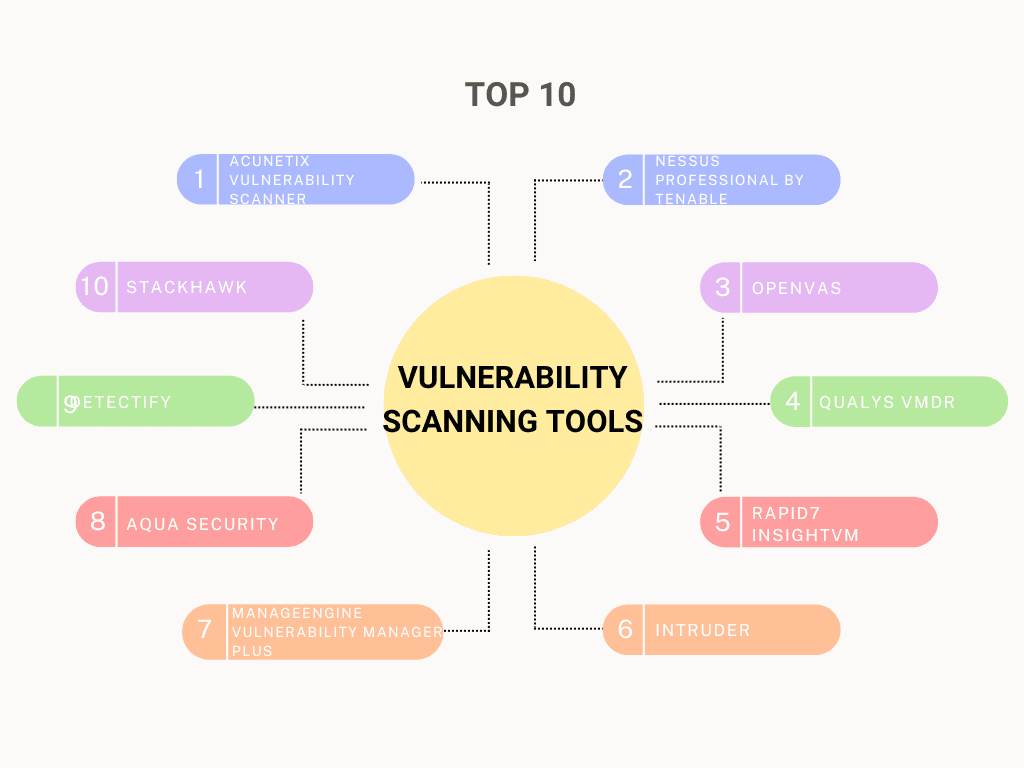
Top 10 Vulnerability Scanning Tools

Last Updated on 1 year ago by Imarticus Learning

Vulnerability scanning proactively identifies weaknesses in your systems, akin to inspecting any other defence systems for hidden loopholes and vulnerabilities before attackers exploit them. Unpatched vulnerabilities are entry points for cyberattacks, potentially leading to data breaches, financial losses, and reputational damage.

Choosing the right vulnerability scanning tools is crucial, as different tools excel at specific areas like web applications or network infrastructure. A well-suited scanner strengthens your overall cybersecurity posture.

Adapting to the Evolving Threat Landscape With Vulnerability Scanning Tools

The cyber threat landscape is a constant arms race. Attackers develop new exploits, particularly zero-day vulnerabilities unknown to security vendors. Effective vulnerability testing tools need to adapt by:

  • Regularly updating vulnerability databases: Scanners should incorporate the latest vulnerability information to identify even recently discovered weaknesses.
  • Leveraging threat intelligence: Integration with threat intelligence feeds allows vulnerability assessment tools to prioritise vulnerabilities based on exploit likelihood and potential impact.
  • Utilising advanced scanning techniques: Techniques like fussing and behavioural analysis can help uncover even zero-day vulnerabilities by probing for unexpected system responses.

Vulnerability Prioritisation: Making Informed Decisions

Not all vulnerabilities are created equal. Effective vulnerability testing tools can prioritise identified weaknesses based on severity, exploitability, and potential impact. This helps security teams focus on patching critical vulnerabilities first, optimising their remediation efforts.

Scanners might employ scoring systems that consider factors like:

  • CVSS (Common Vulnerability Scoring System) score: An industry standard rating the severity of a vulnerability.
  • Exploit availability: Whether a publicly known exploit exists for the vulnerability.
  • Affected systems: The number and criticality of systems impacted by the vulnerability.

You can enrol in a comprehensive cybersecurity course to learn how to effectively use vulnerability scanning tools.

The Top 10 Vulnerability Scanning Tools for Shielding Digital Assets

Vulnerability Scanning Tools

Choosing the right vulnerability scanner is essential for protecting an organisation’s digital assets effectively. Using the wrong vulnerability scanning tools can lead to failure in stopping a cyber attack. Here is a breakdown of the top 10 vulnerability scanning tools, highlighting their strengths and considerations to help you pick the optimal defender for your digital fortress:

A. Acunetix Vulnerability Scanner

  • Features: Web application scanning (DAST), extensive vulnerability coverage, compliance checks.
  • Strengths: User-friendly interface, in-depth scans for web applications.
  • Considerations: Cost-prohibitive for some, complexity might deter beginners.

B. Nessus Professional by Tenable

  • Features: Comprehensive scanning for networks, web applications, and configuration assessments.
  • Strengths: Integrates with other security tools, robust feature set.
  • Considerations: Free version has limited functionality, paid plans can be expensive.

C. OpenVAS

  • Features: Open-source and free, extensive plugin library for various scanning needs.
  • Strengths: Large, active community for support, highly customisable.
  • Considerations: Steeper learning curve, requires technical expertise to manage effectively.

D. Qualys VMDR

  • Features: Cloud-based deployment for easy access, patch management and automated remediation.
  • Strengths: User-friendly interface, simplifies vulnerability management.
  • Considerations: Subscription-based pricing, might not be ideal for strictly on-premise environments.

E. Rapid7 InsightVM

  • Features: Agent-based and agentless scanning options, vulnerability prioritisation with threat intelligence integration.
  • Strengths: Scalable for large environments, prioritises critical vulnerabilities for efficient remediation.
  • Considerations: Resource-intensive for agent-based scans, complex configuration for extensive deployments.

F. Intruder

  • Features: Continuous network vulnerability scanning, vulnerability assessments after infrastructure changes.
  • Strengths: Proactive approach, minimises vulnerability windows.
  • Considerations: Primarily focused on network security, limited web application scanning capabilities.

G. ManageEngine Vulnerability Manager Plus

  • Features: Comprehensive vulnerability management for networks, web applications, and endpoints.
  • Strengths: Cost-effective solution for SMBs, user-friendly interface with reporting functionalities.
  • Considerations: Feature set might be less extensive compared to high-end enterprise solutions.

H. Aqua Security

  • Features: Focuses on cloud-native and container security with vulnerability scanning and posture management.
  • Strengths: Deep integration with containerised environments, ideal for DevOps workflows.
  • Considerations: Primarily caters to cloud-based deployments, might not be suitable for traditional on-premise environments.

I. Detectify

  • Features: Continuous web application security testing (WASM), focuses on identifying business-critical vulnerabilities.
  • Strengths: Focus on real-world exploitability, prioritises vulnerabilities based on potential impact.
  • Considerations: Primarily targets web application security, limited network or endpoint scanning capabilities.

J. StackHawk

  • Features: Developer-friendly vulnerability scanning for web applications, integrates seamlessly with CI/CD pipelines.
  • Strengths: Simplifies security integration for developers, automates vulnerability detection in the development process.
  • Considerations: Primarily focuses on web application security during development stages, might not be suitable for comprehensive post-deployment vulnerability management.

Choosing the Right Vulnerability Scanning Tools

Forget feature overload. Selecting the ideal vulnerability scanner goes beyond a laundry list of functionalities. Here is a framework to guide your decision based on your specific needs:

Deployment Type

Cloud-based vulnerability scanning tools offer ease of use and scalability, while on-premise options provide greater control. Hybrid environments might require scanners compatible with both deployments.

IT Expertise

User-friendly interfaces and intuitive dashboards are crucial for teams with limited technical knowledge. Conversely, advanced users might prioritise extensive customisation options.

Budget

Open-source and freemium vulnerability scanning tools offer a cost-effective entry point, while paid solutions often provide more comprehensive features and support.

Do not operate in silos. Integrations with security information and event management (SIEM) systems or ticketing platforms can streamline vulnerability management by automating workflows and enriching threat context. You can also consider using VMPs that go beyond basic scanning. These platforms offer comprehensive vulnerability management, integrating scanning with features like patch management, reporting, and threat intelligence for a holistic security posture.

The Future of Vulnerability Scanning Tools

The vulnerability scanning landscape is constantly evolving. Here is a peek into what the future holds for vulnerability scanning tools:

  • Cloud-Based Dominance: Cloud-based vulnerability scanning tools are poised for even greater adoption due to their ease of use, scalability, and centralised management capabilities.
  • Continuous Scanning for Real-Time Defense: The shift towards continuous vulnerability scanning will become more prominent, enabling near real-time detection of emerging threats and faster response times.
  • AI and Machine Learning Take Center Stage: Artificial intelligence (AI) and machine learning (ML) will play a more significant role. Vulnerability scanners will leverage AI and ML for advanced threat detection, vulnerability prioritisation, and even automated remediation strategies.

Wrapping Up

Vulnerability scanning is an essential shield in today’s cyber battlefield. It empowers you to proactively identify weaknesses before attackers exploit them. Remember, the “best” vulnerability scanner isn’t a universal solution. You should carefully consider your specific needs and choose a tool that seamlessly integrates with your environment.

With the power of vulnerability scanning and robust vulnerability management practices, organisations can build a formidable defence and ensure the long-term security of their digital assets. Want to learn how to defend organisations against cyber threats and explore advanced cybersecurity practices? Enrol in the Advanced Certificate in Cybersecurity and Blockchain By E&ICT IIT Guwahati. This holistic cybersecurity course will prepare you for a solid career in cybersecurity.

Frequently Asked Questions

What is the difference between vulnerability scanning and penetration testing?

Vulnerability scanning is an automated process that identifies weaknesses in systems. Penetration testing simulates real-world attacks to exploit those vulnerabilities and assess your overall security posture. Both are crucial for a layered defence.

Are free vulnerability assessment tools any good?

Free vulnerability testing tools can be a great starting point for smaller businesses or personal use. They might have limitations in features or scan depth compared to paid options. Consider your needs and weigh the features against the cost.

How often should I scan for vulnerabilities?

The frequency depends on your industry, risk tolerance, and how often your systems change. Regular scans (weekly or monthly) are ideal, with additional scans after system updates or security incidents.

Are vulnerability assessment tools enough to secure my systems?

Vulnerability scanning is a vital first step, but it is not a silver bullet. You need to implement vulnerability management practices like prioritisation, patching, and retesting to ensure vulnerabilities are addressed and don’t linger.

Visual Advertising in Marketing: Social Media Posts, Banners, Television and Print

Last Updated on 1 year ago by Imarticus Learning

Our brains are wired for visuals.

Studies show we process visual information 60,000 times faster than text, and visuals are far more likely to be remembered. This is not just a coincidence.

Images can trigger a wide range of emotions, from happiness and excitement to curiosity and trust. This emotional connection makes visuals not only more engaging but also more memorable. Visuals can also transcend language barriers, making them a powerful tool for reaching a global audience. 

Neuromarketing takes this a step further. By studying brain activity, researchers can gain insights into how visuals influence our attention, memory and ultimately, our purchasing decisions. Let us learn more about visual advertising, one of the most essential components of advertising

The Concept of Visual Storytelling and Visual Advertising in Marketing Management

Visual storytelling is not just about pretty pictures, it is about crafting a narrative that resonates with your audience. Think of a commercial that does not bombard viewers with features but instead tells a story of a character overcoming a challenge with the help of your product. This emotional connection is far more effective than dry specifications.

There are many storytelling frameworks we can use. The classic “problem-solution” approach positions your product as the answer to a common pain point. The “emotional journey” takes viewers on a ride, highlighting how your product enhances their lives. For example, when Nike’s inspirational ads showcase athletes pushing their limits.

The power of visual storytelling is not limited to TV commercials. A social media post with a captivating image and a relatable caption can spark a powerful narrative. For instance, a financial planning company could share a client’s story about achieving their dream vacation through smart saving. Look beyond the usual suspects in your industry for inspiration. A heartwarming campaign by a local pet shelter could hold valuable lessons for a national clothing brand.

Decoding the Visual Components of Advertising

Visuals are a language, and just like any language, mastering its elements is key to crafting impactful advertising. Colour psychology plays a significant role. Warm colours like red and orange evoke excitement and energy, while cool colours like blue and green promote feelings of calmness and trust. Composition, the arrangement of elements within the frame, guides the viewer’s eye and creates a sense of balance or tension.

Strategic use of typography, the art of font selection and arrangement, can establish brand identity and influence readability. Negative space, the empty areas around your subject, can create a sense of minimalism or emphasise key elements. Understanding these principles allows us to tailor our visuals for specific goals.

For brand awareness campaigns, consider using bold colours, eye-catching compositions, and a clear brand logo. Lead generation ads, on the other hand, might benefit from a cleaner aesthetic with easy-to-read calls to action. Looking beyond established trends, explore the potential of data visualisation. Using infographics or charts to present complex information can be a powerful tool for B2B marketing.

Similarly, the rise of isometric illustrations offers a unique perspective that can grab attention and enhance brand storytelling. By strategically decoding and deploying these components of advertising in marketing management, we can turn our visuals into a powerful marketing language.

Social Media Advertising in Marketing Management

The social media landscape is a kaleidoscope of visual languages. Each platform caters to a specific audience and has its own visual preferences. Understanding these essential components of advertising is crucial for crafting social media visuals that resonate and spark engagement.

Common platform rules:

  • Instagram: Here, aesthetics reign supreme. High-quality photos with a consistent theme and colour palette are key. Explore carousels and Stories to showcase a product or tell a micro-story.
  • Twitter: Brevity is king. Use eye-catching images with clear messaging and leverage trending hashtags to increase reach. Animated GIFs can add a touch of humour or personality.
  • Facebook: A versatile platform, Facebook caters to a wide range of content formats. 

Eye-catching images and infographics work well but do not underestimate the power of short videos with captions (crucial for sound-off viewing). Optimising your visuals for each platform takes your social media game a step further. Leverage Instagram Stories with interactive elements like polls and quizzes to boost engagement. On Twitter, use relevant hashtags strategically to get discovered by potential customers.

Short-Form Video Advertising in Marketing Management

Short-form video content is exploding on platforms like TikTok and Instagram Reels. These bite-sized videos can be a powerful tool for visual advertising in marketing management. Showcase your product in action, create tutorials, or tap into trending challenges to capture attention and build brand awareness. Remember, authenticity and user-generated content often thrive on these platforms, so embrace a less polished and more relatable approach. By understanding the unique visual languages of each platform and staying ahead of trends like short-form video, you can conquer social media with visuals that truly connect with your audience.

Banner Advertising in Marketing Management

In the digital age, we have all experienced “banner blindness.” Our brains become adept at filtering out the clutter on webpages. So, how do you craft banner ads that cut through the noise and get noticed?

Beating Banner Blindness

Interactivity is your weapon. Incorporate elements like hover effects, short animations, or even clickable hotspots to pique viewers’ curiosity. Dynamic content, which personalises banners based on user data, can also increase relevance and engagement.

Design for Impact

Keep it clear and concise. Use strong visuals that align with your brand identity and a clear call to action (CTA) that tells viewers exactly what you want them to do. Do not overcrowd your banner with text. Whitespace is your friend; it allows your key message to breathe and makes the banner more visually appealing.

Placement and Targeting

Strategic placement is crucial. Consider the context of the webpage where your banner appears. Targeting the right audience is equally important. Leverage demographic and behavioural data to ensure your banner reaches the people most likely to be interested in your product or service.

Programmatic Advertising

Take banner advertising in marketing management to the next level with programmatic advertising. This automated approach uses algorithms to buy and display banner ads across a vast network of websites, ensuring your ad reaches the right audience at the right time. By combining creative design with strategic placement and data-driven targeting, you can transform banner advertising from a fading art form into a powerful marketing tool.

Television Commercials Advertising in Marketing Management

The flickering light of a television screen might seem quaint in today’s digital age, but television commercials remain a powerful tool for capturing hearts and minds. The key lies in the magic of storytelling and emotional connection.

The Power of Story

Think of a heartwarming commercial showcasing a family’s connection strengthened by a new communication device. This emotional resonance is far more effective than simply listing product features. Explore different storytelling formats. Short-form ads can pack a punch with humour or surprise, while product demonstrations offer practical value. Celebrity endorsements can leverage star power to build trust and brand recognition.

Crafting the Perfect Ad

A captivating television commercial is a well-oiled machine. Scriptwriting is key. Clear, concise messaging woven into a compelling narrative is essential. Filming techniques should support the story, using visuals, camera angles, and editing to create the desired mood. Do not underestimate the power of sound design. Music and sound effects are essential components of advertising and can heighten emotions while leaving a lasting impression.

Addressable TV Advertising

The future of television advertising in marketing management is targeted. Addressable TV allows you to deliver commercials to specific households based on demographics and viewing habits. For example, showcasing your sports apparel ad only during sporting events or your children’s toy commercial during animated programs. By harnessing the power of storytelling, creative video formats, and targeted advertising, television commercials can continue to be a captivating force in the marketing landscape.

Print Advertising in Marketing Management

Do not be fooled by the digital revolution. Print advertising in marketing management is alive and well, offering unique strengths that can’t be replicated online. Targeting specific demographics is a key advantage. A thoughtfully placed ad in a niche magazine reaches a pre-qualified audience with focused interests. Print also fosters a lasting impression. Unlike fleeting digital ads, a well-designed print ad lingers in readers’ hands, allowing them to absorb information and consider your message at their leisure.

But print is not stuck in the past. Creative formats are pushing the boundaries. Think of a print ad with a QR code that unlocks an interactive product demonstration when scanned with a smartphone. Augmented reality (AR) integration can further blur the lines between print and digital, creating immersive experiences that bring your ad to life.

Designing for Print Impact

When crafting a print ad, remember the fundamentals. High-quality visuals are essential for grabbing attention. A strong headline sparks curiosity, while a clear call to action tells readers exactly what you want them to do next. Do not underestimate the power of white space. A clean layout allows your key message to shine through.

Niche Publications Are Your Ally

Forget mass-market magazines. Targeting niche publications with a highly engaged readership is a strategic move. Think of placing an ad for your hiking boots in a respected outdoor adventure magazine. This targeted approach allows you to connect with a passionate audience far more effectively than a generic online ad. By embracing innovation and strategic targeting, print advertising can continue to be a powerful tool in your marketing arsenal.

A/B Testing and Analytics for Visual Advertising in Marketing Management

Visual advertising in marketing management is a creative art form, but successful campaigns are built on a foundation of data. Data-driven decision-making ensures you are not just throwing creative darts in the dark.

A/B testing is your secret weapon. By testing different visual elements, like image variations or colour schemes, you can see which version resonates best with your audience. This data-driven approach allows you to optimise your visuals for maximum impact.

But what data should you track? Key metrics tell the story of your campaign’s success. Click-through rates (CTRs) measure how effectively your visuals entice viewers to click on your ad. Brand recall gauges how well viewers remember your brand after seeing your ad. Engagement metrics like shares and comments on social media posts indicate how effectively your visuals are sparking interaction.

Eye-Tracking the Future

Take your analytics a step further with advanced tools like eye-tracking software. This technology tracks where viewers look at your ad, revealing which visual elements capture their attention and for how long. By understanding how viewers interact with your visuals, you can refine your creative strategy for even greater impact. By leveraging A/B testing, key performance indicators (KPIs), and advanced analytics, you can transform visual advertising from an art form into a data-driven science for marketing success.

The Future of Visual Advertising in Marketing Management

The world of visual advertising in marketing management is constantly evolving. Here is a glimpse into what the future holds:

  • AI Enters the Design Studio: Artificial intelligence (AI) is poised to revolutionise visual content creation. AI tools have started appearing that generate personalised ad variations based on audience data or even create original ad concepts based on your brand messaging.
  • Immersive Experiences: Virtual reality (VR) and augmented reality (AR) are ushering in a new era of visual advertising. For example, taking a virtual tour of a new car model or trying on clothes virtually before you buy. These immersive experiences have the potential to revolutionise product engagement and brand storytelling.

With great power comes great responsibility. As we embrace advanced technologies, ethical considerations are paramount. Data privacy concerns and ensuring a positive user experience must be at the forefront.

Also, do not underestimate the power of user-generated content (UGC). Authentic testimonials, product reviews, and social media posts featuring your brand can be incredibly persuasive. Strategically leverage UGC by encouraging customer participation in contests or offering incentives for sharing positive experiences. By staying ahead of the curve with AI, VR/AR, and a focus on user-generated content, you can ensure your visual advertising in marketing management strategy remains future-proof.

Wrapping Up

By harnessing the art of visual storytelling, we can craft marketing campaigns that resonate with your audience and leave a lasting impression. Do not be afraid to experiment with different visual elements and platforms to discover what works best for your brand. The future of visual advertising is bright, and with creativity and data-driven insights, you can be a part of its success story.

To learn more about the other essential components of advertising or advanced management tactics, you can enrol in the IIM Lucknow Senior Leadership Program which is offered in collaboration with Imarticus Learning. This IIM L senior leadership program will teach you everything you need to become a successful senior manager and a strategic leader.

Frequently Asked Questions

  1. Why are visuals important in marketing?

Our brains process visuals much faster than text and visuals can evoke emotions and create lasting memories. This makes them ideal for grabbing attention and promoting your brand.

  1. What are some key components of advertising in successful visual designs?

Colour psychology, composition, typography and negative space all play a role in influencing how viewers perceive your ad. Use these components of advertising strategically to achieve your marketing goals.

  1. What is advertising in marketing?

A simple answer to “What is advertising in marketing” would be that advertising in marketing is a paid promotional effort that uses various communication channels to reach a target audience. Ads can take many forms, from traditional TV commercials and print ads to online display banners, social media posts and influencer marketing campaigns.

In short, it aims to:

  • Inform: Raise awareness about a product, service, or brand.
  • Persuade: Convince consumers of the product’s benefits and motivate them to purchase.
  • Remind: Keep a brand or product top-of-mind for future consideration.

How Much Do Product Managers Earn in India and Globally?

Last Updated on 1 year ago by Imarticus Learning

Product management has emerged as a highly sought-after career in the IT sector, known for overseeing the development and launch of innovative products. Beyond the thrill of driving product innovation, it promises lucrative salaries and enticing benefits. Prospective product managers should prioritise understanding the dynamic landscape of product manager salary.

This blog delves into the average salaries for product managers globally, highlighting differences between domestic and international scales. It also provides actionable tips on strategies to boost annual earnings, ensuring aspiring professionals can navigate salary negotiations effectively and maximise their earning potential.

Average Product Manager Salary in India

The product manager salary might differ depending on brand, region, experience level, and area of competence. Because of the developing IT business in India, typical pay for product managers is quite competitive. The product manager salary in India is at least ₹16 lakhs. However, this pay might increase to ₹60 lakhs annually with more job expertise and skill sets. Even for rookies, product management positions provide competitive starting compensation.

The annual salary range for an entry-level product manager is estimated to be between ₹10 and 12 lakhs, with an additional 1 lakh when revenue distribution is taken into account. 

In what ways does seniority level influence a product manager’s salary?

Product managers’ salary increases dramatically as they move up the seniority ladder. Higher pay is correlated with hierarchical responsibilities. Here is a thorough analysis of the average product manager salary in India broken down based on heirarchy:

  • VP of Product Management Salary in India: ₹55 Lakhs
  • Senior Director Product Management Salary in India: ₹52 Lakhs

These numbers highlight how experience levels and pay are directly correlated. Product managers get more money as they move up the corporate hierarchy and undertake more significant tasks.

Company-Wise Average Product Manager Salary

The salary as a product manager may be significantly impacted by the organisation one works for. Pay rates and compensation arrangements vary depending on company size. Let’s explore the typical salary for product managers at a few of the top Indian IT firms:

The above figures highlight how competitive the IT sector is, with elite businesses paying more to draw in and retain top talent. When assessing prospective job opportunities, it’s critical to consider the business’s credibility, workplace culture, and financial stability.

Location-Wise Average Production Manager’s Salary

Product manager salaries are also significantly influenced by location. To compete in the talent market, cities with a strong IT sector often offer greater pay. The following is a thorough analysis of the average product manager salary in India‘s largest cities:

According to this regional breakdown, product manager salaries are greater in tech-centric locations. When comparing possible employment offers, it’s crucial to take into consideration the cost of lifestyle because living costs might differ greatly between cities.

Average Production Manager Salary in India: Skill-Based

The salary of a product manager is mostly dependent on their skill set and level of experience. Businesses frequently reward specialised skills which are in popular demand. Let’s examine a few crucial skills and the corresponding average pay for product managers in India:

Expertise in go-to-market strategy, product strategy, and agile software development can result in higher earnings potential. Moreover, having a diverse skill set—for example, solid experience in both marketing and product management—can help a product manager become more desirable to employers and increase their earning potential.

Average Product Manager Salary Abroad

Even though India has received most of the attention thus far, it’s crucial to remember that product management is a global industry. The pay for global product managers varies greatly between nations. Here are some statistics for a few chosen nations for those thinking about working overseas or are just interested in learning how much product managers make in other countries:

These global salary statistics highlight how local economic circumstances and variations in the cost of living have an impact on product manager salaries. The thriving IT sector and increased cost of living in places like California, New York, and Seattle may sometimes result in better income potential.

Factors Responsible for a Product Manager’s Salary in India

Let’s now explore the aspects that significantly affect the product manager salary in India. Gaining knowledge of these components can assist an aspiring product manager in navigating their career and negotiating the finest potential benefits package:

  • Company: Payment structures differ throughout corporations, with larger organisations often paying more competitive rates. Smaller businesses and startups, on the other hand, may also provide alluring incentives if they recognise the importance of product management and have adequate capital.
  • Work Experience: Experience is one of the most important factors influencing a product manager’s earning potential. One’s pay will inevitably rise as one gains more work experience and has an impressive record of profitable product launches. For this reason, people in leadership positions and senior product managers often demand higher salaries.
  • Location: A significant factor in deciding the salary is the city or area in which one is employed. Higher pay is offered in IT hubs like Bangalore, Hyderabad, and Gurgaon to draw and retain talent. The expense of residing in these places should be taken into account, too, as it has a big influence on one’s disposable income.
  • Skills: Product management is a highly valued sector that specialises in skills. Gaining experience in fields like go-to-market strategy, agile software development, and product strategy, as well as investing in continuing professional development, may increase earning potential. These abilities are valuable, and employers are ready to pay extra for them. Enrolling in a product management course can aid professionals in learning new skills and being industry-ready.

Ways to Increase a Product Manager’s Salary

A strong product manager can boost their salary by following these essential steps.

  • Prior Preparation: Being organised is essential during wage bargaining. Examine the average remuneration provided by local businesses as well as industry salary standards. 
  • Respectful and Empathetic Approach: Candidates should be empathetic when discussing salary or job offers. However, they should also acknowledge their worth and be confident in communicating their value to the company.
  • Salary Range Presentation: During negotiation, candidates should provide a salary range rather than a single amount. This strategy gives them freedom and shows that they’ve thought through the aspects that will probably impact their desired salary.
  • Being Open to Rejection: Sometimes, salary talks end in counteroffers or rejections. When making choices, candidates should be ready for these results and take their long-term professional objectives into account.

Conclusion

The pay scale for product managers in India is varied and depends on factors such as region, industry, and experience. Earnings for professionals in large cities often range on the higher side. Acquiring proficiency in this domain could lead to fulfilling job prospects, as the need for knowledgeable product managers keeps growing.

Enrol today in Imarticus’ Professional Certificate in Product Management With CEC, IIT Roorkee, to launch a career in product management.

Frequently Asked Questions

  • What is India’s average product manager salary in 2024?

Given the present trend and anticipated growth, the average salary for a product manager in India may range from ₹9 Lakhs to ₹25 Lakhs.

  • How does a product manager’s salary alter with seniority levels?

Salary increases for product managers typically equate with increased seniority. For example, a Chief Product Officer could receive a salary of ₹30 Lakhs, while an Assistant Product Manager can make ₹10 Lakhs.

  • How can location affect the Product Manager’s Salary in India?

Salary for product managers is mostly dependent on location. Salary levels are often higher in places like Bangalore and Hyderabad, which have a strong IT sector.

  • Which companies pay the highest Product Manager salary in the nation?

Product Manager salaries at some of India’s top software firms, like Google, Microsoft, Amazon, and Meta, are competitive and may reach above ₹50 Lakhs annually.

Unlocking the Secrets: 10 Reasons Why Human Resources Are the Backbone of Any Successful Company!

Last Updated on 1 year ago by Imarticus Learning

Ever wondered why successful companies heavily invest in their human resources management? why are Human Resources important?

Human resources are crucial to a company’s success. At its core, HR is the backbone of any organisation, responsible for nurturing talent, optimising employee performance, and safeguarding the company’s interests. This department not only recruits and retains top talent but also shapes the company’s culture and resilience.

Beyond administrative tasks, HR plays a vital role in fostering a positive company culture, driving strategic initiatives, and ensuring legal compliance. Statistics show that companies with strong HR practices are 82% more likely to exceed business targets and experience 22% higher revenue growth.

What is the Cost of Not Having HR in the Organisation?

What is the importance of human resources? An ineffective or absent HR department can lead to financial and operational challenges for your organisation, such as:

  1. Reputational Damage: Companies with poor HR practices face reputational risks, which can hinder their ability to attract and retain top talent. Managing reputation can impact up to 63% of an organisation’s market cap or annual turnover.
  2. Higher Recruitment Costs: Without an HR department, hiring responsibilities fall on managers, taking them away from their primary duties. This increases the risk of hiring unqualified candidates, leading to frequent hires and higher recruitment costs. 

The average cost of hiring a new employee is about $4,700, but hiring the wrong or inefficient employee can cost up to 30% of their first-year earnings.

  1. Decreased Productivity and Morale: HR departments are crucial in maintaining employee engagement and satisfaction. In 2022-2023, companies spent over $101 billion on training, and it can take up to six months or more for new hires to become fully productive and justify the investment.

Without adequate support, employee morale can drop, leading to increased absenteeism and decreased productivity, costing organisations $8.8 trillion annually in lost productivity.

  1. Legal Issues and Non-Compliance Fees: Lacking the value of human resources in areas such as equal employment opportunities, wage laws, and workplace safety can result in costly legal issues and penalties. In 2022, the U.S. EEOC received 73,485 workplace discrimination charges, with average lawsuit settlements costing around $40,000 per case.
  2. Higher Turnover Rates: Poor HR practices or the absence of HR can lead to increased employee turnover. Loss of productivity costs result in up to $1.8 trillion every year.  Dissatisfaction due to poor onboarding, inadequate training, and lack of recognition makes employees more likely to leave, costing the organisation 1.5-2 times their annual salaries to replace them.

Human Resource – The Evolving Significance

From talent acquisition and performance optimisation to legal compliance and employee well-being, the importance of HR cannot be overstated. 

Here are 10 critical reasons why HR is indispensable for business success:

1. Talent Acquisition and Retention

The value of human resources cannot be emphasised enough when it comes to attracting and retaining top talent for organisational growth. The importance of HR in this area cannot be overstated, as it ensures that businesses hire individuals whose skills and values align with the company’s goals. Effective HR practices lead to better employee fit and reduced turnover, contributing to a stable and motivated workforce. Statistics show that companies with strong HR practices are 2.5 times more likely to be high-performing.

2. Performance Optimisation

HR departments play a crucial role in ensuring that employees perform at their best by implementing performance management systems, conducting regular reviews, and providing feedback. Performance optimisation strategies include setting clear goals, providing ongoing training, and recognising achievements. According to recent data, companies with effective performance management systems see a 14% higher employee engagement rate.

3. Company Culture

HR shapes and sustains a positive workplace culture, which is a significant factor in employee satisfaction and productivity. A strong company culture, characterised by shared values, goals, and practices, fosters a sense of belonging and loyalty among employees. This can lead to a significant improvement in employee retention, as employees are more likely to stay with a company that aligns with their personal values and professional goals.

4. Strategic Initiatives

HR drives strategic initiatives that align with business goals, such as diversity and inclusion programs, which can enhance innovation and market competitiveness. Diverse teams bring a variety of perspectives and ideas, leading to better problem-solving and creativity. Companies with diverse teams are 35% more likely to outperform their competitors, demonstrating the value of human resources in driving business success.

5. Legal Compliance

Ensuring the company adheres to labour laws and regulations is another critical role of HR. This helps avoid costly legal issues and maintains the company’s reputation. Non-compliance can result in fines and legal fees amounting to millions, underscoring the value of human resources in mitigating such risks. HR professionals keep abreast of changes in legislation and ensure that company policies and practices comply with all relevant laws.

6. Employee Relations

HR is essential in fostering positive employee relations by creating and enforcing fair policies, resolving conflicts, and promoting employee engagement. This helps build a cohesive work environment, enhances productivity, and reduces turnover. Effective HR practices ensure a supportive culture, improve morale, and contribute significantly to the organisation’s overall success.

7. Training and Development

Providing growth opportunities for employees through training and development is a core HR function. Continuous learning and professional development programs help employees enhance their skills and advance their careers. Companies that invest in employee development report 24% higher profit margins, demonstrating the value of human resources in enhancing skills and competencies.

8. Compensation and Benefits

HR plays a critical role in compensation and benefits by developing competitive pay structures and benefits packages that attract and retain top talent. They ensure compliance with legal requirements, enhance employee satisfaction, and motivate performance. Effective compensation strategies by HR boost retention rates and foster a positive work environment, ultimately contributing to the organisation’s success.

9. Succession Planning

Preparing for future leadership transitions through succession planning ensures continuity and stability. Succession planning involves identifying and developing internal candidates for key leadership roles. HR plays a vital role in succession planning by identifying and developing future leaders to ensure organisational stability and growth. They create structured programs that align with strategic goals, enabling a smooth transition of key roles. HR’s involvement minimises risks associated with leadership gaps and ensures continuity in operations, ultimately enhancing the organisation’s resilience and long-term success

10. Employee Well-being

HR plays a crucial role in enhancing employee well-being by implementing strategies that prioritise physical, mental, and emotional health. They foster a supportive workplace culture, offer wellness programs, and provide resources for stress management and work-life balance. HR’s proactive approach not only improves productivity and morale but also reduces turnover rates and absenteeism. By promoting well-being, HR contributes significantly to creating a positive and sustainable work environment.

Conclusion

From nurturing talent and fostering a conducive workplace culture to spearheading continuous improvement initiatives, HR plays a pivotal role. By aligning strategic goals with employee development and leveraging data-driven insights, HR not only enhances operational efficiency but also cultivates innovation and resilience within organisations. 

As businesses navigate dynamic market landscapes, HR’s commitment to continuous improvement ensures adaptive strategies and sustainable growth. Thus, the requirement for HR professionals is on the rise. 

If you are someone looking to move forward with an HR Analytics course, now is the best time to enrol on Imarticus Learning. 

The Professional Certificate in Human Resource Management and Analytics from CEC, IIT Roorkee and Imarticus offers specialised training in these areas, equipping HR leaders with essential skills to navigate evolving workplace demands.

This program not only enhances organisational efficiency but also empowers HR to drive innovation and adaptability, ensuring sustained growth and success in today’s competitive landscape.

FAQs

  1. How much does an HRM professional make?

Salaries for Human Resource Management (HRM) professionals vary widely based on factors such as experience, location, and industry. 

In India, entry-level HR professionals can expect to earn around ₹3-5 lakhs per annum. With experience and seniority, salaries can range from ₹8-20 lakhs per annum for mid-level positions, and senior HR managers or HR directors can earn upwards of ₹25 lakhs annually.

  1. What is the total duration of the HRM, IIT Roorkee course?

The HR Management and Analytics certificate program offered jointly by IIT Roorkee and Imarticus Learning typically spans 6 months and allows for comprehensive learning and skill development. 

  1. Is the HRM course expensive? 

The cost of the HR Management and Analytics course from IIT Roorkee and Imarticus Learning is generally considered significant, reflecting the value and quality of education provided. 

HR Analytics courses like these often require an investment that can vary but typically range in cost. It is important to consider that such programs are designed to provide specialised training and accreditation that can significantly enhance career prospects in HR management.

  1. Which is better MBA HR or HRM?

Choosing a HRM or MBA in HR largely depends upon the career goals and professional background. An MBA in HR generally offers a broader business education, potentially leading to higher job offers and salary hikes. It is quite versatile in nature and focus on leadership and strategic management skills.

On the other hand, a Master’s in HRM is ideal for those looking to deepen their expertise specifically in HR practices and advance their careers in this field.