
Industry Insights and Case Studies: Learning from Real-World Business Challenges

Last Updated on 2 years ago by Imarticus Learning

The weight of expectation sits heavy on the shoulders of any leader. Today’s business environment is highly dynamic, demanding agility, foresight and strategic decisions. New technologies emerge seemingly overnight, customer expectations are constantly evolving, and the pressure to stay ahead of the competition is relentless.

In this ever-changing landscape, what does it take to be a successful leader? In this article, we will discuss important business challenges with real-world examples and case studies. Studying and analysing any solid business case study for a specific industry or business challenge can help you become a more holistic leader. This article will also provide you with the right tips, tools and insights for effective leadership development.

Leading in the Evolving Landscape of Business Challenges

Leaders today are constantly bombarded with change. The business world is a complex landscape shaped by several key trends. Let us first discuss the essential four trends in today’s time.

Technological Advancements (AI, Automation)

Artificial intelligence (AI) and automation are transforming industries at an unprecedented pace. From streamlining manufacturing processes to personalising customer experiences, AI is impacting every aspect of business. To thrive in this new environment, leaders need to embrace lifelong leadership development and stay updated on emerging technologies.

Actionable Tip for Leaders: Encourage leaders to attend industry conferences, participate in online courses, and create a culture of knowledge sharing within their teams.

Disruptive Innovation

Disruptive innovation can reshape entire industries overnight. Think about how ride-sharing companies revolutionised the transportation sector. Leaders must foster a culture of innovation within their teams, encouraging experimentation and a willingness to take calculated risks.

Actionable Tip for Leaders: Implement innovation programs that reward creative thinking and support teams in testing and iterating on new ideas.

Evolving Customer Expectations

Today’s customers are more empowered than ever before. They have access to a wealth of information and expect personalised experiences. Leaders need to adapt their strategies to meet these ever-changing customer demands.

Actionable Tip for Leaders: Prioritise customer-centricity by gathering customer feedback regularly and using data analytics to understand their needs and preferences.

Global Competition

The global marketplace presents both challenges and opportunities. Leaders need to cultivate a global mindset and build strong partnerships across borders to succeed on a worldwide scale.

Actionable Tip for Leaders: Encourage leaders to develop a diverse workforce with a global perspective and explore opportunities for international collaboration.

Common Real-World Business Challenges Leaders Face

Every leader, regardless of industry, faces a common set of challenges on the battlefield of business. By addressing these common challenges head-on, leaders can build resilient and successful organisations. Here are some of the most prominent challenges:

Talent Acquisition and Retention

The war for talent is real. Attracting and keeping top performers is crucial for success.

Actionable Tips:

  • Develop a strong employer brand that highlights your company culture and values.
  • Offer competitive salaries and benefits packages.
  • Invest in employee development and training programs.
  • Foster a culture of recognition and appreciation.

Ethical Challenges in Business

Ethical challenges in business are quite common as business decisions can have a significant impact on society and the environment. Leaders need to be mindful of ethical considerations when making choices.

Actionable Tips:

  • Develop a strong code of ethics for your organisation.
  • Foster a culture of integrity and transparency.
  • Train your employees on ethical decision-making.
  • Consider the potential impact of your business decisions on all stakeholders.

Data-Driven Decision Making

In today’s information age, data is king. Leaders need to be able to extract insights from data to inform their strategic decision-making.

Actionable Tips:

  • Invest in data analytics tools and training for your team.
  • Learn to ask the right questions of your data.
  • Communicate data-driven insights effectively to stakeholders.
  • Use data to measure progress and track key performance indicators (KPIs).

Change Management

Change is inevitable in business, but navigating it effectively can be a challenge. Leaders need to be able to lead their teams through periods of transformation.

Actionable Tips:

  • Clearly communicate the rationale for change and involve your team in the process.
  • Provide support and resources to help employees adapt to change.
  • Celebrate successes along the way and acknowledge challenges.
  • Be transparent and open to feedback.

Innovation and Adaptability

The business landscape is constantly evolving. Leaders need to be innovative and adaptable to stay ahead of the curve.

Actionable Tips:

  • Encourage a culture of creativity and experimentation.
  • Allocate resources for research and development.
  • Be open to new ideas and willing to take calculated risks.
  • Monitor industry trends and competitor activity.

A solid leadership development program can help you deal with all the above challenges. A holistic senior leadership program will accelerate your leadership development and enhance your strategic decision-making skills.

Industry-Specific Case Studies

business case study 

Learning from the successes and failures of others through an in-detail business case study is invaluable in leadership development. Here, we delve into real-world challenges tackled by leaders across different industries:

Case Study 1: Retail (Company: Acme Retail)

Challenge: In a crowded retail landscape, Acme Retail struggled to differentiate itself and connect with customers on a personal level.

Leader’s Approach: The CEO implemented a data-driven strategy, analysing customer purchase history and demographics. This allowed them to personalise marketing campaigns, product recommendations, and in-store experiences.

Key Takeaways: By leveraging data analytics, Acme Retail was able to create a more customer-centric experience, boosting customer satisfaction and loyalty.

Case Study 2: Manufacturing (Company: Global Gears)

Challenge: Global Gears, a manufacturer of industrial parts, faced declining profits due to production inefficiencies.

Leader’s Approach: The COO adopted lean manufacturing principles, focusing on eliminating waste and streamlining processes. This involved optimising workflows, reducing inventory levels, and empowering employees to identify and address inefficiencies.

Key Takeaways: By embracing lean methodologies, Global Gears significantly improved production efficiency, reduced costs, and increased profitability.

Case Study 3: Healthcare (Company: Wellspring Health)

Challenge: Wellspring Health, a large healthcare provider, faced administrative burdens and delays in patient care due to outdated processes.

Leader’s Approach: The CEO invested in innovative technologies like electronic health records (EHR) and telehealth platforms. These solutions streamlined administrative tasks, improved data access, and enabled remote consultations, enhancing patient care.

Key Takeaways: Wellspring Health’s embrace of technology resulted in improved operational efficiency, better communication with patients, and ultimately, higher quality care.

These types of real-world examples are useful for leadership development as leaders can gain valuable insights and inspiration to address their own challenges and drive success in their respective industries.

Analyse the above three case studies through the lens of your own leadership challenges. Consider:

  1. Can you identify similar challenges within your organisation?
  2. What elements of these leaders’ approaches could be adapted to your context?
  3. How can you leverage these learnings to develop your own strategic solutions?
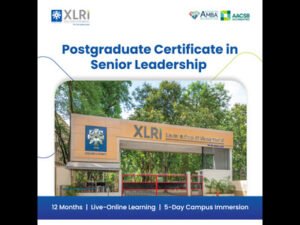
XLRI Senior Leadership course

Building Your Leadership Development Toolkit

The most effective leaders are lifelong learners. By actively going through leadership development and developing your leadership toolkit, you’ll be well-equipped to deal with any challenge and lead your team to success. Here, we explore resources and strategies to help you with leadership development to conquer any business challenge:

Building Your Resource Arsenal

  • Articles: Stay informed on the latest leadership trends with articles from reputable publications like Harvard Business Review or Forbes. 
  • Books: Delve deeper with leadership development classics like “Good to Great” by Jim Collins or “Crucial Conversations” by Kerry Patterson et al. 
  • Online Courses & Workshops: Enhance your skillset with online courses or in-person workshops on specific leadership topics like communication or conflict resolution.

Actionable Strategies

Put theory into practice with these key strategies for leadership development:

  • Communication Mastery: Effective communication is the cornerstone of leadership. Hone your skills in active listening, clear and concise communication, and tailoring messages to your audience.

Action Tip: Practice active listening by summarising key points and asking clarifying questions.

  • Building a Strong Team Culture: A team is only as strong as its culture. Foster a culture of trust, collaboration, and open communication.

Action Tip: Recognise and reward team achievements and encourage open communication by holding regular team meetings.

Embrace the Growth Mindset

Leaders who believe in their ability to learn and grow will inspire the same in their teams. Embrace challenges as opportunities to learn and continuously seek out new knowledge for effective leadership development.

Action Tip: Step outside your comfort zone by taking on new projects or learning a new skill.

Final Tips

The business landscape is constantly evolving, presenting leaders with a unique set of challenges. From dealing with technological disruptions to fostering a culture of innovation, leaders need to be adaptable, data-driven, and ethical.

Leaders must be agile and adaptable to thrive in a constantly changing environment. Also, in this evolving landscape, data-driven decision-making is crucial for effective strategy development. Finally, ethical considerations should be at the forefront of all business decisions.

Fostering a culture of innovation and continuous learning is key to staying ahead of the curve. If you are interested in advanced leadership development, you can enrol in Imarticus Learning’s Postgraduate Certificate in Senior Leadership. This leadership development program is offered in collaboration with XLRI and will open up many more opportunities for you as a senior leader.

Frequently Asked Questions

  • What can I learn from case studies?

Case studies provide real-world examples of how businesses tackled challenges and achieved success. They offer insights into specific strategies, tools, and decision-making processes.

  • How can industry insights benefit my business?

By understanding trends and challenges within your industry, you can identify opportunities for improvement, learn from the experiences of others, and stay ahead of the curve.

  • Are case studies relevant to my specific role?

Case studies can be a goldmine of practical knowledge, regardless of your position. They showcase problem-solving approaches, communication strategies, and successful decision-making processes that can be applied across different roles within a company.

  • Where can I find industry insights and case studies?

Many resources offer valuable industry insights and case studies. Trade publications, industry association websites, and even competitor blogs can be excellent sources of information. Additionally, some consulting firms and research organisations publish industry reports that provide in-depth analysis of specific sectors.

Developing a Global Mindset: Becoming Leaders for the International Business Environment

Last Updated on 2 years ago by Imarticus Learning

In this dynamic and complex landscape, businesses need leaders with a global mindset to bridge the cultural divides, seize opportunities, and thrive. These leaders must possess a unique set of leadership principles that transcend cultural boundaries and foster effective collaboration in a diverse environment.

This guide will equip you with the right tools and frameworks to develop these essential leadership principles and become a leader who can navigate the complexities of the interconnected world. Let us dive in and learn about these crucial leadership skills you need to become a global leader.

What is a Global Mindset and Why Does it Matter?

A global mindset is one of the key leadership principles out there. If you are wondering about how to become a leader in the global market, you have to first learn about the global mindset. Many mistakenly believe a global mindset simply requires travelling the world or possessing fluency in multiple languages.

While these experiences can be valuable assets, a global mindset goes far deeper. It is a comprehensive and holistic approach to leadership that prepares you to thrive in today’s interconnected business environment. Thus, it is one of the most important leadership skills for senior management right now and it is truly very important to adopt a global mindset.

Here is what defines a truly global mindset:

  • Intellectual Curiosity: A global leader is a lifelong learner with an insatiable appetite for understanding different cultures, perspectives, and global trends. They actively seek out knowledge beyond their immediate field, immersing themselves in diverse viewpoints and experiences.
  • Adaptability: The ability to adjust strategies, communication styles, and even leadership approaches based on the cultural context is crucial. A global leader can shift gears seamlessly, embracing change and finding innovative solutions within different environments.
  • Cultural Intelligence: This goes beyond mere awareness. It is the ability to effectively navigate cultural nuances, decode nonverbal communication, and build trust with people from diverse backgrounds. A global leader understands how cultural differences impact business practices, decision-making, and team dynamics.

So, why is a global mindset essential for effective leadership in international business? Consider this:

  • Effective Communication: Global leaders can bridge communication gaps, fostering collaboration and understanding across cultures.
  • Building Diverse Teams: They excel at attracting and motivating talent from diverse backgrounds, creating high-performing teams that leverage a wealth of perspectives.
  • Strategic Decision-Making: With a global lens, they can analyse international markets, identify emerging trends, and make informed decisions that drive growth.
  • Building Trust and Relationships: Global leaders foster trust and rapport with international partners, clients, and stakeholders, creating a foundation for successful collaborations.

In short, a global mindset equips you with strong leadership principles that you can apply in the global landscape, thus allowing you to be a culturally competent leader. If you are wondering how to become a leader who is effective in both the local and global markets, you can enrol in the IIM Senior Management Program offered by Imarticus Learning.

The Evolving Landscape of Global Business: Opportunities and Challenges

The global business landscape is undergoing a massive shift. Driven by powerful forces, companies are increasingly operating in a world that is:

  1. Interconnected: The rise of global supply chains has blurred geographical boundaries. Let us take the example of a smartphone assembled in China with parts from Korea, shipped through the Panama Canal, and sold to a customer in Brazil, this interconnectedness is the norm. The dominance of e-commerce further fuels this trend, allowing businesses to reach customers across the globe with a single click. The mobility of talent is also on the rise, with skilled professionals seeking opportunities across borders.
  2. Reshaped by Emerging Markets: The economic landscape is no longer dominated by a few developed nations. The rise of emerging markets like India, China and Brazil is creating a new wave of economic powerhouses. These markets boast diverse customer bases with unique needs and preferences. For businesses, this presents a lot of challenges when trying to understand cultural nuances for adapting offerings and tremendous opportunities or trying to access new consumer segments and foster growth.
  3. Complex and Demanding: This interconnected world brings its own set of challenges. Cultural differences can lead to misunderstandings in communication and business practices. Communication barriers, including language and technological limitations, can hinder smooth operations. Geopolitical risks like trade wars and political instability can disrupt supply chains and market access. Ethical considerations in areas such as labour practices and environmental sustainability become even more critical in a globalised environment.

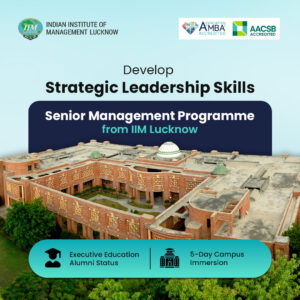
Senior Management Program

Core Skills of the Global Leader in International Business

Leading in today’s globalised environment requires a unique set of leadership skills that transcend traditional leadership approaches. Here, we explore the core competencies that define a truly global leader:

1. Bridging the Gap With Cultural Fluency

To easily navigate various business situations, you must become culturally sensitive and become a master of global communication. 

  • Understanding Cultural Norms, Values, and Communication Styles: Global leaders possess a deep understanding of how cultural differences influence business practices, decision-making, and communication. They can decipher non-verbal cues, interpret gestures, and navigate etiquette variations across cultures.
  • Developing Intercultural Communication Skills for Negotiation and Collaboration: Effective communication is paramount for success in international business. Global leaders excel at tailoring communication styles to resonate with diverse audiences. They actively listen, practice clear and concise language, and leverage storytelling to build rapport and understanding.

2. Adapting to a Dynamic World With Strategic Agility

By mastering core leadership skills such as analytical and strategic thinking, you can become a truly global leader. 

  • Analysing Global Market Trends and Identifying Emerging Opportunities: Global leaders are constantly scanning the horizon, analysing economic, political, and social trends across international markets. They possess a keen eye for identifying emerging opportunities and possess the foresight to adapt business strategies to capitalise on these trends.

3. Global Teamwork: Building Bridges, Leading Together

By adopting teamwork as one of your core leadership principles in the international business landscape, you will be easily able to lead your team to success on a global stage.

  • Building and Leading Diverse Teams: Global leaders excel at attracting and motivating talent from diverse backgrounds and cultural perspectives. They understand the power of a diverse team and foster an inclusive environment where everyone feels valued and empowered to contribute.

How to Become a Leader in The Global Business Environment

Developing a global mindset is a continuous journey of self-discovery, learning, and growth. Here, we explore the key steps you can take to adopt the key leadership principles we discussed:

1. Self-Assessment

The first step towards becoming a global leader is to understand your current state. This includes using quizzes and simulations. Testing yourself will help you identify your strengths in areas like cultural awareness, adaptability, and intercultural communication. It will also reveal areas for improvement, allowing you to tailor your development plan.

2. Continuous Learning

A global leader is a lifelong learner. Here is how you can continuously expand your knowledge and refine your leadership skills:

  • Seek Out Educational Opportunities: Explore online courses, international business conferences, and workshops focused on global leadership and intercultural communication.
  • Build a Network of Global Contacts and Mentors: Connect with professionals from diverse backgrounds and cultures. Seek mentorship from experienced global leaders who can offer guidance and share their insights.

3. Immersive Experiences

There is no substitute for firsthand experience. Consider these opportunities to immerse yourself in different cultures:

  • Participate in International Business Trips, Conferences, or Exchange Programs: These experiences provide a window into different business practices, communication styles, and cultural nuances.
  • Volunteer or Work Abroad: This offers a powerful opportunity to gain practical experience while contributing to a meaningful cause.

If you wish to learn essential leadership principles in more depth, you can enrol in Imarticus Learning’s Senior Management Program which is offered in collaboration with IIM Lucknow.

Putting Your Global Leadership Principles into Action and Leading on the World Stage

Having cultivated a strong global mindset, it is time to translate theory into practice. Here is how you can leverage your newfound skills to excel as a leader in the international business arena:

1. Leading Cross-Cultural Teams: Building Bridges, Fostering Collaboration

Leading diverse teams is a hallmark of a global leader. Here is how to create a thriving environment that fosters inclusion and maximises the potential of your team:

  • Build a Culture of Inclusion and Respect for Diverse Perspectives: Recognise the value that each team member brings, regardless of their background. Encourage open communication, active listening, etc. and celebrate the unique strengths of each individual.
  • Manage Conflict Constructively and Foster Effective Teamwork: Cultural differences can sometimes lead to misunderstandings and conflict. Equip yourself with the skills to mediate these conflicts effectively, fostering solutions that address everyone’s concerns. Utilise your cultural intelligence to identify potential areas of friction in advance and proactively address them.

2. Adapting Leadership Styles: A Flexible Approach for a Diverse World

Leadership styles are not one-size-fits-all. What works in one culture may not resonate in another. As a global leader, you need to be adaptable:

  • Recognise that Leadership Styles Can Vary Across Cultures: Some cultures may value a more directive approach, while others prefer a more collaborative style. Understanding these differences is crucial for effective communication and team motivation.
  • Adjust Your Approach to Match the Needs and Expectations of Your Team: Be prepared to adapt your leadership style based on the cultural context. This may involve adjusting communication styles, delegation practices, or even feedback mechanisms.

3. Ethical Considerations in Global Business: Leading with Integrity

Operating in a globalised environment comes with a heightened responsibility to conduct business ethically. As a global leader, you set the tone for your entire team:

  • Understand and Adhere to International Legal and Ethical Standards: Stay informed about international trade regulations, labour laws, and environmental compliance standards.
  • Making Responsible Decisions that Consider the Impact on All Stakeholders: Consider the impact of your business decisions on all stakeholders, including employees, customers, communities, and the environment.

Wrapping Up

The journey to becoming a global leader is both challenging and rewarding. By cultivating a global mindset, you unlock a treasure trove of benefits for yourself and your organisation. Global leaders are in high demand. Developing a global mindset positions you for success in a competitive job market and opens doors to exciting international opportunities.

Global leadership principles also foster innovation, build stronger relationships with international partners, and navigate the complexities of the global landscape, propelling their organisations towards sustainable growth. A global mindset fosters a broader understanding of cultures, perspectives, and the interconnectedness of our world. This enriches your personal and professional life, fostering empathy and a sense of global citizenship.

The future of successful business belongs to those who can navigate the complexities of a globalised world. Imagine a world where businesses operate seamlessly across borders, leveraging diverse talent pools, and creating solutions that address global challenges. This is the future that global leaders can help shape.

Are you ready to start your global leadership journey? Join the IIM Senior Management Program to take the first step today and become the global leader of tomorrow. The world awaits leaders who can bridge cultures, foster collaboration, and navigate the complexities of the global landscape.

Frequently Asked Questions

  • What exactly is a global mindset, and why is it important in business today?

A global mindset goes beyond just geographical awareness. It is a perspective that embraces cultural differences, understands the interconnectedness of the global market, and fosters effective communication and collaboration across borders. In today’s international business environment, it is crucial for leaders to navigate diverse markets and build strong relationships with global partners.

  • I travel occasionally for work, does that mean I have a global mindset?

Travelling can expose you to different cultures, but it is just one piece of the puzzle. A global mindset involves a deeper understanding and appreciation for cultural nuances, respect for different work styles, and the ability to adapt your approach to different business environments.

  • How can I develop a more global mindset if I have not had much international experience?

There are many ways to cultivate a global perspective! Actively seek out information about different cultures, read international news, and watch foreign films. Look for opportunities to connect with people from diverse backgrounds, and engage in discussions about global issues. Online courses and resources can also provide valuable insights.

  • What are some benefits of having a global mindset as a business leader?

Leaders with a global mindset are better equipped to identify opportunities in new markets, build trust with international partners, and navigate complex cross-cultural negotiations. They can foster a more inclusive and diverse work environment, attracting top talent from around the world. This ultimately leads to stronger decision-making and a competitive advantage in the global marketplace.

The Complete Guide to ACCA Salaries and Career Prospects

Last Updated on 7 months ago by Imarticus Learning

Are you planning a career in finance with lucrative opportunities and global recognition? Then the ACCA qualification is the right path for you! ACCA is a well-known designation that stands as a symbol of excellence in finance and accounting. The top companies in the world hire these professionals due to their exceptional knowledge and skills. 

Becoming a part of the association is a matter of pride and takes utmost dedication. However, ACCA careers are extremely rewarding. Candidates are offered high-paying salaries working in the top positions of an organisation. 

Let’s take a look at the career prospects of an ACCA member. In this guide, we will also discuss the ACCA salary in India for different job roles. 

What is ACCA? 

ACCA (Association of Chartered Certified Accountants) has a presence in over 180 countries of the world. ACCA has etched its marks in finance, fostering a community of highly skilled professionals. 

Employers worldwide are actively searching for ACCA-qualified individuals to lead the financial teams of the company. These professionals are not just good with numbers. They are well-rounded finance professionals, equipped with comprehensive skills. The ACCA salary is very lucrative, which makes candidates work towards completing the course. 

Why are people choosing ACCA? 

Being ACCA-qualified has several perks. Let’s look at some of the reasons why people in finance are striving towards an ACCA qualification. 

  • International recognition: ACCA members are sought after and respected globally. This qualification allows you to explore careers in banking or leadership roles such as CFO. The ACCA course has a worldwide network allowing you to explore international career opportunities. 
  • Strong foundation: ACCA is the best path to choose if you want to enter the world of finance and accounting. The course is open to school graduates, college graduates, as well as experienced professionals looking to make an advancement in their careers. ACCA will teach you fundamental financing and accounting skills, communication expertise, managerial abilities, and technical aspects. 
  • Immune to change: The finance industry is constantly evolving, including changing regulations, shifting economic conditions, and booming of new technology. ACCA-qualified candidates have the upper hand in this situation. These professionals are the top-tier professionals in the industry, which keeps them always in demand. 
  • Leadership roles: ACCA focuses on building its members’ business thinking, ethics, and technical skills. This pushes these individuals to leadership roles, offering them a strategic advantage in the industry. These professionals are considered for managerial positions that need a strong understanding of finance. 

If you want to strengthen your candidature and explore beyond finance and accounting check out the Profession Certificate in Product Management with CEC course offered by Imarticus. This programme has been built in association with IIT Roorkee and is taught by the best in the industry. 

Career prospects for ACCA professionals 

ACCA graduates are needed in almost every sector to help balance the finances of an organisation. There are several ACCA careers that you can explore and choose from. Here is a list of different job roles for these professionals and the associated ACCA salary

  • Public practice sector jobs: As an ACCA graduate, there are several public sector practising jobs that you can explore. 
  • Tax consultant: These professionals are hired to guide and advise their clients on tax-related matters. Tax consultants work with organisations to ensure that they are compiling with tax laws. They also help minimise potential tax liability. 

These professionals prepare and submit tax returns, research tax laws, advise on tax planning, and represent clients in tax disputes. Tax consultants also determine any possible deductions that their clients might be eligible for. Here is a list of tax consultant ACCA salary in India: 

Experience level  Salary (per annum) 
Entry-level salary INR 6,00,000 
Intermediary-level salary INR 10,00,000 
Senior-level salary INR 24,00,000 


  • Forensic accountants: These professionals are hired to analyse and examine accounting procedures and systems related to legal and criminal enquiries. Financial accountants play a big role when it comes to the well-being and financial stability of a firm. 

They gather financial evidence, analyse the collected data, and explain their observations using reports and presentations. Financial accountants also help their clients discover potential financial threats, and prevent any loss of funds. 

Here is a list of forensic accountants salary in India: 

Experience level  Salary (per annum) 
Entry-level salary INR 3,00,000
Intermediary-level salary INR 9,90,000
Senior-level salary INR 13,00,000


  • Business advisor: These professionals help entrepreneurs in planning and executing business strategies. This improves the business reach and helps accomplish goals. Business advisors research market trends and customer reviews to create useful strategies to achieve set targets. 

These professionals help companies induce long-term growth. They improve on current business strategies, prepare budgets for the company, and identify expansion opportunities. They suggest changes that can be made within the company to improve the result. The ACCA salary of a business advisor ranges between: 

Experience level  Salary (per annum) 
Entry-level salary INR 2,90,000
Intermediary-level salary INR 4,90,000
Senior-level salary INR 9,10,000


  • Financial analyst: These professionals help companies make investment or business decisions based on their market understanding. They study industry trends, business news, and the company’s financial position to make informed decisions. 

Financial analysts create business models to perform financial forecasts, predict future scenarios, and provide other data to business owners. These professionals also suggest budgeting efforts for the organisation. Here is a list of the ACCA salary of financial analysts. 

Experience level  Salary (per annum) 
Entry-level salary INR 4,60,000
Intermediary-level salary INR 5,70,000
Senior-level salary INR 7,70,000


  • Financial sector jobs: The ACCA course prepares you to work with numbers and money. As a member of this association, there are several job roles that you can explore in the financial industry. 
  • Risk manager: As the name suggests, these professionals identify, evaluate, and manage the risks that a company might encounter. Risk managers must conduct research and assessments to gauge potential risks to the company. They need excellent analytical skills to identify potential threats. 

Risk managers also make changes to pre-existing risk management processes, allowing the company to achieve maximum risk control. They create reports and documentation to communicate their findings to the stakeholders. They also have to monitor and estimate the effectiveness of their plans and make any necessary changes. 

Here is a comparison of the salary of a risk manager changes according to their experience. 

Experience level  Salary (per annum) 
Entry-level salary INR 9,20,000
Intermediary-level salary INR 12,20,000
Senior-level salary INR 15,20,000


  • Anti-money laundering officer: Every financial institution is always at risk of money laundering and financial crimes. These professionals oversee the pre-existing norms and procedures. This helps them detect, report, and prevent any suspicious financial activity. 

An AML officer is responsible for ensuring that their organisation is meeting all the local, international, and federal anti-money laundering regulations. They should also ensure anti-money laundering policies that abide by the national and international norms. They also periodically review customer transactions to spot any suspicious activity. 

It is one of the most rewarding ACCA careers. Here is a list of the salaries offered to anti-money laundering officers in India: 

Experience level  Salary (per annum) 
Entry-level salary INR 2,20,000
Intermediary-level salary INR 5,00,000
Senior-level salary INR 12,80,000


  • Fund accountant: These professionals specialise in accounting and reporting of funds like hedge funds, mutual funds, equity funds, etc. They are also responsible for managing and reconciling financial transactions done in investment funds. This includes tracking assets, calculating asset value, creating financial statements, and ensuring compliance with regulations. 

Fund accountants play an important role in maintaining proper financial records of investment funds. They communicate their findings with the company regulators, investors, and stakeholders. This helps the fund stakeholders to make accurate and timely decisions. 

Here is a list of the ACCA salary offered to fund accountants in India: 

Experience level  Salary (per annum) 
Entry-level salary INR 5,20,000
Intermediary-level salary INR 5,60,000
Senior-level salary INR 6,00,000


  • Public sector jobs: As an ACCA graduate, you will be offered high-ranking job roles in the public sector. Here is a list of the public sector jobs that you can explore: 
  • Finance manager: These professionals are responsible for overseeing the financial health of an organisation. They create financial resorts, develop and implement financial strategies, and manage investments. A financial manager’s primary goal is to maximise the investments of an organisation. 

These professionals also ensure that the financial resources of the company are being managed properly. Financial managers work closely with other leading members of the company to ensure that the financial goals are aligned with the overall company objectives. 

The salary offered to finance managers in India according to their experience is as follows: 

Experience level  Salary (per annum) 
Entry-level salary INR 9,60,000
Intermediary-level salary INR 13,60,000
Senior-level salary INR 16,90,000


  • Management accountant: These professionals are hired to plan and analyse the performance and risk of an organisation. Management accountants gather financial data from financial documents including transactions, sales records, ledgers, and inventory records. 

Management accountants evaluate the performance of a company by comparing factors like profitability, solvency, liquidity, and efficiency. They also compare the actual financial results against the expected financial results of the company. The salaries offered to these professionals at different stages of their careers are as follows: 

Experience level  Salary (per annum) 
Entry-level salary INR 6,90,000
Intermediary-level salary INR 10,60,000
Senior-level salary INR 12,30,000


Management accounting plays a crucial role in the strategic decision-making process of an organisation. 

Internal auditors are hired by organisations to audit their company expenses. These individuals find potential areas of financial and legal risk. They communicate their findings to the stakeholders of the company. 

The salary of internal auditors varies depending on their experience level. Let’s draw a comparison:

Experience level  Salary (per annum) 
Entry-level salary INR 4,00,000
Intermediary-level salary INR 5,80,000
Senior-level salary INR 8,90,000


  • Corporate sector jobs: Corporate sector jobs are booming in today’s day and age. Here are the various corporate sector jobs for ACCA graduates:
  • Business analyst: These professionals are responsible for driving change in an organisation. They analyse the business by documenting the processes, assessing the business model, identifying vulnerabilities, and devising solutions. 

Business analysts also work towards identifying issues in the IT process, organisational structure, or staff management. They plan the structure of the business using forecasting and budgeting tools. The salary offered to business analysts based on their experience level has been discussed below:

Experience level  Salary (per annum) 
Entry-level salary INR 6,90,000
Intermediary-level salary INR 9,40,000
Senior-level salary INR 13,30,000


  • Chief financial officer: These professionals are senior executives of a company responsible for managing the financial actions of a company. They track the cash flow and carry out financial planning for the organisations. The CFO of an organisation plays a vital role in the strategic planning of the company. 

However, you cannot directly become the CFO of a company. You must have prior work experience or higher education to be selected for this top-level managerial role. Being a part of the ACCA course is going to be of great advantage to you. Let us see how the salary of a CFO varies with experience. 

Experience level  Salary (per annum) 
Entry-level salary INR 21,70,000
Intermediary-level salary INR 33,20,000
Senior-level salary INR 52,10,000

ACCA Certificate

Conclusion 

As the finance industry worldwide continues to evolve, the demand for ACCA graduates is going to rise. The ACCA course is your one-way ticket to a world of opportunities. It will allow to to explore several successful career paths in finance, both nationally and internationally. 

Get a headstart in your career with Imarticus!

Frequently Asked Questions 

  • Which sectors are hiring ACCA professionals? 

ACCA professionals are sought after in many sectors of the world. They are mainly hired by financial organisations like banks, investment firms, and insurance companies. They are also in demand in the IT sector.

  • Will the ACCA salary in India increase? 

The ACCA salary in India is going to increase in the upcoming years. This is because the financial landscape of India is becoming more complex. For this, the demand for professionals who can operate in multifaceted environments and have a strong understanding of finances is going to boom. 

  • What skills does the ACCA course teach? 

The ACCA course is a well-rounded programme that teaches its members various skills that allow them to excel in various industries. Some of these skills are financial reporting and analysis, management and accounting, financial management, taxation, etc. 

  • Why is ACCA considered prestigious? 

The ACCA certification is globally accepted and valued in almost 180 countries. The course certification acts as a foundation for a global career in international financial companies. It is the most widely acknowledged accountancy qualification.