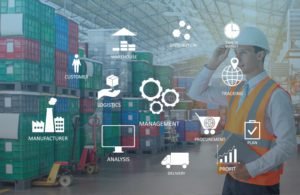
Transport, Cross-Docking, Logistics and B2B Integration in Supply Chains

A business-to-business (B2B) integration is the software that is used for transferring business data between two or more partner organisations. Nowadays, inventory management in a supply chain is of paramount importance. Cross-docking is an intelligent logistics procedure that eliminates or minimises storage requirements on the part of the manufacturer and channels products directly to the customer ends or retail chains. 

global chief supply chain and operations officers course

Logistics is the system of transferring, warehousing, and distribution of products from their point of manufacture to places where they meet their end users. Transportation means moving materials by air, waterways, road, and railway to reach their clients or distribution networks. 

Role of Logistics and Transportation in Supply Chains

The logistics and transportation system is the heart of a supply chain network. The growth of a modern organisation is a function of its supply chain management. Similarly, the efficiency of the supply chain is a function of its robust logistics system and diversified transportation network. Salient roles that the department plays are as follows –

A strong network of transportation and logistics systems makes the supply chain efficient and physically secure from human-created or natural disruptions.

This industry depends on information and communication technology. Thus, cyber-attacks covertly launched by rival organisations or hackers are to be prevented by the logistics team by implementing a robust cyber security system.  

  Information technology helps to share real-time data to quicken the process in the supply chain in terms of time and operational efficiency.

Warehousing planning or inventory management in a supply chain is a logistics function. Besides catering to the normal demand, logistics strategies also respond to special inventory needs like the latest trends, sudden demand surges, seasonality and other factors.

Another important logistics function is to strategise the mode of transport or its combination sequence in order to ensure the fastest and most cost-effective delivery. Choosing the best mode of transport is also a logistics function

Importance of Cross-Docking in Supply Chains

Cross-docking is a digital data-based advanced logistics arrangement where products are directly forwarded to the customers or distributors, thereby eliminating the need for storage at the manufacturer’s end. Several advantages of cross-docking have been mentioned below:

Inventory management at the manufacturer’s end is expensive. Keeping inventory results in delayed delivery of products. Cross docking eliminates storing time and improves efficiency in product delivery.  

 Cross docking prevents manual handling of products at the stores and hence restricts damage to the bare minimum.

Cross-docking improves the overall efficiency of the supply chain by reducing delivery time and minimising the cost of inventory management. Products get rolling on wheels faster. End customers get the privilege of getting products faster at reasonable prices. 

Cross-docking facilitates both inbound and outbound sorting of products so that they are directed to their next destination in the most hassle-free manner.

Cross-docking requires lesser capacity warehouses because the products are not generally planned to be retained as inventory. As a result, the labour cost is also reduced.

Manufacturers who have incorporated a cross-docking system in the supply chain may always stay one notch above their competitors, who still maintain the conventional warehousing system.

Cross-docking is a must for those manufacturers who sell products with a limited life. The best examples may be food items, beverages etc. which are perishable in nature. These items must be shipped to the end users or the next business immediately by using this method.

Organisations that depend on many suppliers also take the route of cross-docking to reduce inventory expenses and time.

Nowadays cross-docking is supported by route planner software to maximise the efficiency in the supply chain.

Cross-docking works on automated software. There are no chances of errors that are frequent in manual operations.  

Besides quicker delivery at a reasonable cost, cross-docking allows sellers to offer discounts to their buyers. This helps manufacturers to leverage their competitors.

Cross-docking reduces or eliminates the requirement of purchasing land and developing them into logistics hubs.

The manufacturers may also demand more discounts for volume purchases from their suppliers and ultimately pass on these benefits to their customers.

Cross-docking also helps distribution networks to obtain prior knowledge regarding what the manufacturers or suppliers have shipped to them and when they are expected to reach. All this information is triggered by its automation-based system. 

Role of B2B Integration in Supply Chains

The objectives of the business-to-business integration are to gather useful data from all stakeholder organisations and then share them with all with the purpose of getting timely responses from all of them connected in the business network. The benefits are as follows –

 This software digitises information and helps business houses to integrate their data in a common gateway to improve trading of mutual interest.

Its technical features are remarkable. It has powerful communication adaptors, an application integration system, format translation capabilities, accurate mapping, compression, encryption and data validation. It is capable of message tracking and real-time reporting. 

The system gathers information from different sources and converts data into standard formats before sharing them with all stakeholders.

Integration may be availed through cloud services.

It eliminates the slow and inefficient manual system of inventory management in the supply chain and quickens up product delivery by sharing information faster with all stakeholders and drastically improving turn-around time for all sequences of processes.  

B2B integration primarily serves the interests of the manufacturers who work hard on developing a trust-worthy, responsive and faster supply chain by sharing all real-time with the stakeholders.  

Conclusion     

In today’s world, supply chain and operations management has become the most trendy career-evolving prospect in India and abroad. The Supply Chain and Operations Officer course grooms a prospective candidate in the key topics of business, marketing, finance, logistics and operation.  

The Global Chief Supply Chain and Operations Officer course at Imarticus will enable the prospective candidate to boost their career towards a bright future. The IIM Raipur supply chain management program is very popular amongst students. The duration of the course is 10 months. 

After completing the IIM Raipur supply chain management program, the students become more empowered professionals in the field of supply chain and operations management.

Visit the official website of Imarticus for more course-related details.

Designing a Customer-Centric Supply Chain: What You Need to Know

Enter the supply chain management industry, where a customer’s happiness is everything. Designing a customer-centric supply chain is essential for success in this fast-paced environment. Are you prepared to learn how to build a supply chain that satisfies your consumers and increases your revenue? 

Consumer data may assist a business in better understanding its target market, including who they are, what they value, how they behave, and their thoughts and emotions following a transaction or recent engagement. It can also offer significant strategic insights into the consumer pressures reshaping industries. Ultimately, consumer data may aid in developing a long-lasting competitive edge that distinguishes winners from losers.

best supply chain management and analytics training

Look no further as we dig into everything you need to understand about designing the supply chain focused on the client’s needs. So prepare for an exciting voyage as we unearth the tactics and knowledge to turn your supply chain into fulfilling your customers’ dreams.

Why is customer-centricity crucial in supply chain management?

To satisfy their needs, customer-centric supply chains strongly emphasize their customers’ experiences throughout the whole supply chain. In other words, manufacturers prioritize operational effectiveness and how they position their products and services to the always-shifting market. 

To make judgments on supply chain planning, routing, and scheduling tasks, they must be able to quickly receive, correlate, and act upon demand requests. As a result, there is a decrease in turnover and an increase in profitability, customer happiness, and customer lifetime value. 

It may be difficult and time-consuming for a business to become customer-centric. However, if implemented, businesses can put their customers first and swiftly modify to fulfill their demands, increasing flexibility and resilience.

Key Elements of a Customer-Centric Supply Chain

A supply chain that puts the customer’s demands first is said to be customer-centric. This indicates that a satisfying client experience is prioritized across the whole supply chain, from manufacturing to delivery. An effective supply chain focused on the client’s needs must include many critical components. 

Impact of customer-centricity on supply chain performance

Designing and managing the supply chain is essential for businesses to thrive in today’s market.

These consist of the following:

  • Customer data: Client data collection and analysis are the initial steps in developing a supply chain focused on the client’s needs. Understanding client requirements, preferences, and purchasing patterns may be done using this data. The supply chain may be better, including optimizing inventory levels, speeding up delivery times, and better targeting marketing efforts.
  • Transparency: Customers want to know the origins and manufacturing processes of the goods they purchase. Customers receive this information via a transparent supply chain, which can promote consumer loyalty and confidence. 
  • Agility: Customers anticipate being able to purchase goods when they do. A customer-centric supply chain must be flexible enough to react quickly and effectively to changes in demand. 
  • Sustainability: Consumers are becoming increasingly worried about how their purchases may affect the environment. A customer-focused supply chain must be sustainable, which means it must reduce its negative effects on the environment. 

Creating a Consumer-Focused Supply Chain: Essential Insights

Designing a Client-Oriented Supply Chain: What You Need to Understand

  • Recognize the different client categories. 

Because no two consumers are identical, you must categorize them according to their traits, tendencies, and requirements. You could, for instance, use factors like demographics, region, lifestyle, order size, loyalty, profitability, etc. This will enable you to provide each segment with a customized experience by customizing your goods and services.

  • Map your customer journey. 

You must outline your consumer segments’ journeys from awareness to purchase to retention once you’ve determined who they are. Understanding their interactions with your brand through various touchpoints and channels and their needs and expectations at each stage can help you increase their happiness and brand loyalty. 

  • Align your supply chain with your customer journey. 

You need to connect your supply chain with your client segments now that you have a clear view of them and their journey. This entails building your supply chain’s capabilities and processes to serve each segment’s needs at every point of its journey. To ensure your supply chain is responsive, agile, and adaptable, you may utilize strategies like demand forecasting, inventory optimization, order fulfillment, delivery tracking, returns management, etc.

  • Measure and improve your performance. 

Finally, you must evaluate and enhance your performance as a customer-centric supply chain. This entails monitoring crucial data to assess how successfully you are fulfilling your customers’ wants and expectations, including customer satisfaction, retention rate, churn rate, net promoter score (NPS), etc. Additionally, you must recognize your weaknesses and take steps to fix them. To fix issues and get rid of waste, for instance, you can utilize methods like root cause analysis (RCA), continuous improvement (CI), lean six sigma (LSS), etc.

The Final Words

In today’s consumer-driven world, businesses must embrace the concepts of the supply chain to thrive, as a customer-centric approach is no longer an option but a necessity for success. You open up a world of limitless opportunities and unrealized potential by structuring your supply chain around the requirements and preferences of your consumers.

With the Professional Certification in Supply Chain Management and Analytics, enter the world of possibilities. This innovative program was developed with DoMS and E-learning Centre, IIT Roorkee, and business leaders. You may have a life-changing experience with Imarticus Learning that launches aspirant candidates into the exciting operations and supply chain world.

So embrace the potential of the customer-centric approach and set out to transform your supply chain. Providing excellent experiences that make a lasting impression is just as important as providing things. Every action you take to place your customers at the center of your supply chain, from smooth logistics to individualized solutions, will be a step toward fostering loyalty, spurring growth, and achieving amazing success.

Sales and Operations Planning in Supply Chains Management

Sales and Operations Planning (S&OP) is a vital process in Supply Chain Management that aligns the organisation’s strategies and operations to achieve its business objectives. 

It is a continuous process that enables a company to balance its demand and supply, optimise inventory levels, and increase customer satisfaction.

S&OP is a collaborative effort that involves different departments, including Sales, Operations, Finance, and Supply Chain. 

Its primary objective is to establish a balance between the company’s demand and supply by developing a forecast of demand and supply, which then leads to an integrated plan.

What is Sales and Operations Planning (S&OP)?

supply chain management courses

Sales and Operations Planning (S&OP) is a process in Supply Chain Management that involves cross-functional collaboration to develop an integrated plan that aligns the organisation’s strategies and operations to meet its business objectives. 

The process involves a continuous review of the demand and supply of goods and services to ensure that they are balanced.

The Sales & Operation Planning process typically involves representatives from different departments, including Sales, Operations, Finance, and Supply Chain. 

The objective is to align the demand forecast with the supply plan to ensure that the company can meet its customer’s requirements while optimising its inventory levels and maximising its efficiency.

The Process of Sales and Operations Planning

The sales and operations planning process generally involves the following steps:

  • Demand Planning: This step involves creating a forecast of the expected demand for the company’s products or services. The forecast is based on historical sales data, market trends, and customer feedback.
  • Supply Planning: This step involves determining the resources required to meet the expected demand. This includes creating a production plan, scheduling resources, and determining inventory levels.
  • Pre-S&OP Review: This step involves reviewing the demand and supply plans to ensure that they are aligned and identifying any gaps or issues that need to be addressed.
  • S&OP Review: This step involves a formal review of the demand and supply plans by senior management to ensure that they are aligned with the company’s strategic objectives and to make any necessary adjustments.
  • Executive S&OP Review: This step involves a review of the S&OP plan by the executive team to ensure that it is aligned with the company’s overall strategy and to make any final adjustments.

Benefits of Sales and Operation Planning

The Sales department plays a crucial role in the sales and operations planning process by providing insights into market trends, customer behaviour, and demand patterns. This information is then used to fine-tune the demand forecast, ensuring that it aligns with the current market conditions.

The Finance department is also involved in the process, providing insights into the financial implications of the S&OP plan.

The sales and operations planning process helps companies to achieve several benefits, including:

  1. Improved customer satisfaction: By aligning demand and supply, companies can ensure that they meet their customer’s requirements, resulting in improved customer satisfaction.
  2. Reduced inventory levels: The S&OP process helps to optimise inventory levels, reducing the amount of working capital required to maintain the inventory.
  3. Increased efficiency: By aligning their operations with their strategies, companies can improve their efficiency, reducing lead times, and increasing productivity.
  4. Improved financial performance: By optimising inventory levels, reducing lead times, and increasing efficiency, companies can improve their financial performance.

The challenges of sales and operations planning

Sales and Operations Planning (S&OP) is a crucial process in Supply Chain Management, but it can also be challenging. Some of the challenges that companies face in implementing an effective S&OP process include:

  • Data Availability and Accuracy: One of the most significant challenges of S&OP is having access to accurate and timely data. Companies may struggle to gather data from different departments or systems, leading to inaccurate forecasts and plans.
  • Cross-Functional Collaboration: S&OP requires cross-functional collaboration and communication. However, different departments may have competing priorities or perspectives, making it challenging to reach a consensus and create an integrated plan.
  • Resistance to Change: Implementing an S&OP process may require significant changes to the organisation’s structure, processes, and culture. Resistance to change can slow down the implementation process and hinder its effectiveness.
  • Lack of Executive Support: Without strong executive support, it can be challenging to prioritise and implement the necessary changes to establish an effective S&OP process.
  • Uncertainty and Volatility: The external environment can be unpredictable, with changes in demand patterns, supply disruptions, and economic fluctuations. These uncertainties can impact the S&OP process and require companies to continuously monitor and adjust their plans.
  • Lack of Technology: S&OP requires advanced technology and tools to support data integration, analysis, and collaboration. Without these tools, companies may struggle to implement an effective S&OP process.

What’s next for sales and operations planning?

With the advent of new technologies, changing customer needs, and increasing market volatility, sales and operations planning is evolving to meet the changing demands of the business environment. Here are some of the trends and developments that are shaping the future of S&OP:

  • Digital Transformation: The adoption of digital technologies, such as Artificial Intelligence (AI), Machine Learning (ML), and advanced analytics, is transforming the way companies approach S&OP. These technologies can help companies improve their forecasting accuracy, optimise their inventory levels, and enhance their decision-making capabilities.
  • Demand-Driven Planning: Demand-driven planning is a customer-centric approach to S&OP that focuses on meeting customer demand while minimising inventory levels and lead times. This approach involves using real-time data and advanced analytics to forecast customer demand and adjust production and inventory levels accordingly.
  • Sustainability and Resilience: With growing concerns about climate change and supply chain disruptions, companies are incorporating sustainability and resilience into their S&OP processes. This involves developing plans that take into account environmental, social, and governance (ESG) factors and building more resilient supply chains that can withstand shocks and disruptions.

Conclusion

The future of sales and operations planning is characterised by digital transformation, integrated business planning, collaborative planning, demand-driven planning, and sustainability and resilience. Companies must address the challenges they face by investing in technology, encouraging cross-functional collaboration, and ensuring strong executive support to establish an effective S&OP process. 

Companies that embrace these trends and developments will be better equipped to meet the challenges of the future and achieve their business objectives.

If you are interested in pursuing a career in sales and operations planning, consider enrolling in Imarticus Learning’s supply chain management certification program offered by IIT. To learn more about Imarticus Learning’s supply chain management certification course, visit their website.

Demand Forecast and Planning

Demand forecasting and planning refer to estimating future demand for a certain product or service and developing a strategy to meet that demand. This requires studying previous sales numbers, market patterns, and other variables to forecast future demand accurately. 

The fundamental goal of demand forecasting and planning is to guarantee that the right items are available in the right quantities and at the right time to fulfil the demands of consumers. Demand planning is a step in the sales and operations planning (S&OP) process that uses statistical sales forecasts and the experience of other areas to estimate future demand.

Demand forecasting and planning have become essential elements of supply chain management in today’s fast-paced corporate atmosphere. Planning and forecasting demand with accuracy may assist organisations in maximising inventory levels, cutting expenses, and enhancing customer happiness. 

How to Do Demand Forecasting and Planning?

Demand forecasting and planning can be a complex process, but it can be simplified by following these steps:

Collect Data: The initial stage in demand forecasting and planning is gathering data on previous sales, market trends, and other pertinent elements that might influence demand.

Analyse Data: After gathering the data, the subsequent step is to analyse it to uncover patterns and trends. This study can assist you in identifying demand-influencing elements like seasonality, promotions, and economic situations.

Develop a Forecast: Based on the data analysis, you can anticipate future demand. This projection should be as precise as feasible, considering factors that influence the market.

Plan Inventory: After creating a prediction, the following step is to plan inventory levels to satisfy that demand. This process includes choosing how much inventory to purchase, when to order it, and how to maintain inventory levels to minimise stockouts and overstocking.

Types of Demand Forecasting Techniques

There are several types of demand forecasting techniques:

  • Survey methods, which involve collecting data through customer surveys
  • Statistical methods, which use historical data to identify trends and patterns
  • Trend projection, which consists in extrapolating past trends into the future
  • Market research, which uses customer data to identify demand patterns
  • Sales force composite, which involves aggregating sales forecasts from individual salespeople
  • Delphi method, which consists in collecting and aggregating expert opinions

Each technique has strengths and weaknesses, and the appropriate strategy will depend on the specific forecasting problem.

Factors Affecting Demand Forecasting

Here are some of the most important factors that influence demand forecasting:

Type of goods: The type of goods being sold can have a significant impact on demand forecasting. It can be goods that are already established in the market, or it can be new goods that are yet to be introduced.

Economic conditions: Economic conditions such as GDP, unemployment rate, inflation rate, and consumer confidence are key factors that affect the level of demand for products or services.

Product cost: The price of goods is also a factor affecting forecasting. Even a subtle change in pricing can have a significant impact on demand forecasting.

Competition: The number of competitive products also influences product demand. Additionally, new products can also shift the market dynamics. Demand forecasting becomes challenging and complex in this situation.

Other factors affecting demand forecasting include market fluctuations, cyclical economic trends, and seasonal highs and lows in demand.

Best Practices in Demand Forecasting and Planning

To ensure that your demand forecasting and planning process is effective, here are some best practices to follow:

Use Multiple Data Sources: To develop an accurate forecast, it is essential to use multiple data sources, including historical sales data, market trends, and customer feedback.

Collaborate with Stakeholders: Demand forecasting and planning should be a collaborative process that involves stakeholders from across the organisation, including sales, marketing, and operations.

Use Technology: There are many tools available that can help simplify the demand forecasting and planning process, such as demand planning software and inventory management systems.

Monitor Performance: Once you have implemented your demand forecasting and planning process, it is essential to monitor performance regularly to identify areas for improvement and make adjustments as needed.

Benefits of Effective Demand Forecasting and Planning

Demand forecasting and planning provide several benefits to businesses. These are:

  • Optimising inventory by predicting future sales, which allows demand managers to make informed business decisions about inventory planning, warehousing needs, running flash sales, and meeting customer expectations.
  • Reducing risks and making profitable financial decisions that increase profit margins and opportunities for expansion while also making the allocation of resources, inventory accounting, staffing, cash flow, and overall spending more efficient.
  • Providing valuable information regarding prospects in current and other markets, allowing managers to make informed pricing, business growth plans, and market potential decisions.
  • Maximising revenue and reducing costs by helping businesses strike the right balance between sufficient inventory levels and customer demand.
  • Creating accurate budgeting by estimating demand, including sales timing, allows firms to be more precise.
  • Reserving cash or negotiating bridge loans or credit terms in advance by forecasting demand, which helps businesses avoid an inability to supply customers.
  • Helping businesses better plan production, financing, labour, and marketing by determining the timing of sales. 

Future Outlook on Demand Forecasting

Accurate demand forecasting is critical for organisations to satisfy consumer demand, optimise inventory levels, and maximise profitability. There are several approaches and tools available for demand forecasting, including statistical models, machine learning algorithms, and market research. While predicting overall market demand might be tough, it can give useful insights into future market circumstances and help organisations make better strategic decisions.

supply chain management courses

IIT supply chain management course on demand forecasting and planning covers the components like, including averages, linear trend, seasonality, and cyclical, irregular, and random factors. Getting certified in such a course will help one build a career in supply chain management.

Conclusion

Imarticus Learning offers a Professional Certification in Supply Chain Management and Analytics in collaboration with the Department of Management Studies (DoMS) and the E-learning Centre at IIT Roorkee. The programme is designed to provide candidates with cutting-edge experience to enter the operations and supply-chain industry. 

Supply chain performance, drivers, metrics, demand forecasting, inventory management, logistics, and supply chain analytics are all covered in the curriculum. Supply chain analytics allows managers to make data-driven choices at the strategic, operational, and tactical levels.

The certified IIT supply chain management course prepares candidates for high-demand job roles such as demand planner, data scientist, and supply sales and operations planning. The programme delivers live online training sessions and discussions with some of the best faculties in India and leaders from the industry. 

How is a supply chain management course from an IIT beneficial for aspiring candidates?

No doubt, SCM is essential to any business that deals with the production & distribution of goods and services. With the constantly evolving & competitive business world, managing the supply chain efficiently has become more critical than ever. Consequently, there is a rising demand for supply chain professionals who possess knowledge and expertise in supply chain management.

And one of the ideal ways to acquire this expertise is by enrolling in a reputable institution’s supply chain management course. A supply chain management course is an excellent way for students to explore the various aspects of supply chain management. It is a comprehensive course that offers students knowledge as well as an understanding of the key concepts and principles of SCM.

best supply chain management and analytics training

In this post, we will discuss supply chain management, its merits as a career choice, and how an IIT supply chain mangement course can benefit aspiring candidates. So let’s begin!

Supply Chain Management: An Overview

Supply Chain Management refers to the coordination & management of activities involved in the production & distribution of goods and services. These activities include procurement, production, transportation, storage, and delivery. The idea of supply chain management is to ensure that products and services are delivered to customers in a timely and cost-effective manner. Furthermore, it seeks to minimize the number of steps involved in the process while still ensuring quality standards.

Is Supply Chain Management a Good Career?

Yes, supply chain management is an excellent career choice for those interested in logistics, operations, & management. According to the Bureau of Labor Statistics, the rise of employment of logisticians, who play a crucial role in supply chain management, is expected to grow by 28% between 2021 and 2031. So, don’t you think it’s time to start your career in supply chain management? Yes, it is.

What are the benefits of pursuing a supply chain management course from IIT?

An IIT, or Indian Institute of Technology, is a group of autonomous public engineering and technology institutes in India. These institutions are well-known for their academic excellence and research-based education. 

Advantages of IIT supply chain courses for aspiring candidates:

High-Quality Education: IITs are known for their high-quality education, which is research-oriented & practical. The curriculum of supply chain management courses in IITs is designed to provide students with a thorough understanding of the supply chain processes as well as techniques.

Industry-Relevant Curriculum: The curriculum of supply chain management courses in IITs is designed in collaboration with industry experts. This ensures that the course content is relevant to the current industry practices and trends.

Internship Opportunities: IITs have tie-ups with various companies that offer internships to their students. Supply chain management students from IITs can benefit from these internships as they provide them with real-world experience and exposure to the industry.

Career Opportunities: Graduates of supply chain management courses from IITs are truly sought after by employers. Companies prefer to hire candidates with a degree from a reputable institution like an IIT. Moreover, IITs have a vast alumni network, which can be beneficial for job opportunities and networking.

Research Opportunities: How can we forget this? IITs are known for their research-based approach to education. As a result, students pursuing a supply chain management course from an IIT have access to numerous research opportunities. This allows them to explore the field in greater depth & contribute to its development.

Global Recognition: IITs are globally recognized as centers of excellence in education and research. Graduates of supply chain management courses from IITs are highly regarded by employers across the world. This can open up global job opportunities for them. Furthermore, being an IIT graduate in supply chain management can also enhance your chances of admission into top-ranked graduate programs.

Soft Skills Development: In addition to developing technical skills, supply chain management courses from IITs develop soft skills like communication, teamwork, and problem-solving. These are valued by employers and can give graduates an edge over their peers in the job market.

The Final Note

The demand for supply chain professionals is taking a rapid pace, and the supply chain management course will help you build the right foundation to get your dream job. You just have to ensure that you are enrolling in the right program & choosing a course that will help you develop the skills needed to succeed in this fast-paced industry.

Imarticus Learning offers a comprehensive supply chain management program designed in collaboration with IIT Roorkee to help students develop the skills they need to excel in this field. 

The program covers topics like logistics, operations management, procurement, and more so you can build an understanding of how each aspect of the supply chain works together. So, if you’re interested in pursuing a career in supply chain management, Imarticus Learning’s program can be a great option to consider.

Importance of leadership program for supply chain professionals

Do you know the global supply chain market continues to experience a CAGR of 11.2% from 2020 to 2027? Yes, it’s entirely true. The value of supply chain management cannot be understated as the globe becomes more interconnected and globalized.

In order to manage organizational behavior, collaboration, motivation, and the will to innovate, which puts businesses ahead of the competition, strong leadership is necessary.

Companies rely on their supply chains to keep their operations running smoothly and deliver products to clients in a timely and efficient manner. However, managing a supply chain is a complex task requiring technical expertise and leadership skills. This is where supply chain management courses play a crucial role.

best supply chain management and analytics training

Supply chain management courses help students learn the fundamentals of managing a global supply chain. These courses help professionals gain the necessary knowledge and skills to manage their organizations’ supply chains successfully.

So, if you are interested in learning the fundamentals of supply chain management, this post is for you. This post will explore the importance of supply chain management courses and how they can help supply chain professionals enhance their technical and leadership skills to drive successful supply chain operations.

Importance of supply chain management courses

In today’s interconnected world, supply chain management plays a pivotal role in the success of businesses worldwide. It’s a complex task that requires a combination of technical know-how and leadership skills. And fortunately, there’s an effective solution to mastering supply chain management art – supply chain management courses.

Strong leaders who can inspire high performance from those around them are essential to the success of supply chains. Leaders offer their skills, passions, preferences, and objectives to assist their organizations in attaining their maximum potential.

These courses offer a unique opportunity to gain in-depth knowledge of managing a global supply chain. They provide a comprehensive understanding of the technical aspects of supply chain management, such as logistics, inventory management, procurement, and distribution. 

Supply chain management courses serve as a launchpad for professionals looking to enhance their technical skills to drive successful supply chain operations. In addition to developing technical skills, these courses are designed to help professionals develop their leadership skills. 

Leadership is critical in managing supply chains, as it involves building relationships with suppliers and customers, managing teams, and driving change within organizations. By enrolling in supply chain management courses, professionals can gain the confidence and skills they need to take on leadership roles within their organizations.

How does a leadership program fit into the equation?

While supply chain management courses offer an excellent foundation for technical knowledge, leadership programs provide an additional layer of skill development essential for supply chain professionals to succeed. 

Leadership programs offer professionals the chance to learn advanced leadership skills and apply them to real-world scenarios. These skills include effective communication, conflict resolution, decision-making, and strategic thinking.

Leadership programs also offer a unique opportunity for professionals to network with other supply chain professionals and gain insights into best practices from different industries. Networking is a paramount aspect of professional growth, and the relationships formed in these programs can lead to career advancement opportunities.

Why must one pursue a leadership program for supply chain management?

Pursuing a leadership program for supply chain management can offer several benefits to professionals looking to advance their careers.

  • It can help them develop a comprehensive understanding of the key leadership skills necessary to manage a global supply chain successfully. Effective leadership skills are essential in driving change within organizations and managing teams, which are critical to managing a supply chain.
  • Leadership programs allow professionals to network with other supply chain professionals and gain insights into industry best practices. This exposure can help professionals stay up-to-date with the latest developments and trends, which can be crucial for success in a fast-paced and dynamic industry like supply chain management.
  • Leadership programs can help professionals enhance their decision-making, strategic thinking, and problem-solving skills, which are critical in managing complex supply chain operations. These skills can help professionals make informed decisions and take calculated risks necessary for success in supply chain management.
  • Lastly, pursuing a leadership program for supply chain management can also help professionals enhance their overall marketability and career prospects.

Conclusion

To sum up, supply chain management courses offer an excellent opportunity for professionals to gain the technical and leadership skills they need to manage global supply chains successfully. 

Whether you’re a recent graduate looking to enter the field or an experienced professional looking to enhance your skills, these courses are effective methods to stay ahead of the game and succeed in today’s dynamic business landscape. So why wait? 

Enroll in a supply chain management course today and advance your career!

Imarticus Learning offers comprehensive supply chain management courses to equip professionals with the necessary skills and knowledge to succeed. The courses are taught by industry experts with extensive experience in managing global supply chains. The curriculum is regularly updated to reflect the industry’s latest trends and best practices.

Importance of Data-Driven Decisions in Supply Chain Management

Data-driven decision-making has become increasingly important in Supply Chain Sourcing and Management. Organisations require experts in supply chain analytics to collect, analyse and interpret data, thus optimising supply chain operations and achieving business objectives.

Pursuing a supply chain analytics certification course can provide individuals with the necessary skills and knowledge to make data-driven decisions and excel in supply chain management. 

This article will explore the importance of data-driven decision-making in supply chain management and how it can benefit organisations.

What Is Data-Driven Decision-Making?

Data-driven decision-making involves using data to inform and validate a course of action before committing to it. It can take various forms in business, such as collecting survey responses or launching products in test markets. 

global chief supply chain and management course

Integrating data into the decision-making process will depend on business goals and the types and quality of data available. 

While data collection and analysis have always been significant for large corporations and organisations, modern technology allows businesses of all sizes to collect, analyse, and interpret data into actionable insights. 

Here are some examples:

  • Collecting survey responses to identify products, services, and features that customers desire.
  • Conducting user testing to observe customer behaviour and identify potential issues before an entire release.
  • Launching new products or services in a test market to gauge performance and understand customer needs.
  • Analysing shifts in demographic data to determine business opportunities or threats.

Benefits of Data-Driven Decision-Making

Data-driven decision-making offers several benefits that can improve business performance and competitiveness. 

Some of the critical benefits of data-driven decision-making are:

Objective decision-making: Data-driven decision-making removes bias and subjectivity, ensuring fact-based decisions rather than opinions or assumptions.

Better accuracy: By leveraging data and analytics, organisations can make more accurate decisions aligned with their business goals and objectives.

Improved efficiency: Data-driven decision-making enables organisations to make faster and more informed decisions, reducing the time and resources required for decision-making.

Risk mitigation: Data-driven decision-making enables organisations to identify and mitigate risks by analysing data and identifying patterns and trends.

Cost reduction: Data-driven decision-making can reduce costs by identifying inefficiencies and optimising processes.

Improved customer experience: By analysing customer data, organisations can gain insights into customer behaviour and preferences, improving customer experience and loyalty.

Competitive advantage: Data-driven decision-making can give organisations a competitive advantage by enabling them to make more educated and effective decisions than their competitors.

Applications of Data-Driven Decision-Making in Supply Chain Management

Data-driven decision-making has numerous applications in supply chain management, including:

Demand forecasting: Supply chain managers can effectively estimate product demand using data-driven decision-making by analysing historical data and market trends, which enables them to optimise inventory and production planning.

Inventory optimisation: Supply chain managers can optimise inventory levels and save costs associated with excess or stock-out inventory by analysing data on inventory levels, lead times, and demand patterns.

Supplier selection and management: Supply chain managers may make informed judgements about which suppliers to engage with and how to manage those relationships by analysing supplier data on quality, cost, delivery time, and reliability.

Logistics optimisation: Supply chain managers may optimise logistics and cut down on transportation expenses by analysing data on lead times, delivery performance, and transportation costs.

Quality management: Supply chain managers can leverage data on product defects and customer complaints to make informed decisions about quality management and identify areas for improvement in the supply chain.

Risk management: Supply chain managers can make data-driven decisions regarding risk management and build strategies to mitigate risks by analysing data on supply chain interruptions and vulnerabilities.

Sustainability: Supply chain managers can establish methods to lessen their environmental effects and make data-driven decisions regarding sustainability by analysing data on waste, energy use, and carbon emissions.

Challenges in Implementing Data-Driven Decision-Making in Supply Chain Management

While data-driven decision-making offers many benefits in supply chain managementhttps://imarticus.org/blog/benefits-of-data-driven-decisions-in-supply-chain-management/, there are also several challenges that organisations may face when implementing it. 

Some of the key challenges are:

Data quality: Data accuracy, completeness, and consistency can impact the effectiveness of data-driven decision-making. Ensuring data quality requires proper data management processes and tools.

Data integration: In supply chain management, data comes from various sources, such as suppliers, logistics providers, and internal systems. Integrating and analysing this data can be challenging, as it may come in different formats and structures.

Data analysis: Analysing large amounts of data can be time-consuming and complex, requiring specialised skills and tools. Ensuring data is appropriately analysed and interpreted is critical to making informed decisions.

Change management: Implementing data-driven decision-making requires organisational culture, processes, and technology changes. Resistance to change can be a significant challenge that businesses must address.

Cost: Implementing data-driven decision-making requires investment in technology, tools, and resources. The cost of implementing and maintaining these systems can be a challenge for some organisations.

Data privacy and security: As data-driven decision-making involves collecting and analysing large amounts of data, ensuring the confidentiality and security of that data is critical. Organisations must ensure that data is protected adequately from breaches and misuse.

Human error: Human error can impact the accuracy and reliability of data-driven decision-making. Proper training and processes can minimise the risk of errors.

Best Practices for Effective Data-Driven Decision-Making in Supply Chain Management

To ensure effective data-driven decision-making in supply chain management, organisations should follow these best practices:

  • Define clear objectives: Define the business objectives and key performance indicators (KPIs) you want to achieve using data-driven decision-making. 
  • Identify relevant data sources: Identify the data sources and types needed to achieve the objectives. 
  • Ensure data quality: Ensure the data collected is accurate, consistent, and complete. Implementing data quality controls and monitoring makes it achievable. 
  • Analyse data: Analyse the data to identify trends, patterns, and insights that can help inform decision-making. Use advanced analytics and visualisation tools to present the data meaningfully. 
  • Integrate data: Integrate the data from various sources and systems to gain a holistic view of the supply chain. It will help identify dependencies and potential bottlenecks. 
  • Establish data governance: Establish practices to ensure the security, privacy, and compliance of the data collected and analysed. 
  • Involve stakeholders: Involve stakeholders from different areas of the supply chain in the decision-making process. It can help ensure that business decisions align with the business objectives. 
  • Continuously monitor and improve: Monitor the data and KPIs to identify areas for improvement and refine the decision-making process.

Conclusion

Data-driven decision-making is crucial in complex and global supply chains. Effective implementation is necessary to overcome data quality, integration, and governance challenges. 

Many options are available for those interested in pursuing a career in supply chain management. Imarticus Learning’s IIM Raipur Supply Chain Management course is one such option.

Additionally, the Supply Chain Analytics Certification course offers various certifications. These courses help professionals gain the skills and knowledge to excel in supply chain sourcing and management. 

Visit Imarticus Learning for more information.

Waste Reduction With Lean Supply Chain Management

A company’s capacity to run effectively and efficiently while cutting waste is crucial to its success. Waste is a problem that is particularly prevalent in the supply chain management industry.

By implementing lean supply chain management practices, companies can reduce costs, boost customer happiness, and improve operational performance.

Those pursuing a supply chain management career, such as a Supply and Operations Planner, will find their knowledge of waste reduction principles critical to their success.

The importance of waste reduction in supply chain management, lean supply chain management principles, the advantages of waste reduction, and best practices for applying it will all be covered in this article.

What is Lean Supply Chain Management?

supply chain management courses

Eliminating waste and maximising efficiency in the supply chain are vital components of the lean supply chain management philosophy. Finding and removing waste and inefficiencies in every part of the supply chain entails a continuous improvement process.

By reducing waste and maximising value, lean supply chain management seeks to build a lean and flexible supply network that can swiftly respond to consumer demands.

It is based on the ideas of lean manufacturing, which Toyota pioneered. Achieving a shared waste reduction and continual improvement objective entails integrating all supply chain stakeholders.

Creating a customer-centric supply chain that is responsive, effective, and sustainable is the ultimate goal of lean supply chain management.

Why Waste Reduction Matters in Supply Chain Management

Waste reduction is crucial to supply chain management since it affects the system’s effectiveness and efficiency. There are many different types of waste, which can increase expenses, lower product quality, and lengthen lead times.

Reducing waste can help businesses manage risks and supply chain interruptions while enhancing operational performance, customer satisfaction, and sustainability.

By putting waste reduction first, businesses streamline their operations, boost productivity, and lessen their environmental impact, promoting customer loyalty, increasing brand perception, and improving stakeholder relations.

Critical Principles of Waste Reduction in Lean Supply Chain Management

Lean supply chain management’s guiding principles for reducing waste are based on those of lean manufacturing and include the following:

Value – Eliminate the tasks that do not create value for the consumer and concentrate on those that do.

Flow – Ensure that products, information, and materials move through the supply chain promptly and efficiently.

Continuous improvement – Continuously identify and eliminate waste and inefficiencies by making ongoing progress.

Standardisation – To reduce variability and boost efficiency, standardise processes and procedures.

Visual management – Use visual tools to identify waste, perform monitoring, and share information throughout the supply chain.

By concentrating on these concepts, businesses may develop a culture of waste reduction and ongoing development, leading to a lean and effective supply chain that is responsive to consumer demand, minimises waste, and maximises value.

Benefits of Waste Reduction in Supply Chain Management

There are many benefits of waste reduction in supply chain management, including:

Improved operational performance – Companies may streamline their operations and boost efficiency by decreasing waste, leading to shorter lead times, higher-quality products, and enhanced performance.

Increased customer satisfaction – By decreasing waste and enhancing operational performance, firms may produce products and services that meet or exceed consumer expectations, resulting in better customer satisfaction and loyalty.

Decreased costs – Waste reduction enables businesses to cut back on wasteful spending, boost profitability, and create a supply chain that is more cost-efficient.

Improved sustainability – By minimising waste production and resource consumption, businesses may create a more ecologically friendly and sustainable supply chain.

Enhanced risk management – Companies can better manage risks and disruptions and lessen the effect of unplanned events on their operations by developing a more effective and agile supply chain.

Improved stakeholder relations – Companies can boost their brand, strengthen stakeholder relations, and draw in customers that respect environmentally friendly company practices by supporting waste reduction and sustainability.

Competitive advantage – Businesses may attract clients who respect environmentally friendly business practices by promoting trash reduction and sustainability.

Enhanced supply chain visibility – Companies can boost visibility into their supply chain and find inefficiencies and chances for improvement by employing standard processes and visual management tools.

Best Practices for Implementing Lean Supply Chain Management to Reduce Waste

Here are some best practices for implementing lean supply chain management to reduce waste:

  • Identify and prioritise waste – The first step in minimising waste is to recognise where it occurs in your supply chain. Perform a waste analysis to determine waste sources and prioritise which areas to address. 
  • Standardise processes – Developing standardised procedures aids in minimising waste and reducing unpredictability. Implement regular work practises and visual management tools to make operations more dependable and manageable. 
  • Foster a culture of waste reduction – Engage staff members at all organisational levels to advance a culture of waste reduction and continual improvement. Motivate workers to recognise and report waste and reward those helping reduce waste. 
  • Optimise inventory – In the supply chain, excess inventory is a substantial source of waste. Use just-in-time inventory management to reduce waste, increase cash flow, and lower inventory levels. 
  • Streamline transportation – Waste might also happen during transportation. Optimise transportation modes and routes to minimise waste and lessen environmental impact. 
  • Improve supplier relationships – Establish waste reduction and ongoing improvement partnerships by working closely with suppliers. Work with suppliers to streamline procedures, shorten lead times, and cut waste. 
  • Embrace technology – Use technology to track and analyse data, automate procedures, and find areas that need work. Use supply chain management software to improve operations and visibility. 
  • Continuously monitor and improve – Continuous improvement is a fundamental lean supply chain management principle. To reduce waste and boost efficiency, constantly assess supply chain performance, pinpoint problem areas, and make necessary adjustments.

Conclusion

Lean supply chain management relies heavily on waste reduction, which boosts operational efficiency, increases sustainability, and lowers risk. Companies may boost productivity, foster teamwork, and gain a competitive edge by applying best practices for waste reduction in the supply chain.

To gain a deeper understanding of supply chain management and learn how to reduce waste effectively and optimise supply chain performance, consider pursuing a professional certification in supply chain management. 

Imarticus Learning’s Professional Certification in Supply Chain Management & Analytics course is designed for individuals seeking to enhance their skills and knowledge in supply chain management.

Graduates can pursue various roles, including Supply and Operations Planner, and gain a competitive edge in the job market while contributing to waste reduction efforts. Enrol now at Imarticus Learning to take the first step towards a successful career in supply chain management.

Best Supply Chain Practices to Adopt in 2023

Supply Chain Management (SCM) is the centralised management of the flow of goods and services from the manufacturer to the customer. Sales and operation planning is an integral part of SCM which ensures the successful functioning of a supply chain.

The supply chain sector continues to shift and evolve with emerging trends. Set your 2023 plan now and implement the best supply chain practices to keep your edge over others. This article will discuss some of the best supply chain practices for 2023

What is Supply Chain Management?

supply chain management courses

Supply chain management includes all processes needed to transform raw materials into finished products. It simplifies a company’s supply chain operations to maximise customer satisfaction and have a competitive edge in the market.

Several problems plague today’s supply chains. This is why a data-driven supply chain is crucial for easily monitoring the flow of services, information and products. It offers a better understanding of the entire process from start to finish. 

Importance of Supply Chain Management

A robust SCM is essential for businesses to succeed and enhance customer satisfaction. Some major importance of supply chain management is as follows:

  • Lower Costs

The goal of Supply Chain Managers is frequently to cut expenses at every stage of the supply chain. 

Supply Chain Managers can cut costs through enhanced manufacturing procedures, supplier relationships and inventory management. 

  • Enhanced Client Services

Your customer service may be directly enhanced with efficient supply chain management. This is because SCM procedures guarantee that the correct number of goods is delivered on schedule while meeting quality standards. 

Sound connectivity between distributors and suppliers minimises delays and increases client satisfaction. 

  • Agility 

Supply chain management is crucial for businesses to stay flexible and be prepared for any unforeseen problems or unpredictability that may arise. 

Businesses can identify problems and find solutions rapidly by streamlining supply chain procedures and improving visibility. 

Top Supply Chain Management Practices of 2023 

Listed below are some supply chain practices that businesses must adopt in 2023. 

  • Utilising a More Flexible Business Model

A successful supply chain includes a lot of flexibility. A company can react more effectively to shifts in demand, natural catastrophes, political unrest and other unforeseen situations by having a flexible business model. 

Regular review intervals will help you stay adaptable as circumstances change; monthly touchpoints will keep the plan in line with current effects.

Create an easily comprehensible supply chain plan. Include benchmarks, objectives, presumptions, relationships and circumstances.

  • Tackling Supply Chain Threats

Supply chain risk management has become critical as companies have encountered more complex and unpredictable operating environments in recent years. 

Risks to the supply chain can come in many forms, such as natural disasters that obstruct the movement of goods or cyberattacks that may compromise private data. 

Strategic planning, threat assessment tools and a comprehensive company continuity plan work best for managing these risks.

Businesses can successfully handle any obstacle and maintain high levels of efficiency and effectiveness by anticipating potential threats and creating mitigation strategies. 

  • Introduction of Automation Methods

A vital component of a supply chain is automation. It can help you cut costs, enhance customer satisfaction and reduce environmental effects.

Supply chains are constantly changing as a result of new processes and technology. 

Implementing new automation techniques will keep you ahead of the curve as the world becomes more digitally connected. 

  • Putting the Consumer’s Interests First

In addition to maximising operations, supply chain management also focuses on providing top-notch customer support. 

Businesses must continuously seek new strategies to enhance the customer experience. 

This can be achieved by emphasising customer centricity, which refers to companies partnering closely with their clients to comprehend their needs and provide the most pertinent, customised services.

  • Work with Third-party Partners

By applying the skills or resources of another company when required, businesses can increase their flexibility through outsourcing or partnerships with other businesses. 

It allows businesses to concentrate on their core competencies while enlisting outside assistance as and when necessary.

For instance, outsourcing shipping services or working with local vendors when your supply requirements change due to unforeseen weather patterns like rain or snow (or droughts) can impact your services in more ways than one.

Your supply chain requires third-party partners to function correctly. However, a thorough knowledge of the partner’s compliance history and supply network is essential for the timely supply of goods and services. In addition, a contract should cover the following points:

  • Standards for the security of sales and inventory records
  • Terms of payment and procedures for resolving disputes
  • Requirements for product quality, including recalls

Conclusion 

Several factors contribute to the successful running of a supply chain. A supply chain requires proper sales and operation planning, procurement and distribution of raw materials and delivering quality finished products. 

A supply chain analytics course is ideal for anyone looking forward to making a career in supply chain management. 

Check out Imarticus’s Professional Supply Chain Management course, offered in partnership with IIT Roorkee, to get a head start on your career. This IIT supply chain management course, designed by industry experts and taught by notable IIT faculty, is perfect for those seeking careers as Supply Planners, Demand Planners, and Supply and Operations Planners

Risk Management and Mitigation Strategies in Supply Chains

Diversification: By sourcing from various vendors, regions, or modes of transportation, the supply chain can be made more resilient, and the effects of disruptions can be lessened.

Inventory Management: Risks associated with supply and demand can be reduced by maintaining proper inventory levels and optimising inventories across the supply chain.

Communication and Collaboration: Developing effective risk management techniques can assist companies in detecting potential risks and collaborating with suppliers, customers, and other stakeholders.

Technology and Data Analytics: Using data analytics and technology can enable proactive risk management and mitigation by allowing real-time monitoring and management of supply chain risks.

Contingency Planning: Creating contingency plans that specify what must be done during an interruption can lessen its effects and guarantee business continuity.

Building Resilient Supply Chains through Supplier Collaboration

global chief supply chain management course

Building robust and effective supply chains requires cooperation with suppliers. By collaborating closely with suppliers, supply chain managers may identify possible hazards and create efficient risk management plans.

The following are some suggestions for working with suppliers:

Supplier Relationship Management: Building strong connections with suppliers founded on mutual respect, openness, and benefit can promote coopeSupply chains are a critical component of corporate operations for businesses to successfully source, produce, and deliver goods and services to clients. Supply networks are subject to several dangers that can impair reputation, disrupt business operations, and adversely affect profitability.

Supply chain managers must create solid supplier relationships, construct rigorous risk management plans, and use data analytics to make wise decisions to reduce these risks.

Acquiring the knowledge and skills to manage supply chain risks effectively can be achieved through a supply chain analytics certification course that covers key concepts such as supply chain sourcing, risk management, and data analytics.

Types and sources of risks in supply chains

Risks in the supply chain might originate from different places and impact different stages. Typical supply chain risks include the following:

  • Production, inventory control, and other internal processes and activities are the source of operational hazards.
  • Economic ambiguity gives rise to financial risks such as interest rate changes, payment defaults, and currency volatility.
  • Demand risks result from shifts in consumer demand for products or services, which can cause inventory to be either over- or understocked.
  • Natural disasters like earthquakes, floods, and hurricanes pose risks because they can impair supply chain operations.
  • Political and economic concerns, including trade restrictions, taxes, and sanctions, lead to geopolitical hazards.
  • Cyber dangers include data breaches, virus attacks, and phishing scams that cause cybersecurity concerns.

Developing a Risk Management Plan: Assessment and Prioritisation

It is critical to analyse and prioritise supply chain risks based on their likelihood and potential impact after recognising the different types and sources of risk.

Supply chain managers can concentrate on the most critical issues and create efficient risk management methods using prioritisation.

Assessment

The assessment process includes obtaining data on the recognised risks and assessing how they might affect the supply chain. This can be done using risk assessment methods such as risk matrices, scenario analysis, and probability analysis.

Prioritisation

Ranking the identified risks according to their likelihood and potential effects on the supply chain is known as prioritisation. It aids in developing efficient risk management and mitigation methods and helps supply chain managers concentrate on the most critical threats.

Supply Chain Managers can use various methods for prioritisation, including:

  • Risk scoring: The possibility and potential impact of each risk are given numerical scores according to this procedure, and the chances are then prioritised according to these numbers.
  • Risk mapping: Supply chain managers can identify and prioritise risks using this method, which graphically depicts supply chain risks on a map depending on their location and possible impact.
  • Cost-benefit analysis: This approach involves ranking each risk according to its potential impact on profitability while weighing the costs and benefits of risk mitigation.
  • Expert judgment: With this approach, subject matter experts are consulted to prioritise risks based on their expertise and experience.

Managing Supply Chain Risks: Effective Strategies and Recommended Practices

Developing and practising best practices and strategies to reduce the recognised and prioritised key risks is crucial.

Following are some typical tactics and recommended procedures for reducing supply chain risks:

ration and create more durable supply chains.

Supplier Risk Assessment: To detect potential risks and create efficient risk management methods, supplier risks can be evaluated based on elements including financial stability, quality control, and geography.

Supplier Performance Monitoring: Supply chain efficiency can be increased by keeping track of supplier performance based on key performance indicators (KPIs) such as delivery times, quality, and responsiveness.

Supplier Capacity Building: Supply chain resilience can be increased by enhancing supplier capacity through training, knowledge transfer, and other forms of assistance.

Supplier Collaboration: Building trust and enhancing supply chain resilience can be achieved by working with suppliers on risk management and mitigation plans, contingency planning, and other supply chain activities.

Monitoring and Evaluating Supply Chain Risks: Continuous Improvement and Adaptation

To ensure that supply chain policies and processes continue to be effective, it is crucial to continuously monitor and evaluate the risks that may arise in the supply chain.

Here are some recommendations for assessing and managing supply chain risks:

Develop a risk management plan: A thorough risk management strategy requires identifying, evaluating, and mitigating supply chain hazards. Supply Chain Managers should describe the methods and steps for assessing and monitoring risks.

Establish key performance indicators (KPIs): Monitoring key performance indicators (KPIs) frequently makes it easier to evaluate the success of risk management plans and spot potential areas for development.

Regular risk assessments: Frequent risk assessments help detect new risks and assess how well current risk management techniques work.

Leverage technology and data analytics: Supply chain managers may respond swiftly to disturbances and make wise decisions by monitoring and assessing supply chain risks in real-time.

Foster collaboration and communication: Partnering with suppliers, clients, and other stakeholders can support proactive risk identification and mitigation.

Continuously improve and adapt: To prevent new threats from arising, it is essential to review and enhance risk management procedures. Supply chain risks always change.

Conclusion

Effective risk management is crucial for supply chain professionals to navigate the complex and uncertain global supply chain landscape. Regular assessments, prioritisation, and mitigation strategies are necessary to minimise disruptions and ensure continuity.

Imarticus Learning’s IIM Raipur Supply Chain Management course offers a comprehensive certification that covers critical concepts such as supply chain sourcing, risk management, and data analytics.

Imarticus Learning’s Supply Chain Analytics Certification course is a valuable investment for professionals who want to stay competitive and add value to their organisations. Visit Imarticus Learning to learn more.