Personal and Professional Growth with IIM’s Leadership Program

IIM’s leadership development programme: A career game-changer

Personal and professional growth is crucial for those aiming to advance their careers and achieve success. One effective method to foster this growth is through leadership development programmes. These programmes play a vital role in equipping individuals with the skills and knowledge needed to excel as leaders. One standout programme in the industry is the leadership programme offered by the prestigious Indian Institutes of Management (IIMs).

In this blog, we will explore the transformative power of IIM’s leadership development program and how it can take your career to new heights.

The role of leadership development in personal and professional roles

Leadership skills are closely linked to personal development. Participating in a senior executive leadership programme enhances self-awareness and emotional intelligence, critical attributes for personal growth. Self-awareness enables individuals to understand their strengths, weaknesses, and values. This helps them make informed decisions and improve their relationships.

Moreover, leadership skills are highly sought by employers as they significantly contribute to organisational success. Effective leaders inspire and motivate their teams, drive innovation, and create a positive work culture that enhances productivity.

Research indicates that companies with strong leadership outperform those with weak leadership financially. By honing their leadership skills through programmes like IIM’s online certificate courses, professionals position themselves for career advancement.

Importance of skill enhancement

Continuous skill enhancement is essential for professionals aiming for long-term success in their careers. It equips them with the competencies required to navigate complex challenges and adapt to ever-evolving workplace dynamics. Through skill enhancement programmes, individuals can bridge any knowledge gaps they may have, gain exposure to new ideas and practices, and cultivate a growth mindset.

IIM’s leadership development programme: An overview

The Indian Institutes of Management (IIMs) are renowned for management education and research. These institutes consistently produce industry leaders and entrepreneurs.

IIM’s leadership development programme is designed for professionals seeking to enhance their leadership capabilities. It spans several weeks and covers essential components of leadership development. In addition, it caters to individuals at different career stages, from early-stage professionals to senior executives.

Benefits of IIM’s leadership development programme

Holistic approach

The curriculum of the IIM leadership development programme is designed by industry experts and academic luminaries. It covers topics such as strategic management, effective communication, team dynamics, change management, and ethical decision-making. The curriculum helps participants gain a deeper understanding of themselves as leaders. It also helps enhance their ability to navigate complex challenges.

Real-world examples

The programme incorporates real-world case studies from diverse industries. This helps participants apply theoretical concepts in practical situations. Participants also examine successful leadership strategies implemented by renowned companies. Through this, they gain insights into best practices. They also learn how to apply them in a professional setting.

Networking opportunities

IIM’s online certificate courses provide ample networking opportunities with fellow participants and industry experts. Engaging with like-minded individuals and experienced professionals allows participants to exchange ideas and broaden their perspectives. It also helps them build a strong professional network that can open doors to new career opportunities.

Flexibility

The online format of IIM’s senior executive leadership programme offers flexibility. Individuals can balance their professional commitments while pursuing personal growth. They can access course materials at their own pace. This makes the course convenient for working professionals or those with busy schedules.

Expert faculty

The IIM leadership development programme boasts a team of renowned faculty members who are experts in their fields. These industry leaders bring their wealth of experience and knowledge to the programme. They provide participants with valuable insights and guidance.

Final thoughts

Personal and professional growth are vital for career success. IIM’s online certificate courses offer an exceptional opportunity to develop leadership skills and drive personal and professional growth. Enrolling in such programmes equips individuals with the competencies needed to excel as leaders in their fields.

If you want to enhance your skills and embark on a journey towards personal and professional growth, consider enrolling in IIM’s leadership development programme. Imarticus Learning offers online courses that cater to different experience levels. This includes senior executive-level programs. Don’t miss out on this chance to boost your career prospects! Visit our website today to learn more.

Becoming Management Accountants: Roles, Certifications and Future

Management accounting can be your career option if you enjoy keeping track of income and expenses and want to hold a position with significant authority and responsibility. Governmental organisations, private enterprises, and public companies are always on the lookout for skilled and eligible management accountants. 

In addition to tracking and crunching the numbers, they are in charge of risk management, investment selection and management, budgeting, planning, and decision-making.

In this article, learn about the certified management accountant online course formats and their potential future applications. 

Who is a Management Accountant? 

A management accountant prepares information for the management’s needs in an understandable form and submits it when needed. They collect, analyse and categorise data into useful categories needed for management. Additionally, they distinguish between relevant and irrelevant information before ranking the relevance of that information in terms of management value. 

They provide management with high-quality data to make informed decisions for the company. Occasionally, they may receive information about the lowest-ranking scores. The relevant data is ranked based on fundamental factors prevailing within business organisations.

Chief Accountant, Chief Accounts Officer, Controller of Accounts, Finance Controller, Finance Director, Chief Intelligence Officer, Finance Manager, and Financial Advisor are additional titles for management accountants.

Roles of a Management Accountant 

Professionals employed as management accountants have to fulfil the following duties:

Planning accounting functions 

The accounting system should cover standards for expenses, sales forecasts, production planning, profit planning, resource allocation, capital budgeting, and short- and long-term financial planning. Additionally, they must develop the necessary steps for the plan’s effective implementation.

Controlling 

The management accountant is responsible for measuring actual performance and evaluating it against the benchmark. Based on this comparison, they must identify the discrepancies, analyse the operation’s findings, and present them to all levels of management. This is accomplished by using the proper accounting reports for control.

Reporting 

The management accountant is responsible for creating a report outlining the main reasons behind an unsuccessful operation. They can identify the natural causes and accountable parties in this report.

Coordinating 

When drafting a policy or action plan, the management accountant consults with all levels of management. Such a consultation helps top management and the accounts department in better coordination and work together.

Interpreting 

Modified accounting data is given to management along with an interpretation. There are several stages to the interpretation process. If so, management will be able to comprehend the true causes of the operating performance.

Tax administration 

Value-added, income, and other taxes are due from a company organisation to the local, state, and federal governments. The management accountant is responsible for keeping accounting records current and paying taxes as needed.

Asset protection 

By keeping distinct fixed asset registers for each type of fixed asset, this function is carried out. He can also specify the guidelines and rules for using each sort of fixed asset. He can purchase insurance protection for any fixed assets.

Requirements to Become a Management Accountant 

Students and professionals seeking a career as management accountant can follow these steps:

Earn a degree: Obtaining a bachelor’s degree in Accounting, Finance, or a related discipline is the initial need for becoming a certified management accountant. To help you become ready for a CMA role, consider enrolling in a degree programme that complies with the Institute of Management Accountants’ requirements for a certified management accountant online course and strongly emphasises business. 

Apply for an IMA internship: The next step in becoming a CMA is to submit an application and pay the annual membership fee to join the Institute of Management Accountants (IMA). Whether a professional accountant or a student, you must pay a different annual membership fee to the IMA.

Enrol in a CMA programme: You can join the CMA programme if the IMA approves your membership application. Depending on whether you’re a student or a qualified accountant, enrolling in this demands a separate entrance fee. You are required to take the CMA test within a year of enrolling in this programme, which also grants you access to the CMA exam support package.

Gain relevant work experience: After passing the CMA test, the IMA mandates that you acquire pertinent work experience before receiving your CMA credential.
According to the IMA, candidates must have two years of full-time job experience in a position related to the CMA designation. 

Gain and maintain certification: You receive the CMA credential from the IMA after completing all eligibility requirements.
Moreover, you must complete 30 hours of continuing education courses annually to keep your certification current. It also includes two hours in ethics and adherence to the IMA’s Statement of Ethics for Professional Practitioners. You must also pay your IMA dues and monthly CMA maintenance fees to keep it up.

Future Scopes of a Management Accountant 

Financial Accounting: Financial accounting includes all transactions that are recorded in business. In essence, financial accounting is used to record all business transactions relating to income, expenses, inventory, assets, liabilities, cash flow, etc. After each fiscal year, the financial accounting process comprises creating annual statements and making those reports available to key stakeholders. These reports connect the two accounting firms by serving as the foundation for management accounting decision-making procedures.

Cost Accounting: Cost accounting: This aids in determining numerous intricacies of expenses associated with conducting business. Management accountants use these data for further research over some time to make company choices.

Statistical Forecasting: Management accountants utilise forecasting methods and budgetary controls to allocate duties and maintain coordination. As a result, budgets are created functionally to enable performance monitoring and, if necessary, strategic modifications.

Conclusion 

Becoming a Management Accountant has its own bnefits. They are highly in demand and organisations are flocking towards the suitable aspirants to upscale their organisation. 

If you want to take up a Certified Management Accountant Online Course, check out Imarticus Learning’s Certified Management Accountant course. It offers the comprehensive knowledge and expertise needed to excel in the field.

5 key skills you learn in a senior general management program

Did you know senior general management programs are pivotal in developing essential skills for executives and senior-level managers? This blog will explore the key skills obtained through senior general management programs, equipping professionals with the tools they need to excel in their careers. 

From strategic leadership and advanced financial management to global business perspectives and executive communication, these programs offer a comprehensive skill set that drives success in senior management roles.

What is a senior management program?

A senior general management program is an advanced educational program designed for experienced professionals seeking to enhance their managerial skills and make significant career strides. These programs are specifically tailored to address executives’ and senior-level managers’ unique challenges and responsibilities.

Advanced management programs offer a comprehensive curriculum that goes beyond the foundational concepts covered in traditional management programs. They delve into advanced topics and provide a deeper understanding of complex managerial issues. Participants gain a broader perspective on strategic decision-making, leadership, finance, marketing, operations, and other critical management aspects.

What are the Key Skills Learned in Senior General Management Programs?

Strategic Leadership

Senior general management programs focus on developing strategic leadership development. Participants learn to set a compelling vision, make critical decisions, and lead organizational change. They gain the ability to navigate complexity and uncertainty, align stakeholders, and drive the strategic direction of their organizations.

Advanced Financial Management

Financial acumen is vital for senior managers. Senior general management programs enhance financial management skills, including budgeting, financial analysis, and investment evaluation. Participants gain the expertise to make informed financial decisions, manage resources effectively, and drive sustainable growth.

Global Business Perspective

In today’s interconnected business landscape, a global mindset is essential. Senior general management programs give participants a broader understanding of international markets, cultural dynamics, and global business strategies. They develop the skills to navigate cross-cultural challenges, identify opportunities, and formulate effective global strategies.

Executive Communication and Influence

Effective communication and influencing skills are critical for senior leaders. Senior general management programs focus on developing advanced communication, negotiation, and persuasion abilities. Participants learn to communicate their vision, build strong relationships, and influence stakeholders to achieve organizational objectives.

Strategic Innovation and Change Management

Senior leaders must drive innovation and manage change effectively. Senior general management programs equip participants with tools and strategies for fostering innovation, leading successful change initiatives, and creating a culture of continuous improvement. They learn to adapt to evolving market dynamics and drive organizational agility.

Benefits of enrolling in a senior general management program:

  • Advanced Knowledge and Skills: Senior general management programs curriculum is designed to address the specific challenges executives and senior-level managers face, equipping them with the tools needed to excel in their roles.
  • Enhanced Leadership Abilities: These programs develop a comprehensive understanding of leadership principles, enabling them to navigate complex organizational dynamics confidently.
  • Expanded Strategic Thinking: Senior general management programs foster strategic thinking abilities, thus expanding perspective.
  • Networking Opportunities: A senior general management program allows one to connect with like-minded individuals, exchange ideas, and build valuable relationships.
  • Global Business Perspective: Senior executive development programs offer insights into global business practices, cross-cultural management, and international markets.
  • Professional Growth and Development: These programs expose the latest management theories, best practices, and emerging trends.
  • Increased Career Opportunities: A senior general management program enhances career prospects and opens doors to new opportunities.
  • Personal Transformation: Beyond professional development, senior general management programs often lead to personal transformation.

Career Paths after Completing Senior General Management Programs

  1. Executive Leadership: Graduates of senior general management programs are prepared to take on executive-level positions such as Chief Executive Officer (CEO), Chief Financial Officer (CFO), Chief Operating Officer (COO), or President. 
  2. General Manager: Graduates can pursue careers as general managers responsible for managing the operations of a business unit or division within an organization. They oversee various functions, including finance, marketing, operations, and human resources, and are responsible for driving growth, optimizing processes, and ensuring the achievement of organizational goals.
  3. Business Development Manager: With their strategic thinking and strong business acumen, graduates can excel in business development roles. These positions involve identifying growth opportunities, developing strategic partnerships, expanding market reach, and fostering relationships with clients and key stakeholders.
  4. Management Consultant: The skills acquired through senior general management programs make graduates well-suited for management consulting roles. As consultants, they provide valuable advice and guidance to organizations on strategic matters, process improvement, organizational design, and change management. They work with clients from various industries, helping them solve complex business challenges and achieve their objectives.
  5. Senior-Level Specialist: Graduates can pursue specialized senior-level roles within specific functions such as marketing, finance, operations, or human resources. These roles involve leading and driving excellence within a specific area of expertise, contributing to the organisation’s overall success.
  6. Board Member or Advisor: With their extensive knowledge of strategic decision-making and organizational dynamics, graduates may serve on corporate boards or act as organizational advisors. They provide guidance, oversight, and strategic insights to support the long-term growth and success of the organization.

Final Words:

Experience the transformative Senior General Management Programme (GMP) by IIM Ahmedabad, designed to enhance participants’ managerial capabilities and prepare them for senior general management responsibilities.

Senior General Management Programme features immersive classroom instruction in Dubai, with three full days during the launch and another three full days after three months for campus immersion.

Participants also benefit from live online instruction, with 60 sessions delivered directly to their desktops on Saturdays and Sundays. This ensures real-time engagement and interaction, fostering a dynamic learning experience.

The program concludes with a four-day instruction on the esteemed IIM Ahmedabad campus, providing participants with an invaluable opportunity to enrich their learning further and engage with faculty and peers.

Embrace this unparalleled opportunity to enhance your managerial capabilities and embark on a transformative learning journey with General Management Program. Register now and lead your way to success by making an exemplary career in management.

Explain the process of streamlining the Trade Life Cycle in Investment Banking

In the fast-paced world of investment banking, understanding the intricacies of the trade life cycle is essential for professionals seeking to thrive. Streamlining the trade life cycle is a crucial aspect that can enhance efficiency, reduce operational risks, and ultimately contribute to the profitability and success of investment banking firms. This blog aims to explain the trade life cycle in investment banking.

What is the Trade Life Cycle in Investment Banking?

The trade life cycle refers to the steps involved in executing a trade within an investment banking firm. It encompasses pre-trade activities, trade execution and confirmation, clearing and settlement, and post-trade activities. At each stage, various parties, including traders, clients, brokers, custodians, and clearinghouses, work together while utilizing different systems and technologies to ensure the smooth flow of trades.

One of the less attractive facets of the banking sector is trade processing. However, a deal would be completely useless if it were not managed effectively during its whole existence. The series of events and procedures carried out during a transaction is referred to as the lifecycle of a trade.

The Importance of streamlining trade operations:

Streamlining the trade life cycle offers several significant advantages for investment banking firms.

  • First and foremost, it enhances efficiency by eliminating redundant manual processes, reducing the potential for errors, and optimizing resource allocation.
  • By improving transparency and regulation compliance, streamlined trade life cycle processes enable investment banks to meet regulatory requirements more effectively, reducing the risk of penalties and reputational damage.
  • Additionally, a streamlined trade life cycle contributes to increased profitability and client satisfaction, as it enables faster trade execution, quicker resolution of trade-related issues, and more accurate reporting.

Critical Stages of Trade life cycle optimization:

The trade life cycle can be broken down into several key stages, each playing a crucial role in the overall process. 

  • Pre-trade activities involve market research and analysis to identify trading opportunities, followed by trade initiation and order placement.
  • Trade execution and confirmation involve trading the order and matching it with the counterparty, followed by confirmation of the trade details.
  • Clearing and settlement involve clearing the trade through a clearinghouse and settling funds and securities.
  • Lastly, post-trade activities encompass reconciliation, reporting, and managing trade lifecycle events.

Challenges in Regulatory Compliance in investment banking trades:

Several challenges can arise during the trade life cycle, necessitating streamlining. Operational risks and errors pose significant threats, including trade failures, incorrect trade details, and settlement delays. Regulatory compliance and reporting requirements demand meticulous attention to detail, as non-compliance can result in severe consequences. Integration of various systems and technologies also presents challenges, as data needs to flow seamlessly across platforms without errors or delays.

Strategies for Streamlining the Trade Life Cycle

To streamline the trade life cycle, investment banking firms employ various strategies. 

Automation and digitization of processes are crucial, leveraging technological advancements to automate manual tasks, reduce processing time, and enhance accuracy.

Smart contracts and distributed ledger technology are emerging innovations that can simplify and automate trade processes further.

Standardization and process optimization involve implementing industry best practices and utilizing trade processing platforms and systems that facilitate interoperability. Robust risk management and control frameworks are essential for monitoring and mitigating operational risks throughout the trade life cycle.

Training and Education for Streamlining the Trade Life Cycle

Professionals specializing in trade life cycle management can benefit from relevant training and education programs. Investment banking course provide comprehensive knowledge and skills to effectively navigate the trade life cycle. These programs cover trade operations, settlements, risk management, regulatory compliance, and technology solutions. Enrolling in a relevant investment banking course can equip individuals with the necessary expertise to streamline the trade life cycle in practice.

How to Navigate Your Way to a Lucrative Career in Finance?

Professionals with trade life cycle management expertise can explore various careers in banking firms and career opportunities in trade operations. Roles and responsibilities in trade operations and settlements include trade support analysts, operations managers, settlements specialists, and reconciliation officers. Individuals can also progress to managerial positions, leading teams responsible for managing trade life cycle processes.

Benefits of a streamlined trade life cycle:

  • Improved Efficiency: Faster trade execution and optimized operations.
  • Cost Savings: Reduced expenses through automation and resource allocation.
  • Enhanced Accuracy: Minimized errors and consistent data quality.
  • Increased Transparency: Better visibility into the trading process.
  • Faster Settlement and Reduced Risk: Quicker settlement and risk mitigation.
  • Improved Customer Experience: Smoother transactions and timely updates.
  • Better Decision-Making: Informed choices based on accurate data.

Embracing the potential of streamlining the trade life cycle can drive positive change within the investment banking industry, ensuring smoother and more profitable risk management in trade operations.

Final words:

The CIBOP course covers the fundamentals of financial markets, trade life cycles, risk management, and regulation. By mastering these core areas, you will be well-prepared for a rewarding career at a leading company in the industry. The course understands the Importance of securing a job after completing the program. That’s why the course provides students with an opportunity to be placed at top-tier organizations that are actively seeking investment banking professionals.

Upon completing the program, students receive an industry-recognized certification that enhances their professional profile and transforms them into highly desirable employers. The course employs live training modules led by expert faculty. The course fosters engaging learning through interactive sessions and hands-on training to promote practical knowledge and skill development.

The flagship course offered by Imarticus Learning is designed for individuals with less than three years of experience in the field. This comprehensive 150-hour program equips students with the skills and knowledge necessary to become an expert in investment banking operations.

By enrolling in the CIBOP program, students take a significant step towards becoming sought-after investment banking operations professionals. Gain the job-specific skills, industry recognition, and career support needed to explore career opportunities in trade operations.

Reinventing S&OP in 2023

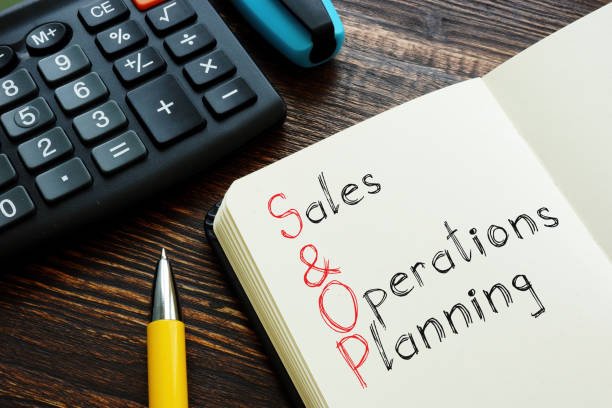
Sales and operations planning (S&OP) is essential as it helps align the different departments of an organisation, such as sales, marketing, production, and logistics, to work together towards a common goal. This helps businesses scale up and sustain themselves in a highly competitive market.

S&OP ensures that everyone collaborates to meet customer demand as effectively and economically as possible. This helps enhance customer satisfaction, lower costs, and lessen risks like inventory shortages and supply chain disruptions.

Incidents such as stockouts and shortages can lead to lost sales and unhappy customers. Businesses can also streamline their production schedules, reduce inventory levels, and prevent stockouts with the help of effective sales and operations planning. Let us learn more about why S&OP is important and how it is being enhanced. 

Why is S&OP important?

S&OP is important because it provides the following benefits:

Improve demand forecasting: S&OP can assist in producing more precise demand forecasts by coordinating the efforts of the sales, marketing, and production teams. Because of this, businesses can more effectively plan their inventory levels, lower the risk of stockouts and overstocking, and improve production schedules.

Increase production efficiency: Sales and operations planning can assist businesses in streamlining their production schedules and reducing waste by giving a thorough overview of demand, inventory, and production capacity. For the business, this could mean significant cost savings.

Enhance customer service: S&OP ensures that the appropriate products are offered at the appropriate time, which can increase client satisfaction and loyalty.

Reduce risks: Sales and operations planning can assist businesses in reducing risks like supply chain disruptions, inventory shortages, and production delays by identifying potential problems in the supply chain and creating contingency plans.

Supply Chain Management Certification Course

Advancements in S&OP for 2023 and beyond

  • Advanced Analytics

To improve decision-making, S&OP is moving towards more sophisticated analytics. Companies can use advanced analytics to understand their demand and supply chains better and spot patterns that might otherwise go unnoticed.

  • Artificial Intelligence

Automating repetitive tasks and providing predictive insights by AI can lead to more proactive decision-making. Demand forecasting with AI can be more precise and increase supply chain visibility and optimise inventory levels.

  • Cloud-Based Solutions

The growing popularity of cloud-based S&OP solutions is due to their increased flexibility and scalability. Accessible from anywhere, cloud-based solutions are typically more affordable than on-premise alternatives.

  • Integrated Planning

Financial, operational, and sales planning are all combined into one process with integrated planning. By considering the financial impact of various scenarios, this method helps businesses make more informed decisions.

  • Collaborative Planning

To ensure that everyone is on the same page and striving towards the same objective, collaborative planning requires involving important stakeholders in the planning process. Silos can be destroyed, and departmental communication improved using this strategy.

  • Real-Time Data

Using real-time data, companies can react more quickly to supply chain disruptions or changes in demand. To make real-time tracking of inventory, sales, and production data possible, sophisticated data management and integration capabilities are utilised. 

  • Digital Twins

A digital twin represents a physical thing or process in the digital world that can be used to simulate various situations and improve decision-making. For instance, a production line’s digital twin can be used to test various production schedules and spot potential bottlenecks.

  • Internet of Things (IoT)

IoT devices can gather real-time data from the production and supply chain processes, enhancing visibility and offering new perspectives on how things work. IoT sensors can monitor equipment performance, track inventory levels, and spot potential maintenance issues.

  • Supply Chain Communication Platforms

Platforms for communication can aid in enhancing collaboration and cooperation among suppliers, manufacturers, and clients. These platforms allow the real-time sharing of data, documents, and insights.

  • Blockchain

Blockchain technology can help increase the traceability and transparency of the supply chain, lowering the risk of fraud, forgery, and other supply chain problems. By tracking products from the origin of the raw materials to the final consumer, blockchain can improve transparency and accountability along the entire supply chain.

Conclusion

At its core, sales and operations planning seeks to balance supply and demand for goods and services in order to increase profitability and customer satisfaction. Demand, production, and inventory plans for a company must be in line with its business goals and business strategy. This can only be accomplished with the help of S&OP.

If you are aiming for a career in supply chain analytics and management, you can opt for the Professional Certification in Supply Chain Management and Analytics by Imarticus. This professional programme will help you arm you with all the job-relevant skills you need to become a supply chain manager, supply chain analyst or supply and operations planner. The course, designed in collaboration with IIT Roorkee, offers prospective students the opportunity to learn about the industry from an esteemed IIT faculty. 

Visit the website for further details today!

S&OP – The Key to a Successful Business

S&OP (sales and operations planning) is important for managing and optimising supply chains. It entails aligning sales and marketing plans with production and inventory plans to ensure that the organisation can meet customer demand while maximising resource utilisation.

S&OP is crucial to a business’s success for various reasons. For starters, it aids in the balance of supply and demand. S&OP allows organisations to forecast demand and ensure they have the right amount of inventory to meet that demand by aligning sales plans with production and inventory plans. This helps avoid stockouts and overstocking, both of which can negatively impact the supply chain.

What is S&OP?

Sales and operations planning (S&OP) is a business process that helps companies achieve their strategic goals by aligning their sales, marketing, and operational plans. It entails developing a cross-functional plan that links sales forecasts with production, inventory, and financial plans to ensure that resources are allocated effectively and efficiently. 

S&OP promotes better communication and collaboration among departments within an organisation. It allows each department to understand the plans and constraints of the others by streamlining communication among sales, marketing, production, and logistics teams. This can aid in identifying potential issues and areas for improvement, as well as the promotion of a culture of cross-functional collaboration.

Sales and operations planning also assists organisations in being more responsive to market changes. Organisations can quickly adapt to changes in demand with the assistance of a proper Supply and Operational Planner. Finally, S&OP can assist organisations in optimising their resources and lowering costs. This way, it can help reduce inventory carrying costs and improve production resource utilisation by aligning sales plans with production and inventory plans.

Let us learn in detail how S&OP can help businesses succeed and why they are essential for supply chain and operational processes. 

Supply Chain Management Certification Course

Why is S&OP important?

Sales and operations planning is crucial to sustain a business and improve related processes such as supply and material procurement. Here are some ways S&OP can help businesses:

Improve customer satisfaction

S&OP can assist businesses in improving customer satisfaction by ensuring that the right products are available when and where customers need them. Businesses can optimise their supply chain and avoid stockouts or excess inventory by developing an integrated plan that considers customer demand, production capacity, and inventory levels. This can result in better customer service, higher customer retention rates, and increased revenue.

Reduce costs and improve operational efficiency

Sales and operations planning can assist businesses in improving operational efficiency and lowering costs. Businesses can optimise their resources and reduce waste by aligning their sales forecasts with production plans and inventory levels. This can lead to lower inventory carrying costs, lower production costs, and increased productivity. As a result, businesses can achieve higher profit margins and higher margins.

Improve responsiveness and agility

S&OP can assist businesses in increasing their agility and responsiveness to changing market conditions. Businesses can adapt quickly to market changes by reviewing and adjusting their plans on a regular basis based on changes in customer demand, supply chain disruptions, or other factors. This can assist them in remaining competitive and maintaining their market position.

Improve decision-making

Sales and operations planning can assist businesses in making better decisions by providing a single integrated plan incorporating input from all relevant departments. S&OP creates a collaborative decision-making process that considers the impact of decisions on the entire organisation by bringing together representatives from sales, marketing, production, and finance. This can lead to better decisions, lower risk, and higher organisational performance.

Achieve strategic and business goals

By aligning operational plans with overall strategy, S&OP can assist businesses in achieving their strategic goals. Businesses can ensure that their resources are allocated effectively and that their efforts are focused on achieving their objectives by developing a plan that supports the company’s goals. This can aid businesses in achieving long-term success and growth.

Conclusion

Sales and operations planning is essential in managing and optimising supply chains. It aids in the balance of supply and demand, the facilitation of cross-departmental collaboration, the improvement of agility and responsiveness, the optimisation of resources, and the reduction of costs. Organisations can significantly improve their supply chain performance and competitiveness by effectively implementing S&OP.

If you wish to pursue a career in supply chain analytics and management, you can check out the Professional Certification in Supply Chain Management and Analytics by Imarticus. This professional certification programme in supply chain management can help you acquire the skills needed to become a Supply and Operations Planner or a Supply Chain Manager. The programme will also help you leverage the power of analytics to take effective data-driven decisions.

Top X Risk Management Trends in 2023

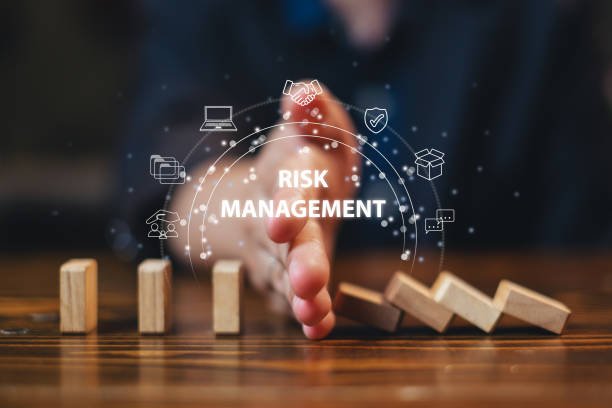
Risk management trends refer to current and emerging practices, strategies, and technologies organisations use to identify, assess, and mitigate risks. These trends are constantly evolving to keep up with the changing risk landscape and the needs of businesses.

In today’s dynamic corporate environment, where risks constantly evolve, staying updated with the latest risk management trends is essential. This blog will discuss the top risk management trends businesses should anticipate and mitigate in 2023.

  • Integration of AI and ML

Artificial intelligence (AI) and machine learning (ML) will become more significant in risk management in 2023, with hackers having begun weaponising AI and machine learning to uncover weaknesses. More organisations are likely to employ AI defensively and proactively to decrease risks.

Companies use AI/ML to improve existing processes and predict business performance or industry trends. AI and machine learning will move beyond detection to prediction, helping organisations stay ahead of the competition.

  • Increased focus on cybersecurity

Cybercrime is growing exponentially, with its cost predicted to hit $8 trillion in 2023. The rise of artificial intelligence, cloud computing, and the Internet of Things (IoT) has created new attack surfaces, making organisations more vulnerable to cyber threats. 

MDR (managed detection and response) services provide organisations with 24×7 monitoring and response to cyber threats, allowing them to detect and respond to security incidents quickly.

  • Financial risk management

The COVID-19 pandemic, climate change, geopolitical risks, and supply chain disruptions have added new dimensions to financial risk for organisations. 

Companies will face more credit and liquidity risk in 2023. Banks are more cautious heading into 2023, as market conditions are rife with economic volatility and defaults. Interest rates will remain a market focus, increasing the value of integrated balance sheet management. Asset liability management will take centre stage as credit, liquidity, and other risks soar.

  • Supply chain risk management

Companies increasingly focus on enhancing supply chain resilience to manage risks and disruptions effectively. The need to combine efficiency and affordability with resilience and sustainability is driving this trend. 

As the world’s situation remains unpredictable, businesses are searching for ways to manage risks. Organisations across sectors are also required to prioritise software supply chain risk management. Automation and risk management are also essential aspects of supply chain planning.

  • Data privacy risk management

With an increased focus on keeping user data safe and rapidly changing regulations across the globe, it is more important than ever to be aware of how businesses interact with customer data. Organisations must comprehend relevant data privacy laws and implement best practices to manage data privacy risks.

  • ESG risk management

Companies are connecting enterprise risk management with ESG (environmental, social, and governance) agendas. There is a rise in scenario planning and assumption testing capabilities. Recognising ESG risk as a business risk, companies are taking measurable steps to mitigate these risks.

  • Risk appetite statements

Risk appetite statements are gaining popularity in various industries to replace rudimentary “check the box” exercises with a process that more definitely guides day-to-day risk management decisions. The financial services sector developed risk appetite statements to enhance dialogue with staff, shareholders, and authorities. 

  • Risk management software

Risk management software can promote accountability for actions taken to mitigate risk and provide real-time risk reporting to aid management decisions.

The digital transformation of businesses and global supply chain trends have created a new dimension of risk for organisations. As a result, risk management professionals will need to account for new risks emerging at an unprecedented pace in 2023. Risk management software can help organisations collect and organise risk data, analyse complex risk scenarios, and monitor risk levels in real time.

  • Integrated risk management (IRM)

Successful risk management in 2023 requires organisations to provide an integrated strategy, process, information, and technology. IRM is a strategic approach to business and operational risk and resilience. It involves engaging all levels of the organisation, from the front line up through operational management to executives and the board.

The global integrated risk management software market is anticipated to rise considerably during the forecast period between 2022 and 2031.

  •  Risk analytics

Risk analytics involves using data and statistical methods to identify, assess, and manage risks. One of the key drivers of risk analytics is the increasing complexity and interconnectedness of risks. 

Organisations face multiple, complex disruptions with varying causes and outcomes, such as climate change, the COVID-19 pandemic, and record inflation. Notably, organisations need to understand their risk landscape through effective risk analytics to manage them better.

By adopting these trends, businesses can significantly improve their overall risk posture and prepare for future challenges.

Conclusion

Imarticus Learning offers a Certified Management Accountant course to students appearing for the CMA exam, providing practical insights into management accounting. The CMA course is globally recognised and is the highest credential in management accounting administered by the Institute for Management Accountants (IMA), U.S.

The CMA USA course begins with the fundamentals of accounting and then moves on to the core CMA curriculum. Topics covered include risk and cost management, financial modelling, decision analysis and advanced Excel.