3 Success stories: Different types of uncertainties managed in supply chain

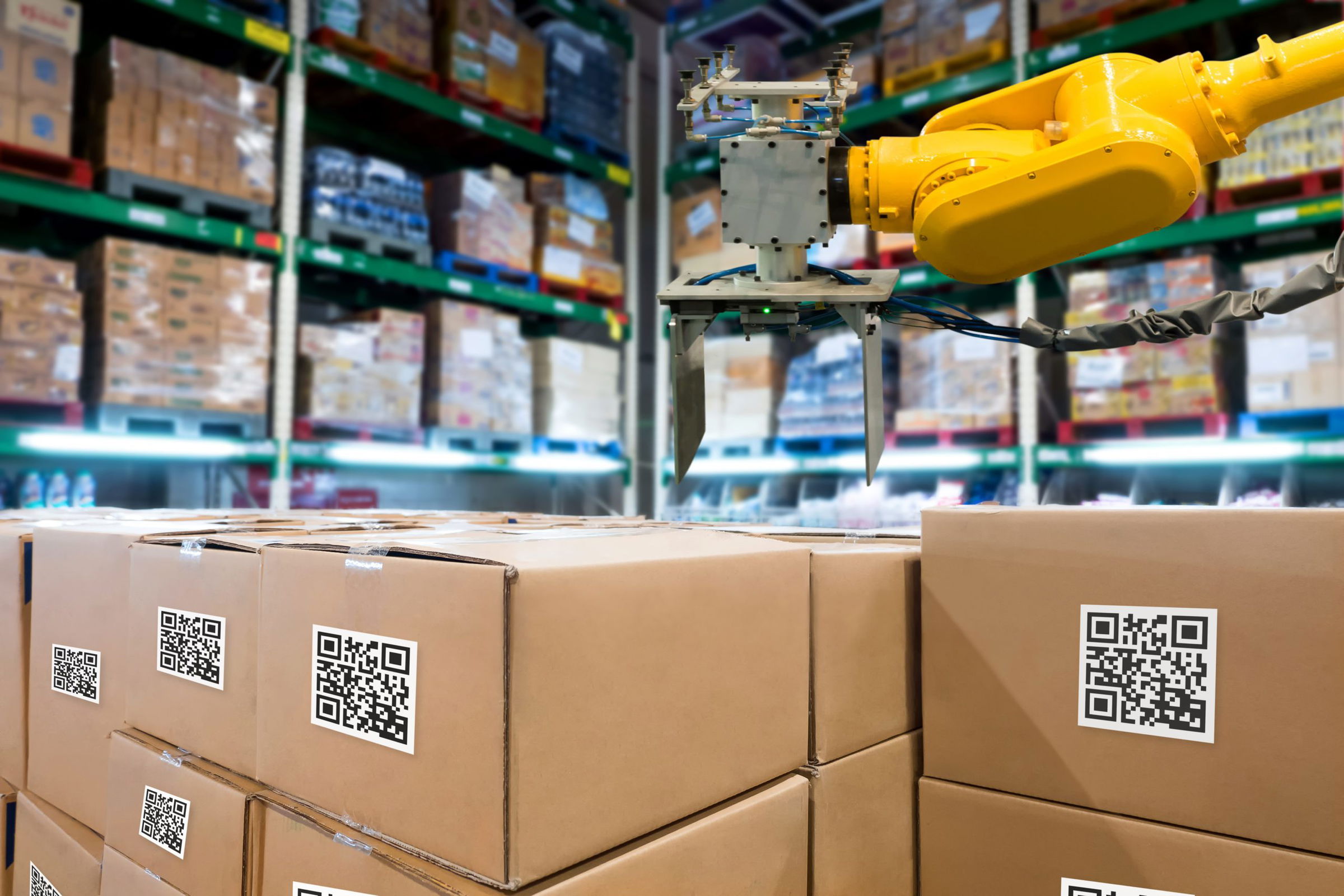
Supply chains often face different types of uncertainties. These can come from various sources, such as supplier performance, market demand, or even natural disasters. Businesses need to have a plan to manage these uncertainties. This blog post will discuss three uncertainties managed in the supply chain.

Uncertainty 1: Supply Uncertainty

Supply uncertainty can come from many sources. It could be that your supplier cannot meet the demand for your product. There could also be disruptions in the supply chain, such as a natural disaster or political unrest. Whatever the source, it is crucial to have a plan to manage this type of uncertainty.

One way to manage supply uncertainty is to have a buffer stock. It is when you have extra inventory on hand in case of disruptions. Another way to handle it is to have multiple suppliers. If one supplier cannot meet your needs, you can rely on another supplier.

Uncertainty 2: Internal Uncertainty

This type of uncertainty manages within the company. It includes uncertainties such as production line downtime, quality issues, employee absences, etc. The goal is to minimize the impact of these events on customer service and order fulfillment.

Some critical practices can help companies manage internal uncertainty:

  • Developing standard operating procedures for critical processes
  • Establishing buffer stocks of essential materials
  • Training employees on how to deal with disruptions
  • Investing in technology to automate and monitor processes.

By following these practices, companies can minimize the impact of internal uncertainty on their operations.

Uncertainty 3: External Uncertainty

This type of uncertainty is managed by looking at the larger environment in which the company operates. It includes uncertainties such as market demand, technology changes, etc. Companies can develop plans to mitigate their impact by understanding these external uncertainties.

The first step is to identify the external uncertainties that could potentially impact your business. Once you have recognized these uncertainties, you need to develop plans to mitigate their impact. It could involve developing new products or services to address changing market demand.

The key is to have a comprehensive understanding of the external environment and develop plans that will help you mitigate the impact of these uncertainties. By doing so, you can ensure that your business remains resilient in the face of change.

The need for supply chain management courses has arisen due to the increasing complexity of supply chains. As businesses have become more globalized, their supply chains have become more complex. It has created a need for professionals who understand how to manage these complex supply chains.

Discover Certificate Course in Supply Chain Management with Imarticus Learning

The supply chain certification provides cutting-edge expertise to those interested in entering the operations or supply chain analytics course. This supply chain management training online will teach students for jobs such as Demand Planner, Data Scientist, and Supply Planner.

Course Benefits For Learners:

  • We immerse students in in-demand technologies and projects, including six real-world projects that will give them a complete grasp of the industry to prepare them for a satisfying future in Supply Chain Management and Analytics.

  • Students who complete a supply chain management online course will prepare for competitive careers such as Demand Planner or Data Scientist, which are in great demand among companies today!

  • This supply chain management career will help students become more data-centric and improve Supply Chain decision-making by harnessing the power of Python.

The career outlook for data scientists with a Postgraduate degree in Data Analytics

Data science is one of the most buoyant fields with myriad career opportunities and lucrative pay now. As the world is progressing towards big data and metaverse, the role of data and artificial intelligence will impact our lives more than ever before.

However, individuals must note that the role of data science includes a legion of disciplines and include multiple job titles such as data analyst, data engineer, program analyst engineer, and machine learning specialist. Therefore, to stay ahead of the pandemonium concerning job seekers, a PG in data science in India can significantly boost the chances of employment.  

big data analytics courseFuture of Data Science Jobs

Businesses and other allied sectors have now realized the importance of big data; thus, the demand for data scientists is soaring. As per a report by the Times of India, the volume of global data is projected to touch 180 zettabytes by 2025. To manage this enormous volume of data, the skilled workforce is bound to surge more in the upcoming years. 

LinkedIn’s Emerging Job Report has ranked data science as the fastest-growing field in the world and has estimated the market to reach USD 230.80 billion by 2026. Also, ‘The Humans of Data Science’ reports that data science will create around 11.5 million jobs by 2026. So, a data scientist career will reach new heights soon, and for new professionals, this might be the correct time to step into this booming field. 

Data Scientist Salary in India

India currently holds the second position as the most prominent recruiter in the field of data analytics and data science, next to the United States. In India, the average salary of a data scientist is approximately INR 698,412 per annum. But, for freshers, the salary hovers around the INR 500,000 mark per year. Also, an early-level data scientist can earn around INR 610,811 per annum with around 1 to 4 years of experience. Additionally, with experience and expertise, the salary increases significantly and might reach around INR 1,700,000 per year.   

Responsibilities of a Data Scientist 

Although the job responsibility might vary with the sector, in general, the responsibility of a data scientist remains the same. A few of these are: 

  • Analyzing large amounts of information and data to discover underlying patterns and trends 
  • Pre-processing unstructured or structured data
  • Building predictive models and ML algorithms 
  • Identifying valuable data sources for automating the collection process 
  • Provide impactful solutions for business challenges
  • To form an ensemble modeling by combining models

Skills Required for Data Scientists 

Individuals looking to learn data science online must understand that the job role of data scientist demands specific skills. So, they must enroll in a course that will provide adequate knowledge and skills that will allow them to sustain themselves in this field. Nevertheless, a few of the most demanding skills are: 

  • Knowledge in data mining
  • Skills in Python, SQL, and R 
  • Familiarity with Java, Scala, or C++
  • Understanding operation research and machine learning 
  • Strong mathematical skills
  • Problem-solving attitude
  • Strong communication skills 

In case individuals are looking to pursue a career in data science, it is always important to know the employer’s perspective. A master’s or diploma degree with prerequisites skills is often demanded. Hence, a postgraduate degree in data science in India might help secure a job.

And, to proceed with this career, individuals need to acquire skills with time. Also, as more and more businesses incorporate machine learning and artificial intelligence into their systems for better productivity, the jobs will soon expand to new horizons. Hence, this is clearly the most suitable time to jump into data science.

Take your supply chain analytics skills to the next level with a supply chain analytics certification

A supply chain analytics certification can help you take your skills to the next level. This certificate will teach students everything they need to know about supply chain analytics, from forecasting and inventory management to demand planning and supplier performance. With this program, you will be able to analyze and optimize your company’s supply chain operations confidently. This blog post will cover everything you need to know about supply chain analytics certification, including how to get started and what courses you should take.

An overview of supply chain analytics

Supply chain analytics uses data and analytics to improve the performance of a company’s supply chain. It can include reducing costs, improving customer satisfaction, or increasing efficiency. 

Supply chain analytics generally falls into two broad categories: operational and strategic. Operational analytics focuses on improving day-to-day operations, while strategic analytics focuses on long-term planning.

Financial data, customer data, supplier data, manufacturing data, logistics data, and others can all get utilized in supply chain analytics. Supply chain analytics aims to make sense of all this data and use it to enhance the performance of the supply chain.

Why get a supply chain analytics certification?

A supply chain analytics certification will give you the skills and knowledge to confidently analyze and optimize your company’s supply chain operations. With this certificate, learners will be able to:

  • Understand what data is vital for supply chain analytics.
  • Collect and clean data for analysis
  • Perform statistical analyses on the data
  • Interpret results and make recommendations.
  • Communicate results to stakeholders

A supply chain analytics certification can be a great way to take your career to the next level. It will show companies that you have the required skills and knowledge to improve their supply chain operations. 

How to get started with a supply chain analytics certification?

If you’re interested in getting a supply chain analytics certification, there are a few things you need to do first:

  • Choose the right program: There are many different supply chain analytics programs. Make sure you choose one that is reputable and offers the courses you’re interested in.
  • Complete the required courses: Most programs require you to complete several studies before receiving your certification. Make sure you meet all the courses necessary to get your certificate.
  • Pass the exam: Once you’ve completed all the required courses, you’ll need to pass an exam to receive your certification. Make sure you study for the exam to pass it with flying colors.

Discover Certificate Course in Supply Chain Management with Imarticus Learning

The supply chain certification provides cutting-edge expertise to those interested in entering the operations or supply chain analytics course. This supply chain analytics course will teach students for jobs such as Demand Planner, Data Scientist, and Supply Planner.

Course Benefits For Learners:

  • We immerse students in in-demand technologies and projects, including six real-world projects that will give them a complete grasp of the industry to prepare them for a satisfying future in Supply Chain Management and Analytics.
  • Students who complete a supply chain management online course will prepare for competitive careers such as Demand Planner or Data Scientist, which are in great demand among companies today!
  • This supply chain management career will help students become more data-centric and improve Supply Chain decision-making by harnessing the power of Python.

How IIT supply chain management courses are revolutionizing the supply chain management era

The IITs are known for their pathbreaking education initiatives. IITs provide certifications, online classes, and courses through other education partners or the NPTEL (National Program on Technology Enhanced Learning) portal. The professional certification in Supply Chain Management & Analytics is one such program by IIT Roorkee to help eligible applicants get their desired career in supply chain management.

The Supply Chain Management (SCM) course is designed with the help of the Department of Management Studies in IIT Roorkee and taught by reputed IIT Roorkee professors. The program also features live online training as well as on-campus sessions. The SCM certification by IIT Roorkee would help you learn all the key skills necessary for making data-driven supply chain decisions.

Modern supply chains are completely focused on data-driven decision making and by combining tried-and-tested supply chain techniques, you can help facilitate smart, holistic, and compact supply chains. Now, by adding in analytics, you will be able to carry out tasks such as predicting or forecasting demand so that you can take the appropriate action to optimize your supply chain. You will also be taught Python and Microsoft Excel so that you can effectively handle data-centric tasks.

IIT Roorkee’s SCM Program

This certification course has been curated by the IIT Roorkee faculty with the help of Imarticus Learning. Successful candidates with a minimum of 80% attendance and 50% marks (in each assessment) get certified by the prestigious DoMs and E-Learning department of the Indian Institute of Technology, Roorkee. 

You are also required to submit all the projects that you are designated. These projects will give you the hands-on experience you need for analytics and data-centric supply chain management.

SCM is an extremely lucrative sector and this program helps you increase your prospects in this domain. Imarticus Learning also provides placement assistance once you are certified. You can also get involved with Supply Chain Analytics, Strategic Planning, and Operations Management. Some job roles are supply planner, operations planner, demand planner, demand analyst, and supply manager. You can even become a data scientist or a data analyst with the skills you will acquire through the program.

SCM is still not tapped properly and there is a huge skills gap in the industry. There are not enough talented professionals while a huge chunk of these companies requires supply chain experts for their businesses. With this program, you will be able to help companies optimize their sales, demand, and supply processes. Throughout the program, you will get access to 1:1 mentoring sessions. You can also engage in online discussions with other students and with mentors to clear any doubts.

The classes are live instructor-led and there are a host of in-class projects and exercises. There will also be an extremely fun capstone project and career support. The supply chain management course fee will be completely worth it once you get a job of your liking in SCM.

In the first few weeks, the program covers various drivers and metrics in supply chain management. After this, you are taught how to design supply chains and distribution networks. You are also taught how to plan and coordinate demand with supply. Just before the last final weeks, the course features sales planning and operations planning. Finally, the program teaches uncertainty management and optimal product availability determination.

Conclusion

Some other great job roles you are eligible for after this supply chain management online course are Supply Planning Analyst, Procurement Specialty, Logistics Manager, and Quality Assurance Manager. If you wish to join any of these career options, you should check IIT Roorkee’s logistics and supply chain management course.

2022 – The wake-up call for supply chain planning enthusiasts

The majority of the corporations refused to learn any lesson from the natural disasters of the last decade. As a result, most of them took a hit in their supply chain planning when a global pandemic happened in 2020. COVID-19 should serve as a wake-up call for all supply chain planning enthusiasts, and they need to implement some significant changes in their supply planning to avoid future issues. 

To avoid such disasters from happening again, they need to conduct in-depth mapping of their supply chains, identify alternate item sources, change the assessment method of their procurement function to include cost savings as well as revenue assurance, and include disruption-related metrics in their supplier evaluation. Imarticus has come up with a Certification in Supply Chain Management in collaboration with DoMS and E-learning Centre, IIT Roorkee, to provide supply chain certification online for all young professionals.

This article will help all supply chain planning enthusiasts to understand how to alter their planning in 2022 to avoid future disruptions in their supply chain. 

How most companies reacted to the pandemic

Most companies had their procurement teams struggling to cope with the global pandemic. On the other hand, the companies attempted to follow the response measures, diligently operated to secure raw materials and other necessary components, and protect their supply lines. However, their global teams struggled to access critical information that was unavailable most of the time. As a result, the impact of the pandemic hit most of the companies in full force as their response to the crisis was uncoordinated and reactive. 

In contrast, a small minority of the corporations had already invested in mapping their supply chain network before the pandemic hit the world. As a result, they were better prepared to tackle the crisis. The structure of their supply chains was better visible to them, and they did not need for last-minute scrambling to gather the information they already possessed. They had data to assess the specific sites, products, suppliers, and parts at risk and swiftly arranged for constrained inventory and capacity at alternate locations. 

Major problems in the supply chain planning 

The global pandemic has helped us to identify the major problems in our supply chain planning that need to be corrected. It is up to the companies whether they will be able to identify and rectify them and prepare for future natural disasters or crises. Some of the major problems that most companies faced in their supply chain management during the global outbreak of COVID-19 were:

  • Most companies lacked supply network mapping as a risk-mitigation strategy because of its high expense and labor requirement. 
  • A majority of the companies centered their procurement activities around cost savings instead of ensuring guaranteed revenue. 
  • While writing contracts for suppliers, most companies ignored the need to include annual supply chain mapping and strategy to recover during crisis periods. 

Conclusion

The past decade had its fair share of natural disasters, including earthquakes and tsunamis in Japan, a volcano eruption in Iceland, Hurricanes Harvey and Maria, and floods in Thailand. All of these catastrophes inflicted several upheavals in the supply chain network of most corporations. Yet, a majority of the companies were unprepared when another disaster hit in the form of COVID-19. Resilinc surveyed around 300 companies immediately after the Covid-19 outbreak in China in late January and early February.

The survey found that 70% of the respondents lagged in data collection and assessment. Most of them were manually attempting to identify their supplying sites in specific locked-down regions of China. As the pandemic is on the decline, most companies are looking to revamp their supply chain planning. A supply chain certification course by IIT Roorkee and Imarticus Learning will help you take advantage of this current scenario to build a lucrative career in supply chain planning. 

Python Training: Eliminate the skill gap in the modern workforce

There is a well-known skill gap in the present-day workforce. Many job roles remain unfilled because employers can’t find workers with the necessary skills. However, one skill can bridge this gap by 2022: Python training. 

Python is a universal language that you can use for various purposes, from data science to web development. This blog post will discuss why Python is so popular and how you can get started with Python training today! 

Python’s popularity in the tech industry

Python is becoming the third most-requested language on Stack Overflow and LinkedIn. Due to its versatility, ease of use, and popularity among data scientists for machine learning tasks. Many people who are just starting with programming languages choose Python because it has a simple syntax and is easy to learn. 

There are several reasons for Python’s popularity in the tech industry.

  • Python is easy to learn.

One of the main reasons Python has become so popular in recent years is that it’s relatively easy for beginners. It has a simple syntax and fewer lines than other languages such as Java or C++, making learning how to code more accessible for new programmers who want to get started coding quickly without having too much experience.

  • Python is versatile.

Python has many different uses, and you can use it for web development to machine learning. You’ll find that most people know how to code using this language because it allows them the flexibility they need when working on projects in any industry.

  • Python is open-source

One of the best things about using an open-source language like Python is that anyone can contribute to it or make changes if they see something wrong with how something works. It means there’s always a community willing to help each other out when needed, making coding less intimidating than ever before! 

The benefits of learning Python for both personal and professional development

 Python continued to be one of the most popular programming languages in 2021. The demand for Python developers is to grow exponentially in the next few years, with an Increase market share that will only widen further.

Many enterprises utilize Machine Learning (ML) and Artificial Intelligence (AI), which require vast amounts of data to be processed. Python has emerged as the leading language for data science and machine learning projects mainly because of its readability, comprehensibility, and ease of use. 

Professionals and students alike must learn this powerful programming language to bridge the skill gap in the modern workforce. There has never been a good time to start learning Python with its growing popularity than now. Don’t miss out on this opportunity!

Discover Post Graduate program in Data Analytics with Imarticus Learning

This data visualization program is by industry specialists to help students master real-world Data Science applications from the ground up and construct challenging models to deliver relevant business insights and forecasts. 

Course Benefits For learners:

Hello new world of “Supervised Learning”

We have entered an era of machine learning called “supervised learning.” In this world, computers can learn from data that humans have labeled. It is a considerable shift from the old world of machine learning, where computers were only able to learn from data pre-programmed by humans.

This new world of machine learning is opening up many possibilities for businesses and organizations that want to harness the power of artificial intelligence. This blog post will discuss supervised learning and how you can improve your business!

A report from Forrester Research predicts that the market for artificial intelligence will grow $37 billion globally by 2025. Advancements are driving this growth in supervised learning algorithms and the increasing amounts of data available to train machines.

An overview of supervised learning

Supervised learning allows computers to learn from data that humans have labeled. Supervised learning aims to accurately train the computer to predict the desired results for new input data.

Supervised learning algorithms operate by finding a mathematical function that best fits the training data. Using this function to predict the desired outputs for new input data. The process of finding this mathematical function is known as “training the model.”

There are many different supervised learning algorithms, each with advantages and disadvantages. The most popular supervised learning algorithms include:

  • Linear regression
  • Logistic regression
  • Support for vector machines
  • Decision trees
  • Neural networks

How Can Supervised Learning Be Used to Improve Business?

Supervised learning can improve business in many different ways. Some of the most popular applications of supervised learning include:

  • Improving customer support: It builds chatbots that provide automated customer support.
  • Enhancing marketing campaigns: Supervised learning can improve marketing campaigns’ targeting by building models that predict which customers are most likely to respond positively to a given offer.
  • Optimizing supply chains: Supervised learning can build models that predict product demand and optimize supply chains accordingly.
  • Improving fraud detection: Supervised learning builds models that detect fraudulent activity such as credit card fraud or insurance fraud.
  • Enhancing security: Supervised learning can build models that identify unusual behavior patterns that indicate security threats.
  • Predicting consumer behavior: Supervised learning builds models that predict how consumers are likely to behave in the future. You can use it to optimize product offerings and marketing campaigns.

The possibilities for using supervised learning to improve business are endless!

Discover AIML certification with Imarticus Learning

This Machine Learning certification course provides students a solid foundation in data science’s day-to-day applications by teaching them how to apply these skills to real-world issues. This training is for graduates and early career professionals who want to advance their fields in Data Science and Analytics, one of the most in-demand skill sets. 

best artificial intelligence courses by E&ICT Academy, IIT GuwahatiCourse Benefit For Learner: 

  • Students can now learn Machine Learning by participating in 25 real-world projects and case studies with industry partners to learn practical machine learning skills. 
  • Students learn how to apply machine learning to solve data-intensive problems. This course will teach students about data analytics and basic machine learning concepts, as well as some of today’s most popular tools. 
  •  Impress employers and showcase skills with the IIT AI course recognized by India’s prestigious academic collaborations.

Data analysis with Tableau: Things you need to know

Tableau is one of the best tools for data analysis, data visualization, and business intelligence. The dynamic visualizations and the interactive dashboards in Tableau help companies gain crucial insights as quickly as possible. One of the main aspects of data analysis is to analyze trends and patterns. Tableau’s great visualizations, graphs, charts, plots, etc. make it easier to identify relationships from data. 

The point of data analysis is to help in gaining business intelligence and then tell stories in a cognizable format. Reports, dashboards, and visualizations created by Tableau do just that. More than anything, there are a vast number of visualizations, designs, functions, formats, and customizations that you can choose from. 

Working in Tableau is as simple as choosing the data source, choosing the visualization, customizing the specifications, and in the very next minute your visualization is ready. Tableau uses a drag-and-drop style of user interface and this makes working with this great data analysis tool faster and simpler. 

Why Tableau?

If not the best, Tableau is currently one of the best software for business intelligence and data analytics. It is a trusted software in this domain and it is easy to shift to for people who are using Microsoft Excel. Like Microsoft Office, now Tableau too has an ecosystem or a suite of products. Tableau is acquired by Salesforce now, making the software highly compatible with other products offered by Salesforce such as their cloud computing solutions and CRM software. Tableau also has all the important functions that you can carry out in Excel. As a matter of fact, Tableau can do so much more. 

Here is why you should definitely choose Tableau over most other data analysis or analytics software:

  • Tableau is a leading product with many other complimentary Tableau products such as Tableau Online, Tableau Mobile, Tableau Server, and Tableau Reader.
  • Frequent upgrades and a fast-evolving business intelligence tool.
  • Easy to learn with a proper learning path.
  • Analyze data for making data-driven business decisions.

Important Things You Should About Tableau

The first thing that we all should be aware of is the fact that there are many Tableau products we can choose from for data visualization or analysis. If you wish to use Tableau for your personal or individual use, you can use Tableau Desktop while Tableau Server is recommended for organizations and for collaboration, in general. 

Tableau Online is also another light tool for business intelligence while Tableau Readers allows users to read files saved with the help of Tableau Desktop. Tableau Public is another free option for users who wish to publish or upload data, feedback, and visualizations online.

There are many features in Tableau that you should definitely know about. Here are some:

  • With Tableau, you can use different datasets in formats such as. TXT, .CSV, and many more. You also get the opportunity to connect databases and big data queries as well. Tableau supports data from various different sources and platforms, which makes this tool very compatible and easy to work with.

  • Tableau is capable of functions such as custom SQL, data blending, and working with Google Analytics as well. Tableau also additionally infers the data type through symbols next to variables.
  • Tableau is capable of representing data with various formatting, views, and drill-downs. You can also apply various filters, create sets or groups and generate forecasts or trend lines.

  • This tool also automatically adjusts the most optimized format for the selected measures and dimensions by activating the most compatible views for the worksheet. It is very easy to simply drag variables to these views for them to show in the main visualization.

Conclusion

If you wish to learn data analysis with Tableau, a solid post-graduate program in data analytics will definitely help you out. Additionally, in order to prepare yourself for being industry-ready, you can choose a reputed data analytics course with placement.

Can blockchain resolve certainties in supply chains?

Blockchains can be referred to as an upcoming technology, which has enough abilities to reduce cyber security risks available in supply chains. These mostly deal with an auditable, inconvertible history of transactions, bringing about a verifiable identity. 

To begin with, blockchains can be understood as a digitally distributed ledger that tracks transactions among several parties. It is best known for its remarkable roles in cryptocurrency systems, in order to maintain transactions that are mostly decentralized. Blockchains mostly deal with the security and understanding of information, in order to generate trust without any third-party providers.

If you are aiming to become a supply chain analyst, then this article will provide you with information regarding the role of blockchains in supply chains. 

How do Blockchains Enhance the Functioning of Supply Chains?

  • Data Visibility: Increased data visibility could bring about greater transparency and trackability of up-to-date information. Once included, these records cannot bring about change. For instance, these roles are best applicable in the cases of food safety. Data visibility allows you to track mistakes and enhance the safety of the products.


  • Process Optimisation: Blockchains provide help to optimize business operations and processes. Inefficiencies present in the supply chains are mostly manual, application-based procedures that can cause mistakes, increase fraudulent activities and bring about difficulties in management processes. 
  • Technical Considerations: Several requirements such as scalability, integrity, and security must be met in an enterprise ecosystem. The blockchains designed for business purposes bring about a sense of identity as well.
    Infrastructure also plays an important role as protection must be provided against the tampering and misuse of information. This can also add up to a higher rate in the production of data at a fast rate. Round the clock, availability is also included to support ledger replication.
  • Collaboration: Blockchain helps in combatting collaboration issues by adding up data and providing a centralized platform. Intermediary requirements are also negated by saving the organization’s primary aspects such as time and finances. It also helps to decrease miscommunications and problems, creating a platform where people can function efficiently.
  • Increased Automation: Most freight invoices comprise inaccurate and unnecessary information. These bring about vulnerabilities such as errors and miscommunication, leading to inefficient supply chain management.


Blockchain plays an adjusting role by bringing about suitable product activities. Delivery speed also increases, which finally leads to better services.

Advantages of Blockchains in Supply Chains:

The role of blockchains is to provide successful transactions or transaction facilities. 

  • ERP Software is mandatory when it comes to storage functions and managing business activities which include handling of employees, production as well as accounting. Blockchain makes such functions smoother by connecting all the organizations in order to bring efficiency to the whole process. 
  • Life cycle management is properly enhanced with the help of blockchain technology. Sufficient feedback is provided to the consumers and other members who are part of the supply chain. A distributed consensus is realized where online transactions can be understood in the future. 
  • Blockchains store products, order details, and IoT. Order and transportation are also provided to find the trust of all stakeholders present in the supply chains. These sensors are mostly updated over the cloud and real-time tracking. 
  • Blockchain systems are applicable to not only managerial sectors but to healthcare, agricultural, and legal facilities as well. Inventory management, forecasting, asset tracking, and intellectual property storage area used by blockchains to make the supply chains more alert. 
  • Real estate industries are heavily benefited from blockchains because complete decentralization is provided. 

Conclusion:

If you are looking for a supply chain and analytics management course, then Imarticus Professional Certification in Supply Chain Management and Analytics is the most ideal course available.

best supply chain management and analytics coursesLessons provided from IIT supply chain management based in Roorkee, the course provides for live sessions with faculty experts and a curriculum approved by industrial leaders.

Opportunities for working with international SCM projects are also provided. Overall, this certificate course will fulfill all your interests in blockchains and supply chain management.

Supply chain analytics certification on the rise catalyzing new technological advancements in 2022

Supply chain analytics, as a discipline, has existed for over a century now. But the associated applications, data infrastructure, and mathematical models have developed significantly with the advent of technology. Machine learning, the Internet of Things (IoT), predictive modeling, Complex Event Processing (CEP), and cloud infrastructure have greatly benefited the process of supply chain analytics. 

Organizations utilize supply chain analytics to acquire insight into their day-to-day operations and extract value from extensive amounts of data associated with the procurement, processing, and dispersal of manufactured goods. Due to an acute shortage of young professionals in the field of Supply Chain Management (SCM), Imarticus Learning has brought a supply chain analytics course for students to learn about the prospective sector. This article will give you a cursory understanding of supply chain analytics, its benefits, and why the demand for this course is seen on the rise. 

What is supply chain analytics?

Analytics denotes the capability to make data-driven decisions founded on an overview of authorized and pertinent data, often using visualization tools, such as charts, graphs, and diagrams. All large-scale corporations and start-ups have developed their supply chains to cut down on costs and to remain competitive in the business landscape. A supply chain refers to the extensive network of a company to distribute a specific product to its customer. This vast network includes all the procedures that begin with acquiring an order to meet the customer’s request, such as procurement, marketing, finance, customer service, distribution networks, and operations. 

As a result, supply chains generally yield enormous amounts of data. Supply chain analytics aids corporations to analyze all this data critically, generating insights, and locating patterns.

Different types of supply chain analytics

The various types of supply chain analytics have been briefly explained below –


  • Descriptive analytics


This type of supply chain analytics delivers visibility and acts as a single source of truth across the supply chain for both external and internal data systems. 


  • Predictive analytics


This type of supply chain analytics allows an institution to comprehend the most probable outcome and its implications on the business. For example, corporations use predictive analytics to project and mitigate perils and disturbances to their business models. 


  • Prescriptive analytics


This type of supply chain analytics enables organizations to decode problems and unite to gain maximum business value. It aids businesses in collaborating with logistic partners to cut down on time and effort to reduce disruptions.


  • Cognitive analytics


This type of supply chain analytics permits an organization to respond to complex questions in simple terms. Explaining complicated problems in layman’s terms will help a team hit upon the solution quicker. It helps businesses think through a difficult situation or problem, such as improvisations and optimizations of different aspects of the business. 

Benefits of supply chain analytics

Some of the major benefits of supply chain analytics are: 


  • Have a better understanding of risks


Supply chain analytics can help businesses pinpoint known risks and permit the prediction of future disruptions by identifying trends and common patterns throughout the supply chain.


  • Boost accuracy in future planning


By studying customer data, supply chain analytics can assist a business in better predicting future consumer demands. It enables an organization to determine the products to be cut off as they offer less profit and comprehend customer needs after their first order. 


  • Achieve an uncomplicated and lean supply chain


Corporations can utilize supply chain analytics to monitor and track partner responses, warehouses, and client needs. This will help them make sounder and well-informed future decisions for the betterment of the business. 


  • Get ready for the future


Many enterprises are looking for professionals with knowledge of advanced analytics. Familiarity with advanced analytics will help businesses process all types of complex data, mitigate risk factors at little expense and with less sustainability impact and help them optimize their decisions by ensuring timely alerts. 

Conclusion

With innovative technologies, such as Artificial Intelligence (AI), becoming more mainstream, corporations and start-ups are looking to hire more and more young professionals in the field of supply chain analytics. Due to an acute shortage of specialists, there is a rise in demand for certification courses of the discipline. Imarticus Learning’s Supply Chain Management course will tap into this new and prospective sector and help you build a supply chain management career with the assistance of various leaders and the expert faculty of DoMS and E-learning Centre, IIT Roorkee.