What is NumPy? Master Arrays and Data Science in Minutes!

Imagine trying to process a large dataset by hand. You’d be stuck in numbers, sums, and tough calculations. In the world of data science, this issue gets real. 

That’s where NumPy comes in – a strong tool in Python made to make these tasks not just doable but fast. 

Whether you’re taking a data science course or want to learn how to code, NumPy is the way to solve big data problems with ease. But how does the NumPy make math so easy? 

What is NumPy? Breaking it Down

NumPy is a core package for Python math work. It’s the base for many tasks in science and data work, especially when you’re dealing with large datasets, as it offers fast ways to work with big arrays and tools to do math with them.

Math Work in NumPy: Making Calculations Easy

NumPy lets you do all kinds of math with ease. From simple sums to hard work like linear math, the NumPy tutorial does it fast. 

Let’s go through some of the main ways you can use NumPy for math:

1. Basic Math Functions

One of the most useful features of NumPy is how it lets you do basic math on arrays. Think about this: you can add, take away, multiply, and divide big arrays all at once, with no need to loop through each part. 

2. Trig Functions

What if you want to use trig functions? Instead of doing the math by hand, NumPy gives you built-in trig functions. 

3. Linear Math Work

Linear math is key in many fields, like machine learning. NumPy gives you a range of ways to do things like matrix sums. 

Common Uses of NumPy

NumPy is a strong tool for software makers of all skill levels who want to add tough math tasks to their Python code. It gets used a lot in data science, machine learning (ML), and science work. Many well-known Python libraries, such as the ones below, rely on NumPy for their math tasks:

  • Matplotlib
  • Pandas
  • scikit-image
  • scikit-learn
  • SciPy
  1. Data Work and Study:
    NumPy helps with cleaning, changing, and adding data. Once the data is set, you can use NumPy’s math tools for stats work, Fourier work, and matrix math. These tasks are key for deep data work and data science jobs.
  2. Science Work:
    NumPy does tough tasks like matrix sums, eigenvalue math, and solving equations. This makes it a good fit for tasks like simulating, modelling, showing, and other science work.
  3. Machine Learning:
    Machine learning needs lots of math, and NumPy uses ML tools like TensorFlow and scikit-learn for the sums needed to back up algorithms and train models.

NumPy Arrays: The Core of Math Work

The key to NumPy’s math power is the NumPy array. Unlike normal Python lists, NumPy arrays let you do maths on whole sets of data at once, much faster.

Making Arrays

Making arrays in NumPy is easy. You can start from Python lists or even make new ones with all the same values, like zeros or ones.

Array Indexing and Slicing

NumPy arrays also let you slice and pick parts of arrays with ease, so you can get just the parts you need.

Key NumPy Functions for Statistical and Mathematical Operations

Category Function Description
Order statistics percentile(a, q) Computes the q-th percentile of the data along the axis.
Averages & variances mean(a, axis) Computes the arithmetic mean along the axis.
Correlating corrcoef(x) Returns Pearson correlation coefficients.
Histograms histogram(a) Computes the histogram of a dataset.
Miscellaneous nanmean(a) Computes the mean, ignoring NaN values.

See how NumPy makes working with arrays feel easy?

The Power of NumPy in Data Science

  • From making arrays to doing tough work like matrix sums, NumPy makes your work smooth, fast, and easy.
  • If you want to become a pro in data science, a data science course that includes NumPy tutorials will be a game-changer. 
  • The power of NumPy will help you deal with big data quickly and easily, making your work quicker and better.

Start today, dive into NumPy, and see how it can change how you work with data. The ability to do complex math fast will open new doors and boost your skills in data science.

Postgraduate Programme in Data Science and Analytics

Designed for fresh graduates and early career pros with a tech background, Imarticus Learning Postgraduate Programme in Data Science and Analytics is the best choice for anyone looking to start a career in data science and analytics. This course gives you the skills needed to succeed in the world of data. 

Every part of the course helps you land your dream job as a data scientist, making this 100% Job Guarantee data science and analytics course ideal for new graduates and pros looking to boost their careers in this fast-growing field.

With our 100% Job Guarantee, you will get 10 sure interviews with over 500 top firms hiring data science and analytics pros. The job-specific curriculum focuses on the real-world use of data science, including key areas like Python, SQL, data analytics, Power BI, and Tableau. You will get expert-level knowledge in these areas, making sure you are ready to take on various data science roles.

Join Imarticus Learning’s Postgraduate Programme in Data Science and Analytics today and take the first step toward a great career.

FAQ

  1. What is NumPy?
    Answer: NumPy is a strong Python library for math work. It supports large, multi-dimensional arrays and matrices, along with high-level math functions.
  2. How does NumPy help in Data Science?
    Answer: NumPy speeds up data work and math tasks, making it key for tasks like cleaning data, getting it ready, and training models in data science.
  3. What are NumPy arrays?
    Answer: NumPy arrays are quick, multi-dimensional containers used to store data, letting you do math work on big data sets.
  4. Why should I learn NumPy for Data Science?
    Answer: Learning NumPy is key for handling large data, doing tough sums, and making your code faster in data science tasks.
  5. Can I use NumPy for machine learning tasks?
    Answer: Yes, NumPy is widely used in machine learning for data work, math tasks, and handling big data sets quickly.
  6. Is NumPy easy to learn?
    Answer: Yes, NumPy is easy for beginners, and with a good guide, you can learn to use NumPy arrays and math functions fast.
  7. Where can I find a good NumPy tutorial?
    Answer: Our NumPy tutorial covers all key ideas and functions, perfect for beginners looking to learn about arrays, math tasks, and more.

Unlock the Secrets of ISDA Agreement in OTC Derivatives Trading

The financial term “OTC derivatives” directs people to high-level investment banking processes and complicated financial markets. Understanding this complex financial system is crucial for all individuals who need to start their career in finance, including those taking investment banking courses. 

So, what is OTC derivatives, and why is it so crucial in the world of finance?

In this blog, we’ll dive deep into the OTC trade lifecycle and the pivotal role that ISDA agreements play in ensuring that these transactions are secure and enforceable.

What is OTC derivatives?

OTC derivatives are financial agreements that connect participants who trade outside Indian exchanges, including NSE and BSE. OTC derivative contracts adapt their specifications to match individual business requirements rather than the standardised format used in exchange-traded derivative products.

Over-the-counter (OTC) trading, also known as off-exchange or pink sheet trading, takes place directly between two parties without the oversight of an exchange.

The OTC Trade Lifecycle: From Deal to Settlement

OTC trade lifecycle functions as a direct interpersonal process between trading entities who bypass exchange institutions to complete their deals.

The deal-making process becomes more specific due to OTC trading; however, the process needs thorough planning and organisation.

The steps in an OTC trade operate as follows:

1. Trade Initiation

The OTC derivative trade lifecycle launches when two parties verify their agreement to execute this type of derivative trade. The parties, which usually consist of institutional investors or banks, confirm all trade elements like assets, value, termination terms and additional specifications besides underlying conditions. 

As financial institutions act as mediators in most situations, they confirm that both trading parties possess enough funding to support their contractual agreements.

2. Confirmation and Documentation

The summary of commercial terms requires agreement between both parties, who now need to create a formal contract. The ISDA agreement provides the necessary framework during this process. 

An OTC derivatives agreement between parties requires the standardised ISDA (International Swaps and Derivatives Association) Master Agreement to establish their trading relationship. An agreement that contains details about payment terms indexes settlement decisions along with methods to manage possible default or dispute cases.

Both parties gain legal protection through the ISDA agreement, which acts as their foundation. A typical contract exists to establish expectations between parties, although this specific agreement surpasses the complexity levels of typical professional agreements. 

Understanding the complex details found within this agreement remains essential for all students taking investment banking courses as well as financial institution employees who want to understand OTC derivative operations.

3. Risk Management and Collateralisation

At this point, both traders evaluate the potential dangers associated with their transactions. A negotiation can occur where one party requests securities as collateral to reduce potential default by the counterparty.

During the global financial crisis of 2008, OTC derivatives became a direct cause of systemic financial instability because they were not properly controlled. Parties who apply collateralisation techniques throughout trade processes minimise defaults and create a pleasant experience for everyone.

4. Trade Execution and Monitoring

After risk management and terms definition, the execution of trades begins. But it doesn’t stop there. 

  • Trade monitoring must be ongoing from start to finish throughout its operating life. 
  • Derivatives are worth following market conditions because market rate changes and commodity price movement can modify their stated value.
  • OTC markets require traders to monitor each trade for months up to multiple years until its final settlement takes place. 

Some might find this aspect a bit daunting, especially as market conditions shift unpredictably, but it is also where much of the excitement in investment banking courses lies—dealing with real-time fluctuations and making split-second decisions.

5. Settlement

After the provided period, known as the maturity date, the contract resulting in the trade completes its settlement procedure. The transaction occurs after the approval of both parties involved, which leads to the exchange of agreed financial goods. 

The settlement method depends on the derivative variety between cash settlements and physical deliveries. Following settlement, both parties can terminate the trade to initiate the following business transaction.

Stage Description
1. Trade Initiation Two parties (e.g., banks or investors) agree on trade terms like assets, value, and conditions, ensuring sufficient funds for the transaction.
2. Confirmation and Documentation The parties agree on terms and create a formal contract using the ISDA Master Agreement, which outlines payment, settlement, and dispute management.
3. Risk Management and Collateralisation Both parties assess risks and may agree to use collateral to reduce default risk. This step helps prevent instability, as seen in the 2008 financial crisis.
4. Trade Execution and Monitoring After defining terms and managing risks, the trade gets executed and continuously monitored for market fluctuations, which may affect the trade’s value.
5. Settlement After the maturity date, both parties exchange financial goods via cash settlement or physical delivery, completing the trade.

The Critical Role of ISDA Agreements

The ISDA agreement plays a vital role in the OTC trade lifecycle. The contract serves as its primary organisational component through clear term definitions that provide protection during disputes.

The ISDA Master Agreement, issued by the International Swaps and Derivatives Association, is the most widely used master service agreement for OTC derivatives transactions globally.

The agreement determines the payment calculation methods in addition to default protocol and termination terms. Complex trades such as OTC derivatives would become similar to house construction without a blueprint if parties lacked this standard framework.

One of the most important sections of an ISDA agreement is the Credit Support Annex (CSA). The document details the entire process of collateral management during the trade lifespan. Both parties protect themselves against failed contractual obligations through the CSA agreement.

Why Understanding ISDA Agreements is Crucial for Investment Banking Courses

The market requires more than market intelligence since investment banking demands a thorough comprehension of its driving mechanisms. 

  • The ISDA agreement and the OTC trade lifecycle are two such mechanisms. 
  • For anyone pursuing investment banking roles, knowledge about these concepts needs to be absolute. 
  • Studying an investment banking course will show you the process of executing such trades and provide training for analysing corresponding risks. 
  • The world of finances goes beyond numerical operations because it consists of how well you can manage agreements by building relationships while possessing the capability to handle uncertain market movements.

As you venture further into your journey within the world of finance, remember that understanding the OTC trade lifecycle and the ISDA agreement is more than just academic knowledge. The process requires mastery of skills that help people operate in genuine financial market settings.

Whether you’re interested in investment banking courses or working directly in financial institutions, mastering these concepts is a key differentiator. Understand the trade lifecycle together with financial law frameworks to gain superiority in the OTC derivatives market.

Transform Your Career with the Certified Investment Banking Operations Professional (CIBOP™) Course

The world of investment banking is open to finance graduates who possess 0-3 years of work experience. Success becomes attainable through the Certified Investment Banking Operations Professional (CIBOP™) course designed at Imarticus Learning. With a placement rate of 85%, graduates of this course secure roles with salaries of up to 9 LPA.

The professional course at our institution has educated finance specialists for ten years through flexible durations, which range from three months to six months. Industry professionals created this CIBOP course to deliver fundamental skills essential for outperforming other candidates in investment banking competition. Through this programme, you will understand practical business situations, which will help you stand out from other candidates in your industry.

Choosing a career path will match your future professional goals depending on market-based Industry needs. The 30th Elets World Education Summit 2024 named Imarticus Learning as the Best Education Provider in Finance while the institution focuses on delivering students’ experience beyond their certification needs.

Join Imarticus Learning’s CIBOP™ course and unlock the door to new career opportunities!

FAQ

  • What is an ISDA Agreement, and why is it important in OTC derivatives trading?

The derivatives market utilises standard contracts known as ISDA (International Swaps and Derivatives Association) Agreements. This contract establishes trade conditions to handle business risks while ensuring legal definition for OTC derivative market activities.

  • What is OTC derivatives, and how do they work?

Two different parties conduct OTC derivative trades through direct agreements without participation in formal exchanges. These products exist as specific versions that traders use to protect their financial interests in the markets for speculation or risk management.

  • How does the OTC trade lifecycle work from initiation to settlement?

The OTC trade lifecycle refers to the series of steps involved in an over-the-counter trade. The workflow for OTC derivatives consists of trade initiation followed by execution until capture and enrichment steps which are then verified and settled to complete the deal process.

  • Why are investment banking courses important for understanding OTC derivatives?

Investment banking courses teach the complexities of OTC derivatives, including their structure, risks, and lifecycle. Professional financial understanding of these instruments allows personnel to make better decisions for their portfolio management and transaction execution.

  • What functions do investment bankers fulfil within the OTC derivatives markets?

Financial markets experience influence from OTC derivatives through their ability to create specific risk management tools. The lack of exchange trade poses systemic risks to OTC derivatives unless their management remains under proper control.

CFA Level 1 Results for Feb 2025 Announced: Passing Rate Up, New Score Report Introduced

The CFA Institute has released the Level 1 February 2025 exam results on April 3, 2025, and it is a time of relief, celebration, and encouragement for thousands of test-takers from all around the world. The global pass rate of this round was 45%, a hopeful increase from the traditional 10-year mean of 40%.

Whether you appeared for the exam or are planning to attempt it in upcoming sessions, here’s everything you need to know about the February results, performance trends, and what lies ahead in the CFA journey.

cfa exam resultcfa exam result

CFA Result Announcement – Key Details at a Glance

  • Result Date: April 3, 2025
  • Exam Window: February 17 to 23, 2025
  • Total Candidates: 19,848
  • Exam Locations: 482 proctored centers in 390 cities, across 109 global markets
  • Overall Pass Rate: 45%

This upward trend in the pass rate is a welcome trend for both candidates and the international finance community. Taking a closer look at the figures, it is noted that first-time test takers registered a pass rate of 52%, while candidates who had deferred examinations were left with a relatively lower success rate of 30%. These figures reiterate the need for continued preparation and sticking to study timetables.

CFA New Features: Enhanced Score Report

Beginning with this February session, the CFA Institute has introduced a new, revamped Enhanced Score Report. This new format is meant to offer more transparency and actionable insights to candidates.

Key features include:

  • A scale score, which helps candidates understand their individual performance relative to the Minimum Passing Score (MPS) set by the CFA Board of Governors
  • A clearer breakdown of topic-wise strengths and areas of improvement

This enhanced reporting is expected to benefit candidates in refining their preparation strategies for future levels.

How to Check Your CFA Level 1 Result

Candidates can access their results by logging into the official CFA Institute portal. Here’s how:

Step 1: Visit cfainstitute.org

Step 2: Log in using your registered email ID and password

Step 3: View your result and download the scorecard

Step 4: Save a digital or printed copy for future reference

Alternatively, a direct link is also available on the CFA Institute’s official result announcement page.

What’s Next for Successful Candidates of CFA?

If you have passed Level 1 – well done! You are now ready to sign up for the CFA Level 2 exam, to be held in August 2025. The registration period is open now, and early registration can provide advantages like lower fees and sufficient preparation time.

Additionally, for those following other examination levels, CFA Level 3 results should be released on April 22, 2025.

Prepare Smarter with Imarticus Learning

Since the CFA journey becomes increasingly difficult with each level, professional guidance and structured preparation can prove to be a savior. Imarticus Learning provides a holistic Chartered Financial Analyst Certification Program jointly developed with industry professionals.

The CFA curriculum focuses on:

  • Conceptual clarity across all CFA topics
  • Real-world financial modeling and analytics
  • Regular mock tests and performance tracking
  • Mentorship from CFA charterholders and domain specialists

The February 2025 CFA Level 1 results signal progress – with higher pass rates and a clearer score report aiding future prep. As the journey intensifies, strategic guidance from experts at Imarticus Learning can help you move ahead with confidence.

Regardless of whether you’re studying for CFA Level 1, 2, or 3, the CFA program is designed to assist you in attaining your goals confidently and effectively.

CFA Salary in India: All You Need to Know

When you hear that a Chartered Financial Analyst (CFA) can earn up to ₹50 LPA or more, it’s tempting to think – “Is that even real, or just for people on Wall Street?”

Fair question. Because in today’s world of fancy LinkedIn titles and glossy finance reels, salary expectations can feel confusing. But here’s the truth – the CFA certification isn’t just another finance credential. It’s a career accelerator. Whether you dream of managing big investment portfolios, decoding equity markets, or rising to the top of corporate finance, the CFA gives you the toolkit to get there. And yes, it pays off handsomely.

If you’re eyeing a career at the forefront of finance, few credentials match the global recognition and premium earning potential of the Chartered Financial Analyst Charter. The CFA designation is not just a ticket for high-profile jobs – it’s fast becoming the gold standard for ambitious professionals in India seeking to break into investment management, equity research, and top-tier finance roles.

But let’s cut through the noise:
How much does a CFA earn in India?
What real career impact can you expect at every stage?
And does it truly pay off compared to other credentials, such as ACCA, CPA, or even FRM?

Here’s your complete roadmap – backed by expert data, industry interviews, and fresh real-world comparisons.


CFA charterholders globally earn nearly 54% more than their non-certified peers. In India, that difference is becoming impossible to ignore. A fresher might start around ₹6-10 LPA, but within a few solid years, the same professional can cross ₹25-30 LPA and, with the right exposure, even ₹1 crore isn’t out of reach.CFA Institute


What is CFA? 

Let’s begin by understanding what is CFA. The Chartered Financial Analyst is often considered the gold standard of investment management. It is offered by the CFA Institute (USA). This globally recognised certification covers three levels focused on investment analysis, portfolio management, ethics, and financial modelling.

Unlike academic degrees, the CFA program is deeply applied – it trains you to interpret markets, understand businesses, and make data-driven investment decisions. In short, it turns finance enthusiasts into strategy leaders capable of managing money, not just accounts.

“The CFA doesn’t just teach about valuations. It teaches how investors think.”

If you are confused about how to clear the CFA Level 1, this video is a guide to clear it on the first attempt.
https://youtu.be/sOmQezdI0Z8?rel=0


Why Choose CFA for a Finance Career?

The CFA Charter is one of the world’s most respected credentials in finance. Developed and awarded by the CFA Institute in the US, it unlocks prestigious jobs in investment analysis, portfolio management, research, corporate finance, and beyond. Whether you want to be an investment banker, equity analyst, asset manager, or risk consultant, the CFA is an all-access pass to India’s and the world’s best opportunities.

There’s a reason why global firms actively seek CFA talent. These professionals don’t just analyse numbers, they understand what those numbers mean for investors, funds, and companies.

Here’s what gives the CFA its edge:

  • Global Recognition: The CFA Charter is valid in over 165 countries, making it a passport for international careers in finance.​ The CFA course opens doors in investment banks, hedge funds, asset management firms, and consulting giants worldwide.
  • Strategic Thinking: CFAs are trained to ask “what’s next?”, turning data into direction with strategic thinking skills.
  • Ethical Leadership: The CFA exam emphasises integrity, something every serious employer in finance prioritises.
  • Cross-Industry Demand: From fintech startups to multinational banks, CFAs fit across diverse roles with career opportunities in today’s data-driven finance world.
  • Multiple Career Paths: CFA holders are in demand not only in banks but also in career paths like investment firms, fintechs, consultancies, corporations, and regulatory bodies.​

The CFA Edge in India

India’s financial ecosystem is undergoing seismic growth. With new asset management firms, a surging fintech sector, and ever-more global investment flowing in, CFAs are more sought after than ever before, especially for jobs that require market acumen, rigorous ethics, and advanced analytical skills.

This video provides a comprehensive overview of why CFA is the best career move in finance.

Let’s look at salary data across each CFA stage, how work experience builds your paycheck, regional variations, and how roles compare.

CFA Salaries in India: An Exhaustive Breakdown

Money talks – so let’s talk numbers. So, what does all this translate to in real paycheques? The salary for CFAs in India depends on three things: experience, industry, and function. But here’s a realistic breakdown across stages.

Experience LevelTypical Salary (Annual)Common Roles
0-2 years₹6-12 LPAJunior Analyst, Research Associate
3-7 years₹15-30 LPAEquity Analyst, Portfolio Associate
8+ years₹30-70 LPA+Fund Manager, VP – Investments, Head of Research

Entry-Level CFA Salary in India

Completing CFA Level 1 or CFA Level 2 won’t always guarantee a job, but even at this entry stage, candidates are landing strong packages, often outpacing business school graduates or basic finance degree holders.

RoleSalary (Annual)Typical Qualification
Analyst – Entry Level₹6-12 LPACFA ≥ Level 1, grad degree
Junior Research Associate₹7-13 LPACFA Level 2, 0-2 yrs exp
Investment Banking Analyst₹10-20 LPACFA Level 2 or CFA Level 3

Note: These figures vary based on city, company, and undergraduate background. Mumbai, Gurugram, and Bengaluru offer the biggest starting packages for CFA candidates.

Mid-Career CFA Salary in India (CFA Level III Passed, CFA Charterholder)

Once you’ve passed CFA Level III or earned your Charter (with four years’ experience), salaries accelerate sharply, reflecting both technical expertise and leadership potential.

RoleAvg Salary (Annual)Typical Experience
Equity Research Analyst₹15-25 LPACFA Charterholder + 3-6 yrs
Portfolio Manager₹20-40 LPACFA Charterholder + 5-10 yrs
Senior Risk Analyst₹17-28 LPACFA Charterholder + 5+ yrs

For high performers at MNCs, investment banks, or asset management firms, bonuses can lift total compensation by another 30-40% especially in bull markets or top investment teams.

Senior CFA Salary in India

Moving into senior or leadership positions, charterholders can command compensation rivalling top corporate executives, especially in Mumbai and Delhi.

RoleAvg Salary (Annual)Experience
VP – Investments₹40-70 LPACFA Charterholder + 10-15 yrs
Fund Manager₹30 LPA – 1 CroreCFA Charterholder + 12+ yrs
Head – Research/Products₹50 LPA – 2 CroreCFA Charterholder + 15+ yrs

Bonuses, profit sharing, and ESOPs can make up a significant chunk of total compensation at this level – sometimes doubling the base pay.

cfa salary growth over time

CFA Salary in India: By Industry and Sector

The CFA Charter isn’t just for banks. Salaries are influenced dramatically by your chosen industry, type of company, and scope of role. Here are some key verticals hiring CFAs:

  • Investment Banking: Highest salaries, especially for dealmakers and analysts.
  • Portfolio & Asset Management: Attractive base pay, with incentive-based bonus structures.
  • Equity and Market Research: Growing demand, premium pay for niche expertise.​
  • Private Equity/Venture Capital: Lucrative for those moving into fund-level investment roles.
  • Fintech and Startups: Rapidly growing, but packages are variable – often with equity upside.
  • Consulting: Risk consulting, investment advisory, and valuation roles offer diverse opportunities.
  • Corporate Finance: Increasing demand for CFAs in FP&A, M&A, and treasury teams.
  • Regulatory/Government: Lower base pay, but strong job security and benefits.
IndustryAverage CFA Salary Range
Investment Banking₹15-50 LPA
Portfolio / Asset Management₹20-60 LPA
Equity Research₹12-35 LPA
Consulting & Advisory₹10-25 LPA
Fintech & Startups₹8-30 LPA (often with ESOPs)
Corporate Finance₹10-22 LPA
Risk Management / Treasury₹15-40 LPA

Regional Salary Differences: Mumbai vs. Other Cities

Location matters. Mumbai, the financial epicentre, pays 20-40% above national averages for CFA professionals. Bengaluru’s fintech sector, Gurugram’s corporate hubs, and even Hyderabad and Pune offer attractive opportunities – but smaller cities or Tier 2 locations may pay significantly less.

  • Mumbai: ₹10-20 LPA (entry), ₹25-50 LPA (mid), ₹50 LPA -1 Crore (senior)
  • Bengaluru: ₹8-15 LPA (entry), ₹20-35 LPA (mid), ₹35-75 LPA (senior)
  • Delhi NCR, Gurugram: Similar to Mumbai/Bengaluru in a finance job cluster in select MNCs.
  • Kolkata, Ahmedabad: Lower salary bands, but rising as financial services expand.

CFA Salary in India: By Roles or Functions

The role you play matters just as much as your experience. Here’s how compensation typically maps across common CFA positions:

RoleAverage Salary RangeTypical Responsibilities
Equity Research Analyst₹15-25 LPAMarket and company valuation, investment analysis
Investment Banking Analyst₹10-20 LPADeal valuation, M&A research, pitchbooks
Portfolio Manager₹20-40 LPAAsset allocation, performance management
Risk Analyst₹12-25 LPARisk modelling, compliance, strategy
Fund Manager / VP Finance₹40 LPA – ₹1 Cr+Investment leadership, governance, and client advisory

The closer your role is to strategy and fund performance, the higher your compensation tends to be.

Let’s unpack what those numbers actually mean, what drives them, and how the CFA can reshape your financial career from the ground up.


Comparing CFA Salaries With Other Certifications

How does CFA stack up against ACCA, CPA, or FRM? Here’s a transparent comparison based on actual pay data and career prospects.

CertificationEntry LevelMid CareerSenior RoleTypical Sectors
CFA₹6-12 LPA₹15-40 LPA₹40 LPA-2 CroreInvestments, Banking, Research
ACCA₹5-8 LPA₹12-20 LPA₹40 LPA+Audit, Accounting, Corporate Finance
CPA (US)₹8-15 LPA₹20-30 LPA₹35-60 LPAAudit, Consulting
FRM₹4-8 LPA₹10-25 LPA₹30-80 LPARisk, Treasury, Corporate Risk

Key Takeaway: CFA delivers higher salaries in investment, research, and portfolio roles. ACCA and CPA dominate accounting/audit roles; FRM pays a premium in risk management, especially at banks and large corporates.​


Bonus and Variable Compensation

One of the least understood aspects of CFA pay is variable compensation – bonuses, performance incentives, ESOPs, and profit sharing. Here’s what you need to know:

  • Bonuses: Top-tier analysts and associates earn bonuses from 20% to 50% of their base salary, linked to fund performance and deal outcomes.
  • Profit Sharing: Common in investment management and private equity, can add 20-100% to annual pay for senior roles.
  • ESOPs & Equity: Fintechs and startups incentivise CFA talent with equity. While risky, these can be highly lucrative over time.
  • International Packages: Working for global investment banks or MNCs can mean dollar – or pound-linked bonuses, making net take-home far higher.

This video shows a mock interview to crack an interview for CFA roles.


CFA Salary Growth Trajectory: How Fast Can You Hit Six Figures?

Hitting a six-figure (₹1 Crore+) salary isn’t easy, but achievable for high-performing CFA charterholders in India. On average, it takes:

  • 5-7 Years to reach ₹30-40 LPA as a mid/senior analyst, with solid experience and performance.
  • 8-12 Years to break the ₹1 Crore bracket, typically moving into fund management, senior product head, or director roles.
  • Faster Trajectory possible with brand (IIM/IIT), global bank roles, or exceptional networking/accomplishments.
Career StageApprox Salary RangeWork Focus
Entry-Level₹6-10 LPAResearch, analytics, and financial modelling
Mid-Level₹5-30 LPAInvestment planning, portfolio support
Senior₹30-50 LPAMarket strategy, fund oversight
Leadership₹50 LPA – ₹1.5 Cr+Fund management, executive advisory
cfa career progression roles

Factors Influencing CFA Salary in India

What pushes CFA salaries higher or holds them back? Here are five essential factors:

1. Work Experience

Experience is king. Freshers get a premium over standard finance grads, but seasoned CFA charterholders can double or triple base pay by moving up the value chain. The more markets, instruments, or sectors you handle, the more valuable you become.

2. Location

Metro cities, especially Mumbai, yield higher packages. Living costs are greater, but so is exposure and networking.  

3. Industry Sector

Investment management, private equity, and international banks pay more than domestic corporates or smaller consultancies.

4. Company Size and Brand

Global MNCs, top asset management firms, and bulge-bracket banks reward CFA credentials with higher CTC, better perks, and long-term career paths.

5. Performance and Personal Branding

High performers – those who drive business, win deals, or build standout research are fast-tracked for bonuses and promotion. Earnings explode when you can show measurable returns or business impact.

CFA Salary: India vs Global Comparison

So how do Indian salaries compare globally? The CFA Institute Global Salary Survey 2024 gives us perspective:

RegionBase Salary (Mean)Total Compensation (Mean)
Americas$130,000$155,000
Europe$100,000$120,000
Asia-Pacific$37,000$45,000
India (within MEAI region)$30,000–$35,000$38,000–$42,000

The dollar figures abroad look higher, but when adjusted for living costs, CFA salaries in India offer exceptional purchasing power, especially within Tier 1 finance hubs like Mumbai, Gurugram, and Bengaluru.


CFA Recruitment and Top Employers in India

Curious who hires CFA talent and what roles they offer? Here’s a snapshot of the top employers and the positions they seek:

Top Recruiters

  • Investment Banks: JP Morgan, Goldman Sachs, Morgan Stanley, Citi, Deutsche Bank
  • Asset Management Firms: ICICI Prudential, SBI Mutual, HDFC Asset Management, Kotak AMC,  Franklin Templeton
  • Consultancies: EY, KPMG, Deloitte, PwC (for risk/investment advisory)
  • Fintech Startups: Zerodha, Groww, Paytm Money, Upstox, Pine Labs
  • Corporations/MNCs: Tata Group, Aditya Birla, Reliance Industries, Wipro
  • Rating Agencies: CRISIL, ICRA, CARE Ratings

Most in-demand Roles


While finance has historically favoured men, recent years have seen more women CFA charterholders breaking salary and promotion records. Leading firms offer equal access, but individual negotiation and networking remain critical for maximising pay equity.

Emerging Roles

CFAs who combine financial strategy with data analytics and AI insights will redefine investment research and risk modelling. These professionals won’t just interpret reports, they’ll build intelligent systems that optimise portfolios and predict market behaviour.

The finance industry is no longer limited to banks; it’s expanding into platforms, apps, and ecosystems that thrive on automation and predictive modelling. CFAs who adapt to that shift will lead the game.

What Roles to Expect in the Next 5 years?

When someone says the finance industry is evolving faster than ever, they’re not exaggerating. Between AI, climate-conscious investing, and digital assets, the rulebook of modern finance is being rewritten. The exciting part? CFA Charterholders are at the centre of it all.

The CFA credential has always been about mastering analysis, ethics, and investment judgment. But in the next five years, its value will go beyond traditional roles like equity research or portfolio management; it’s expanding into new, high-growth frontiers.

Here’s what the future looks like for CFAs stepping into the new decade.


International Opportunities for Indian CFA Charterholders

The CFA Charter’s acceptance across 165 countries. This global recognition means Indian professionals are landing roles in London, New York, Hong Kong, Singapore, and Dubai – often earning 2x-5x domestic salaries.​

CFA charterholders from India can earn 2x to 5x their domestic salary by working in these global financial centres.

  • Salaries vary with experience, role, and local cost of living; high nominal pay in places like NYC or London may be balanced by living costs.
  • The CFA charter is highly portable, recognised in 165+ countries, enabling easier mobility between financial hubs.
  • Beyond salary, international roles offer exposure to global markets, diverse financial products, and accelerated career paths.

This offers a clear snapshot of where global CFA jobs pay the most and the breadth of international opportunities available to Indian charterholders.


Potential ROI: Costs vs Rewards

Ask any CFA charterholder, and they’ll tell you – the biggest return isn’t just the salary. It’s the transformation. You start thinking like an investor, not an accountant. You become fluent in the language of risk, return, and long-term strategy.

The cost of earning a CFA charter is approximately ₹2 LPA, typically spread over several years, covering exam fees, study materials, and registration. Completing all levels requires a serious time commitment – candidates usually spend 4 to 5 years passing exams and fulfilling the mandatory 4,000 hours of professional experience.

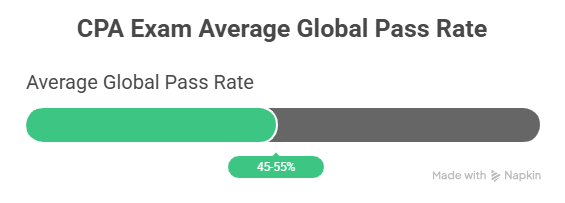
Each exam is challenging, with pass rates ranging from 40% to 50%, emphasising the CFA’s rigour and the exclusivity of the qualification. But that challenge is precisely what makes the charter so highly regarded and well compensated worldwide.

In short, the cost is meaningful, both in time and money, but the reward is far greater. You’re not just investing in a certification, you’re investing in a profound shift in how you see and influence finance. 

And that’s exactly why companies pay a premium – because you don’t just work in finance; you shape it.


FAQs on CFA Salary in India

If you’re thinking about pursuing the CFA or curious about salaries after pursuing CFA, these FAQs will give you a clear picture of what to expect from the course, program fees, salaries and recognition, to real-world challenges and opportunities.

What is the entry requirement for the CFA program?

You can begin your CFA journey if you’ve already earned a bachelor’s degree or are in your final year of college. Even working professionals with relevant experience can apply. So, if graduation is around the corner, you’re good to go for Level I. Undergraduates in their final year can enrol and sit for the Level I exam.​

How much does the CFA program cost?

On average, the total cost of CFA comes to about ₹2 lakhs spread across the three levels – including registration, exams, and materials. The cost is relatively lower if you clear all levels on the first attempt.

How much do fresh CFA candidates (Level I or II) get paid in India?

CFA Level I and II candidates usually start with salaries at ₹6-12 LPA, depending on their academic background and city. With each level cleared, those numbers climb steadily, especially in metro markets like Mumbai and Bangalore.

Which is better for investment banking: CFA or ACCA?

CFA is tailored for investment banking, research, and asset management; ACCA focuses more on accounting and audit functions.​ If your dream job is in investment banking, portfolio management, or asset management, CFA is your clear winner. ACCA, on the other hand, fits better if you’re drawn to accounting, tax, or audit roles.

Do CFA charterholders have international mobility?

Yes, Indian CFA charterholders can land finance jobs in over 165 countries, including the US, UK, Singapore, and Dubai, with lucrative packages.​ That global credibility is one of the reasons it’s so respected.

How challenging is the CFA exam?

All three levels are intense and require deep study; it’s rigorous but fair, with pass rates hovering around 40-50% per attempt, signalling a tough but rewarding journey.​ 


Key Prospects for CFA Charterholders: The Takeaway

  • Industry Recognition: The CFA is increasingly required or preferred for senior roles in banking, investments, asset management, and fintech.​
  • Salary Upside: India is seeing premium compensation packages for CFA holders, especially in Tier 1 cities and global firms.
  • Career Mobility: From equity research to corporate finance, risk, and consulting, CFA opens diversified paths for fast-track growth.
  • Longevity and Growth: The CFA Charter is an asset for life. Even in tough markets, charterholders retain employability and edge.

Unlocking Your Financial Future: CFA Career in India

The CFA Charter is much more than a line on your resume; it’s a catalyst for remarkable careers, a mindset shift,  higher salaries, and international growth. It transforms how you see business, money, and decision-making. Whether you’re eyeing Wall Street, Dalal Street, or the fintech frontier, the CFA certification is your passport to global finance.

If you aspire to world-class finance roles, thrive on analytics and investment decisions, and want salary packages that stand out in a crowded job market, the CFA is unparalleled. For those passionate about accounting, auditing, and tax, consider ACCA or CPA. For risk management, FRM offers niche rewards. But for investment, financial analysis, and asset management, CFA remains king.

Enrol today to step onto a global stage and position yourself for the top jobs across India and the world.

In India’s dynamic and expanding financial sector, CFA professionals are at the centre of transformation, commanding premium compensation and opening doors to diverse, high-value roles. If you’re serious about success in finance, the path starts here. Imarticus offers CFA in association with KPMG in India, which gives you an added advantage of industry collaboration with internship opportunities. The markets don’t wait. Why should you?

Scope of Investment Banking: Careers & Trends

According to Glassdoor, “The estimated total pay for an Investment Banker is ₹29.5 LPA, with an average salary of ₹11,00,000 per year.” In today’s competitive financial landscape, the scope of investment banking is expanding rapidly. As technology is redesigning the processes and markets worldwide are changing, finance professionals today are being confronted with a fresh set of challenges. The article examines the investment banking of the future, new trends in investment banking, and identifies niche courses in investment banking that are remolding career opportunities,

The last few decades have witnessed unprecedented disruption in the financial services industry. The conventional banking operations have evolved into hybrid operations integrating finance, technology, risk, and sustainability. As all the operations have online websites, the future of investment banking will be for individuals who possess the capability to innovate and transform. The following blog examines some of the aspects of the investment banking industry on the basis of core facts and trend-based data to try and give a clear picture of what lies ahead.

The Scope of Investment Banking

Investment banking is no longer just mergers & acquisitions and underwriting. Its reach has widened to encompass:

  • Financial Advisory and Capital Raising:
    Providing strategic investment, mergers, and acquisition guidance to companies
  • Asset and Wealth Management:
    Portfolio management of institutional and high net worth individuals
  • Risk Management and Compliance:
    Regulatory change management and effective risk management controls
  • Securities Trading and Market Analysis:
    Using analytics in market forecasting and trading

All such varied functions make the investment banking career broad and expansive, where space is given for all financial disciplines to flourish.

Technology convergence powers banking these days. Advanced analytics, artificial intelligence, and blockchain are the new digital technologies rationalizing everything to make quicker, better choices. In addition, evolving demands on compliance and rising emphasis on sustainability have generated fresh opportunities for professionals. Today’s bankers need to reconcile quantitative strengths with strategic sensibilities, and the role is demanding yet rewarding.

The Future of Investment Banking

Investment banking is in the future being re-shaped by some of those who are more connected drivers. Technology expansion, changed demands within markets, and new arising global economies are all destined to bring a business situation change.

Technology and Innovation

Contemporary investment banks are coming on board digitization slowly in large steps. The core innovation initiatives entail:

  • Artificial Intelligence and Machine Learning:

To develop forecasting analysis better, automated trading platforms, and reducing the operational risk

  • Blockchain Technology:

Security of transactions and financial transactions becoming more transparent

  • Big Data Analytics:

Enabling more informed decision-making by analysing huge volumes of financial data

All these technologies are not only streamlining operations but also creating new job opportunities with a mix of finance and technology.

Emphasis on Sustainability

Worldwide focus on environmental, social, and governance (ESG) considerations is transforming investment strategy. Banks and other financial institutions are becoming increasingly interested in:

  • Ethical Investments:

Investing in socially responsible projects

  • Green Finance:

Investment in green projects as well as renewable energy projects

  • Long-Term Value Creation:

Long-term expansion at the expense of short-term profits

Therefore, sustainable finance and ESG standard specialists are in great demand.

Globalisation and Market Integration

Financial market global connectivity nowadays makes investment banking increasingly global in character. Cross-border operations and foreign alliances have become the future trend, forcing specialists to:

  • Adapt to diverse regulatory environments.
  • Understand global market dynamics.
  • Communicate effectively across cultures.

This global orientation is perhaps the most notable aspect of the future of investment banking with career prospects globally.

Trends in Investment Banking

The trends in investment banking are transforming the business. Let us discuss some of these trends:

Data-Driven Decision Making

Investment banks employ more data analytics. Some of the most important trends are:

  • Predictive Modelling:

Using historical data to forecast market trends

  • Real-Time Analytics:

Providing minute-by-minute information to inform trading and risk management decisions

  • Customised Investment Solutions:

Product customisation through utilising client data mined from data

These are the trends reflecting the growing use of analytical expertise in investment banking.

Digital Platforms and Fintech Integration

Digitalisation is revolutionising the delivery of financial services. Trends are:

Online Trading Platforms:

Dispensing institutions and retail investors to markets

Mobile Banking Solutions:

Providing customer experience through easy, on-the-go propositions

Fintech Collaborations:

Merging fintech with traditional banking to create innovative products

Digital platforms are the means of establishing such a revolution, leading to improved and customer-centric banking.

Regulatory Reforms and Compliance

Regulatory standards have intensified with global economic crises. Trends moving in such directions are as follows:

  • Improved Transparency:

Activating detailed reporting and rigorous compliance processes

  • Sophisticated Risk Management:

Implementing technology for risk monitoring and effective risk management

  • RegTech Solutions:

Applying technology to automate compliance

These reforms offer stability in the financial markets and the creation of new risk management and compliance roles.

Investment Banking Courses and the CIBOP Programme

Investment banking courses in niche specialization is the future in a competitive job market. The perfect example of one such course is Imarticus Learning’s Certified Investment Banking Operations Professional (CIBOP) programme. The programme is tailored for finance graduates with 0-3 years of experience and is highly popular for its life-changing experience.

Key Features of the CIBOP Programme

  • 100% Job Assurance:

Hand-picked candidates guaranteed placements.

  • Flexible Duration:

Available in 3-month and 6-month duration.

  • Excellent Placement Rate:

85% placement rate, first salary hike up to 9 LPA.

  • Industry Appreciation:

Best Education Provider in Finance award at 30th Elets Worlds Education Summit 2024.

  • Comprehensive Curriculum:

Including securities operations, wealth management, risk management, and AML processes.

  • Unmatched Track Record:

With over 1200 batches placed and 50,000+ students, the program has strong industry links with over 1000 hiring partners

Benefits of Specialised Investment Banking Courses

Investment banking training programs like CIBOP transfer experts with:

  • Real-World Skills:

Practical skills in the form of simulation, case studies, and live projects

  • Expert-Led Training:

Industry advantages and experienced faculty

  • Career Boost:

Tailored curriculum for enhanced decision-making and analytical capabilities, getting them ready to tackle the dynamic market

Continuous learning cannot be an option in the constantly changing, dynamic world of finance. Investment banking courses, being such special courses, are a necessity to being in line with current trends in investment banking and geared up for future of investment banking.

Career Prospects in Investment Banking

The broad range of the scope of investment banking has many career options. These are some of the career paths open to career professionals in the field of finance:

Financial Analyst:

Conducting extensive market analysis and making investment suggestions.

Investment Banker:

Creating mergers, acquisitions, and raising capital.

Risk Manager:

Risk management and analysis in a high-risk market.

Portfolio Manager:

Client investment management and optimization of asset allocation.

Data Analyst:

Investment decision-making based on big data and investment decisions.

Compliance Specialist:

Regulatory compliance and risk management of operations.

Sustainable Finance Expert:

ESG and ethical investment solution specialist expertise.

Following the economic revolution that has been caused by digitalization, new hybrid careers are emerging consisting of traditional financial expertise combined with technological skills. The union of data analysis and digital technology is creating a scenario where experts have the potential of high-rewarding, high-reward professional opportunities.

Real-World Insights and Case Studies

Real-life instances prove real-life application of recent investment banking trends. Observe the following-discussed case studies:

Case Study 1: AI-powered Trading Systems

The major banks have developed AI algorithms that in real time scan gigantic volumes of data. The systems possess more advanced trading notions with successful trades being made at a rapid pace, reducing human emotions-driven mistakes, and the risks being managed optimally.

Case Study 2: Sustainable Funds

They have established funds for green purposes alone, and they focus on green technology and green energy. They attracted a generation of moral and green-oriented investors.

Case Study 3: Digital Platform Innovation

Major banks have devised elaborate digital platforms with web-based services of unprecedented fluidity, from market studies to virtual advisory meeting sessions. The platforms advance the level of customer engagement and nurture long-term customer relationships.

Key Takeaways: 

  • Investment banking is transforming with technological and regulatory change
  • Sustainability and environmental, social, and governance  investing are redefining financial practice
  • Programmes such as the CIBOP programme, including specialist material, are critical to professional success
  • Real-life breakthroughs provide the model for industry trends to follow

These are examples that contemporary investment banking practice is not just theoretical, since they are being used in practice to efficiency and innovation in the practice.

The Role of Digital Transformation

Digital transformation is revolutionising investment banking by embracing cutting-edge technology to all its financial operations.

Benefits of Digitalisation

Efficiency Improvements:

Human mistakes are avoided and processes are reduced with automation

Improved Data Analysis:

Better and faster decision-making is facilitated by advanced analytics

Customer-centric Solutions:

Digitalised platforms enable personalised financial services, raising the level of customer satisfaction

Global Connectivity:

Digital platforms enable global payments and global connections

Investment banking is more and more a virtual company. Finance professionals with computer skills are in a better position to take advantage of future opportunities and innovate their companies. Digital technology well integrated into business not only makes them more efficient but also reveals new career opportunities for technology professionals with financially savvy skills.

Building a Resilient Career

A successful career in investment banking requires technical expertise and adaptability to match evolving market trends. Experts require:

Continue Learning:

Be current with current trends in investment banking by pursuing specialized training programs and professional workshops.

Cross-Functional Skills Development:

Alternate finance skills with technology knowledge and knowledge of regulatory procedures.

Active Networking:

Establish connections with business managers, attend seminars, and engage in workshops in an effort to generate business opportunities.

Adapt to Change:

Stay current with technology innovation and business practice to remain viable in today’s day-to-day finance reality.

Professional development and continuous learning is the key. Custom-designed training programs, such as the CIBOP program, help practitioners develop answers to investment banking conundrums of today and establish a firm, stable career.

Adapting to Regulatory Changes

Regulatory reforms have had a significant effect on the investment banking industry. Banks are now under stricter compliance rules, and this has opened up new career paths.

Regulatory Impact

Increased Transparency:

Greater reporting has placed transparency at the top of the agenda.

Risk Mitigation:

Adopting advanced risk management methods to satisfy regulation needs.

Compliance Roles:

Greater demand for regulatory compliance and risk management experts.

Investment banking courses nowadays include comprehensive modules on regimes of regulation to enable professionals to tackle compliance issues in an efficient way. All of this involves keeping pace and staying adaptable in financially more regulated environments.

Global Perspectives in Investment Banking

Globalisation now has resulted in the investment banking arena much broader than the local markets. Globalisation opened a window for a demand for individuals with more sensitivity towards world finance.

Global Trends

Cross-border Transactions:

More cross-border mergers, acquisitions, and raisings of capital

Cultural Flexibility:

It is in highest demand so that one may work in multicultural, diversified environments

International Markets:

Offshore financial centers and new markets all over the globe are becoming opportunities

investment banking degrees contain international finance streams to endow the students with the ability to address international problems. A global mindset is most needed to excel in the finance sector of today because it provides avenues for innovation and growth.

Embracing Innovation and Sustainability

Innovation and sustainability will be the way of the future in the new financial world. They will determine the path in career development as the future is pursued in investment banking.

Key Focus Areas

Innovative Financial Products:

Adopting cutting-edge technologies like AI and blockchain to create tailor-made financial products

Sustainable Investment:

Including ESG factors in investment planning, making them ethical investors

Green Finance:

Financing green ecological initiatives and green energy initiatives

Investment banking schools are integrating more information about green practice and new finance. This is to make sure that the students learn not only the traditional banking practices but also get an opportunity to assist in delivering a greener and visionary business.

Preparing for a Digital Future

As digitalisation takes over the finance sector more and more, the need for finance-technology specialists is growing. Future of investment banking is technologically oriented, and its embracers will thrive.

Digital Skills for the Future

Data Analytics:

The capability of handling big data sets for making investment decisions

Tech-savvy Mindset:

Adopting technology and platforms that deliver efficiency and customer happiness

Cybersecurity Awareness:

Adopting the necessity to protect digital payments and data

By investing in digital literacy and a short investment banking course training, it is very much possible to be at the forefront of any revolution. Ongoing upgradation in digital technology will give the competitive edge in a rapidly changing situation.

Conclusion

The scope of investment banking is vast and growing. In a future full of sustainability, digitalisation, and globalisation, the industry is more expansive than ever. Adopting modern trends in investment banking and promoting adherence to professional investment banking courses such as the CIBOP programme will enable money professionals to map lucrative career trajectories.

As the economy changes, so does the kind of skill required to thrive. One needs to learn, be flexible, and have a progressive attitude towards technological revolution in order to stay ahead in this ruthless business. For those who are passionate about finance and hungry to innovate, the future of investment banking is full of challenge but also promise.

Start with confidence, leverage your experience, and be prepared to lead a career as demanding as it is fulfilling. The secret to a rewarding investment banking career lies plain in front of you—invest in education, get flexible, and observe the opportunities unfold.

FAQs

Q1: What is the scope of investment banking?

Investment banking is a generic activity with business transactions of a multi-dimensional character involving everything from advice and asset management to risk analysis to securities dealing to compliance.

It’s evolving rapidly with reform in regulation and technology revolution.

Q2: What does the future of investment banking hold?

The prospects of investment banking are good due to digitalisation, sustainable investing, and globalisation. The trends are data-driven decision making, digital platforms, usage of AI integration, and sustainable finance. The trends are re-defining work and establishing new jobs in the industry.

Q3: What are the investment banking trends?

The trends are digital platforms, data-driven decision making, AI integration, and sustainable finance. These trends are changing jobs and creating new jobs in the sector.

Q4: Why would I need investment banking courses?

Investment banking courses offer specialized training which connects theoretical knowledge with practical capability. They impart professionals with the capability to address modern-day challenges from risk management to digital transformation for professional success.

Q5: Why is CIBOP course unique?

Certified Investment Banking Operations Professional course has 100% job guarantee, best placement, hands-on practice, and backed by best industry awards. It provides training in key areas such as securities operations, risk management, and AML practices.

Q6: What are the career functions one can pursue in investment banking?

Investment banker, risk manager, portfolio manager, financial analyst, data analyst, and compliance specialist are just a few examples. Digitalisation has also created hybrid jobs which are a blend of finance and technology.

Q7: Why is digitalisation so crucial in investment banking?

It is important. It makes it more efficient, allows real-time decision-making, and creates new career prospects. Digital-compliance professionals are required as the investment banking landscape keeps changing.

How AI in Investment Banking is Changing Finance | Blockchain & Cloud

The world of investment banking is changing so dramatically with technology today. For so many decades, methods of executing trades, assessing risk, and managing customer relationships have now been displaced by AI in investment banking, blockchain applications in finance, and cloud computing in banking systems.

Investment banks, from dependences on human expertise and manual processes, now employ AI-driven algorithms, decentralised finance solutions, and cloud-powered infrastructures. These technologies help reduce costs, improve efficiency, and provide deeper insights into financial markets.

Keeping up with the pace of change is no longer a choice but a necessity for finance professionals. People who want to stay relevant in this new AI-driven financial landscape have began to believe that investment banking courses are now a must.

Let’s dig how AI, Blockchain, and cloud computing transform Investment Banking and why, therefore, their upskilling is important.

Investment Banking Role: AI

AI is perhaps the most massive disruption ever seen in the investment banks. They can process goliath amounts of data sets, have faster decisions made, and optimise customer interactions too.

The Impact of AI in Trading & Investment Strategy

Investment banks are increasingly using AI systems to enhance their trading accuracy and effectiveness.

  • Algorithmic trading: AI-based automated systems execute orders in milliseconds on real-time market movements with data-driven logic.
  • Market Sentiment Analysis: AI scans social media, news, and financial reports to determine market trends.
  • Portfolio Optimisation: AI models provide portfolio suggestions according to risk appetite and historical data.

Statistics: According to PwC, AI-driven automation in the banking sector is expected to save more than $450 billion by 2030.

AI in Risk Management and Fraud Detection

Risk assessment is one of the most important functions in investment banking, and AI has changed the way banks assess financial risks.

  • Risk Modelling: AI processes huge volumes of financial data to predict market fluctuations and credit risks.
  • Fraud Detection: AI detects suspicious activities in transactions, thereby preventing money laundering and cyber threats.
  • Regulatory Compliance: AI enables banks to follow the changing financial regulations by real-time monitoring.

Deloitte states that AI-based fraud detection systems have reduced financial fraud cases by 40% in banks that employ them.

AI and Customer Experience in Investment Banking

AI is not only confined to the back-end functions of investment banking but also enhances customer experience.

  • AI-based Chatbots provide 24/7 support to clients.
  • RoBo-Advisors assists in offering investment recommendations to users based on personal data.
  • NLP allows investment banks to process the questions that clients have so as to provide automated responses.

Since all the information regarding investment banking is being revolutionised today with AI, one needs to learn some related training to update one’s knowledge.

Blockchain Solutions in Finance

Investment banking is helping manage financial transactions on blockchain technology for transparency, security, and decentralization of transactions.

How Blockchain is being Applied in Investment Banking

Blockchain has been applied in many finance-related operations, such as:

  • Settlements Trade: It allows the settlement of transactions from days to seconds.
  • Smart Contracts: The execution of contracts without the presence of an intermediary.
  • Cross-Border Transactions: It reduces the transaction fees and increases the velocity of processing

A World Economic Forum report stated that blockchain’s adoption in the banking sector might save $20 billion in infrastructural costs a year.

Why Blockchain Improves Security in Investment Banking

Investment banking may incur a certain level of security. The risks are cut down by blockchain via the following,

  • Data Tampering Is Eliminated: Transactions recorded in the most impenetrable ledger.
  • Maximising Transparency: It enables network parties to validate transactions, hence removing fraud cases.
  • Decentralised Control: Nobody now owns financial records. This way, cyber hacking of the system is reduced.

IBM declares that 91% of all banks invest in blockchain solutions to leverage on security mechanisms and avoid operational inefficiencies.

Video Recommendation: How Blockchain is Changing Investment Banking

Cloud Computing in Banking Systems

Cloud computing is a necessary requirement for investment banks since the service enables organisations to store huge amounts of data without thinking about infrastructure and IT maintenance.

Advantages of Cloud Computing in Investment Banking

  • Save on IT Infrastructure: The banks save money on IT infrastructure and maintenance.
  • Scalability On Demand: The institutes can go up or down with respect to the data storage requirements
  • Improved Security: Greater encryption by cloud service providers will ensure that sensitive financial information is safe

Real Time Data Processing and Analytics

Real-time data processing by cloud computing will facilitate real-time processing. Investment banks can :

  • Develop market reports in real time.
  • Instruct the investors with their current standing on the investment ladder.
  • Refine forecasting at the time of investment decisions.

Why Investment Banking Professionals Must Upskill

Because of the recent and exponential rise in technological advancements, upgrading one’s skills about the latest trends has become a necessity because AI, Blockchain and Cloud Computing are revolutionising the domain.

Certified Investment Banking Operations Professional (CIBOP) Program

Our CIBOP Program is a passage with which finance professionals up their game in the following space:

  • AI-based trading strategies
  • Blockchain usage in security
  • Cloud computing for banking infrastructure

For more about CIBOP click on the link below: https://imarticus.org/certified-investment-banking-operations-program/

FAQs on Technology in Investment Banking

  1. Applications of AI in investment banking?

AI applies in the form of algorithms on trading, risk assessment, and automation in customer service.

  1. Applications of blockchain in finance?

Blockchain allows making transactions safer, reduces fraud rates, and faster settlements.

  1. How is cloud computing impacting the banking systems?

Cloud computing is scalable, cost-effective, and data security.

  1. What investment banking courses focus on technology?

Courses like CIBOP teach AI, blockchain, and cloud computing in finance.

  1. Is blockchain an application used commonly in investment banking?

Many banks are using blockchain, but their full adoption is still in process.

  1. Can AI replace the human investment banker?

AI enhances decision-making but cannot replace human experience.

  1. How does AI help in risk management?

AI uses data analytics and trend forecasting to predict market risks.

  1. Is a cloud-based banking system secure?

Yes, it has multi-layered encryption and access protection protocols.

  1. What are smart contracts in investment banking?

Smart contracts allow financial agreements to be automatically executable.

  1. How do professionals upskill in AI-driven investment banking?

By learning courses like CIBOP and real-time exposure to AI.


Conclusion

Technology has re-engineered investment banking with the ray of speed, security, and precision in data. The combination of AI, blockchain, and cloud computing forms the transformation in motion.

Keypoints

  • AI analytics, blockchain, and cloud computing form the new face of investment banking
  • Investment bankers need to upskill for the digital future
  • Financing technology can be mastered with courses like CIBOP

Want a future-proofed investment banking career? Begin with CIBOP and start your career in investment banking.

Investment Banking Business Model And Financial Stability

What if I told you that investment banking was the reason behind keeping the global economy’s wheels turning? Quite intriguing, right? Yet this very engine of growth often comes to a fork in the path of innovation and risk. Whether you’re a student exploring a career in finance or a professional diving deeper into the sector, understanding the investment banking business model is pivotal. Let’s unravel how this model influences financial stability and why it matters for aspiring investment bankers like you.

Understanding the Investment Banking Business Model

At its core, the investment banking business model revolves around facilitating capital flow between businesses and investors. Investment banks provide a range of services, including:

Mergers and Acquisitions (M&A): Assisting companies in buying, selling, or merging to expand their reach.

Underwriting: Helping businesses raise capital by issuing stocks or bonds.

Advisory Services: Offering financial strategies and market insights.

This model thrives on high-risk, high-reward activities, which can either stabilize or disrupt markets depending on how risks are managed.

Key Components of the Investment Banking Business Model

Service Description Example
Mergers & Acquisitions Facilitates company growth through consolidation Facebook acquiring Instagram
Underwriting Supports capital raising through stock issuance IPOs by tech companies
Advisory Services Offers strategic financial guidance Restructuring advice

Impact on Financial Stability in Banking

Investment banks are pivotal to maintaining financial stability in banking but can also amplify vulnerabilities. Here’s how:

Stabilizing Factors:

  • Efficient capital allocation ensures companies have funds to innovate.
  • Liquidity provision keeps financial markets operational during crises.

Beyond these, investment banks help diversify risk by enabling global investments. Their expertise in structuring financial products ensures tailored solutions for varying needs. However, the stabilizing effect heavily relies on ethical practices and sound decision-making within these banks.

Destabilizing Risks:

  • This can be catastrophic to a bank or economic crisis, as in 2008, because of excessive leveraging and speculative moves.
  • It is also likely to invite liquidity pressures, what with having relied too heavily on very short-term funding.

Moreover, shadow financial instruments and perverse incentives may aggravate the dysfunctionality of the markets. Active oversight is important together with greater transparency in order to mitigate these risks. This is a two-edged sword; effective regulation and risk management are thus pertinent to minimizing such disruptions. 

Challenges in Investment Banking

The sector faces numerous hurdles, ranging from regulatory pressures to technological disruptions. Here are some major challenges:

Regulatory Scrutiny: Post-2008, stricter regulations like Basel III demand higher capital buffers. This ensures stability but reduces flexibility for investment banks to take calculated risks.

Technological Innovations: Blockchain and AI are reshaping operations but require significant investment. While these technologies boost efficiency, adapting to them comes with high costs and a steep learning curve.

Cybersecurity remains a pressing concern as digital transformation exposes sensitive financial data to threats.

Market Volatility: Unpredictable market movements can lead to substantial losses. Global events such as geopolitical tensions and pandemics often exacerbate this volatility.

Talent Acquisition: The industry struggles to attract and retain professionals with a mix of financial and tech skills, crucial for navigating the modern investment landscape.

Strategies to Overcome Challenges

  • Embracing advanced analytics for better decision-making.
  • Strengthening compliance frameworks.
  • Investing in talent equipped with tech and financial expertise.
  • Enhancing risk assessment tools to anticipate market trends.

Future Trends in Financial Stability

What does the future hold for financial stability? Let’s explore emerging trends:

Green Finance: The investment banks have incorporated sustainable finance initiatives to resolve climate change. Green bonds and environmentally-focused investments are gaining traction, showcasing a shift towards responsible finance.

Decentralized finance: DeFi platforms are replacing banking roles. With blockchain-based solutions providing lower costs of transactions and greater efficiency, traditional banks have to innovate to survive the competition. But unregulated DeFi poses systemic challenges.

Globalization vs. Localization: Global interconnectedness increases systemic risks given that shocks in one market could flow through to all the others across many lines. Greater cross-border regulatory cooperation is necessary to mitigate the threats posed by this interconnectedness.

Regional strategies, focusing on localized banking solutions, may offer a buffer against global shocks while promoting community-level economic resilience. 

Digital Transformation: The integration of AI in predictive analytics and decision-making processes continues to grow. This technology enables better risk management but demands continuous upskilling of the workforce.

Other Resources:

https://imarticus.org/blog/factors-driving-global-financial-market-fluctuations/

https://imarticus.org/blog/investment-banking/ 

Investment Banking Courses: Building Your Career

For those aspiring to enter this dynamic field, enrolling in investment banking courses can be transformative. These courses offer:

  • In-Depth Knowledge: Covering M&A, valuation techniques, and risk management.
  • Practical Skills: Simulations and case studies for real-world learning.
  • Networking Opportunities: Connect with industry professionals and peers.

Imarticus Learning, for instance, offers specialized programs designed to equip you with the skills needed to excel in investment banking.

FAQs

What is the primary role of investment banks?

Investment banks engage in capital raising, financial advisory, and mergers and acquisitions.

How does an investment bank impact financial stability?

By availing liquidity and capital allocation while being a risk by way of leverage and market speculation.

What are the primary risks in investment banking?

Compliance with regulation, technological disruptions, and volatility in the markets.

Why is green finance on the increase?

It responds to sustainability issues and brings investment into environmental objectives.

What skills are required for a career in investment banking?

Analytical skills, financial modelling, and understanding of market trends.

Are investment banking courses worth it?

Yes, they provide specialized knowledge, practical experience, and networking opportunities.

What is DeFi, and how does it affect traditional banking?

DeFi uses blockchain to decentralize financial services, posing both opportunities and challenges for traditional banks.

How has technology impacted investment banking?

AI and blockchain have fast-tracked operational tasks, though infrastructure investment is needed.

What is Basel III and why is it important?

Basel III is a regulatory framework that aims at banking resilience to discourage crises

How can professionals catch up with trends in industries?

By attending seminars and courses and through high-authority financial publications.

Conclusion

There is no end to how crucial the investment banking business model will become in the world financial sphere. Its capacity to drive economic growth while navigating challenges and adapting to emerging trends underscores its complexity and importance. For aspiring students and professionals to mark their territory in this field, knowing how finance stability is impacted would be the very first step. With the right education, development of technical skills, and current knowledge about the happenings in the area, a successful and impactful career in investment banking can be made.

Analysing Internal and External Business Environments in HRM

A multinational company ventures into new markets where policy shifts surprise them enough to disrupt their business strategy. A startup maintains success through its transformative workplace environment; however, it fails to counter market competition effectively.

What do these scenarios highlight?

The business environment directly influences an organisation’s employee selection procedures, workforce maintenance strategies, work environment development, and prolonged expansion initiatives.

This blog explains what is business environment, its features and importance of business environment, and how HR professionals can leverage HR analytics courses to navigate this landscape effectively.

What is business environment?

The business environment refers to all physical and social factors that directly influence individuals’ decision-making within an organisation. A company’s business environment consists of economic situations as well as market shifts alongside technological developments, organisational guidelines, manager choices, and employee movement patterns.

The Importance and Key Features of Business Environment

  • Organisations perform environmental examinations to develop strategic choices that allow them to adapt their operations to industry modifications.
  • Organisational recognition of market patterns alongside competitor activities enables the maintenance of a better competitive position.
  • Stable business conditions, together with favourable circumstances, promote organisational growth and attract investments.
  • Companies maintain a relationship with government policies and legal requirements in order to prevent penalties.

Internal vs External Business Environment: The Key Differences

A key trend shaping India’s business environment is the rapid expansion of its economy. The Indian economy maintains a rapid growth status alongside a yearly average GDP rate of about 7%. The economy experiences significant growth because of domestic market momentum together with beneficial characteristics backed up by policy initiatives.

Factor Importance of Business Environment in HRM
Strategic planning Helps HR align recruitment, retention, and training strategies with business goals.
Workforce development Encourages continuous learning and upskilling to stay competitive.
Regulatory compliance Ensures adherence to labour laws, preventing legal challenges.
Competitive advantage Helps organisations attract and retain top talent effectively.

Both internal and external environments hold equal weight in defining an organisation’s trajectory. 

Internal Business Environment in HRM

Organisations find all elements that they can influence within the internal environment as key factors that shape human resource management decisions. The internal business environment consists of factors within an organisation that influence its structure, culture, and overall functioning. 

An organisation achieves better management through its established organisational structure, which specifies departmental relationships, reporting lines, decision-making paths and responsibility distribution.

Key aspects include:

1. Organisational Culture

A company’s values, beliefs, and work ethics shape its employees’ behaviour. When employees encounter toxic cultures, they tend to leave, but when they join organisations with strong cultures, their morale increases.

2. Leadership and Management

Leadership style in employee interactions defines the extent of job satisfaction among staff members. When leadership is strong, it brings about trust while also enhancing engagement and productivity levels. The negative impact of weak leadership drives employees to both dislike their jobs and obstruct planned changes.

3. Workforce and Employee Engagement

Job satisfaction depends on employee experiences with their roles along with their work-life balance and rewarded outcomes and career advancement opportunities. HR analytics courses help professionals track engagement metrics, identifying key areas for improvement.

4. Technological Integration

Companies need to adapt their operations through AI recruitment applications along with automated process capabilities and remote work implementation. HR professionals leveraging HR analytics courses can make data-driven decisions to enhance workforce efficiency.

External Business Environment in HRM

Unlike internal factors, the external business environment consists of conditions and influences outside the organisation’s control, often introducing uncertainties and challenges that businesses must strategically address.

Fast-developing technology sets off disturbances throughout industries that push organisations to adapt their practices and develop new solutions. Businesses that welcome emerging technologies through automation and digital transformation achieve meaningful market advantages in comparison to organisations that refrain from adopting changes.

The major influencers include:

1. Economic Conditions

The economic situation determines whether job openings rise as wages become better, yet economic downturns force organisations to eliminate positions. Employers need to modify their plans regarding who they recruit and how much they pay their employees, along with their retention procedures.

2. Government Policies and Regulations

All employment regulations, together with taxes and compliance specifications, establish parameters for employee selection and operational schedules alongside employee advantage provisions. The new Labour Code Reforms in India affect both the standards of minimum pay rates and the procedures for contractual work.

3. Market Competition

The war for talent is real. Working conditions, together with employee compensation packages, organisational cultures, and job benefits, determine employer recognition by potential candidates. HR professionals who understand analytics for HR can utilise market information to create improved employee reward systems and staff engagement plans.

4. Technological Disruptions

The combination of automation with AI and digital transformation requires business implementations of HR technology. Upskilling through HR analytics courses helps HR leaders predict trends, automate routine tasks, and focus on strategic workforce planning.

HR Analytics: The Game-Changer for HR Professionals

The use of data-based methods has become fundamental for HRM operations.

  • Organisations should analyse workforce patterns to boost recruitment effectiveness.
  • HR departments need to predict employee departures so they can create programmes to maintain workforce retention.
  • Organisations must use industry data to optimise their compensation systems.
  • Workforce performance will increase through training applications supported by data analysis.
  • Organisations that implement HR analytics techniques excel past competitors through their better workforce management choices.

Understanding the business environment is not an option—it’s a necessity for HR professionals. Recognising the importance of business environment, whether in managing internal operations or adapting to external challenges, enables HR leaders to make informed decisions. 

Staying ahead requires strategic thinking, market awareness, and data-driven HR practices, all of which shape the features of business environment. For those looking to future-proof their HR careers, pursuing an HR analytics course can provide the insights, skills, and competitive edge needed to thrive in today’s business environment.

Master Human Resource Management with IIT Roorkee’s Data-Driven Approach

Imarticus Learning Professional Certificate in Human Resource Management and Analytics at CEC, IIT Roorkee (Batch 04) equips professionals with the skills and knowledge required to navigate the modern business environment.

This detailed programme by Imarticus Learning educates participants on complete HR management capabilities by exploring job clarification methods alongside recruitment approaches and retention techniques, in addition to conducting management methods and skills development strategies, cultural practice, and employee engagement systems.

The HR management course provides students access to practical training and interactive features that drive successful learning outcomes. Participants need to handle at least three commercial applications related to the industry while analysing a minimum of eight cases to finish real-world assignments aimed at building necessary HR competencies for professional development.

This HR analytics course blends academic excellence from IIT Roorkee with industry insights from leading global companies. This programme provides participants with an integrated learning experience that ties in academic theory and practical business knowledge through comfortable lessons instructed by professors and executives from both fields.

Join the Professional Certificate in HR Management & Analytics at IIT Roorkee and future-proof your career with industry-leading knowledge and skills.

FAQ

  1. What is the business environment?

The business environment refers to all internal and external factors that impact an organisation’s operations, strategy, and growth.

  1. What are the features of the business environment?

Key features of the business environment include dynamic changes, interconnectivity of factors, uncertainty, and external influences like laws and market conditions.

  1. Which economic variables influence human resources management functions?

Corporate growth inspires companies to expand their workforce and boost compensation levels, whereas economic downturns result in staff reductions followed by operational spending limitations, which affect HR management decisions.

  1. Why is the business environment important in HRM?

Understanding the business environment helps HR professionals align recruitment, compliance, and workforce strategies with market and organisational needs.

  1. What role does technology play in HRM?

The HR department uses automated systems together with artificial intelligence solutions and analytics tools for workforce optimisation to achieve better workplace performance.

Digital Marketing Career Paths: Finding Your Fit

Businesses now compete to build robust online platforms because the digital sector is showing rapid expansion. The fundamental role of digital marketing is to support customer engagement and brand awareness along with sales performance in both local startups and international brands.

The actual question stands whether you belong to the rapidly growing field of online business. A career in digital marketing isn’t just about running ads or posting on social media. A digital media professional needs strategic thinking, creativity, analytical skills, and a deep knowledge of consumer behaviour.

From SEO specialists who optimise websites for Google to PPC specialists who manage high-budget ad campaigns, there’s a role for every skill set. If you’ve ever wondered, “Which digital marketing career is right for me?” this guide will help you understand which digital marketing option suits you best to explore different career possibilities.

Digital Marketing Career Paths

Digital marketing uses the internet & online-based digital technologies, such as desktop computers and other digital media platforms, to promote products and services. 

Digital Marketing Salaries in India

Digital marketing professionals in India earn salaries based on their experience, expertise, and job roles. 

Role 0-2 Years 3-5 Years 5-10 Years
SEO Specialist ₹2.2L – ₹4L ₹3L – ₹6L ₹4L – ₹8L
Social Media Marketer ₹2.5L – ₹4.5L ₹3.5L – ₹6.5L ₹5L – ₹8L
Content Marketer ₹2L – ₹4L ₹3L – ₹5.5L ₹4L – ₹7L
Email Marketer ₹1.8L – ₹3.5L ₹2.5L – ₹5L ₹3.5L – ₹6L
PPC Specialist ₹2.5L – ₹4.5L ₹3.5L – ₹6.5L ₹5L – ₹8L
Affiliate Marketing Manager ₹3L – ₹5L ₹4L – ₹7L ₹5L – ₹9L
Marketing Analyst ₹3L – ₹5L ₹4L – ₹8L ₹5L – ₹10L
Digital Marketing Manager ₹5L – ₹7L ₹7L – ₹10L ₹10L – ₹15L

The average monthly salary for digital marketing professionals in India is ₹45,809. Additional cash compensation and benefits range between ₹5,704 and ₹65,750, averaging ₹24,052.

Earnings in digital marketing depend on factors such as qualifications, experience, and employer reputation. Professionals with specialised skills and significant experience can earn up to ₹15L per annum.

1. Digital Marketing Manager

Best for: Professionals with leadership and strategy skills

A digital marketing manager oversees all digital marketing efforts, ensuring that different channels work together to drive brand growth. The manager must combine analytical abilities with creative skills for success. Successful execution of this position requires someone who can merge analytical capabilities with creative talents.

  • The marketing campaigns need development through the simultaneous implementation of SEO strategies and social media platforms alongside paid advertisement initiatives.
  • Manage a team of specialists (SEO, PPC, content, etc.). The system allows users to monitor campaign success metrics to achieve improved return on investment.
  • A higher pay cheque awaits individuals for this role because of its lucrative nature.

The role provides candidates with an opportunity to advance toward becoming the Chief Marketing Officer (CMO).

2. SEO Specialist: The Search Engine Expert

Professionals who excel at solving detailed problems would find this role best suits their interests. The position of websites on Google search results stands as a mystery that puzzles users about which websites reach the top page and which end up far down on page 5. That’s the job of an SEO specialist.

  • The job of an SEO specialist involves carrying out keyword optimisation of website content through analysis.
  • Fix technical SEO issues (site speed, mobile friendliness, etc.).
  • Backlinks need to get built, and the domain authority must improve.

SEO Growth in India

Businesses across India have confirmed their investment in SEO, with 75% of them making this field a leading opportunity in digital marketing.

The following sequence of reasons supports your decision to work in SEO:

  • One of the highest ROI digital marketing skills.
  • Continuous demand due to Google’s ever-changing algorithms.
  • Freelancing opportunities for additional income.

3. PPC Specialist: The Paid Ads Expert

The position suits people working with data who excel at analytical tasks. If you’ve seen Google Ads at the top of search results, that’s the work of a PPC specialist. Pay-per-click advertising management allows them to generate immediate traffic combined with conversions.

  • A PPC specialist must both establish and operate Google ads and Facebook ads.
  • PPC specialists should optimise bidding approaches to reduce advertising expenses.
  • Analyse campaign performance and improve conversions.

Why PPC is a great career choice:

  • Quick results make it a high-pressure yet rewarding role.
  • High salaries, especially in agencies and corporate firms.
  • One of the best career paths in digital marketing course programmes.

4. Social Media Manager: The Brand Voice

The role suits creative professionals whose strength comes from engaging users through storytelling. A social media manager builds and manages a brand’s presence on platforms like Instagram, LinkedIn, and Twitter. 

  • Successful content creation alongside brand reputation maintenance forms part of this job.
  • Run social media ads and track engagement metrics.
  • Engage with followers and handle customer queries.

The reasons behind this career’s intriguing aspect are:

  • Through this position, you create brand identity while maintaining audience connections.
  • The position continually develops new responsibilities while transforming over time.
  • Freelancers and influencers who want to establish their careers find this role suitable.

5. Content Marketing Strategist: The Storyteller

A content marketing strategist plans and executes content that drives traffic and conversions. The work involves developing both on-page content and blog content, with an additional focus on email marketing initiatives. 

  • A content planning process built on audience research drives the creation of long-term strategies.
  • The position requires authors to create SEO-friendly written materials ranging from guides to thought leadership pieces and blog articles.
  • The content marketing strategist partners with designers and videographers to develop captivating content material.

Become an Expert Digital Marketer with MyCaptain by Imarticus Learning

Join the MyCaptain Digital Marketing Programme with Job Assurance, designed to help you launch a successful career in digital marketing. A new batch of students can start registering in March 2025 because 29 out of 60 available seats remain open.

You will learn from industry experts from four digital-first companies, including Zomato, Deloitte, Rapido, and MFine. We succeeded in our mission through a proven track record that has placed 1,600+ students into top companies. This programme provides students with ten scheduled interviews alongside 1,000+ hiring partner connections for the possibility of obtaining up to ₹12 LPA as their highest recorded salary. Don’t miss your chance to build a thriving career in digital marketing.

Join MyCaptain by Imarticus Learning and take the first step toward becoming a top digital marketing professional! 

FAQs

1. What is the best digital marketing career path?

It depends on your skills. Content marketing offers a suitable path for someone who enjoys writing. PPC and SEO would be the right choice if analytics is your preference.

2. Can I start a career in digital marketing without experience?

Yes! Many people enter the field through digital marketing courses and internships.

3. What is the salary of a digital marketing manager in India?

A digital marketing manager earns between ₹6-12 LPA, depending on experience and location.

4. Is digital marketing a stable career choice?

You should choose courses that combine practical study with certification programmes from established educational institutions.

5. How do I switch careers to digital marketing?

You should choose courses that combine practical study with certification programmes from established educational institutions.

How to Lead With Vision in Senior Leadership Roles?

Imagine yourself stepping into a room full of people who look to you for direction. Your team needs proper guidance and orientation alongside an inspiring perspective about future goals.

But leading with a vision in high-level senior leadership roles goes beyond just setting targets—it’s about motivating others, making sure strategies line up with business goals, and keeping growth going for the long haul.

From company bosses to department chiefs, the leaders who succeed at the top can draw a clear picture of the future and get their teams fired up to make that vision real. 

What is leadership vision?

Leadership is the ability of an individual, group, or organisation’s ability to “lead,” influence, or direct other individuals, teams, or organisations. Leaders who have vision can see what they want their company to become down the road. 

According to recent data, women hold roughly 18.3% of senior leadership positions in India, which is somewhat lower than the peak of 18.7% in 2023 but higher than 16.6% in 2016. 

Why Does Leadership Vision Matter So Much?

  • When bosses look ahead, they can map out good plans for reaching their targets.
  • A clear picture of the future keeps leaders and their teams fired up and sticking to their aims.
  • Smart pros want to work for companies run by folks with exciting big-picture thinking.
  • By keeping their eyes on distant goals, bosses and workers can see day-to-day problems for what they are and deal with them better.

The Core Elements of Visionary Leadership

A visionary leader does not merely react to market changes but proactively shapes them. 

The following elements define a strong leadership vision:

  • Clarity: A vision that’s easy to explain and strikes a chord with the team.
  • Inspiration: The knack to fire up and involve team members in a shared aim.
  • Strategic Thinking: The ability to think strategically enables one to develop foresight and adaptability for approaching new changes during future shifts.
  • Resilience: Resilience exists as the determination people need to address challenges while continuing their path toward expansion. 
  • Collaboration: The implementation of the vision requires senior leader partnerships to support joint execution with specific designated responsibilities.

Key Aspects of Visionary Leadership

  • Clarity and Communication

Every unclear vision loses its ability to motivate people effectively. To achieve successful understanding, leaders need to present their vision in simple terms at every business level. Regular communication serves as an indispensable factor for building organisational culture since it supports the goal of the vision.

  • Alignment of Core Values

A vision based on foundational organisational beliefs creates authenticity throughout the organisation. 

  • Adaptation and Innovation

Accepting innovation and modifying your vision through changes in circumstances represents essential leadership principles.

The Core Pillars of Senior Leadership

1. Developing a Clear & Actionable Vision

A comprehensive vision works as an effective direction system towards achieving success.

But how do you create one?

  • Your organisation must define its main targets to determine its successful future state over the next five to ten years.
  • Your organisational vision needs to strengthen the current business direction and expansion plans.
  • The application of stakeholder engagement should secure belief from both employees and investors, along with partners.
  • Specific targets are essential for any vision to bring productive results. Vague objectives will never drive measurable achievements. 
  • Break your vision into realistic targets.

2. The Role of Emotional Intelligence in Leadership

A visionary leader comprehends that leadership requires active involvement with people instead of concentrating solely on business strategies. In motivation and trust development, EQ functions as the primary driving force.

Crucial Elements About Emotional Intelligence Within Leadership Are:

Command-and-control Employees follow orders but lack innovation.
Visionary & Empathetic Employees feel valued, leading to higher engagement.
Purely Data-Driven Decisions lack human connection and emotional appeal.

Leaders with high EQ:

  • Recognise and manage their own emotions.
  • Understand the emotions of their team.
  • Adapt communication styles to different personalities.

3. Driving Innovation

Leaders who resist change often struggle to stay relevant. Visionary leaders embrace innovation and lead teams through transitions seamlessly.

Steps to Drive Organisational Change:

  1. Assess market trends: Leaders who monitor market trends maintain industry leadership.
  2. Encourage Experimentation: Develop an environment that lets staff members safely experiment through new idea formation and assessment.
  3. Break Resistance to Change: Address fears and highlight the benefits of transformation.
  4. Implement in Phases: Introduce changes gradually to avoid disruption.

The Importance of a Senior Leadership Programme

Benefits of Enrolling in Leadership Programme Structured Learning: 

The training curriculum is also augmented with the following:

  • Hands-on Case Studies 
  • Learn from the real world
  • Insights from industry experts
  • Networking Opportunities 

Senior Leadership Team Roles and Responsibilities

Role Responsibilities
Chief Executive Officer Overall strategic direction, stakeholder engagement, and organisational performance.
Chief Financial Officer Financial planning, risk management, and financial reporting.
Chief Operating Officer Overseeing daily operations, process optimisation, and resource management.
Chief Marketing Officer Branding, marketing strategies, and customer engagement.
Chief Technology Officer Technological innovation, IT infrastructure, and digital transformation initiatives.
Chief Human Resources Officer Talent acquisition, employee development, and organisational culture.

Advance Your Career with the Global Senior Leadership Programme

The Global Senior Leadership Programme at IIM Lucknow and Imarticus Learning is an 11-month programme aimed at helping high-potential corporate leaders transition into C-suite executives. This programme by IIM Lucknow fulfils the learning needs of both prospective and existing COOs and CFOs and CIOs and CHROs for plan development and performance enhancement in organisational expansion.

This executive education training reveals to its participants firsthand the professional leadership challenges experienced by high-ranking financial officials as well as information technology and human resources executives. Students can customise their education through the selection of finance, marketing, or human resources as their specialisation so they receive the required competencies needed for vital leadership positions.

Students who join Imarticus Learning will acquire the leadership skills and professional connections needed to excel at executive C-suite levels. Enrol today!

FAQ

  1. What is visionary leadership in senior leadership roles?

Visionary leadership enables team members to reach long-term goals through strategic change efforts and team inspiration.

  1. How can I develop a leadership vision as a senior leader?

By analysing market trends, you can expand your leadership abilities and participate in organisation planning efforts and senior leadership programmes.

  1. What are the key responsibilities of a senior leadership team?

Senior Leadership Team roles and responsibilities are numerous and varied. A senior leadership team consisting of seniors implements key decisions regarding both financial and operational strategy and organisational culture growth.

  1. Why is emotional intelligence important in senior leadership?

The abilities offered by emotional intelligence enable leaders to develop trust relationships, resolve conflicts, and motivate their working environment.

  1. How do senior leaders drive innovation?

Senior leaders both try experimental approaches and dismantle barriers while funding new technological advances to guarantee organisational progress.