Essential Qualifications & Degrees for a Career in Investment Banking

Introduction

So, you wish to have a career that is high-flying, intellectually stimulating, and financially rewarding in investment banking? You’re not the only one. It may be the excitement of financial markets, the thrill of executing multi-crore deals, or the pride of working for global companies, but investment banking draws the best brains. But before you get that coveted job, you must know just what it will take to achieve it.

Let’s dissect the vital qualifications, degrees, and skills that pave the way for an electrifying investment banking career.

Table of Contents

  • Investment Banking Qualifications You Need
  • Best Degrees for Finance Careers
  • Educational Requirements for Bankers
  • Finance Certifications for Investment Banking
  • MBA for Investment Banking: Is It Worth It?
  • Top Finance Courses for Banking Jobs
  • Skills Needed for Investment Banking Roles
  • Comparing Qualifications: A Table
  • FAQs
  • Key Takeaways
  • Conclusion

Investment Banking Qualifications You Need

To break into investment banking, especially in the competitive market, you’ll need:

  • A strong academic background (preferably in commerce, economics, or finance)
  • A bachelor’s or master’s degree in finance-related fields
  • Recognised certifications that signal technical expertise
  • Soft skills like communication, negotiation, and problem-solving

Minimum qualification required for bankers in this space is a- bachelor’s degree, while they prefer higher-level certifications and post-graduate degrees. Professionals also get exposure to internships, workshops, and live projects, which increase exposure to real-world realities and networking.

Best Degrees for Finance Careers

Wondering which degrees best support a career in investment banking? Here’s a rundown:

DegreeWhy It’s Useful
B.Com/BBABuilds strong finance and accounting foundation
BA in EconomicsEnhances understanding of markets and policy
Chartered AccountancyDeepens financial reporting and analysis skills
MBA (Finance)Broadens strategic thinking and leadership skills
CFAGlobally recognised and highly valued

Selecting the top degrees for finance jobs can pave the way for your career. Additionally, such careers also usually entail access to solid networking from alumni, finance clubs, and on-campus placements, which may be determinant in securing leading positions.

Educational Requirements for Bankers

The basic educational requirements for bankers interested in investment banking include:

  • Completion of Class 12 with Commerce or Science (Maths preferred)
  • Undergraduate degree in Finance, Economics, or related fields
  • Optional but beneficial: Postgraduate degree or diploma in Finance
  • Relevant internships with finance firms or startups

Early planning and consistent academic performance are key. Students who participate in business case competitions, finance internships, and summer analyst programs significantly improve their chances of entering top-tier investment banks.

Finance Certifications for Investment Banking

Certifications can give you a real edge in a crowded talent pool. Here are the most respected finance certifications for investment banking:

  • CFA (Chartered Financial Analyst)
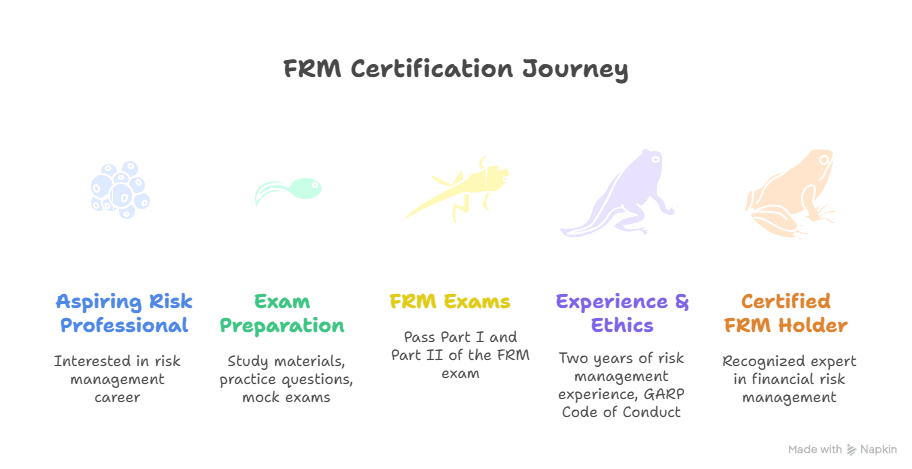
  • FRM (Financial Risk Manager)
  • CIMA (Chartered Institute of Management Accountants)
  • NISM & NCFM Modules for Indian regulatory knowledge
  • CPA (Certified Public Accountant) for global mobility

These demonstrate expertise and dedication to recruiters worldwide. Completing these certifications also proves your commitment to continuous learning & can significantly boost your salary potential and career trajectory.

MBA for Investment Banking: Is It Worth It?

Absolutely. An MBA for investment banking acts like a career catalyst. Here’s why:

  • It helps transition from mid-level roles to leadership
  • Many top recruiters visit B-schools for campus hiring
  • It offers networking opportunities with alumni and industry experts

Focus on Tier-1 institutes like IIMs, ISB, XLRI, or global names like INSEAD and London Business School. Apart from the degree, the peer learning and case-study approach of MBA programs sharpen decision-making and leadership skills essential for investment bankers.

Top Finance Courses for Banking Jobs

Apart from traditional degrees, consider these top finance courses for banking jobs:

  • Certified programs in Investment Banking (like those from Imarticus Learning)
  • Online courses on platforms like Coursera or edX
  • Executive programs from NSE, BSE Institute, or IIMs

These equip you with both theoretical understanding and hands-on training. Some programs also include placement support, industry mentorship, and access to real-time trading simulations, making them extremely valuable for beginners and professionals alike.

Skills Needed for Investment Banking Roles

career in investment banking

While qualifications matter, your skills determine your success.

  • Top Skills Needed for Investment Banking:
  • Financial modeling and valuation
  • Excel, PowerPoint, and data tools proficiency
  • Analytical and problem-solving ability
  • Communication and interpersonal skills
  • Ability to work long hours under pressure
  • Presentation and storytelling skills

A well-rounded profile is what truly builds a standout career in investment banking. Employers value candidates who show leadership potential, adaptability, and commercial awareness in high-stakes financial environments.

Comparing Qualifications

QualificationEntry-Level RoleAvg. PackageGlobal Recognition
B.Com/BBAAnalyst₹4-6 LPAMedium
CAAnalyst/Associate₹8-12 LPAHigh
CFAAssociate₹8-15 LPAVery High
MBA (Tier-1)Associate/Manager₹12-25 LPAVery High
PGP Investment BankingAnalyst/Associate₹7-10 LPAMedium to High

Frequently Asked Questions (FAQs)

1. What is the minimum qualification for a career in investment banking?

 A bachelor’s degree in finance, economics, or business is typically the minimum, but most firms prefer candidates with additional certifications or post-graduate degrees.

2. Is CA better than MBA for investment banking?

 Both have their strengths. CAs bring deep financial expertise, while MBAs offer strategic and managerial exposure, especially from Tier-1 schools.

3. Can engineers become investment bankers?

 Yes, especially if they pursue an MBA or CFA to gain finance knowledge. Many top IB professionals are engineers with finance specialisations.

4. How important is CFA for investment banking?

 CFA is highly regarded. While it doesn’t guarantee a job, it significantly boosts credibility and global employability.

5. What GPA or academic record is needed?

 A consistently strong academic record (above 75%) is often a requirement, especially when applying to top banks or MBA programs.

6. Are online certifications valid for investment banking?

 Yes, if they are from reputed platforms and cover core skills like valuation, M&A, and financial modelling.

7. Is an MBA mandatory for mid-career shifts to investment banking?

 Not mandatory, but highly recommended. It enhances career switch opportunities and access to IB networks.

8. What are the top institutes for finance courses?

 IIM Ahmedabad, ISB, XLRI, and institutions like Imarticus, BSE Institute, and NSE Academy are popular choices.

9. How long does it take to build a career in investment banking?

 It usually takes 2-5 years post-graduation to land a strong role, depending on qualifications and networking.

10. Do investment banks hire freshers?

 Yes, especially from top colleges or through certification-based programs that offer placement support.

Key Takeaways

  • A career in investment banking requires a mix of education, certifications, and skills.
  • Start with a finance-based degree and build up with CFA, MBA, or specialised PG courses.
  • Hands-on skills and real-world application matter just as much as theoretical knowledge.
  • Aspirants have multiple pathways, from CA and CFA to B-school and online certifications.

Conclusion

Investment banking is more than a job; it is a career racked with high stakes and high rewards. Entry for a fresh graduate or a mid-career changer – the right combination of qualifications, skills, and strategy will divert good fate onto a prosperous road. Start with goal setting, map possible educational courses, earn certifications, and – most importantly – build a personality that radiates competence and confidence in every direction. Once the candidate invests in the adequate preparation, the effulgent financial market awaits.

External Links:

How to get into investment banking

Investment banking careers

AI for Data Analytics: How Artificial Intelligence is Transforming Decision-Making in 2025

In the data-overflowing world, making sense of it all seems highly impossible. Businesses are in a constant pursuit of an edge concealed amidst mountains of data. The good news is that AI for data analytics is becoming an enabler, redefining decision-making processes in the year 2025. 

Gone are the days of intuition-based decisions or those made through obsolete Excel sheets. AI-enabled insights equip organisations to cut through noise, isolate patterns, and make decisions faster and more cleverly. For all the data geeks, business heads, and just the technically curious out there, this blog will break down the ways AI for data analytics is bending decision-making in ways that we couldn’t have even fathomed a few years ago.

Table of Contents

  • The Rise of AI in Business Analytics
  • Machine Learning for Data Analysis: The Backbone of AI Insights
  • Data-Driven Decision Making: A New Standard
  • AI-Powered Analytics Tools Changing the Game
  • The Future of Data Science and AI: What’s Next?
  • Key Takeaways
  • Frequently Asked Questions (FAQs)
  • Conclusion

The Rise of AI in Business Analytics

The use of AI in business analytics is not only a trend, but a revolution. In 2025, businesses of all industries are tapping into AI to better comprehend their operations, customers, and markets. AI algorithms, with the ability to process structured and unstructured data of magnitude, bring about real-time insights that were previously unimaginable.

Companies no longer need to wait for manual reports or past data. AI now facilitates continuous predictive analytics, sentiment analysis, and automated reporting at record-breaking speed and precision. This change allows decision-makers to anticipate actions before market and competitive action arises.

AI for data analytics

Main Advantages of AI Business Analytics

  • Real-time analytics for large, messy data
  • Predictive analysis for proactive decision-making
  • Improved customer experience through personalisation
  • Automated report automation and anomaly detection
  • Competitive edge with quicker interpretation of data

Machine Learning for Data Analysis: The Pillar of AI Insights

Machine learning is at the core of AI for data analytics. Intelligent machines learn from patterns in the data & get better over time.. rendering them invaluable for discovering latent relationships and trends within large pools of data.

Machine learning for data analysis drives everything from bank fraud detection to factory predictive maintenance. It allows businesses to shift from -reactive to proactive, minimizing risks & maximizing opportunities.

Table: Common Applications of Machine Learning for Data Analysis

ApplicationIndustryImpact
Fraud DetectionBanking & FinanceIdentifies suspicious transactions fast
Predictive MaintenanceManufacturingReduces downtime and maintenance costs
Customer Behaviour ModellingRetail & E-commerceEnhances targeted marketing strategies
Risk AssessmentInsuranceImproves underwriting and claim handling
Healthcare DiagnosticsHealthcareAssists in early and accurate diagnoses

Data-Driven Decision Making: The New Standard

If your organization is not adopting data driven decision making.. you’re already lagging behind. In 2025, decisions based on instinct alone will no longer do. With AI, companies can support every decision with hard data evidenced from good data.

Thanks to artificial intelligence for data analytics.. even non-tech leaders have access to visual dashboards & easy-to-understand reports – making informed decisions more accessible than ever before. From pricing to resource allocation, data-driven insights now inform almost every business function.

Benefits of Data-Driven Decision Making

  • Minimizes decision-making bias
  • Rapid response to market changes
  • Enhances operational efficiency
  • Maximizes profitability and minimizes waste
  • Drives innovation with actionable insights
  • AI-Powered Analytics Tools Revolutionizing the Game

The recent explosion of AI-driven analytics software has made sophisticated data insights accessible to everyone. Large companies & small alike can utilize such tools in 2025 without necessarily requiring an army of data scientists.

From automated dashboards to natural language processing (NLP)- that interprets intricate data in simple English, these devices make decision-making easy for all members of organisation. Tools such as Tableau, Power BI & Google’s Looker are integrating AI to make data more accessible and actionable.

Most Popular AI-Powered Analytics Tools in 2025

  • Tableau with AI Extensions – Predictive insights, smart alerts
  • Microsoft Power BI – AI-driven data visualisation and reporting
  • Google Looker – AI-enhanced business intelligence
  • Qlik Sense – Machine learning augmented analytics
  • IBM Watson Analytics – Predictions and automated data exploration

Need to become proficient in these and acquire hands-on skills? Join the Postgraduate Program in Data Science and AI by Imarticus Learning. It’s crafted to enable professionals to stay ahead of the curve with the AI-driven analytics revolution.

The Future of Data Science and AI: What’s Next?

The future of data science & AI looks – bright, dynamic, and truly inspiring. In 2025, the evolution is happening with the convergence of AI alongside blockchain technology, edge computing, and the Internet of Things (IoT). This array of technologies is paving the way for efficient, safe, and real-time analytics environments.

It is expected for AI to grow in explainability and to grow ethical while being intertwined with everyday working functions. As generative AI and low-code platforms gain strength, even non-technicians shall be capable of contributing to the AI map, thereby transforming the workforce dynamics.

New Trends That Will Define the Future of Data Science and AI

  • Explainable AI (XAI) to provide transparency and trust
  • Generative AI generating realistic data for training models
  • AI at the Edge enabling real-time insights with zero latency
  • AI-driven Automation eliminating repetitive tasks
  • Hybrid AI Models that integrate symbolic and machine learning methodologies

For an in-depth look at these trends.. see sources such as Gartner’s AI Trends 2025, McKinsey’s AI Adoption Insights, and Forbes’ AI Future Predictions.

Key Takeaways

  • AI for data analytics is transforming business decision making in 2025.
  • Combining AI with business analytics provides real time knowledge & competitive strengths.
  • Machine learning for data analysis helps in discovering patterns & facilitate forward thinking decision-making.
  • Organisations that adopt data-driven decision making become more efficient and profitable.
  • AI-powered analytics platforms are democratizing advanced insights for everyone.
  • The future of AI and data science is defining a future where AI is ethical, explainable, and deeply embedded.

Frequently Asked Questions (FAQs)

1. How much have new advancements of AI for data analytics disrupted business in 2025?

 Fast and accurate insights have become just a matter of giving the AI the data, yet this allowed businesses in making smarter choices, foreseeing trends, and improving operation efficiencies more than ever. 

2. What effect does machine learning for data analysis have on the transformation?

 Machine learnings build pattern recognition, outcome prediction, and automate data analysis and, therefore, are at the heart of AI-driven decision-making processes.

3. Would these AI-powered analytics tools work for a small business?

 Indeed, many AI-powered analytics tools provide scalable solutions intended for small and medium enterprises so that they may, in the end, access further insights sans big budgets. 

4. How would AI diminish bias during decision-making?

 Depending on the observation of data patterns rather than human intuition, bias would be diminished while all decisions are based on logic and evidence. 

5. Why is it essential to make decisions based upon clear data?

When organisations make decisions from data, they can respond to changes quickly, reduce the risk caused in operations, and sharpen the allocation of resources towards better performances. 

6. How will the future of data science and AI impact jobs?

While some repetitive roles may be automated, new opportunities will emerge for professionals skilled in AI, data science, and analytics, making continuous learning essential.

7. Can non-technical professionals leverage AI for data analytics?

Yes, thanks to user-friendly AI-powered tools and platforms, even those without technical backgrounds can access, interpret, and act on data insights.

8. What industries are seeing the biggest impact from AI in business analytics?

Industries like finance, healthcare, retail, and manufacturing are experiencing significant benefits through improved forecasting, risk management, and customer engagement.

9. What are the ethical concerns around AI for data analytics?

Key concerns include data privacy, algorithmic bias, and lack of transparency, which is why there’s a growing focus on explainable and ethical AI practices.

10. Where can I learn more about AI and data analytics?

A great place to start is the Imarticus Learning Data Science and AI Program, which offers hands-on training in the latest tools and techniques to future-proof your career.

Conclusion

Data analytics, when harnessed by AI, is simply unrivaled. Going into 2025, AI is not only augmenting technological capacities in analysing data but transforming the decision-making processes, problem-solving, and value creation. With AI within business analytics, machine learning speeding up data interpretation, and analytics tools easy for end users to operate, organisations have more than ever been equipped to stay afloat in the era of data.

To professionals, staying ahead means embracing continuous learning and mastering tools that drive the modern decision-making processes. Future lies in using AI, data science, and analytics in unison-and this future is loaded with opportunities.

Are you ready to protect your career? Check out the Postgraduate Program in Data Science and AI by Imarticus Learning and walk that path towards becoming a data-driven leader.

ACCA vs CA in 2025: Which Accounting Qualification Gives You a Global Edge?

Accounting qualifications have long been a ticket to a stable, lucrative, & respected career. But in 2025, with global finance evolving rapidly, Indian students & professionals are asking a new question: Which qualification gives me a true global edge? The two most popular contenders are the ACCA vs CA, both prestigious, but offering different paths.

 In this blog, we’ll break down the difference between ACCA & CA, compare their global recognition, & help you decide which is the right fit based on your aspirations. Whether you’re a student finishing your 12th, a commerce graduate… or a finance professional eyeing global mobility, this comparison is tailored for you.

ACCA vs CA

Table of Contents

  •  Understanding ACCA vs CA
  •  ACCA Course with Placement in India: Career Opportunities
  •  Difference Between ACCA & CA: Comprehensive Comparison
  •  Global Reach: Why Choose a Global Accounting Qualification?
  •  Best ACCA Institute in India: Choosing the Right Training Partner
  •  Imarticus ACCA Program Benefits: What Sets It Apart?
  •  Key Takeaways
  •  FAQs
  •  Conclusion

Understanding ACCA vs CA

The world of accounting is no longer restricted by borders. In 2025, companies seek professionals who understand global standards, international taxation, & cross-border financial reporting. That’s where ACCA vs CA becomes an essential comparison.

CA (Chartered Accountant) is a prestigious qualification governed by the Institute of Chartered Accountants of India (ICAI). It is widely respected within India & carries significant weight in the Indian corporate & finance ecosystem.

Conversely, the ACCA (Association of Chartered Certified Accountants) is an internationally recognised accounting qualification with its roots in the UK with members and affiliates working in over 180 countries, is heavily rooted in International Financial Reporting Standards (IFRS) and is therefore very worthwhile for those seeking international positions.

Quick Comparison Table

FeatureACCACA
Governing BodyAssociation of Chartered Certified Accountants (UK)Institute of Chartered Accountants of India (ICAI)
Global RecognitionRecognised in 180+ countriesPrimarily recognised in India
Focus AreasIFRS, Global Finance, TaxationIndian Laws, Taxation, Auditing
Duration2-3 years4-5 years
FlexibilityHigh – online exams, global centresLimited – rigid exam schedules
Pass RatesModerateRelatively low
Placement SupportAvailable through partnersVaries by institute

ACCA Course with Placement in India: Career Opportunities

The growing demand for globally competent finance professionals has made the ACCA course with placement in India incredibly appealing. Indian companies, MNCs & global financial hubs are actively recruiting ACCA-qualified candidates.

 In 2025, placement support for ACCA in India has become more structured, especially through reputed training partners like Imarticus Learning. Top recruiters range from Big 4 firms to international banks… & consulting giants.

Career Opportunities after ACCA in India

  • Financial Analyst Roles in MNCs
  • Global Taxation & Compliance Positions
  • Auditing & Assurance in Big 4 Firms
  • IFRS Specialist Positions
  • Management Accounting Profiles
  • Financial Reporting Roles for Global Clients
  • Corporate Finance Opportunities

For those looking to balance global career prospects with placement opportunities within India, enrolling in an ACCA course with placement in India provides the perfect mix…

Difference Between ACCA & CA: Comprehensive Comparison

When evaluating ACCA vs CA -understanding the structural & career-oriented differences is crucial. Both qualifications are rigorous, but they open doors to different opportunities.

 ACCA offers global flexibility, shorter completion time, & an emphasis on international standards. CA, meanwhile, is rooted in the Indian regulatory framework… ideal for careers in domestic taxation, auditing, & legal compliance.

Recognition:

ACCA: Global, with opportunities in over 180 countries.

CA: Respected primarily in India, with some international scope.

Duration:

ACCA: Approximately 2-3 years with flexible exams.

CA: Typically takes 4-5 years, with strict exam schedules.

Syllabus Focus:

ACCA: IFRS, international auditing, global tax systems.

CA: Indian taxation laws, auditing practices, corporate regulations.

Career Scope:

ACCA: MNCs, global finance teams, international banking.

CA: Indian corporates, auditing firms, taxation roles.

Exam Difficulty:

ACCA: Challenging yet manageable, modular approach.

CA: Notoriously tough with low pass rates.

Global Reach: Why Choose a Global Accounting Qualification?

The finance landscape in 2025 is increasingly becoming borderless. Businesses demand professionals who can seamlessly operate across jurisdictions. This is where a global accounting qualification like ACCA provides immense value!

 With ACCA, you gain expertise aligned with IFRS, which is adopted by over 120 countries. It also enhances your credibility when applying to global firms… be it in India, Dubai, Singapore, the UK, or beyond.

According to ACCA Global’s 2025 report (source), 70% of finance jobs will require international accounting knowledge, making a global qualification essential.

 Thus, if your ambition is to work with global clients or relocate abroad, ACCA vs CA tilts heavily in favour of ACCA.

Best ACCA Institute in India: Choosing the Right Training Partner

Your success with ACCA largely depends on the institute you choose. A well-structured program, expert faculty, & placement support are key factors when selecting the best ACCA institute in India.

Here’s what to look for in your training partner:

  • Comprehensive study material aligned with ACCA’s global syllabus.
  • Faculty with industry & international expertise.
  • Placement assistance with top global firms.
  • Real-world case studies & projects.
  • Access to mock tests & exam preparation tools.

Institutes like Imarticus Learning have emerged as a preferred choice for many aspiring accountants… offering structured programs, experienced faculty, & impressive placement records.

Imarticus ACCA Program Benefits: What Sets It Apart?

Selecting the best program can greatly impact your ACCA path. The Imarticus ACCA program has advantages that extend beyond classroom learning and focus on your holistic development as a future profession. 

Why choose the Imarticus ACCA Program? 

  • Global Curriculum: The program follows an international curriculum and will equip you with the ability to engage in global opportunities. 
  • Placement support: To assist you as you first enters the career world through access to job opportunities from MNCs, Big 4 firms, and top Indian corporates. 
  • Industry Mentorship: Learn from the best along the way as you learn, experienced professionals in your field. 
  • Flexible Learning: Online and blended learning formats allow for a feasibility with your existing commitments. 

If you’re serious about building a global accounting career… consider enrolling for the ACCA program by Imarticus Learning.

Key Takeaways

  • The ACCA vs CA debate depends on your career aspirations—global or domestic.
  • ACCA course with placement in India offers structured job opportunities for global finance roles.
  • The difference between ACCA & CA lies in syllabus, recognition, & career scope.
  • A global accounting qualification like ACCA boosts international employability.
  • Choosing the best ACCA institute in India like Imarticus enhances your success chances.
  • The Imarticus ACCA program benefits make it a top choice for Indian students…

FAQs

1. Is ACCA tougher than CA?

 Generally, considered tougher are the exams for CA given the low passing percentages and the long duration of the exams, whereas ACCA is more of a modular system and flexibility pertaining to structure makes it manageable in the journey. 

2. Can I do ACCA after 12th in India?

 Of course; one can take ACCA after 12th commerce or equivalent studies, making it a good option for the early starters who wish for a global certification.

3. Does ACCA provide placement in India?

 Indeed, especially when joining through reputed institutions, such as Imarticus Learning, which offer the ACCA course with placement in India. 

4. Which has better global recognition, ACCA or CA?

 Having said that, ACCA has better global recognition with acceptance in 180 countries, whereas CA commands great respect within India alone.

5. Can I work abroad with a CA qualification?

 While possible, it’s more challenging… Additional exams or qualifications may be required, unlike ACCA, which is recognised globally.

6. How long does it take to complete ACCA?

 Typically, it takes 2-3 years to complete ACCA, depending on your dedication & exemptions based on prior qualifications.

7. Is ACCA valid in India?

 Yes, ACCA is valid in India & increasingly preferred by MNCs & global companies operating here.

8. What is the average salary after ACCA in India?

 Starting salaries range from INR 6-8 LPA. for ACCA affiliates, with experienced professionals earning significantly more! .. especially with global exposure.

9. Which is the best ACCA institute in India?

 Imarticus Learning is often considered among the top institutes due to its -structured curriculum, expert faculty, & strong placement support.

10. Are there any recent trends supporting global accounting careers?

 Yes, according to Deloitte’s Global Accounting Trends, there’s an increasing demand for professionals with international finance & IFRS expertise.

Conclusion

In 2025, the choice between ACCA vs CA depends entirely on your career vision. If you aspire to work with global clients, relocate abroad, or gain expertise in international finance… ACCA is the clear winner. For those focused on domestic taxation, auditing, & compliance within India, CA remains the gold standard.

 Align your education as per your goals. With the global accounting qualification of ACCA, backed by programs from the best ACCA institute in India, you can present yourself as a finance professional who is competitive in the global market.

 So analyze your goals, understand the difference between ACCA & CA, and make the next move in your global finance career.

External Source: Read more about global finance career trends on PwC Global Trends 2025.

Not Just Crypto: Why a Blockchain Course Is Now Essential

Table of Contents

  • Introduction
  • Blockchain in Banking and Finance: The Larger Picture
  • Best Blockchain Course in India: Making the Right Choice
  • Blockchain Certification for Finance Professionals: The Competitive Advantage
  • Digital Banking and Blockchain: The Match Made in Heaven
  • Fintech and Blockchain Training Program: Closing the Gap
  • Key Takeaways
  • FAQs
  • Conclusion

Introduction

If you’ve ever thought that blockchain was only for crypto obsessive or Bitcoin investors, it’s time to train your thoughts, because the technology that powered this new week’s cryptocurrency advancement is now taking phenomenal strides to revolutionise the entire banking/finance sector – quietly, but powerfully. Blockchain is now a part of most aspects of what a modern bank does – from transactions, to security, to contingency plans, and compliance, it will continue to lay an increasingly embedded foundation for the banking industry. 

Blockchain course

If you’ve thought that understanding blockchain is optional and wouldn’t affect your future career in banking/finance, you may need to rethink that. A Blockchain course is quickly turning into a must-have for everyone looking to secure or create a future-proof career in banking and finance.

Blockchain in Banking and Finance: The Bigger Picture

Banking and finance is being fundamentally changed at almost an exponential rate by blockchain technology. At its simplest definition, blockchain is a method of secure, decentralized digital ledger that publicly records transactions. However, blockchain has many more potential uses beyond cryptocurrencies such as Bitcoin or Ethereum.

In banking, blockchain has the ability to settle transactions in real time, prevent fraud, aiding compliance, and offering better operational efficiencies sake. Among Indian and global bank there are already many pilots of blockchain solutions for payments, trade finance, and security of data.

Main Applications of Blockchain in Banking and Finance

Application AreaHow Blockchain Adds Value
Payments & SettlementsFaster, real-time cross-border transactions
Trade FinanceTransparent, tamper-proof documentation
KYC & ComplianceShared, secure digital identities
Fraud PreventionImmutable transaction records
Smart ContractsAutomated, self-executing agreements

The growth of blockchain in finance and banking has already created a huge demand for professionals well-versed in blockchain knowledge.

Best Blockchain Course in India: Selecting the Optimal Direction

The Indian financial sector is implementing blockchain fast, with top lenders such as SBI, ICICI Bank, and HDFC testing its use cases. But bookish knowledge is not going to suffice. In order to effectively leverage the opportunities, professionals must have industry-specific, structured learning.

A Banking and Finance Blockchain course offers real-world skills, use-case-oriented learning, and globally accepted credentials. But how do you choose the best blockchain course in India when choices are many?

Here are key things to look at:

  • Industry-Relevant Curriculum with financial services use cases
  • Faculty with practical experience in banking and blockchain projects
  • Hands-On Learning through simulations, case studies, and live projects
  • Certification Recognition by employers and industry bodies
  • Placement Support or career guidance to utilize your talents

For Indian finance experts, the appropriate blockchain course is more than a certification—it’s a career catalyst.

Blockchain Certification for Finance Professionals: The Competitive Advantage

With a competitive banking industry, acquiring a blockchain certification for finance professionals can make all the difference. Recruiters now want individuals who know how blockchain operates within regulatory environments, risk management, and financial operations.

Finance-focused blockchain certifications show you can:

  • Understand blockchain protocols and infrastructure
  • Use blockchain in trade finance and payment systems
  • Handle regulatory and legal uses of blockchain
  • Implement financial product smart contracts
  • Increase security and transparency in bank transactions

A respected blockchain course dedicated to finance empowers you with exactly these skills, enhancing your cv for positions like:

  • Blockchain Analyst – Banking
  • Digital Payments Specialist
  • Compliance and Risk Analyst
  • Trade Finance Operations Manager
  • Digital Banking Product Manager

Digital Banking and Blockchain: The Ideal Match

With digital banking the new norm in India, the integration of blockchain is the next step. With mobile banking apps, real-time fund transfers, and more, customer demands for speed, security, and transparency are mounting.

Digital banking and blockchain combined make for a strong ecosystem in which transactions are:

  • Instantaneous
  • Secure and tamper-proof
  • Highly transparent
  • Cost-effective

Indian banks are already investing in blockchain pilots for remittances, loan processing, and KYC. Those with blockchain knowledge will be leading the development and operation of these digital banking platforms.

How Blockchain Fuels Digital Banking

  • Binds transaction processing times from days to minutes
  • Makes peer-to-peer payments secure
  • Secures mobile banking
  • Facilitates customer onboarding using blockchain-based KYC
  • Reduces operating expense through process automation
  • Optimizes compliance with transparent audit trails
  • Prevents fraud with unalterable transaction histories
  • Facilitates cross-border remittances at reduced fees
  • Enables innovative digital financial products
  • Enhances data privacy and protection

A blockchain course developed specifically for digital banking gets you prepared for these leading-edge jobs.

Fintech and Blockchain Training Program: Bridging the Gap

The convergence of blockchain and fintech is where banking’s future is located. India is experiencing a boom of fintech companies disrupting lending, payments, wealth management, and beyond—using blockchain as an enabler.

A well-structured fintech and blockchain training program assists finance professionals in filling the knowledge gap. It allows them to:

  • Understand blockchain’s application in digital wallets and payments
  • Learn about decentralised finance (DeFi) platforms
  • Discover blockchain-based credit and lending models
  • Analyze actual blockchain fintech success stories
  • Utilize blockchain in regulatory technology (RegTech)

Regardless of whether you’re targeting a fintech startup or innovation team in a bank, taking a blockchain course with a fintech emphasis is priceless.

Table: Fintech Innovations Driven by Blockchain

Fintech AreaBlockchain Impact
Digital PaymentsSecure, real-time peer-to-peer transactions
Lending & CreditBlockchain-based credit scoring and smart contracts
Wealth ManagementTokenised assets and transparent trading
RegTechAutomated compliance using blockchain records
InsuranceSmart contracts for faster claims processing

Looking to future-proof your banking career? Check out the Post Graduate Program in Banking and Finance by Imarticus Learning—curated to meet today’s digital banking and blockchain requirements.

Takeaways

  • Blockchain is transforming banking and finance, way beyond cryptocurrencies.
  • A blockchain course is the need of the hour for finance professionals to remain competitive.
  • The best blockchain course in India provides industry-focused practical learning.
  • Blockchain certification for finance professionals gives a competitive advantage.
  • Blockchain and digital banking are powering next-generation banking innovation.
  • Blockchain and fintech training programs will be essential to ride out future disruptions.

FAQs

1. Is blockchain useful for anything apart from cryptocurrency?

 Yes absolutely, blockchain has use cases in banking that deal with processes other than cryptocurrencies like Bitcoin, namely payments, compliance and more.

2. How does blockchain enhance security in banking?

 Once a transaction is recorded on the blockchain in a decentralised ledger, it is impossible to go back and change any details at a later date. This significant added security and option reduces cases of fraud.

3. Why should finance professionals take a blockchain course?

 Taking a blockchain course provides finance professionals skills that are important when using blockchain to streamline accurate and secure financial processes, making them much more competitive.

4. Which roles will need blockchain knowledge in the banking industry?

 Current roles that already have or will soon have a blockchain component include: Blockchain Analyst, Compliance Specialist, Trade Finance Manager and Digital Product Manager to name a few.

5. Is blockchain being used in Indian banks?

 Yes, several major Indian banks including State Bank of India (SBI), ICICI and HDFC are testing various blockchain use cases including remittances, trade finance and more.

6. How will blockchain support digital banking?

 Blockchain will allow secure transactions to be processed much faster, help KYC processes become more efficient and cheaper, while also enhancing the overall digital banking experience.

7. What is the relationship between fintech and blockchain?

 Fintech firms use blockchain in payments that are secure, smart contracts, decentralised finance, and automated compliance.

8. What is the best blockchain course in India? 

 The best blockchain course in India will combine a finance oriented course, practical learning, real world industry certification, and job support.

9. Can blockchain help in preventing banking fraud?

 Yes.. blockchain’s tamper-proof records make it much harder to commit fraud or manipulate transaction data.

10. Is a blockchain certification enough to get a job in banking?

While a certification boosts your profile – combining it with practical skills, financial knowledge, and industry exposure offers the best job prospects.

Conclusion

Blockchain is not the future, it’s the present of contemporary banking. As a vehicle for security and powering innovation in digital banking, its influence cannot be overstated. For students and professionals in finance in India, there is no longer any question of a blockchain course being optional. It is now a necessary part of your learning.

By developing your education based on blockchain, you are getting more than a job, you are becoming future-ready for a profession that is ever-changing in the world of banking and finance.

Begin your journey today—join a blockchain-oriented banking course and drive the change.

External References:

External References:

  1. World Economic Forum on Blockchain’s Future
  2. PwC Report on Blockchain in Financial Services
  3. Indian Banks Exploring Blockchain

Digital Skills Dominate: Future-Proof Your Finance Career with the Right Training

The finance sector is caught amid a seismic shift. As digital transformation sweeps through banking, capital markets, and financial services, the rules governing hiring and career development are being rewritten.

Those days are over when financial positions need accounting knowledge or regulatory awareness alone. Financial experts of today need to integrate financial literacy along with digital acumen, and the change is gaining momentum.

If you’re a student examining your initial finance position, a professional looking to advance, or someone looking to get into finance, you must respond to an important question:

Are you equipped with the digital skills required by today’s finance sector?

Summary: What You’ll Learn

  • Digital skills are essential in finance today because of the growth of AI, automation, and analytics.
  • Finance jobs are transforming from conventional roles to technology-driven jobs such as Digital Financial Analyst, Risk Technologist, and FinTech Product Manager.
  • Most sought-after skills include Excel automation, Python for finance, data visualisation, financial modelling, and working experience with cloud-based financial platforms.
  • The Imarticus Learning Postgraduate Financial Analysis Program offers vocational, job-ready training in financial analysis and digital tools.
  • Created for graduates and professionals to succeed in high-growth finance jobs
  • Comprises placement assistance, real-world projects, and high industry relevance

The Shift: Why Finance Professionals Need Digital Skills Now

Technology is no longer back-office support; it’s core. The World Economic Forum says that 97% of Financial Services employers in the world think AI and automation will drastically change their businesses.

The message is stark:

  • Automation is automating time-consuming financial processes like bookkeeping, reconciliations, and reports 
  • Data analytics is transforming the way we conduct investment research, model risk, and make decisions 
  • Digital solutions are vastly improving customer service, payment processes, and internal activities
  • Cybersecurity and cloud computing will be essential to business continuity and the integrity of financial information

In short, digital-skilled finance is no longer the old way of doing things.

The Finance Jobs of the Future

New jobs that combine finance and technology are appearing. These jobs require hybrid skill sets, which combine business and digital skills.

Emerging Role Skill Requirements
Digital Financial Analyst Excel, SQL, Tableau, Python, forecasting models
FinTech Product Manager Financial knowledge, Agile tools, APIs, and UX awareness
Risk Technologist Data modelling, AI/ML understanding, and regulatory systems
Compliance & AML Analyst Automated KYC, AI pattern detection, RegTech tools
Investment Data Analyst Python, Bloomberg/Reuters terminals, data visualisation

Even more conservative professions, such as Chartered Accountants, CFOs, and Risk Managers, have been expected to develop digital skills to remain impactful and pertinent.

In-Demand Digital Skills in Finance

Let’s break down the most in-demand digital skills in the financial industry:

1. Advanced Excel + Automation

Aside from macros and pivot tables, the modern professional automates financial activities through Power Query, Power BI, and VBA.

2. Python for Finance

Risk modelling, portfolio optimisation, algorithmic trading, and financial forecasting utilise Python.

3. Data Visualisation & BI Tools

Tableau and Power BI enable raw financial data to be transformed into actionable insights that stakeholders can use.

4. Cloud-Based Financial Platforms

Knowledge of how to implement platforms such as SAP, QuickBooks, Xero, and Tally ERP in a cloud environment is critical to enable real-time reporting and collaboration.

5. Financial Modelling

Creating interactive models with digital tools is a required skill for analysts, investment bankers, and FP&A professionals.

6. RegTech & Compliance Tools

As regulation and digitisation grow, tools that track compliance workflows and flag fraud using artificial intelligence are gaining traction.

Career Risk: What Happens Without Digital Skills

Without a digital base, even top-tier finance professionals stand at risk of stagnation. Here’s what you stand to lose:

  • Restricted career advancement by not being able to contribute to tech-based projects
  • Job loss as human-based processes are automated
  • Lower salary prospects due to a lack of modern skill sets
  • Lower employment opportunities in contemporary finance, investment, and FinTech companies

No matter if you’re new to the field or have experience working in it for years, digital skills are the non-negotiable layer in your career advancement plan.

The Solution: Study Finance with Technology at the Centre

Postgraduate Financial Analysis Program by Imarticus Learning

This isn’t another finance course; it’s a career catalyst for the digital age of finance.

What Sets This Program Apart?

Industry-Approved Curriculum

Co-developed with industry experts to cover financial analysis, Excel modelling, valuation, Python for finance, and Tableau

Hands-On Learning

Practical skills through real-world projects, case studies, and simulations to make recruiters sit up and take notice

Job-Relevant Outcomes

Resume creation, interview practice, and placement guarantee support

Digital Tools Covered

MS Excel (Advanced), Python, Power BI, Tableau, Bloomberg terminal simulations

Who Is This For?

  • Recent graduates (B.Com, BBA, BA Eco, etc.)
  • Working professionals in accounting, audit, or traditional finance functions
  • Professionals seeking a career transition to FinTech, investment analysis, or financial consulting

Career Paths You Can Pursue:

  • Financial Analyst
  • Valuation Consultant
  • Risk Analyst
  • Business Intelligence Analyst
  • FinTech Associate
  • Equity Research Associate

Learn about the Postgraduate Financial Analysis Program and get started on a career that is in line with the future of finance.

 Featured Snippets FAQs

Why do finances need digital skills?

Digital skills are essential for automating, analysing data, building financial models, and working with AI-powered tools – the core of finance careers today.

Which digital skills should I develop to build a finance career? 

The top digital skills are advanced Excel, Python for finance, Tableau or Power BI, cloud-based financial platforms, and data modelling.

What jobs need digital finance skills?

Jobs like Digital Financial Analyst, FinTech Product Manager, Compliance Analyst, and Investment Data Analyst need strong digital skills.

Which course builds digital skills for finance careers?

Imarticus Learning’s Postgraduate Financial Analysis Programme is designed to equip individuals with practical financial and digital skills for contemporary jobs.

Last Thought: Adapt Now, Thrive Later

The supremacy of digital capabilities in finance isn’t a future phenomenon; it’s the current reality. Whether you want to join, expand, or shift in the space, upskilling in digital finance is your best bet.

The question is not “if” digital will impact your finance career.

 It’s “when” and whether you’ll be ready.

Explore the Postgraduate Financial Analysis Program today and take your next confident step into the future of finance.

Why Big Data Specialist Is the #1 Career by 2030

The Big Data Specialist position stands out as a high-value career choice in today’s data-centric world, especially for new entrants into the professional world. As organisations attempt to realise more value from expanding volumes of data, the ability to scale up data processing, analysis, and interpretation has become an urgent skill to have across sectors. International career opportunities continually list Big Data Specialists among the fastest-growing and most in-demand positions globally, with strong growth expected to extend well beyond the 2030s and into an unpredictable future.

What is a Big Data Specialist?

The most notable responsibility of a Big Data Specialist is to take unstructured, potentially complex raw data and translate it into meaningfully actionable content. He/She is an interpreter of the giant datasets for patterns that enhance business direction, productivity, and innovation. Big Data Specialists are in high demand across various sectors, including healthcare, finance, real estate, logistics, and transport. 

On any day, a Big Data Specialist is cleaning the raw data, organising it, building scalable data pipelines, and performing high-level analytics with applications like Hadoop or Spark. Finally, a Big Data Specialist will typically be acting on data insights on cross-functional teams to make data-inspired, actionable business decisions.

Why Big Data Is So Important to the Future

Data is increasing at a historic rate. Every transaction online, sensor, social media update, and even any interaction with a customer generates potentially helpful information. Estimates place the information generated annually at a staggering 175 zettabytes by the year 2030. The magnitude of this figure alone is almost unimaginable, presenting opportunities for careers to handle it.

Global workforce studies place “Big Data Specialist” in the #1 most rapidly growing technical occupation by net percentage increase. It’s no trend, however—it’s a movement within the tectonic plate of business operations. The people who can bring in, store, and analyse vast amounts of data will power decision-making across industries.

The increased demand also mirrors the challenge presented by the profession’s vocational demands. The growing need for professionals who can apply analytics in practical contexts is driving the demand for more data science & analytics courses, such as Imarticus Learning’s Postgraduate Program in Data Science & Analytics. The program provides learners with practical, real-world training on data tools, statistical methods, and the resolution of real-life business issues, preparing them for industry and big data work common in large organisations. 

Key Skills You’ll Need to Succeed

To be successful as a Big Data Specialist requires technical and strategic capabilities, including:

  • Data processing tools (Hadoop, Spark, Kafka)
  • Programming (R, SQL, Python)
  • Cloud platforms (GCP, Azure, AWS)
  • Data modelling and wrangling
  • Communication skills to interpret data insights into business action

The people who do these well will be extremely high in demand, not just in technology, but even in industries attempting to transform digitally.

Where the Job Market Is Headed

Recruiters are more in demand for data skills than ever in the current world. Big Data career prospects are one of the five fastest-growing careers in India alone due to the increase in digitalisation and fintech advancements. Even the healthcare, media, and education sectors are adopting Big Data in an attempt to increase productivity and offer tailored services.

Industry fact: 86% of the world’s enterprises report that AI and Information Processing – or Big Data – will be the driving force behind business change by 2030. To prepare yourself for this change and build a career in data science, upskill through industry-aligned programs. The Imarticus Learning Data Science & Analytics course offers students a comprehensive learning experience in business analytics and big data technology, combining sufficient theory with balanced project work. Imarticus Learning employs industry specialists to mentor and guide, and the students also have actual data sets to work on, which is ideal for the students to start this new career.

FAQs

Why is Big Data projected to have such significant growth?
All kinds of companies have to use vast amounts of data to stay competitive and reasonable.

What is a Big Data Specialist?
They plan and develop systems to collect, process, and analyse vast datasets to help organisations construct data-driven decision-making capabilities.

Is this usage only in tech companies?
No, finance, healthcare, manufacturing, education, and even the government are employing Big Data specialists.

Do I need computer science skills to become a Big Data Specialist?
Not at all. Every course has a core curriculum that develops technical skills from the ground up.

Where do I start with Big Data?
Learn basic tools such as Python, SQL, and Hadoop, and enrol in an applied, industry-based course like that of Imarticus Learning.


Conclusion: Future-Proof Your Career with Big Data

Big Data Specialists are irreplaceable, without a doubt. They connect the business with the technology, enabling the organisation to make better business decisions, observe trends over time to react to future expected trends in an agile manner, and become more efficient and effective. As digital transformation is rewriting the rules across all industries, this position is future-proof and of endless value.

Take the Next Step Toward a Big Data Career

If you’re looking to pursue a data career, there’s never a better time to do so. Imarticus Learning’s Postgraduate Program in Data Science & Analytics is the ideal beginning towards this sought-after career. Learn about the program and how it can turn your aspirations into reality—and take the first step towards a future-proofed profession.

Ace the Investment Banking Interview 

Taking your first step into the ruthless arena of finance starts with an über first step: nailing the investment banking interview. Cut-throat competition and shoot-from-the-hip expectations will have you primed to impress from question number one to handshake number one. In this guide, we will dissect the most sought-after interview questions of the investment bank, quiz you for customised finance job interview advice, show you how to write a winning investment banking resume, and guide you through steps to achieve success at finance placements.

This guide is your passport to success if you are a graduate or early career candidate looking for your dream job.

Understanding the Investment Banking Interview Process

The investment banking interview process typically follows a sequence of tough phases. The following can be expected:

  • Application Screening: CV and cover letter screened for presentation and appropriateness.
  • Aptitude or Online Tests: Tests of numeracy, verbal skill, and logical reasoning ability.
  • First-Round Interviews: Technical questions as well as behaviour questions.
  • Super Day or Final Round: A sequence of consecutive interviews with different team members, including senior bankers.

Interviewers want to see three things: advanced financial acumen, analytical thought, and culture fit. That is why every question in investment banking interviews is designed to test your crunch time capability.

Most Common Investment Banking Interview Questions (And How to Answer Them)

You will be asked a combination of technical, behavioural, and market questions. A few of the most common high-frequency ones are listed below:

Technical Questions

  • Walk me through a DCF.
  • How would you value a company with no revenues?
  • What are the three statements and how are they related?

Pro Tip: Systematic frameworks. For instance, to delineate valuation, apply intrinsic (DCF) and relative (comps, precedent transactions) approaches.

Behavioural Questions

  • Describe a story when you had to manage an awkward team member.
  • Why do you wish to work as an investment banker?

Tip: Take on the use of the STAR method (Situation, Task, Action, Result) in giving brief, piercing, and effective answers.

Finance Job Interview Tips That Work

Below are tested finance interview tricks embraced by professionals who have coached thousands of career seekers to interview successfully for top IB jobs:

  • Know Your Resume Inside Out

Everything and anything put on it can be requested to justify—so be certain in giving the reason and background behind each line.

  • Read Financial News Carefully

Keep current on IPOs, mergers, rate increases, and worldwide market trends.

  • Mock Interviews

Practice mock interviews with a friend or guide. Emphasize delivery and confidence.

  • Mastery of Mental Math

Unorthodox mental math is required in technical rounds—if the position involves equity research or financial modeling.

  • Dress the Part

Impressions are everything. Dress professionally, formal wear unless otherwise specified.

How to Create a Winning Resume for Investment Banking

Here’s how to make it a winner:

Key ElementDescription
Quantified AchievementsInclude results with numbers — e.g., “Saved 20% operational costs via financial audit”
Action-Oriented VerbsUse words like “analysed”, “executed”, “developed”, “valued”
Technical ToolsHighlight Excel, PowerPoint, Bloomberg, VBA, Python, if applicable
CertificationsList relevant courses like CFA Level 1 or CIBOP™

Bonus Tip: Utilise a clean, one-page design and customise your resume for each opportunity.

How the CIBOP Program Can Give You a Competitive Edge?

The Imarticus Learning Certified Investment Banking Operations Professional (CIBOP™) program is a champion. It gives students industry-sponsored on-the-job training and project work that placement managers adore.

CIBOP™ Key Stats:

  • 100% Job Guarantee
  • 60% Average Salary Increase
  • 7 Interview Guarantees
  • 1000+ Recruitment Partners
  • ₹4 LPA Avg. Salary | Up to ₹9 LPA
  • 1200+ Batches Completed
  • 50,000+ Students Impacted

By pointing out situations in day-to-day life such as anti-money laundering, settlements in trade, and risk of compliance, the course increases work-readiness for highly sought-after jobs such as:

  • Investment Banking Associate
  • KYC Analyst
  • Client Onboarding Associate
  • Regulatory Reporting Analyst
  • Collateral Management Analyst

Building Interview Confidence with Projects and Simulations

Recruiters seek candidates who appear extremely confident with day-to-day usage. CIBOP™ learners rehearse exercises such as:

  • Money Laundering Schemes
  • Trade-Based Compliance
  • Mitigation of Risk in Ethical Banking

These practice exercises hone your industry acumen, so you’ll be interview-ready.

Smart Strategies for Finance Placements

Securing placements into finance careers at great companies is a matter of being ready and visible. Here’s how:

  • Use Your Network

Alumni networks, mentors, and LinkedIn will lead you to warm leads.

  • Show Certifications

Employers will place more value on job guarantee-backed certifications such as CIBOP™ than on bland MBAs.

  • Practice Personal Pitch Decks

Pitch yourself as a brand. Use slide decks to tell your achievements, initiatives, and objectives.

  • Always be Interview-ready

Placement calls can come without warning. Pre-suit, materials, and pitch in advance.

investment banking interview question

Mistakes to Avoid During the Interview

Rehearse repeating as much as you shouldn’t repeat when you rehearse repeating what you must repeat.

  • Don’t Ask Technical Questions

If in doubt, let them know that and ask to follow up on them.

  • Don’t Chat Excessively

Be neat and concise with answers.

  • Don’t Undersell Soft Skills

Numbers aren’t everything — communication, ethics, and teamwork do count.

  • Don’t Miss Company Research

Know their recent deals, revenues, customers, and CEOs.

FAQs

1. What are the most critical phases of an investment banking interview process?

The process usually consists of CV screening, online behavioral and technical interviewing, and an aptitude test followed by a final round of interviews popularly referred to as “Super Day,” where interviewees have consecutive interviews with several senior bankers.

2. What type of questions do investment banking interviews usually consist of?

Be on the lookout for a mix of technical finance questions (i.e., DCF, valuation methods), behavioural STAR questions, and market or economic scenario questions to test your knowledge and thinking.

3. How do I prepare for technical investment banking interview questions?

Refreshes knowledge of the financial modelling fundamentals, principles of accounting, methods of valuation such as DCF and comparables, and mental maths proficiency. Take a structured course like CIBOP™ to get exposed to experiential learning.

4. How does one make a resume look good for investment banking interviews?

Use action verbs, quantify your contribution, list the relevant certifications like CFA or CIBOP™, and emphasize technical tools like Excel, VBA, and Bloomberg. Dress your resume down to one crisp, well-fitted page.

5. Are the soft skills useful in investment banking interviews?

Yes. Communication, team work, ethics, and leadership are tested with commonality along with the finance knowledge. The candidate possessing good hard and soft skills is noticed during placements.

6. What is the CIBOP program and how can it assist in interviews?

Imarticus Learning’s Certified Investment Banking Operations Professional (CIBOP™) offers 100% job assurance, live projects, mock interviews, and industry training that prepares candidate profiles for real investment banking operation roles.

7. What are some common mistakes to be avoided in finance interviews?

Do not be too long-winded, under-prepare for the company, fail to mention soft skills, or make technical shots. Remain calm, brief, and in times of doubt, state your willingness to follow up after researching.

Conclusion

Memorisation isn’t the key to acing all investment banking interview questions. It’s more about understanding what the interviewer truly desires — clarity, credibility, business sense, and preparedness. With the proper attitude, mock drilling techniques, a street-smart investment banking resume, and instruction from a program such as CIBOP™, your path to finance placements becomes not just feasible but worthy. So go ahead and make your dream of being a part of a world-class investment bank or finance firm today. Upskill, get set, and make your mark.

Master Audit & Attestation for the CPA Exam: What You Need to Know

Table of Contents

  • Introduction: Why AUD Matters for CPA Aspirants
  • Understanding the CPA Audit and Attestation Section
  • Top AUD CPA Exam Tips to Boost Confidence
  • Complete Audit Section CPA Study Guide
  • Effective Strategies on How to Prepare for AUD CPA
  • Decoding the CPA AUD Exam Syllabus
  • Practice Makes Perfect: Audit and Attestation CPA Questions
  • Your Toolkit for CPA Audit Exam Preparation
  • Key Takeaways
  • Frequently Asked Questions (FAQs)
  • Conclusion

Introduction: Why AUD Matters for CPA Aspirants

If you’re eyeing a successful career in accounting or finance.. passing the CPA exam is non-negotiable. And when it comes to the trickiest section- Audit & Attestation is often where students stumble. The AUD section tests more than just your memory; it evaluates your analytical ability, practical understanding of auditing processes, and knowledge of real-world assurance practices.

For Indian professionals or students with a commerce background, Audit & Attestation might seem familiar from B.Com or CA studies. But make no mistake—this CPA version demands deeper conceptual clarity and a global perspective. Let’s break down exactly what you need to know to master this critical section of the CPA journey.

Understanding the CPA Audit and Attestation Section

The CPA Audit & Attestation section (commonly called AUD) is one of the four main components of the CPA exam. It tests your understanding of the: auditing process, including risk assessment, internal control, reporting, & professional responsibilities.

This section is crucial for anyone aiming for roles like: internal auditor, external auditor or risk consultant. It demands strong analytical skills, attention to detail & comprehensive knowledge of international and U.S. auditing standards.

Here’s a quick overview of the AUD exam structure:

ComponentWeightage
Ethics, Professional Responsibilities and General Principles15–25%
Assessing Risk and Developing a Planned Response20–30%
Performing Further Procedures and Obtaining Evidence30–40%
Forming Conclusions and Reporting15–25%

Top AUD CPA Exam Tips to Boost Confidence

Mastering Audit & Attestation requires more than textbook reading. You’ll need a smart, strategic approach that involves consistent practice, practical application, and time management.

Let’s explore some useful AUD CPA exam tips that can help Indian students stand out in their preparation:

  • Understand the AUD Blueprint: Familiarise yourself with the AICPA blueprint which outlines topic weightage.
  • Practice Simulations: Focus on task-based simulations, which form 50% of the AUD exam score.
  • Use Mnemonics: Techniques like PIE (Professional skepticism, Internal control, Evidence) help retain tricky concepts.
  • Daily Review Sessions: 15-20 minute daily reviews are more effective than cramming.
  • Stay Updated: Follow sites like AICPA for changes in auditing standards.
  • Mock Exams: Simulate actual testing conditions at least once every 10 days.

Complete Audit Section CPA Study Guide

Creating a solid study plan for Audit & Attestation is a game-changer. The key is balancing theory, simulations, and consistent revision.

Here’s what your ideal Audit section CPA study guide should look like over 8 weeks:

WeekFocus Areas
1–2Ethics, principles, professional responsibilities
3–4Risk assessment, internal controls
5–6Evidence gathering, further procedures
7Reporting and conclusions
8Mock exams + weak areas revision

Tools like Becker and Wiley offer topic-based modules and adaptive learning paths ideal for Indian CPA aspirants.

Effective Strategies on How to Prepare for AUD CPA

Preparing for Audit & Attestation can feel overwhelming, especially with limited study hours. But with the right strategy, even working professionals can ace it.

Here’s how to approach the challenge of how to prepare for AUD CPA effectively:

  • Start with a baseline assessment test.
  • Create a weekly topic calendar and commit to it.
  • Watch short audit lectures to build conceptual clarity.
  • Join discussion forums like Reddit’s CPA subreddit for peer insights.
  • Schedule weekly doubt-clearing sessions or study groups.
  • Focus on task-based simulations from week 3 onward.

Decoding the CPA AUD Exam Syllabus

Understanding the CPA AUD exam syllabus is your first step toward mastering this section. It’s not just about knowing what to study—it’s about knowing how much weight each topic holds.

The syllabus is divided into four content areas, each with specific skill levels (remembering, understanding, application, and analysis). These skill levels are essential for solving both MCQs and simulations.

Topic-Wise Syllabus Coverage:

Content AreaTopics Included
Ethics & ResponsibilitiesIndependence, due care, professional skepticism
Risk AssessmentPlanning, internal controls, fraud risks
Evidence GatheringSubstantive procedures, sampling, analytical procedures
ReportingAuditor reports, subsequent events, disclosures

Practice Makes Perfect: Audit and Attestation CPA Questions

Nothing builds exam-day confidence like practice. And when it comes to Audit and Attestation CPA questions, variety is your best friend.

Practicing different question types helps you adapt to the exam’s unpredictability. Make sure to:

  • Tackle at least 40 MCQs daily from different subtopics.
  • Review simulations after every practice set.
  • Revisit incorrect questions weekly.
  • Subscribe to tools like Gleim for simulation-based quizzes.
  • Maintain an error log with explanations.
  • Test yourself with cumulative review sets every weekend.

Your Toolkit for CPA Audit Exam Preparation

Effective CPA audit exam preparation requires the right tools. It’s about building both your knowledge and your test-taking strategy.

Here’s a go-to toolkit to maximise your prep time:

  • Study Planner App: To track progress and schedule revisions.
  • Mobile Flashcards: For on-the-go revision of key terms and definitions.
  • AUD Videos: Short YouTube explainer series for Indian CPA students.
  • Discussion Forums: Stay updated via CPA Reddit and Quora communities.
  • Paid Sim Bank: Practice simulations with real-time scoring.
  • Progress Tracker Sheets: Use Excel or Notion to monitor topic-wise mastery.

Use a mix of digital and offline resources to stay engaged and accountable.

Key Takeaways

  • Audit & Attestation is one of the most conceptual and skill-based CPA sections.
  • A structured, consistent, and adaptive study plan is essential.
  • Leveraging simulations, mock exams, and online forums can enhance your preparation.
  • Time management, regular practice, and performance analysis are key.
  • Familiarity with the CPA AUD exam syllabus helps optimise your prep strategy.

Frequently Asked Questions (FAQs)

1. How long should I study for the Audit & Attestation section?

 Most students need around 100-120 hours of dedicated study time. This varies based on your familiarity with audit concepts and your daily study schedule.

2. Can Indian CA students skip studying Ethics and Principles?

 No. Despite overlap with CA topics, U.S. auditing standards have unique ethical expectations that must be studied from the AICPA lens.

3. What’s the passing score for the AUD section?

 You need a minimum of 75 out of 99. However, due to scaled scoring, actual raw scores can vary.

4. Is AUD the toughest section in the CPA exam?

 Many students find Audit & Attestation conceptually challenging due to abstract principles and real-world applications.

5. Which part of the CPA AUD exam syllabus is most important?

 Evidence gathering and risk assessment generally carry the most weight and require deep understanding.

6. How many multiple-choice questions are on the AUD exam?

 There are: 72 MCQs & 8 Task-Based Simulations (TBS) in the AUD section.

7. Are there any updates to the AUD syllabus in 2025?

 Yes! The 2025 Blueprint focuses more on technology, audit data analytics, and professional scepticism. Visit NASBA for the latest updates.

8. Should I start with AUD if I’m from a finance background?

 If you’re familiar with audit concepts, AUD can be a good starting point. Otherwise, FAR or BEC might be easier for finance-focused students.

9. What materials are best for CPA audit exam preparation?

 Becker, Wiley, and Gleim are considered top-tier choices. Each has unique strengths depending on your learning style.

10. Is it possible to pass the AUD section on the first attempt?

 Absolutely. With the right strategy, consistent effort, and enough simulations, many candidates pass AUD on their first try.

Conclusion

Preparing for the Audit & Attestation section of the CPA exam is a serious undertaking, especially for Indian aspirants navigating global accounting standards. But with the right approach, robust tools, and strategic planning, it’s entirely achievable. Understand the syllabus inside-out, master task-based simulations, and stay committed to your study goals. Whether you’re a student or a working professional, use this guide as your roadmap to conquering the CPA AUD section with confidence.

Top Job Roles After Completing a US CPA Certification

Earning your US CPA Certification is a career-defining move. It’s not just a credential—it’s a symbol of expertise, global credibility, and access to top-tier finance and accounting roles. Whether… you’re aiming to work at a Big Four firm or lead a finance division in a multinational, the CPA designation can take you there.

Let’s explore the top job roles, the industries that value CPAs the most, & what kind of salaries you can expect. If you’re planning your journey or looking to make the most of your credential, this guide is for you.


Why the US CPA Certification Is a Game-Changer

The US CPA Certification (Certified Public Accountant) is globally recognised, especially valued in the fields of accounting, audit, taxation, and finance. It opens the door to:

  • Global career mobility
  • Higher earning potential
  • Job roles that blend strategy, compliance, and financial leadership
  • Immediate recognition among employers and recruiters

If you’re still wondering how the course works, we recommend reading our full breakdown:
👉 CPA Course Explained


Top CPA Job Roles You Can Explore

1. Public Accountant

A classic and respected path. Public accountants handle:

  • Audits and attestation
  • Tax planning and filing
  • Advisory services for individuals and firms

If you aspire to work at a Big Four (Deloitte, PwC, EY, KPMG) or even launch your own practice, this is the place to start. It’s a cornerstone of many CPA designation career paths.


2. Internal Auditor

Companies need auditors to assess risk, ensure regulatory compliance, and evaluate internal controls. With the US CPA Certification, you can take up roles like:

  • Internal Audit Manager
  • Compliance Auditor
  • Risk Consultant

It’s also a great fit for those seeking CPA jobs in multinational companies, where financial transparency is non-negotiable.


3. Corporate Controller

Controllers are the financial gatekeepers of an organisation. They’re responsible for:

  • Budgeting
  • Financial reporting
  • Regulatory compliance

This role is one of the most sought-after high paying CPA jobs, especially in tech, banking, and manufacturing.


4. Financial Analyst

If you enjoy interpreting data to guide investment and business decisions, this is a great fit. CPA-qualified analysts are preferred because of their:

  • Knowledge of accounting standards
  • Analytical rigour
  • Forecasting accuracy

Many accounting jobs for CPA holders include this title, especially in investment firms and corporate finance teams.


5. Tax Consultant

With global taxation laws becoming more complex, CPAs are in high demand for:

  • International tax planning
  • Transfer pricing
  • Tax dispute resolution

If you want to specialise, this is a rewarding option among US CPA career opportunities.


6. Forensic Accountant

Want to combine accounting with investigation? Forensic accountants work on:

  • Financial fraud detection
  • Litigation support
  • Insurance claims

This niche role is increasingly popular among those looking for distinct CPA designation career paths.


Top CPA Job Roles and Salaries (India-Based)

Job RoleEntry-Level Salary (INR)Mid-Level (INR)Senior-Level (INR)
Public Accountant₹4 – ₹6 LPA₹7 – ₹12 LPA₹15 – ₹20+ LPA
Internal Auditor₹5 – ₹7 LPA₹10 – ₹14 LPA₹18 – ₹25 LPA
Financial Analyst₹6 – ₹9 LPA₹12 – ₹18 LPA₹20 – ₹28+ LPA
Corporate Controller₹8 – ₹12 LPA₹16 – ₹24 LPA₹30 LPA and above
Tax Consultant₹5 – ₹8 LPA₹10 – ₹15 LPA₹18 – ₹22 LPA
Forensic Accountant₹6 – ₹10 LPA₹12 – ₹18 LPA₹20 – ₹25+ LPA

These ranges reflect average market trends and may vary based on your employer, location, & experience.


What Are the Best Jobs After CPA in India?

In India, the US CPA Certification is gaining traction among top employers, especially due to the globalisation of financial practices. Here are the most popular jobs after CPA in India:

  • Statutory Auditor at MNCs
  • Financial Planning & Analysis (FP&A) Specialist
  • Global Taxation Consultant
  • Management Accountant
  • Finance Manager in Shared Service Centres

Many US-based firms have Indian operations and actively hire CPAs for core functions. If you’re wondering how to manage the CPA exam alongside a job, check this:
👉 Passing the CPA Exam While Working Full-Time


Your Future in a CPA Job in Multinational Companies

Top-tier companies with global operations value CPA professionals for their understanding of:

  • US GAAP and IFRS
  • SEC regulations
  • Global tax and compliance frameworks

Some of the top MNCs hiring CPA-certified professionals in India include:

CompanyCommon CPA Job Roles
DeloitteAdvisory Consultant, Audit Analyst
KPMGRisk Assurance, Internal Auditor
EYTax Associate, Financial Analyst
AccentureFP&A Lead, Financial Controller
AmazonGlobal Finance Manager, Tax Analyst

If your goal is to land one of these coveted CPA jobs in multinational companies, the credential sets you apart in a crowded job market.


The Rise of High Paying CPA Jobs

Let’s talk numbers. The CPA designation is often a fast-track ticket to the C-suite. Some of the high paying CPA jobs you should aim for include:

  • Chief Financial Officer (CFO) – ₹40 LPA and above
  • Director of Finance – ₹30 – ₹45 LPA
  • M&A Consultant – ₹25 – ₹35 LPA
  • Financial Controller – ₹18 – ₹30 LPA

These roles are not only financially rewarding but also come with leadership influence and decision-making power.


What Are the Most In-Demand US CPA Career Opportunities?

While many CPAs move into traditional finance roles, several emerging fields are booming for credential holders. Some of the top US CPA career opportunities right now include:

  • ESG Reporting & Sustainability Accounting
  • AI & Automation Audit Analyst
  • Blockchain Financial Consultant
  • Cross-border Regulatory Compliance Advisor
US CPA Certification

These new paths reflect how dynamic and future-focused a CPA designation career path can be.


Exploring Accounting Jobs for CPA Holders

You’re not limited to just one route. The beauty of the CPA certification is the variety of roles you can pursue. Some overlooked but promising accounting jobs for CPA holders include:

  • Budget Analyst
  • Treasury Specialist
  • Accounting Policy Manager
  • IFRS Reporting Analyst

These roles span across industries like healthcare, fintech, real estate, and even government finance.


Want to Start Your CPA Journey?

Get comprehensive training, mentorship, and placement assistance with the Certified Public Accountant Program by Imarticus. It’s designed for aspiring CPAs in India, with expert faculty and globally aligned curriculum.


Summary: Where Can the US CPA Certification Take You?

Career PathIndustryAverage Salary (INR)Work Environment
Public AccountingAudit & Assurance Firms₹6 – ₹15 LPAClient-Facing
Corporate FinanceIT, Manufacturing, FMCG₹8 – ₹20 LPAIn-House Finance Teams
ConsultingAdvisory & Strategy Firms₹10 – ₹25 LPACross-functional
TaxationCA Firms, Corporates₹6 – ₹18 LPADomestic & Intl Clients
Government & NonprofitRegulatory Bodies, NGOs₹5 – ₹12 LPAPublic Sector

Your journey as a CPA can be as broad or specialised as you want it to be.


Watch: What You Can Do After Becoming a CPA

🎥 Watch the Career Paths after CPA Certification


FAQs

1. What are the best US CPA career opportunities?
Top opportunities include roles in audit, tax, consulting, and financial analysis at global firms.

2. Are there good jobs after CPA in India?
Yes, roles like Financial Analyst, Tax Consultant, & Internal Auditor are in demand across Indian MNCs.

3. What are typical CPA job roles and salaries?
CPA job roles range from auditors to controllers… with salaries starting at ₹6 LPA and going up to ₹30+ LPA.

4. What CPA designation career paths can I explore?
You can work in public accounting, corporate finance, tax advisory… or forensic accounting.

Final Thoughts

Whether you’re aiming for senior finance roles, global mobility, or specialised consulting, the US CPA Certification can get you there. With the right training and dedication, it leads to CPA job roles and salaries that are unmatched in many other finance careers.

Explore your career path, plan your journey, and take the next step towards becoming a global accounting leader.

How to Pass the US CPA Exam in First Attempt: Tips & Tools

Table of Contents

  1. Introduction
  2. CPA Exam Preparation Tips for Indian Aspirants
  3. How to Clear CPA in First Attempt
  4. Best CPA Study Materials for 2025
  5. Effective CPA Exam Strategy 2025
  6. Creating a US CPA Study Plan that Works
  7. Top CPA Exam Success Tips
  8. Useful CPA Exam Resources
  9. Job Prospects: CPA vs CMA Jobs in India
  10. FAQs
  11. Key Takeaways
  12. Conclusion

Introduction

Passing the US CPA exam on the first attempt is a dream for many finance aspirants, especially those from India who are seeking international credentials to accelerate their careers. But let’s face it—the CPA exam isn’t easy. It’s a marathon of dedication, smart strategy, and consistent preparation. What if we told you there’s a way to approach this challenge methodically and boost your chances of clearing it on the first go?

In this blog, we’ll decode everything you need to know to ace the US CPA exam in your first attempt. From the CPA exam preparation tips to the best CPA study materials, we’ll walk you through the must-have tools, tested strategies, and a practical study plan. Whether you’re a student or a working professional, this guide is tailored for you.

US CPA Exam

CPA Exam Preparation Tips for Aspirants

It can be exhausting to study for the CPA exam while also managing your life and current obligations. But with a proper plan, even Indian candidates can break the code and succeed. Many students do not appreciate the cultural and educational shifts when preparing for an international certification such as the CPA. 

For your consideration, the CPA is divided into 4 sections, AUD, BEC, FAR and REG, which is a critical consideration for defining a study plan. Managing your time, understanding how you will use your 4 hours for each section, and disciplined preparation are your friends!

CPA Exam Format and Time Allocation

SectionFull FormTime AllottedQuestion Types
AUDAuditing and Attestation4 hoursMCQs + Task-based Sims
BECBusiness Environment and Concepts4 hoursMCQs + Sims + Written Communication
FARFinancial Accounting and Reporting4 hoursMCQs + Task-based Sims
REGRegulation4 hoursMCQs + Task-based Sims

How to Clear CPA in First Attempt

The question, “How to clear CPA in first attempt?” often comes down to one word: consistency. Many CPA candidates falter not because of lack of knowledge but due to inconsistent study schedules or burnout. Treat your CPA journey like a 9-5 job: show up every day, track your progress, and take breaks to avoid fatigue.

Engage in active recall, spaced repetition, and solve at least 1,000 practice questions per section. A mock test every two weeks simulates exam conditions and builds confidence. Keep reviewing your mistakes—they’re your most honest teachers.

Common Mistakes to Avoid

  • Over-relying on passive reading
  • Skipping mock tests
  • Not revisiting weaker topics
  • Ignoring task-based simulations
  • Poor time management during study hours

Best CPA Study Materials for 2025

Access to the best CPA study materials can significantly impact your performance. Thankfully, there are now adaptive platforms that provide customised content based on your progress. Choose materials that are up-to-date with CPA exam strategy 2025 standards.

It’s wise to invest in at least one well-known prep provider. Look for ones that offer live classes, practice tests, and simulations aligned with real exam difficulty.

Top-Rated CPA Study Resources (2025)

ProviderFeaturesPrice (Approx.)
BeckerLive + On-demand, AI-adaptive learningINR 1.2L+
WileyExtensive test bank, flashcards, app accessINR 90K+
GleimDeep content review, cost-effectiveINR 70K+

Effective CPA Exam Strategy 2025

Adopting a tailored CPA exam strategy 2025 is key for staying ahead. Unlike previous years, the 2025 version of the exam includes new simulation types and places a greater emphasis on practical knowledge.

Stay updated by subscribing to official AICPA newsletters and joining CPA student forums. Collaborate with peers—group discussions can clarify complex topics. Stick to a monthly schedule where each week focuses on specific sub-topics.

Strategy Building Blocks

  • Weekly topic targets and goals
  • Integrated mock test planning
  • Monthly topic-wise SWOT analysis
  • End-of-day review journals

Creating a US CPA Study Plan that Works

Every successful CPA candidate swears by a robust US CPA study plan. But let’s be honest—there’s no one-size-fits-all. Your plan should reflect your daily routine, peak focus hours, and weak subjects. Study smarter, not harder.

Divide your study time into active learning (reading, watching lectures) and passive review (flashcards, summaries). Incorporate at least one rest day per week.

Sample Weekly Study Plan

  • Monday-Wednesday: Core concepts (2 hrs/day)
  • Thursday: Practice questions (3 hrs)
  • Friday: Doubt clearing + revision (2 hrs)
  • Saturday: Mock test (4 hrs)
  • Sunday: Review errors + rest

Top CPA Exam Success Tips

Want practical and powerful CPA exam success tips? Here’s a list of golden rules shared by top scorers and CPA trainers globally. Stick to these and you’re on your way to conquering the exam.

  • Begin with FAR or AUD for foundational understanding
  • Mix hard and easy topics to stay motivated
  • Track every hour of study using digital planners
  • Limit social distractions
  • Avoid excessive study marathons—they lead to burnout
  • Keep updating your knowledge with the latest AICPA changes
  • Watch YouTube explainer videos for complex topics
  • Use Pomodoro technique (25-5) for high focus blocks

Useful CPA Exam Resources

Curated CPA exam resources can reduce your prep time significantly. Make the most of these options that provide real-world practice, topic clarity, and updated info.

Recommended Tools and Platforms

Job Prospects: CPA vs CMA Jobs in India

While CPA opens doors globally, especially in the US and Big 4s, CMA jobs in India are equally competitive and rewarding. Both offer unique advantages and can lead to leadership roles in finance and accounting.

CPAs are often hired for roles in auditing, financial analysis, and regulatory reporting. On the other hand, CMA jobs focus more on cost management, internal controls, and decision-making support.

CPA vs CMA Comparison

CriteriaCPACMA
Focus AreaAuditing, Taxation, ReportingCost Control, Strategic Analysis
Global RecognitionHigh (especially US)High (especially MNCs)
Duration12-18 months12 months
Salary Range (India)INR 6L – 12L+INR 5L – 10L+

FAQs

1. How many hours should I study for the CPA exam?

 You should ideally aim for 300-400 total study hours, split across 3-4 months per section. Consistency is more important than daily volume.

2. Can I work while preparing for CPA?

 Yes, many professionals manage CPA prep alongside jobs. You’ll need a solid study plan and weekend focus blocks.

3. Is CPA harder than CMA?

 CPA is more comprehensive, but CMA is also rigorous. Each tests different skills.

4. Are Indian B.Com students eligible for CPA?

 Yes, but you may need additional credits or a master’s degree depending on the US state board’s requirements.

5. What’s the passing rate for CPA?

 The average CPA exam passing rate globally is around 50%, varying by section.

6. Is Becker the best CPA prep provider?

 Becker is highly recommended due to its structured content and high pass rate history.

7. Can CPA certification help with US relocation?

 Yes, it improves your chances with US-based firms and immigration opportunities.

8. Are task-based simulations tough?

 They can be tricky. Practice and familiarity are key.

9. How often is the CPA exam updated?

 Typically once a year, but minor tweaks happen throughout.

10. Do CPA holders earn more than CMA in India?

 Generally, yes. But it also depends on job profile, company, and industry.

Key Takeaways

  • Passing the CPA exam on your first attempt requires a disciplined, strategic, and smart approach
  • Using CPA exam preparation tips tailored for Indian aspirants gives a competitive edge
  • Stay updated with CPA exam strategy 2025 and align your tools accordingly
  • Choose best CPA study materials that fit your learning style
  • Compare CPA and CMA jobs before planning your long-term career path

Conclusion

Cracking the CPA exam on the first attempt is absolutely doable with the right mindset, strategy, 

and resources. Whether you’re a fresher or a working professional in India, the roadmap outlined here equips you with all essentials—from CPA exam success tips to effective US CPA study plans. Remember, success doesn’t come from just hard work—it comes from the right work.

So, get started today. Plan smart, study well, and your first-attempt CPA pass will be more than just a dream. It will be your reality.