


Last updated on May 15th, 2026 at 03:04 pm
Have you ever set goals for your team, only to watch them struggle or ignore them completely? Or given feedback that led to more confusion than clarity? You’re not alone.
For many managers, performance reviews feel like a tick-box activity. The truth is, most people dread them not because of feedback itself but because the process feels broken.
If you’ve ever felt your team isn’t meeting expectations despite regular reviews, the problem might not be them. It could be the performance management system in place. Indian businesses are fast-paced, target-driven, and constantly evolving. But most of us are still stuck with outdated appraisal methods.
We’ll go deeper than just KPIs and annual reviews. You’ll learn how to create a performance management process that actually helps your team grow and keeps them motivated all year long.
Don’t Let Our Best Advice Get Buried
Add Imarticus as a Preferred Source — see more of what we publish, every time you search.

What Is Performance Management and Why It Often Fails
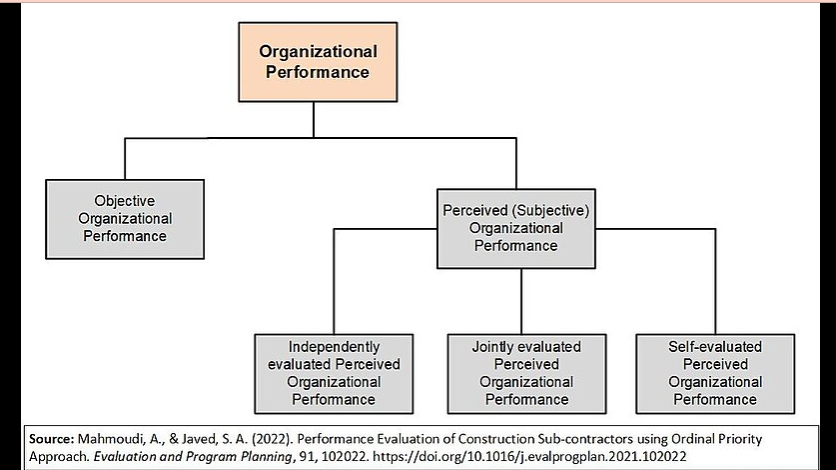
Performance management is not about annual appraisals. It’s a regular, structured way to help people grow by giving them the right goals and feedback.
Business performance management (BPM), also called corporate performance management (CPM) or enterprise performance management (EPM), uses specific processes and analytical tools to keep a business’s actions and outcomes aligned with its strategic goals.
But here’s why it often fails:
- Goals are vague or unrealistic.
- Feedback is not specific.
- Managers don’t have time for regular check-ins.

A strong performance management system fixes these issues. It focuses on regular goal setting, ongoing conversations, and employee development.
Building a Performance Management System That Works
Paperwork is not the main aim of a good performance management system; it’s the important talks that count.
Make sure the team treats it as an ongoing process: set what to do, match the work with goals, provide and gain input, and keep going.
However, 45% of managers say their formal performance review process does not benefit the company. That’s a worrying mismatch we need to fix in 2025.
Let’s look at how to make this effective:
- Put your goals into a SMART format so they are Specific, Measurable, Achievable, Relevant, and Time-bound.
- Meet regularly to discuss progress – don’t hold back till the appraisal. Always arrange a meeting about once every month.
- Prepare Managers – Teach them the use of easy methodologies and clear instructions to run effective reviews.
- Help both teams and managers see current progress without any delays.
Your performance management system should focus on helping people do their best work, not just measuring them against others.
Feedback: Daily, Not Yearly
Nobody likes surprises during appraisals. That’s why continuous feedback is the key.
- Make it real-time: Give feedback as soon as an event happens.
- Use examples: “Great job leading the Monday meeting” is better than “Good leadership.”
- Focus on behaviour: Talk about what was done, not the person.
- Ask for feedback: A two-way street builds trust.
With a solid performance management process, feedback becomes a habit, not an event.
Performance Management Process: A Flow That Makes Sense
Let’s simplify what the process looks like:
Goal Setting → Progress Tracking → Feedback Loop → Final Review → Development Plan
1. Set Clear Goals
It is important to talk with your team member to set out their key areas of focus at the beginning. Set goals that are clear, believable, and effortless to monitor. Don’t focus your goal solely on selling more products. Try to state it as “Let’s see if monthly sales increase by 10% for the following three months.” That helps us to decide what to do.
2. Track Progress Regularly
Once the goals are set, check how things are moving. Don’t wait until the end of the quarter or year. Track progress as the work happens. Even a 10-minute monthly catch-up can show you if they’re heading the right way or need help.
3. Give Ongoing Feedback
Feedback isn’t a one-time thing. If someone’s done something well, say it right away. If there’s something to fix, mention it when it matters, not six months later. Regular feedback keeps people motivated and helps them improve faster.
4. Review Performance Honestly
After a few weeks or months, depending on your cycle, review how they did. Were the goals met? What went well? What needs work? This isn’t about pointing fingers. It’s about learning together and planning the next move.
5. Plan What’s Next
Once the review is complete, talk about what comes next. Maybe it’s time for a new project, a bit of training, or a stretch goal. This keeps growth going and shows your team you care about their future.
You can run this whole cycle monthly or quarterly, depending on your team and business. But the key is to keep it going. Don’t wait until year-end. Make it a habit. Because the more you repeat the cycle, the stronger the performance gets.
This cycle can run quarterly or even monthly, depending on the team and industry. The key is repetition. Keep the cycle running, and don’t make feedback a once-a-year affair.
Common Problems and How to Fix Them
| Problem | Why it Happens | What You Can Do |
| Vague Goals | Poorly defined outcomes | Use the SMART framework for clarity |
| One-Sided Feedback | Only manager speaks | Encourage 360-degree feedback |
| Lack of Follow-Up | No tracking mechanism | Schedule fixed check-ins |
| No Link to Business Goals | Employees feel disconnected | Show how tasks contribute to a larger vision |
| Feedback Only Once a Year | Fear or discomfort | Make it a habit, not a calendar event |
Role of Technology in Performance Management
Software tools can make the entire performance management process easier. Whether it’s goal-tracking apps or feedback forms, tech can automate the boring stuff so managers can focus on people.
- Set automated reminders for check-ins.
- Create dashboards for performance visibility.
- Collect data to track patterns and improve processes.
This helps your performance management system stay consistent and data-driven.
Performance management isn’t about HR files or annual forms. It’s about how you lead your team every day. Set better goals, give feedback often, and build a system where performance becomes a culture, not a task.
Start making real progress. Make your team stronger by having one feedback session at a time.
Take the Next Step with Imarticus Learning’s General Management Programme
When you’re keen to step up in confidence and guide your team well, concentrating on only tools and templates isn’t enough. The General Management Programme in Dubai by Imarticus Learning, in collaboration with IIMA, is for professionals who want to develop their leadership, strategy, and team performance skills.
What makes it stand out? Flexible weekend classes, powerful case-based learning, and a curriculum tailored to the regional business landscape. You’ll also experience a unique blend of in-class sessions and immersive campus learning in both Dubai and India.
And you won’t just walk away with theory; you’ll leave with practical tools, peer connections, and a capstone project that shows what you’ve truly learned.
Enrol now in the General Management Programme by IIMA in Dubai!
FAQ
- What is a performance management system?
A system used to set goals, track progress, and provide feedback for better work outcomes.
- Why is performance management important?
It helps align individual goals with business goals and improves productivity.
- What is the difference between performance management and appraisal?
Appraisals are annual; performance management is continuous and strategic.
- How does feedback fit into the performance management process?
Feedback is part of regular check-ins and is usually used to guide improvement.
- How do I create a strong performance management system?
Use SMART goals, regular feedback, shared tracking, and tech tools.
- Is the general management programme by IIMA useful for this?
Yes, it helps improve leadership and management techniques, including performance.
- What are the benefits of a proper performance management system?
Higher motivation, better results, and a stronger team.
Liked This? Follow Us Where You Already Search.
Preferred Sources is Google’s built-in follow button — no app, no login, just more Imarticus in your results.