Navigate Through Real-world Challenges with the Advanced Certificate Course in Cybersecurity and Blockchain

In an era that is dominated by digital innovation and interconnectedness, the significance of cybersecurity cannot be overstated. 

According to a recent report, the global market for cybersecurity is expected to grow by 10.56%, amounting to as much as US$273.60 billion by 2028. 

However, with the exponential growth of technologies, such as the Internet of Things, blockchain, and cloud computing, the attack surface for cyber threats has also expanded dramatically. There are as many as 2,200 cyber attacks occurring on a daily basis. 

Navigating these challenges requires a comprehensive understanding of this field and advanced cybersecurity training

On that note, in this article, we will delve into the multifaceted real-world cybersecurity challenges and how a cybersecurity and blockchain course can empower individuals to tackle these obstacles. 

Top Three Real-World Cybersecurity Challenges

  • Generative AI Phishing

The advent of generative AI platforms, including advanced models such as ChatGPT, has undoubtedly marked a significant milestone in the field of artificial intelligence. However, along with this, these technologies have also introduced new security challenges, especially in the realm of phishing.

Phishing can be described as a form of cyber attack wherein attackers deceive individuals into divulging sensitive information such as login credentials or financial data. These attacks have now become more sophisticated and difficult to detect. 

One of the key concerns surrounding GenAI-powered phishing attacks is their ability to generate highly convincing messages. Attackers can quite easily leverage AI models to craft phishing emails, messages, or websites that appear genuine to unsuspecting recipients. 

  • Ransomware

Ransomware, as the name suggests, is a form of malicious software that is designed to encrypt files or lock users out until a ransom is paid. It operates by encrypting the victim’s files or entire system using strong encryption algorithms, rendering them inaccessible. 

The rise of these attacks can be viewed in recent years, with 2020 often deemed as ‘The Year of Ransomware.’ However, even with so many digital innovations happening all around, there has been no solution; instead, the problem has continued to escalate in the subsequent years.

  • Insider Threats

While external threats dominate the headlines in discussions about cybersecurity, one aspect that often gets overlooked is the danger lurking within the four walls of an organisation. Insider attacks, carried out by employees or partners with authorised access to sensitive information, pose a significant threat to enterprises worldwide.

These attacks can lead to significant financial loss for an organisation, alongside their reputation. To mitigate the same, companies need to implement effective cybersecurity measures. These include data monitoring and traffic analysis, firewall devices, behavioural analytics, and, most importantly, employee training and awareness. 

Advanced Certificate in Cybersecurity and Blockchain: An Effort to Curb Cyber Security Threats

Considering the growth of cyber vulnerabilities and the number of cyber attacks every day, skilled professionals are being sought after with proficiency in sophisticated approaches for utmost protection. IIT Guwahati understands this demand and, therefore, has curated a specialised program- the Advanced Certificate in Cybersecurity and Blockchain

This 10-month Cybersecurity course, in collaboration with Imarticus Learning, offers a comprehensive and practical approach to mastering the intricacies of cybersecurity, cryptography, and blockchain technology. Through a blend of lectures, case studies, simulations, and practical exercises, students can gain a deep understanding of blockchain concepts, while honing their problem solving and critical thinking skills. 

Some of the many topics that are covered in the curriculum of the cybersecurity and blockchain course include,

  • Ethical hacking introduction and footprinting
  • Networking fundamentals
  • Malware threats and sniffing
  • Cryptography and 
  • Blockchain fundamentals, among others. 

Additionally, there are numerous advantages that you can avail with this program. They consist of,

  • Hands-on learning with industry-prevalent tools such as VMware and Wireshark
  • Live sessions with IIT Guwahati and industry experts.
  • Certified Ethical Hacker (CEH) credential from EC-Council, and more.
Conclusion

As organisations continue to tackle these emerging and sophisticated cybersecurity challenges, the need for skilled professionals who can successfully navigate these complexities remains high. By staying abreast of emerging threats, understanding the complexities of IT environments, and emphasising the importance of cybersecurity awareness, you can play a pivotal role in safeguarding enterprises against cyber threats in an increasingly digital world.

Cybersecurity Essentials: What Every Professional Should Know

In an age where lives are intertwined with digital threads, cybersecurity is no longer a domain reserved for IT professionals. It’s a critical layer of defense that everyone, from the CEO to the newest intern, should understand and implement in their daily routines. 

Gartner forecasts that the cybersecurity sector’s rapid growth, at a CAGR of 8.9%, will lead to 50% of C-suite executives having performance clauses tied to cybersecurity risk management in their agreements by 2026.

So, let’s embark on a journey to demystify the complex world of cybersecurity, breaking it down into bite-sized, easy-to-digest nuggets of wisdom that will also empower you to protect yourself and your organization from digital threats.

The Bedrock of Cybersecurity: Understanding the Basics

Before we dive into the deep end, let’s start with the Information Security basics. Cybersecurity is essentially the practice of protecting systems, networks, and programs from digital attacks. These assaults typically seek to extort money from users, compromise sensitive data, or interfere with regular corporate operations. There are currently more devices than humans, making it difficult to implement efficient cybersecurity safeguards, and attackers are getting more creative.

How can small businesses improve their cyber defenses?

Imagine waking up to the news that your company’s confidential data has been leaked online. Not a pleasant thought, right?

In today’s digital age, the question isn’t if an attack will happen but when. Cybersecurity is not just about protecting information; it’s about safeguarding your reputation, finances, and the privacy of those who trust you with their data.

Keeping your security software, internet browser, and operating system up to date is the most effective way to protect against viruses, malware, and additional online dangers. Configure your antivirus program to perform a scan following every update. Also, promptly install updates for other essential software whenever they become available.

Cybersecurity course

Pillar 1: Know Thy Enemy – Common Cyber Threats

To protect yourself, you need to know what you’re protecting yourself against. Here are some common cyber threats that everyone should be aware of:

  • Phishing: The Art of Deception

Phishing scam awareness uses fraudulent emails or messages that mimic reputable sources to trick people into their personal information. These personal information include passwords and credit card numbers. Always verify the source before clicking on the links or downloading attachments.

  • Ransomware: Digital Kidnapping

Ransomware attack prevention 2024 is a type of malicious software that blocks access to the computer system till an amount of money is paid. Always back up your data and install updates to protect against such attacks.

  • Malware: A Digital Pandemic

Malware, also known as malicious software, is a program or file that harms a computer user. Malware can steal, encrypt, delete your data, or monitor your computer activity without your knowledge. Use antivirus software and keep it updated.

Pillar 2: The Shield and Sword – Defending Against Cyber Threats

Now that you know what you’re up against, let’s talk strategies for safeguarding sensitive corporate data.

  • Strong Passwords: The First Line of Defense

A strong password is like a complex lock that’s hard to crack. Use combination of letters, numbers & symbols, and avoid using easily guessable information like birthdays. 

  • Two-Factor Authentication: An Extra Layer of Security

2FA adds a layer of security by requiring two forms of identification before granting access. Even if someone guesses your password, they won’t be able to access your account without the second form of verification.

  • Regular Updates: Closing the Doors to Vulnerabilities

Software updates often include patches that have been discovered since the last version. By keeping your software updated, you’re losing potential entry points for attackers.

Pillar 3: Cyber Hygiene – Practices to Keep Your Digital Self Healthy

Maintaining good cyber hygiene is akin to personal hygiene; neglecting it can lead to serious problems.

  • Be Skeptical of Unsolicited Contacts

Always question the legitimacy of unexpected requests for information. When in doubt, contact the company or individual directly using information from their official website.

  • Know What You Share Online

Be mindful of the information you share on social media and other online platforms. Oversharing can lead to identity theft and other forms of cyber exploitation.

  • Regular Check-ups

Regularly review your online accounts and financial statements for unusual activity. This can also help you catch and respond to potential security breaches early.

Cybersecurity is not just the concern of IT professionals or tech companies; it’s a shared responsibility. In an interconnected world, the actions of one individual can affect the security of many. This interconnectedness means that everyone has a role to play in cybersecurity. 

The Final Words

Whether you’re an employee ensuring the safety of corporate data or an individual protecting your personal information, your actions contribute to the broader landscape of digital security. By adopting best practices for cybersecurity, we not only protect ourselves but also contribute to the security of our families, communities, and the organizations we are part of.

While technology is a critical ally in the fight against cyber threats, it cannot act alone. The human element—our actions, awareness, and commitment to cybersecurity—is indispensable. By staying informed and vigilant, each one of us becomes a vital piece of the puzzle in creating a safer digital world. Remember, in the realm of cybersecurity, we are stronger together, and our shared efforts can make a significant difference.

Key Summary Points
  • Cybersecurity is critical for protecting sensitive information, finances, and reputations.
  • Common cyber threats include phishing, ransomware, and malware.
  • Defend against attacks by using strong passwords, enabling two-factor authentication, and regularly updating software.
  • Maintain good cyber hygiene by being skeptical of unsolicited contacts, mindful of what you share online, and regularly checking your accounts.
  • The human element is essential in cybersecurity. Stay informed, vigilant, and proactive.

Unlock Your Future in Cybersecurity with Imarticus Learning

Imarticus Learning offers a Cybersecurity course that takes you deep into the vital domains of cybersecurity, cryptography, and blockchain, reflecting the latest industry standards and practices. Our comprehensive curriculum, co-created by esteemed faculty from IIT Guwahati and industry experts, serves as your guide to acquiring essential skills for a robust and innovative future. 

Dive into a learning journey where you’ll develop the prowess to safeguard against cyber threats, leverage encryption to protect data, and explore the revolutionary impact of blockchain across various industries. 

Crafted with precision and expertise by the faculty of IIT Guwahati and industry professionals, our curriculum covers the essentials of networking, ethical hacking, vulnerability analysis, blockchain technology, and comprehensive network security strategies. 

Experience hands-on learning with the tools that define today’s cybersecurity landscape, including VMware, Kali OS, Wireshark, Nessus, Nmap, and others. Our program emphasizes practical skills through immersive lab sessions, preparing you to demonstrate your cybersecurity capabilities confidently.

Engage directly with the minds shaping the future of cybersecurity in live interactive sessions. Led by IIT Guhawati’s distinguished faculty and seasoned industry veterans, these discussions will broaden your understanding of networking, ethical hacking, vulnerability assessment, and the transformative power of blockchain technology. Are you ready to position yourself at the forefront of cybersecurity innovation? Enroll in Imarticus Learning’s cybersecurity program now and take the initial step toward mastering the digital defenses of tomorrow. Your path to becoming a cybersecurity leader starts here.


Mastering the Web: A Beginner’s Guide to HTML5 Data Validation

Welcome to the exciting world of web development, where creativity meets functionality. In this blog post, we’ll embark on a journey into the realm of HTML5 controls and explore its advanced features, focusing on the crucial aspect of data validation. 

HTML5, known as Hypertext Markup Language 5, is like the rockstar of content structuring on the World Wide Web. It is the fifth and final act in the HTML saga, a major player recommended by the Web Hypertext Application Technology Working Group under the World Wide Web Consortium (W3C). 

Whether you are a developer or just starting, this guide is designed to help you harness the power of HTML5 for effective data validation.

HTML5 and Its Advanced Features

HTML5 has revolutionized the way we build websites, offering a plethora of features that enhance the user experience. One of its standout capabilities lies in data validation, ensuring that the information entered by users is accurate and secure. 

Meet HTML5 form validation – the cool kid on the web development block! Think of it as the upgraded version of HTML, but it’s not just a language makeover. HTML5 is like a web superhero, bringing along a bunch of sidekicks (technologies) that help you build websites and apps that are not only fancy but also powerful.

What’s the beef between HTML and HTML5?

HTML started as a humble language for scientific documents. Fast forward to today, and it’s the backbone of pretty much everything on the internet. But, there was a glitch in the matrix – HTML4. It was good but had its quirks. If you wanted to jazz up your site with stuff not supported in HTML, you had to resort to funky plugins like Adobe Flash. Imagine the hassle, especially for iPhone users – no Flash love for them!

With the HTML5 pattern attribute, you can create web applications that party offline, showcase HD videos, twirl with animations, and even know where you’re chilling on the globe.

Now, let’s dive into what makes HTML5 the superhero of web languages.

What’s Hot in HTML5?

  • Readable Code for Everyone: HTML5 makes code not just for tech wizards but also for screen readers. Accessibility for the win!
  • Less Mess, More Design: Say goodbye to the tangled mess of HTML, CSS, and JavaScript. HTML5 is all about clean, streamlined code that plays well with others.
  • Responsive Design Vibes: Ever had a website look wonky on different browsers? HTML5 is here to ensure your design is a superstar on all platforms.
  • Multimedia Magic: Flash who? HTML5 lets you rock multimedia without those clunky plugins. It’s all about seamless videos and audio experiences.

Step-by-step guide to HTML5 data validation

  • Readable Code for Everyone

HTML5 takes a bow for making code readable, not just for tech wizards but also for our friends using screen readers. It’s like turning your code into a bedtime story – easy to understand for everyone.

  • Less Mess, More Design

Say goodbye to the days of HTML, CSS, and JavaScript playing a game of Twister. HTML5 streamlines the code, making it sleek and efficient. No more knots in your virtual shoelaces!

  • Responsive Design Vibes

Ever had your masterpiece of a website look like a Picasso on one browser and a Dali on another? HTML5 is your guardian angel, ensuring your design looks fabulous no matter where it’s viewed.

  • Multimedia Magic

Flash and other plugins are so last season. Using HTML5 for data validation, you sprinkle multimedia magic without relying on clunky extras. Whether it’s high-definition videos or audio that hits all the right notes, HTML5 has your back.

Why is Data Validation Crucial in Web Development?

 Data validation is the unsung hero of web development, preventing errors, ensuring data accuracy, and enhancing the overall user experience.

What are the key features of HTML5 validation?

  • Enhance User Input with New Features

HTML5 introduces a range of new input types that go beyond the traditional text boxes. From email and URL inputs to date and number inputs, these features not only make data entry more user-friendly but also facilitate built-in validation. 

  • Use Pattern Attribute for Custom Validation

For those instances where the built-in input types don’t quite fit the bill, enter the pattern attribute. This nifty tool allows you to define custom patterns using regular expressions, giving you the flexibility to validate specific formats. 

  • Use Regular Expressions for Custom Validation

Regular expressions are like magic spells for data validation. They allow you to create intricate patterns for matching and validating user input. 

  • Implementing Constraint Validation API

HTML5 comes equipped with the Constraint Validation API, a JavaScript API that provides a programmatic way to interact with form validation. This allows you to go beyond the basic HTML attributes and customize validation logic using JavaScript. 

  • Handling Form Submission with HTML5

With HTML5, handling form submissions becomes more intuitive. The new “validate” attribute allows you to turn off browser-based form validation, giving you complete control over the validation process. 

The Final Words

Mastering HTML5 data validation opens up a world of possibilities for web developers. From the convenience of built-in input types to the flexibility of custom validation using regular expressions, HTML5 empowers you to create secure and user-friendly web forms. As you embark on your journey with the latest features for data validation in HTML5 is not just a technicality but a crucial aspect of delivering a seamless user experience.

Key Points

  • HTML5 introduces advanced features for enhanced user experience.
  • Data validation is crucial for preventing errors and ensuring data accuracy.
  • Built-in input types make data entry more user-friendly.
  • The pattern attribute allows for custom validation using regular expressions.
  • Regular expressions are powerful tools for intricate data validation.
  • The Constraint Validation API provides programmatic control over form validation.
  • HTML5 offers intuitive ways to handle form submission with custom validation.

Embark on an enriching journey with Imarticus Learning’s Full Stack Developer Pro course, a transformative 6-month odyssey that delves into the intricacies of data structures and algorithms. 

Crafted with precision, this program guarantees learning but a pathway to a promising career as a full-stack web developer, immersing you in the realms of both front-end and back-end programming. Explore the comprehensive journey to learn full stack web development and discover the intricacies of crafting dynamic and responsive web applications.

This immersive experience entails 350 hours of intensive instruction, curated by a distinguished faculty, supplemented by an additional 100 hours dedicated to resolving any doubts that may arise along your learning adventure. 

But that’s not all – Imarticus Learning goes beyond the ordinary by offering job assurance, pledging 10 guaranteed interviews with over 500 esteemed partner organizations actively seeking full-stack developers. 

Ready to elevate your software developer training? Enroll in our HTML5 and Data Validation course today and unlock the full potential of web development. Join our vibrant community of learners and take the first step toward creating user-friendly and secure websites. Let’s build the web of tomorrow together!

9 Essential Principles of Effective Website Design

Website Design plays a crucial role in creating a positive user experience and driving engagement. In this blog, we will explore the 9 essential principles of effective website design that can help you create a website that is both visually appealing and user-friendly.

Whether you are a fresh graduate, a young professional or someone looking to enhance your technical proficiency through online courses, understanding these principles will prove invaluable.

What is Website Design?

Website design refers to the process of creating the visual layout, structure and aesthetics of a website. It involves various elements such as colour schemes, typography, images, navigation menus and more. Effective website design focuses on providing users with an intuitive and engaging experience while aligning with the goals and branding of the organisation.

Importance of Website Design

A well-designed website is essential for attracting and retaining visitors.

  • It serves as the digital face of an organisation and can significantly impact its reputation and success.

  • Studies have shown that users form an opinion about a website within seconds of landing on it. A poorly designed website can lead to high bounce rates, low conversion rates and negative brand perception.

Impact of Good Design on User Experience

Good website design enhances user experience by ensuring easy navigation, clear communication and a visually appealing interface. A well-designed website guides users seamlessly through the content they are seeking, keeping them engaged and encouraging them to take desired actions such as making a purchase or filling out a form.

Clear and Intuitive Navigation

  • One of the fundamental principles of effective website design is clear and intuitive navigation.

  • Users should be able to easily find what they are looking for without getting lost or confused.

  • Use logical menu structures, breadcrumbs, search bars and prominent call-to-action buttons to guide users through different sections of your website.

Responsive and Mobile-Friendly Design

  • With an increasing number of people accessing websites through mobile devices, it is crucial to ensure responsive design.

  • Responsive websites adapt to different screen sizes, ensuring a seamless user experience across desktops, smartphones and tablets.

  • Mobile-friendly design not only improves user experience but also contributes to better search engine rankings.

Consistent Branding and Visual Appeal

  • Consistency in branding and visual appeal is essential for creating a strong and memorable online presence.

  • Use consistent colours, fonts and imagery that align with your brand identity.

  • A well-designed website should reflect your organisation’s values, mission and personality, helping to build trust and recognition among your target audience.

Consistent Color Schemes

  • Colour schemes play a significant role in evoking emotions and creating visual harmony on a website.

  • Choose colours that align with your brand identity while considering the psychological impact of different colours.

  • For example, warm colours like orange or red can create a sense of urgency or excitement, while cool colours like blue or green can evoke calmness or trust.

Fast Loading Speed

  • In today’s fast-paced digital world, users have little patience for slow-loading websites.

  • Slow loading speeds not only lead to frustration but also negatively impact search engine rankings.

  • Optimise image sizes, minimise HTTP requests, enable browser caching and choose a reliable hosting provider to ensure fast loading times for your website.

High-Quality Content and Readability

  • Great design should be complemented by high-quality content that is relevant, informative and engaging.

  • Use clear headings, subheadings, bullet points and short paragraphs to enhance readability.

  • Incorporate visuals such as images or videos strategically to break up text-heavy pages.

 Effective Use of Call-to-Action (CTA) Buttons

  • A well-designed website should guide users towards taking desired actions such as signing up for a newsletter or making a purchase.

  • Strategic placement of compelling call-to-action buttons can significantly increase conversion rates.

  • Use contrasting colours for CTAs to make them stand out from the rest of the page.

Accessibility and Inclusivity

  • Ensure that your website is accessible to all users, including those with disabilities.

  • Follow accessibility guidelines such as providing alternative text for images, using proper heading structures and offering keyboard navigation options.

  • Inclusivity in website design ensures that everyone can access and engage with your content.

Security and Trustworthiness

  • In an era where online security is a growing concern, it is crucial to prioritise the security of your website. Implement SSL certificates, regular backups, strong password policies and other security measures to protect user data.

  • Display trust indicators such as customer testimonials or security seals to instil confidence in your visitors.

Designing Websites that Convert

Effective website design plays a vital role in creating a positive user experience and driving engagement. By incorporating the 9 essential principles discussed in this blog, you can create a visually appealing and user-friendly website that aligns with your organisation’s goals.

If you want to enhance your skills in website design or digital marketing, consider enrolling in our Digital Marketing Certification Courses at Imarticus Learning. Our comprehensive online Digital Marketing Course covers various aspects of web design and provides hands-on training to boost your career prospects. Visit our website today to learn more and get started on your journey to becoming a proficient web designer.

Finding the Balance Between Desktop-First and Mobile-First

Dive into the world of mobile-first design, where the spotlight gleams on crafting solutions tailored specifically for pocket-sized marvels rather than the mighty desktops. 

 In this digital world, mobile devices steal the show, commanding the majority of the virtual audience. It’s time for designers to roll out the red carpet for this massive mobile cohort and deliver an unrivaled user experience.

Consult the oracle of the latest statistics, and the verdict is crystal clear—mobile-first is the way to go. Behold the wisdom from the Digital 2023 Global Overview Report: a staggering 92.3% of users waltz into the online realm through the portals of their trusty mobile devices. 

It’s not just a trend; it’s a digital revolution, trumping the numbers by a mere 0.2%. The stage is set, the audience is in their seats, and the curtain rises on the era of mobile dominance.

In this pixelated universe, design and functionality intertwine, achieving the perfect balance in web design for desktop and mobile. So, grab your virtual magnifying glass as we unravel the mysteries and nuances of this fascinating web design dilemma.

Why balance desktop and mobile design?

Let’s decode the tech jargon. 

What exactly are Desktop-First and Mobile-First approaches? 

Desktop-First is like building a mansion and then figuring out how to fit everything into a cozy cottage. It’s about crafting a grand experience for the big screen and then squeezing it into the confines of a mobile device.

 On the flip side, Mobile-First is akin to constructing a snug cabin and then expanding it into a sprawling estate. It prioritizes the mobile user experience, ensuring that the design gracefully scales up to larger screens.

Challenges Faced in Choosing

Now, onto the challenges. Choosing between Desktop-First and Mobile-First is no walk in the digital park. It’s like choosing between a hot cup of coffee on a chilly morning and a refreshing iced tea on a scorching afternoon—both have their merits, but which one suits the moment?

One major challenge lies in predicting user behavior accurately. Will your audience predominantly access your site on desktops or mobile devices? The rapid evolution of technology further complicates matters, as what’s trending today might be obsolete tomorrow. It’s a game of cat and mouse with ever-changing user preferences and technological advancements.

What is the Significance of Striking the Right Balance?

Why does finding the equilibrium matter, you ask? Well, imagine this: a website designed solely for desktops might overwhelm mobile users with excessive content and complex layouts. In contrast, a mobile-only design could leave desktop users feeling like they’re navigating a stripped-down version of the main event. Striking the right balance ensures that your digital space is inviting, regardless of the device users wield.

  • User-Centric Design

The secret sauce to this balancing act lies in embracing user-centric design. Put yourself in your audience’s shoes—better yet, their touchscreen gloves. Understand their preferences, behaviors, and devices. Tailor your design to provide a seamless experience, whether they’re swiping on a tablet or clicking with a mouse.

  • Responsive Web Design

This dynamic approach enables your website to shape-shift effortlessly, adapting to the screen size like a chameleon changing colors. It’s the key to ensuring that your site looks just as dashing on a 27-inch monitor as it does on a 5.5-inch smartphone.

  • Performance Optimization

Speed is the name of the game, and nobody likes a sluggish website. Optimize your performance to cater to users on all fronts. From optimizing images to leveraging browser caching, every millisecond counts. Remember, a fast-loading site is a happy site, and happy sites make for happy users.

  • Content Adaptation

Content is king, but its reign should be benevolent. Tailor your content for different devices. What works eloquently on a desktop might need to be more succinct on a mobile screen. Strike a balance between providing comprehensive information and not overwhelming the user.

  • UI and UX Considerations

Responsive UI design and User Experience (UX) are the dynamic duo of web design. The layout, color scheme, and navigation must be intuitive across devices. A button that’s easy to tap should be just as easy to click. Consistency is the golden thread that weaves through a delightful user journey.

  • Testing and Iteration

The unsung heroes of web design—testing and iteration. Regularly check how your website plays on various devices. Test, tweak, and test again. The digital world is a fast-paced race, and only the agile survive. Keep refining your design based on user feedback and emerging technologies.

The Final Thoughts

In this ever-evolving digital tapestry, the balance between Desktop-First vs. Mobile-First isn’t a one-size-fits-all equation. It’s an art, a dance, a symphony of pixels and code. Strive for a design that seamlessly caters to all users, regardless of the device they wield.

Summary of Key Points

  • Understand user behavior and preferences for effective design.
  • Embrace Responsive Web Design for a seamless cross-device experience.
  • Optimize performance to keep your site speedy and accessible.
  • Adapt content for different devices, balancing depth with brevity.
  • Prioritize intuitive UI and UX across all screen sizes.
  • Regularly test and iterate to stay ahead in the digital race.

Ready to embark on your design odyssey? Remember, the key is in the balance. Keep experimenting, stay user-centric, and let your website be a testament to the harmonious conjugal of Desktop-First and Mobile-First. 

Enroll now in the Imarticus Learning Full Stack Developer course and unlock the door to a thriving career in web development. Don’t just dream about a job – guarantee it! Let’s dive into 6 months of immersive learning, mastering data structures, algorithms, and both front-end and back-end programming. 

Join our web development certification course and be guided by a distinguished faculty through 350 hours of comprehensive instruction. Additionally, you benefit from an extra 100 hours exclusively dedicated to resolving any doubts that may arise during your learning journey.

Seize the opportunity – your journey to becoming a triumphant full-stack web developer begins here! Enroll today and script your path to success.

Front-End vs. Back-End Development: Understanding the Differences

Greetings, aspiring web developers! 

In the ever-evolving realm of web development, two key players take center stage, each wielding unique skills and responsibilities in crafting the digital landscape we navigate daily.

Front-end and back-end development, often mentioned in tandem, are the dynamic duo responsible for bringing websites and applications to life. Aspiring developers and tech enthusiasts alike may find themselves standing at the crossroads, wondering the distinctions between these two facets of the development process.

Today, we’re delving into the dynamic realm of web development to demystify the intricacies of Front-End vs. Back-End Development. If you’re a newcomer to this exciting field, fear not – we’re here to guide you through the basics!

Overview of Web Development

Imagine the Internet as a vast playground and web development as the creative process behind all the engaging content and functionalities you experience on websites. It’s akin to crafting a digital masterpiece that users can seamlessly interact with.

Crafting for the web involves a multitude of endeavors aimed at bringing a digital space to life on the vast canvas of the Internet or within the confines of a private network, known as an intranet. 

This undertaking, collectively known as web development, spans a spectrum ranging from the creation of a simple static page adorned with plain text to the orchestration of intricate web applications, electronic commerce ventures, and the establishment of social network services.

Within the intricate tapestry of web development, tasks extend beyond the surface, encompassing disciplines such as web engineering, web design, content development, client interaction, and the scripting intricacies on both the client and server sides. 

As we navigate this digital terrain, considerations also veer into the domains of web server and network security configuration, along with the dynamic realm of e-commerce development.

For those immersed in the intricacies of web development, the term often zooms in on the foundational elements that transcend design—the meticulous art of crafting markup and coding. It’s in these lines of code that the magic unfolds, shaping the interactive and functional facets of web spaces.

 To streamline the process, web development frequently leans on content management systems (CMS), acting as digital artisans’ tools to facilitate easier content modifications, making them accessible even to those with basic technical proficiency.

How does Front-End development affect user experience?

Let’s kick things off with user interface Development, the facet of web development responsible for everything visible and directly experienced by users. Consider it the paint and design on the canvas. 

Front-end developers employ languages like HTML for structure, CSS for styling, Bootstrap for responsiveness, and JavaScript/ReactJS for injecting interactivity. The dynamic landscape of web development delves into the latest trends in Front-End development, shaping the future of user interfaces and digital experiences.

Definition of Back-End Development

Now, let’s flip the coin and explore Back-End Development, the behind-the-scenes magic that ensures everything runs smoothly. Back-end developers focus on databases, servers, and APIs – the engine powering the website. It’s the unseen force vital for a seamless user experience.

Key disparities between Front-End and Back-End development

Front-End Technologies:

  • HTML (Hypertext Markup Language): Serving as the skeleton of your web page, HTML defines its structure, laying the groundwork for a well-organized interface.
  • CSS (Cascading Style Sheets): Ever marveled at the stylish aesthetics of websites? CSS is the secret sauce. It dictates colors, fonts, and layouts, transforming your page into a visual delight.
  • Bootstrap: Consider this your web development toolkit. Bootstrap ensures your site looks impeccable on any device, from expansive desktop screens to compact smartphones.
  • JavaScript: The language of interactivity. JavaScript breathes life into your website, enabling dynamic features and real-time updates that captivate users.
  • ReactJS: A JavaScript library that elevates Front-End development. Think of it as the superhero, simplifying complex tasks and enhancing the overall user experience.

Back-End Technologies:

  • Databases: The repository for all your data. Whether it’s customer information, product details, or any other data your website needs to remember, databases store and retrieve it.
  • Servers: The heart of your website. Servers process requests and deliver the necessary information to users, ensuring a seamless and responsive experience.
  • APIs (Application Programming Interfaces): APIs act as messengers facilitating communication between different software components. They enable smooth collaboration between your front-end and back-end, ensuring a cohesive user experience.

The Final Words

In essence, Front-End is the user interface and design, while Back-End is the powerhouse making it all happen. It’s a harmonious collaboration that defines the magic of web development.

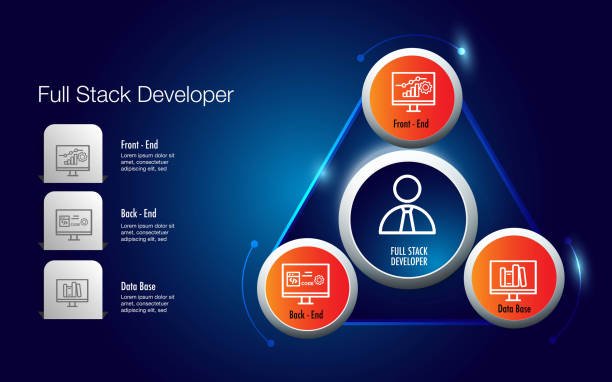
By mastering both Front-End and Back-End development, you gain the comprehensive skills needed to construct entire web applications. It’s not just about creating visually appealing interfaces but also about understanding the intricate workings that make these interfaces functional and dynamic. The synergy between these two realms defines the essence of full-stack development, opening doors to a world of possibilities in the ever-evolving field of web development.

Key Takeaways:

  • Front-End Development: This encompasses the user interface, design elements, and interactivity, creating the visual experience that users directly engage with.
  • Back-End Development: This involves managing databases, servers, and APIs, serving as the invisible engine behind the scenes that ensures the smooth functioning of websites.

Full Stack Pro: 6-Month Mastery

Imarticus Learning’s full stack developer training– a comprehensive 6-month program equips students with the essential skills for a thriving career in full-stack web development. Delve into the intricacies of data structures and algorithms through our rigorous curriculum, carefully crafted by a distinguished faculty.

The full stack development certification ensures a total of 350 hours of intense instruction, coupled with an additional 100 hours dedicated to doubt resolution – offering the most extensive training hours in the industry. 

Key Features:

  • Develop a solid foundation in data structures and algorithms.
  • Gain proficiency in front-end and back-end programming, covering essential technologies such as Java, MongoDB, JavaScript, and React.
  • 100% job assurance.
  • Avail our career services, including resume development, profile enhancement, interview preparation workshops, and personalized one-on-one career counseling. 

Embark on your journey by building a robust foundation in data structures and algorithms – the cornerstone of successful full-stack development. Imarticus Learning’s Full Stack Developer Pro course not only imparts technical expertise but also offers unmatched support and resources to propel you toward a successful and fulfilling career in web development. Join us and let your ambitions thrive in the ever-evolving tech industry. 

5 Things To Consider While Choosing A Digital Training Programme For Your Business

In the fast-paced world we live in, digital transformation has become a necessity for businesses to thrive. As technology continues to advance, organisations need to equip their workforce with the right skills with the help of corporate digital skills training in order to navigate the business landscape effectively. 

Corporate digital training programmes provide a structured approach to developing skills and driving organisational growth. In this blog, we will discuss five key factors that businesses should consider when choosing a digital training programme.

Significant Factors On How To Choose The Right Digital Training Programme 

1. Relevant and Up-to-Date Curriculum

When selecting a digital training programme, it is crucial to ensure that the curriculum aligns with your organisation’s specific needs. The programme should cover relevant technologies and industry best practices, enabling your employees to acquire practical skills that are directly applicable to their roles. Look for courses that offer comprehensive coverage of topics such as data analytics, artificial intelligence, cybersecurity, and digital marketing.

2. Expert Instructors and Industry Insights

The caliber of instructors can make or break a digital training programme. Seek programmes that are taught by experienced professionals who have real-world expertise in the areas they teach. These instructors can provide valuable insights into current industry trends and challenges, enriching the learning experience for your employees. Additionally, look for digital transformation educational programmes that offer guest lectures or case studies from industry experts. It will provide a broader perspective on the application of digital technologies.

3. Hands-on Learning Opportunities

Digital skills are best acquired through hands-on practice rather than theoretical knowledge alone. Look for programmes that prioritise practical learning experiences such as interactive workshops, simulated projects, or access to real-world datasets and tools. Practical exercises allow employees to apply newly acquired knowledge in a safe environment before implementing them in their day-to-day work.

4. Flexibility and Accessibility

Consider the flexibility offered by the digital training programme. Opt for platforms that provide on-demand access to course materials so that employees can learn at their own pace, fitting the training around their work schedules. Look for programmes that offer a blend of self-paced modules and live instructor-led sessions to cater to different learning preferences. Moreover, ensure that the training platform is accessible on multiple devices, including smartphones and tablets, allowing employees to learn anytime, anywhere.

5. Measurable Outcomes and Support

To assess the effectiveness of a digital training programme, it is essential to consider whether it offers measurable outcomes. Additionally, seek programmes that offer ongoing support such as mentoring opportunities where participants can seek guidance from instructors or fellow learners. This support system encourages continuous learning and helps employees to apply their newfound skills effectively.

Final Word

Digital transformation education holds immense value for businesses aiming to stay ahead in today’s competitive landscape. By considering these five factors – relevant curriculum, expert instructors, hands-on learning opportunities, flexibility and accessibility, and measurable outcomes and support – you can choose a digital training programme that is tailored to your organisation’s needs.

If you want to improve your business’s digital capabilities through corporate digital skills training, consider exploring the courses offered by Imarticus Learning. 

Imarticus offers comprehensive programmes covering many aspects of digital transformation. Visit our website today to learn more and kickstart your journey towards digital excellence.

MongoDB Vs. SQL: How to choose the right database?

MongoDB is a popular and widely used NoSQL database designed to handle large volumes of data. It is a document-oriented database, which means it stores data in flexible, JSON-like documents. Unlike traditional SQL databases, MongoDB does not use tables or rows but rather collections and documents. This makes it highly scalable and flexible, allowing developers to work with complex and dynamic data structures easily.

MongoDB is often used as a versatile and powerful database option in full-stack development courses. When choosing between MongoDB and SQL, it is important to consider your project’s specific needs and requirements. Each database has its strengths and weaknesses. So, it is crucial to choose the right one based on factors such as data structure, scalability, and ease of use.

Overview of SQL

SQL stands for Structured Query Language, and it is a programming language that is used for managing and manipulating relational databases. It allows users to access and control data within a database, making it an essential tool for data management.

Here, we will provide an overview of SQL and discuss its importance in database management. We will also explore the comparison between SQL and MongoDB, highlighting the factors to consider when choosing the right database, especially in the context of full-stack development courses.

How to choose the right database?

Looking to become a certified full-stack developer? Consider taking a full-stack development course! But before you dive in, it’s important to understand the differences between MongoDB and SQL databases. While both have pros and cons, choosing the right database depends on your needs. So, whether you’re a beginner or an experienced developer, gaining a full-stack development certification will enhance your skills and open up new career opportunities.

Understand the differences

MongoDB and SQL are both popular database management systems with their unique advantages. MongoDB is a NoSQL database that offers flexibility, scalability, and compatibility with cloud platforms. SQL, on the other hand, is a traditional relational database that excels in structured data management and complex queries.

Consider your project requirements

When choosing between MongoDB and SQL, it is important to consider your project’s specific needs. MongoDB may be a better choice if you are working on a project that requires handling large volumes of unstructured data or demands high scalability. However, SQL may be more suitable if your project requires strict data integrity and complex relational queries.

Evaluate ease of use

MongoDB has a flexible schema and uses a JSON-like document format, making it easier for developers who prefer a more flexible approach. SQL, on the other hand, has a rigid schema and requires predefined tables and relationships. Consider your team’s skill set and preferences when deciding which database system to use.

Consider community support and resources

MongoDB and SQL have a large and active community of developers, but SQL has been around longer and has a more established ecosystem with extensive documentation, tutorials, and forums. This can be helpful when troubleshooting and seeking assistance during development.

Training and certification opportunities

If you want to become a full-stack developer, it is beneficial to consider obtaining a full-stack development certification. Look for programs that cover both MongoDB and SQL, as this will provide you with a well-rounded skill set and make you more marketable to potential employers.

Choosing the right database depends on your project requirements, team skill set, and personal preferences. Understanding the differences and weighing these factors will help you make an informed decision that aligns with your goals as a developer.

Ace database management with full-stack development certification

If you want to become an expert in database management and full-stack development, getting certified in a full-stack development course is the way to go. One important skill to master is MongoDB, a popular database management system. With a full-stack development certification, you’ll have the knowledge and expertise to excel in this field and become a highly sought-after professional. So, to ace database management, consider pursuing a full-stack development certification today.

Ready to take your career to the next level? Imarticus Learning is the leading platform for accessing learning programmes for young professionals. Whether you’re interested in becoming a MongoDB expert or mastering full-stack development, our courses and certifications will give you the skills and knowledge you need to succeed. Don’t miss this opportunity to enhance your career and reach your full potential. Enrol now and start your journey towards success with Imarticus Learning!


Understanding the roles and responsibilities of DevOps developer

DevOps is a set of practices that combines software development and IT operations. It aims to automate and streamline the software development lifecycle, from planning and development to testing and deployment. DevOps Developers bridge the gap between development and operation. They help teams deliver software faster and more reliably.

A DevOps developer professional follows a range of practices, tools and strategies to ensure the smooth functioning of the operation and development team. They perform an array of roles and responsibilities to establish an enhanced mechanism for an improved software development cycle and IT operations. Here, we provide an overview of the Dev Ops Developer role and the exciting opportunities this field offers. Whether you’re a seasoned developer or just starting out, the DevOps developer course can help you take your skills to the next level.

Essential roles and responsibilities of DevOps developer

DevOps developers are IT professionals trained to deliver a smooth stream of updated software while catering to the software team. Their role is challenging and requires a lot of coordination and communication. They handle the vital responsibilities of automating, managing, maintaining and deploying the right software development process. DeveOps developers also play a significant role in reaching business goals. They also draw out a careful cost and benefit estimate on the technology and operational front.

The success of a DevOps developer depends not only on technical knowledge but also on some soft skills. They must possess impressive leadership, planning, communication and problem-solving skills. These skills will help them get the job done on time and in the right manner. The role of DevOps developer is continuously evolving. While their role is multifaceted, below you will find out about some of the primary tasks of a DevOps developer.

Collaboration

A DevOps developer works to promote efficient collaboration, cooperation and communication between the development and operations teams. They actively engage with both teams, to know their specific needs. Their primary objective is to bridge the historical divide between these traditionally distinct teams while fostering a culture of collective responsibility.

Continuous integration and deployment

A DevOps developer is someone who helps make sure that new features and bug fixes for computer programmes are delivered quickly and smoothly. They do this by creating systems that automatically build, test, and release the programmes. They set up and maintain continuous integration and deployment pipelines.

Infrastructure management

A DevOps developer is someone who takes care of the tools and systems that are needed to create and release software. They handle servers, databases, and other essential parts of the system. They make sure everything works smoothly and can handle scalability.

Monitoring and logging

A DevOps developer establishes monitoring and logging systems to monitor the software’s performance and health. They actively analyze logs and metrics to detect and proactively address any issues that may arise.

Security

A DevOps developer is responsible for ensuring the security of the software and infrastructure. They implement best security practices, such as access controls, encryption, and vulnerability scanning, to protect the software from potential threats.

Continuous learning

A DevOps developer is responsible for staying updated with the latest technologies and industry trends. They continuously learn and apply new tools and techniques to improve the software development process.

DevOps development also offers an exciting opportunity to develop a career in full-stack development. The roles and responsibilities of a DevOps developer contribute to the success of the software development process. They help organizations deliver high-quality software efficiently. It is challenging as well as rewarding to build a career in DevOps development. You must have a genuine interest and the right skill set to gain success in this field. Taking up a DevOps developer course is one way to gain the necessary skills and knowledge. However, the interest in the field must come from within. It is one of the most promising career choices you can make in the IT field.

Unlock new opportunities with the DevOps developer course

The DevOps developer course helps your career in full-stack development. You will gain the knowledge and tools required to succeed in this growing field. It will make you a valuable asset in the industry. Both experienced professionals and freshers can benefit from a DevOps developer course.

At Imarticus Learning, we offer just the right course to build your career in full-stack development. Our course is designed keeping in mind the needs and challenges of the current job market. This course will impart a deep understanding of data structures and algorithms. This 6-month programme will enhance your prospects in interviews and will equip you for a thriving career in full-stack development. It delivers comprehensive technical expertise in both front-end and back-end programming. This hands-on practical course will also help in resume building and profile enhancement.

Visit our website today to learn more and get started on your path to success.

Top DevOps Certifications for Working Professionals

In the dynamic realm of technology, developers and IT operations professionals must remain at the forefront of emerging methodologies and trends. DevOps, a term that consistently makes its presence felt in IT conversations, is a fusion of development (Dev) and operations (Ops). 

From ambitious startups to established tech behemoths, DevOps has found acceptance and implementation across the board. The result? An exponential surge in the demand for professionals with DevOps certifications. Both DevOps Developers and Full Stack Developers, when equipped with an understanding of DevOps principles, are highly valued in today’s job market. 

In this article, we explore what exactly DevOps entails and the most valued DevOps certifications. We’ll also touch upon the role of Full Stack Developer training in the realm of DevOps.

Decoding DevOps

DevOps blends cultural philosophies, practices, and tools to enhance an organisation’s capacity to deliver applications and services swiftly. The central objective is to minimise the duration between committing a change to a system and deploying that change into normal production while ensuring top-notch quality.

Making a Case for DevOps Certification

Several compelling reasons justify the pursuit of a DevOps certification.

  • Career Growth: A DevOps certification serves as a testament to your skills and knowledge in this field, potentially opening doors to superior job opportunities and improved salary prospects. 

According to PayScale, the average annual income of a certified DevOps Engineer in the United States stands at $120,000 as of 2023- roughly 30% more than the national average salary for software engineers.

  • Industry Respect: A DevOps certification earns you industry-wide respect as a professional capable of understanding and implementing DevOps principles and practices.
  • Skill Enhancement: A DevOps certification equips you with new skills and techniques, which prove beneficial in your current role and future endeavours.

Leading DevOps Certifications for Tech Professionals

Maintaining relevance in the dynamic landscape of tech calls for relentless self-improvement and upskilling. Particularly in the ever-evolving realm of DevOps, the significance of earning a professional certification is immeasurable. 

However, the lingering question is – which are the premier certifications that can robustly strengthen your proficiency in DevOps?

Let’s find out!

1. AWS Certified DevOps Engineer

As a global frontrunner in the cloud services sector, Amazon Web Services (AWS) provides its own DevOps Engineer certification. Given the growing dominance of cloud computing and its convergence with DevOps, this certification is a valuable asset for professionals tasked with designing and managing distributed applications on the AWS infrastructure.

2. Microsoft Certified: Azure DevOps Engineer Expert

Microsoft’s Azure platform has seen significant adoption across industries. Recognising the potential of DevOps, Microsoft offers the Azure DevOps Engineer Expert certification. It’s designed to validate your expertise in designing and implementing DevOps practices using Azure technologies. 

3. Docker Certified Associate

Docker has revolutionised the way applications are developed and deployed, thereby becoming an integral part of the DevOps ecosystem. The Docker Certified Associate certification is aimed at professionals working with Docker technologies. It demonstrates your understanding of Docker, including its architecture, installation, configuration, image creation, registry management, and more. 

4. Jenkins Certified Engineer

Automation plays a central role in the realm of DevOps, and Jenkins is one of the most widely used automation tools. The Jenkins Certified Engineer certification verifies your ability to use and implement Jenkins, a crucial skill in the current technology landscape where automation is key. 

5. Puppet Certified Professional

Puppet, a leading configuration management tool, is extensively used in the DevOps landscape. The Puppet Certified Professional certification is a tangible testament to your ability to manage system infrastructure using Puppet. The certification covers various aspects of Puppet, including language constructs, module design, system configuration, and more. 

These certifications offer a pathway to demonstrate your DevOps expertise in the competitive IT job market. Obtaining the appropriate certification can help distinguish you in a competitive environment, potentially leading to more sophisticated positions, improved earning opportunities, and a fulfilling DevOps career. 

The Intersection of Full Stack Developer Training and DevOps

A Full Stack Developer is a tech professional adept at all facets of development, from front-end to back-end, encompassing various databases and even DevOps tasks. Therefore, comprehensive Full Stack Developer training can significantly contribute to your journey towards becoming a DevOps expert.

A holistic Full Stack Developer course offers insights into both the nuances of front-end and back-end development, as well as the fundamental principles of DevOps. This knowledge helps you grasp the interconnectedness of different project components, allowing for greater collaboration with your team and fostering a thriving DevOps culture.

Course Spotlight: Imarticus Learning’s Full Stack Developer Pro

For those keen to embark on their Full Stack Developer training voyage, the Full Stack Developer Pro program at Imarticus Learning emerges as an ideal choice. This program offers exhaustive training in Full Stack Development, incorporating the most recent industry trends and DevOps principles.

Wrapping Up

DevOps has transcended its buzzword status to become a crucial element in the rapid world of software development. With a DevOps certification, professionals can showcase their skills, broaden their job opportunities, and earn industry-wide recognition.

Given that Full Stack Developers often collaborate closely with DevOps teams, a comprehensive Full Stack Developer course that includes DevOps principles can significantly broaden one’s adaptability and career opportunities. With educational platforms like Imarticus offering comprehensive training programs, the time is ripe to hone your skills and guide your career in the desired direction.