


Last updated on May 15th, 2026 at 03:05 pm
Have you ever felt like your organisation is always one step behind when it comes to identifying risks?
You’re not alone. Most Indian enterprises today still treat risk management like a compliance checklist, not a business enabler. But that outdated thinking could be costing you far more than you realise.
The more unpredictable the world gets, be it due to cyber threats, regulatory changes, or supply chain disruptions, the clearer it becomes that without a robust risk management framework, businesses will stay reactive instead of proactive.
Many finance leaders, especially those eyeing the C-suite, feel stuck juggling short-term operational needs with long-term risk foresight. If you’re one of them, and if you’re trying to balance control, agility, and accountability, you need a modern approach that integrates operational risk management frameworks with strategic decision-making.
Don’t Let Our Best Advice Get Buried
Add Imarticus as a Preferred Source — see more of what we publish, every time you search.

Why Do Old Risk Management Frameworks No Longer Work?
The Risk Management Framework (RMF) outlines a structured approach set by the United States government to manage risk and secure information systems, including computers and networks.
Managing a risk management framework requires ongoing effort. It involves reviewing and categorising security risks, selecting suitable controls, and carrying out regular updates.
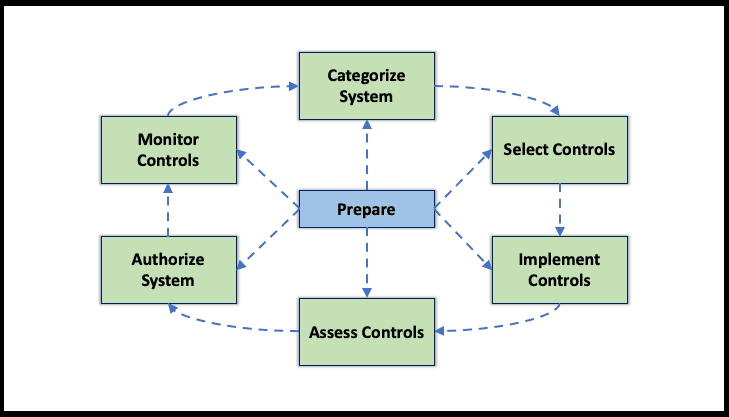
In many Indian companies, risk is still something you ‘report’ after it happens. But modern businesses need something smarter.
Traditional systems often:
- Focus only on financial or regulatory risks.
- Lack of integration across departments.
- Miss emerging threats like tech or reputational risks.
What you need instead is a risk management framework that adapts. One that acts as a radar system across your business, constantly scanning for internal and external risks. Enterprises that adopt this mindset manage crises better and even turn risks into strategic wins.
Components of a Modern Risk Management Framework
Think of your enterprise risk management setup as a living system, not a static process.
India’s GDP grew by 8.2% in FY24, showing strong resilience. However, growth slowed to 5.4% in Q2 of FY25, exposing some economic vulnerabilities. Looking ahead, GDP grew between 6.5% and 7%, driven largely by steady performance in the industrial and service sectors.
A good framework should include:
- Governance Structure: Who owns risk in your company? This must be clearly defined.
- Risk Identification: Regular workshops, industry reports, and employee feedback.
- Risk Assessment: Assigning impact and likelihood ratings.
- Response Planning: Control strategies (avoid, mitigate, accept, transfer).
- Monitoring and Review: Dashboards, audits, regular board updates.
These parts work better when embedded into daily operations. Not just reviewed during the board meeting.
From Reactive to Proactive: Operational Risk Management in Action
So, how does an operational risk management framework actually help?
Let’s take a mid-sized manufacturing firm. A single quality failure in production can impact reputation, compliance, and revenue. If they’ve only documented these risks once a year, they’re stuck reacting.
However, if their operations team feeds weekly performance data into a central dashboard, trends become visible. A smart dashboard raises alerts if failure rates rise. That’s proactive. It’s about catching signals early and acting.
Here’s how it should ideally look:
| Function | Example of Proactive Risk Trigger | Response Plan |
| Supply Chain | Delay in Tier-2 vendor shipments | Switch to an alternate vendor |
| Compliance | Change in RBI notification | Internal circular + training |
| Finance | Cash burn rate above 15% in Q1 | Expense review + CFO call |
| Technology | Patch not applied to core ERP system | IT alert + fix timeline |
That’s an operational risk management framework in action that is not on paper.
Why CFOs Must Lead the Enterprise Risk Agenda
CFOs aren’t just finance heads anymore. They’re the change agents. With more data flowing through finance teams than any other department, CFOs are best placed to:
- Connect financial risks to operational triggers.
- Forecast and quantify impact clearly.
- Influence strategic decisions at the board level.
This is where a modern enterprise risk management model shines. It lets CFOs see beyond spreadsheets to people, processes, and technology gaps that could become risks tomorrow.
For finance leaders aiming for the next level, registering in a CFO course that teaches integrated risk thinking is the smart move. You don’t just manage money; you manage uncertainty.
Embedding Risk Culture Across Teams
A framework will fail without the right culture. Everyone from interns to CXO must feel they have a role in managing risk. How do you embed this?
- Train line managers to spot and report risk.
- Reward teams that surface potential threats early.
- Make risk data visible through dashboards and weekly briefings.
When people across levels treat risk as shared accountability, you build a muscle that grows stronger over time. Your risk management framework becomes self-correcting.
Metrics That Matter in Risk Monitoring
Fancy models don’t mean much without feedback. Leading enterprises use indicators that tell them if their operational risk management framework is actually working.
Key metrics include:
- Frequency of incident reporting across teams.
- Time from risk detection to mitigation.
- Number of risk exceptions closed per quarter.
- Accuracy of risk forecasting vs. actual events.
These indicators help track maturity and flag weak areas before something breaks.
Take the Lead in Financial Strategy with Imarticus Learning
If you’re a finance professional aiming for strategic leadership, this is your sign to take the next step.
Imarticus Learning’s Chief Financial Officer Programme, in collaboration with the Indian School of Business, prepares you for the evolving expectations of CFOs.
This 8-month hybrid programme blends expert-led classes with hands-on leadership coaching. You’ll gain exposure to risk strategy, digital finance, stakeholder communication, and ethical leadership, which are everything needed to transition from a finance controller to a boardroom voice.
This 8-month blended programme is for professionals preparing to step into or already working in CFO roles. You will learn to think beyond day-to-day operations and start leading with foresight.
The curriculum covers the latest in enterprise strategy, corporate finance, digital transformation, stakeholder management, and enterprise risk management. It’s more than theory; you’ll work on real-world case studies, attend leadership coaching sessions, and gain direct exposure to what today’s boardrooms expect.
What sets this CFO course apart is its blend of online learning with campus immersion. You’ll engage with top ISB faculty, many of whom actively contribute to policy-making and industry innovation. This experience doesn’t just build technical skills. It strengthens your ability to lead through uncertainty and influence business outcomes at the highest level.
The programme also brings together CXOs and finance heads from across industries, giving you a strong network of peers. Whether you’re transitioning into the C-suite or looking to upgrade your leadership toolkit, this is your chance to build that edge.
Imarticus Learning has built this CFO course to support leaders like you, those who want to take charge of strategy, risk, and performance.
Explore the ISB Chief Financial Officer Programme and see how it aligns with your next big move!
FAQ
1. What is a risk management framework in an enterprise?
A structured process involves identifying, assessing, and responding to risks that could affect business outcomes.
2. Why should CFOs understand risk management frameworks?
Because they connect financial health with risk exposure, helping drive better decisions.
3. How does a CFO course help in implementing risk frameworks?
It trains finance leaders in strategic planning, governance, and risk thinking.
4. Is enterprise risk management only for large companies?
No. Even small and mid-sized firms need it for resilience and agility.
5. Can risk frameworks predict risks accurately?
Not always, but they help reduce blind spots and prepare faster responses.
6. How often should a company review its risk framework?
Ideally, it should be quarterly or after any major event/shift in business.
Liked This? Follow Us Where You Already Search.
Preferred Sources is Google’s built-in follow button — no app, no login, just more Imarticus in your results.