How to Ace Your Investment Banking Interview After Training

Breaking into the finance industry isn’t just about completing a course. The real challenge? Cracking that investment banking interview.

If you’ve recently completed a structured programme—like the Certified Investment Banking Operations Program (CIBOP) by Imarticus Learning—you’re already ahead of the curve. But training is only half the game. The rest depends on how you present your skills, handle high-pressure questions, and align your story with the investment bank’s needs.

This guide walks you through a practical, realistic approach to help you land a banking job after training, using structured preparation, updated stats, and recruiter-backed insights.

Why Are Investment Banking Interviews So Competitive?

Let’s start with a reality check. According to eFinancialCareers, investment banks like Goldman Sachs receive over 300 applications for a single analyst role. That’s a selection rate of 0.3%.

Even for mid-tier banks, competition is stiff, with most entry-level roles drawing over 70 applicants. Combine that with the rise of AI-driven screenings like HireVue, and it’s clear—training alone isn’t enough anymore.

So, what makes you stand out?

Your ability to turn that training into relevant, business-ready outcomes is the differentiator.

Top 10 Investment Banking Interview Questions You Need to Know | Key Questions & Tips! 

Turn Training Into an Interview Edge

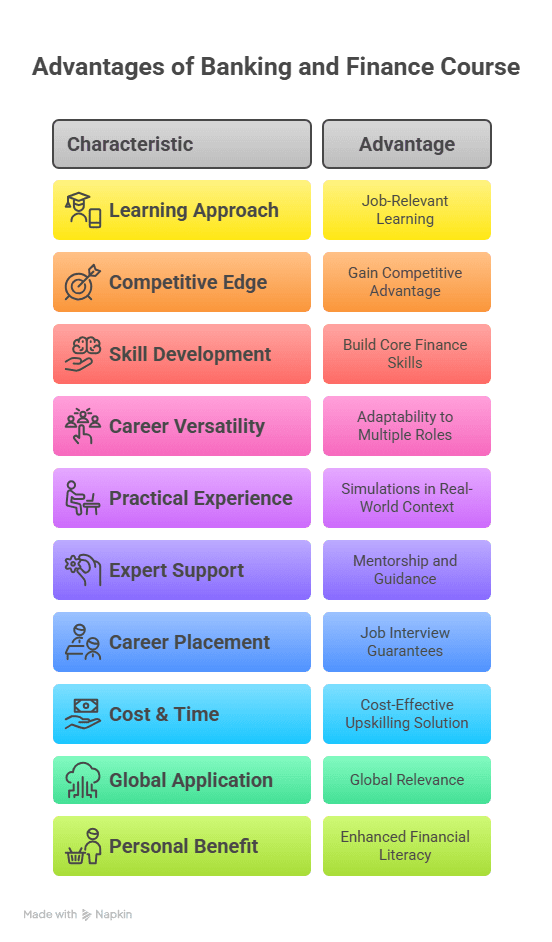
Programs like Imarticus Learning’s CIBOP aren’t just about technical skills. They’re designed to prepare you specifically for investment banking job preparation.

Key benefits that you can translate into your interview narrative:

  • Real-world simulations of trade settlements and risk management
  • Mock interviews with industry mentors from global banks
  • Access to a network of 1,000+ hiring partners and alumni currently working in investment banking

If you can clearly express the ROI of your training/programs in interviews, you’re no longer “just another applicant”—you’re a “ready-to-deploy asset”.

What Interviewers Are Actually Looking For

Banks have razor-sharp criteria. It’s just not enough to know the answers—you need to show them you understand the “why” behind each answer.

Here’s what they evaluate:

  1. Structured thinking under pressure
  2. Communication clarity – no jargon, only impact
  3. Commercial awareness – how you think like a banker, not a student
  4. Technical fluency – from accounting to risk to deal execution
  5. Behavioural maturity – teamwork, accountability, ethics

The 90-Second Pitch That Hooks Interviewers

This is where most candidates fumble. A strong opening answer sets the tone for the entire interview.

Use the S-F-F-F formula:

  • Start with what drew you to finance your personal story or personal reason
  • Frame how your training backed that interest
  • Focus on 2–3 relevant skills or projects
  • Finish with how you’re aligned with this role

Example:

“During the CIBOP program, I worked on a live simulation where I processed and reconciled a multi-currency trade. It helped me understand the risk controls behind post-trade operations. This experience, paired with my accounting fundamentals, makes me confident I can hit the ground running in a settlement operations analyst role.”

Table: Common Investment Banking Interview Questions & What They Reveal

Interview QuestionWhat It TestsHow to Prepare
Walk me through a DCFValuation understandingLearn drivers & assumptions
3 financial statementsIntegration skillsMap out a ₹100 depreciation
Pitch a stockMarket analysisFollow latest quarterly calls
What happens post-trade?Ops and risk logicKnow clearing, matching, fails
Biggest mistake you made?AccountabilityUse STAR method with real impact

5 Advanced Investment Banking Interview Tips

  1. Rehearse under time pressure
    Answer technical questions in under 90 seconds—banks want concise, not academic.
  2. Watch yourself on video
    Use platforms like HireVue to practice. Watch for filler words, body language, and structure.
  3. Build a market POV
    Know the latest RBI policies, G-sec yields, or a recent M&A deal involving the bank. Mentioning this creates peer-level rapport.
  4. Use numbers in behavioural answers
    Instead of “I helped streamline a report,” say “I reduced error rates by 30% through a VBA-based tracker during training.”
  5. Always ask a forward-looking question
    Interview ending? Ask: “How is the bank evolving post-settlement compliance with CSDR norms?”

A 4-Week Plan for Finance Job Interview Preparation

Week 1:

  • Review your training curriculum
  • Build a glossary of 50 must-know terms
  • Read 2 deal case studies

Week 2:

  • Start daily 30-min mock interviews (technical + behavioural)
  • Follow FT Markets and Bloomberg daily

Week 3:

  • Create flashcards for ratios, models, and accounting concepts
  • Record 5 mock HireVue answers

Week 4:

  • Analyse 3 bank investor presentations
  • Practise 1 live interview simulation with a friend or mentor
Investment Banking Interview

New Data Insight: Training + Targeted Prep = Real Placements

According to Imarticus Learning, 85% of students from the CIBOP programme secure job placements, many landing roles at firms like Morgan Stanley, State Street, and Societe Generale.

They don’t just teach you how the trade life cycle works—they simulate it. They don’t give you mock questions—they run actual mock interviews with banking veterans.

In short, it’s not just “education”—it’s industry alignment.

Optimised Featured Snippet: Top 5 Ways to Crack Investment Banking Interviews

  1. Structure every answer using STAR/CARL frameworks
  2. Master 10+ technicals like DCF, EBITDA, LBO, accretion-dilution
  3. Practise on HireVue or Zoom for video clarity and timing
  4. Follow up with thoughtful emails within 12 hours
  5. Use your training case studies to answer “real-world impact” questions

FAQs – Everything You Were Afraid to Ask

1. How long should I talk for the “Tell me about yourself” question?
Keep it between 75–90 seconds. It’s not your autobiography—it’s your value pitch.

2. What’s the best way to prepare for technical interviews?
Solve 2–3 modelling problems daily, use mock interviews, and explain concepts out loud to test clarity.

3. Should I mention the CIBOP programme during interviews?
Yes, but not just the name—mention what you did, not just what you learnt.

4. How can I demonstrate commercial awareness?
Mention a current economic trend (like RBI repo rate hikes) and its impact on investment decisions.

5. Is CFA Level 1 necessary for IB roles?
It’s a bonus—not a necessity. If you’ve done a specialised IB training, that often weighs more.

7. Can I switch to the front office after doing ops training?
Yes, many do. Just make sure you nail this role first and keep networking internally.

8. How important are certifications in the hiring decision?
They help you get shortlisted. But interviews are about communication, fit, and clarity.

9. Should I memorise answers or improvise?
Have a structure, not a script. Robots get rejected; thoughtful, structured speakers get offers.

10. How long before I hear back after an interview?
Anywhere between 2–10 days. But always send a thank-you email within 12 hours.

Conclusion: Your Offer Letter Isn’t Luck—It’s Strategy

You’ve done the hard part—trained for the job. Now, apply a layer of targeted investment banking interview tips to that foundation and you’ve got a real shot.

Key Takeaways

  1. Training helps you qualify, preparation helps you convert.
  2. Structure wins: STAR, CARL, and pitch formulas matter.
  3. You’re not just answering questions—you’re positioning value.

What’s Next?

Explore the full details of Imarticus Learning’s Certified Investment Banking Operations Program—designed to take you from classroom to trading floor with a placement-first mindset.

You’ve got the knowledge. Now, go get the offer.

Enrol in Delhi’s Best Data Science Course and Get a Kickstart to a Career in 2025

Want to be a future-ready data scientist or data analyst? Enrol in Imarticus Learning’s best Data Science course in Delhi, where you gain hands-on skills in Python, SQL, Power BI, Machine Learning, and more, and complete live projects that set you apart.

Why Data Science in 2025?

Market Growth Unleashed: India’s data analytics market is booming. It reached US$3.55 billon in 2024 and will grow at a whopping 35.8% CAGR to reach US$21.3 billon in 2030. Another one forecasts an increase to US$27 billon in 2033 (27.5% CAGR).

The AI Revolution: The Indian AI market is expected to touch US$8 bn by 2025, growing at nearly 40% a year. As India is among the top 3 Big Data markets globally, the demand for skilled data professionals is through the roof.

Good Salary Prospects

  • Freshers (0-1 yr): ₹5.8 – ₹10 LPA
  • Mid-level (1-4 yrs): ₹8 – ₹15 LPA
  • Experienced (5-9 yrs): ₹12 – ₹25 LPA
  • Senior (10+ yrs): ₹20 LPA

Median salaries for data scientists in India now reach ~₹30 LPA, while high performers command over ₹40 LPA.

Industries Hiring

  • BFSI (Finance & Banking)
  • Healthcare & Pharmaceuticals
  • E-commerce & Retail
  • Telecom & Cloud
  • Manufacturing & Supply Chain
  • Government & Smart Cities
  • Media & Entertainment

Why Imarticus Learning’s Data Science Course in Delhi?

  • 100% Job Assurance: Get 10 job interviews with top companies from our 500+ hiring partner network.
  • Job-Related Curriculum: Study Python, SQL, Power BI, Tableau, Machine Learning, and more.
  • Live & Interactive Learning: Experience instructor-led instruction and real-time project execution.
  • 25+ Industry Projects: End capstone projects developed by industry professionals.
  • Career Support Round the Clock: Resume development, mock interview sessions, mentorship, and job workshops.

Hackathons & Industry Interaction: Compete on a national level and connect with IIT/IIM alumni and industry professionals.

Why Connaught Place in Delhi?

  • Central location, convenient to reach from anywhere in the NCR.
  • Access to a thriving data science community via local workshops and events.
  • Establish solid networking ties for the best placements in Delhi/NCR.

Data Science Course Fee in Delhi
Flexible EMI plans, scholarships, and personalised payment plans are available in our program. For comprehensive fee details, come visit our Delhi campus or speak with our counselors.

Who to Join?

  • New graduates who wish to start a technology career.
  • Career changers among working professionals.
  • Managers and analysts looking to upskill in advanced data techniques.

What You Will Learn?

  • Python for Data Science
  • SQL & Data Wrangling
  • Power BI & Tableau for Visualisation
  • Machine Learning Foundations
  • Real-world capstone projects

Your Future with Imarticus Learning
On graduation from Imarticus Learning, students would be equipped to take up any role of Data Analysts, Data Scientists, Machine Learning Engineers, Data Engineers, Business Analysts, or AI specialists in any company. With income starting from ₹ 8 to 12 LPA, and sometimes ₹ 20–30 LPA in companies like Accenture, Deloitte, Genpact, and Amazon.

FAQs

  • Is this course suitable for freshers?
    Yes! It’s for both fresh graduates and working professionals.
  • Do I need to possess coding skills while joining?
    No coding experience is required; we start from the beginning.
  • What certifications will I receive?
    You will receive an industry-recommended certification from Imarticus Learning.
  • Is there placement support?
    Yes, we provide college guarantees of interview calls and career guidance.
  • Are there online or offline courses?
    We have hybrid options, including live classroom teaching in Delhi.

Conclusion

Enrolling in Imarticus Learning’s Data Science program in Delhi not just helps you with technicals but also unlocks a high-growth career that’s future-proofed in one of the fastest-growing sectors in India. With excellent placement support and an industry-relevant curriculum. Imarticus Learning prepares you to lead the data revolution confidently.

Ready to start your data science journey? 

Come and see us at H Block Ground Floor, H-16, Middle Circle, Connaught Place, New Delhi, 110001. Or call us today and make an appointment on our website to keep moving on with your career!

Developing Ethical Leadership: Challenges and Solutions

Ethical leadership means making choices based on fairness, honesty, and values — even when it’s tough or unpopular. The worth of ethical leadership goes beyond rules or names.

For the Indian startup, where heads sway not just from firms but groups, leading with ethical leadership means setting up faith—which is hard to earn and quick to lose. Studies show that teams led by ethical leadership see more joy at work, strong links with peers, and gains that hold for the long run.

What Is Ethical Leadership and Why Does It Matter Today?

Ethical leadership means respecting moral beliefs, shared values, and the rights and worth of others. It is closely linked to trust, truth, care, charm, and fairness.

The importance of ethical leadership goes beyond compliance or reputation. In the Indian context, where leaders influence not just companies but communities, ethical leadership means building trust—something that’s hard to earn.

Research shows that organisations led by ethical leaders see higher employee satisfaction, stronger stakeholder relationships, and more sustainable performance.

The Real-World Challenges in Developing Ethical Leadership

While the thought feels grand, ethical leadership does not come gift-wrapped. It’s shaped with time, tried through strain, and fixed through flubs. One of the most well-known trials is picking what brings cash or feels right. Think of a shop head who must meet sales goals — should they push the team to sell things customers don’t need?

In high-stress work areas, heads get praised for fast wins. This way of thought makes it tough to back long-run ethical leadership plans. In some work zones, bad acts go unseen or get praise. To speak out can feel like a risk. When teams don’t feel safe, it’s hard for heads — and their squads — to hold on to ethical leadership norms.

Ethical leadership means seeing and steering through tough moral paths. Leaders must make choices that match both firm values and what society expects. Ethical leaders build trust by being clear and open. When they keep things in the light, they help teams speak up, take charge, and share wins and faults with ease.

Solutions: How to Develop Ethical Leadership in Practice

Though these tests are real, we can build and grow ethical leadership.

Here’s how the team can help shift the scale:

  • When teams lay out and share their rules, heads gain a guide. Make ethics part of work reviews, team chats, and group goals.
  • Most lead courses look at plans and tasks but miss the point of rules. 
  • Heads must urge truce talks on ethics. The weekly team meets, name-free tips, and open doorways all help bring up doubts long before they grow too big.

This may seem like the clearest yet the most tough rule. Ethical leadership is not just big talk — it’s hard work. 

Ethical Leadership in India: A Cultural Perspective

In India, ethics in lead work holds more weight from home rules, kin biz ways, and one’s good name.

Here, a break from rules hits more than just the brand — it can spark a big row, make people quit, and draw checks from the law.

Still, we’ve seen bold, ethical leadership examples in many fields — from heads who would not risk data trust to HR leads who backed staff through hard times. These tales may not make the news, but they leave a mark.

Impact of Ethical Leadership on Key Organisational Metrics

Organisational MetricWithout Ethical LeadershipWith Ethical Leadership
Employee RetentionLow due to distrustHigh due to value alignment
Stakeholder TrustWeak and volatileStrong and stable
Decision-Making QualityShort-sighted and reactiveThoughtful and long-term
Brand PerceptionRisk of negative PRImproved public trust
Innovation CultureFear-drivenOpen and inclusive

Ethical Leadership Examples That Inspire

It’s easy to talk about rules in thought — but what do they look like in real life?

Ratan Tata, the former chief of Tata Group, consistently upheld honesty and integrity, often rejecting deals that conflicted with the group’s principles. A Bengaluru-based start-up also demonstrated ethical leadership by refunding users when their app failed, even though the law didn’t require it.

One of the best-known ethical leadership examples is the Tylenol cyanide case in the early ’80s. After cyanide-laced Tylenol capsules caused the deaths of seven people, investigators quickly established a clear link — all the victims had consumed the contaminated pills.

The heads at Johnson & Johnson moved fast. They pulled all Tylenol off the racks — 31 million jars, worth more than $100M — and froze all makes and ads. Though the cost was high, they chose to guard their users first and save lives.

These examples of ethical leadership show that being fair is not weak — it is strong, clear, and shows deep care. Be it a mid-rank boss in a fast-grown firm, a fresh grad, or a top executive in the world space — grasping the worth of ethical leadership is key.

Ethics is not just for HR or rules. It’s how you lead, how you pick, and how you build faith that stays!

Who Should Develop Ethical Leadership Skills?

All who lead or plan to lead a group, big or small, should build ethical leadership skills. This holds true for shop heads, school leads, start-up minds, HR pros, and even fresh graduates. In truth, any role that guides people, funds, or plans calls for such skills.

It helps you make fair calls, win trust, and deal with grey spots where right and wrong are hard to see. In firms where each step counts — and people look up to you — to show good sense and act with truth makes a big mark.

If you work with teams, serve customers, build deals, or lead change, you need these skills. To lead with care and class is not just good — it’s a must in our time.

Accelerate Your Leadership Growth with IIM Indore and Imarticus Learning

Step into the next phase of your career with the Accelerated General Management Programme for Aspiring Leaders, brought to you by Imarticus Learning in collaboration with IIM Indore. This six-month, high-force lead path blends live web learning with a strong on-site stay, giving a sound and smooth way to learn for those who work.

Built just for young and new heads, the course helps you hone your choice skills and lead traits. Learn from the famed staff of IIM Indore and top field pros who share real-world views in each class.

What makes this Accelerated General Management Programme stand out is the chance to join a live top-class with a famed field head, who gives first-hand tips on lead tests and how to steer through them well.

Enrol now with Imarticus Learning to begin your journey towards impactful, future-ready leadership.

FAQ

1. What is ethical leadership in a business setting?

Ethical leadership means making calls based on right, truth, and rules — even when it’s tough or not liked.

2. Why is ethical leadership important for Indian companies?

The worth of ethical leadership lies in setting up faith, keeping teams involved, and dodging long-run brand harm.

3. Can you give ethical leadership examples from India?

Yes. Firms like Tata Group and ethical fintech start-ups that prize user faith offer strong ethical leadership examples.

4. What are some key ethical leadership qualities?

Core ethical leadership qualities include truth, clear roles, rights, care, and open ways to act.

5. How can I develop ethical leadership as a skill?

Join a rules-based course, like those from Imarticus Learning, that uses casework and guide tips to build strong ethical thought.

6. What is the biggest challenge in leading ethically?

To weigh short-term goals with long-run rules is often the hardest part of ethical leadership.

7. Why is ethical leadership gaining more focus today?

With faith on edge and world shocks, the worth of ethical leadership is on the rise as teams seek heads who act with truth.

8. Can ethical leadership work in high-pressure sectors?

Yes — and in fact, tough jobs need it more. Heads with strong ethical leadership qualities can bear stress and still stick to rules.

Identifying and Preventing Common Types of Cyber Attacks

Have you ever seen a mail that did not feel right? It might look real, but it will ask for important facts or urge you to click some odd link. That’s how most hacks start — not with loud signs, but with a soft trick.

Modern connectivity has transformed cyberattacks into genuine threats that target users and businesses along with governmental institutions and technology corporations across India. Cybersecurity has evolved from being optional to becoming essential because both students who browse Wi-Fi networks and businesses which share files in the cloud need it.

To stay safe, it’s important to understand the answer to questions like ‘Which of the following is a type of cyber attack?’, how each one works, and how to guard against them. Whether you’re a tech enthusiast, a manager protecting your organisation, or a learner pursuing a cybersecurity course, this blog gives you real-world insights with practical knowledge, types of attacks in cyber security and expert-backed awareness.

What Are Cyber Attacks and Why Do They Happen?

A cyberattack takes place when someone carries out an unauthorised action against computer systems, putting the confidentiality, integrity, or availability of their data at risk. Digital attacks cause two major impacts: they interrupt business procedures and release private data and money and cause reputation damage.

The Most Common Types of Cyber Attacks Explained

Each of the types of cyber attacks comes with its own trick. 

Let’s break down the different types of cyber attacks with facts you can link to real life in India:

1. Phishing: The Hook That Catches Many

Phishing is one of the worst and most used hacks. The crook tricks the one who reads the mail or text to click links, send files, or give out facts — like bank or card info.

In India: In India, attackers often disguise themselves as banks or government services like the Income Tax Department, leading users to submit Aadhaar, PAN, or bank details.

How to stop: Check who sent the mail. Don’t click links you don’t trust. Use mail check tools and set two-step locks.

2. Ransomware: Pay Up or Lose All

Ransomware locks your files and asks for cash to give them back. This is one of the most financially damaging types of attacks in cyber security right now.

In India: Hackers hit health firms and local governments. Their tools got stuck, and work stopped for days.

How to stop: Back up your files. Run fresh updates. Don’t use files or apps from sites you don’t trust.

3. DDoS Attacks: Digital Blockades

A DDoS (Distributed Denial-of-Service) attack floods a server or website with traffic, causing it to crash or become unusable. This hack blocks sites and slows down work.

In India: E-commerce platforms and edtech portals in India have faced DDoS attacks during major sales or enrolment periods.

How to stop: Use tools made to stop DDoS. Use load tools like CDN to share the site’s load and keep it live.

4. Man-in-the-Middle: The One Who Hears It All

In these attacks, the hacker positions themselves between two parties (say, a user and a website) to intercept and possibly alter data in transit — all without the user knowing.

In India: These hacks hit users who use free Wi-Fi at cafes, train spots, or malls.

How to stop: Don’t use free Wi-Fi to do important work. Use safe links (HTTPS) or a VPN to protect your path.

5. SQL Injection: Code That Cuts Through

SQL injections target databases through insecure inputs — often on websites with login forms. Attackers inject malicious SQL code that lets them access or delete critical data.

In India: Indian edtech platforms and job portals with large user databases are often at risk if proper input validation isn’t enforced.

How to stop: Lock the code to prevent changes from the form. Test it and run scans on your site.

AttackWho It HitsBig RiskHow to Stay Safe
PhishingAll net usersLeak of facts, ID theftCheck links, use mail tools
RansomwareHealth, Govt, SMEsLoss of files, high costsBackups, safe apps
DDoSBig online sitesSite crashUse CDN, guard tools
MitMWi-Fi usersSpy on chats, data theftUse HTTPS, use VPN
SQL InjectionSites with loginsFile leaks or lossForm checks, safe code

Why Cybersecurity Awareness is Crucial in India Right Now

India is rapidly digitising — from startups to government portals — and with that comes a sharp rise in different types of cyber attacks. Out of the 1.39 million cybersecurity incidents that CERT-In addressed, the agency handled the highest number by mitigating vulnerable services, totalling 875,892 cases.

Whether you’re leading a company, freelancing, or just using digital tools daily, knowing which of the following is a type of cyber attack and how to guard against it is important.

More importantly, professionals who complete a certified cybersecurity course can tap into a growing job market — with roles like Security Analyst, Penetration Tester, and Cyber Risk Consultant seeing high demand.

Practical Tips to Prevent Common Cyber Attacks

  • Use strong, unique passwords and change them regularly
  • Turn on two-factor authentication wherever possible
  • Don’t reuse passwords across platforms
  • Update your devices and software as soon as updates are available
  • Back up your data on a secure, offline system
  • Educate your team or peers — awareness is the first line of defence

Advance Your Cybersecurity Leadership with Oxford and Imarticus Learning

Imarticus Learning, with Saïd Business School, University of Oxford, brings you the top-tier Oxford Cybersecurity for Business Leaders Programme — a hands-on course built for sharp minds. This high-grade course gives heads from all fields the tools and skills they need to deal with the hard risks of hacks and threats.

Trainees will learn Oxford’s tried and true cyber plan and use it to make smart steps to block top threats like scam mail, bad code, and lock hacks. The Oxford Cybersecurity for Business Leaders Programme runs on Oxford’s top web learning space, built to give a rich, smooth, and strong way to learn.

As you go on, you will join the Oxford Elumni group — a proud worldwide group of 36,000 participants from 176 countries, with the chance to meet and share at the Elumni yearly meet-up. Made for those who want to shape their group’s cyber goals, this course brings you side by side with peers from all walks of work and builds strong talks that help you grow a plan to win in the long run.

Enrol now to gain Oxford’s prestigious Elumni status and elevate your expertise with Imarticus Learning!

FAQs

  1. Which of the following is the type of cyber attack that hits most in India?

Phishing is one of the top types of attacks in cyber security, and it is most often emails from banks or government bodies.

  1. Can a cybersecurity course help with real-world threats?

Yes. A good cybersecurity course helps you spot, stop, and fix hacks with hands-on work and case tasks.

  1. Why is phishing one of the worst types of cyber attacks?

Phishing relies on human error & bypasses tech based safeguards. It spreads fast and often leads to major data breaches.

  1. Do small firms face different types of cyber-attacks?

Yes. Most small firms get hit with spam, file locks, and fake link hacks — all different types of cyber attacks.

  1. What is the best way to stop cyber hacks like these?

Learn the signs, use strong passcodes, and join a full cybersecurity course that teaches practical detection methods like network scanning.

         6. Is social engineering also a type of cyber attack?

Yes. In fact, social engineering is one of the most deceptive types of cyber attacks, as it tricks users into compromising their own security.

Top Data Visualization Techniques Every Business Analyst Should Know

In the current data-centric environment, grasping data visualization techniques is essential for all business analysts. 

To remain viable in evolving areas like – business analytics and financial technology. You must understand the types of data visualization techniques that are applied in practical situations that help to transform intricate data into useful insights. 

So, are you thinking about obtaining an MBA in Fintech to ensure your career in finance and data analytics has something to look forward to? If so, check the guide below.

What is Data Visualization?

Are you thinking about obtaining an MBA in the graphical representation of information to assist users in comprehending complex patterns, trends and anomalies known as data visualization? Using visual aids such as maps, graphs and charts simplifies raw data comprehension – enabling business analysts to communicate their insights effectively and clearly. 

Efficient data visualization techniques in data mining provide decision-makers with visual stories that mere numbers cannot express, be it for financial predictions, market evaluations or customer categorization. Should you consider fintech to safeguard your financial and data analytics profession for the future? 

Why Does Data Visualization Matter in Business Analytics?

Visual analytics is now a strategic requirement in the Big Data and AI era. Let’s look at why it matters:

AspectImpact of Data Visualization
Improved Decision MakingHelps managers identify trends and patterns faster
Enhanced CommunicationMakes complex data easily understandable for everyone
Data-Driven CultureEncourages evidence-based business strategies
Performance TrackingFacilitates real-time monitoring of KPIs and goals


Watch: All About Data Science and Analytics Course by Imarticus Learning | Data Science For Beginners

Top Data Visualization Techniques for Business Analysts

Let’s examine the key data visualization strategies that all analysts should be proficient in –

  1. Bar charts

When comparing categorical data, bar charts are essential. Bar charts provide a clear view of comparative metrics, whether they are related to product categories, monthly sales or survey results.

Use Case: Evaluating the profits made by various product categories.

  1. Line Charts

Line charts are particularly helpful in market analysis and financial forecasting as they display trends over time.

Use Case: Keeping track of monthly trends in web traffic or stock prices.

  1. Pie charts

Pie charts are useful for displaying percentage distributions when working with fewer categories, despite their occasional overuse.

Use Case: Putting market share or customer demographics into visual form.

  1. Maps of Heat

Heat maps are an effective way to use color to display density and correlations in two dimensions.

Use Case: User behavior on websites, such as determining which sections of a page receive the most clicks.

  1. Plots of scatter

Scatter plots are ideal for displaying correlations, clusters and outliers as well as trends and relationships between variables.

Use Case: Checking the connection between sales revenue and marketing expenditures.

  1. Histograms

Histograms help identify anomalies or skewness in data by displaying the frequency distribution of a dataset.

Use Case: Checking customer segments’ age groups or transaction values.

  1. Whisker-Box Plots

These five-number summaries of a dataset—minimum, first quartile, median, third quartile and maximum—are also referred to as box plots.

Use Case: Determining outliers and fluctuations in customer satisfaction ratings.

  1. Gantt charts

These are frequently used to depict timelines and schedules in project management.

Use Case: Illustrating the phases of a marketing campaign’s launch.

  1. Maps of the world

Geographical maps facilitate demographic segmentation and spatial analysis when working with regional data.

Use Case: Charting sales figures for various nations or states.

  1. Control panels

Dashboards allow stakeholders to drill down into respective metrics in real time by – combining several visualization techniques into a single interactive interface.

Use Case: Tracking KPIs using a business intelligence tool like Power BI or Tableau.

Types of Data Visualization Techniques Listed

Analysts can match the appropriate technique with the appropriate data problem by being aware of these types of data visualization techniques.

CategoryTechniques
ComparisonBar Chart, Column Chart, Bullet Graph
Trend IdentificationLine Graph, Area Chart
Distribution AnalysisHistogram, Box Plot, Scatter Plot
Relationship MappingHeat Map, Scatter Plot
Geospatial AnalysisChoropleth Map, Symbol Map
Project TrackingGantt Chart
SummarizationPie Chart, Donut Chart
Integrated MonitoringInteractive Dashboards

Real-World Applications of Data Visualization in Business

  • Marketing: Using conversion heat maps & funnel charts to visualize campaign performance.
  • Finance: Monitoring portfolios in real time with dashboards.
  • Operations: Allocating resources using heat maps & Gantt charts.
  • Customer analytics: Using histograms & scatter plots to divide up customer profiles.

Watch: ChatGPT for MBA – AI Masterclass with DeepSeek

Conclusion

Business analysts can turn raw data into compelling stories! This drive results from mastering data visualization techniques. Choosing the best tool for the job is an art and a science. It is because there are so many different types of data visualization techniques available.

Imarticus Learning’s MBA in Fintech program can help you advance your career and take the lead in data-driven industries. 

FAQs

  1. What kinds of jobs can one pursue after earning an MBA in Fintech?

Graduates can work for banks, fintech startups, NBFCs and IT companies in positions like business analyst, product manager, fintech consultant, risk analyst, data analyst and digital transformation lead.

  1. Why is data visualization important for business analysts?

Visuals make data easier to understand. For business analysts, this means spotting trends faster and explaining insights clearly to others.

  1. What are the most commonly used data visualization techniques?

Bar charts, line graphs, heatmaps, scatter plots, and well-structured dashboards. Each one serves a different purpose.

  1. Which tools are best for creating business visualizations?

When it comes to tools, most people rely on Power BI, Tableau, or even Excel. Google Data Studio works well too, especially for lighter projects.

  1. How to pick the right visualization for my data?

No single chart fits every need. You pick based on what you’re showing trends over time, differences between items, or where the data’s most concentrated.

Blockchain Applications Beyond Cryptocurrency 

The world doesn’t belong to cryptocurrency alone. 

Modern blockchain applications have quietly begun transforming industries and, in doing so, they transform into a more useful technology for applications, of course, beyond cryptocurrency. 

Yes, people still think of cryptocurrency first when they hear the word blockchain. But in reality, blockchain is working its way quietly into other sectors, such as healthcare, logistics, and even education.

What do these sectors get with blockchain, though? 

Well, you generally call it security, transparency and flexibility. 

If you’re someone who wants to stay ahead in this space, the MSc. in FinTech program by Imarticus and SRM can be a great starting point. The need for professionals who understand blockchain is only going to rise from here.

Blockchain isn’t meant for cryptocurrency, although it’s highly connected to the latter. Where do the applications of blockchain make sense, then?

We’ll find out in this post.  

Blockchain Technologies Simplified

What if you consider blockchain a digital ledger that stores information securely across a network of computers?

There’s a rule for storing this data or, more appropriately, a technique. Every time data is added, it creates a block that connects to the previous one, creating a transparent and tamper-resistant chain.

This system removes the need for third-party activities and builds trust among participants.

While most people link it only with cryptocurrencies, the scope of blockchain technology applications is far wider.

Blockchain operations are great these days when you’re operating with transactions in finance, tracking goods in supply chains, securing patient records in healthcare, and even managing digital identities (and more). And the true thing is, these applications are proving themselves powerful to manage high-risk operations like the ones mentioned.

Watch: Certification in Software Engineering for Cloud, Blockchain and IoT | Imarticus Learning

Why Blockchain Is Meant for More than Cryptocurrency

Did you ever wonder why blockchain is getting ahead of cryptocurrencies?

The answer lies in its core strengths, security, transparency, and decentralisation, etc., which make it useful for much more. Today, many industries are turning to blockchain technology applications to solve challenges that go beyond digital money. The ability to record and verify data without a central authority has opened doors for real innovation across sectors.

Here is where blockchain proves its unavoidable value beyond cryptocurrency:

  • Supply chains use it to track goods from source to shelf
  • Healthcare systems rely on it to protect patient records
  • Education and EdTech sectors apply it to issue tamper-proof certificates
  • Banks and insurers automate tasks using smart contracts
  • Governments use it for transparent voting and land records

These use cases show that blockchain is about building systems people can trust, which, of course, does not define the finance sector only.

Which Industries Are Adopting Blockchain Operations Rapidly?

Blockchain is no longer limited to digital currency projects. It has found its way into multiple sectors where transparency, security, and data accuracy are critical.

The following industries are already experiencing the practical benefits of blockchain applications, and many more are preparing to follow:

  • Banking and Financial Services

The banking sector has been one of the earliest to recognise the value of blockchain applications outside cryptocurrency. It is now being used to make international payments quicker and to simplify compliance processes. With the help of smart contracts, tasks like loan approvals and fund transfers are becoming faster and more efficient.

  • Supply Chain and Logistics

In a sector that depends heavily on traceability, blockchain technology applications bring in real-time visibility. From origin to delivery, goods can be tracked securely, helping reduce fraud and errors. Brands use it to assure customers of product authenticity.

  • Education

Colleges and universities are using blockchain applications to issue digital certificates that cannot be faked. It also helps in maintaining records of student achievements over time. This makes background checks easier for employers as well.

  • Real Estate

In real estate, delays often happen because of heavy paperwork and slow legal procedures. By using applications of blockchain, property ownership records can be stored safely and shared easily with all involved parties. Smart contracts are also helping to make rental deals and sales quicker and more straightforward.

  • Government and Public Sector

Many government bodies have started using blockchain applications to manage records more transparently. Whether it’s keeping track of land ownership, voter details, or ID data, the system makes it harder for information to be changed or misused. It brings more trust into public processes.

  • Retail and E-commerce

Retailers are adopting blockchain technology applications to give customers a clearer picture of where their products come from. It helps prove whether goods are ethically made and truly authentic. Even loyalty programmes are being upgraded with blockchain for better rewards and fewer loopholes.

  • Insurance

Insurance companies are using blockchain applications to speed up claim approvals and prevent fraud. Policies can be recorded immutably and verified instantly. It also cuts down disputes between insurers and policyholders.

  • Energy and Utilities

With renewable energy gaining ground, blockchain is used to track energy production and consumption. It allows peer-to-peer energy trading in some countries. These blockchain technology applications are helping decentralise energy systems in real time.

  • Media and Entertainment

Artists and content creators are using applications of blockchain to protect their work and ensure fair payment. It enables digital ownership through NFTs and tracks content usage without relying on central platforms. This helps reduce piracy and boosts creator income.

Watch: What is Fintech – Imarticus Learning

Conclusion

Blockchain is no longer just about crypto. It is already helping hospitals keep records safe, letting schools issue digital certificates, and giving supply chains real-time tracking. This shift is real and growing. 

If you want to stay relevant in fintech, learning how blockchain works is the right step. The MSc. in FinTech by Imarticus Learning gives you the tools to do that.

FAQs

1. Is blockchain only useful for cryptocurrency?
Not at all. It is now helping many industries with better security, tracking, and data sharing.

2. How does blockchain help in the healthcare industry?
It keeps medical records safe and lets doctors and hospitals share data without risk.

3. Can blockchain be used in education?
Yes. Schools and colleges use it to issue certificates that cannot be changed or faked.

4. Why is blockchain good for supply chains?
It shows where products came from and helps stop fake goods and fraud.

5. What is a smart contract in blockchain?
It is a digital contract that works on its own once the conditions are met, no follow-up needed. 

Operational Excellence: Key Performance Indicators Every COO Should Look Out for

People work this hard because they all expect a flawless system!

This factor has been a motivation for businesses and enterprises worldwide and will remain so as long as civilisation persists.

The fact that operational excellence drives remarkable results when monitored and analysed is what every COO already understands.

They might need more insight about it with the help of selectively choosing operational KPIs.

If you’re about to become a chief financial officer (COO) or someone who’s already a COO – beginner or experienced – and you’re reading this post, then this post might offer you the help you need.

What Are Operational KPIs and Why the COO Must Know Them?

Well, KPIs, as you’re well aware of being a COO, are known as Key Performance Indicators, which gives you the sneak peek into what works and what doesn’t when we’re considering functional data.

Speaking of enterprise or organisational workforces, operational efficiency comes into relevance because it’s that application that ensures the system runs more effectively and flawlessly.

Where do KPIs fit in then?

Well, simply put, operational KPIs are KPIs that signal the health of the processes of operational efficiency. Yes, these KPIs present data internally to an enterprise or an organisation.

As a COO, you need to work with operational KPIs because they give you the data or fact sheets to actually achieve the scalability factor in your company’s operational efficiency processes.

Moreover, with these metrics, you get to ensure the company’s financial progress, sustainability performance, dynamics of workforce, and more to maintain sound operational efficiency.

Therefore, checking operational KPIs,  whether their sales operational KPIs or quality control metrics, remarkably enhances your productivity as a COO because you can now make better strategic analysis and build a failproof system for your brand’s upcoming agendas.

Watch: How to become a successful Chief operating officer | COO | IIM Lucknow | Imarticus Learning

What Operational KPIs COOs Aren’t Supposed to Miss out on

COOs need to check operational KPIs for a variety of reasons, and it may turn out that they must focus on industry-specific KPIs.

Sometimes, discovering these KPIs is as easy as a mandatory part of the operational process. At other times, though, COOs are dictated by generic or situational needs to investigate certain operational KPIs for solving unavoidable issues in the way of operational efficiency.

If this all seems too murky to you, then read about these examples of operational KPIs, which, as a matter of fact, are the ones you need to work with in reality.

  • Current Accounts Receivable and Accounts Payable

This KPI tells you how efficiently money flows in and out of your business. A healthy balance means your company isn’t waiting too long to get paid. It’s not even rushing to pay others too early. For COOs, it’s a key pulse check on operational liquidity.

  • Net and Gross Profit Margin

These numbers ask you: Are your operations truly making money? Gross margin gives you insight into how well you’re controlling production costs, while net margin takes a step back and shows how efficiently the entire business is running. Together, they help COOs see if their day-to-day efforts are adding up to long-term success.

  • On-time Delivery Rate

When customers get what they need, exactly when they need it, that is where the trust grows. This is one of the operational KPIs that measures how consistently your team delivers on promises. Delays here can quietly erode brand value, making it crucial for COOs to keep this rate high.

  • Quality Control Index

What if you didn’t show your customers you care, instead of simply telling them about it? A high-quality control index means fewer reworks, fewer returns, and more loyal users. For operational leaders, it’s a sign of discipline and reliability baked into every process.

  • Operational Expense Ratio

This ratio compares what you spend running operations to what you earn. telling a very real story. If costs creep too high, profits shrink. COOs use this KPI to trim the fat and keep things running lean without cutting corners.

Watch: Efficiency Ratios Explained – Measure Business Performance & Productivity | Module 04 I Imarticus Learning 

  • Costs for Employee Training

Training costs may seem like overhead, but they’re actually an investment in smoother operations. This KPI reveals how much you’re putting into upskilling your workforce. Smart COOs know about it. They are aware of the fact that better-trained teams make fewer errors and move faster.

  • Return on Equity and Return on Assets

These KPIs zoom out to show how well you’re turning investment and assets into profit. While finance may track them, smart COOs watch closely, simply because strong operations are what make these numbers shine.

  • Environmental Sustainability KPIs

From energy use to waste reduction, these KPIs measure how green your operations really are. Customers and regulators are paying attention. So should you. COOs who prioritise sustainability often uncover new efficiencies in the process.

Conclusion

You need operational efficiency to be uncompromised, no matter what business it is.

This is why the industry needs many COOs. These professionals should have in-depth knowledge of everything related to the operational processes, including how to read operational KPIs and make data-powered decisions, to ensure a flawless system we talked about at the beginning of this post.

Imarticus Learning can help you do that. With the platform it created thanks to its faculties, you can upskill yourself with all the technical knowledge you need especially if you are aspiring to become a data-driven strategist and problem solver.

FAQs

  1. What are operational KPIs, and why do they matter for COOs?
    KPIs are numbers that point to what’s going well and where a little extra attention might be needed. When you’re leading operations, it’s these small signals that help you make the right calls without second-guessing.
  2. Where do sales operational KPIs fit into the bigger picture?
    Sales operational KPIs may sound like something only the sales team cares about, but they actually show whether your backend is keeping up with customer expectations.
  3. What are operational KPIs, and why should COOs track them?
    They help COOs see what’s working and what’s not. These numbers point out areas that need fixing before they become bigger problems.
  4. How do sales operational KPIs relate to operations?
    They show if the backend can keep up with customer demand. If delivery or support lags, sales won’t hit the mark, so COOs need to watch them too.
  5. Why should COOs monitor training costs?
    Because better-trained teams work faster and make fewer mistakes. Tracking this tells a COO if their people are set up to run things smoothly.

Understanding Neuromarketing: How Brain Science Influences Consumer Decisions

People rarely buy for the reasons they think they do; they go with what feels right. What feels like a logical decision is often emotional, or even automatic. This is what we call neuromarketing.

Neuromarketing looks at what happens in that split second. It tracks brain signals, eye movements, or facial expressions to figure out what’s going on while you’re looking at an ad or picking a product. And companies are using this to test ads, designs, and even store layouts.

Even if customers are not honest with their actions, their brain activity might be. So, if you want an in-depth analysis of how this kind of marketing works in the real world, you can aspire to pick up a chief marketing officer course. 

In this blog, let’s talk about the blending of marketing and brain science and how brands are tapping into feelings, trust, and instincts.

What is neuromarketing?

Neuromarketing is just a way of using brain science to understand how people respond to marketing. So instead of asking customers what they like, it tracks what they feel, sometimes without them even realising it.

Brands use things like EEG headsets to track brainwaves or eye trackers to see what people focus on first. Sometimes, even facial coding or skin sensors are used to measure emotion. These tools help marketers find out what grabs attention, what builds trust, and what makes someone stop scrolling or keep going.

Common Tools in Neuromarketing:

Tool NameWhat It MeasuresUse Case Example
EEGBrain activity, stress, and attentionTesting ad reactions
Eye-trackingWhat people look atWebsite or packaging layout decisions
Facial codingMicro-expressions linked to emotionVideo ad emotional impact
GSR (skin sensors)Excitement or stress levelIn-store product interaction

What Makes Neuromarketing Important?

Good marketing has always tried to understand people. But the usual methods, like surveys and feedback forms, have limits. People often say what they think sounds right, not what they really feel.

Neuromarketing removes that filter. It gives raw reactions in real time. That makes it useful for:

  • Testing which ad or product design works better
  • Spotting emotional triggers like trust or confusion
  • Learning what parts of a page or store people look at first

The insights are sharper. You get fewer opinions and more evidence.

The Rise of Data-Led CMO

If you’re aiming to be a chief marketing officer, you’re expected to do more than run creative teams. That’s where neuromarketing can make your job easier. 

When you show brain data behind campaigns, it’s not just ‘we think this works’, it becomes ‘we have tested this, and here’s why it performs’. Modern CMOs rely on brain insights to back strategy.

Real Neuromarketing Examples From Top Brands

You’ve seen neuromarketing in action many times, even if you didn’t notice it. A few quick neuromarketing examples are:

  • Pepsi vs Coca-Cola: Blind tests showed people liked Pepsi better. But when branding was shown, brain scans lit up strongly for Coke. People felt more connected to it.
  • Apple packaging: The box design of the product is neat because it is planned. It creates a feeling of slow unboxing, a clean layout, and white space. Customers associate that experience with premium value.
  • Supermarket shelf layouts: Brands use eye tracking to decide where to place products. Higher shelf means more attention.

The kind of information it gathers from its customers eventually helps brands in designing:

Area of FocusNeuromarketing Advantage
Ad designShows what visuals trigger action
Page layoutHelps decide the best CTA placement
Emotional brandingProves which stories build trust
Campaign testingReduces trial-and-error spend

Watch: Tips and Tricks of Digital Marketing

How Marketers Use Neuromarketing In Small Steps

This marketing technique is all about learning what actually lands, not what you hope lands. Here’s how smaller teams test ideas using this approach:

  • Use heatmaps on websites to see where people look
  • A/B test emotional tone in ad copy
  • Record customer facial reactions in focus groups
  • Track scroll and click behaviour on mobile

How Marketers Measure Results

For example, you tested two ad versions. One tracked better emotional signals. If it led to higher click rates or longer watch times, that is ROI. Further, you can measure conversion, attention, and dwell time.

Does It Always Work?

Neuromarketing is a tool. It is exceptionally useful when combined with other research like surveys and interviews. It also helps fill the gap between what people say and what they feel.

However, it is not a silver bullet. Sometimes the brain data confirms what the focus group said. Other times, it doesn’t.

Watch: Digital Marketing Masterclass

Conclusion

Neuromarketing is for anyone serious about understanding what makes people act and how marketing plays into that. It translates to stronger campaigns. Fewer assumptions. More trust from both customers and leadership.

Marketers today need more than creativity and data. They need to see what really moves people. That’s what neuromarketing helps with. It gives you evidence. And when you’re in a room defending your strategy, that matters.

So if you’re ready to lead, not just execute, it’s time to build those skills. The IIM-based courses offered by Imarticus Learning get you there. To run steadily in today’s fast-paced world, you need such practical, future-facing marketing leadership.

FAQs

  1. How is neuromarketing different from psychology in marketing?

Psychology uses patterns and theories. Neuromarketing tracks real-time brain and body responses. It’s direct feedback, not predicted behaviour.

  1. Is neuromarketing ethical?

If used right, yes. It helps in understanding customers better, not tricking them. So, consent and transparency are key.

  1. Does neuromarketing work across all cultures?

Core emotions stay the same, but cultural context matters. Testing locally still matters, even if brain data looks similar.

  1. Can neuromarketing help with product development?

Yes. Testing reactions to packaging, colours, and even scent helps refine a product before mass launch.

  1. How long does neuromarketing testing take?

Quick tests like eye tracking can take days. However, a deep EEG study may need weeks. It depends on the budget and sample size.

  1. Does neuromarketing work for B2B too?

Yes, even in B2B, buying decisions are emotional. Neuromarketing can help build better trust, message flow, and content design.

The Evolving Role of the CTO in Modern Enterprises

Ten years ago, most people thought the CTO meant someone who fixed servers, approved software, and oversaw a development team. 

However, over the years, it changed to something that drives growth, shapes customer experience, and defines strategy. With the shift in technology, today’s CTO roles and responsibilities stretch across departments and wear many hats. The job is about building what comes next and making sure the business runs better because of it.

If you are new to this role, or even aiming for it, get a good grasp of what lies ahead. A chief technology officer programme can be useful in this case. It is built for tech leaders who want to learn strategy, leadership, and innovation, all while on the job. 

This blog will discuss the deeper understanding of CTO job responsibilities, strategy, new tech applications, and the key details you have been missing out on.

Changing Expectations of CTOs

At the core, CTO job responsibilities still include making sure tech supports the business. But how it’s done and what else gets added on have shifted a lot. Today they are taking part in:

  • Build and lead strong tech teams.
  • Make tech decisions that drive revenue.
  • Support product roadmaps, not just back-end tasks.
  • Handle cloud migration, cybersecurity, and data privacy.
  • Speak business in board meetings, not just code.
  • Watch emerging technologies like AI and figure out what’s worth investing in.

This shift extends CTO responsibilities and duties from running tech operations to driving business value. It’s less about fire drills and more about foresight.

Then vs Now: CTO Job Responsibilities Compared

AreaOld ExpectationsCurrent Role
InfrastructureKeep servers runningCloud strategy, cost efficiency
Team managementHire devsBuild cross-functional squads
InnovationOptional R&DCore business growth lever
ReportingTo the CIO or IT headReports to the CEO in many cases

Fundamental CTO Job Responsibilities in Detail

Tech leaders are great with code. But when you step into a CTO’s shoes, you need more than that. People expect you to lead teams, manage conflicts, and build culture. That’s all part of CTO roles and responsibilities now.

The top CTO job responsibilities worth focusing on:

  • Strategic planning: Blueprints for tech growth.
  • Team leadership: Hiring the right people and setting the tone.
  • Innovation scouting: Evaluating AI, IoT, cloud, and more.
  • Security oversight: Not optional in today’s climate.
  • Project delivery: On time, on budget, and business-driven.
  • Stakeholder communication: Clear reports, clear expectations.

With advanced responsibilities in CTO jobs, it is easy to feel overwhelmed as a first-timer, as no one explicitly teaches this early on. That’s why a course can help. Focus on:

CTO ResponsibilityBusiness Outcome
Innovation scoutingNew revenue streams
Agile leadershipFaster product releases, higher quality
Cybersecurity oversightTrust, legal compliance
Budget and resource planningCost control, higher ROI
Cross-functional communicationBetter alignment across teams

Watch: How to build a production-ready inference pipeline with ML on the cloud

Team Management and Culture

The perks of CTO roles and responsibilities go beyond technologies. You build learning mindsets that make your team feel engaged and accountable. Here’s what that looks like in action:

  • Mentoring developers
  • Encouraging experimentation
  • Rolling out continuous delivery practices

Beyond Technological Stack

In the role of CTO, you need to choose the right tools, evaluate vendors, and make sure systems scale. But beyond that, the CTO has to match technology to what the business is trying to do. 

If you are launching a new product, make sure the infrastructure can support traffic and that devs can ship features fast. Similarly, in cutting costs, look at SaaS consolidation, automation, and maybe AI tools. That’s why CTO roles and responsibilities are now tied to business KPIs. Speed, cost, security, uptime.

Tech Area vs CTO Focus:

Tech AreaCTO Focus
Cloud and DevOpsScalability, uptime, cost efficiency
AI and MLData preparation, ethics, or MVP pilots
CybersecurityRisk assessments, incident playbooks
APIs and IntegrationsPlatform strategy, external partnerships

Watch: AWS vs Microsoft Azure vs Google Cloud

The Underrated Skill of Communication

One thing you will notice with most tech leaders is that they don’t talk enough about the right things at first. Instead, CTOs need to communicate with:

  • Founders/board about cost, speed, risk
  • Developers teams about vision and direction
  • Product teams about feasibility
  • HR about talent and hiring gaps

It’s core to doing your job well. For example, if your CEO doesn’t understand what your team’s building or why it matters, you’ve got a gap to fix.

Acting Like a Business Partner

A modern requirement of a CTO is to be a businessperson. Because if you don’t understand revenue models, customer behaviour, or go-to-market timelines, you’ll struggle to stay useful. Especially in growth-stage companies or modern enterprises.

Your job now includes:

  • Evaluating how tech drives revenue
  • Linking uptime to customer experience
  • Matching hiring to product cycles
  • Managing vendors, budgets, and contracts

That’s why CTO job responsibilities feel more like COO tasks at times.

Conclusion

At a time, you are expected to be a tech expert, a people leader, a budget manager, and a strategy advisor. But it’s also one of the few roles where you can see real impact quickly. 

So, if you do want to lead at that level, training matters. And there is nothing better than taking help from an IIM-based course with Imarticus Learning. It’s built for experienced professionals who’ve done the technical bit and are now stepping into leadership. 

Your days of speaking volume with the work you do are here. Check the course if you’re serious about accomplishing these CTO job responsibilities correctly.

FAQs

  1. What is the biggest mistake new CTOs make?

They try to do everything themselves. Delegation and team trust matter more than showing you know every tool.

  1. How often should CTOs update their tech strategy?

At a minimum, once a year. In fast-moving environments, every six months. Shifts in the market, customer needs, or internal capabilities often demand quicker pivots and regular evaluations.

  1. What role does the CTO play in disaster recovery planning?

CTOs build and test disaster recovery plans. They make systems to restore quickly during outages or cyberattacks, keeping customer data safe and downtime minimal. 

  1. Should CTOs focus more on internal systems or external products?

It depends on the business. In product-led companies, external systems take priority. In operational firms, internal tools matter more.

  1. How do you measure a good CTO?

Team retention, delivery speed, tech debt control, and how tech supports company goals. That’s the real scorecard.

  1. What’s the best way for aspiring CTOs to gain leadership experience?

Lead small cross-functional projects first. Take ownership of team performance, tech delivery, and communication. Then gradually move into org-level decision-making, hiring, and long-term planning.

Future Trends and Challenges in the CFO’s Office

The job of a CFO is no longer just about closing books or keeping costs in check. The role stretches way beyond. The finance teams are expected to handle all of the data, tech systems, ESG demands, real-time insights, and cybersecurity quickly and with precision.

Looking at such prospects, the future of CFO roles might demand sharper thinking, faster decisions, and better tools. One eye on the numbers, the other on the wider business picture, you need a handle on both risk and opportunity. 

That’s why if you are thinking long-term, maybe even planning to step into a CFO seat yourself, you will want to build the right mindset early on. A CFO course, in this case, can take you ahead with proper guidance and real-world practices. In this blog, let us further shed light on how many CFO trends you need to follow in 2025.

What’s Changing in the Future of CFO Roles

As a CFO, you are still expected to know the numbers.

However, what’s new is how you handle the bigger picture in finance. Finance is touching every part of the business now. The future of CFO work is pulled into tech discussions, data system upgrades, and even sustainability goals. The CFOs are sitting at the table with CEOs and sometimes even leading digital transformation projects themselves.

Finance Trends You Cannot Ignore in 2025

If you’re anywhere near the CFO’s chair, or planning to get there, you already feel the field of finance changing in 2025. It is becoming broader and a lot more digital.

So, what are the finance trends that matter?

  • The entry of automation in finance: Nowadays, finance teams are using machine logic for reporting and closing books faster. They are more reliant on modern technologies.
  • Data helps in decision-making: CFOs now use dashboards to track real-time costs, margins, and performance. It makes the process faster and leads to accuracy.
  • Environmental and social governance (ESG): Many investors today want ESG data to decipher if the company is into good habits. CFOs must be ready to collect and report properly.
  • Digital finance tools: Tools like ERP systems, cloud tech, or APIs are all part of the toolkit now.

Finance Trends and Their Impact

Finance TrendWhat CFOs Are Doing Now
AutomationShifting staff to analysis, not entry
Real-time reportingRolling out BI dashboards and KPIs
ESG accountabilityBuilding in-house ESG data collection teams
Cloud systemsReplacing legacy tools with hybrid ERPs
Cyber riskPartnering with CISOs to plug gaps fast

Watch: Finance and investment tips to retire with millions

CFO Challenges 2025: What’s Getting in the Way

Now, no matter how much the job sounds impressive on paper, it is messy on the ground. Here’s what’s blocking progress for a lot of finance teams right now:

  • Constant shift of regulation: By the time you understand one policy, another one lands.
  • Pressure on margins: Costs are rising, but revenue is not matching the pace.
  • Lack of talent: Finding people with good knowledge in both Excel and SQL is tough.
  • Remote team dynamics: Hard to build a finance culture across screens.

And the biggest difficulty is that you are being asked to lead transformation without always getting the budget or time you need.

Real-World Impacts of CFO Challenges in 2025

ChallengeReal-World Impact
ESG demandsMore reporting, less clarity on standards
Margin pressureMore cuts, fewer resources
Tech upgradesDelays due to legacy systems and resistance
Talent retentionSkilled finance staff are jumping industries

Watch: Make a career leap from CPA to CFO

What’s Expected from the Future of CFO?

The future of CFO jobs will need more than accounting skills. These are the qualities showing up more and more in job descriptions and performance reviews:

  • Tech-savvy mindset: use automation and analytics.
  • Storytelling: turn numbers into clear insights.
  • Risk sense: from cyber to regulation.
  • Strategic thinking: guiding the firm’s direction.
  • ESG knowledge: understand impact and reporting.

And yes, you will be judged on accuracy and timing.

What Can A CFO Do Now?

As a CFO, you don’t have to do everything at once, but there are a few things you can act on today:

  • Audit your own skills: Can you lead a finance tech project if asked? If not, note that down.
  • Update your budgeting: Every year the inflation hits the economy and changes the shape of modern finance. In times like these, if you still use an outdated budget process, fix it. Rolling forecasts are now standard.
  • Invest in your team: People leave managers, not companies. Make time for mentoring.
  • Brush up on ESG basics: Even a surface-level understanding helps you ask better questions.
  • Pick the right learning path: That’s where something like the CFO programmes from a renowned IIM fits. It is practical and built for the job you’re trying to do now, not the one from five years ago.

Conclusion

The future of CFO roles is shaping how finances work in 2025. With automation, ESG pressure, tech upgrades, and evolving business risks, finance leaders are already working in new ways. Even mid-level finance professionals are being pulled into strategic calls, risk checks, and digital projects. That means you can’t just rely on what worked before.

If you’re serious about stepping into senior finance roles or just want to get ahead of the curve, Imarticus Learning is a strong step in the right direction. It is made for professionals like you, those who are ready to do the work and lead better.

FAQs

  1. Do all CFOs need to learn coding now?

Not exactly, but understanding how systems work and what’s possible with automation definitely helps.

  1. How important is scenario planning for CFOs now?

Very. Volatility has made static planning risky. CFOs need to run multiple financial scenarios, such as best case, worst case, and expected, and prepare responses to each. Flexibility matters more than fixed budgeting today.

  1. Is ESG part of the finance job?

Yes, investors and regulators are looking at ESG numbers just like earnings. The CFO is expected to own that space.

  1. What’s the biggest mindset shift for future CFOs?

They are moving from reporting the past to shaping the future. CFOs now influence strategy, not just measure it. This requires confidence, agility, and a much broader view of business than traditional finance roles.

  1. What does investor communication look like for CFOs today?

It’s more transparent and data-backed. CFOs must explain performance clearly, address ESG concerns, and walk investors through financial strategy.

  1. How does the AI affect the CFO’s responsibilities?

AI helps in forecasting, fraud detection, and report generation. CFOs don’t need to build models themselves, but they must understand what AI can do and ensure ethical, useful deployment across finance teams.