Taxation for CPAs: Entity Tax Compliance and Planning

Taxation is a critical area for certified public accountants. CPAs navigate intricate tax regulations while ensuring optimal strategies for corporate entities. Through effective tax management, CPAs contribute significantly to an organisation’s financial health.

Imarticus Learning offers a comprehensive CPA course designed to equip professionals with expertise in tax compliance and planning.

Understanding Entity Tax Compliance

Entity tax compliance ensures businesses adhere to tax laws. Proper compliance avoids penalties and reputational risks. CPAs oversee filing, audits, and regulatory adherence for entities.

Key Elements of Entity Tax Compliance

  • Timely filing of returns prevents penalties.
  • Accurate record-keeping supports regulatory reviews.
  • Monitoring changes in tax laws ensures compliance.
  • Addressing discrepancies promptly avoids legal issues.

Fundamentals of Entity Tax Planning

Entity tax planning reduces liabilities and maximises savings. It involves proactive strategies tailored to business goals. CPAs analyse operations to align tax strategies effectively.

Components of Effective Entity Tax Planning

  • Leveraging deductions to reduce taxable income.
  • Structuring transactions for tax-efficient outcomes.
  • Utilising credits to offset overall tax liabilities.
  • Forecasting tax impacts for better financial control.

Taxation for CPAs: A Strategic Role

CPAs hold a vital role in taxation. They balance compliance, strategic planning, and risk management. Their expertise ensures businesses remain financially efficient.

CPA Tax Responsibilities

  • Interpret complex tax codes and laws.
  • Develop tax-efficient financial strategies.
  • Handle audits and represent entities in disputes.
  • Provide insights for long-term financial planning.

Corporate Tax Planning for CPAs

Corporate tax planning aligns financial goals with tax regulations. CPAs identify opportunities to reduce costs while ensuring compliance.

Steps in Corporate Tax Planning for CPAs

  • Analysing income sources to minimise taxes.
  • Optimising asset purchases for depreciation benefits.
  • Choosing the right corporate structure for efficiency.
  • Reviewing foreign transactions to address global taxes.

CPA Tax Strategies for Effective Planning

Strategic tax planning differentiates exceptional CPAs. These strategies balance risk mitigation with financial growth.

Advanced CPA Tax Strategies

  • Tax-loss harvesting offsets gains during downturns.
  • Incorporating trusts minimises inheritance tax burdens.
  • Structuring acquisitions reduces tax obligations.
  • Partnering with experts ensures compliance in niches.

Tax Audits and Risk Management

CPAs play a central role in managing tax audits. They safeguard entities from liabilities and reputational risks.

Managing Tax Audits

  • Ensure documentation supports all filings.
  • Respond promptly to notices and inquiries.
  • Identify risk areas during pre-audit reviews.
  • Advocate for businesses during dispute resolutions.

International Tax Compliance for Entities

Global operations demand an understanding of international tax laws. CPAs assist in navigating the complexities of cross-border regulations.

Key Aspects of International Tax Compliance

  • Avoiding double taxation through treaties.
  • Managing transfer pricing for global transactions.
  • Understanding foreign tax credits and exemptions.
  • Aligning operations with international reporting standards.

Technology in Tax Compliance and Planning

  • Tax software simplifies filings and calculations.
  • Analytics identifies opportunities for tax savings.
  • Digital record-keeping streamlines audits and reviews.
  • Cloud platforms ensure secure document storage.

Ethical Considerations in CPA Tax Practices

CPAs adhere to ethical guidelines in tax practices. Maintaining integrity builds trust with clients and authorities.

Ethics in Tax Compliance

  • Avoid exploiting loopholes that violate regulations.
  • Disclose all relevant details to tax authorities.
  • Ensure transparency in planning and reporting.
  • Prioritise the client’s best interests legally.

Benefits of Strategic Entity Tax Planning

Effective tax planning strengthens financial stability. It positions businesses for growth while managing liabilities.

Advantages of Entity Tax Planning

  • Lower tax burdens enhance cash flow flexibility.
  • Improved compliance reduces audit risks.
  • Proactive planning supports business expansion.
  • Enables better decision-making through forecasted impacts.

Challenges in Tax Compliance and Planning

CPAs face evolving tax laws and complexities. Staying updated and addressing challenges are critical for success.

Key Challenges for CPAs

  • Managing inconsistent global tax policies.
  • Navigating frequent changes in local tax laws.
  • Balancing compliance with business objectives.
  • Addressing data discrepancies during audits.

Tax Implications of Different Business Structures

  • Entity structure impacts overall tax obligations.
  • Sole proprietorships pay personal income taxes.
  • Partnerships distribute taxes among partners.
  • Corporations face separate corporate tax rates.
  • LLCs offer flexible tax classification options.

Role of CPAs in Tax Strategy Development

  • CPAs analyse data for efficient tax planning.
  • Identify deductions and credits for savings.
  • Develop strategies aligning with entity goals.
  • Monitor legislative updates for compliance adjustments.
  • Guide clients through tax-efficient decision-making.

Importance of Accurate Tax Documentation

  • Precise records reduce audit risks significantly.
  • Documentation supports claims for tax deductions.
  • Ensures compliance with ever-evolving regulations.
  • Serves as evidence during tax disputes.
  • Facilitates smoother filing and reporting processes.

Corporate Tax Optimisation Techniques

  • Accelerated depreciation minimises current tax burdens.
  • Deferred tax liabilities enhance cash flow flexibility.
  • Inventory management reduces taxable income levels.
  • Leveraging R&D credits incentivises innovation efforts.
  • Structuring investments optimises long-term tax benefits.

Managing Tax Risks in Business Transactions

  • CPAs assess tax consequences of mergers.
  • Address compliance gaps in acquisitions proactively.
  • Ensure proper documentation during reorganisations.
  • Minimise exposure to unexpected tax liabilities.
  • Align transactions with applicable tax regulations.

Role of CPAs in Regulatory Tax Audits

  • Prepare entities for comprehensive tax inspections.
  • Ensure documentation matches reported financials.
  • Represent clients during negotiations with authorities.
  • Address discrepancies to mitigate penalties swiftly.
  • Implement recommendations for future compliance improvements.

Future Trends in Entity Tax Management

  • Automation simplifies repetitive tax-related tasks.
  • AI identifies tax-saving opportunities accurately.
  • Blockchain ensures transparency in tax reporting.
  • Global harmonisation addresses cross-border complexities.
  • Sustainability initiatives impact future tax policies.

Conclusion

Tax compliance and planning are indispensable for business success. CPAs play a pivotal role in ensuring entities meet obligations while optimising finances. Their expertise in corporate tax strategies and risk management strengthens organisational stability.

If you’re ready to master these skills, the CPA program by Imarticus Learning provides the ideal foundation. Gain the expertise needed to excel in taxation and beyond.

Frequently Asked Questions

How are CPAs related to tax compliance?
CPAs ensure entities adhere to tax regulations, file accurate returns, and address audits effectively.

How does entity tax planning benefit businesses?
Entity tax planning reduces tax liabilities, improves compliance, and enhances financial stability.

What challenges do CPAs face in corporate taxation?
Challenges include navigating global tax policies, addressing frequent law changes, and managing audits.

How can technology support tax compliance?
Technology streamlines filings, improves accuracy and identifies planning opportunities through analytics.
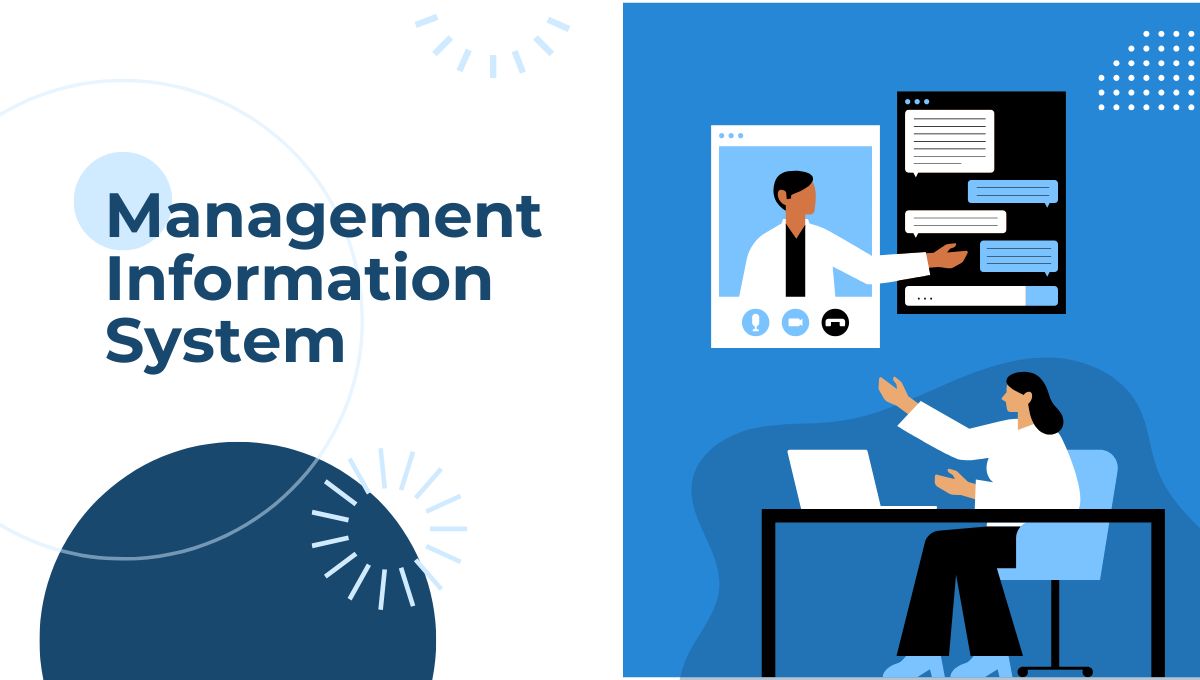

A Guide to Information Systems and Data Management

Data is a critical resource. Information systems streamline processes, enhance decision-making, and secure business assets. Understanding these systems is vital for success. If you wish to become a CPA, sign up for our CPA course.

What is a Management Information System (MIS)?

Management Information Systems (MIS) are business tools. They integrate technology, people, and processes seamlessly. MIS provides valuable insights to help decision-making. Businesses rely on MIS for operational efficiency. It ensures structured workflows and data organisation.

Core Components of Information Systems

Information systems consist of five primary components.

  1. Hardware: Includes physical devices like servers or computers.
  2. Software: Applications manage and analyse data efficiently.
  3. Data: Core input, requiring careful management and security.
  4. People: The users who interact with and manage systems.
  5. Processes: Define how systems and people work together.
    Effective integration ensures business systems run smoothly.

Key Data Management Strategies

Companies adopt robust data management strategies for success. Proper handling ensures compliance and improves performance.

  1. Centralised Data Repositories: Store data in one secure location.
  2. Regular Data Audits: Identify inaccuracies and redundancies.
  3. Automation Tools: Streamline data collection and analysis.
  4. Real-Time Analytics: Provide up-to-date insights instantly.
    Effective strategies optimise data usage for decision-making.

Importance of Information Systems Management

Information systems management ensures proper resource utilisation. It focuses on aligning technology with business objectives. Managers ensure systems meet organisational needs efficiently. They monitor performance, updates, and user adoption.

Data Governance: Foundation for Trust and Accuracy

Data governance establishes rules for data usage. It focuses on consistency, accuracy, and security. Governance builds trust among stakeholders. It ensures compliance with industry standards and regulations. Strong governance minimises risks and maximises data value.

Ensuring Data Security in Modern Systems

Data security protects sensitive business information. It involves encryption, firewalls, and secure authentication methods. Companies invest in robust data security measures. Data breaches can lead to financial and reputational loss. Proactive measures ensure long-term trust and reliability.

Data Integration for Enhanced Insights

Data integration combines sources into a unified view. Integrated systems eliminate silos and improve transparency. It ensures stakeholders access accurate, comprehensive information. Integration enhances decision-making and operational efficiency.

Benefits of Effective Data Management

  1. Improved Decision-Making: Data insights guide critical business choices.
  2. Enhanced Productivity: Automation reduces manual data handling.
  3. Cost Savings: Streamlined systems lower operational expenses.
  4. Compliance: Adherence to data regulations avoids penalties.
    Proper management directly impacts organisational success.

Challenges in Data Management and Solutions

  1. Volume of Data: Modern businesses handle massive datasets.
    Solution: Implement scalable storage and processing systems.
  2. Data Accuracy: Inaccuracies can lead to poor decisions.
    Solution: Regular data validation and quality checks.
  3. Security Threats: Cyberattacks can compromise sensitive data.
    Solution: Strengthen security measures like encryption.

Building a Data-Driven Culture

Organisations must prioritise data literacy among employees. Training programs enhance understanding and utilisation. Leaders should champion data-driven strategies. A data-focused culture ensures consistent performance improvement.

CPA Course by Imarticus Learning

Understanding data’s role in accounting is vital. The CPA course equips professionals with the necessary skills. Enhance your career with global certification and tech expertise.

Optimising Data for Competitive Advantage

To stay ahead, businesses must maximise data use. Data optimisation involves refining and analysing datasets effectively. Tools like data warehouses and machine learning enhance accuracy. Competitive organisations leverage insights for strategic actions. Optimised data also reduces redundancy and boosts performance.

Leveraging AI in Information Systems

AI revolutionises how businesses manage data and systems. Intelligent algorithms streamline processes like data sorting or analysis. Machine learning models predict trends and improve decision-making. Integrating AI enhances system scalability and responsiveness. It ensures organisations remain future-ready and adaptable.

Building an Effective Data Management Framework

A robust framework ensures seamless data operations. It defines roles, processes, and data handling protocols. Businesses align strategies with goals through structured frameworks. Consistency in processes fosters compliance and efficiency. A well-defined framework also enhances data integration across systems.

Integrating Cloud-Based Information Systems

Cloud solutions are transforming data storage and access. Cloud systems offer scalability, flexibility, and security. Businesses adopt cloud platforms for cost-effective management. Integration improves collaboration and real-time data availability. Organisations also benefit from reduced IT infrastructure burdens.

Enhancing Data Security Through Encryption

Encryption is vital for safeguarding sensitive information. It converts data into unreadable formats, accessible only with keys. Businesses use encryption to secure transactions and communications. Advanced methods, like end-to-end encryption, bolster privacy. Implementing encryption protects against unauthorised data breaches and ensures compliance with regulations.

Training Teams for Effective Data Management

Skilled teams are crucial for managing information systems. Training programs focus on tools, compliance, and strategies. Regular upskilling ensures staff handle evolving technologies effectively. Empowered teams make better decisions using data insights. Organisations investing in training improve efficiency and reduce operational risks.

Implementing Data Governance for Compliance and Quality

Data governance ensures consistent and ethical data management. It establishes policies, standards, and accountability for data use. Governance frameworks improve data quality and ensure compliance with regulations. Proper governance mitigates risks like unauthorised access and data misuse. Strong data governance drives trust and enhances decision-making processes.

Conclusion

Information systems and data management drive business success. By leveraging data governance and security, businesses ensure sustainability. Stay competitive with strategic investments in modern systems. Explore the CPA course by Imarticus Learning for skills that bridge technology and finance.

Frequently Asked Questions

Why is data governance important?
Data governance ensures accuracy, security, and compliance. It sets policies for responsible data management.

How does a management Information system help businesses?
MIS organises data for decision-making. It improves efficiency and supports business growth strategies.

What are some recent trends in MIS?
Key trends include cloud computing, AI analytics, and blockchain. They enhance scalability and data security.

Why is data security crucial for companies?
Data security protects sensitive information from breaches. It ensures trust and prevents financial loss.

Essentials of BAR: Technical Accounting and Reporting for CPAs

Technical accounting is critical for CPAs today. It ensures accurate financial reporting across organisations. CPAs must adhere to precise accounting standards consistently. BAR accounting focuses on compliance, accuracy, and transparency. This knowledge strengthens financial decision-making effectively.

For aspiring CPAs aiming to excel in BAR, comprehensive training is essential. The CPA course by Imarticus Learning equips professionals with advanced knowledge of accounting standards, reporting frameworks, and compliance strategies.

Why CPAs Must Master BAR

BAR stands for Business, Accounting, and Reporting. It’s essential for maintaining regulatory compliance globally. Technical accounting skills streamline financial reporting processes. CPAs ensure businesses meet all reporting requirements seamlessly.

The Importance of CPA Reporting
CPA reporting ensures accurate financial disclosures confidently. It builds trust with stakeholders and regulatory bodies. Standardised reporting reduces inconsistencies in financial statements.

Enhancing Decision-Making Through BAR
BAR practices guide better resource allocation decisions. CPAs provide insights for strategic financial planning effectively. Adopting BAR principles fosters long-term business success.

Technical Accounting: The Backbone of BAR

Technical accounting underpins BAR practices comprehensively. It involves interpreting complex accounting standards thoroughly. CPAs ensure businesses comply with evolving regulations efficiently. Technical expertise prevents misstatements in financial records significantly.

Key Aspects of Technical Accounting

  • Revenue recognition aligns earnings with performance accurately.
  • Lease accounting ensures proper asset liability classification.
  • Tax accounting addresses deferred taxes effectively.

Role of CPAs in Technical Accounting
CPAs interpret and apply technical standards confidently. Their expertise maintains consistency in financial reporting globally. Technical accounting expertise enhances CPA credibility significantly.

Accounting Standards: Global Guidelines for CPAs

Accounting standards ensure uniformity across financial statements worldwide. CPAs must understand various frameworks, including GAAP and IFRS. Adherence to these standards improves comparability and transparency globally.

Differences Between GAAP and IFRS
GAAP focuses on detailed rules for U.S. companies. IFRS emphasises principles for international organisations. CPAs adapt frameworks based on jurisdictional needs effectively.

Impact of Standards on Financial Reporting
Standards dictate how companies disclose financial data properly. Non-compliance risks penalties and stakeholder mistrust significantly. CPAs implement standards to meet compliance expectations fully.

Financial Reporting for CPAs: A Detailed Overview

Financial reporting is central to BAR accounting principles. CPAs prepare statements reflecting financial health and performance. Accurate reports guide internal management and external stakeholders consistently.

Components of Financial Reporting

  • Income statements summarise profitability over periods reliably.
  • Balance sheets present assets and liabilities transparently.
  • Cash flow statements track liquidity movements comprehensively.

Common Challenges in Reporting
Errors in revenue recognition lead to misstatements often. Valuation complexities complicate asset and liability reporting processes. CPAs address these issues through technical expertise effectively.

CPA Reporting Requirements

CPAs must meet stringent reporting requirements regularly. Compliance ensures credibility with stakeholders and regulators always. Understanding these requirements strengthens professional practices reliably.

Regulatory Bodies Governing CPA Reports

  • SEC oversees reporting for publicly traded companies strictly.
  • FASB develops GAAP standards for consistent applications.
  • IASB formulates IFRS guidelines for global compliance efforts.

Deadlines and Documentation
Timely submission of financial reports is mandatory always. Proper documentation supports accuracy and auditability in financial records.

BAR Accounting: Practical Applications

BAR accounting connects technical knowledge with real-world scenarios effectively. CPAs apply these concepts to optimise organisational financial processes confidently. Practical applications include budgeting, forecasting, and variance analysis.

Optimising Budgeting Processes
Accurate financial data drives informed budget creation effectively. CPAs analyse historical trends and future projections precisely. BAR principles enhance budgeting accuracy and efficiency consistently.

Improving Forecasting Accuracy
Forecasting relies on data-driven insights for reliability. BAR accounting frameworks guide strategic forecasts confidently. CPAs provide actionable insights for better decision-making consistently.

Common Mistakes in BAR Practices

Even experienced CPAs face challenges with BAR sometimes. Identifying common pitfalls ensures improved practices continually. Technical errors and process oversights compromise reporting quality significantly.

Misinterpretation of Accounting Standards
Misunderstanding technical guidelines leads to compliance issues often. CPAs must update their knowledge regularly to avoid mistakes.

Inadequate Internal Controls
Weak controls increase risks of errors and fraud significantly. CPAs implement robust internal control systems to mitigate these risks effectively.

Advancing CPA Careers Through BAR Mastery

Mastering BAR enhances CPA career prospects globally. Advanced knowledge attracts better opportunities in finance roles. Expertise in technical accounting ensures sustained professional growth confidently.

Benefits of BAR Mastery for CPAs

  • Expands career opportunities in global firms significantly.
  • Builds expertise in regulatory compliance practices.
  • Enhances credibility with stakeholders and employers.

Educational Pathways for CPAs
Continuous learning through specialised programs boosts skills. Advanced certifications keep CPAs competitive in the evolving financial landscape.

Emerging Trends in BAR Accounting

Technology reshapes BAR accounting practices continually. Automation, AI, and data analytics improve accuracy significantly. CPAs leverage these tools to streamline financial processes efficiently.

AI-Driven Financial Analysis
AI identifies patterns in financial data accurately. It simplifies complex analysis tasks for faster decisions. CPAs integrate AI to enhance reporting effectiveness reliably.

Blockchain for Transparent Reporting
Blockchain ensures secure and transparent financial records seamlessly. It reduces fraud risks while improving audit processes substantially.

Conclusion

BAR accounting is essential for CPA success globally. It integrates technical accounting, financial reporting, and compliance effectively. CPAs ensure transparency and accuracy in financial processes confidently. Advanced education, such as the CPA course by Imarticus Learning, equips professionals with the skills to excel in BAR practices.

Frequently Asked Questions

What is BAR in CPA accounting?
BAR stands for Business, Accounting, and Reporting.

Why are CPA accounting standards important?
They ensure consistency and transparency in reporting.

What tools aid technical accounting?
AI, data analytics, and automation simplify processes.

How can CPAs advance their BAR skills?
Through specialised certifications and continuous learning.

Credit Risk and Analysis for Government and Private Issuers

Credit risk analysis evaluates the probability of default. It’s critical for managing investment risks effectively. Both government and private issuers face unique challenges. Understanding their risks ensures better financial decisions. Analysts assess creditworthiness for bonds, loans, and investments. These insights help investors balance returns and safety.

Aspiring analysts can deepen their expertise with Imarticus Learning’s CFA program, which provides the skills to excel in financial analysis and risk management.

The Basics of Credit Risk

Credit risk reflects the likelihood of non-repayment. It affects lenders, investors, and issuers equally. Proper analysis ensures informed financial strategies. Risk varies across sectors, geographies, and economies. Credit risk analysis mitigates financial losses significantly.

Defining Credit Risk Analysis
Credit risk analysis evaluates repayment ability precisely. It includes financial ratios, historical trends, and market dynamics. Analysts identify potential risks before investing decisions.

Importance of Credit Risk Management
Effective credit risk management reduces defaults considerably. It builds trust between issuers and investors reliably. Analysts play a key role in safeguarding investments.

Government Credit Risk Analysis

Governments raise funds through bonds or loans. Assessing their credit risk requires macroeconomic insights. Public debt levels and fiscal policies impact risk ratings. Analysts evaluate sovereign credit profiles for reliable forecasts.

Key Factors in Government Credit Risk
Debt-to-GDP ratios highlight repayment capability effectively. Political stability ensures uninterrupted debt servicing timelines. Economic growth boosts revenue and reduces repayment risks.

Role of Government Bond Ratings
Ratings determine investor confidence in sovereign bonds. Higher ratings reflect low default probability globally. Lower ratings indicate potential repayment challenges ahead. Analysts monitor rating changes for investment decisions.

Private Issuer Credit Risk

Private issuers include corporations seeking debt financing. Credit risk arises from operational and market uncertainties. Analysts review financial health and industry performance extensively. Private issuer credit risk demands detailed qualitative assessments.

Evaluating Corporate Financial Stability
Debt levels and profitability ratios guide credit analysis. Consistent cash flows signal repayment reliability confidently. Analysts assess management efficiency for corporate governance insights.

Market and Industry Risks
Market volatility impacts issuer creditworthiness significantly. Sector-specific risks add complexity to private credit analysis. Analysts compare industry benchmarks for accurate risk assessments.

Comparing Government and Private Issuer Risks

Government and private risks differ fundamentally. Sovereign issuers rely on tax revenue for repayments. Private issuers depend on business operations for cash flow. Analysts compare these risks to guide portfolio decisions.

Default Risks Across Issuer Types
Governments rarely default unless fiscal crises occur. Corporations face higher default risks due to market exposure. Analysts weigh these factors before investment recommendations.

Economic and Regulatory Impacts
Government policies influence private sector performance greatly. Regulatory changes can elevate corporate risks unexpectedly. Analysts analyse interdependencies to refine risk forecasts further.

Credit Risk Management Strategies

Managing credit risks involves proactive strategies extensively. Diversification minimises concentration risks significantly. Continuous monitoring ensures updated risk profiles accurately. Analysts implement robust frameworks for sustainable risk mitigation.

Diversification in Investment Portfolios
Spreading investments across sectors reduces default risks. Analysts design balanced portfolios for optimal returns consistently.

Regular Risk Monitoring Techniques
Credit risks evolve with changing market conditions always. Frequent reviews ensure timely responses to emerging risks. Analysts recommend dynamic monitoring tools for real-time insights.

Advanced Tools for Credit Risk Analysis

Modern tools simplify credit risk evaluation considerably. AI and machine learning enhance predictive accuracy reliably. Risk models analyse large datasets efficiently in seconds. Analysts leverage advanced technologies for superior outcomes.

AI in Credit Risk Forecasting
AI algorithms detect patterns and predict defaults effectively. These tools provide faster and more accurate insights. Analysts integrate AI for comprehensive credit assessments seamlessly.

Data-Driven Credit Models
Data-driven models highlight credit risks systematically. They combine historical data with current market trends. Analysts trust these models for objective risk evaluations.

Government Bond Ratings: A Closer Look

Government bond ratings influence global investment decisions significantly. Agencies assess economic performance and fiscal stability carefully. Ratings guide investor confidence and capital allocation globally.

Top Rating Agencies and Their Roles
Moody’s, S&P, and Fitch dominate global ratings consistently. They analyse sovereign risks for transparency in bond markets. Analysts track these agencies’ updates for reliable insights.

Rating Downgrades and Their Impact
Downgrades signal increased repayment uncertainties effectively. Investors reassess portfolios based on rating adjustments promptly. Analysts evaluate downgrade implications on broader financial markets.

Private Credit Risks in Emerging Markets

Emerging markets offer higher returns but greater risks. Political instability and regulatory hurdles add complexities often. Private issuers face liquidity challenges in these markets. Analysts focus on macroeconomic trends for accurate risk forecasts.

Political Risks and Credit Assessments
Unstable governments increase default risks significantly. Analysts consider geopolitical scenarios during credit evaluations extensively.

Currency Volatility and Repayment Risks
Exchange rate fluctuations affect foreign-denominated debt repayments directly. Analysts monitor currency trends for emerging market issuers thoroughly.

The Role of ESG in Credit Analysis

Environmental, Social, and Governance (ESG) factors shape credit risks extensively. Sustainable practices reduce long-term risks for issuers significantly. Analysts incorporate ESG metrics into credit evaluations increasingly.

Environmental Risks and Issuer Stability
Environmental regulations impact industries and costs profoundly. Analysts assess compliance with green standards during evaluations.

Governance Practices and Default Probabilities
Strong corporate governance reduces operational risks reliably. Analysts evaluate board structures and transparency for insights consistently.

The Future of Credit Risk Management

Credit risk management evolves with changing global dynamics continuously. Technology drives innovation in evaluation and forecasting methods. Analysts must adapt to new tools for future-proof strategies effectively.

Real-Time Data for Faster Decisions
Access to real-time financial data improves analysis speed significantly. Analysts integrate real-time insights into decision-making frameworks regularly.

Blockchain and Transparent Credit Histories
Blockchain ensures transparent and tamper-proof credit records seamlessly. This innovation enhances issuer credibility globally. Analysts embrace blockchain for secure and reliable credit data management.

Conclusion

Credit risk analysis is vital for informed investments. It balances potential returns against repayment risks confidently. Analysts assess government and private issuer risks comprehensively. Tools like AI and ESG metrics enhance accuracy further.

Frequently Asked Questions

What is credit risk analysis?
Credit risk analysis assesses repayment ability.

How do bond ratings impact investments?
Bond ratings influence confidence and capital allocation.

Why is ESG important in credit analysis?
ESG reduces risks and ensures sustainable practices.

What tools enhance credit risk analysis?
AI, data models, and blockchain improve accuracy.

Policies for Analysts: Fiscal Policy and Monetary Policy

Having a solid understanding of economic policies is crucial for analysts. Fiscal and monetary policies shape economies globally. These policies regulate spending, taxation, and money supply. Both tools influence growth, inflation, and employment. Analysts decode their effects to forecast economic changes. Mastering them is essential for financial decision-making.

Analysts aiming for excellence can benefit from the CFA course by Imarticus Learning. It provides the skills needed to excel in economic policy analysis and financial decision-making.

What Is Fiscal Policy?

Governments manage fiscal policy through spending decisions. It includes public investments, subsidies, and taxation measures. Fiscal tools aim to stimulate or cool economies. Higher spending boosts growth during recessions. Taxation changes balance inflation and employment levels. Analysts assess fiscal shifts for growth impacts.

The Role of Government Spending
Governments invest in infrastructure during slowdowns. Spending creates jobs and boosts demand quickly. Analysts evaluate spending plans for GDP growth. These insights inform predictions about market dynamics.

Taxation and Revenue Management
Taxation influences consumer behaviour and investments. High taxes reduce disposable income drastically. Low taxes encourage spending and business growth. Analysts track tax reforms to predict economic outcomes.

What Is Monetary Policy?

Central banks manage monetary policy independently. It regulates money supply and interest rates effectively. Monetary tools control inflation and stabilise prices. Changes in interest rates affect borrowing and spending. Analysts follow central bank decisions for market signals.

Interest Rate Management Explained
Central banks lower rates to spur borrowing. High rates cool overheated economies by design. Rate adjustments ripple through equity and debt markets. Analysts interpret these moves for financial strategies.

Money Supply and Credit Control
Money supply impacts inflation and currency stability. Tight policies curb inflation but slow growth. Loose policies stimulate demand and business activity. Analysts gauge money supply shifts for trend forecasting.

Fiscal vs Monetary Policy

Fiscal and monetary policies serve distinct goals. Governments control fiscal tools through budgets. Central banks independently manage monetary instruments. Fiscal tools target specific sectors or demographics. Monetary tools broadly affect liquidity and market rates. Analysts compare these policies for comprehensive strategies.

Coordination Between Fiscal and Monetary Policies
Coordinated policies create balanced economic outcomes. Fiscal spending aligns with monetary rate adjustments. Mismatched policies risk inflation or economic stagnation. Analysts monitor coordination to assess stability risks.

Impact of Fiscal Policy on Economies

The impact of fiscal policy is enormous. Fiscal policy influences economies through spending programs. Large-scale projects increase employment and incomes. Tax reductions boost consumer demand significantly. Analysts assess fiscal impacts to predict market behaviour.

Stimulus During Economic Recessions
Governments launch stimulus packages during downturns. Spending aids industries struggling with low demand. Analysts evaluate stimulus plans for economic recovery forecasts. This helps anticipate sector-specific growth opportunities.

Balancing Inflation and Employment
Fiscal policies must balance inflation and jobs carefully. Overspending risks inflation; underspending reduces jobs. Analysts analyse fiscal balances for sustainable outcomes. Policy shifts influence both short- and long-term trends.

Monetary Policy’s Economic Role

Monetary policy stabilises inflation and promotes growth. Central banks adjust rates to match economic needs. Tight monetary policies reduce excess liquidity quickly. Loose policies enable expansion during economic downturns.

Inflation Targeting as a Core Objective
Central banks use inflation targets for stability. Low inflation encourages savings and investments effectively. High inflation disrupts purchasing power and wages. Analysts monitor inflation targets for long-term planning.

Exchange Rates and International Trade
Monetary policy impacts exchange rates indirectly. Rate changes influence currency strength globally. Strong currencies attract foreign investments rapidly. Analysts assess trade and forex impacts of rate decisions.

Decision-Making Challenges in Policy Management

Governments face tough choices in balancing policy goals. Fiscal expansions risk deficits; monetary easing causes inflation. Analysts weigh these risks for informed investment strategies. Policy effectiveness depends on timely implementation overall.

Short-Term vs. Long-Term Goals
Short-term fiscal boosts risk long-term deficits severely. Analysts examine trade-offs between immediate growth and debt. Similarly, short-term monetary easing risks future inflation. Balancing these goals is critical for sustainable growth.

Global Interdependencies in Policy Effects
Global trade ties amplify policy effects across borders. Fiscal or monetary changes affect global supply chains. Analysts consider interdependencies for accurate market predictions. This ensures better alignment with global economic trends.

Data Analysis for Policy Effectiveness

Data analysis helps measure policy outcomes thoroughly. Fiscal policies show results through GDP and unemployment data. Monetary impacts are reflected in inflation and lending trends. Analysts rely on data for evidence-based conclusions.

Measuring Fiscal Outcomes with Data
Tax revenues and spending data reveal fiscal impacts. Analysts track GDP growth for policy success metrics. Public debt trends highlight sustainability challenges. Data enables precise evaluation of fiscal measures’ effectiveness.

Monetary Impacts Through Financial Indicators
Interest rates and inflation trends track monetary impacts. Lending activity and credit growth provide further insights. Forex markets react to central bank decisions promptly. Analysts combine these indicators for comprehensive analysis.

Technology in Policy Implementation

Digital tools streamline fiscal and monetary implementations. Automation reduces delays in government spending programs. Central banks use AI for effective predictive policy adjustments. Analysts adapt to technology trends for real-time insights.

Automation in Government Expenditures
Tech-enabled platforms distribute fiscal aid efficiently. Automated systems ensure faster resource allocations nationwide. Analysts track tech adoption for improved fiscal predictability.

AI Models for Monetary Predictions
AI models predict inflation and interest rate trends. Central banks integrate AI for better decision-making processes. Analysts adopt these models for predictive financial planning.

Market Reactions to Policy Announcements

Markets react instantly to fiscal and monetary changes. Stock markets adjust to fiscal stimulus announcements rapidly. Bond yields reflect rate hike decisions almost immediately. Analysts track market movements for portfolio adjustments.

Equity Market Trends Post Fiscal Stimulus
Stimulus programs increase consumer spending substantially. Retail and infrastructure stocks benefit from fiscal boosts. Analysts predict sector gains based on stimulus scopes.

Bond Market Sensitivity to Rate Changes
Bond yields rise during tight monetary phases. Analysts adjust fixed-income portfolios for rate expectations. These moves align with broader monetary trends.

Effective Communication of Policy Decisions

Clear communication ensures better policy understanding. Central banks publish rate decisions through press releases. Governments announce budgets transparently for stakeholder clarity. Analysts rely on these updates for immediate insights.

Transparency in Monetary Announcements
Central banks issue detailed reports post-rate changes. Transparency builds trust among investors and citizens alike. Analysts study reports for deeper monetary policy implications.

Public Awareness Through Fiscal Briefings
Governments host press briefings on fiscal programs. Citizens and businesses understand spending priorities better. Analysts assess public responses to gauge market sentiments.

Policy Impacts on Business Decisions

Businesses adjust strategies based on fiscal incentives. Tax breaks encourage capital investments and hiring. Rate cuts reduce borrowing costs for expansions. Analysts track these responses for better financial modelling.

Investment Plans Aligned With Policy Trends
Businesses align projects with favourable policy environments. Analysts evaluate these strategies for potential profitability. This includes assessing risks in adverse policy shifts.

Operational Changes Driven by Rate Decisions
Low rates encourage borrowing for operational expansions. High rates push businesses towards cost optimisations. Analysts gauge these trends for strategic decision-making.

Policy Tools During Economic Crises

Economic crises demand coordinated fiscal and monetary responses. Governments and central banks deploy emergency tools rapidly. Analysts assess crisis measures for recovery timelines effectively.

Bailouts and Stimulus for Affected Sectors
Targeted bailouts rescue industries during severe downturns. Analysts evaluate bailout programs for economic rebound estimates.

Rate Cuts to Encourage Liquidity
Central banks slash rates to ensure liquidity availability. Analysts track credit growth as recovery signals promptly.

Analysing Policy Outcomes Over Time

Long-term analyses reveal cumulative policy effects. Fiscal and monetary cycles show recurring patterns historically. Analysts identify these trends for predictive economic insights.

Trend Analysis in Historical Policy Data
Historical fiscal data highlights recurring economic trends. Analysts identify cycles for better market forecasts.

Lessons From Previous Monetary Decisions
Past rate adjustments offer lessons for current scenarios. Analysts apply these lessons to model expected outcomes.

Conclusion

Fiscal and monetary policies shape economies worldwide. Analysts play a crucial role in interpreting these tools. Mastering fiscal and monetary principles is essential for financial expertise.

Frequently Asked Questions

What do we mean by fiscal policy?
Fiscal policy involves government spending and taxation.

How does inflation get controlled by monetary policy?
Monetary policy regulates money supply and rates.

What is the key difference between fiscal and monetary policy?
Fiscal policy is government-driven, and monetary by central banks.

Why are fiscal and monetary policies essential for analysts?
They shape economic trends and market behaviour.

The Ultimate Tutorial on Decision Analysis for CMAs

Decision analysis plays a pivotal role in the CMA exam. It combines analytical tools and structured processes to aid decision-making. For CMAs, mastering this concept enhances financial strategy and business growth skills. This guide simplifies decision analysis to help aspirants succeed.

For those preparing for the CMA exam, structured learning is crucial. The US CMA course by Imarticus Learning covers every aspect of decision-making and management accounting.

Why Decision Analysis Matters for CMAs

  • Core CMA topic: Essential for financial decision-making.
  • Real-world relevance: Helps solve organisational challenges.
  • Improves exam readiness: Frequently tested in Part 2.
  • Enhances career growth: Develops strategic decision-making skills.

Decision analysis forms a foundation for financial and managerial excellence.

Overview of Decision Analysis Tools

Mastering tools simplifies decision-making processes:

1. Cost-Volume-Profit (CVP) Analysis

  • Break-even points: Identify sales volume to cover costs.
  • Margin of safety: Understand revenue beyond break-even.
  • Scenario modelling: Assess risks in pricing strategies.

2. Variance Analysis

  • Standard vs. actual: Compare expected and real performance.
  • Cost variances: Identify material or labour inefficiencies.
  • Revenue variances: Pinpoint sales deviations.

3. Linear Programming

  • Optimal resource allocation: Maximise efficiency with constraints.
  • Common for CMA questions: Frequently tested in optimisation problems.

4. Decision Trees

  • Graphical representation: Visualise complex decisions.
  • Assess probabilities: Attach outcomes to scenarios.

Master these tools to gain confidence in CMA decision analysis sections.

CMA Exam Preparation Tips

Prepare smartly with these actionable tips:

1. Understand the Exam Structure

  • Two parts: Focus on Part 2 for decision-making.
  • Time management: Practice under timed conditions.

2. Utilise a CMA Study Guide

  • Targeted content: Covers critical topics comprehensively.
  • Structured learning: Follow chapter-based approaches.

3. Practice Problem-Solving

  • Mock tests: Simulate exam scenarios.
  • Real-world questions: Solve practical business cases.

4. Join Study Groups

  • Collaborative learning: Share strategies and clarify doubts.
  • Peer motivation: Stay consistent in preparation.

Consistency and focus are keys to success.

Applying Decision Analysis to CMA Questions

Learn how to solve CMA-style problems effectively:

Example 1: Break-Even Analysis

Question: A company has fixed costs of $50,000, variable costs of $10/unit, and sells at $20/unit. What is the break-even volume?

  • Solution steps:
    • Calculate contribution margin: $20 – $10 = $10.
    • Use the formula: Fixed costs ÷ Contribution margin.
    • Answer: 5,000 units.

Example 2: Decision Tree for Expansion

Question: Should a company expand with a 60% success probability and $200K profit or risk a $100K loss otherwise?

  • Solution steps:
    • Calculate expected value: (0.6 × 200K) – (0.4 × 100K).
    • Answer: $80K positive outcome suggests expansion.

Practice these problems to solidify concepts.

Building a CMA Study Schedule

Time management is crucial for CMA exam success:

Weekly Plan Example

  • Week 1-3: Decision analysis tools and basics.
  • Week 4-5: Cost behavior and variance analysis.
  • Week 6-7: Advanced topics like linear programming.
  • Week 8: Mock tests and review weak areas.

Regular revisions and problem-solving boost retention.

Advanced Decision Analysis Techniques

Expand knowledge with advanced methods:

Sensitivity Analysis

  • Impact of changes: Assess outcomes with variable shifts.
  • Scenario testing: Explore best-case and worst-case results.

Regression Analysis

  • Predictive modelling: Identify trends from historical data.
  • Useful for forecasting: Enhance budgetary controls.

Monte Carlo Simulation

  • Risk assessment: Simulate outcomes with probabilistic models.
  • Widely applicable: Relevant in strategic decisions.

Advanced techniques strengthen decision-making accuracy.

Common Pitfalls in CMA Exam Preparation

Avoid these mistakes for better results:

  • Over-reliance on theory: Balance theory with practical application.
  • Neglecting time management: Allocate time wisely for problem-solving.
  • Skipping revision: Regular reviews are essential for retention.

A systematic approach ensures comprehensive preparation.

Role of Ethics in Decision Analysis

Ethical decision-making is vital for CMAs:

  • Transparency: Ensure honest communication of financial outcomes.
  • Integrity: Avoid manipulation of data for personal gains.
  • Sustainability focus: Consider long-term societal impacts.

Ethics foster trust and accountability in decision processes.

Leveraging Technology for CMA Exam Success

Utilise digital tools for smarter study approaches:

  • CMA apps: Offer quizzes and revision notes.
  • E-learning platforms: Provide interactive video lessons.
  • AI-based insights: Highlight weak areas through analytics.

Technology enhances efficiency and understanding.

Real-World Applications of Decision Analysis

Decision analysis extends beyond exams. It’s a valuable tool for CMAs in professional environments.

Investment Decisions

  • Capital allocation: Prioritise projects with the highest ROI.
  • Risk evaluation: Assess long-term profitability.
  • Scenario planning: Mitigate uncertainties effectively.

Product Mix Optimisation

  • Maximise profits: Allocate resources to high-margin products.
  • Constraint handling: Address production or supply limitations.
  • Market shifts: Adapt product focus to demand changes.

Mergers and Acquisitions

  • Cost-benefit analysis: Evaluate synergies and integration costs.
  • Long-term value: Forecast financial impact.
  • Risk mitigation: Identify potential liabilities.

Decision analysis helps CMAs make data-driven, strategic decisions.

The Role of CMA Certification in Decision Analysis

A CMA designation enhances decision analysis proficiency.

Enhanced Skills

  • Strategic thinking: Align decisions with organisational goals.
  • Analytical rigour: Apply frameworks for reliable outcomes.
  • Ethical standards: Make decisions with integrity.

Career Advancement

  • Global recognition: CMA certification boosts credibility.
  • Higher responsibilities: Lead decision-making initiatives.
  • Lucrative opportunities: Unlock senior management roles.

Competitive Advantage

  • Practical tools: Master decision trees, CVP, and more.
  • Comprehensive training: Covers financial and operational strategies.
  • Future-proof skills: Stay relevant in dynamic markets.

Earning the CMA boosts professional confidence and expertise.

Exam Day Tips for Decision Analysis

A calm, focused approach is key to a CMA’s success.

Before the Exam

  • Review key concepts: Focus on high-weight topics.
  • Avoid last-minute cramming: Prioritise clarity over volume.
  • Rest well: Ensure proper sleep for mental alertness.

During the Exam

  • Scan questions: Identify easier ones to solve first.
  • Show calculations: Provide clear steps for partial credit.
  • Manage time: Allocate minutes per question wisely.

Post-Exam Strategy

  • Reflect on performance: Note challenging areas for improvement.
  • Continue learning: Prepare for Part 2 or future certifications.

A disciplined mindset leads to better outcomes in CMA exams.

Wrapping Up

Decision analysis is a critical component of the CMA exam. By mastering decision-making tools and following structured preparation strategies, you can confidently tackle this section. To further strengthen your skills and ensure success, explore the US CMA course by Imarticus Learning, designed to guide you through every aspect of the CMA journey.

Frequently Asked Questions

What is decision analysis in the CMA exam?
Decision analysis involves using tools to make informed business decisions.

Which decision analysis tools are most important?
Key tools include CVP analysis, variance analysis, and decision trees.

How can I prepare for CMA decision analysis?
Use a study guide, practice problem-solving, and review advanced techniques.

Why is ethics essential in decision analysis?
Ethics ensure transparency, integrity, and long-term sustainability in decisions.

A Holistic Guide to Internal Controls: Financial Control, Risk Control, Cost Control, and Compliance

Internal control is absolutely vital for managing organisational risks. Controls provide a foundation for financial accuracy, risk reduction, cost efficiency, and compliance.

If you wish to become a certified management accountant, our solid US CMA course can definitely help you. Enhance your expertise in internal controls and drive organisational success.

What is Internal Control?

Internal control refers to a set of processes ensuring organisational efficiency, compliance, and asset protection. It includes policies and practices that align operations with strategic objectives.

  • Key pillars: Governance, accountability, and monitoring.
  • Focus areas: Financial integrity, risk mitigation, and compliance.
  • Example: Preventive measures like access controls reduce unauthorised activity.

Tip: Regular audits ensure the controls remain effective.

Financial Control Systems

Financial control systems manage an organisation’s economic stability. They ensure accurate records, resource allocation, and fraud prevention.

  • Budgeting: Allocates funds to essential activities.
  • Cash flow monitoring: Tracks inflow and outflow accurately.
  • Audit trails: Maintain traceability in financial transactions.

Insight: Segregating duties reduces fraudulent activities.
Example: Separate roles for approving and disbursing payments.

Risk Management and Control

Effective risk management and control minimise vulnerabilities and prepare organisations for uncertainties.

  • Risk identification: Detect threats to operations.
  • Assessment tools: Measure likelihood and impact.
  • Control activities: Implement processes to prevent risks.

Pro Tip: Design contingency plans for critical risks.
Example: Install system backups to counter cybersecurity threats.

Cost Control Strategies

Organisations thrive by using resources effectively. Implementing cost control strategies ensures sustainable operations.

  • Expense tracking: Monitor spending patterns consistently.
  • Process optimisation: Streamline operations to reduce costs.
  • Benchmarking: Compare costs against industry standards.

Best Practice: Regular reviews uncover unnecessary expenditures.
Example: Switching to energy-efficient equipment saves costs.

Compliance Controls

Compliance controls ensure adherence to laws, regulations, and internal policies. They build trust and mitigate legal risks.

  • Policy implementation: Enforce clear, written guidelines.
  • Regulatory updates: Stay informed about compliance changes.
  • Employee training: Teach staff about compliance obligations.

Key Insight: Automated compliance systems enhance efficiency.
Example: Tools like GRC software streamline compliance tracking.

Developing an Internal Control Framework

An internal control framework outlines principles and practices for governance and oversight.

  • Define objectives: Align controls with organisational goals.
  • Risk mapping: Identify and prioritise potential threats.
  • Process design: Establish checks and balances for workflows.

Important: Tailor frameworks to fit the company’s scale.
Example: A small business may focus on simple approval workflows.

Benefits of Internal Control Systems

Effective internal control systems deliver significant advantages:

  • Fraud prevention: Protects assets from misuse.
  • Operational efficiency: Improves processes and outcomes.
  • Compliance assurance: Reduces legal risks and penalties.
  • Financial accuracy: Ensures reliable reporting.

Pro Tip: Use dashboards to monitor real-time compliance metrics.

Challenges in Implementing Internal Controls

Despite their benefits, internal controls face hurdles:

  • Resistance to change: Staff may resist new procedures.
  • Resource constraints: Limited budgets can delay implementations.
  • Evolving risks: Cybersecurity threats require constant adaptation.

Solution: Invest in training and scalable control technologies.

Strengthening Risk Management and Control

To reinforce risk management, organisations should:

  • Engage stakeholders: Involve all departments in risk discussions.
  • Leverage data analytics: Identify trends and predict risks.
  • Establish monitoring: Continuously evaluate the control measures.

Best Practice: Use predictive modelling for proactive decisions.
Example: Predict customer defaults using historical payment data.

Tools for Financial Control Systems

Modern tools enhance financial control accuracy and efficiency:

  • ERP systems: Integrate financial data in one platform.
  • Budgeting software: Automate budget creation and tracking.
  • Audit tools: Simplify compliance and reporting requirements.

Tip: Choose tools that integrate seamlessly with current systems.

Building Compliance into Organisational Culture

Embedding compliance within corporate culture ensures consistent adherence:

  • Leadership commitment: Leaders must model compliant behaviour.
  • Regular workshops: Keep employees informed about policies.
  • Feedback loops: Encourage reporting of compliance issues.

Key Insight: An engaged workforce supports regulatory goals.
Example: Recognising employees for reporting violations builds trust.

Monitoring and Improving Internal Control Systems

Continual improvement is essential for sustaining effectiveness:

  • Audits and reviews: Assess control efficiency regularly.
  • Feedback mechanisms: Gather input from employees and stakeholders.
  • Update policies: Reflect on evolving risks and regulations.

Insight: Frequent evaluations maintain system relevance.
Example: Quarterly audits identify gaps in cybersecurity defences.

Role of Technology in Internal Control Frameworks

  • Automation ensures consistency: Reduces manual errors and enhances accuracy.
  • Real-time monitoring: Flags anomalies instantly for quicker responses.
  • Data analytics integration: Identifies trends to prevent fraud or inefficiencies.
  • Centralised systems: Streamline processes across financial control systems.
  • Compliance tracking tools: Simplify adherence to regulatory requirements.

Technology trends shaping internal controls:

  • AI in risk management: Predicts potential vulnerabilities early.

  • Blockchain for transparency: Ensures tamper-proof transaction records.

  • Cloud-based solutions: Allow global access and collaborative oversight.

  • Challenge: Technology requires skilled personnel for optimal use.

Training and Development for Effective Controls

  • Employee training: Key to understanding internal control frameworks.
  • Workshops: Address compliance controls and regulatory updates.
  • Cross-functional learning: Enhances understanding of cost control strategies.
  • Regular audits: Reinforce importance and adherence to controls.
  • Customised programs: Focus on industry-specific risk management and control.

Benefits of well-trained teams:

  • Error reduction: Knowledge minimises operational inconsistencies.
  • Stronger compliance culture: Promotes ethical and legal adherence.
  • Proactive approach: Employees can identify risks early.

Investing in skill-building ensures sustainable control mechanisms.

Importance of Monitoring and Continuous Improvement

  • Monitoring ensures control effectiveness: Tracks how well controls perform.
  • Regular assessments: Identify gaps or areas needing enhancements.
  • Feedback loops: Enable quick adjustments to changing risks.
  • Dynamic frameworks: Adapt to evolving business environments.

Key monitoring practices:

  • Internal audits: Validate compliance and control integrity.
  • Key performance indicators (KPIs): Measure control efficiency quantitatively.
  • External reviews: Bring unbiased insights to identify weaknesses.

Continuous improvement focuses on:

  • Updating control processes: Align with new regulations and risks.
  • Employee engagement: Encourage suggestions for control enhancements.
  • Adopting innovative tools: Stay ahead in risk management and cost control.

Ongoing monitoring ensures robust and responsive internal controls.

Wrapping Up

Robust internal controls safeguard financial integrity, mitigate risks, and ensure compliance. Businesses must adopt tailored frameworks to address their unique challenges.

Sign up for the US CMA Course by Imarticus Learning to master these strategies and excel in financial leadership.

Frequently Asked Questions

What are the core components of organisational internal control?
Core components include control environment, risk assessment, and monitoring.

How do financial control systems support businesses?
They ensure accurate reporting and protect assets from misuse.

What is the role of compliance controls?
They ensure organisations adhere to laws and regulations.

How can companies enhance cost control strategies?
By optimising processes, benchmarking, and tracking expenses.

Types of Cost and Cost Accounting Techniques

Cost accounting is an essential aspect of financial management. We use it to analyse business expenses, optimise profits, and make informed decisions. Understanding types of costs and cost accounting methods is essential. This guide will explore 10 powerful cost accounting techniques and the types of costs businesses encounter.

For those interested in mastering these techniques of cost accounting, the ACCA course by Imarticus Learning offers excellent resources to hone accounting skills and advance your career.

What Are Costs in Business?

Costs represent the resources used to produce goods or services. They include money, time, and effort. Understanding different cost types ensures better financial control.

Types of Costs: Direct vs Indirect Costs

Direct Costs

Direct costs relate directly to production. Examples include raw materials and wages. They vary with production volume.

Indirect Costs

Indirect costs support production but aren’t directly linked. Examples include utilities, rent, and administrative salaries. These remain constant regardless of output.

Fixed Costs and Variable Costs

Fixed Costs

Fixed costs remain constant over time. Examples include rent and insurance. They do not fluctuate with production levels.

Variable Costs

Variable costs depend on production volume. Examples include raw materials and commissions. These increase as production scales up.

Semi-Variable Costs: The Hybrid Type

Semi-variable costs have fixed and variable components. An example is utility bills with base charges and usage fees. Businesses must track these carefully.

Opportunity Costs and Sunk Costs

Opportunity Costs

Opportunity costs represent forgone alternatives. They indicate potential gains from the next best option.

Sunk Costs

Sunk costs are past expenses that can’t be recovered. These should not influence future decisions.

10 Powerful Cost Accounting Techniques

1. Standard Costing

Standard costing sets benchmark costs for products. Variances between actual and standard costs are analysed. This method ensures cost control.

2. Activity-Based Costing (ABC)

ABC assigns costs based on activities. It identifies processes consuming the most resources. This method is precise and insightful.

3. Marginal Costing

Marginal costing focuses on variable costs. It helps businesses assess the impact of production changes.

4. Job Costing

Job costing assigns costs to specific jobs. It’s useful in industries like construction and consulting.

5. Process Costing

Process costing tracks costs for mass production. It works well in industries like chemicals and textiles.

6. Absorption Costing

Absorption costing allocates fixed and variable costs. It ensures all expenses are included in product pricing.

7. Lean Accounting

Lean accounting minimises waste in financial processes. It supports lean manufacturing principles.

8. Target Costing

Target costing sets cost limits for products. It ensures pricing aligns with market conditions.

9. Batch Costing

Batch costing calculates costs for a group of units. It’s common in food processing and electronics.

10. Environmental Costing

Environmental costing considers ecological impacts. It includes waste management and energy consumption costs.

Comparing Cost Accounting Techniques

Choosing the right techniques of cost accounting depends on business needs. For precision, use activity-based costing. For pricing, absorption costing is ideal. Understand your goals to select the best approach.

Applications of Cost Accounting in Business

Cost accounting aids decision-making. It helps set competitive prices, control expenses, and improve profitability. Companies can also identify inefficiencies.

The Role of Technology in Cost Accounting Methods

Automation streamlines cost accounting processes. Tools like ERP software enhance accuracy. Businesses save time and resources through digital solutions.

Cost Management in Small Businesses

Small businesses rely on cost control for survival. Simple methods like standard costing are effective. Tracking costs ensures profitability.

The Importance of Training for Accountants

Accountants must stay updated with methods. Courses like the ACCA program by Imarticus Learning provide vital skills. Continuous learning ensures professional growth.

Cost Allocation for Efficient Resource Management

Cost allocation ensures fair distribution of expenses. This method assigns costs to departments or projects. It helps businesses track resource usage accurately. Proper allocation reduces waste and enhances efficiency. Companies can optimise operations using detailed allocation reports.

Break-Even Analysis for Financial Stability

Break-even analysis determines the point of no loss or gain. It identifies when revenues match costs. Businesses use this to set pricing and sales targets. This method guides financial planning and decision-making. Effective break-even strategies ensure long-term stability.

Budget Variance Analysis for Strategic Planning

Variance analysis compares budgeted and actual costs. It helps identify deviations in financial performance. Positive variances reflect efficiency, while negatives indicate problems. Businesses can adjust strategies based on these insights. Regular variance reviews ensure adherence to financial goals.

Ethical Practices in Cost Accounting

Ethics play a critical role in cost accounting. Transparency ensures trust among stakeholders and compliance. Misleading cost reports can harm businesses and reputations. Accountants should follow established standards like GAAP. Ethical practices support sustainable and responsible growth.

Precise Cost Allocation With Activity-Based Costing

Activity-based costing (ABC) focuses on processes. It assigns costs to activities rather than products. This method improves accuracy in cost allocation. ABC is ideal for complex operations with varied expenses. Businesses gain better insight into true operational costs.

Decision-Making With Cost-Volume-Profit Analysis

Cost-volume-profit (CVP) analysis examines relationships. It analyses costs, production volume, and profitability. CVP helps in setting targets and pricing strategies. Managers use it to assess the impact of sales changes. It ensures sound financial decisions under varying conditions.

Marginal Costing for Profit Optimisation

Marginal costing focuses on variable expenses. It calculates the additional cost of producing one unit. Businesses use this to set competitive pricing. Marginal costing helps in short-term decision-making. It is particularly useful in analysing profitability scenarios.

Standard Costing for Performance Benchmarking

Standard costing establishes cost expectations for operations. It compares actual costs with standards set. Variances highlight areas of efficiency or concern. This technique is widely used for budgeting and control. It supports long-term financial strategy and operational improvement.

Job Order Costing for Project-Based Accounting

Job order costing is used for custom projects. It tracks costs per job, ensuring precision. This method is common in industries like construction or manufacturing. Each project is treated as a unique cost centre. Businesses gain control over specific project expenses, enabling tailored pricing strategies.

Conclusion

Understanding cost types and techniques of cost accounting is critical. Businesses must select methods aligned with their needs. Direct vs. indirect costs, fixed costs, and innovative techniques shape financial strategies.

Frequently Asked Questions

What is the difference between direct vs indirect costs?
Direct costs link directly to production. Indirect costs support production indirectly.

How does activity-based costing work?
ABC assigns costs based on activities. It identifies resource-heavy processes.

What is the role of technology in cost accounting?
Technology automates processes and improves accuracy. Tools like ERP systems are beneficial.

Why is training important for accountants?
Training ensures accountants stay updated. It enhances skills for evolving financial practices.